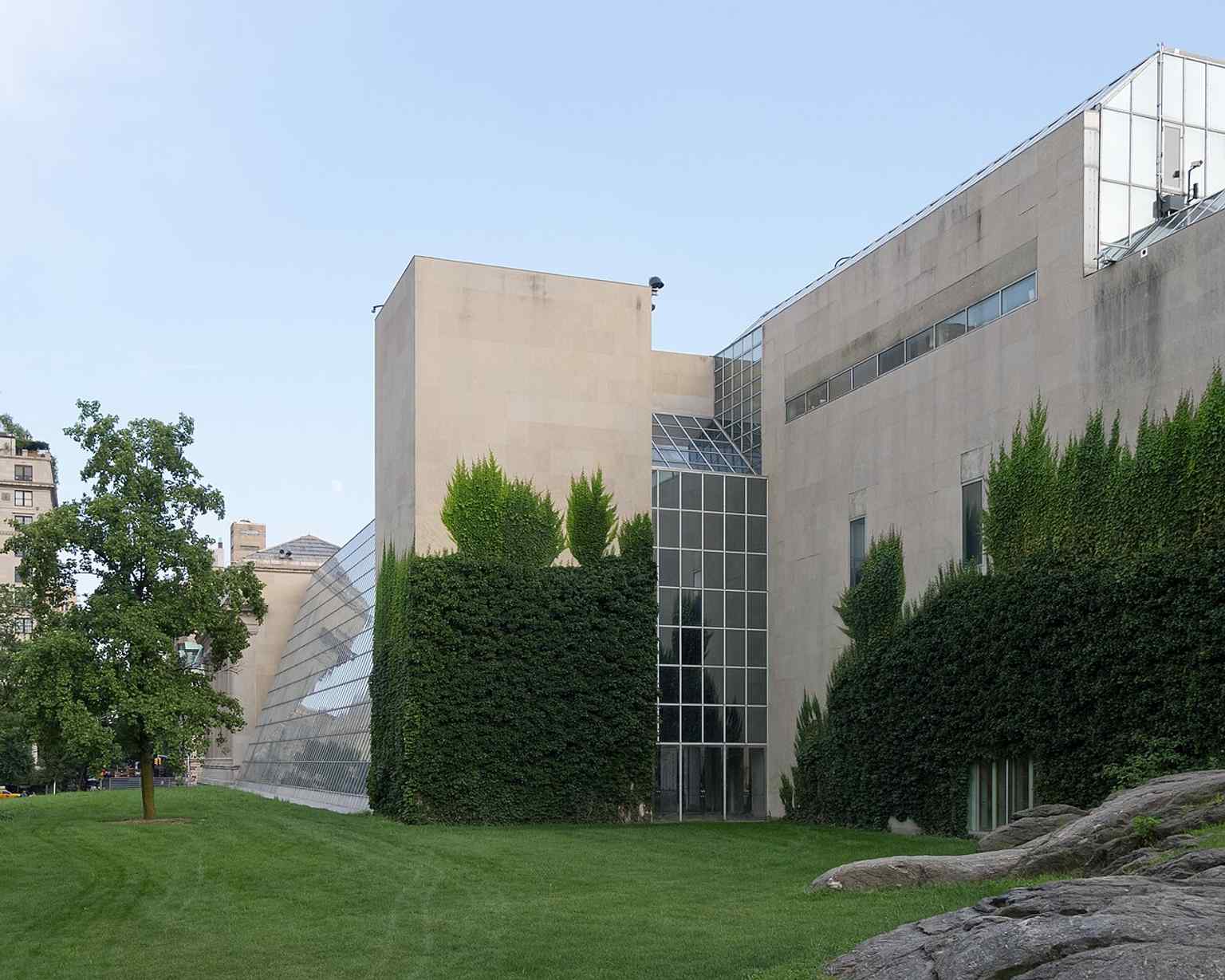
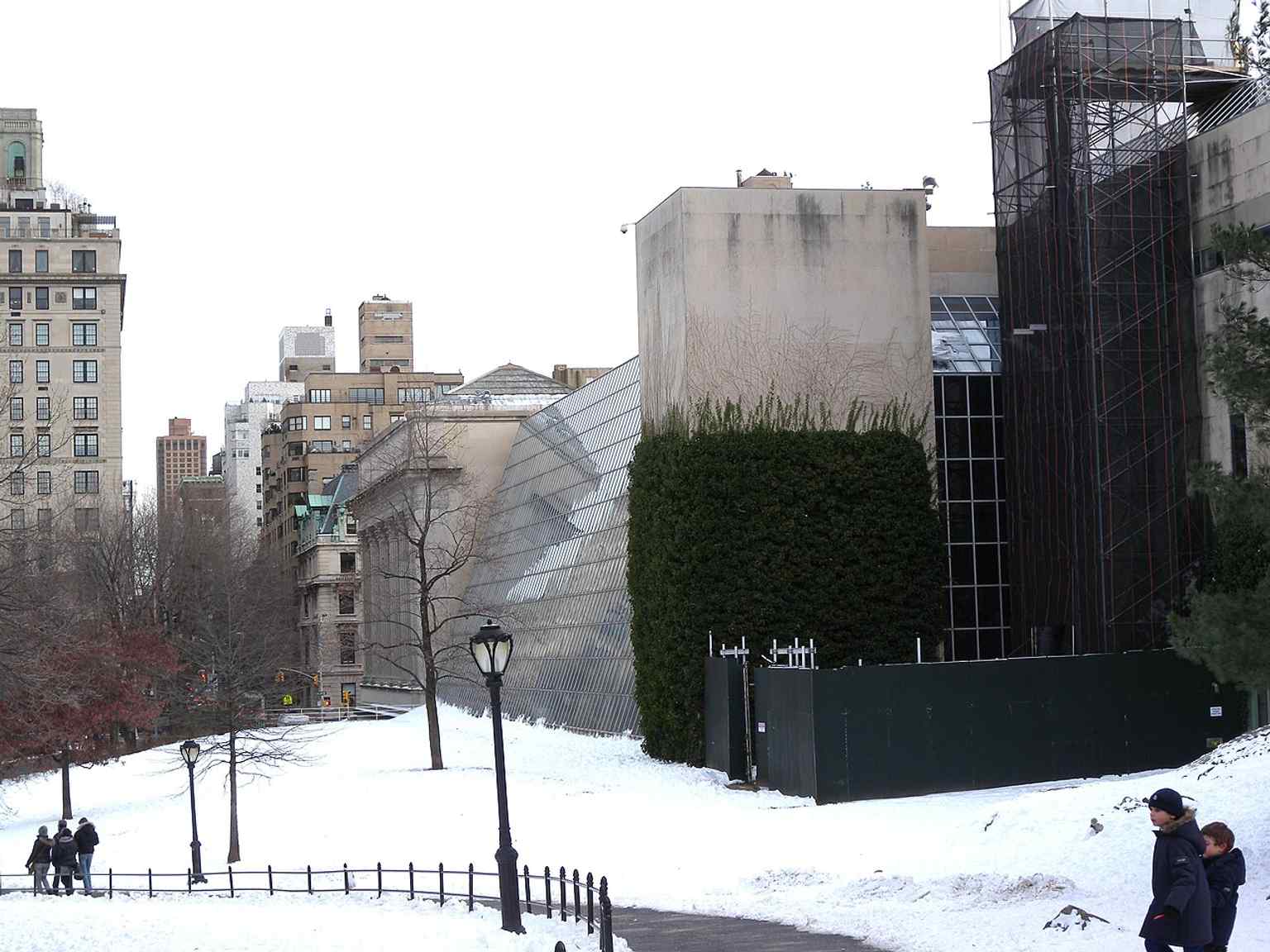
On your right, look for the pale stone addition with clean rectangular lines and a broad glass wall tucked against the Met’s older, heavier masonry.
From out here, the wing looks calm, even diplomatic... which is exactly the point. Kevin Roche designed it in nineteen seventy-eight as a restrained container for something far older and far more fragile inside: the Temple of Dendur, an Egyptian monument that Egypt gifted to the U-S in nineteen sixty-five. The Met received it in nineteen sixty-seven, but its home did not yet exist. So the temple spent years in limbo, its stone blocks stored in the museum’s south parking lot under huge inflated canvas-and-vinyl shelters until nineteen seventy-four. Not quite the glamorous afterlife people imagine for an ancient temple.
Thomas Hoving, the Met’s ambitious director, wanted a sweeping renovation of the museum, and to make this particular piece happen he estimated the project would need several million dollars. Arthur Sackler stepped forward in nineteen sixty-seven and offered the money. In the negotiations that followed, the museum attached the Sackler name to multiple galleries and to this wing, with Arthur, Mortimer, and Raymond Sackler each identified on the signage as medical doctors. The agreement said the money would come personally from the brothers... but it would be paid over twenty years, and New York City still ended up covering one point four million dollars of the cost.
That tells you something useful about cultural grandeur: the noble public face often depends on a messy braid of private ambition, civic money, and institutional need.
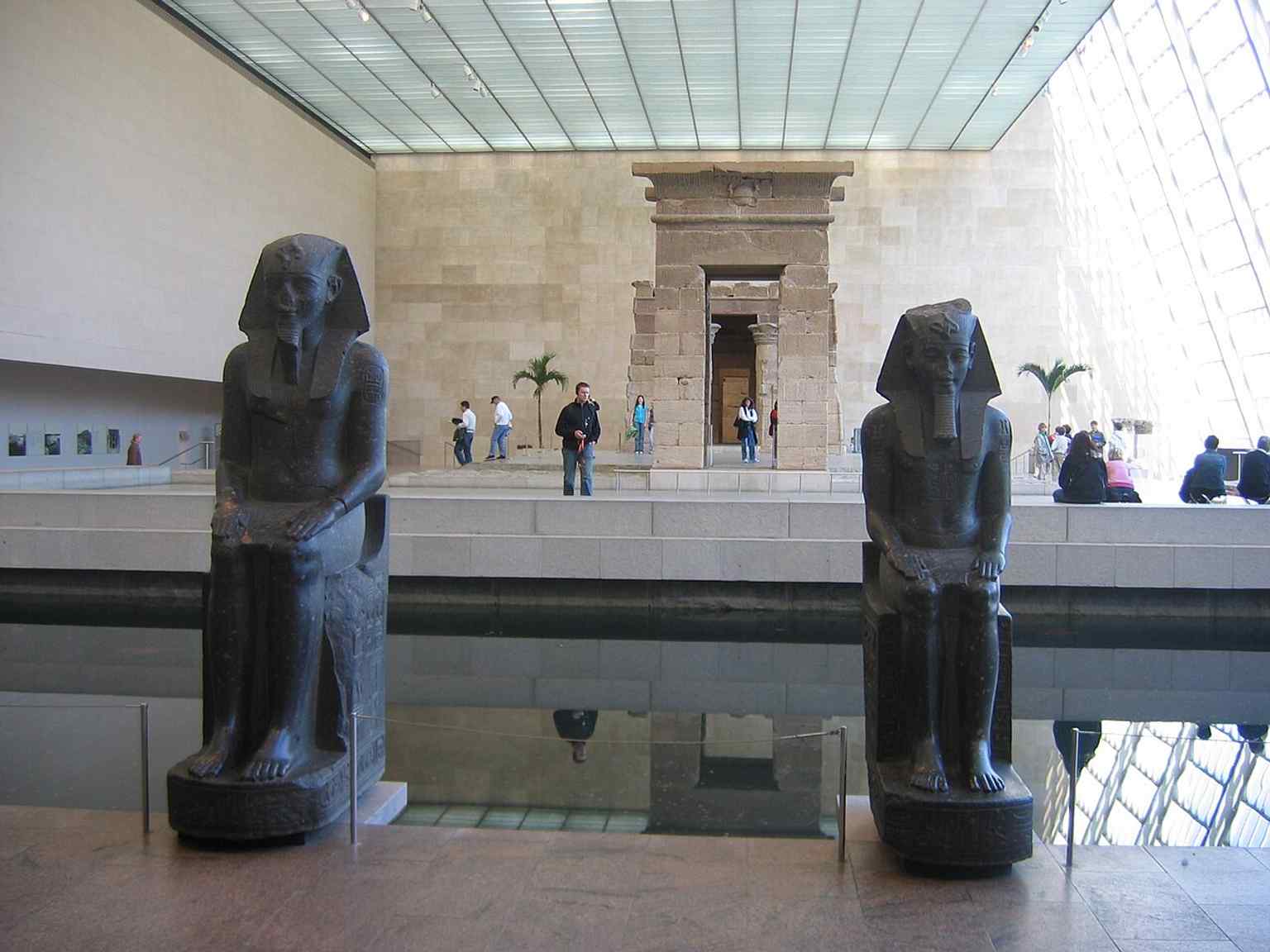
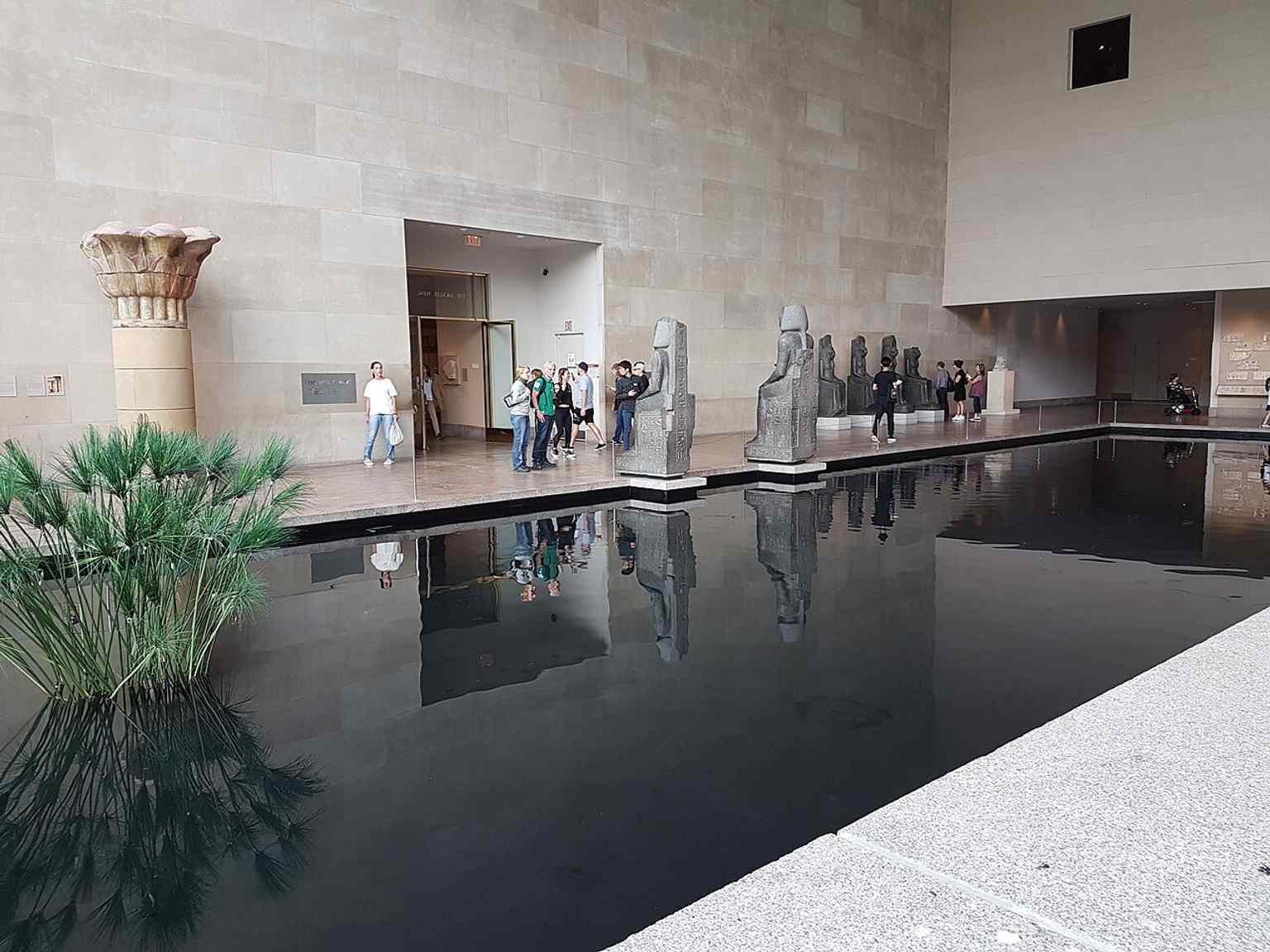
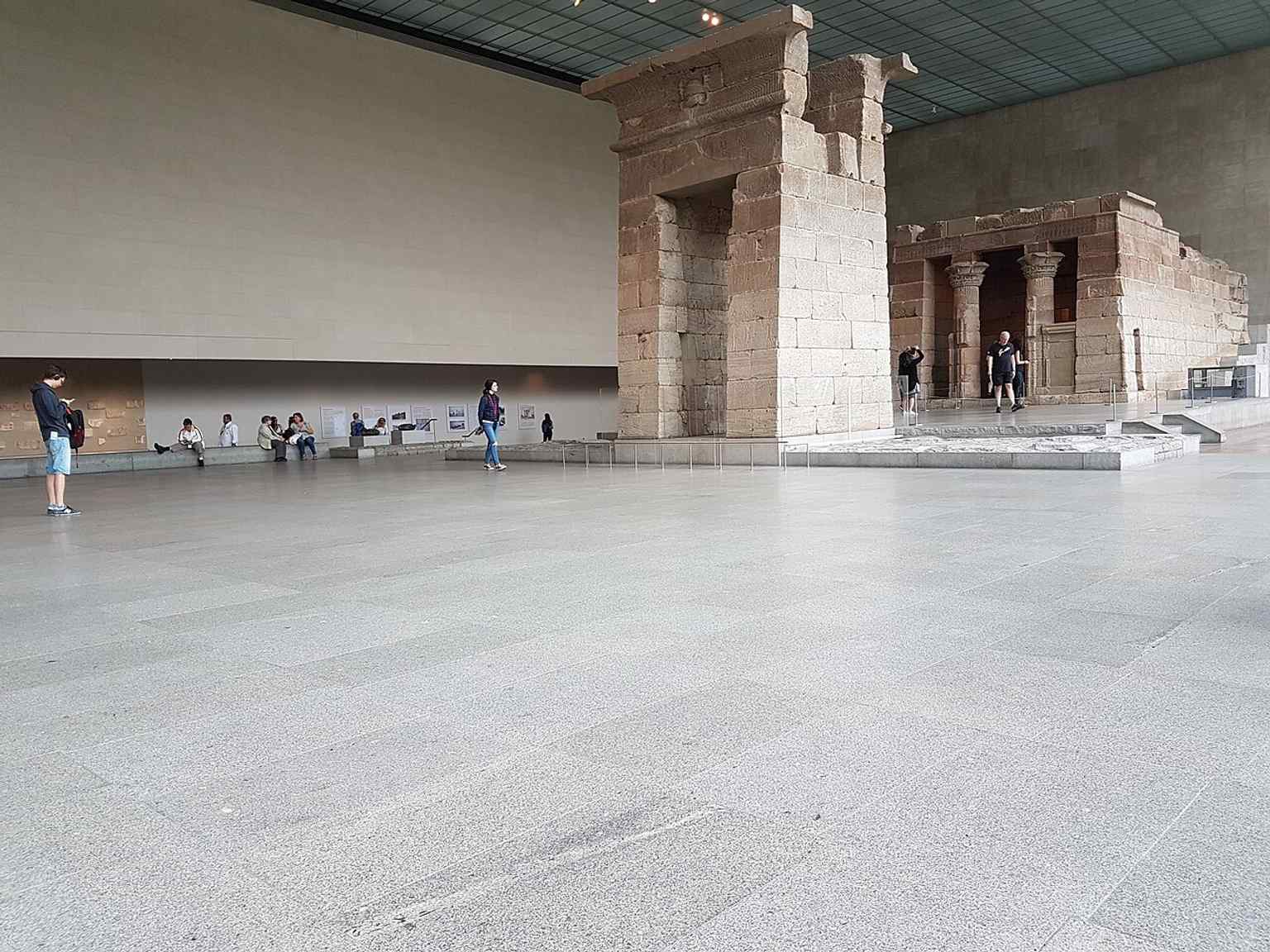
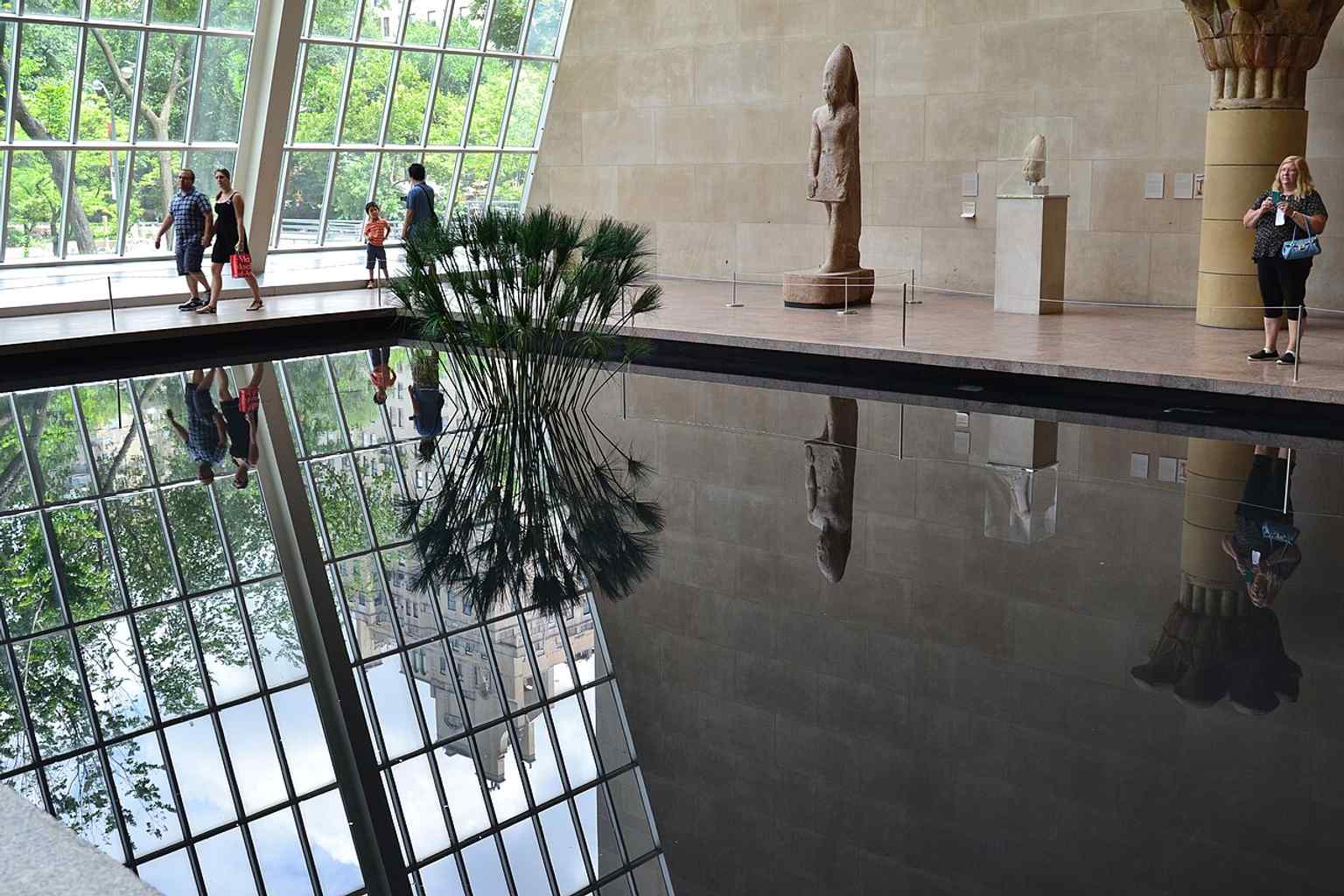
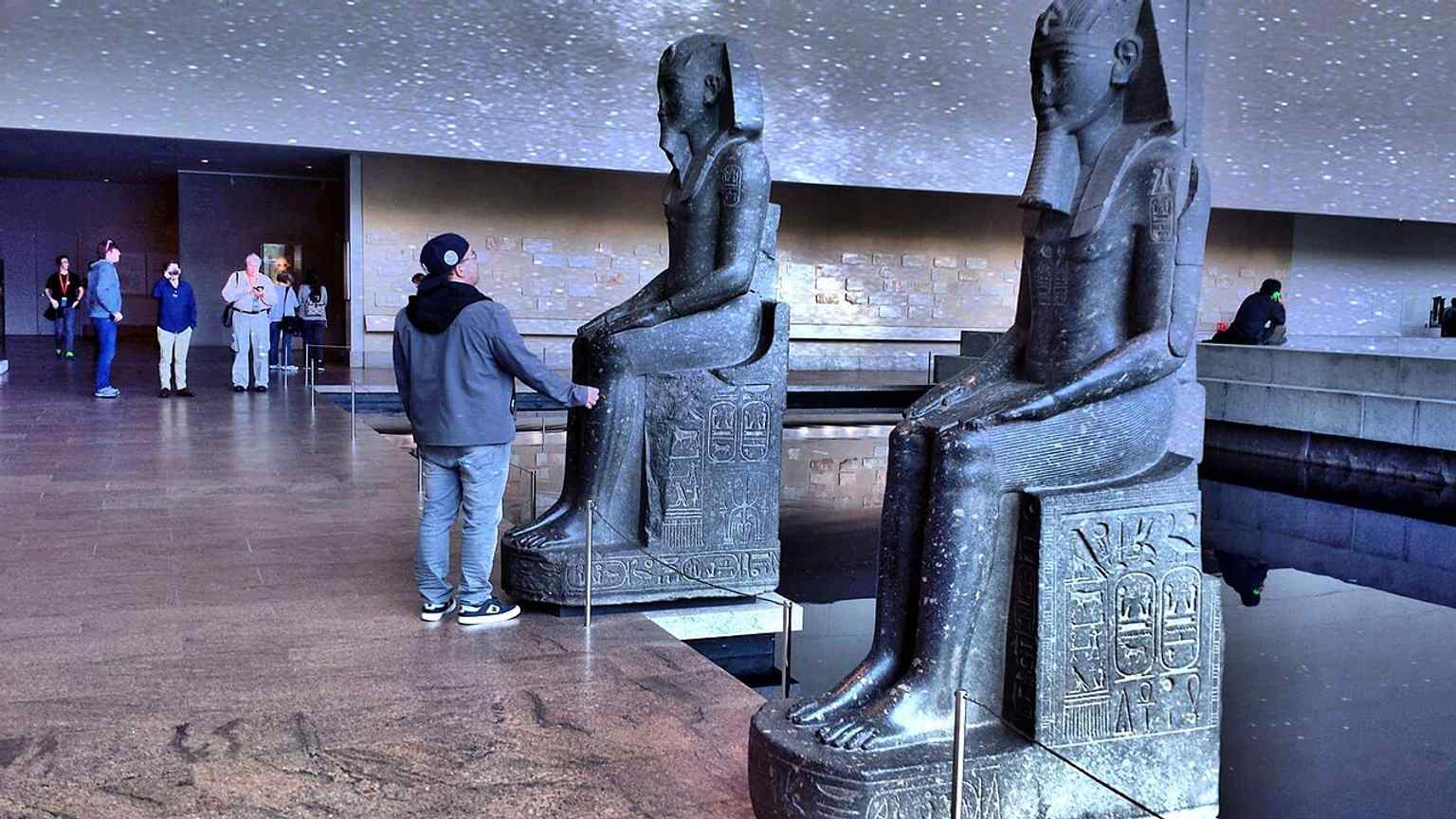
If you check the image on your screen, you can see the interior Roche created for the temple: a reflecting pool, a sloping back wall, and a stippled glass roof and north wall that frame the monument without shouting over it. It is elegant architecture behaving itself, which is rarer than architects like to admit.
The opening in nineteen seventy-eight leaned into spectacle anyway. The Met paired the new wing with a blockbuster Tutankhamun exhibition, and Martha Graham created a dance piece called Frescoes for the debut, with costumes by Halston. Ancient Egypt, modern dance, donor prestige... everyone got a starring role.
And yet the name above the room never sat comfortably. Even in nineteen seventy-eight, critics were asking whether the museum had traded honors and access too freely; one writer uncovered a kind of Sackler enclave at the Met, where Sackler-owned art sat rent-free. Decades later, the question became much harsher. The Sackler family’s ties to Purdue Pharma and OxyContin turned donor recognition into a moral liability. In twenty eighteen, artist Nan Goldin and fellow activists from P-A-I-N threw fake pill bottles into the reflecting pool inside and staged a die-in before the temple. In twenty nineteen, the Met said it would reject further Sackler money. In twenty twenty-one, it removed the name from this wing and other spaces. No replacement name arrived. If you look at the older interior image in the app, you can catch the now-vanished label like a ghost in the gallery.
So this building does two jobs at once: it shelters rescued antiquity, and it exposes how museums decide whose names get wrapped around history. Next, we’ll head toward the New York Kouros, where another ancient object will show how cultures borrow, imitate, and quietly reinvent one another. If you plan to go inside later, the Met is open every day from ten AM to four thirty PM.