
Look for the low gray stone wall, broad openings into curving paths, and the deep ribbon of trees that makes Central Park read like a carefully planted wilderness inside the street grid.
Central Park likes to pretend it simply happened... as if Manhattan got tired and accidentally grew a forest. It did not. This is one of the most controlled, ambitious acts of public design in American history.
The Greensward vision for Central Park took shape in eighteen fifty-eight, when Frederick Law Olmsted and Calvert Vaux won the park design competition. Their idea was radical: build one of the country's boldest landscaped public parks as a democratic common ground, open to everyone, but shape it so carefully that the city’s noise, traffic, and class tensions would seem to dissolve inside it. They even sank the cross-town roads below the landscape, so movement could continue without ruining the illusion of escape. If you want to see how deliberate that plan was, take a quick look at the old map in the app.
But the dream came with force behind it. Before this became parkland, the city used eminent domain, meaning the government’s power to seize private land for public use, and cleared existing communities here, including Seneca Village, a majority-Black settlement. About one thousand six hundred residents were pushed out. So even at birth, this landscape was both generous and ruthless... a public ideal built through private loss.
And then came the engineering. Workers blasted rock, drained swampy ground, moved around five million cubic feet of soil and stone, and imported fertile topsoil from Long Island and New Jersey because the original earth would not support the plan. More than twenty thousand laborers helped shape these eight hundred forty-three acres. Even the “natural” lakes and ponds were largely artificial. Nature here is real, yes, but it arrives with blueprints.
Take a second and really study the edges in front of you: the framed openings, the winding paths, the way views are revealed and hidden. Once you notice that choreography, the park stops looking accidental and starts looking brilliantly staged.
That staging shaped the whole corridor around it. In the nineteenth century, property values near the park shot upward, in some places by as much as seven hundred percent. The rich lined up along Fifth Avenue and Central Park West because this green void gave their buildings prestige, light, and a front-row seat to civic life. Inside the park, movement was managed too: separate drives, bridle paths, walks, mounted keepers, even rules against picking flowers or giving speeches. Democratic, yes... but democracy with house rules.
Over time the park declined, then got rescued. Robert Moses pushed a harsh cleanup in the nineteen thirties. The Central Park Conservancy, founded in nineteen eighty and managing the park since nineteen ninety-eight with the city, helped restore the place from the nineteen eighties onward. That stewardship matters when roughly forty-two million visits happen here each year.
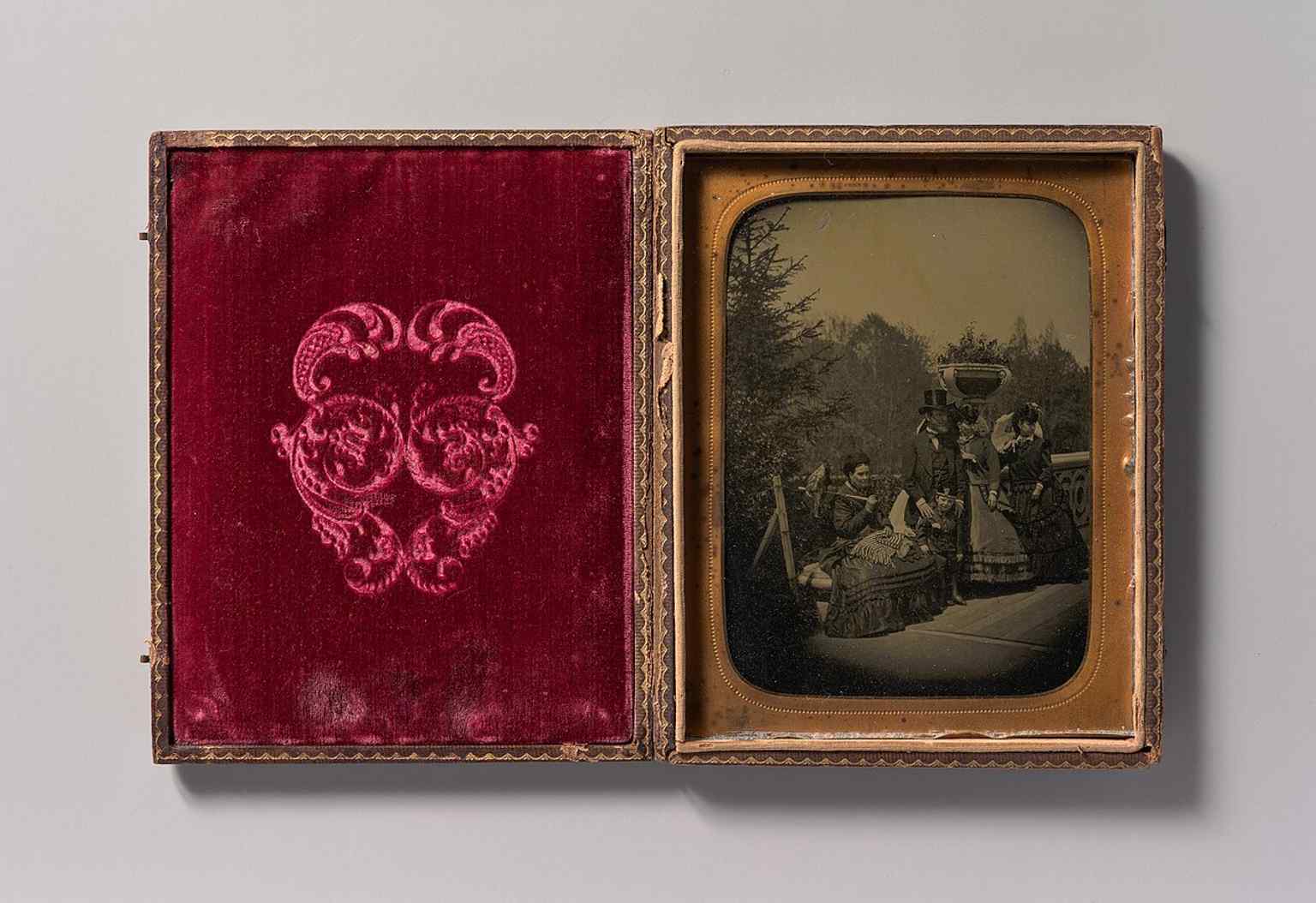
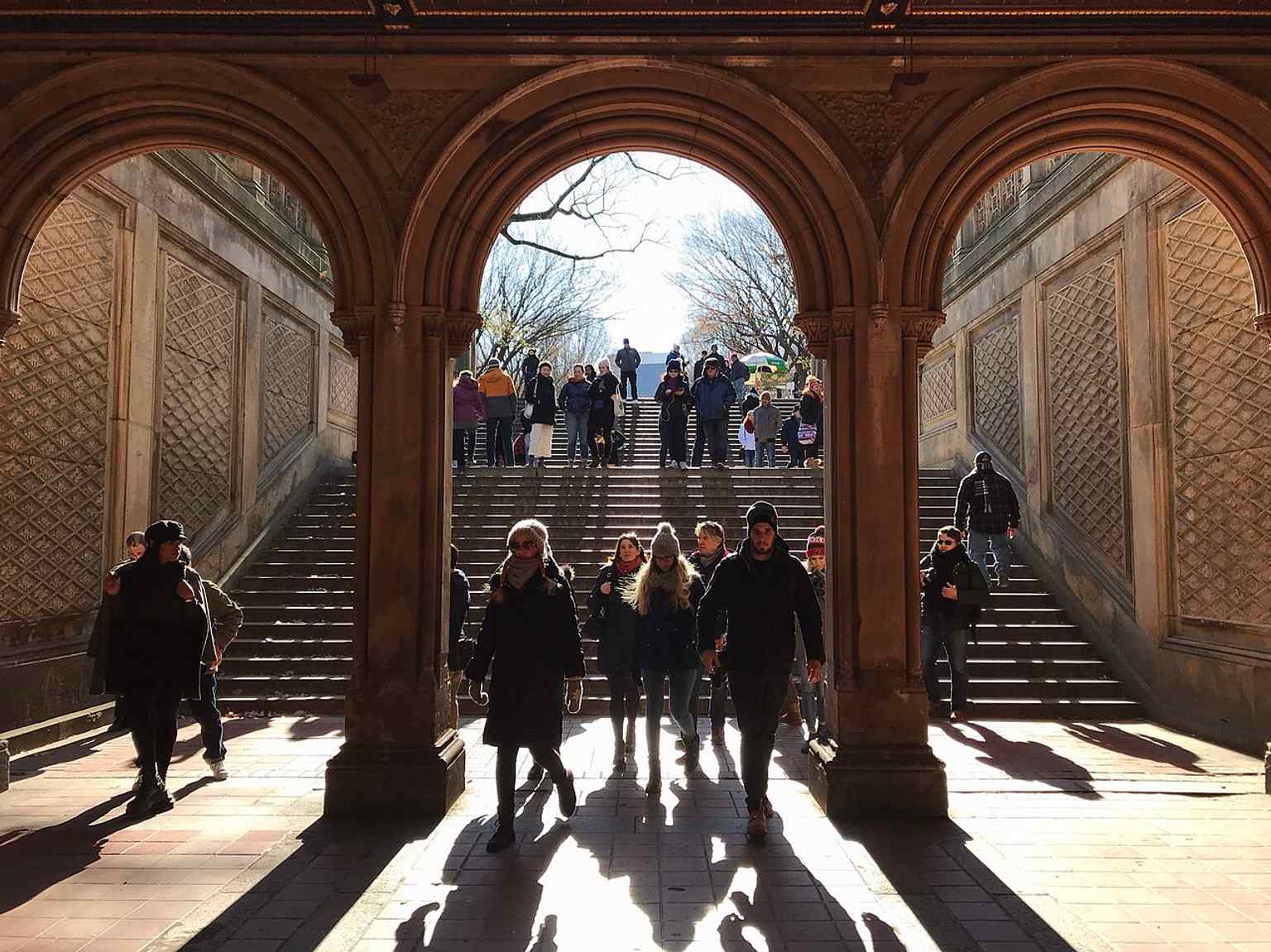
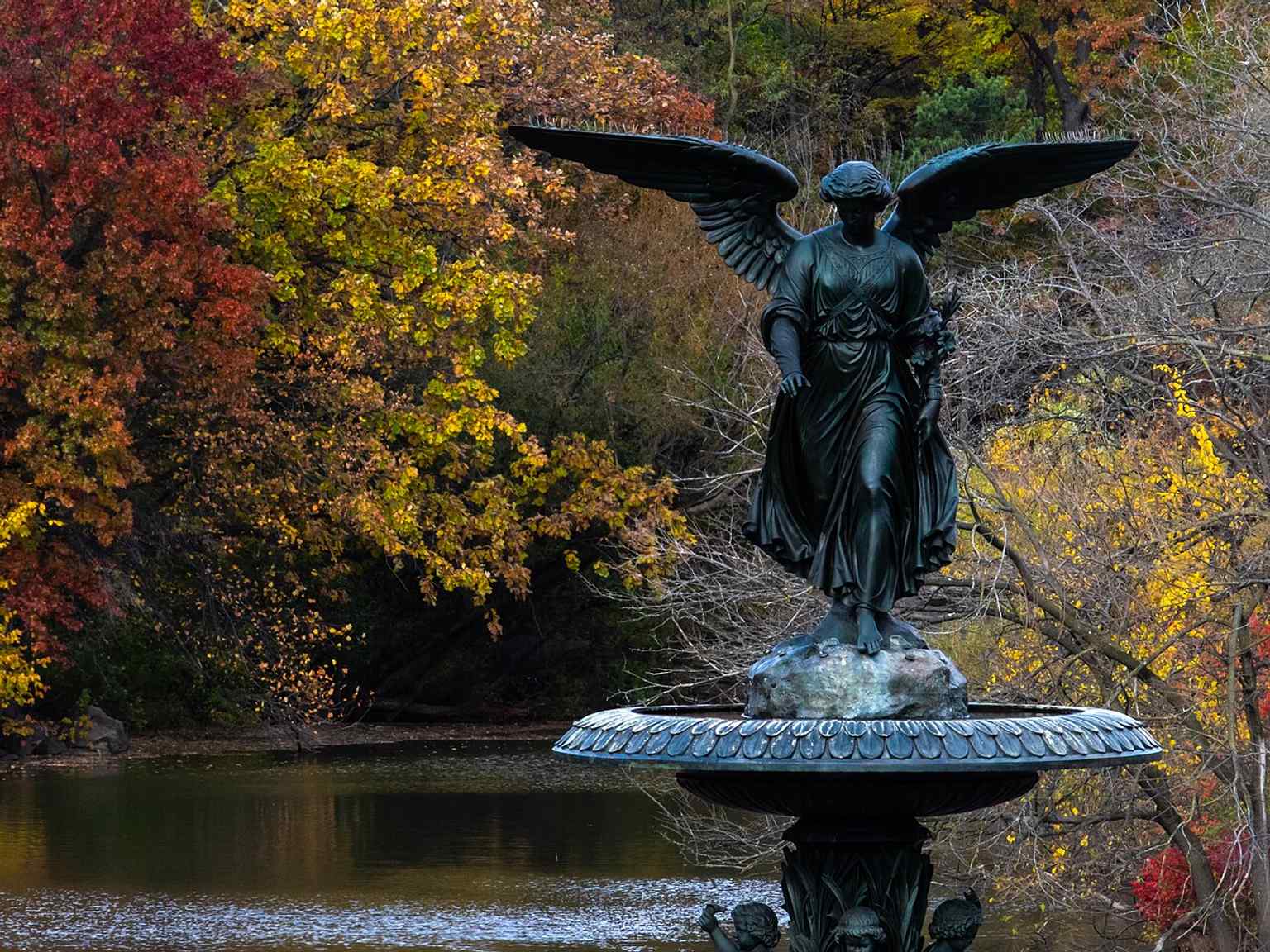
If you want a quick visual of how this designed landscape matured, check the before-and-after image of Bethesda Terrace in the app.
And now we leave the giant civic experiment for a single man cast into it: Alexander Hamilton, where family memory and public history meet in bronze. The park is generally open from six in the morning until one in the morning.






.jpg)
