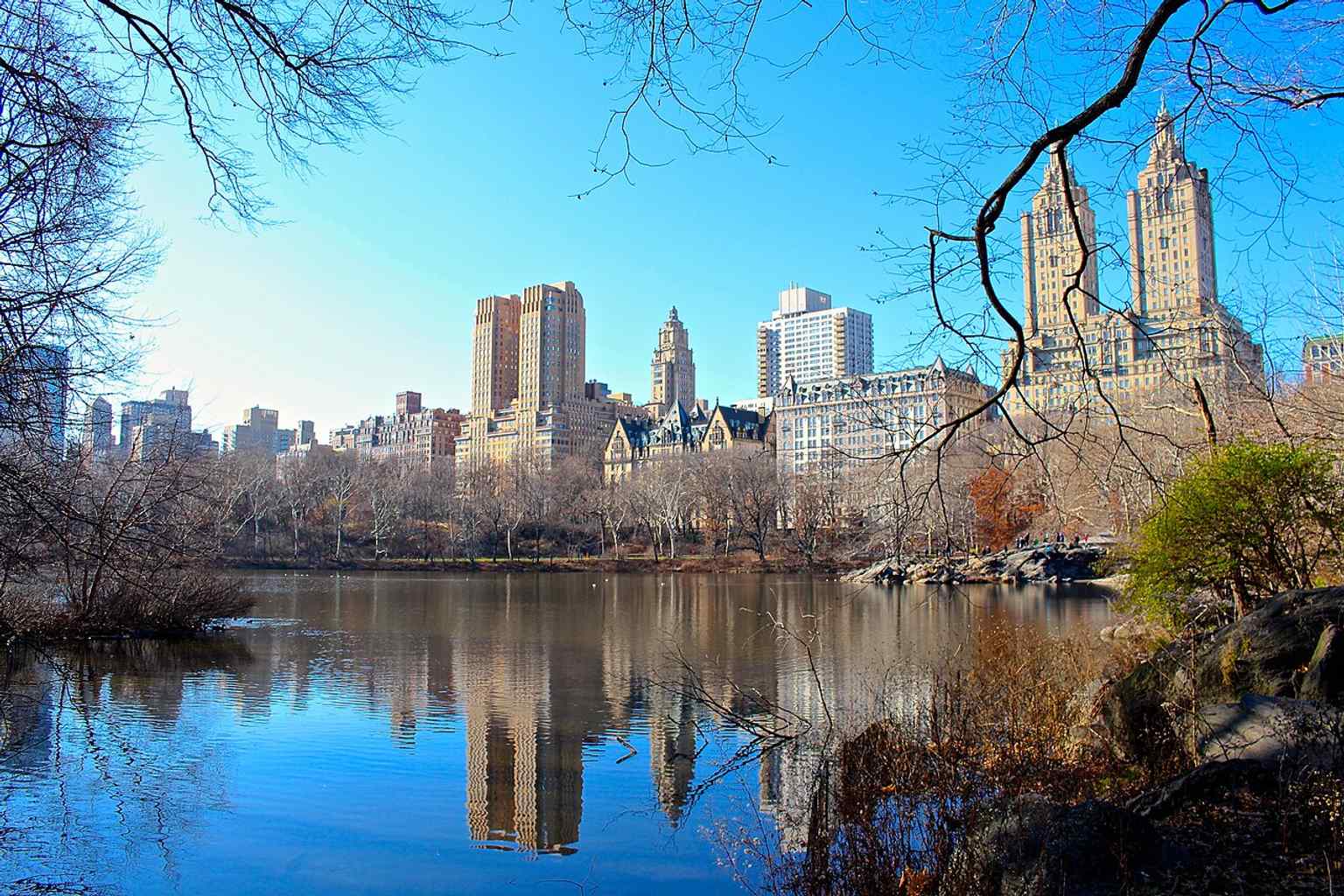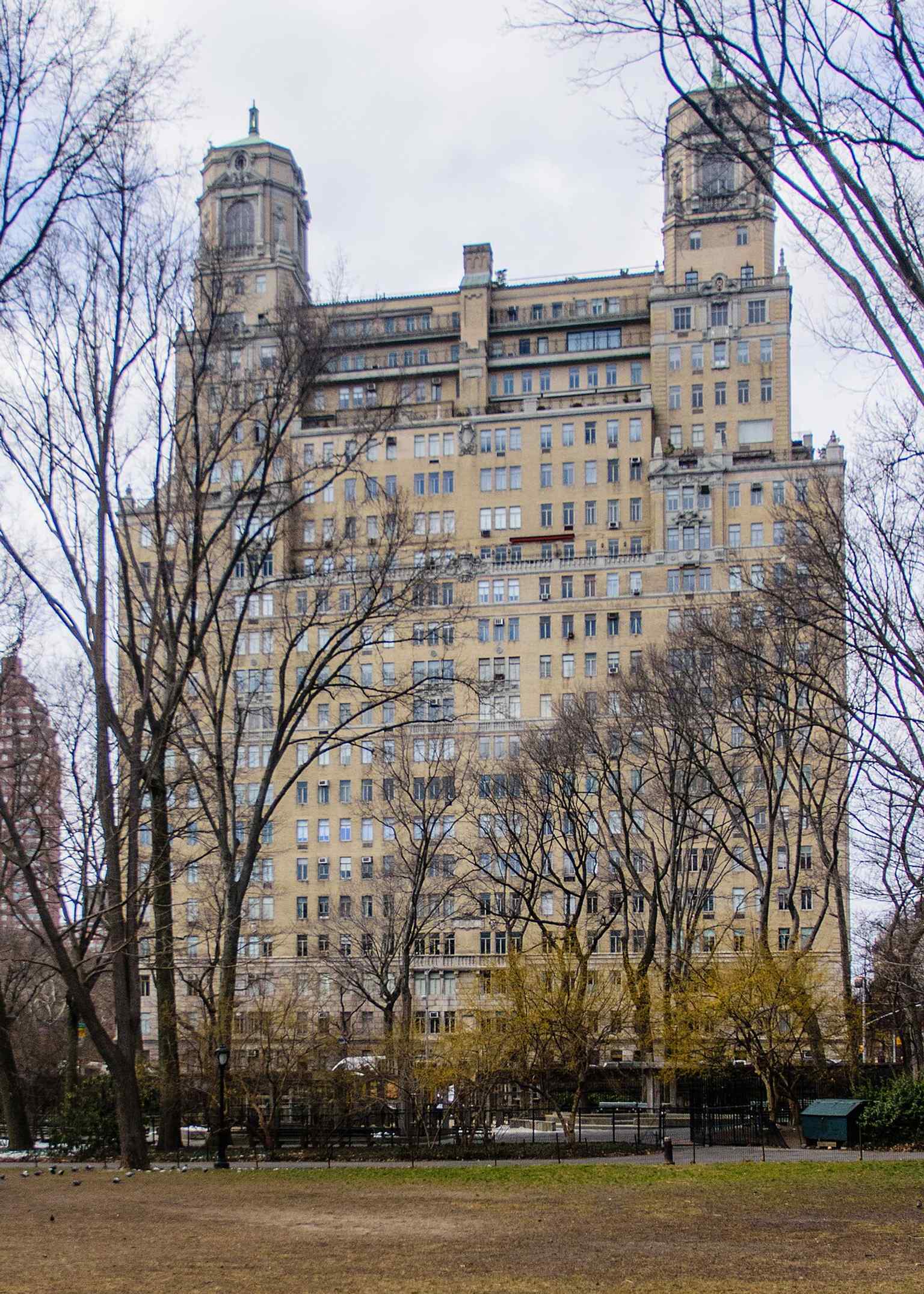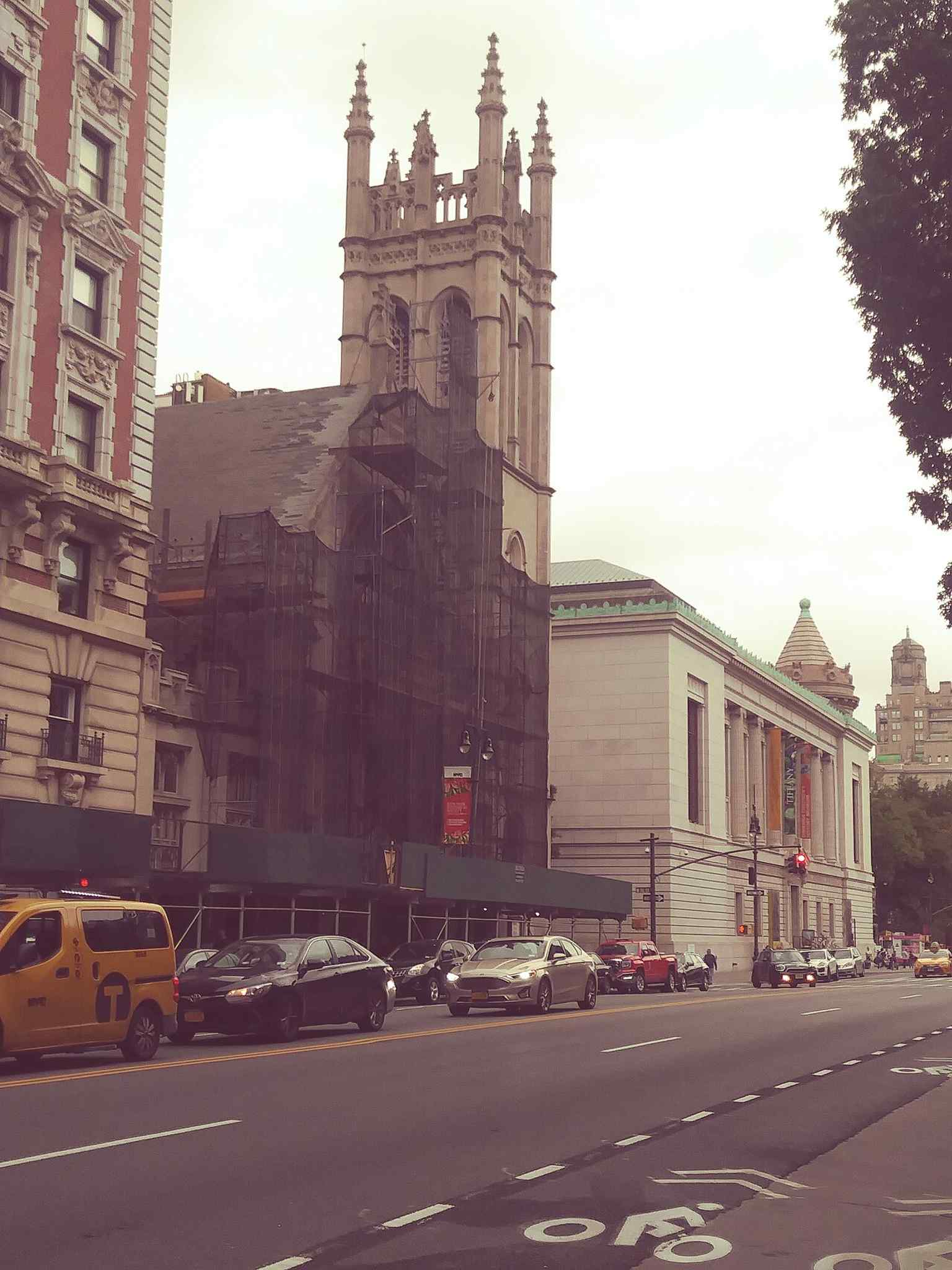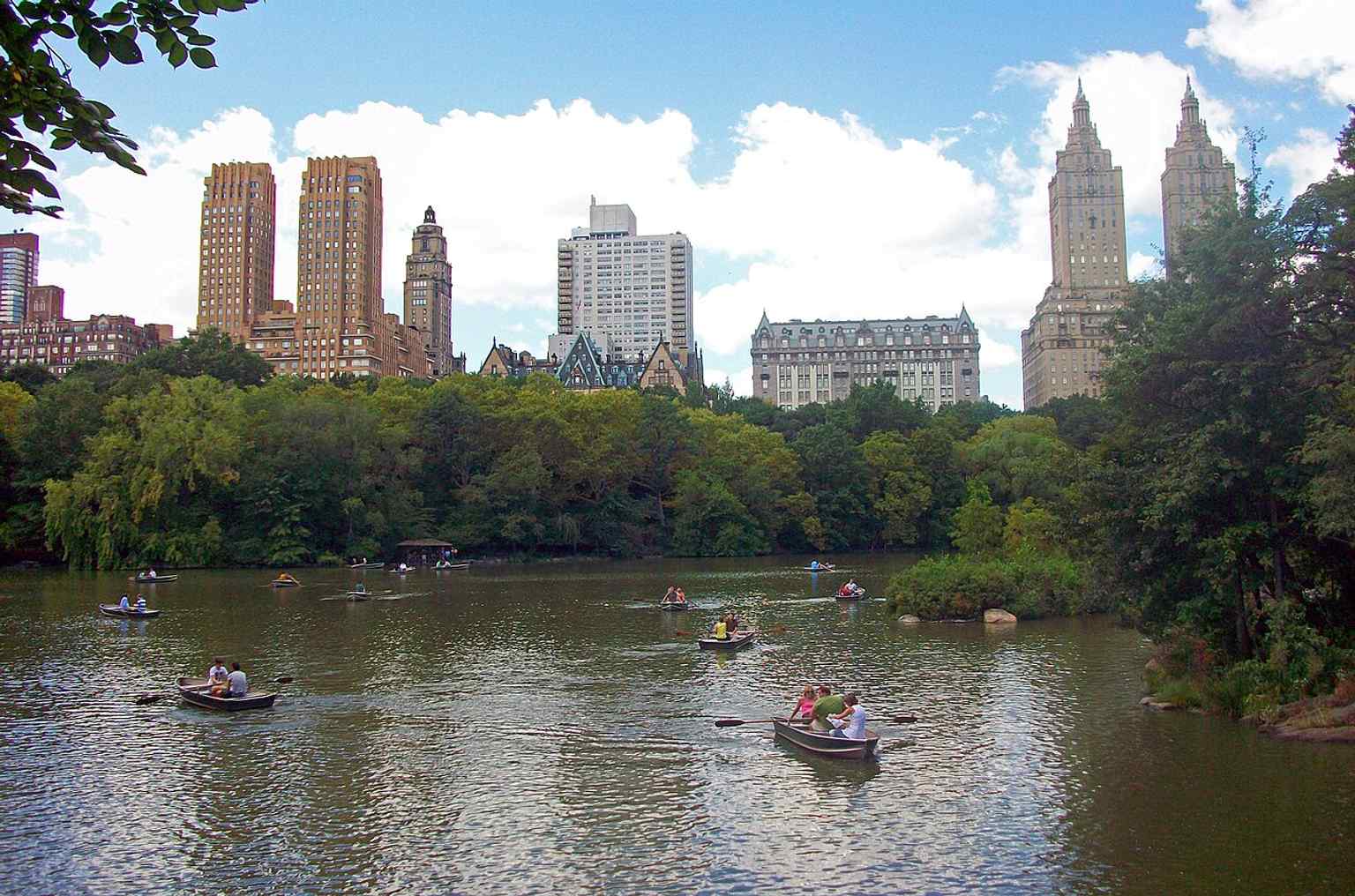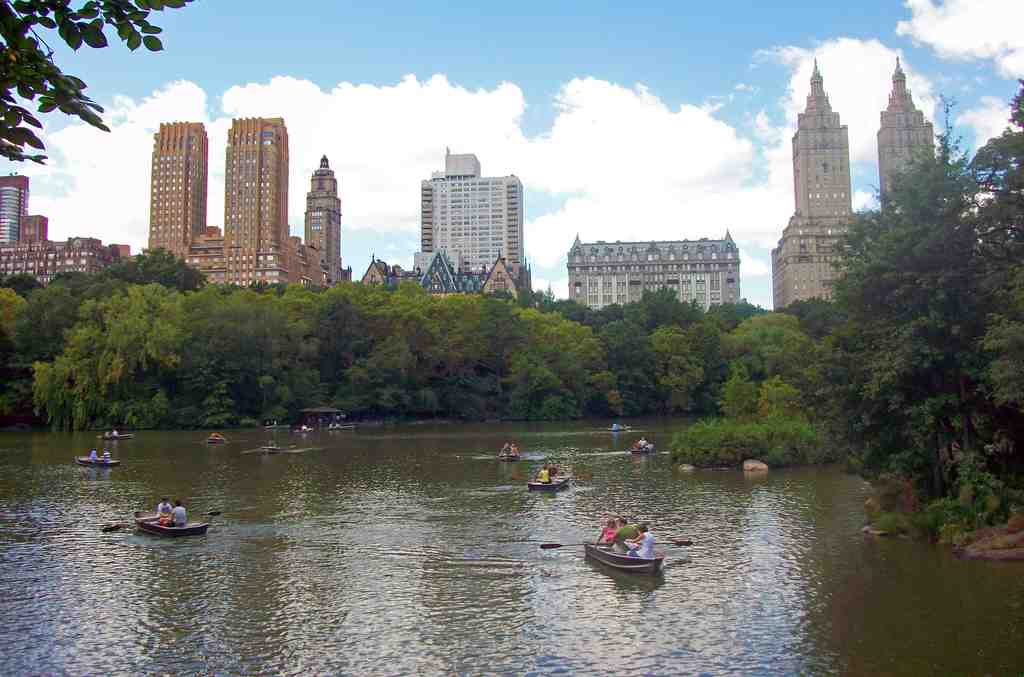
Look for a long parade of pale stone and red brick apartment houses facing the park, rising in setbacks and towers, with the Dakota’s steep gables serving as one of the avenue’s unmistakable markers.
Central Park West is not one building so much as a carefully staged performance. From sixty-first to ninety-seventh Streets, this edge of the park became one of New York’s grandest residential corridors, packed with buildings from the late nineteenth century through the early nineteen-forties. Most wear Renaissance dress-up - meaning they borrow the look of old Italian palaces - while others lean into Art Deco geometry, Beaux-Arts grandeur, Gothic flourishes, or the occasional Romanesque heaviness. New York, never very good at modesty, lined them up where everyone could see.
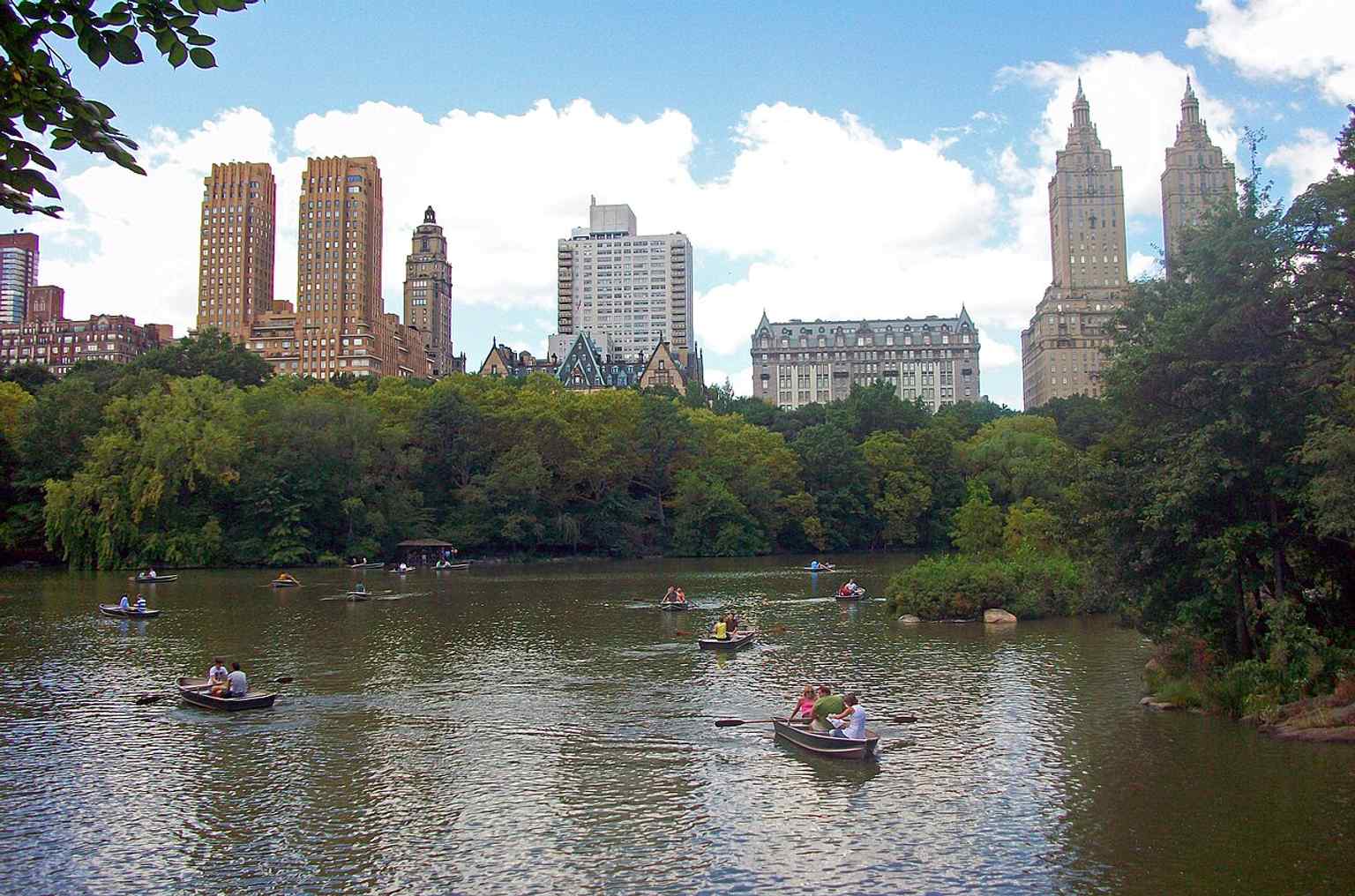
That is the trick here: private ambition turned into public scenery. Developers built these apartment houses for wealthy residents who wanted comfort, status, and views, but the result became a civic backdrop for the whole city. The skyline along the park stopped being just real estate and became part of New York’s self-portrait. If you glance at the image on your screen, you can see that lineup clearly - the Dakota, Langham, Majestic, and San Remo reading almost like a cast list.
This park edge also worked as a social stage. To live here meant you faced the city’s most famous landscape, and the city faced you right back. Address, façade, tower, entrance canopy - all of it announced who belonged in the front row. By the mid-nineteen-thirties, this stretch had also become a destination for Jewish upward mobility; more than half the residents between Seventy-second and Ninety-sixth Streets were Jewish, and many family heads had been born in Europe. So the avenue’s glamour was never just old money polishing its cuff links. It was also newcomers writing themselves into Manhattan.
No architect embodies that better than Emery Roth. He arrived alone from Hungary as a teenager, worked his way into architecture in Chicago and New York, lost sight in one eye and nearly died in the influenza pandemic of nineteen eighteen... and then helped define Central Park West with buildings like the San Remo, the Beresford, the Alden, and the Ardsley. His career reads like the avenue itself: immigrant grit dressed in limestone elegance.
Locals will tell you something most passersby miss about the Dakota. People remember the tragedy first: John Lennon and Yoko Ono lived there, and Lennon was shot and killed outside the entrance in nineteen eighty; Ono remained in the apartment until twenty twenty-three. But the building began as a bold experiment in elite apartment living. Henry Hardenbergh gave all sixty-five apartments different plans, wrapped them around a central courtyard, and tucked servant circulation underground so staff could move without crossing residents’ paths. In other words, privacy, convenience, and spectacle - New York’s favorite trio.
Protection came later. The city first designated part of this area in nineteen seventy-three, and the federal government added the broader historic district to the National Register of Historic Places in nineteen eighty-two. That official recognition mattered, but honestly, the avenue had been declaring its own importance for decades. Even popular culture joined in: fifty-five Central Park West got recast as “Spook Central” in Ghostbusters, because of course even the skyline wanted a screen credit.
And yet all this architecture exists because of the open space beside it. These towers needed a stage, and Central Park gave them one. Our next stop leaves the row of façades and heads into the landscape that made this whole performance possible.