
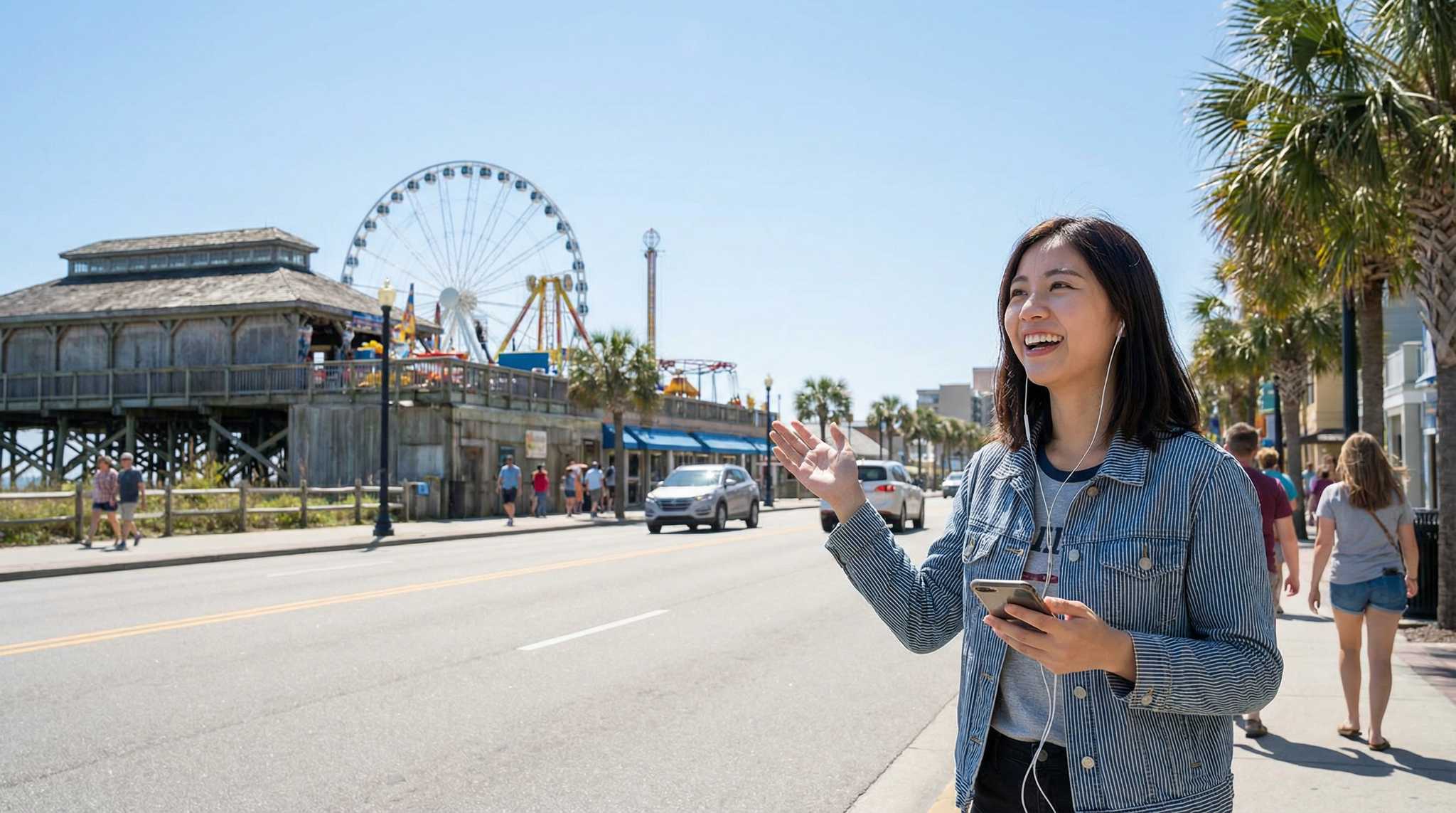
Myrtle Beach Audio Tour: From Rails to Waves—Boardwalk Legends Unveiled
Every summer the Myrtle Beach SkyWheel lights up the coastline but there’s a shadowy past beneath these neon beams few ever imagine. This self-guided audio tour invites you to stroll beyond the tourist crowds and dive into the stories hidden along the Myrtle Beach Boardwalk. Uncover secrets woven into the Pavilion’s carnival laughter and boardwalk planks that saw both celebration—and chaos. What disaster once left the Pavilion in stunned silence? Which seaside rivalry nearly tore the city in two? And what strange artifact is rumored to be sealed beneath the SkyWheel’s very foundations? Wind through stories of daring political gambles, waves of rebellion, and moments of scandal that once rocked Myrtle Beach to its core. Each step pulls you closer to the pulse and drama of the city most visitors only glimpse by day. Unlock the secrets. The real Myrtle Beach is waiting just beneath your feet—let the adventure begin.
Tour preview
About this tour
- scheduleDuration 70–90 minsGo at your own pace
- straighten3.0 km walking routeFollow the guided path
- location_onLocationMyrtle Beach, United States
- wifi_offWorks offlineDownload once, use anywhere
- all_inclusiveLifetime accessReplay anytime, forever
- location_onStarts at Myrtle Beach Pavilion
Stops on this tour
lock_open 3 free previews · 5 unlock with purchase
Look for the broad oceanfront lot beside the boardwalk, with a low metal historical marker at its edge marking where the Pavilion once stood. This patch of ground is one of…Read moreShow less
Open dedicated page →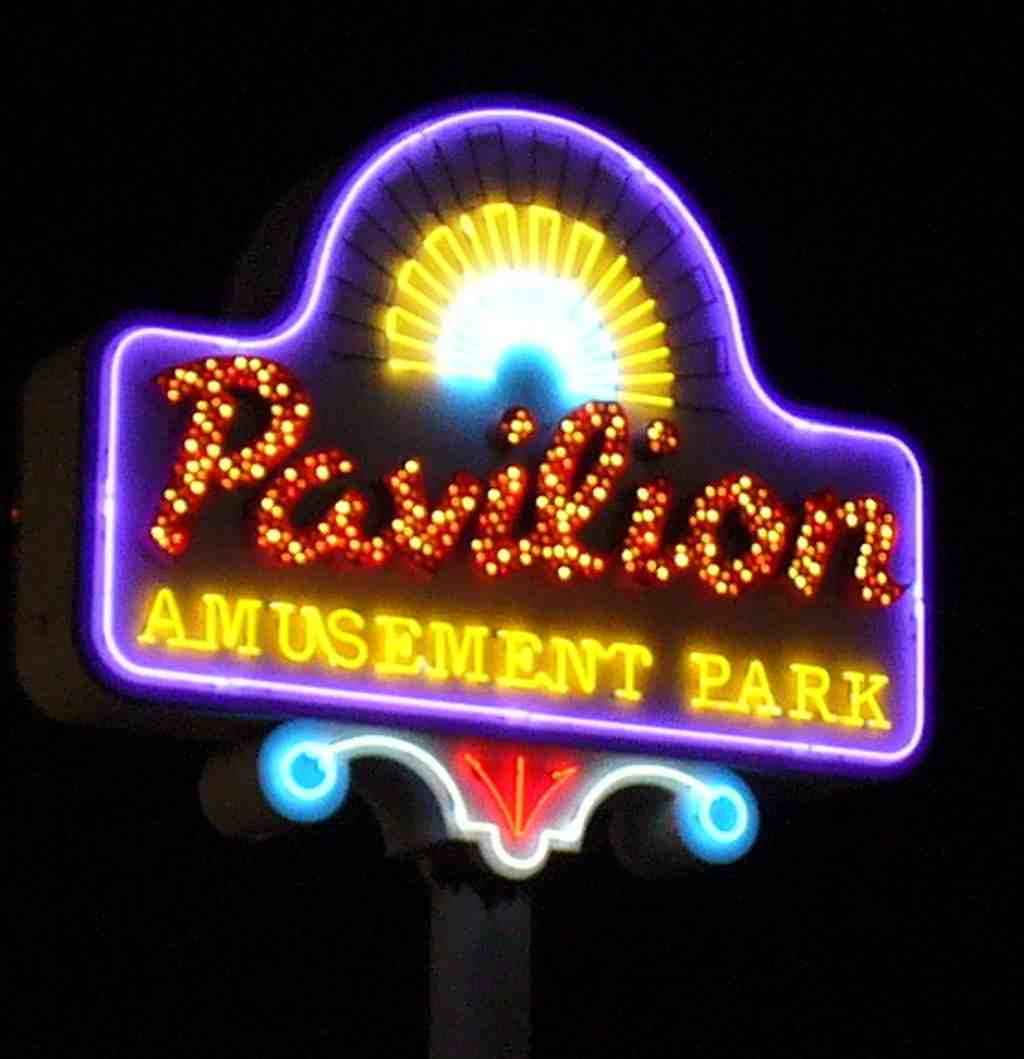
Myrtle Beach PavilionPhoto: Erechtheus, Wikimedia Commons, CC BY-SA 3.0. Cropped & resized. Look for the broad oceanfront lot beside the boardwalk, with a low metal historical marker at its edge marking where the Pavilion once stood.
This patch of ground is one of Myrtle Beach’s great ghosts. For decades, people simply called it the Pavilion, and that meant rides, music, sugar, noise, and at least one family argument about who was brave enough to get on the coaster. The story started in nineteen oh-two, when Burroughs and Chapin built the first Pavilion as part of the old Seaside Inn. Fire took that one. They rebuilt in nineteen twenty-three, expanded in nineteen thirty-eight... and fire took that one too. In nineteen forty-nine, they tried again, this time in poured concrete, with a big wooden dance floor upstairs, plus a stage and grandstands. The second floor became the Magic Attic, where people danced to beach music before newer sounds took over.
Across Ocean Boulevard, a traveling carnival stopped nearby for Conway’s Tobacco Festival in nineteen forty-eight, then decided to stay put. That decision grew into the Myrtle Beach Pavilion Amusement Park. In nineteen fifty, Burroughs and Chapin bought the park’s operators, the Central Amusement Company, and added fourteen new rides. Eventually the place spread across eleven acres with more than forty attractions, pay-per-ride, no parking fee, and a reputation for being the democratic form of fun: you didn’t need a plan, just a few dollars and questionable judgment.
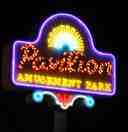
If you check your screen, the old entrance sign from the farewell season gives you a feel for the place’s last bow. And the vintage aerial view shows how the oceanfront Pavilion and the amusement park worked as a pair, almost like a seaside living room with roller coasters attached.
Some pieces became legends. The carousel dated to nineteen twelve and swapped out ordinary horses for frogs, lions, ostriches, zebras, giraffes, even dragons; just one horse served as the lead horse, dressed up like the star of the show. The Baden Band Organ came from Germany, first appeared at the Paris Exposition of nineteen hundred, and later arrived here with more than four hundred pipes and ninety-eight keys. Then there was Hurricane: Category Five, the park’s six million dollar signature coaster from two thousand, a hybrid coaster with a wooden structure and steel elements, a one hundred foot drop, and speeds up to fifty-five miles an hour.
Then came the hard ending. The owners announced that two thousand six would be the final season, citing financial instability. Petitions flew, locals fought for it, and the farewell slogan promised, “One more ride, one more thrill, one more memory, one last time.” The crowds came in record numbers anyway. By two thousand seven, demolition had cleared the site.
If you want to see the survivors later, Pavilion Nostalgia Park generally operates daily from eleven in the morning to nine at night.
So this stop is really about absence... and the stubborn way memory keeps making noise.
When you’re ready, continue on to Myrtle Beach station.
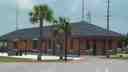
On your left, look for a low, rectangular depot with light stucco walls, a broad tiled roof, and a small central gable that gives it a faintly mission-style swagger. Atlantic…Read moreShow less
Open dedicated page →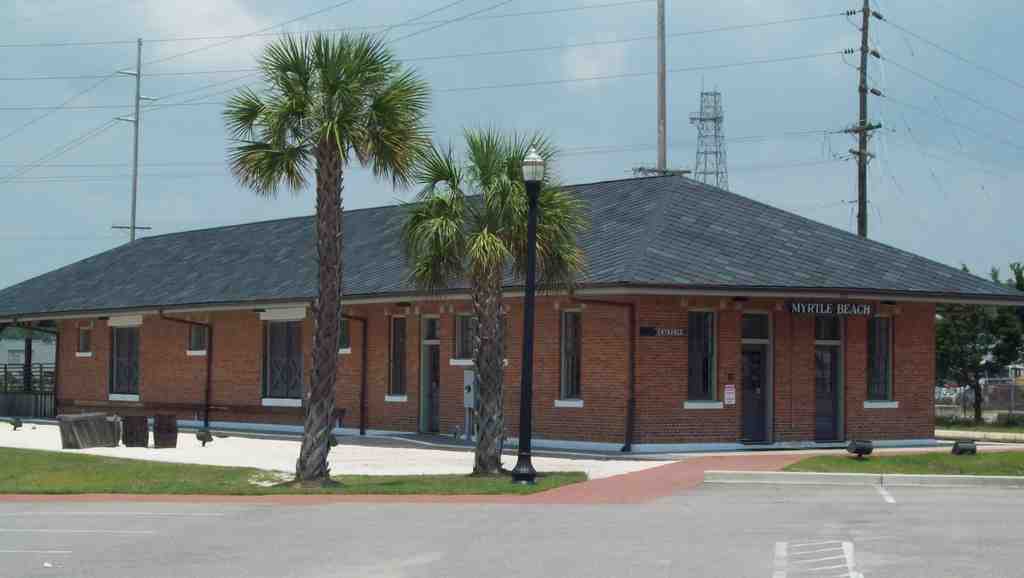
Myrtle Beach stationPhoto: Pubdog, Wikimedia Commons, Public domain. Cropped & resized. On your left, look for a low, rectangular depot with light stucco walls, a broad tiled roof, and a small central gable that gives it a faintly mission-style swagger.
Atlantic Coast Line Railroad put this station here in nineteen thirty-seven, just as Myrtle Beach was figuring out how serious it wanted to be. The company used a standard A-C-L bi-level plan: freight sat in a raised room for easier loading, while passengers stepped down into the lobby and office below. Practical, slightly bossy, very railroad. Its design mixes Colonial Revival symmetry, Craftsman warmth, and Mission-style touches... because apparently one style was not enough.
Passenger trains ran from here to Chadbourn, North Carolina, where travelers could connect west toward Florence, Sumter, and Columbia’s Union Station, or east to Wilmington. By the early nineteen fifties, some service reached Elrod for a connection to the Palmetto. Then the passenger side faded; after nineteen fifty-five, freight took over, and the last passenger train left on the twenty-third of October, nineteen eighty-six.
If you glance at your screen, the restored exterior in the app shows how carefully the city brought this place back. After the last freight train used the depot in nineteen eighty-eight, a beer distributor stored goods here... not exactly the golden age of rail romance. When demolition threatened, the city bought the building for seven hundred fifty thousand dollars in two thousand, removed a concrete-block addition, and pushed for National Register status, which arrived in two thousand two. The museum opened on the sixth of May, two thousand and four, after the All Aboard Committee raised four hundred seventy thousand dollars toward restoration.
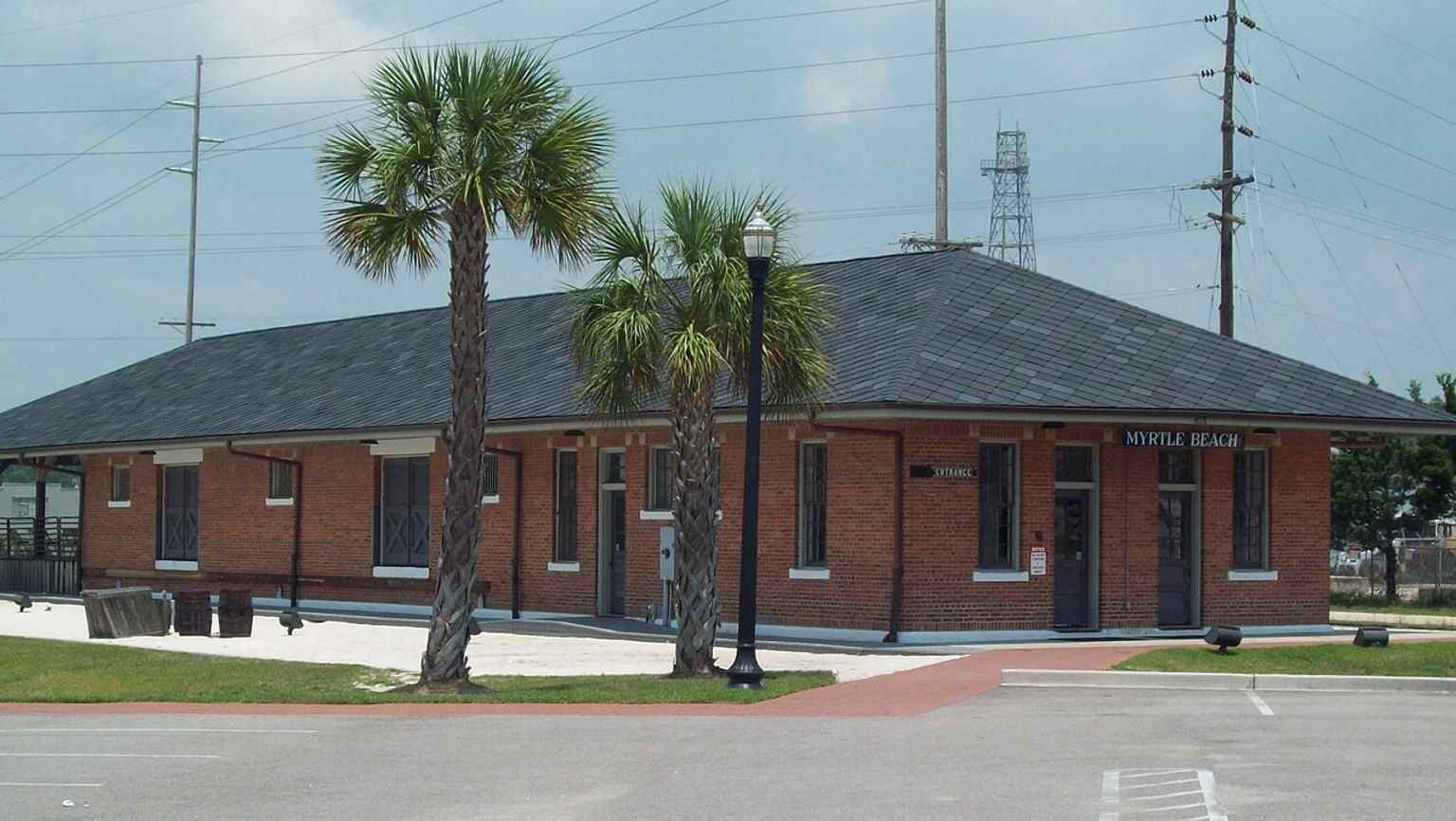
A clear modern view of the 1937 Atlantic Coast Line depot, now preserved as a museum after years of freight use and restoration.Photo: Pubdog, Wikimedia Commons, Public domain. Cropped & resized. This depot survived by changing jobs without losing its dignity. When you’re ready, keep going toward the SkyWheel.
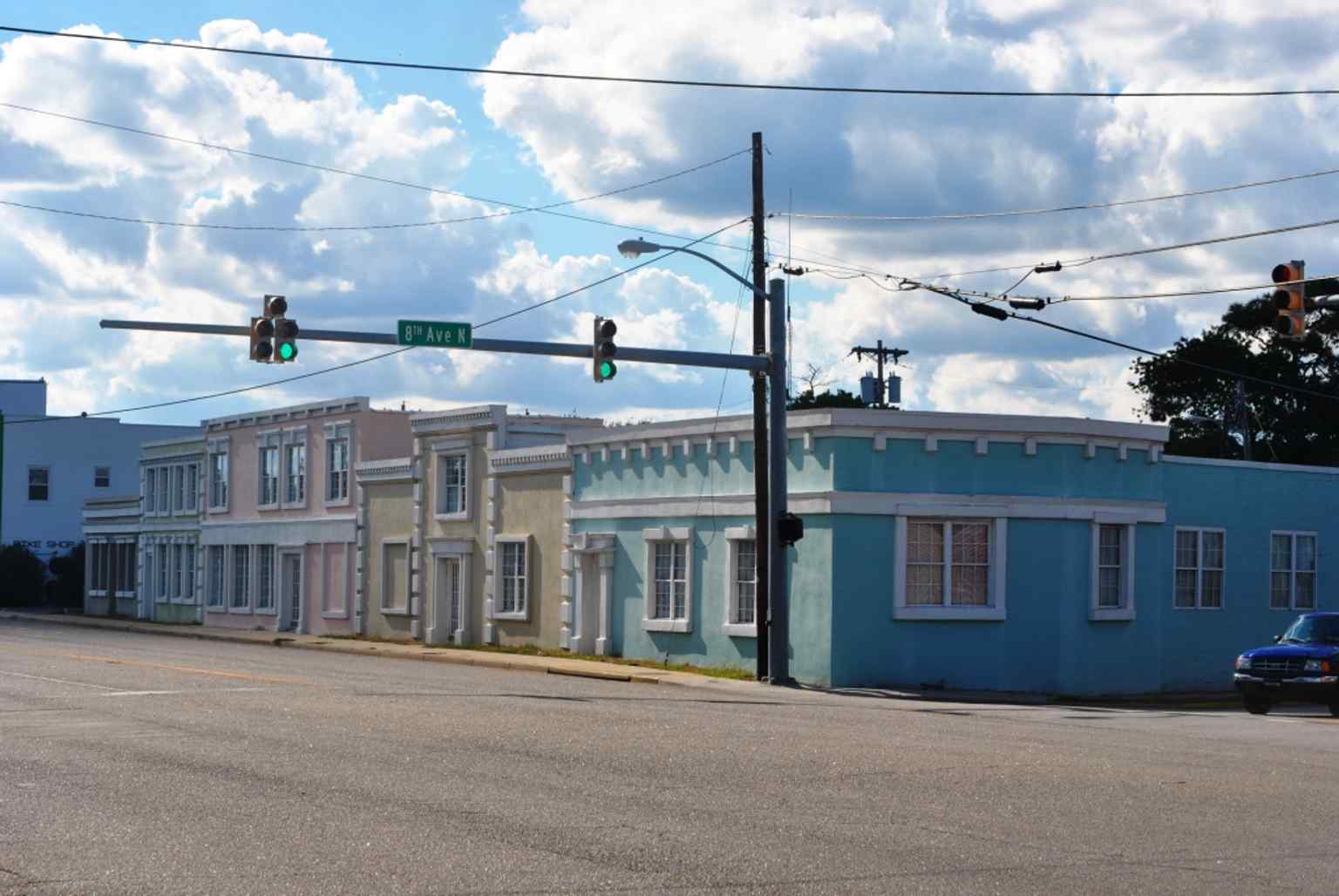
The station’s restored exterior shows the historic Myrtle Beach depot that was later listed on the National Register of Historic Places in 2002.Photo: Elisa.rolle, Wikimedia Commons, CC BY-SA 4.0. Cropped & resized. 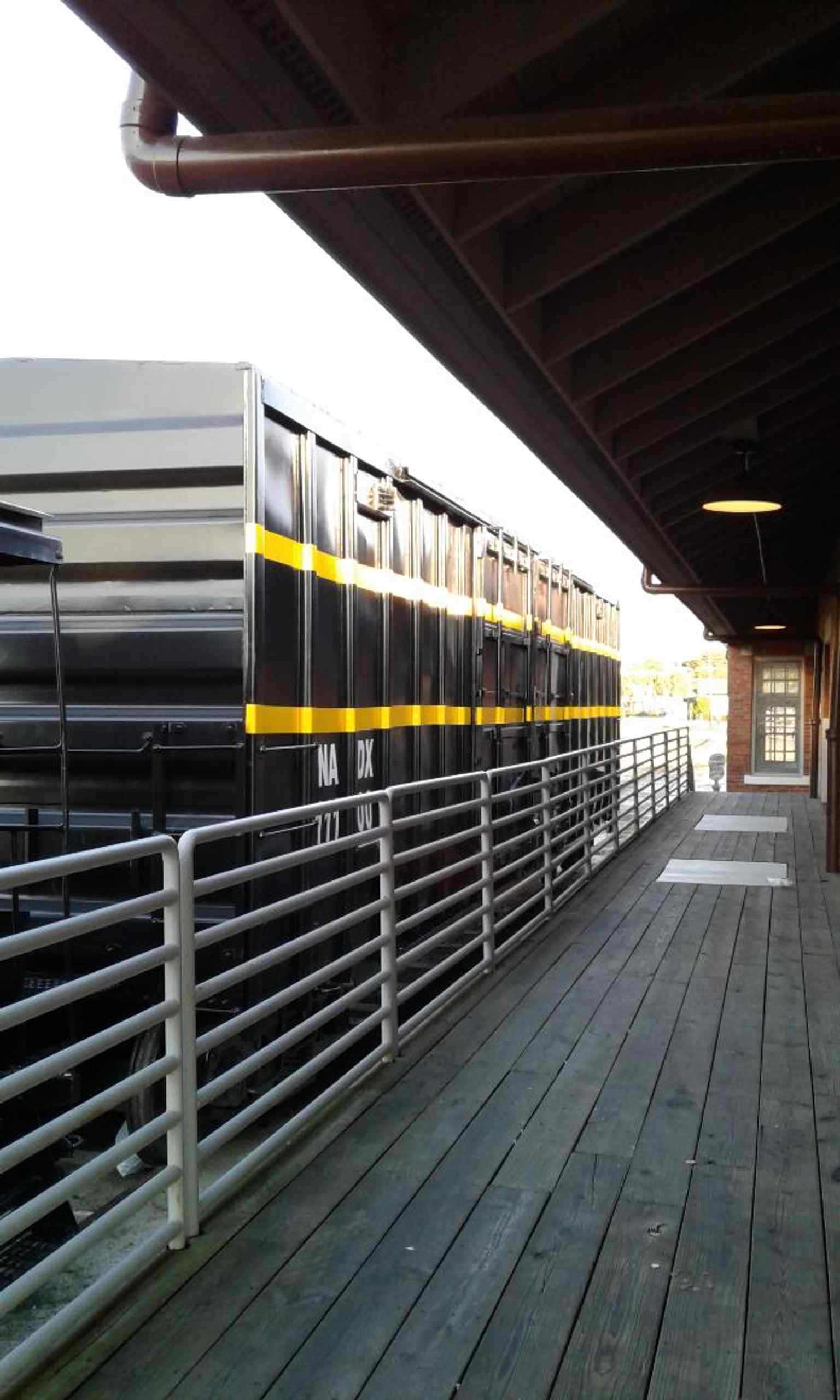
Front view of the Myrtle Beach Train Depot, built in 1937 and opened just before Myrtle Beach officially became a town.Photo: Colette Eshleman, Wikimedia Commons, CC BY-SA 4.0. Cropped & resized. 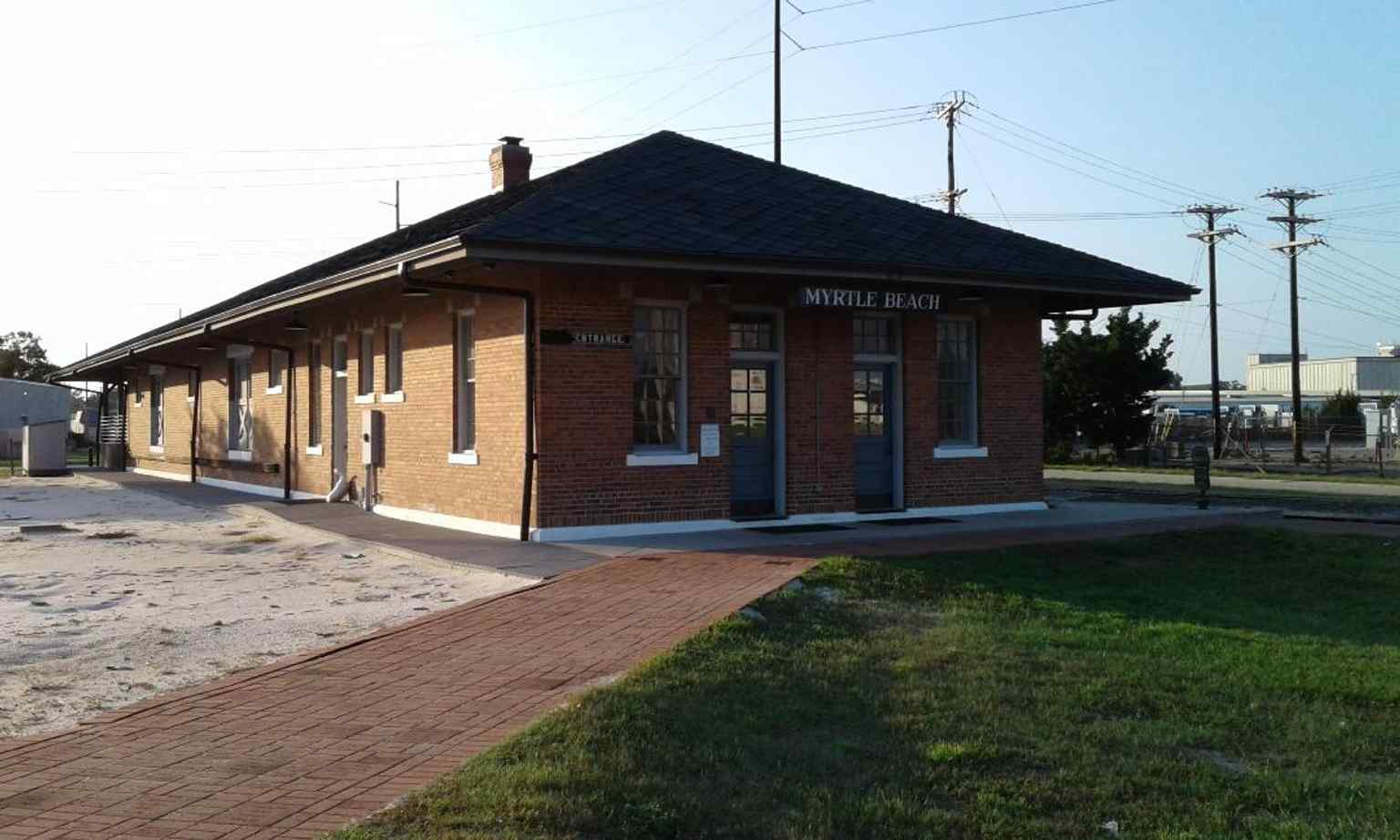
Another angle on the Atlantic Coast Line station, highlighting the preserved railroad building that once handled passenger service to Chadbourn and beyond.Photo: Colette Eshleman, Wikimedia Commons, CC BY-SA 4.0. Cropped & resized.
Show 5 more stopsShow fewer stopsexpand_moreexpand_less
On your left, the Myrtle Beach Boardwalk looks like a long wooden-plank promenade with railings, a broad gently curving path, and the oceanfront piers marking its reach north and…Read moreShow less
Open dedicated page →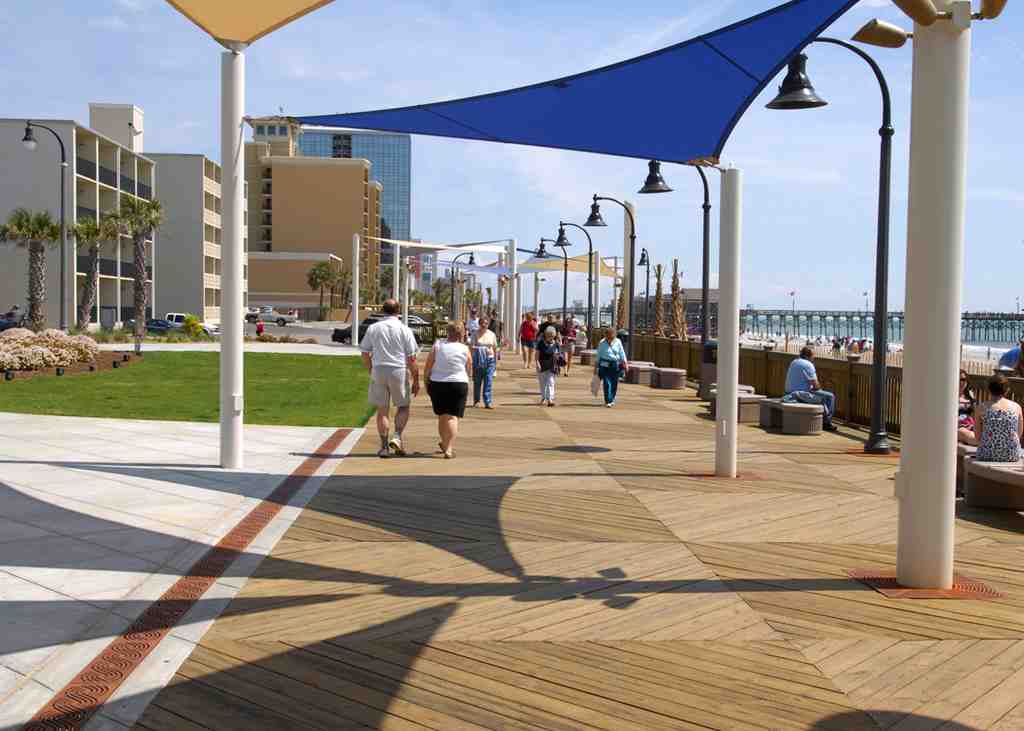
Myrtle Beach BoardwalkPhoto: U.S. Air Force photo/Tech. Sgt. Louis L. Rivers, Wikimedia Commons, Public domain. Cropped & resized. On your left, the Myrtle Beach Boardwalk looks like a long wooden-plank promenade with railings, a broad gently curving path, and the oceanfront piers marking its reach north and south.
For a place so tied to vacation mythology, Myrtle Beach spent a surprisingly long time without much of a boardwalk at all. A beach town without a proper boardwalk is a little like a diner without coffee... technically possible, but nobody trusts it. The first version here linked the Sea Side Inn, Myrtle Beach’s first hotel, to the early pavilions. By the nineteen thirties, the city had a wooden boardwalk. In nineteen forty, leaders upgraded it with concrete, then World War Two stalled plans to extend it. Hurricane Hazel finished the argument in nineteen fifty-four and destroyed most of it, leaving only a concrete stretch between Ninth Avenue North and Eleventh Avenue North.
The modern boardwalk grew out of a very specific local ache. When the Pavilion closed in two thousand and six after fifty-eight years, downtown merchants wanted something that could pull people back. David Sebok, who led the downtown redevelopment corporation, put it plainly: most tourists expected a boardwalk, and Myrtle Beach really did not have one to speak of.
So the city argued... and argued properly. Early estimates floated around ten million dollars, then climbed to twelve million. Some leaders wanted nearby businesses to pay more through a special tax district, since they would benefit most. Others said the whole city should chip in. Small business owners worried about the bill. Some residents worried about crime and vagrancy. Meanwhile, designers sketched a traditional wood-plank walkway, a meandering concrete promenade, benches, planters, beach crosswalks, and public parks.
Groundbreaking finally came in September of two thousand and nine, even while the city and Burroughs and Chapin were still sorting out who would pay for the section crossing the old Pavilion site. In the end, the timing helped. The economic slowdown cut construction costs hard, and the full project came in at nearly six point four million dollars, financed with bonds backed by a tourism sales tax rather than higher local property taxes.
What you see here opened in May of two thousand and ten, stretching one point two miles from Pier Fourteen down to Second Avenue Pier. Builders used seven hundred seventy thousand board-feet of lumber - that is a builder’s way of measuring wood by volume - plus five hundred fifty-five thousand screws and three hundred thousand nails. The city added six hundred palmetto trees and fifty thousand beach grass seedlings, because even a promenade needs decent manners.
If you glance at the shoreline photo in the app, you can see the bigger idea: this was never just a walkway, but a stitched edge between downtown and the beach. The northern section began as an eight-foot-wide raised wooden deck. The middle section leaned into restaurants, bars, and gift shops. The southern stretch became more of a meandering oceanfront park with benches and landscaping.
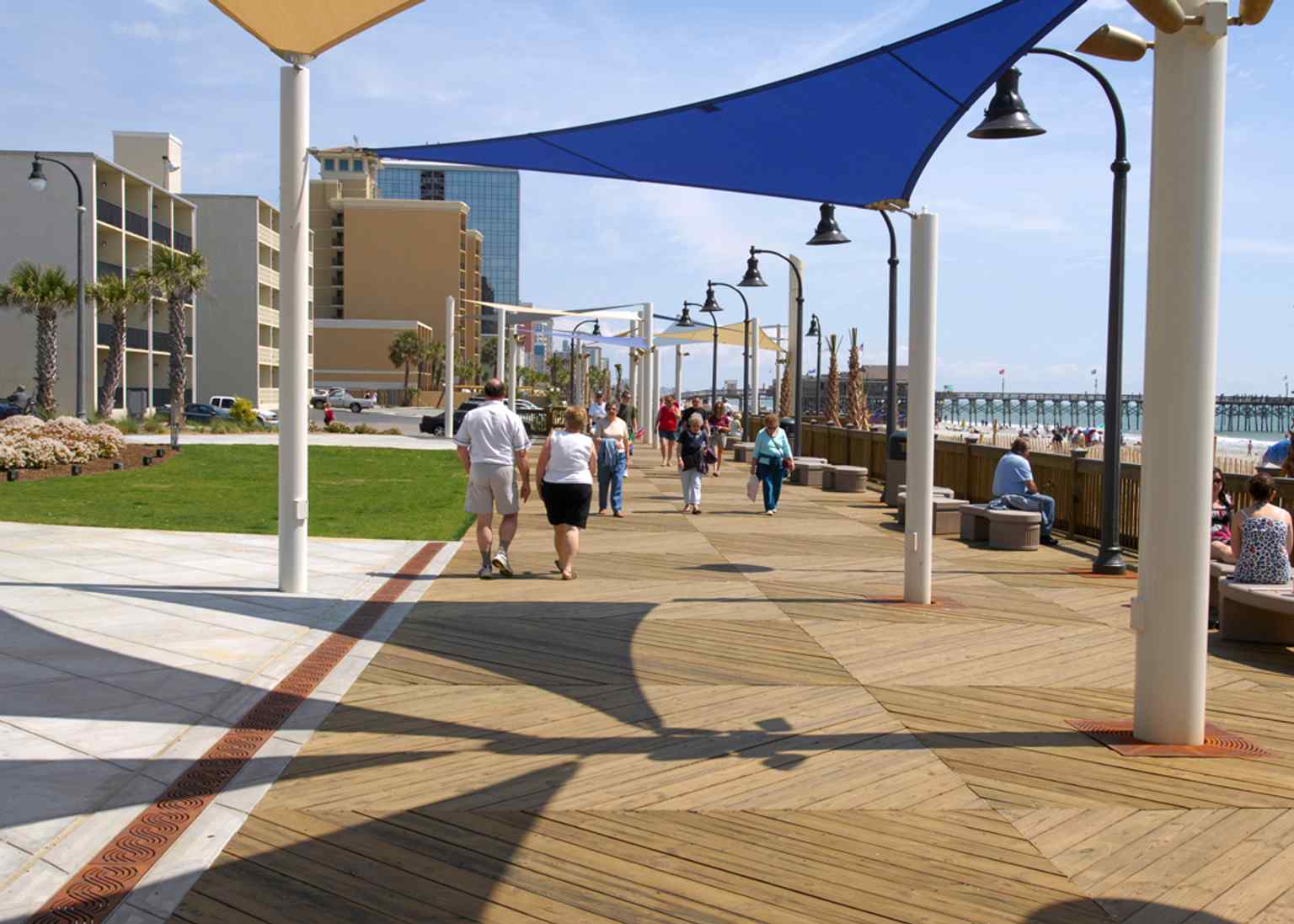
A broad Myrtle Beach beach scene that shows the oceanfront setting where the 1.2-mile boardwalk and promenade runs along the shoreline.Photo: U.S. Air Force photo/Tech. Sgt. Louis L. Rivers, Wikimedia Commons, Public domain. Cropped & resized. Then came the payoff. National Geographic ranked it the number three boardwalk in the United States. Travel and Leisure ranked it number two. More than nine hundred survey responses gave it four and a half out of five. Even many business owners who opposed it ended up calling to say, yes, fine, it worked. Nearby development followed, including the SkyWheel you can spot in the app image, rising beside the promenade like downtown’s oversized exclamation point.
This boardwalk turned a missing piece of Myrtle Beach into one of its defining lines. When you’re ready, keep following it and head on toward the next stop.
Look for the tall, stepped concrete-and-glass building with its narrow glass tower and big nautical Gay Dolphin sign built into the facade. This place has the cheerful nerve to…Read moreShow less
Open dedicated page →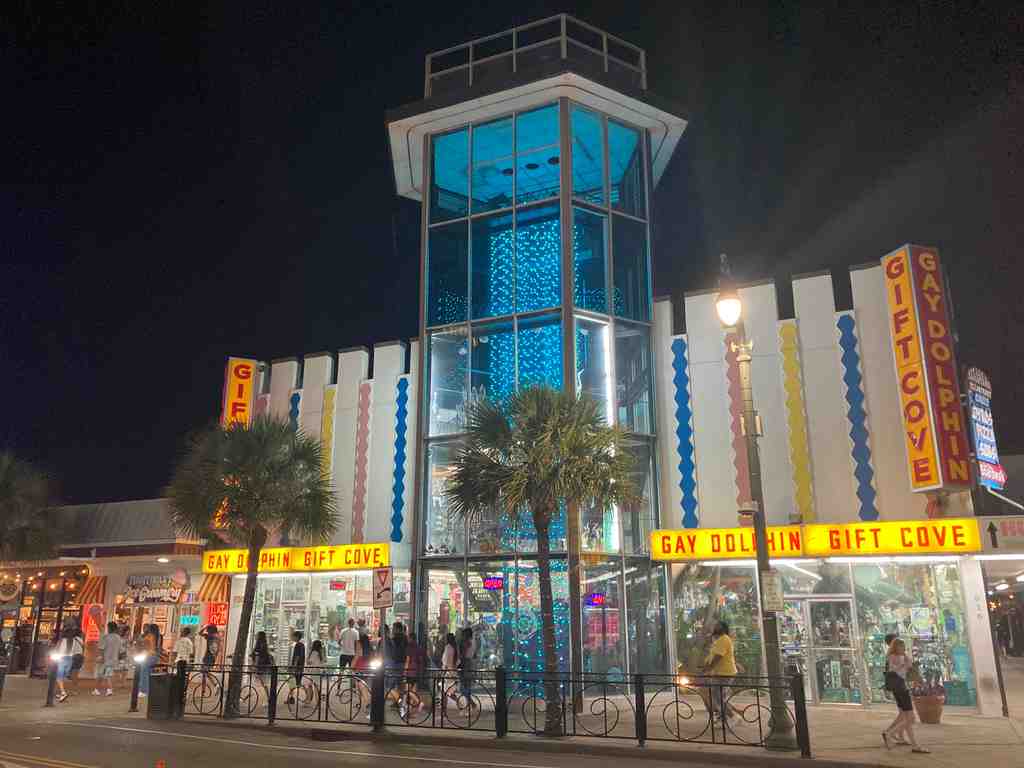
Gay Dolphin Gift CovePhoto: Toohool, Wikimedia Commons, CC BY-SA 4.0. Cropped & resized. Look for the tall, stepped concrete-and-glass building with its narrow glass tower and big nautical Gay Dolphin sign built into the facade.
This place has the cheerful nerve to call itself the nation’s largest gift shop, and honestly... it makes a decent case. By twenty eleven, the Gay Dolphin covered about twenty-six thousand square feet and carried roughly seventy thousand items. Owner Justin “Buz” Plyler said it held more merchandise than Sears Roebuck in its heyday, and more than a Walmart Superstore. That is either retail poetry or a mild cry for help.
Justin Whitaker Plyler and Eloise Plyler opened the original shop here in nineteen forty-six, right beside the old Kiddieland amusement park. Justin wanted a whimsical nautical name, so Gay Dolphin it became. Then Hurricane Hazel hit in nineteen fifty-four and destroyed the first store. The Plylers rebuilt on the same site, starting near the beach and expanding upward and outward over the years. If you glance at the exterior photo in your app, you can see that layered, almost puzzle-like profile more clearly than you can from the sidewalk.
One reason the place feels like a maze is wonderfully practical: the store has four stories but ten levels because Justin Plyler could not afford to remove the hill between the street and the beach. So instead of flattening the land, he let the building work around it. A budget problem turned into a business model.
Inside, the Gay Dolphin grew into about fifty themed sections, called coves. One is an Elvis Cove, complete with a life-size Elvis Presley for photos. Another specialty corner, Trader Bill’s Shark’s Tooth Cove, rents space inside the building. Tom Pierce, who had fifty-six years of experience in that trade by twenty twenty-five, can even turn your own shark teeth into jewelry. The inventory has always leaned delightfully broad: seashells, Myrtle Beach T-shirts, brushes for bald men, noisy seat cushions, even at one point a life-size cigar store Indian and a fountain with three dolphins for seven thousand dollars.
One of the great Gay Dolphin traditions is the wall of name tags. Co-owner Michelle Plyler said it carried about three thousand names, updated every year using the Social Security Administration list of popular names. If your name was missing, the building once offered a strange little consolation prize: you could climb the circular steel stairs in the tower for free, while everyone else paid one dollar. For years, people went up for the rooftop view from what was once the tallest building in Myrtle Beach. The tower also held the Wonder Falls, a set of oil-rain displays - moving liquid sculptures that created the illusion of waterfalls and fed a wishing well below. When the pump broke in the early two thousands and no one could replace the parts, that odd marvel vanished. Insurance concerns finally ended tower climbs in two thousand six.
Buz Plyler started working here at age eight, doing the jobs his father disliked, and later bought merchandise himself, sometimes from bankrupt suppliers at a discount. That scrappy instinct helped make the Gay Dolphin the first tourist shop here to stay open year-round. The Plylers even lived in an apartment at the top of the building for forty-five years, which is commitment with excellent stock access. If you check the sign photo on your screen, you’ll catch that playful seaside spirit Justin wanted from the beginning.
If you feel tempted to go inside, it generally opens every day from nine thirty in the morning until eleven at night. The Gay Dolphin turned souvenir shopping into local folklore. When you’re ready, continue on toward the Goddess of the Sea.
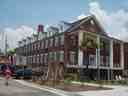
In the historic photo on your screen, the Chesterfield stands out as a three-story brick-faced rectangle with a front gable roof and that unmistakable green-and-white Chesterfield…Read moreShow less
Open dedicated page →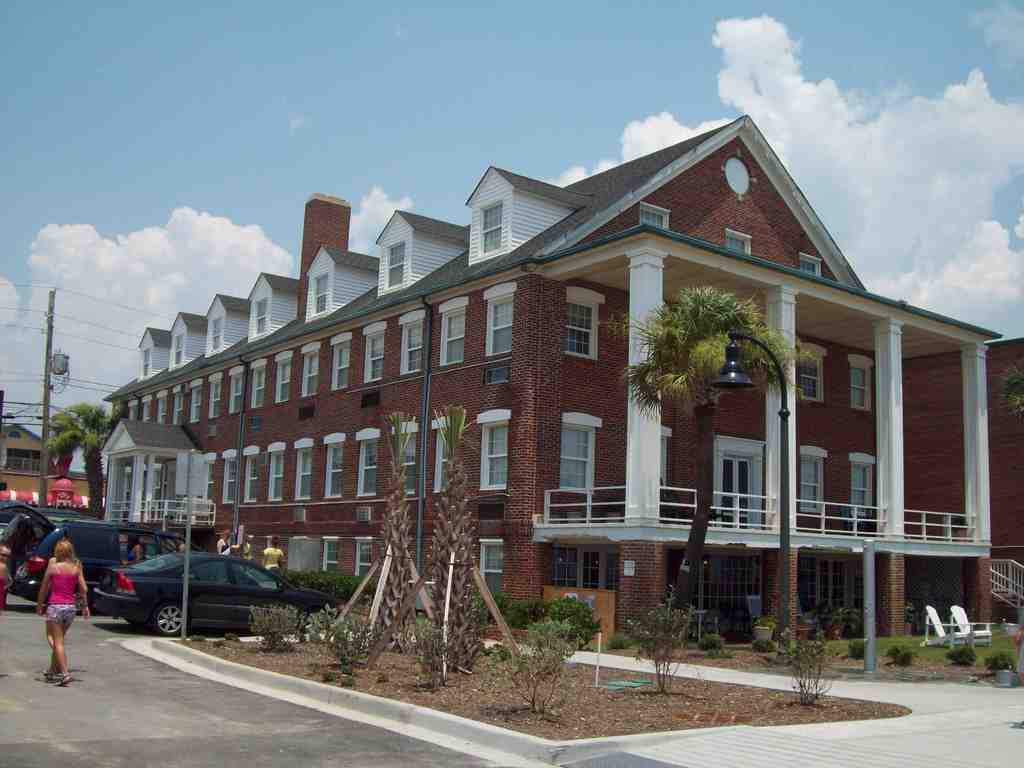
Chesterfield InnPhoto: Pubdog, Wikimedia Commons, Public domain. Cropped & resized. In the historic photo on your screen, the Chesterfield stands out as a three-story brick-faced rectangle with a front gable roof and that unmistakable green-and-white Chesterfield sign. You’re standing at the former site of one of Myrtle Beach’s more unusual old hotels... unusual because it dressed like a Colonial Revival inn, not a carefree beach motel. That style borrowed the manners of older American houses, with brick, symmetry, and proper gables... a little formal for the Grand Strand, which is probably why people remembered it.
The story started in nineteen thirty-six, when Steven Chapman, from Chesterfield, South Carolina, put up a modest five-room house here. It burned, and in nineteen forty-six his replacement rose with a brick veneer over a wood frame, a raised basement, and a roof that ran from the end wall to the front gable. Later, in nineteen sixty-five, a second three-story rectangular building joined it.
If you glance at the app, you can see the inn before the wrecking crews arrived. Clay Brittain, whose uncle built the brick building, worked here as a teenager, then became an owner in nineteen sixty-five and ran the place until nineteen ninety-one. The Chesterfield earned a spot on the National Register of Historic Places in nineteen ninety-six, which sounds reassuring... until development enters the chat. After foreclosures, resales, and one economic slowdown, demolition finally came on the twenty-second of August, two thousand twelve. Some bricks, the sign, even parts of the basement lived on in the miniature golf course that replaced it.
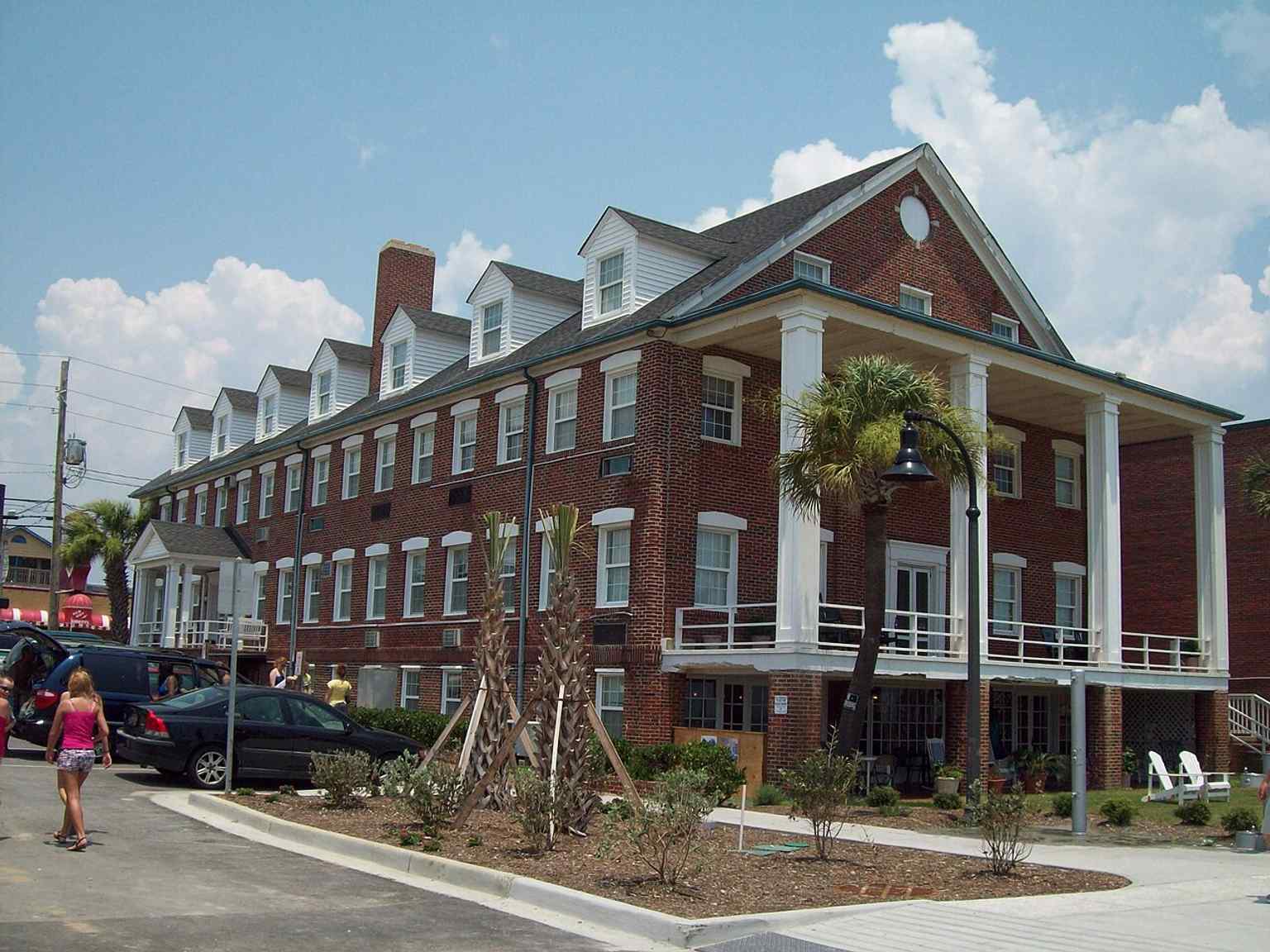
Beachside view of the Chesterfield Inn in 2010, before demolition ended its life as one of Myrtle Beach’s unusual Colonial Revival motels.Photo: Pubdog, Wikimedia Commons, Public domain. Cropped & resized. So this stop is a reminder that landmarks can disappear and still leave traces behind.
When you’re ready, keep going toward Rainbow Court for the next chapter.
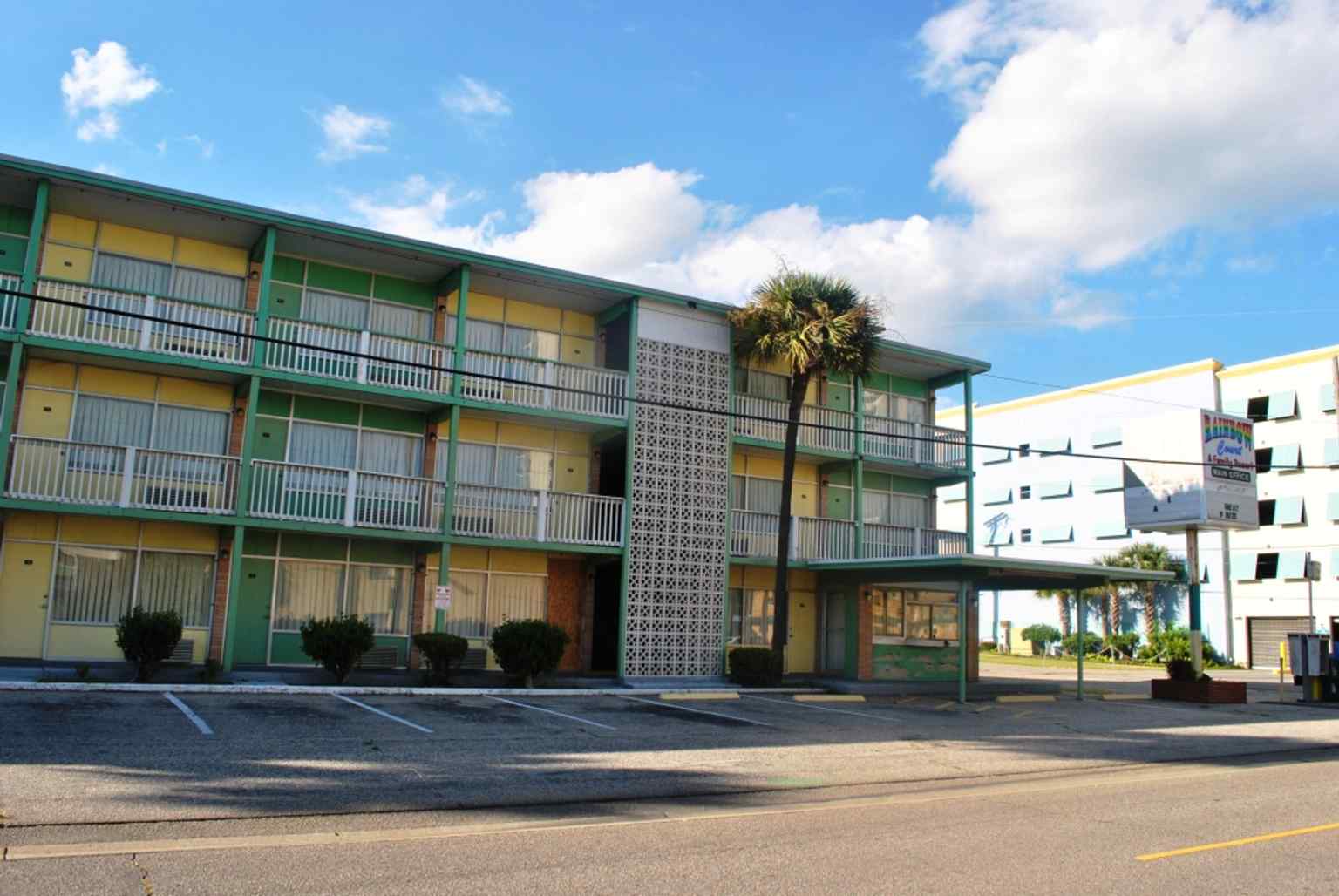
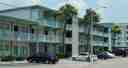
On your right, look for a low stucco and wood motel complex arranged around an open court, with straight exterior walkways and a swimming pool as its signature marker. Rainbow…Read moreShow less
Open dedicated page →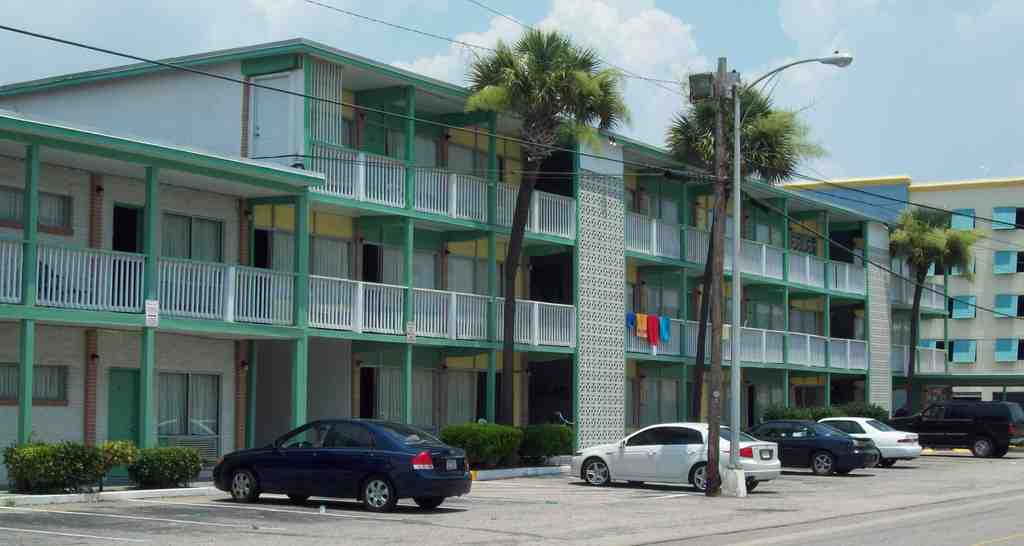
Rainbow CourtPhoto: Pubdog, Wikimedia Commons, Public domain. Cropped & resized. On your right, look for a low stucco and wood motel complex arranged around an open court, with straight exterior walkways and a swimming pool as its signature marker.
Rainbow Court told the story of Myrtle Beach before towers muscled in. Between nineteen thirty-five and nineteen fifty-nine, builders added two motel style buildings, five beach cottages or boarding houses, and a small house around this shared court. It was not grand... which, honestly, was the point. Check the app image for the full layout: low rise, practical, and built for people who wanted the ocean, not a chandelier. The National Register of Historic Places, the federal list of recognized historic places, added Rainbow Court in nineteen ninety-six and counted six buildings as historically important. It mattered because it was one of the few surviving small motels from before Hurricane Hazel in nineteen fifty-four. By June twenty sixteen, redevelopment plans aimed to replace this site with a parking garage and police station, backed by ten million dollars, and by twenty twenty it had lost its register status - another sign of how quickly this shoreline keeps rewriting its own memory.
Rainbow Court’s motel-style buildings and open court reflect the small historic complex listed on the National Register in 1996.Photo: Elisa.rolle, Wikimedia Commons, CC BY-SA 4.0. Cropped & resized. 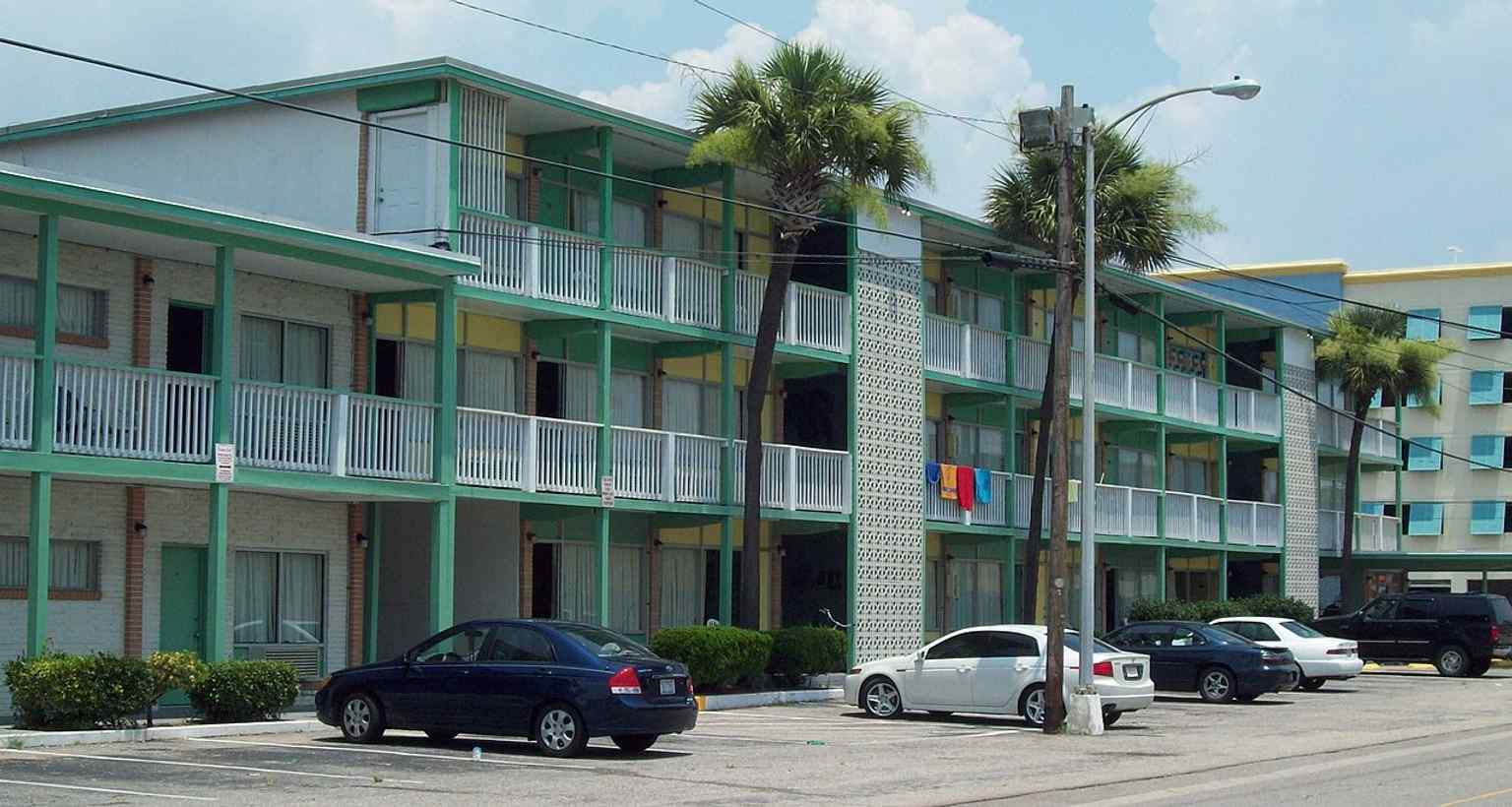
A wide view of Rainbow Court in Myrtle Beach, one of the few surviving low-rise motel complexes that predated Hurricane Hazel.Photo: Pubdog, Wikimedia Commons, Public domain. Cropped & resized. 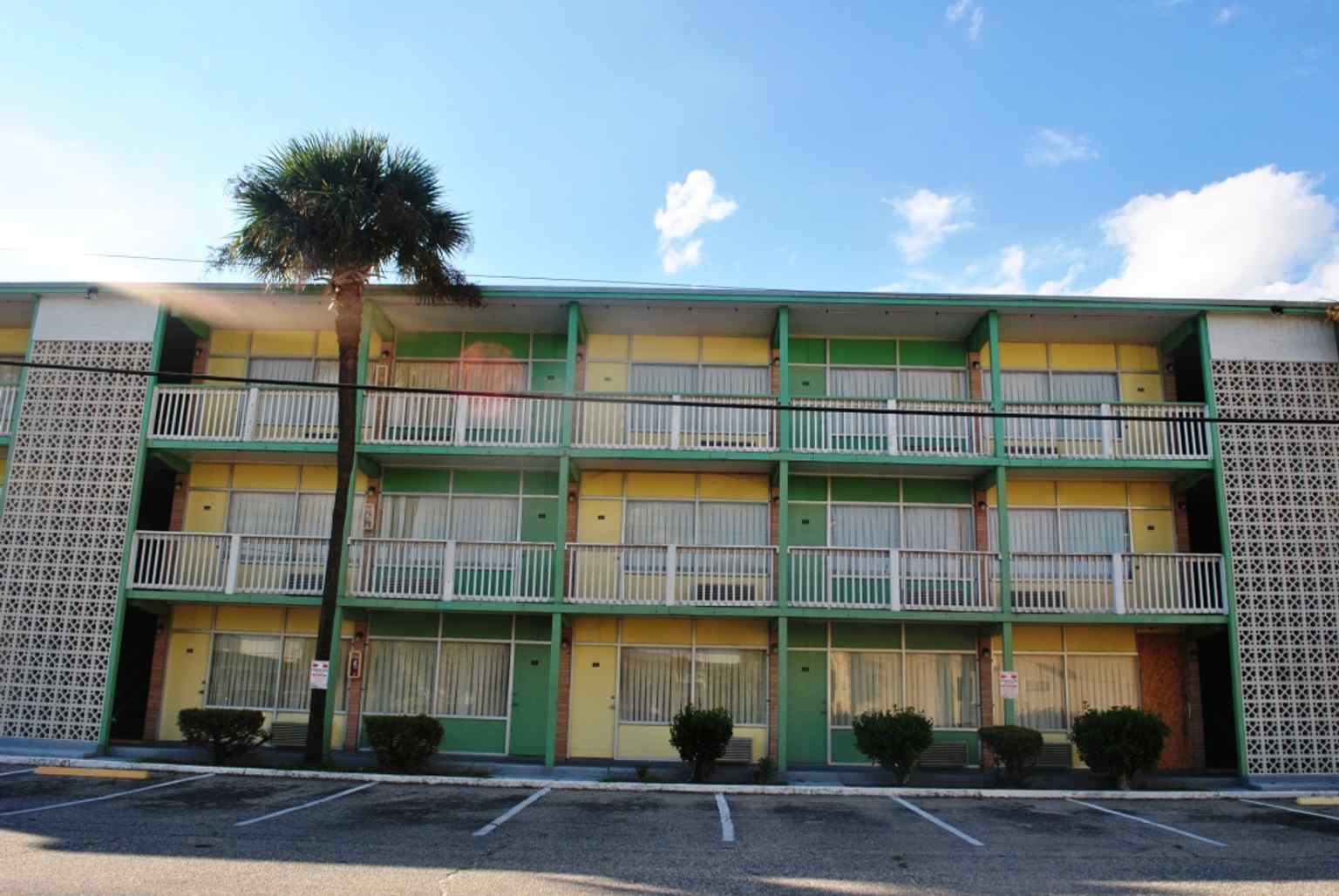
Another view of the historic Rainbow Court complex, showing the modest motel buildings that were slated for demolition by 2016.Photo: Elisa.rolle, Wikimedia Commons, CC BY-SA 4.0. Cropped & resized.
Reviews
Frequently asked questions
How do I start the tour?
After purchase, download the AudaTours app and enter your redemption code. The tour will be ready to start immediately - just tap play and follow the GPS-guided route.
Do I need internet during the tour?
No! Download the tour before you start and enjoy it fully offline. Only the chat feature requires internet. We recommend downloading on WiFi to save mobile data.
Is this a guided group tour?
No - this is a self-guided audio tour. You explore independently at your own pace, with audio narration playing through your phone. No tour guide, no group, no schedule.
How long does the tour take?
Most tours take 60–90 minutes to complete, but you control the pace entirely. Pause, skip stops, or take breaks whenever you want.
What if I can't finish the tour today?
No problem! Tours have lifetime access. Pause and resume whenever you like - tomorrow, next week, or next year. Your progress is saved.
What languages are available?
All tours are available in 50+ languages. Select your preferred language when redeeming your code. Note: language cannot be changed after tour generation.
Where do I access the tour after purchase?
Download the free AudaTours app from the App Store or Google Play. Enter your redemption code (sent via email) and the tour will appear in your library, ready to download and start.
If you don't enjoy the tour, we'll refund your purchase. Contact us at [email protected]
Checkout securely with 






