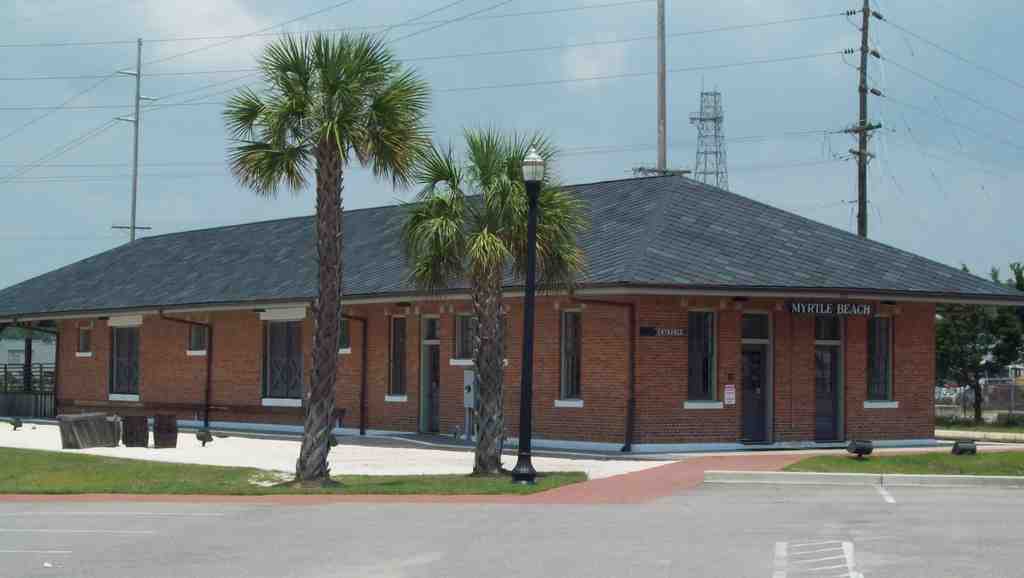
On your left, look for a low, rectangular depot with light stucco walls, a broad tiled roof, and a small central gable that gives it a faintly mission-style swagger.
Atlantic Coast Line Railroad put this station here in nineteen thirty-seven, just as Myrtle Beach was figuring out how serious it wanted to be. The company used a standard A-C-L bi-level plan: freight sat in a raised room for easier loading, while passengers stepped down into the lobby and office below. Practical, slightly bossy, very railroad. Its design mixes Colonial Revival symmetry, Craftsman warmth, and Mission-style touches... because apparently one style was not enough.
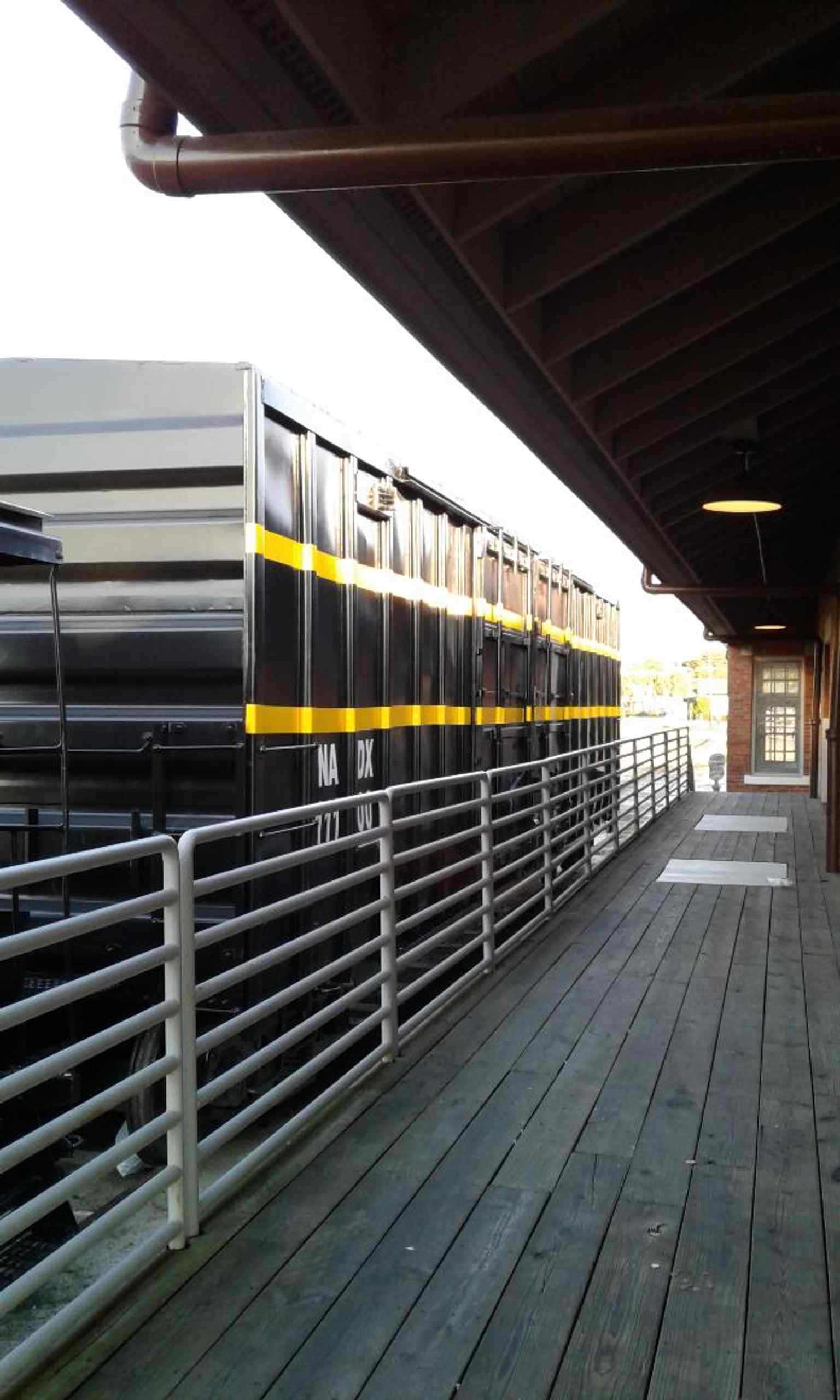
Passenger trains ran from here to Chadbourn, North Carolina, where travelers could connect west toward Florence, Sumter, and Columbia’s Union Station, or east to Wilmington. By the early nineteen fifties, some service reached Elrod for a connection to the Palmetto. Then the passenger side faded; after nineteen fifty-five, freight took over, and the last passenger train left on the twenty-third of October, nineteen eighty-six.
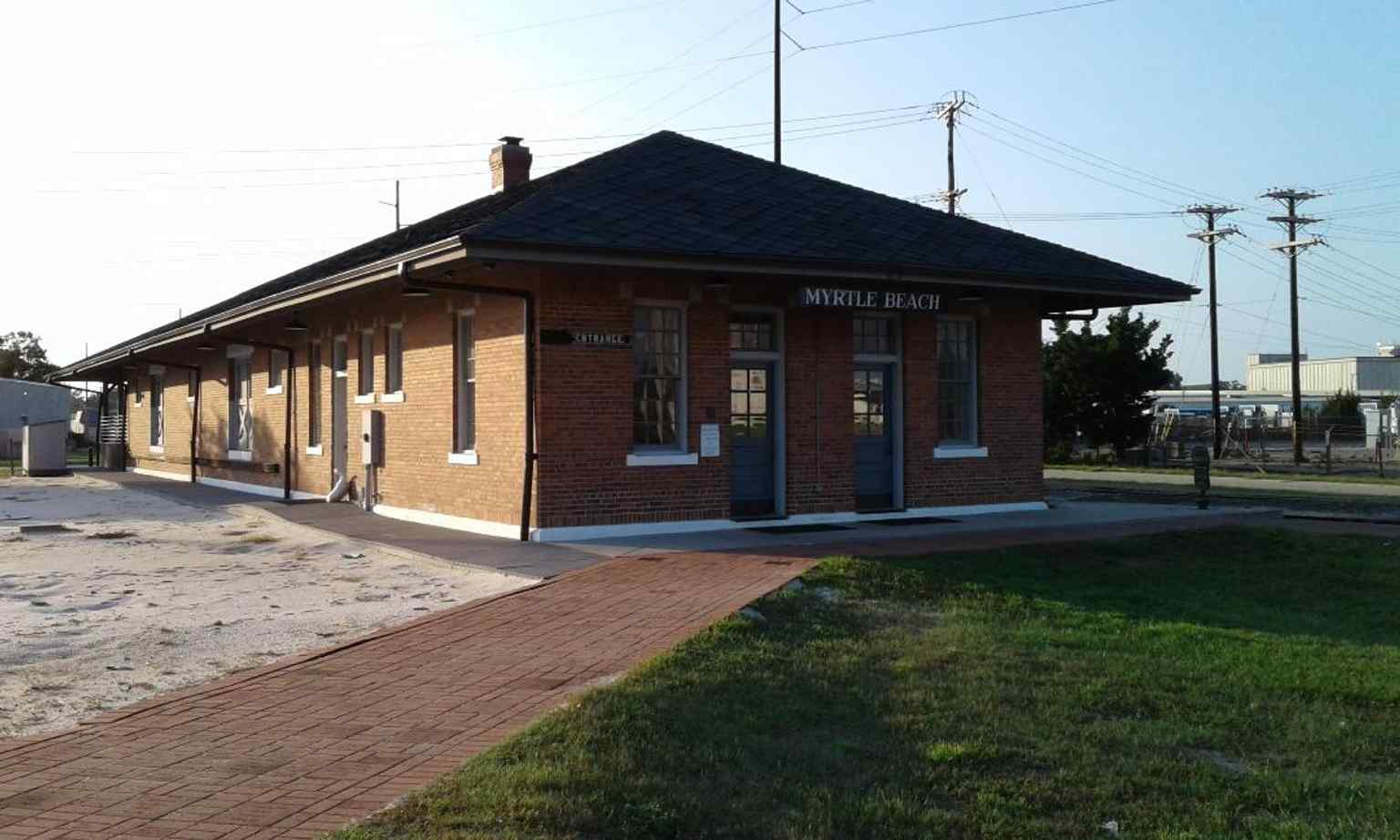
If you glance at your screen, the restored exterior in the app shows how carefully the city brought this place back. After the last freight train used the depot in nineteen eighty-eight, a beer distributor stored goods here... not exactly the golden age of rail romance. When demolition threatened, the city bought the building for seven hundred fifty thousand dollars in two thousand, removed a concrete-block addition, and pushed for National Register status, which arrived in two thousand two. The museum opened on the sixth of May, two thousand and four, after the All Aboard Committee raised four hundred seventy thousand dollars toward restoration.
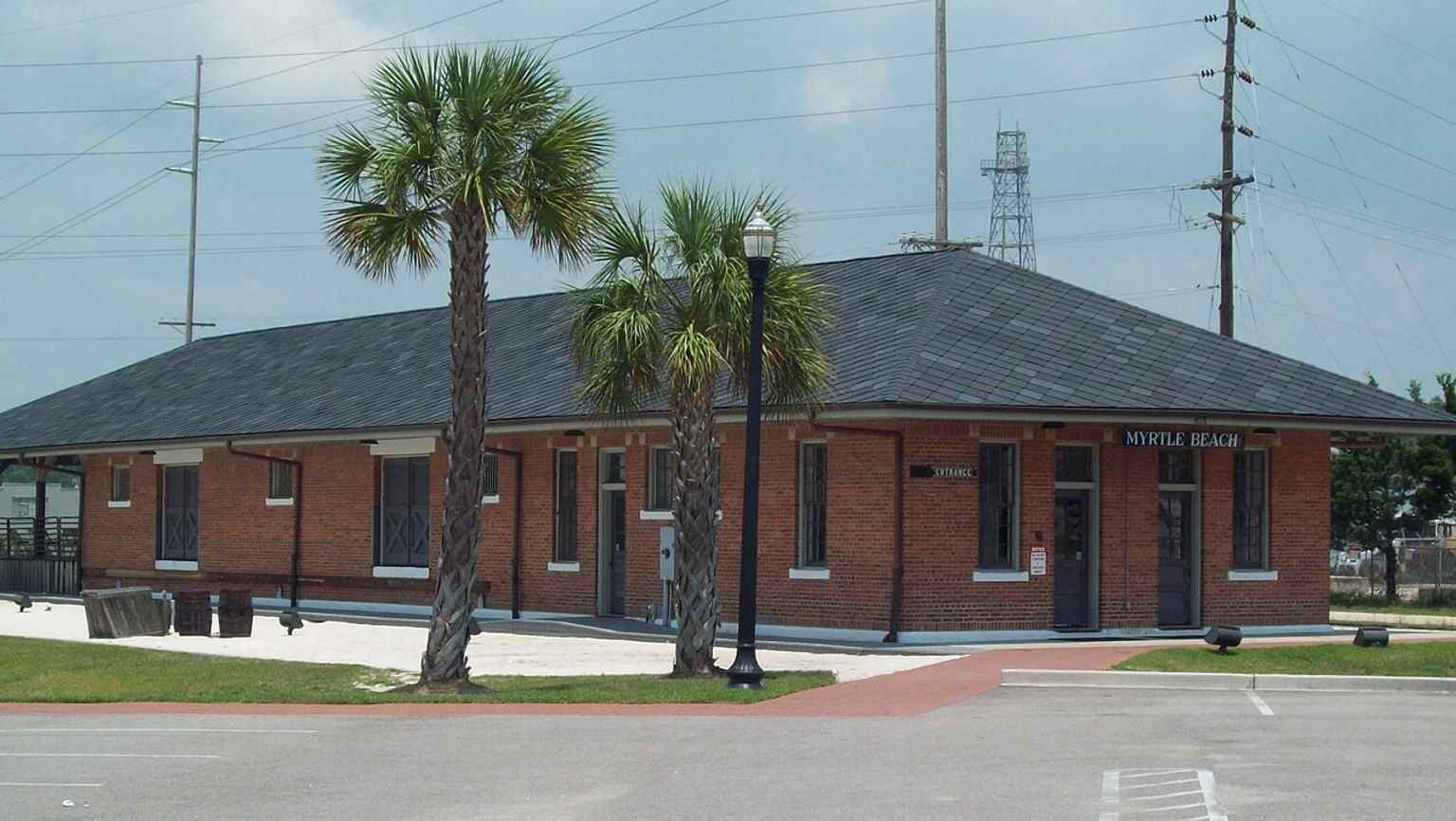
This depot survived by changing jobs without losing its dignity. When you’re ready, keep going toward the SkyWheel.