
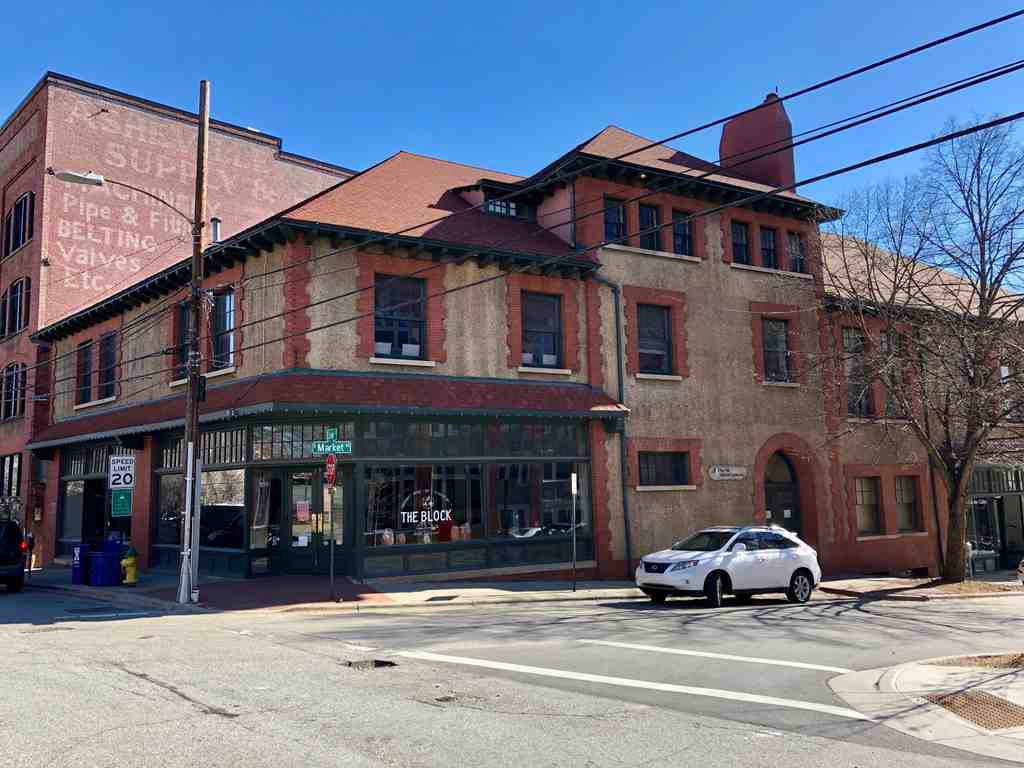
On your left, look for a sturdy pebbledash-coated masonry building with straight rows of windows, brick and stone trim, and a historic storefront level at the base.
This is the Young Men’s Institute, or Y-M-I, one of Asheville’s most important Black cultural landmarks. In eighteen ninety-two, Isaac Dickson and Doctor Edward S. Stephens approached George Vanderbilt with a bold idea: create a place for African American men, including many who helped build the Biltmore Estate, to gather, learn, lead, and build economic strength of their own. Stephens had grown deeply frustrated by the racial discrimination around him and by the insulting claim that Black citizens could not govern themselves or stand on their own feet.
Architect Richard Sharp Smith designed this building, and workers raised it in eighteen ninety-two and eighteen ninety-three. Its pebbledash exterior - a rough plaster mixed with tiny stones - gives the walls that grainy, textured skin you can still notice from the sidewalk. But the real heart of the place was never just the façade. Inside, the Y-M-I offered meeting rooms, a library and reading room, and even a gymnasium. Lectures filled the hall. Musical and dramatic performances brought people together. In eighteen ninety-five, performers such as Elizabeth Davis, Joseph Douglass, and the “Queen of Song,” Flora Batson came here.
The ground floor mattered too. Black-owned businesses rented space here, and that income helped cover expenses and pay down the construction loan. The storefront level still hints at the self-supporting vision.
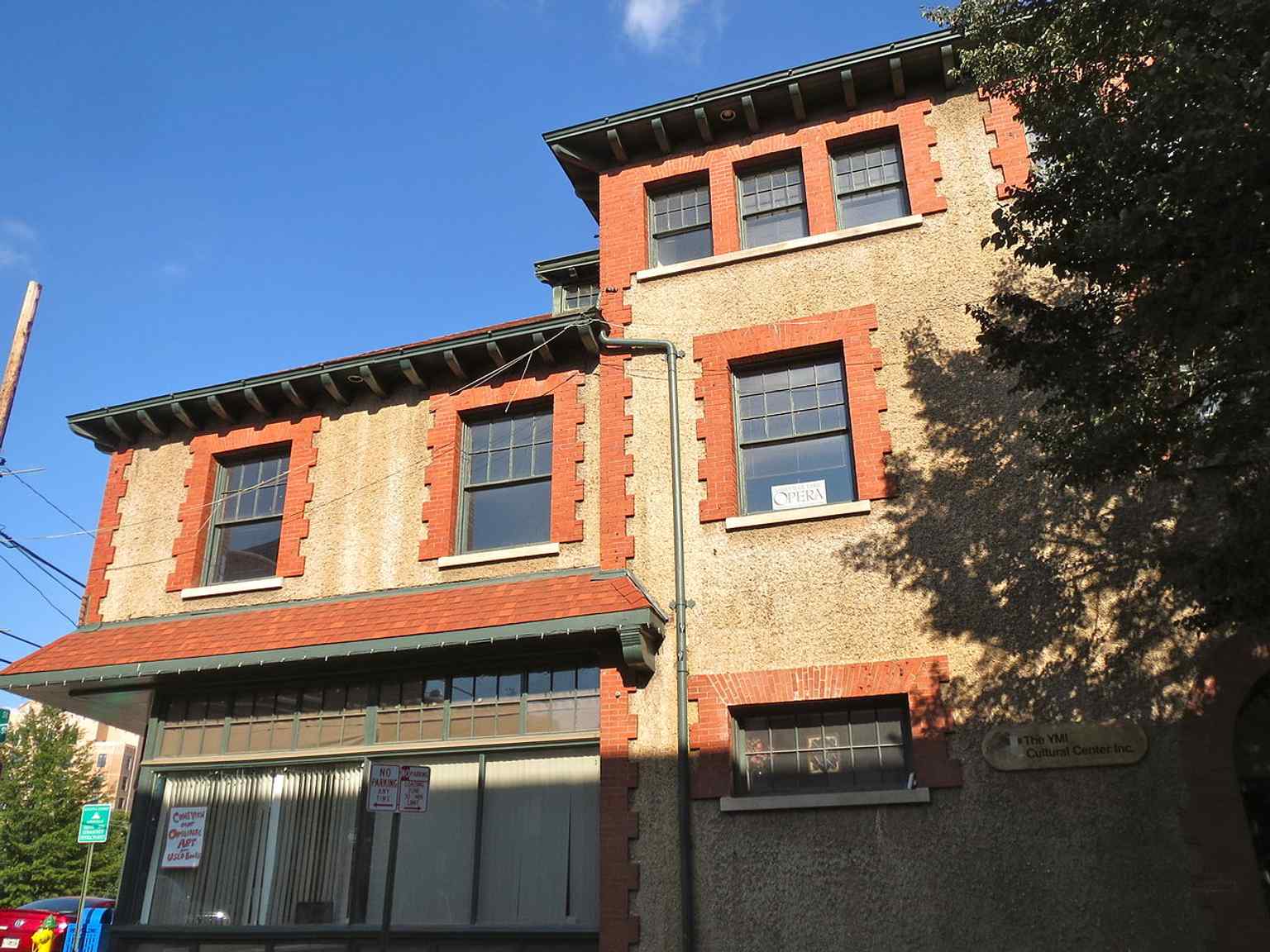
In June of nineteen oh-six, the board bought the building from the Vanderbilt Estate for ten thousand dollars - roughly three hundred and fifty thousand dollars today. After decline in the nineteen sixties and seventies, nine Black churches rescued it in nineteen eighty and reopened it as the YMI Cultural Center. Today it still hosts programs, exhibitions, and local businesses, preserving African American history in Buncombe County. The restored exterior shows that renewal.
This place stands as a hard-won promise of dignity, culture, and self-determination.
When you’re ready, continue on toward The Orange Peel.





