
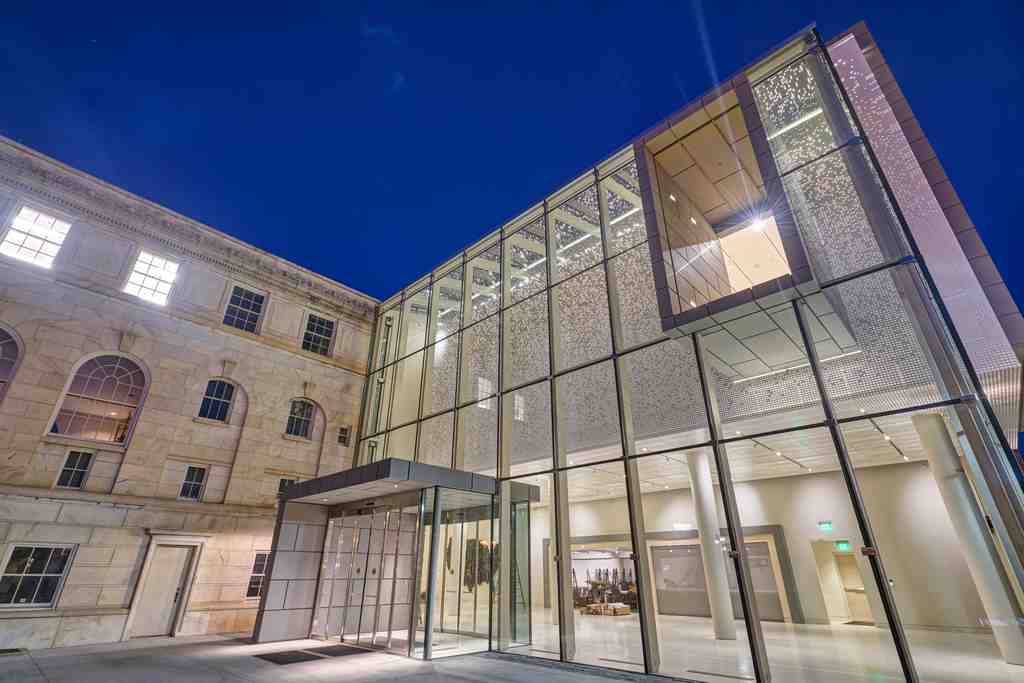
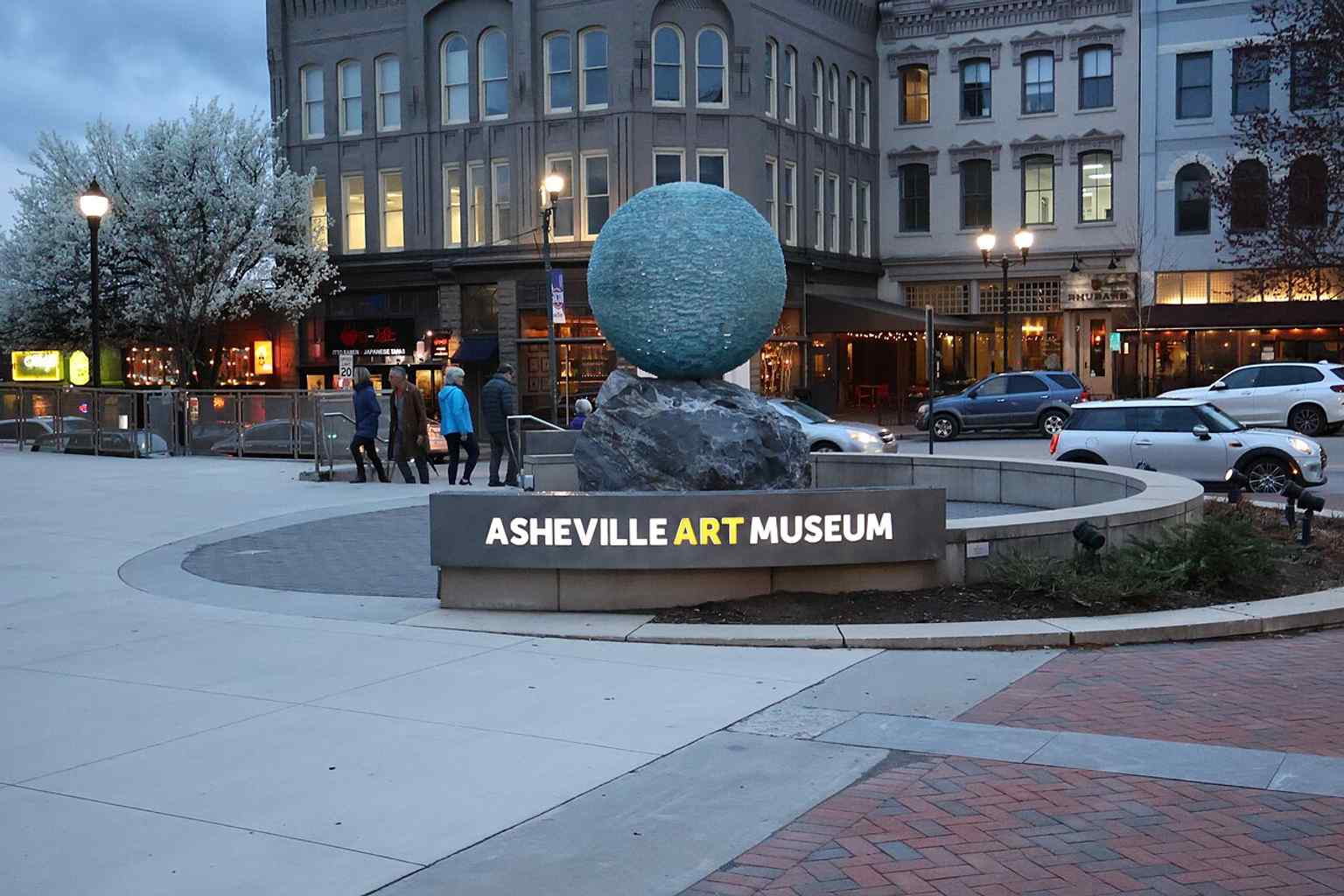
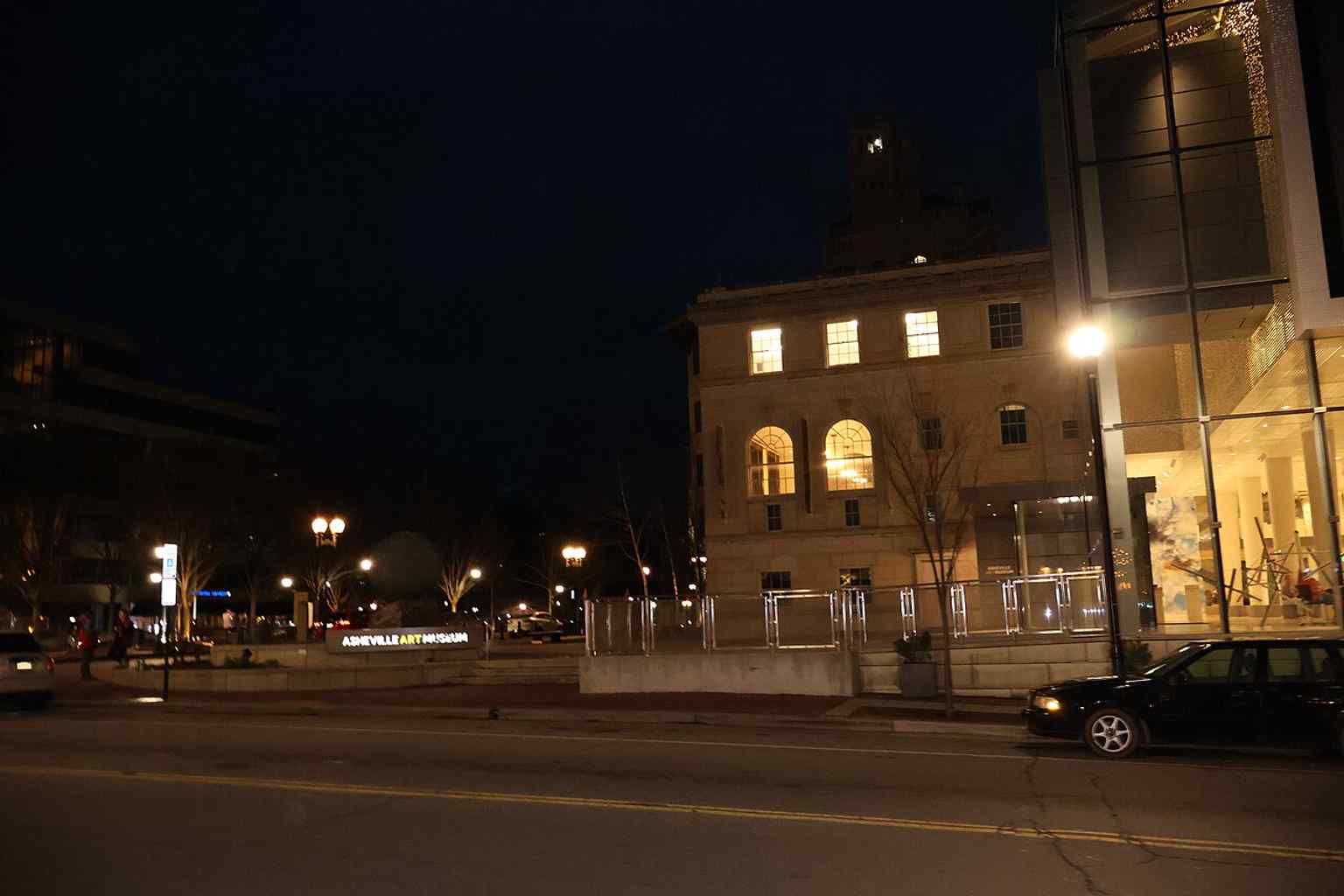
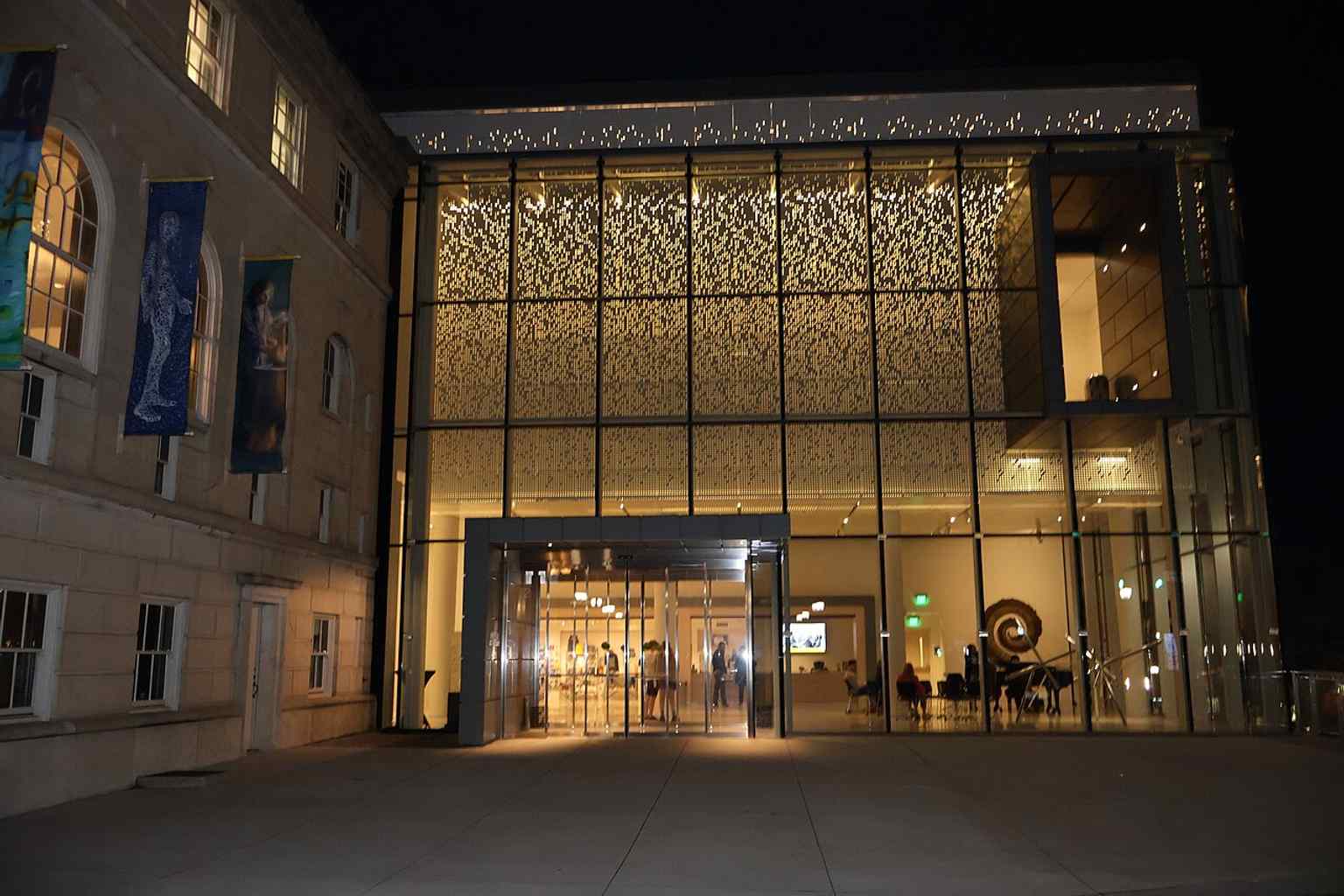
On your left, look for a light stone and glass building with clean rectangular lines and a modern facade set against an older masonry core.
This museum carries one of Asheville’s dearest stories... local artists started it in nineteen forty-eight, not in a grand palace, but in a modest three-room building on Charlotte Street that had once served as E. W. Grove’s land sales office. By nineteen fifty, they were already gathering a permanent collection, and the art kept asking for more room. The museum climbed to donated space on the fifteenth floor of the Northwestern Bank Building, then moved again to the Gay Green House on Pearson Drive in Montford when that bank arrangement ended. You can feel the pattern, can’t you? Asheville kept making space for art wherever it could.
A bigger chapter opened as the Civic Center project took shape downtown, and the museum kept adapting along the way. In nineteen eighty-four, it became one of the few museums its size to earn accreditation from the American Alliance of Museums. Then, in nineteen ninety-two, it settled here at Pack Place inside a nineteen twenty-five Italian Renaissance style building that once housed Pack Memorial Library. Italian Renaissance style means the designers borrowed from older Italian palaces: balanced fronts, classical details, and a sense of calm order. A nineteen ninety-nine expansion added classrooms, studios, an art library, a teacher resource center, and a community gallery.
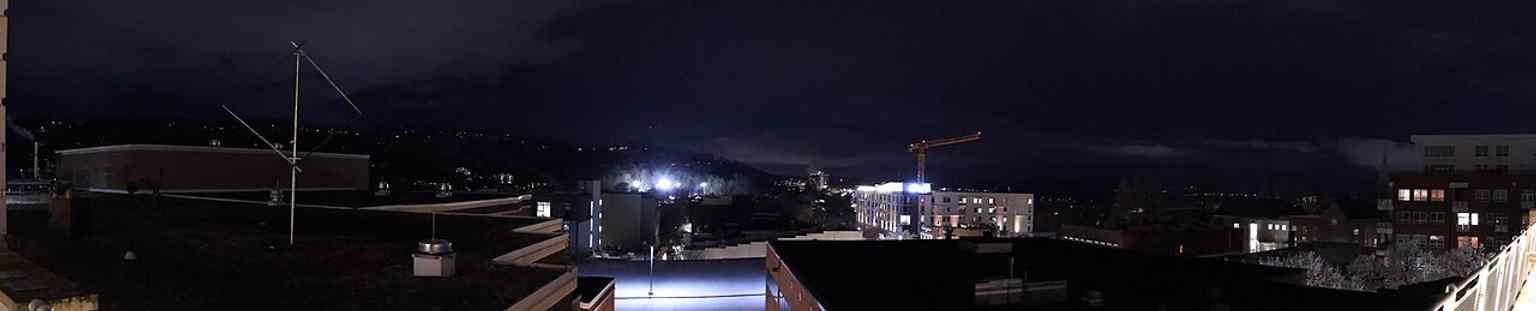
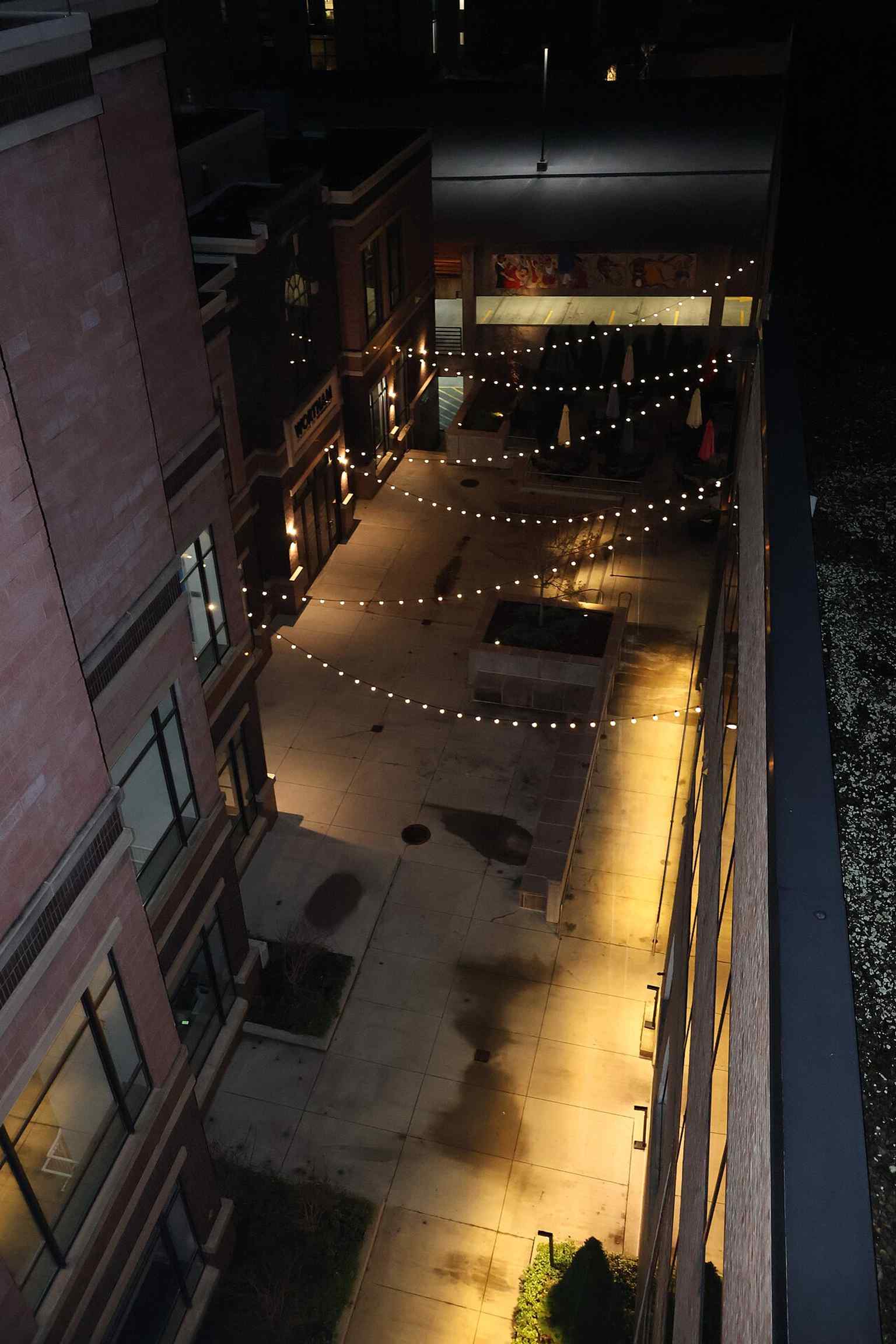
The bird’s-eye view helps show how the museum complex kept growing outward through each new chapter.
Inside, the museum focuses on twentieth- and twenty-first-century American art, but its heart stays close to Western North Carolina. It lifts up Studio Craft, meaning fine art made by hand in materials like clay, wood, fiber, and metal; it honors the adventurous legacy of Black Mountain College; and it makes room for Cherokee artists and regional voices alongside national exhibitions. Education matters here too, for children and adults alike.
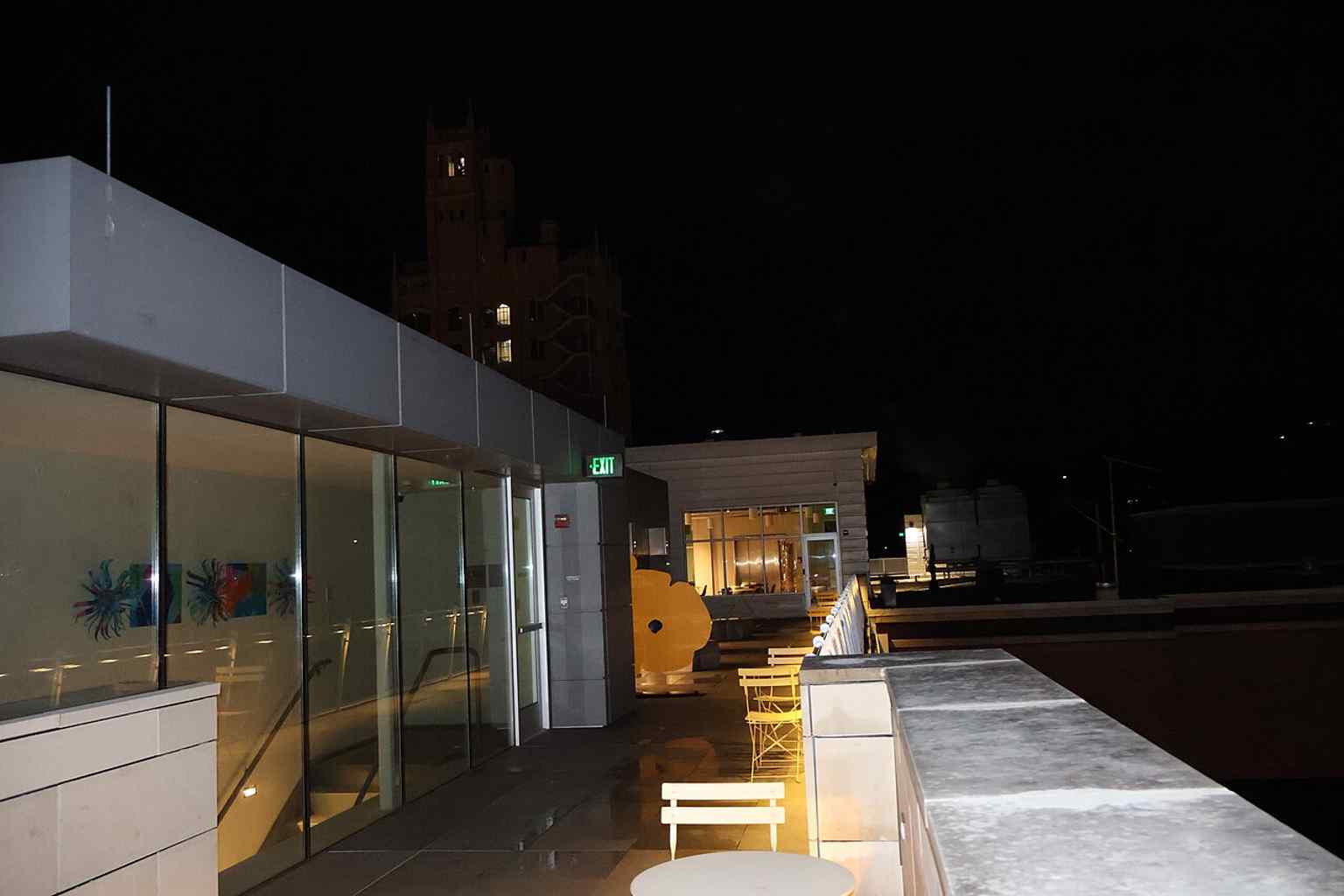
Between September of two thousand sixteen and November of two thousand nineteen, the museum expanded again into space once used by The Health Adventure, growing to fifty-four thousand square feet. The permanent collection climbed to more than eight thousand works, and after reopening on the fourteenth of November, two thousand nineteen, the museum reached another proud moment: in two thousand twenty-two, the Institute of Museum and Library Services awarded it the National Medal for Museum and Library Service.
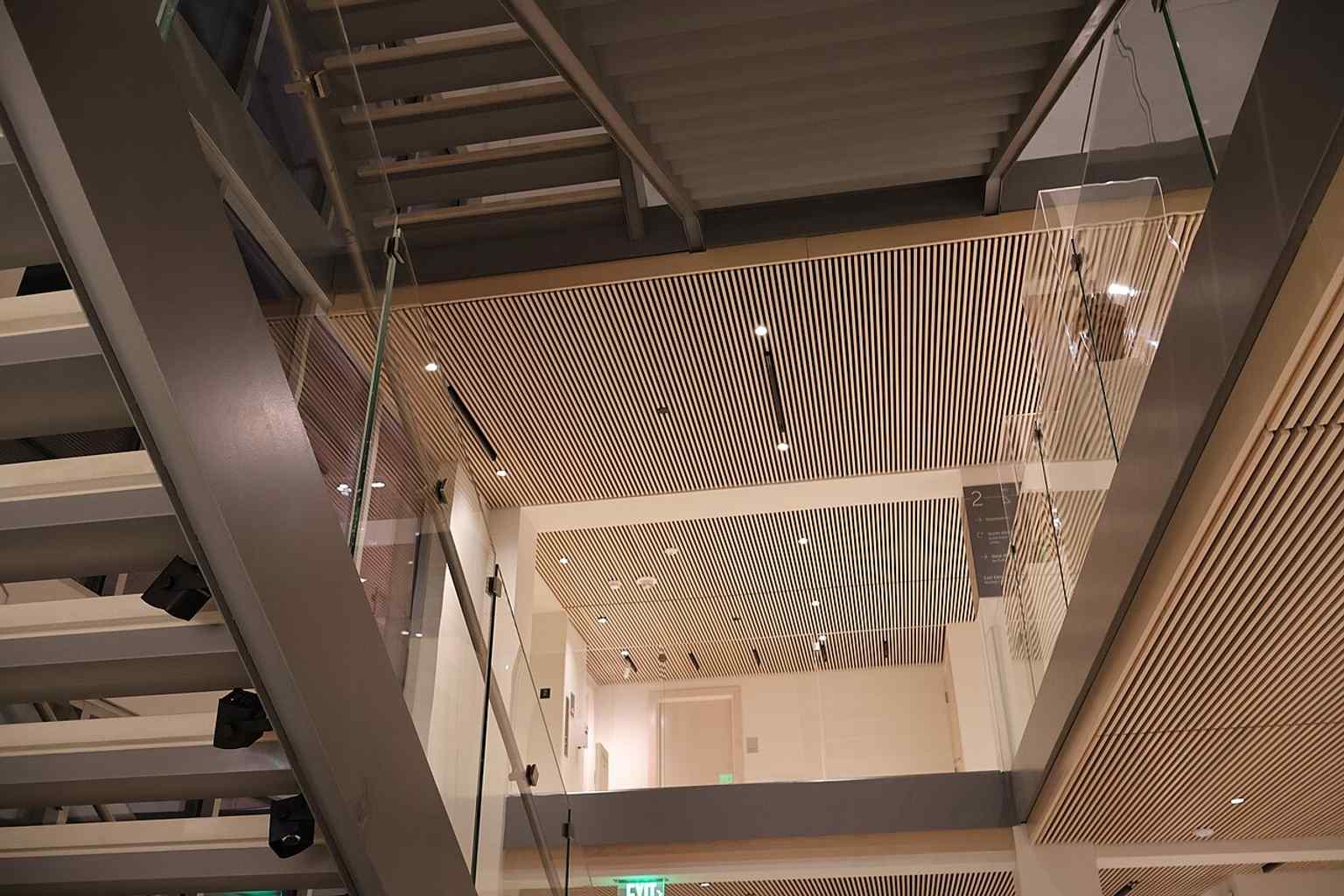
Another interior gallery image hints at the quiet, open spaces where all those stories meet on the walls.
A small practical note: the museum is closed Monday and Tuesday, and open Wednesday through Sunday from eleven A-M to six P-M.
Standing here, you’re facing Asheville’s long, stubborn belief that art belongs at the center of public life. When you’re ready, continue on and carry that feeling with you to the next stop.





%202.jpg)
%206.jpg)
.jpg)
%202.jpg)
%204.jpg)
%205.jpg)
%207.jpg)
%208.jpg)