
On your right, St John the Baptist's Church is a long sandstone church with pointed arched windows, a broad rectangular body, and a broken tower stump at the west end.
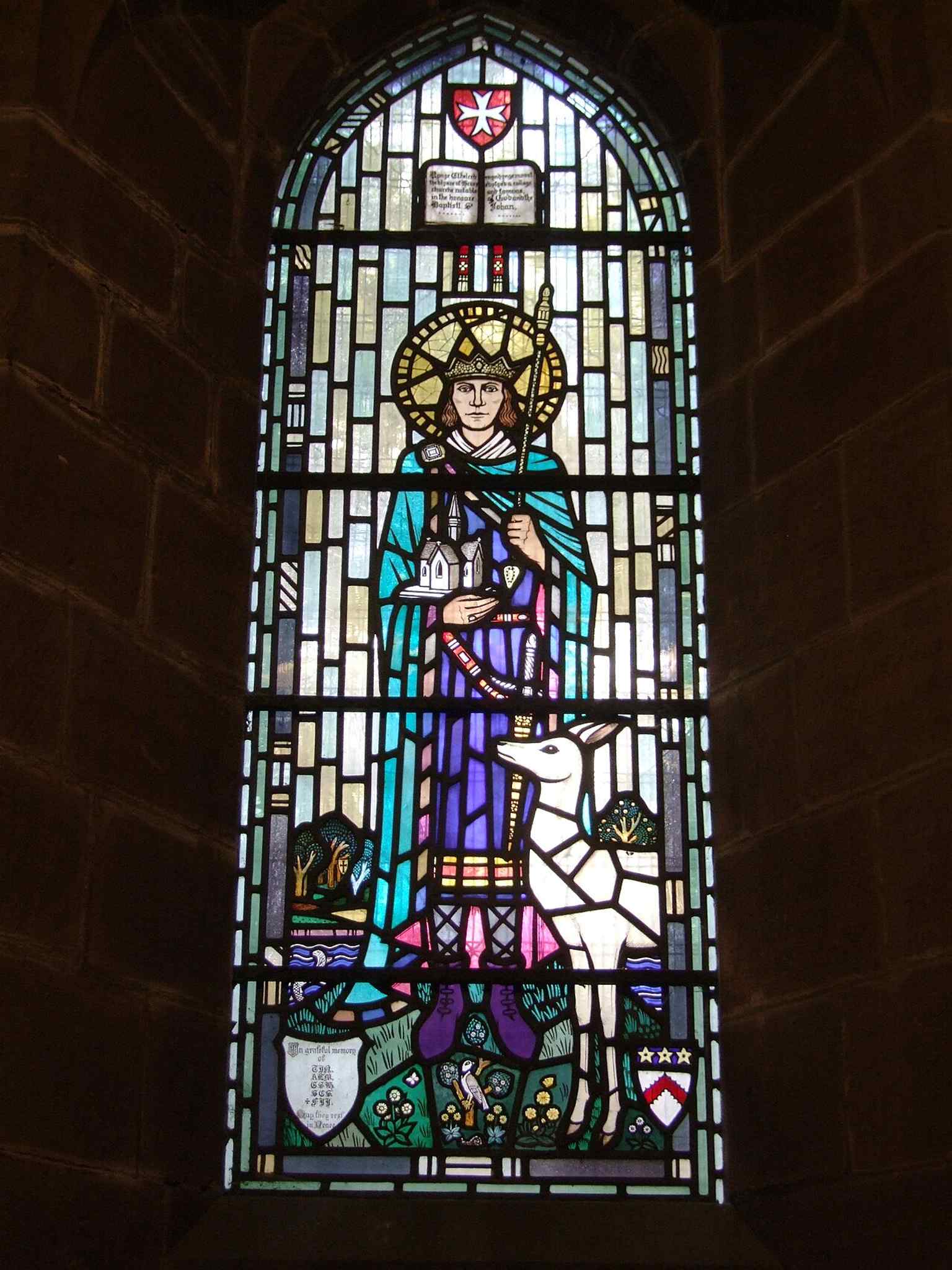
This place has the solid, slightly stubborn look of a survivor... and that is exactly what it is. The Anglo-Saxons founded a church here in the late seventh century, and tradition says King Aethelred started it in the year six hundred and eighty-nine. They chose a powerful site too: outside Chester's walls, high on a cliff above the River Dee, where the building could watch the river traffic and the city at once.
St John's once stood at the center of royal theater. In the year nine hundred and seventy-three, after his coronation at Bath, King Edgar came to Chester and traveled up the Dee to this church by barge. The Anglo-Saxon Chronicle says six tributary kings rowed him. A later monk insisted it was eight. Medieval historians, like modern sports fans, were not always shy about improving the numbers. Here, Edgar held a royal council, turning this church into a stage for power as much as prayer.
Then came its brief moment at the top. In ten seventy-five, Bishop Peter moved the seat of Lichfield here, making St John's Chester's cathedral. That promotion did not last long. By ten ninety-five, his successor had moved the bishop's seat to Coventry, and St John's lost the headline role. Even so, builders kept enlarging it through the thirteenth century, and the church became one of Cheshire's finest examples of Norman and early medieval work.
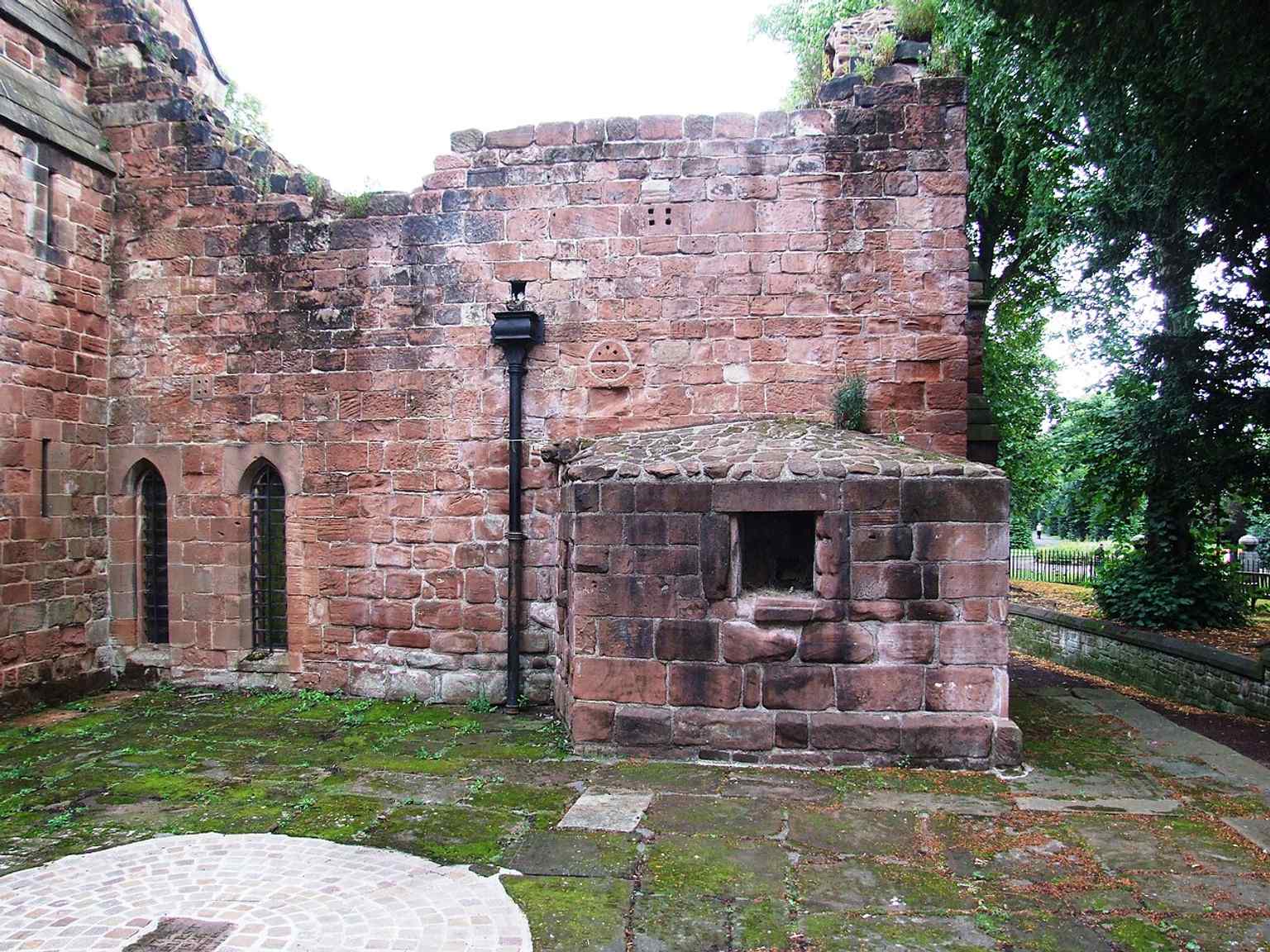
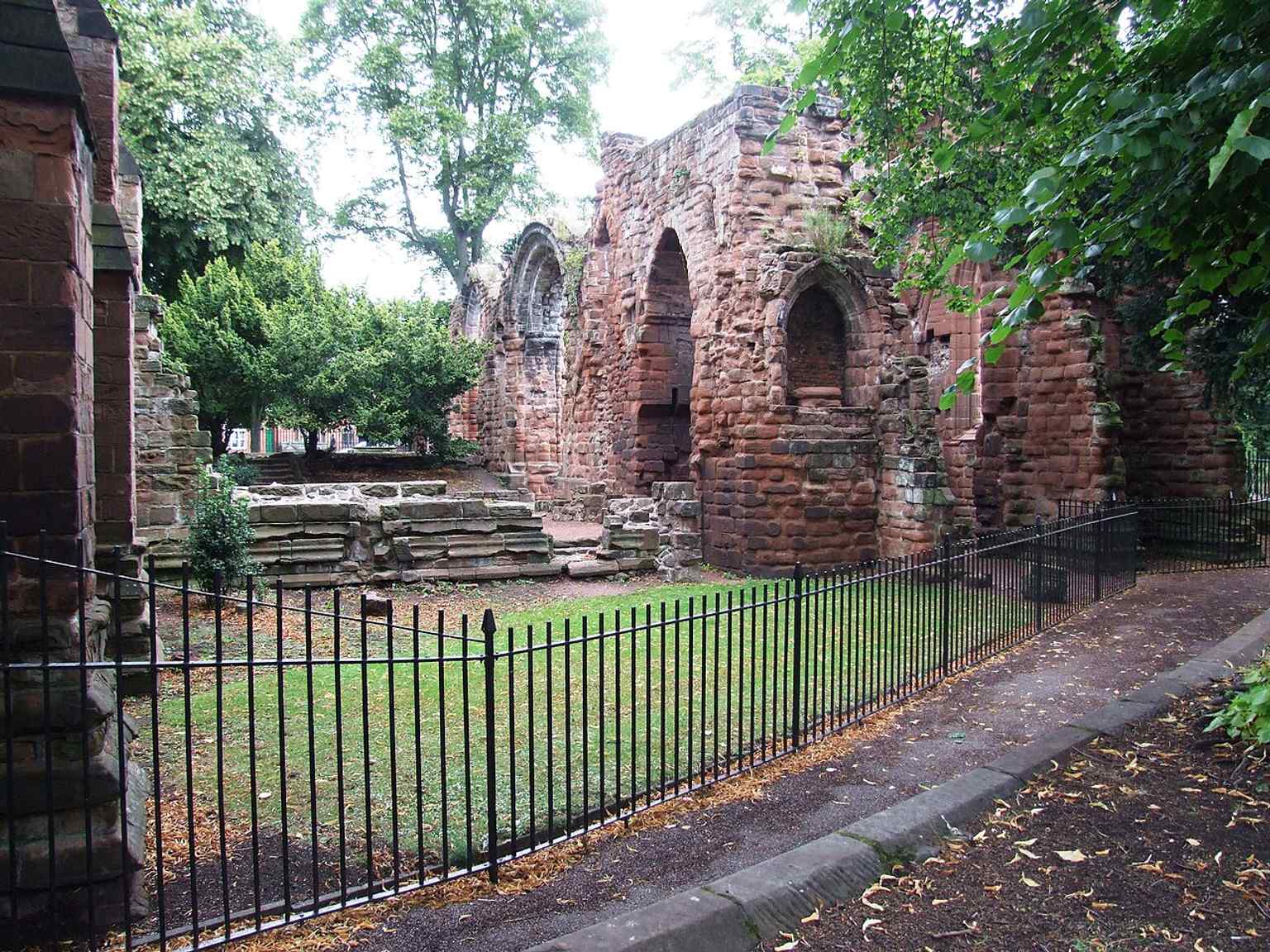
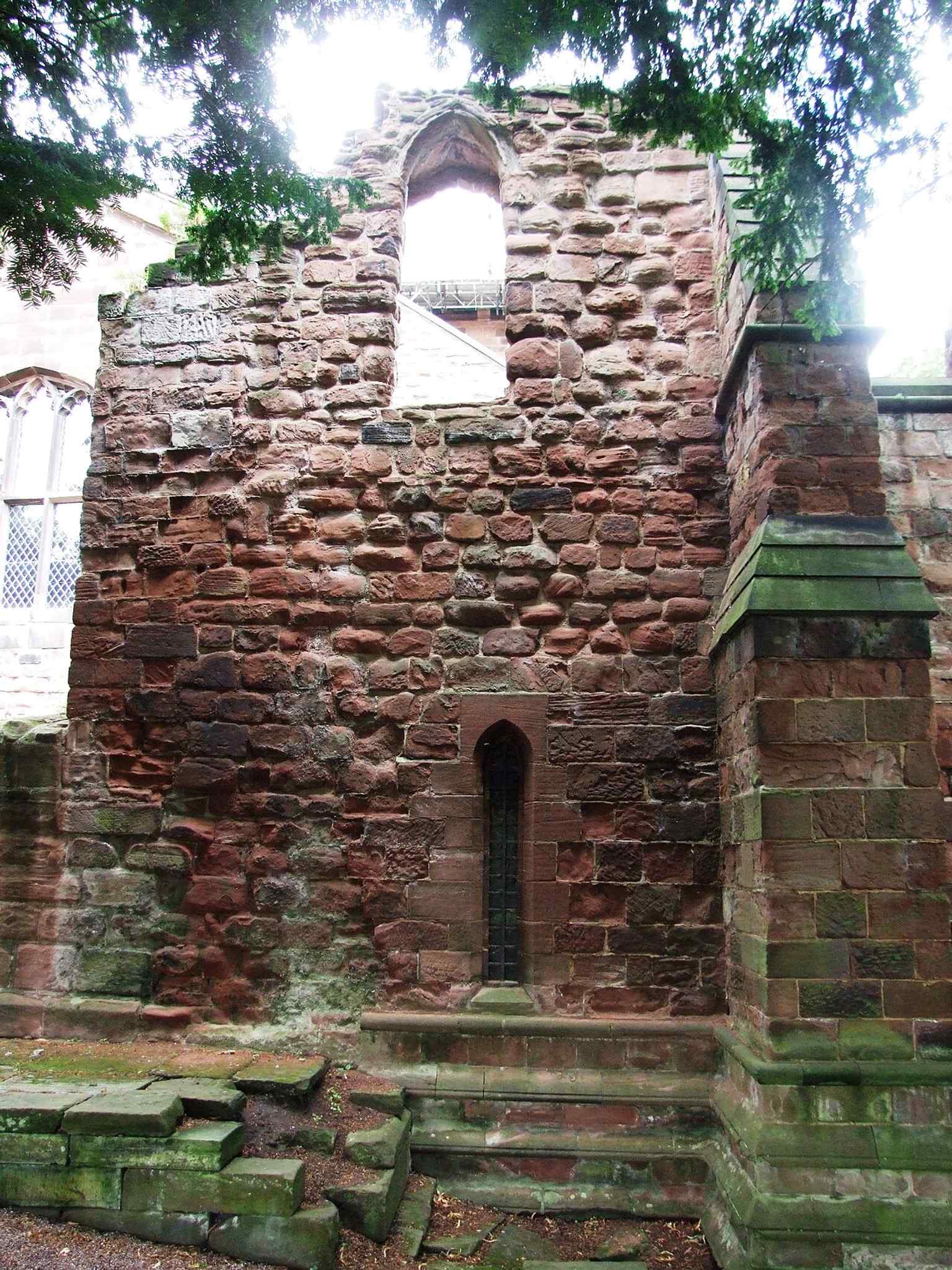
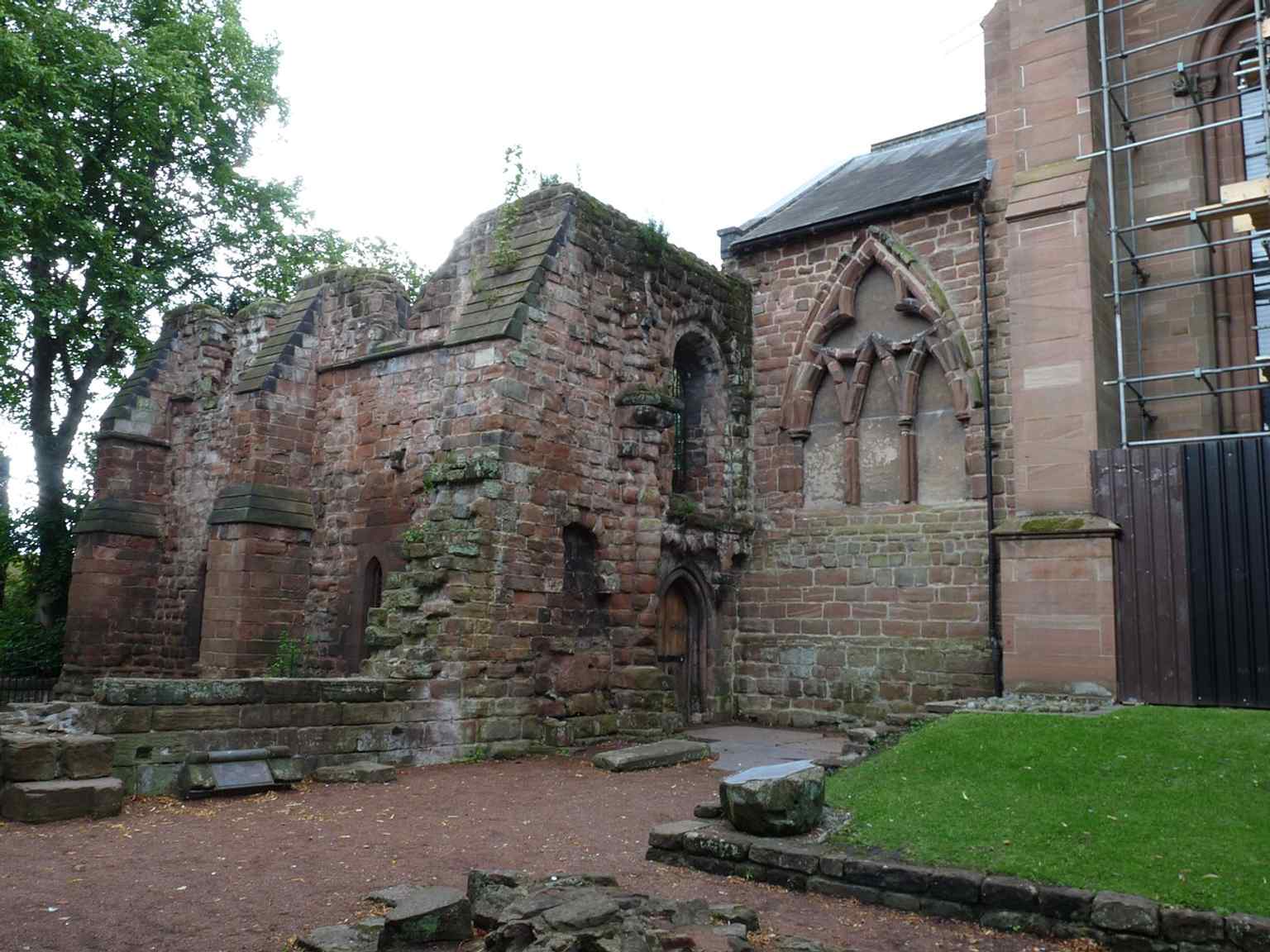
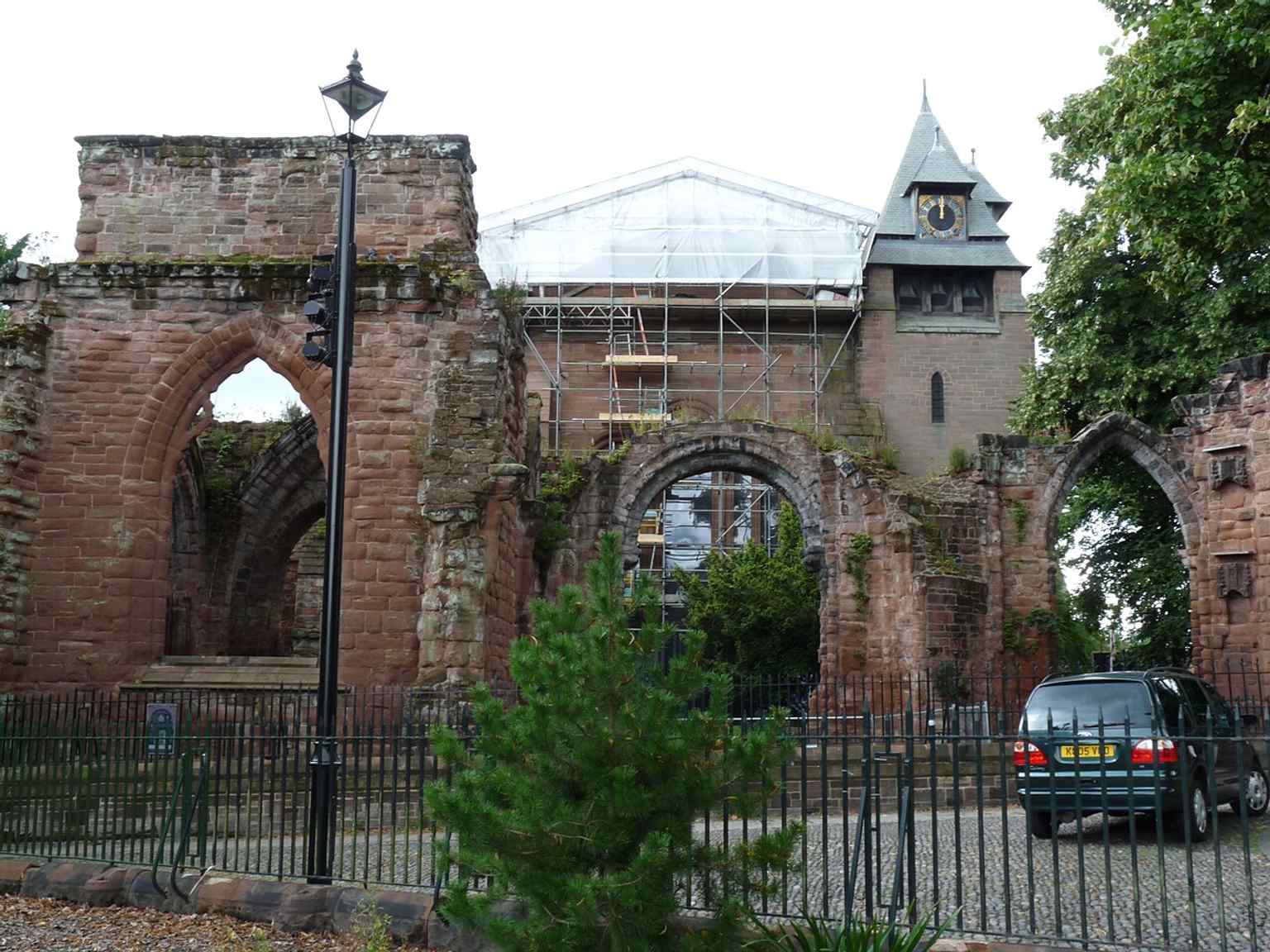
Its history, though, is not exactly serene. In thirteen eighty-six, Owain Glyndwr gave evidence here in the Scrope versus Grosvenor dispute, a Court of Chivalry case over who had the right to use a coat of arms... proof that heraldry could start arguments of heroic size. In fourteen sixty-eight, the central tower collapsed. After the Dissolution in the sixteenth century, people demolished much of the east end, and the huge medieval church shrank into the parish church you see today. The nave - the main central hall of the church - survived, though not without drama: the northwest tower partly fell in fifteen seventy-two, then collapsed further in fifteen seventy-four and destroyed the western bays.
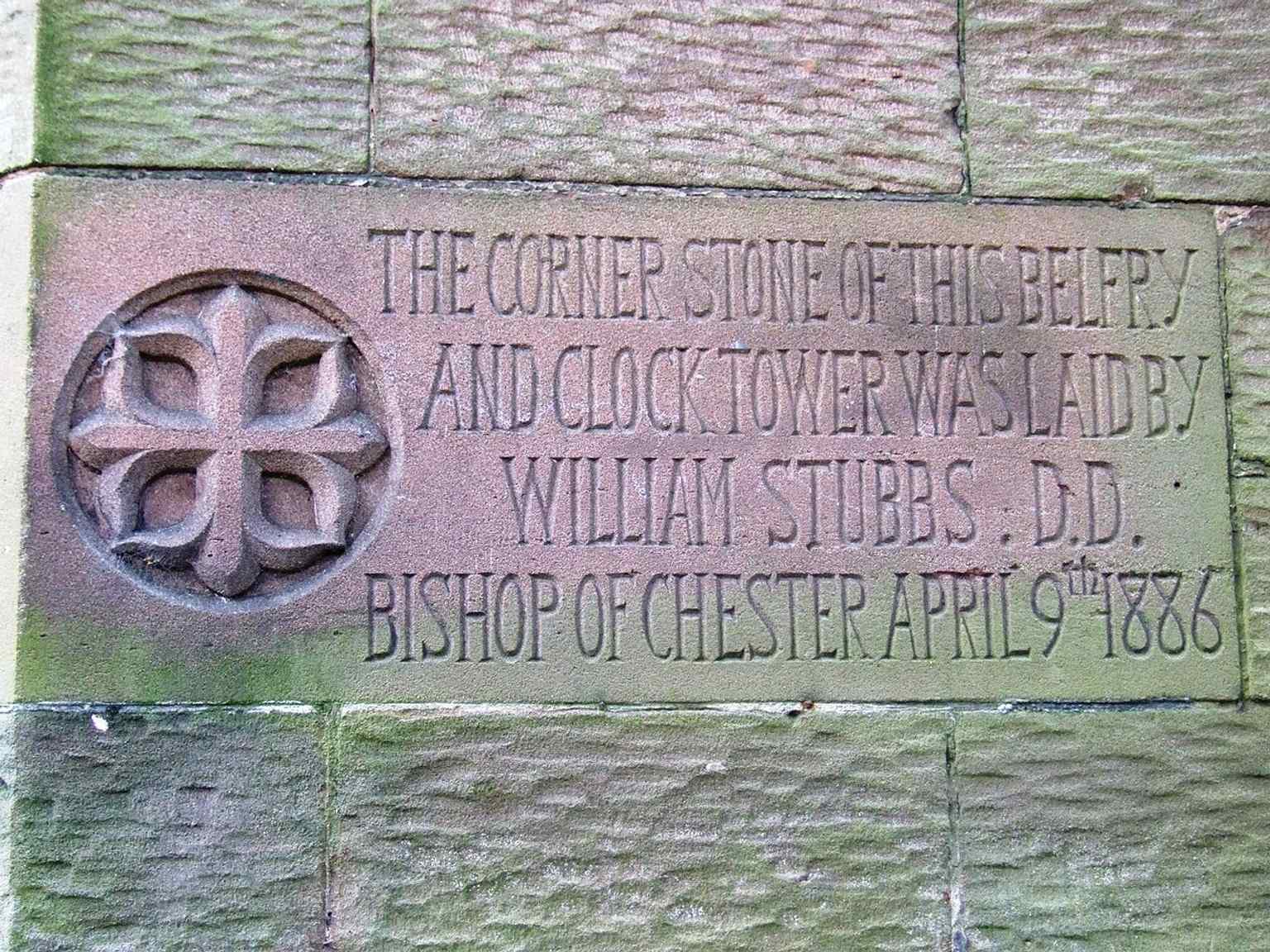
During the siege of Chester in sixteen forty-five, Parliamentary troops turned the church into a garrison and gun platform, firing at the city and its walls. That is a rough career change for a former cathedral. Victorian restorers later stepped in, especially R. C. Hussey, and after another tower collapse in eighteen eighty-one, John Douglas rebuilt the porch and added the northeast belfry tower in eighteen eighty-six.
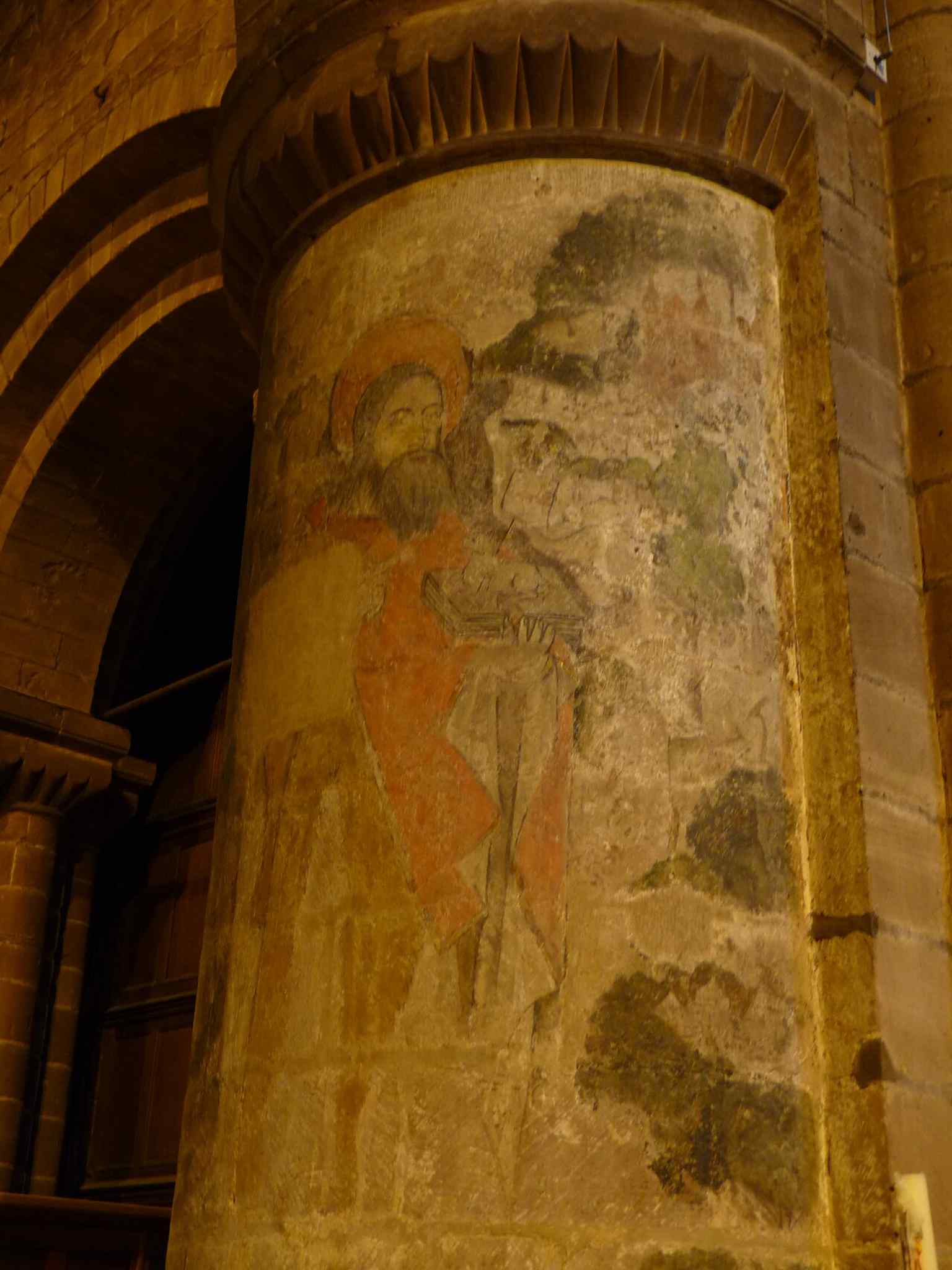
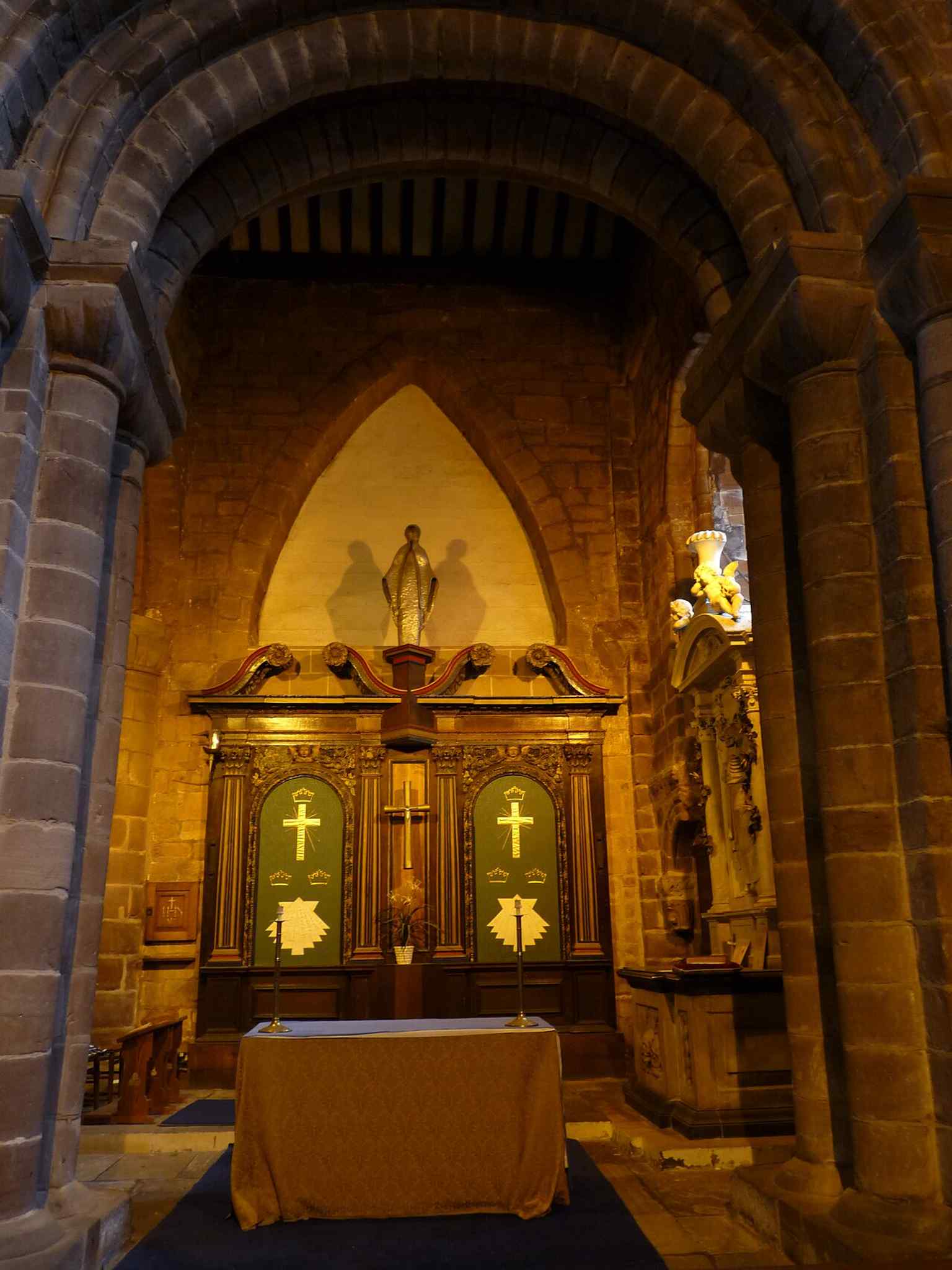
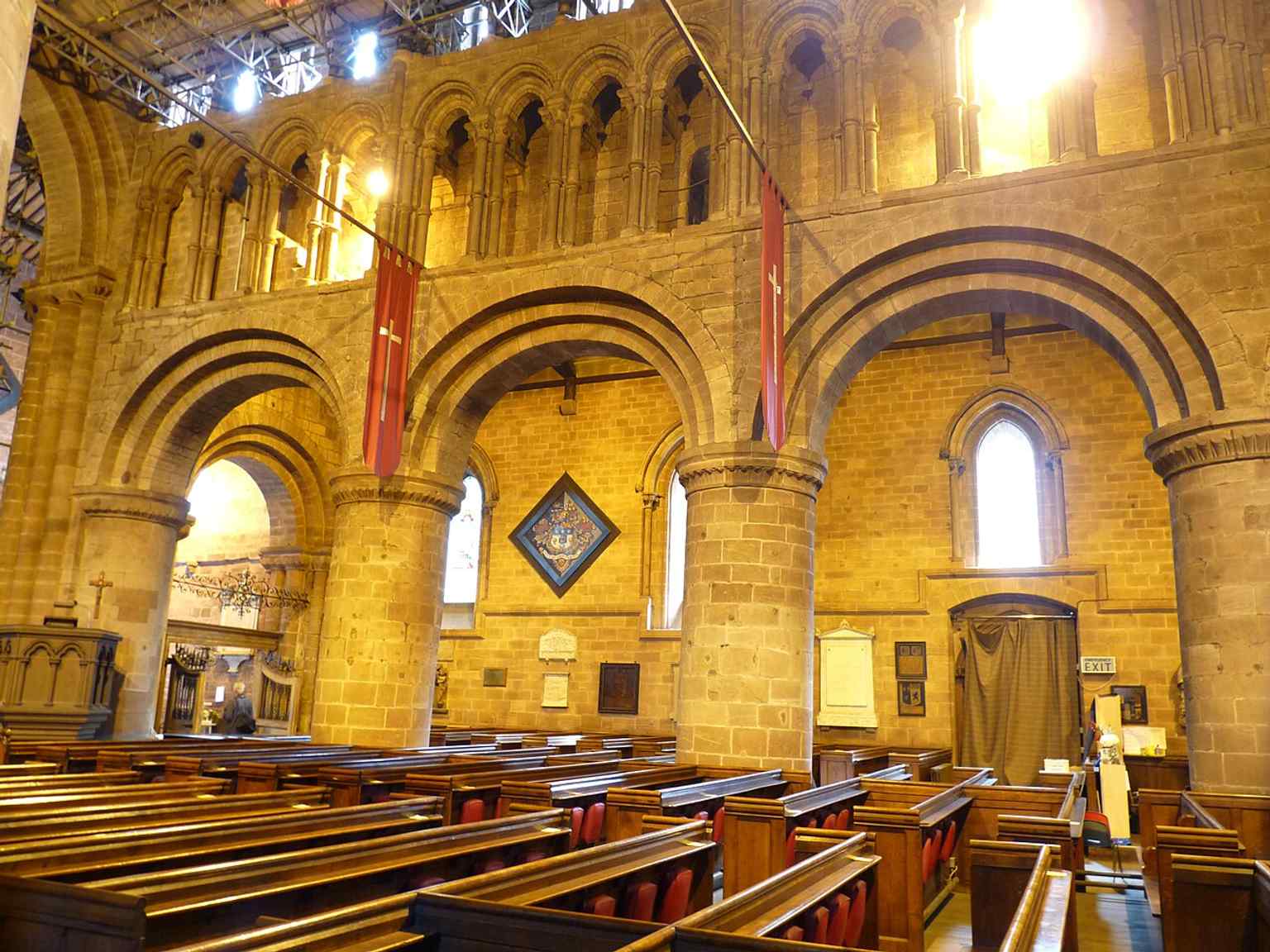
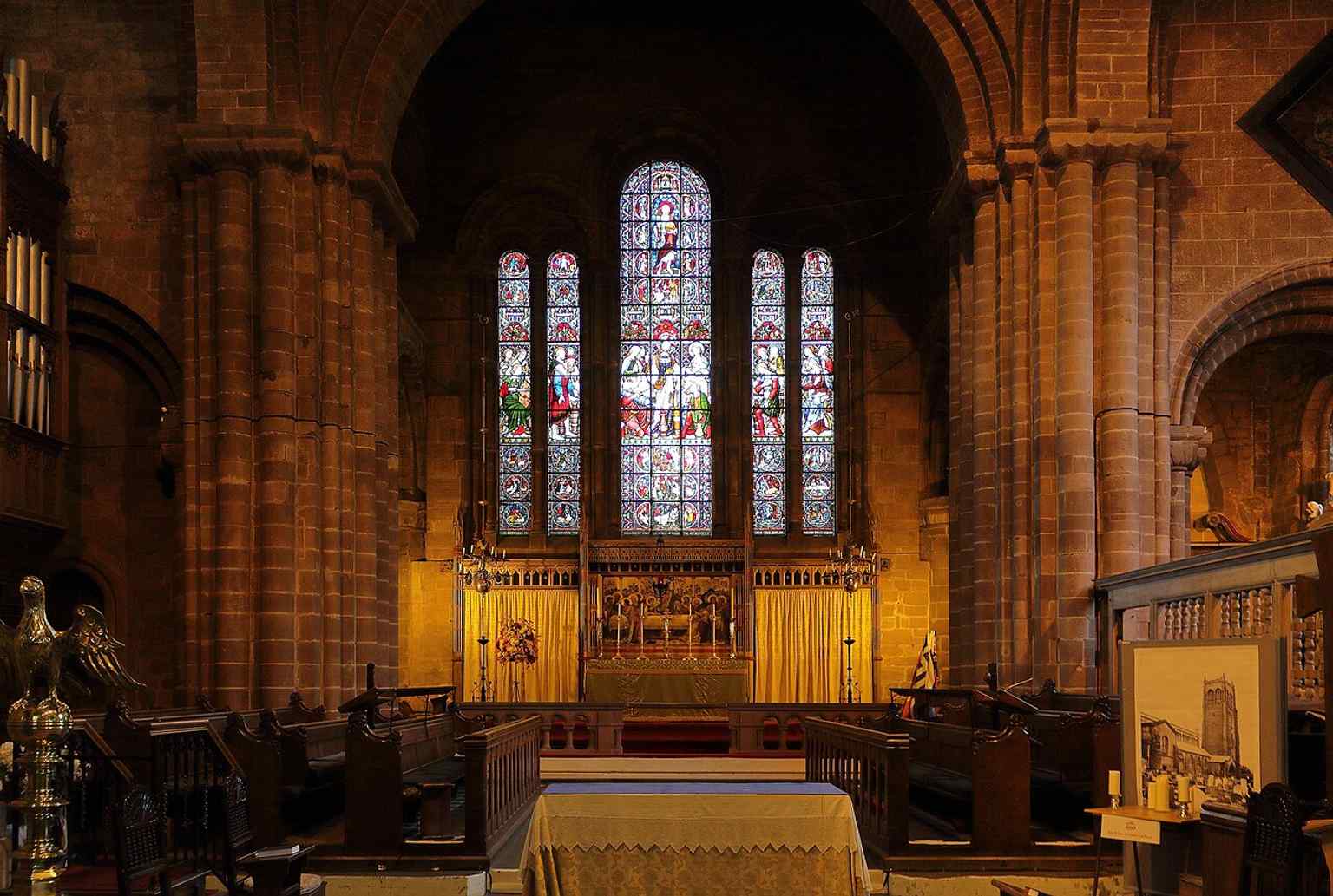
If you check the before-and-after image, you can see how the long south side still feels unmistakably medieval, even though the stone looks cleaner and the setting much tidier than it did a century ago. And if you want a glimpse inside, look at image nine on your screen; that painted pillar hints at how much Norman and medieval fabric still survives beyond these walls.
Today, St John's is a Grade One listed building, still an active parish church, and historian Alec Clifton-Taylor counted it among England's best parish churches. If you want to come back and go inside, it usually opens from eleven to three Monday to Friday, ten to four on Saturday, and stays closed on Sunday.
St John's feels less like one building than a whole stack of English history in stone.
Take a last look here, and when you're ready, we can head on to the Roman amphitheatre.






.JPG)
.JPG)


