
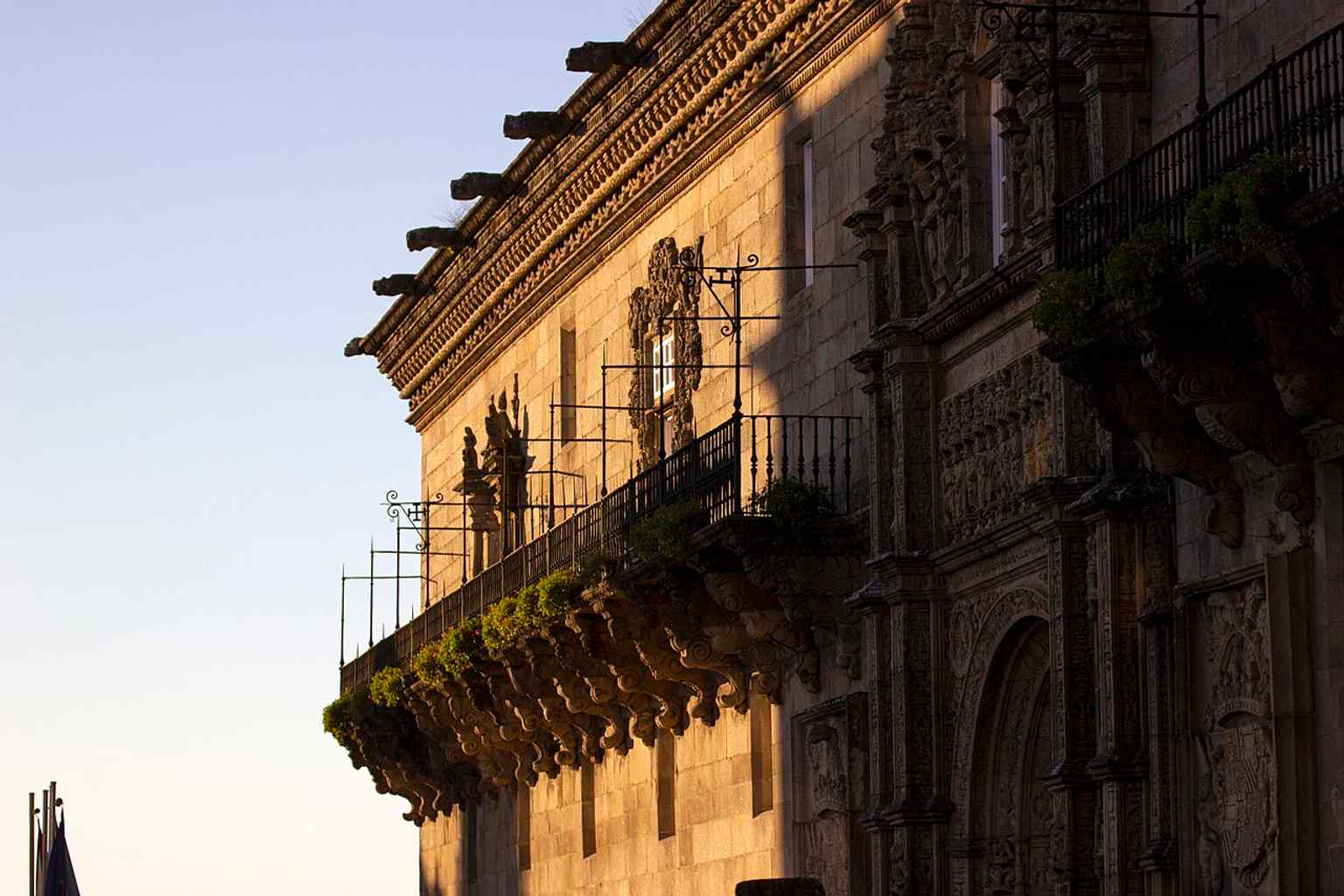
Directly in front of you is a massive rectangular stone building defined by its intricately carved central doorway, long iron balconies, and a front courtyard marked off by stone pillars linked with heavy iron chains.
For centuries, completing the pilgrimage meant arriving exhausted, often sick, and in desperate need of basic human charity. Today, however, that same arrival can be celebrated with a five-star stay in a historic suite. What began as a vital network of charitable medical care for weary travelers has steadily evolved into an experience of high-end luxury. A royal hospital that is now a luxury hotel perfectly captures the duality between a sacred mission and royal prestige.
Back in fourteen eighty-six, the Catholic Monarchs visited Santiago and saw pilgrims sleeping on the cathedral floors. They decided to build a grand hospital to care for them, but they funded it using the financial spoils from their military conquest of Granada in fourteen ninety-two. It was divine charity, bankrolled by earthly triumph.
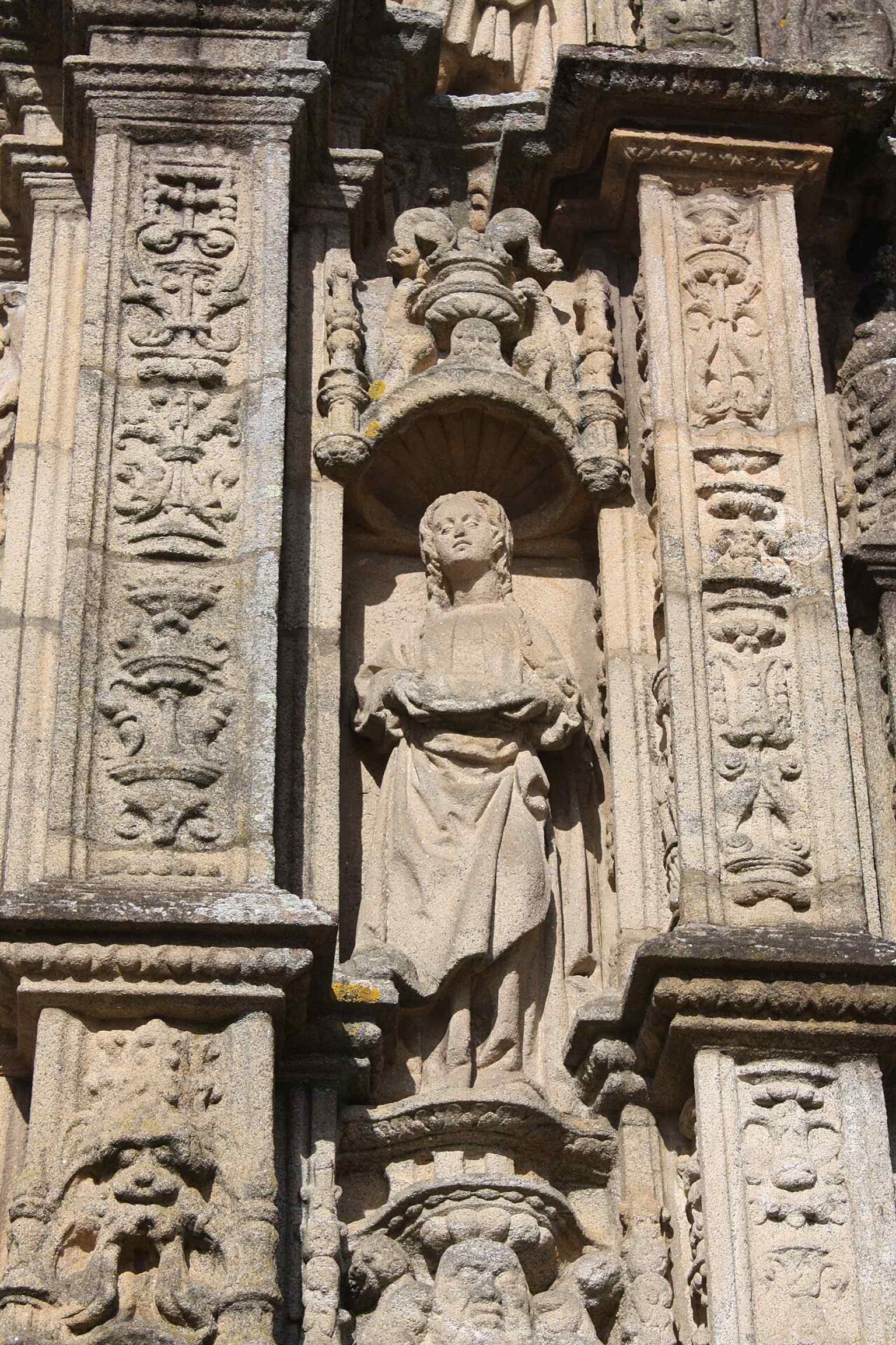
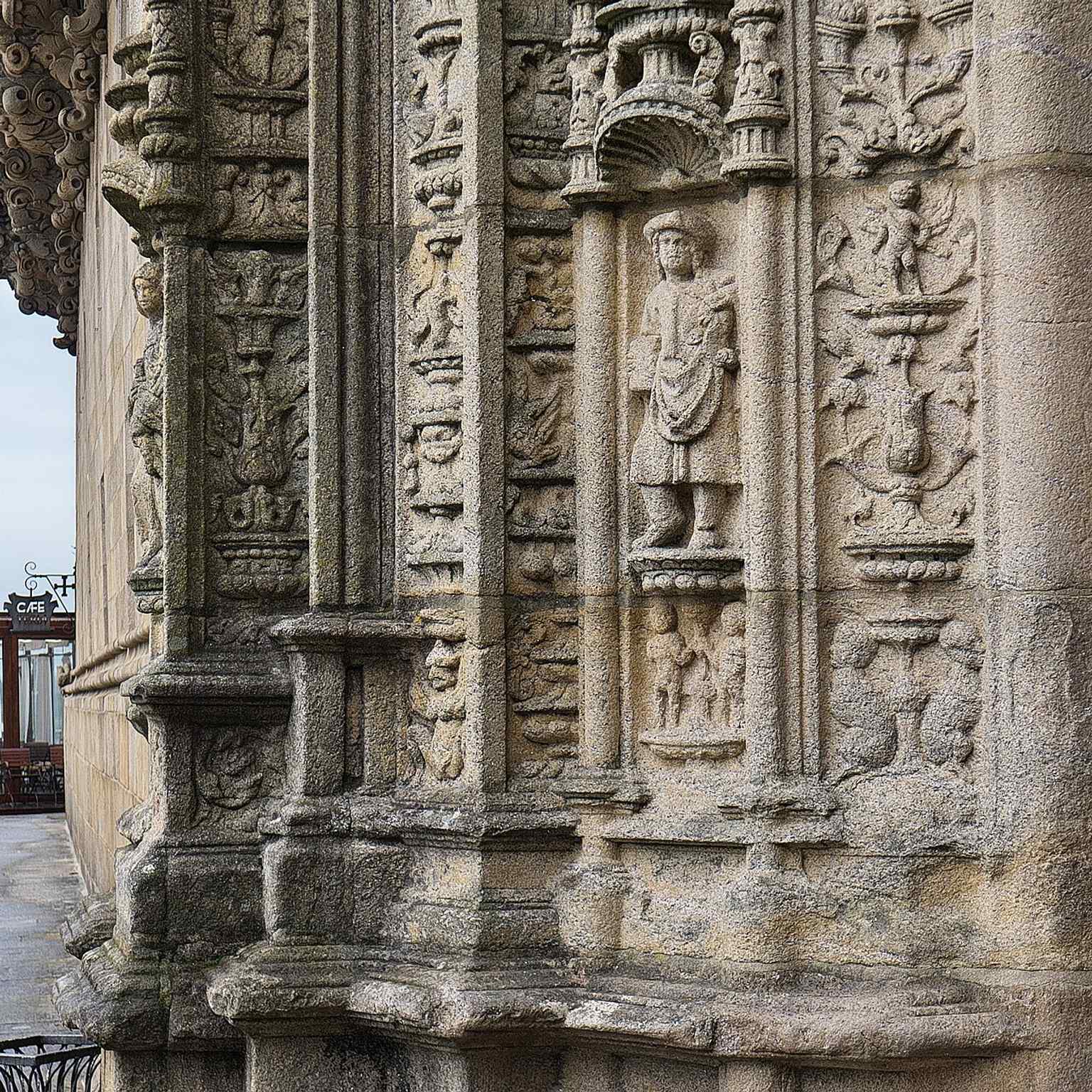
Look closely at that ornate central doorway. On the right side, you will find figures of Adam and Eve. Take a look at the image on your screen to see the detail. Unlike most religious art of the era, they are covering themselves in shame, a stark reminder of the flawed humanity that arrived at these doors seeking both physical and spiritual healing.
And those heavy chains out front? They were not just for crowd control. They marked a strict legal boundary of royal jurisdiction. If you were a fugitive running from the local city authorities and you managed to leap over those chains, you were officially under the protection of the Crown. It was a sacred asylum, which caused endless political headaches for the city council.
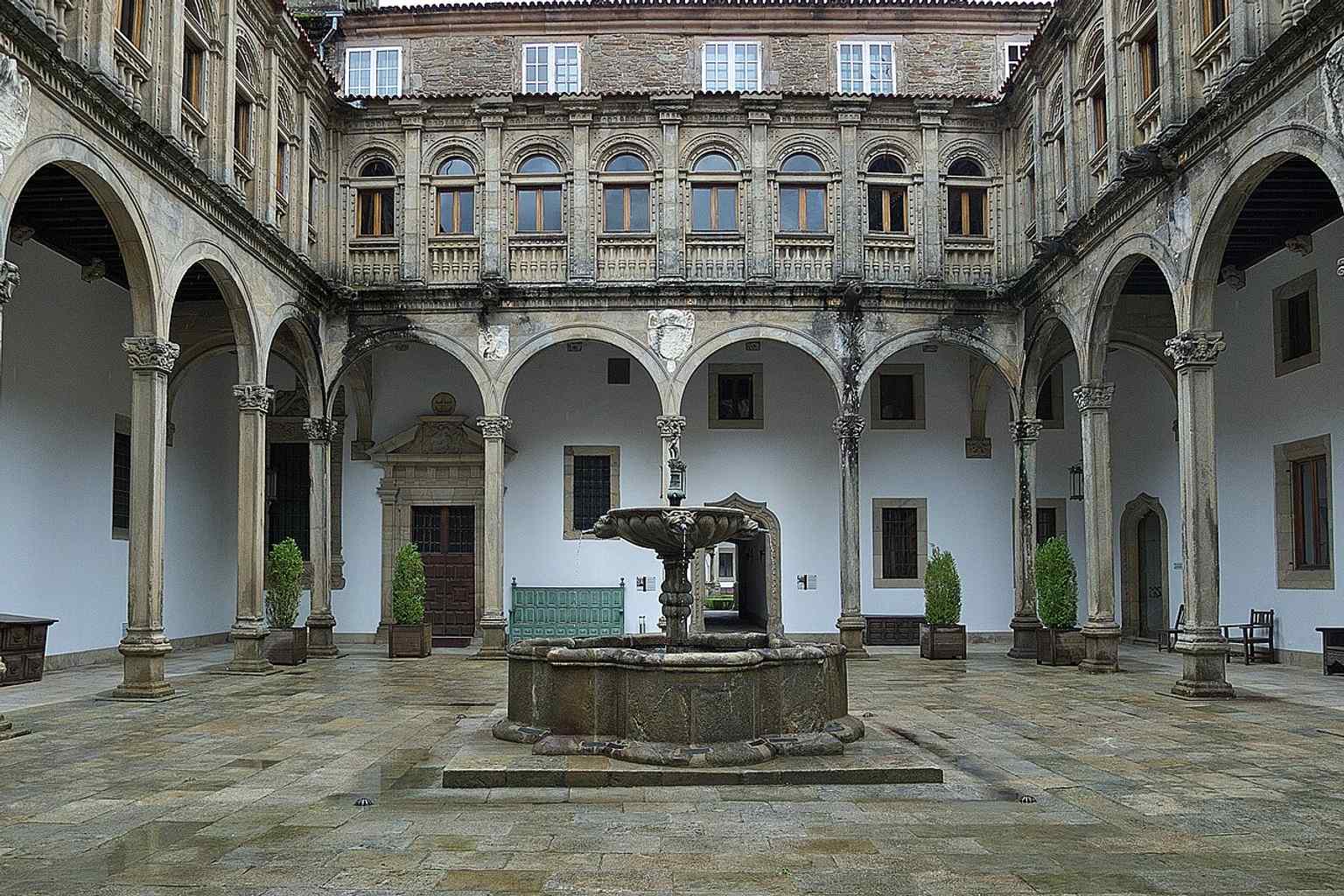
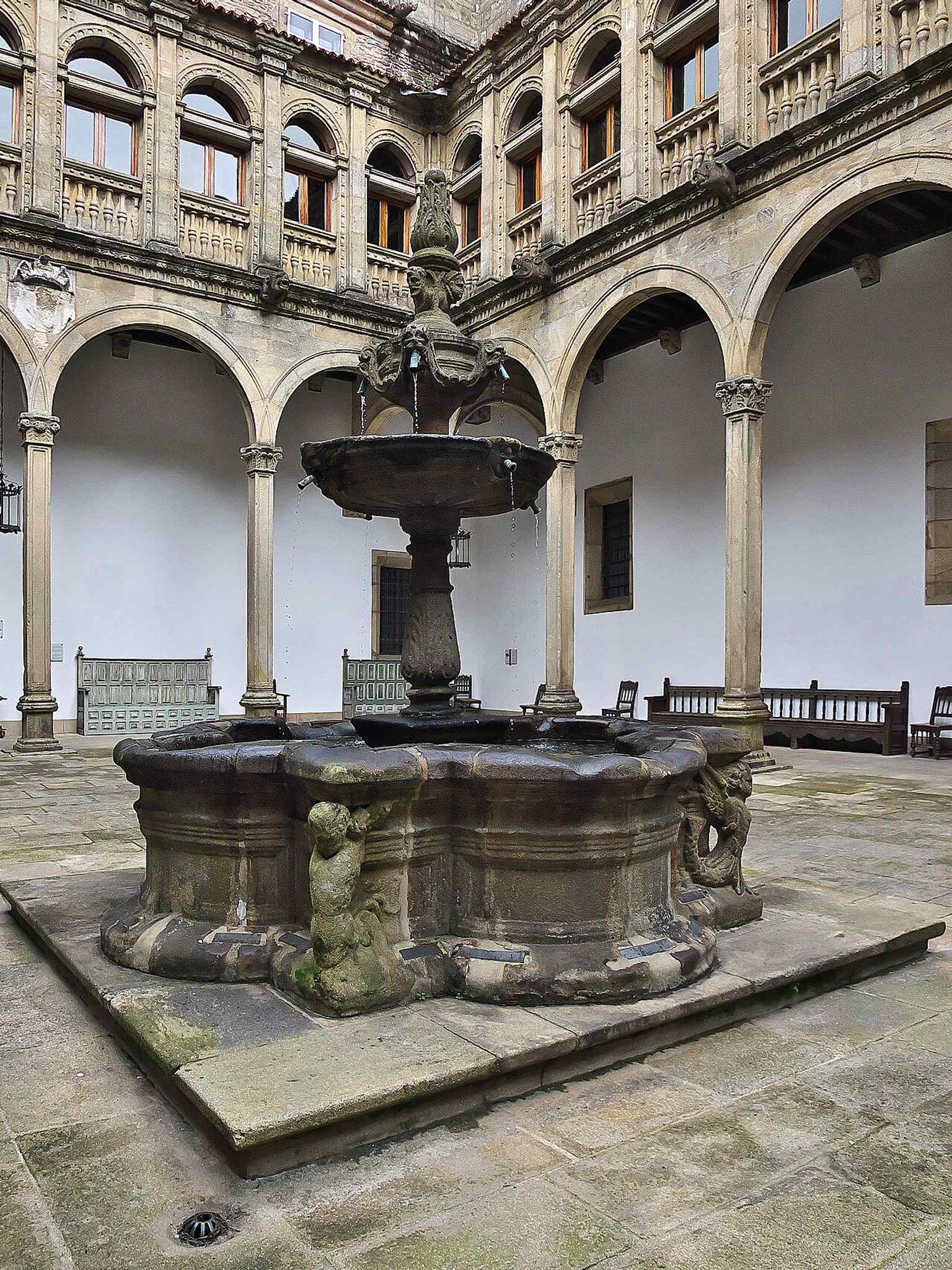
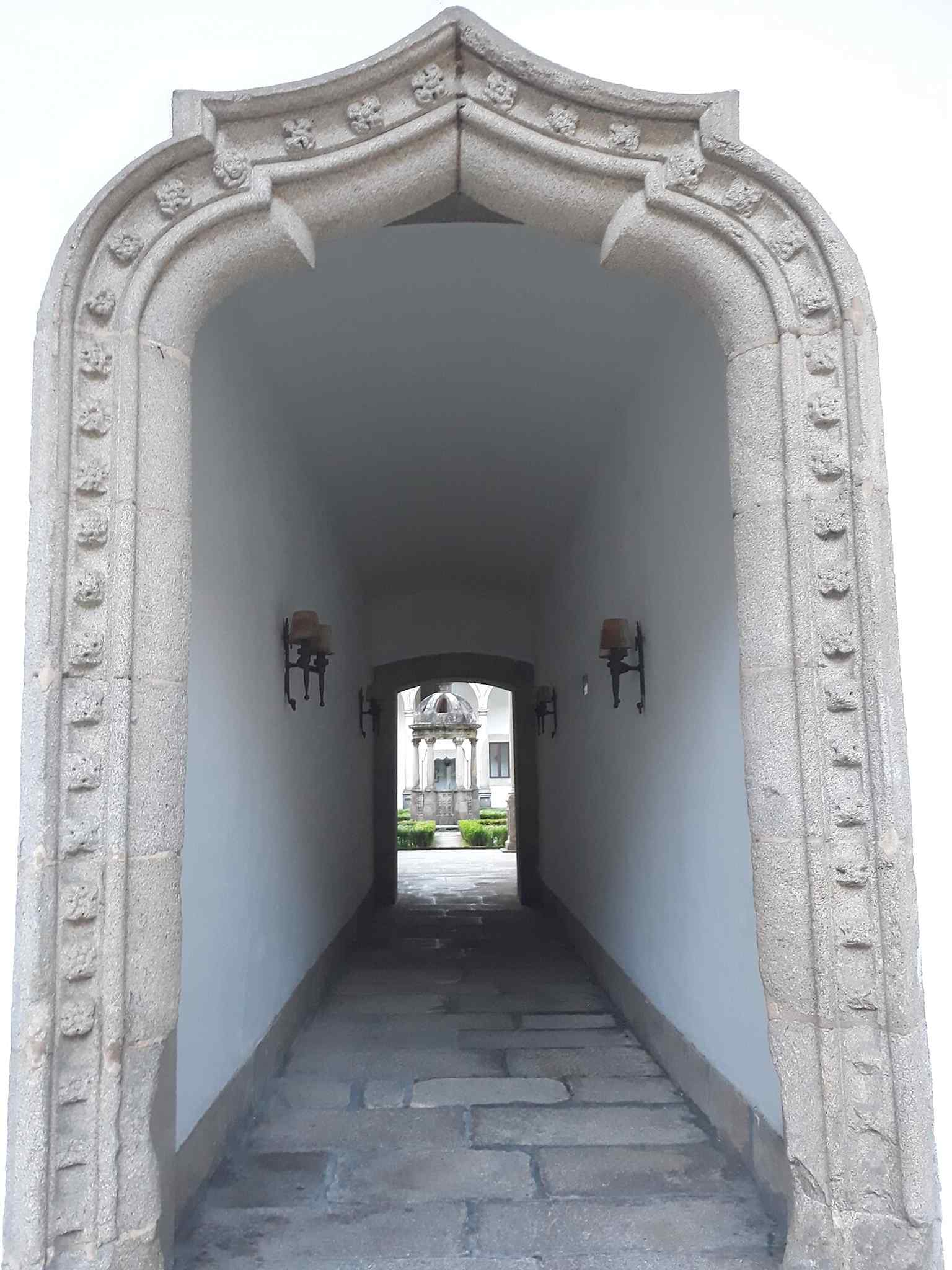
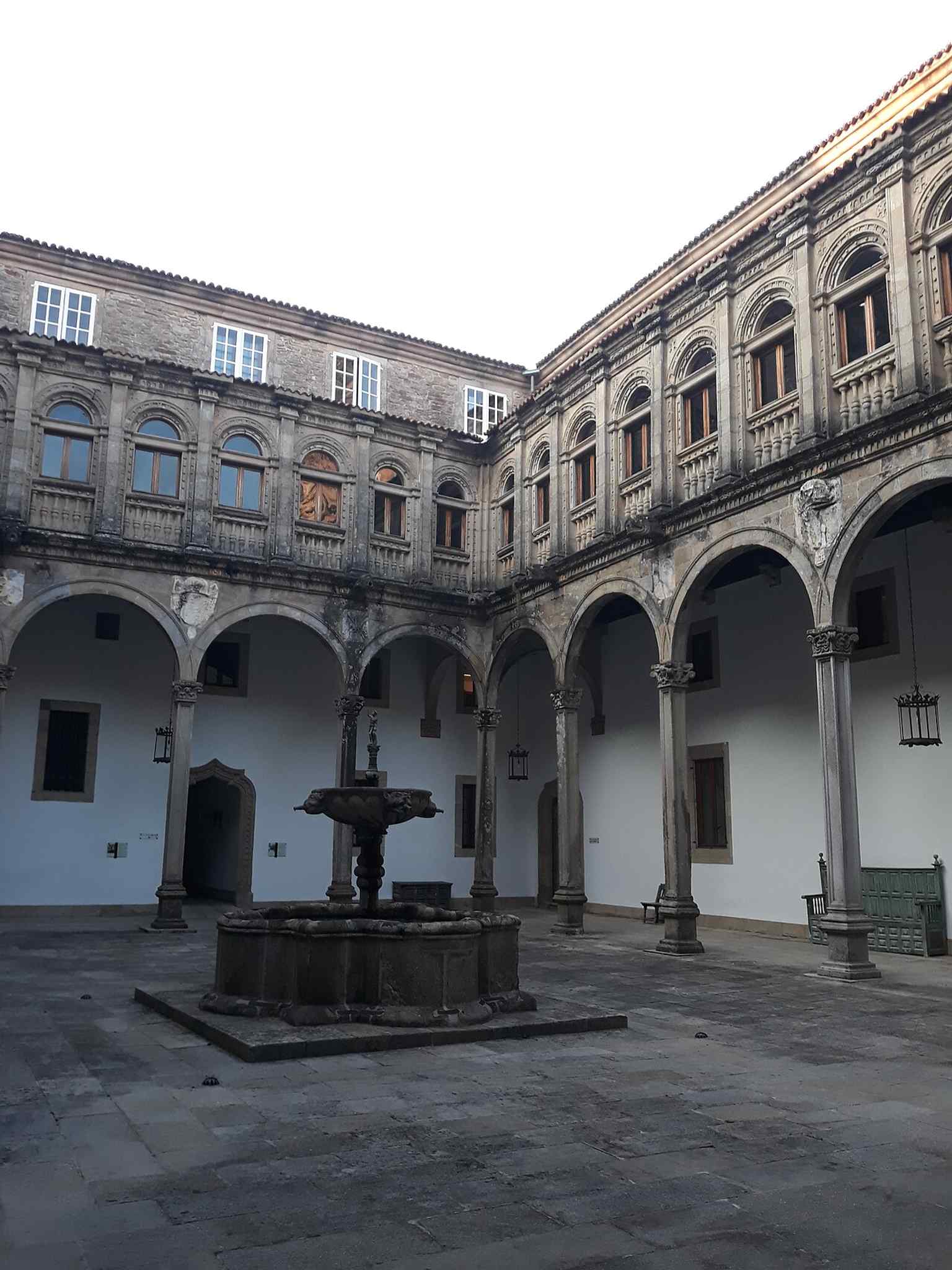
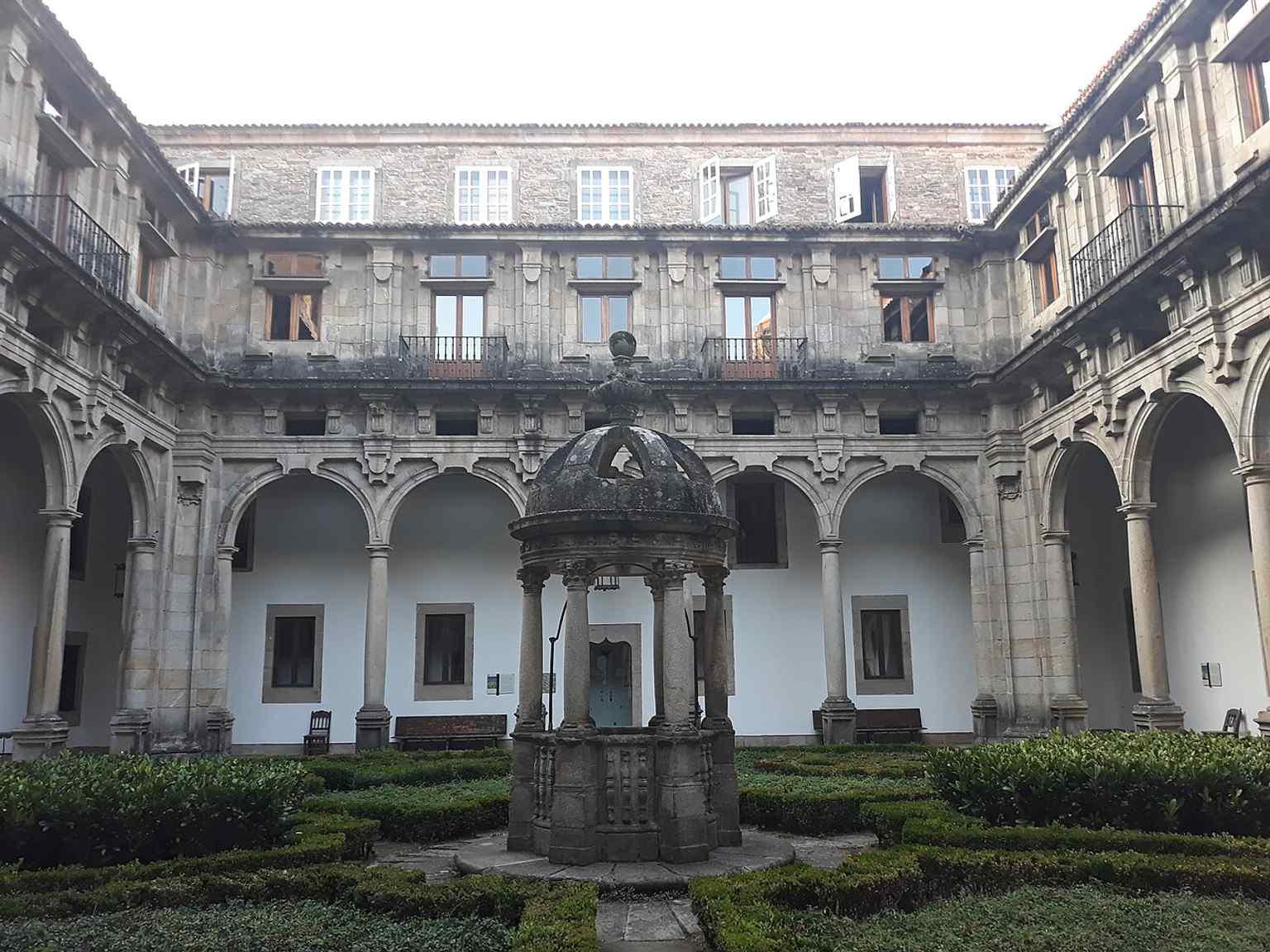
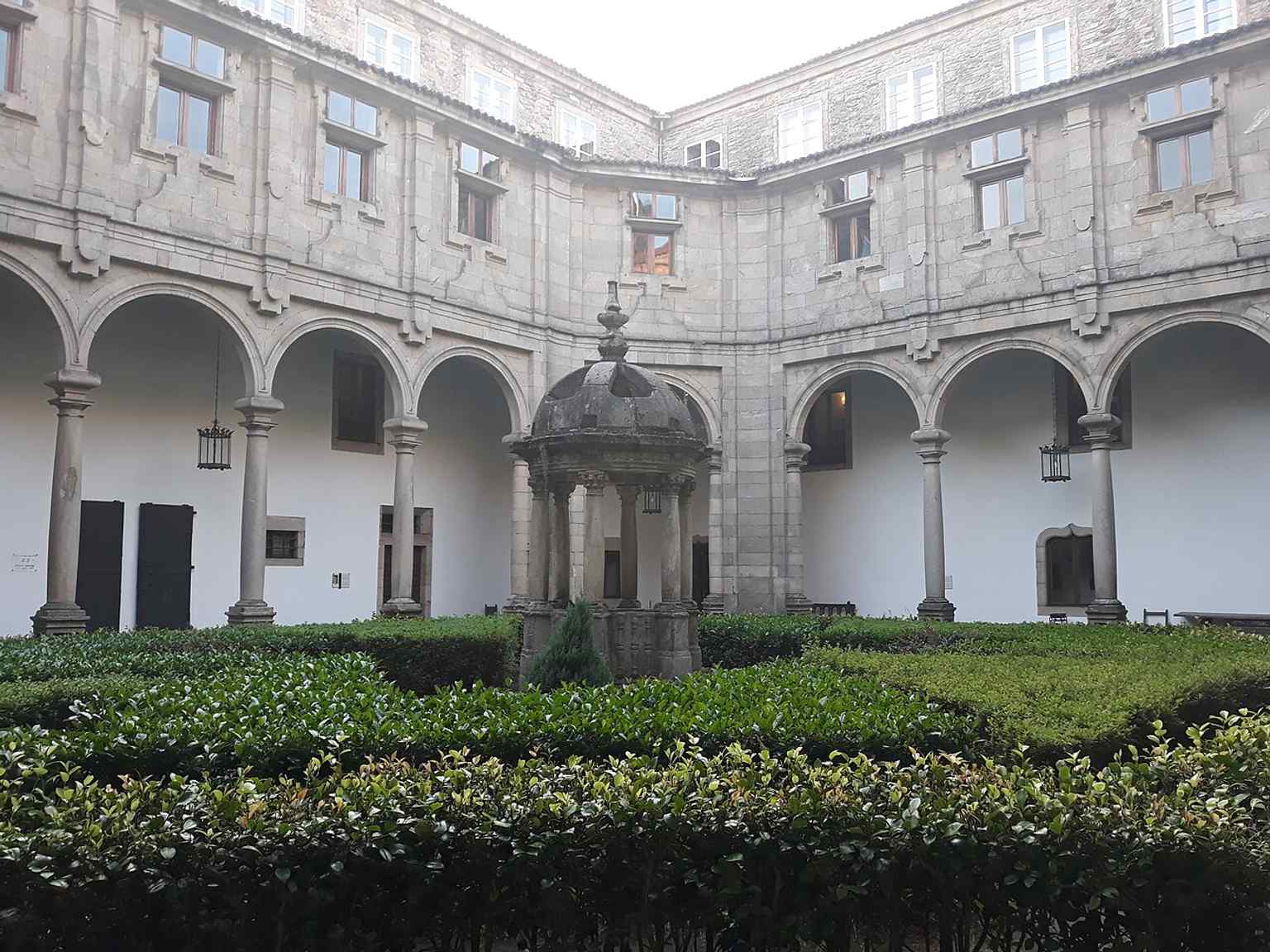
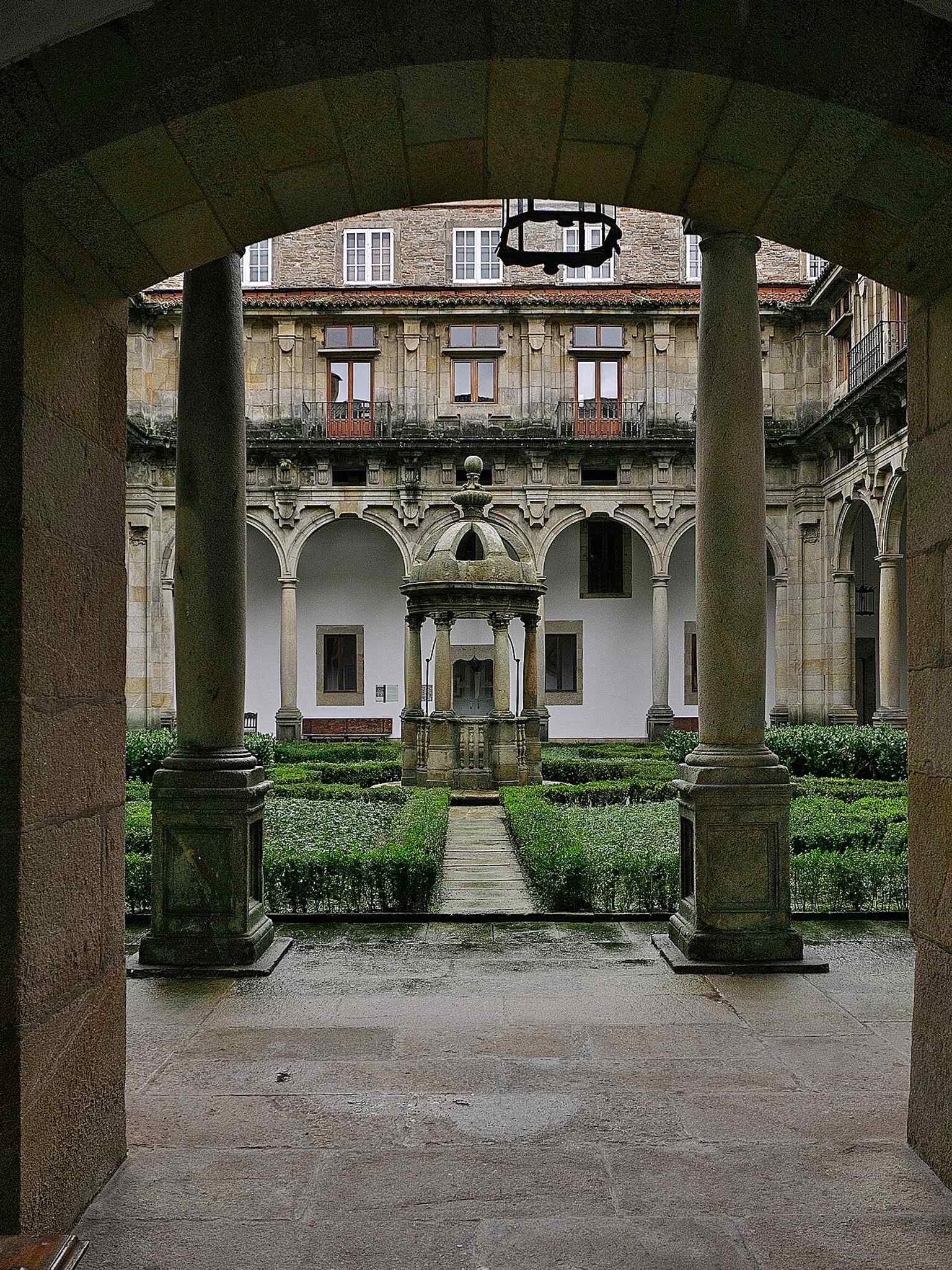
Inside, the hospital was incredibly advanced for the sixteenth century, separating patients by illness and offering three free days of food, wine, and medicine. But it was far more than a hospital. Check your app for a glimpse of the Patio de San Juan, one of the original Renaissance courtyards. This specific space housed the main kitchen, but paradoxically, it also contained a jail for unruly patients, and an orphanage. The hospital had a rotating wooden door where desperate parents could anonymously leave babies, who were often brought from across the region in wicker baskets. That practice actually gave rise to a local Galician phrase, living like a king in a basket, which is still used today to describe a life of absolute comfort.
Of course, comfort is relative. By seventeen forty-three, an Italian traveler named Nicola Albani complained bitterly about the terrible service and wretched beds. The hospital's glory faded until nineteen fifty-four, when the building was rapidly transformed into a luxury hotel in just nine months. Yet, they still honor their charitable roots. To this day, the first ten pilgrims to show their completion certificates at the pilgrim office get a free breakfast here.
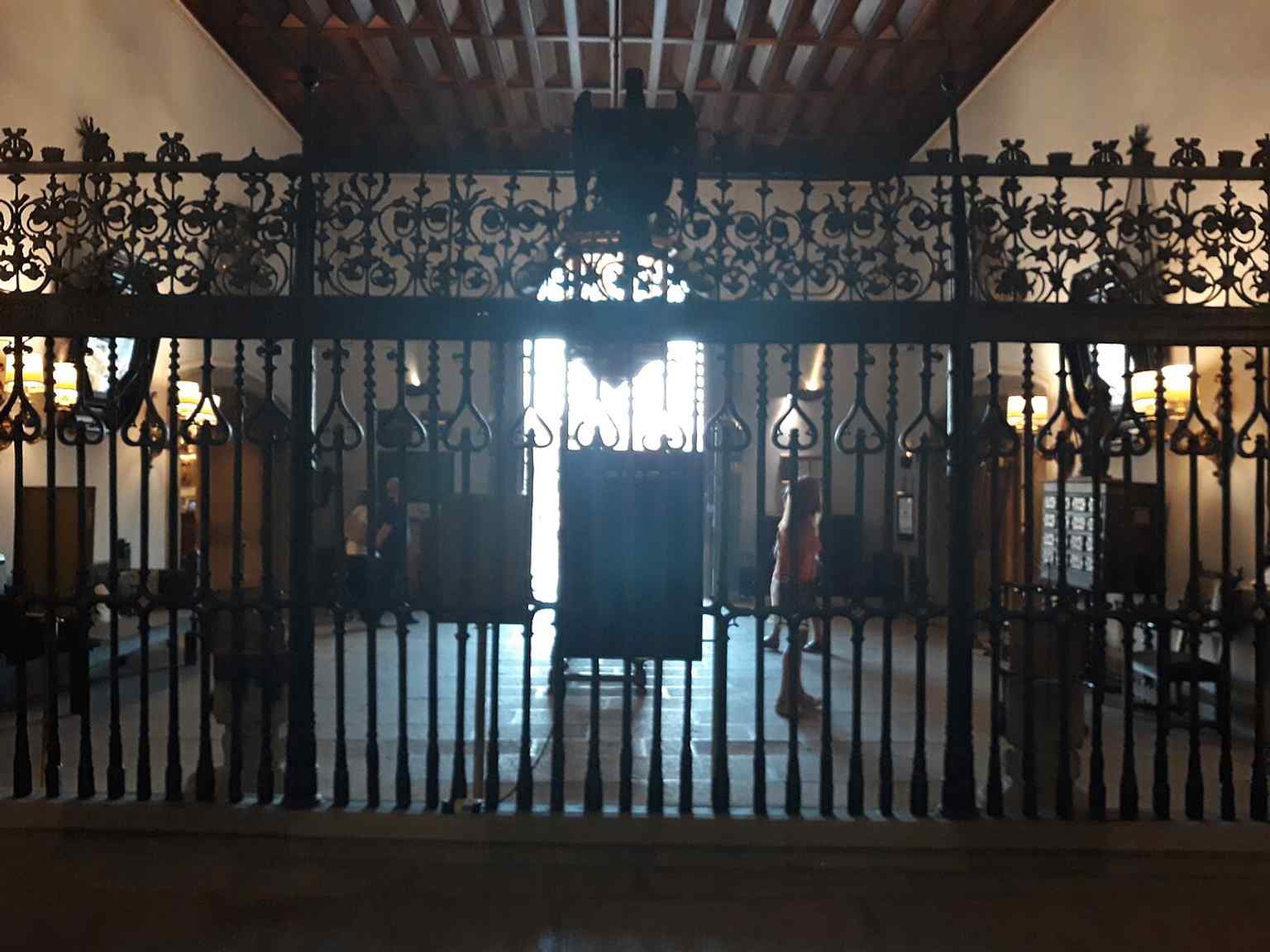
The building is open twenty-four hours a day if you want to peek into the grand lobby. Whenever you are ready, let us head out of the square and walk towards the Convent of San Francisco, which is about a five-minute stroll away.






.%20Fuente.jpg)


