
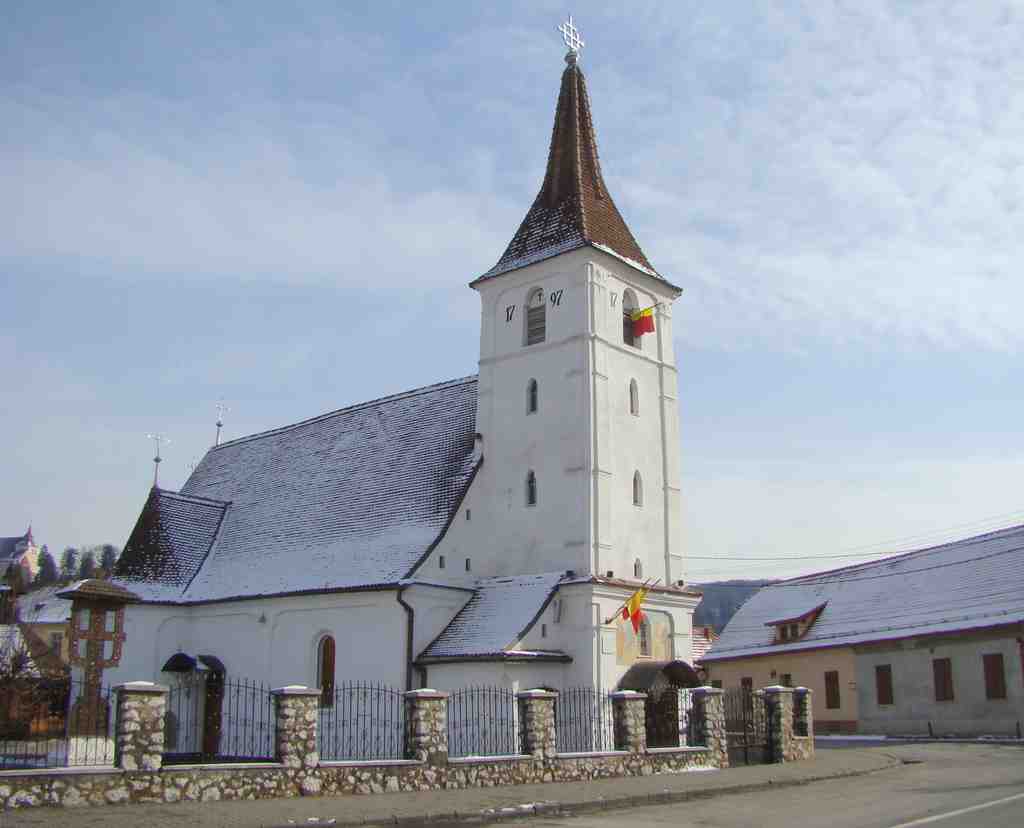
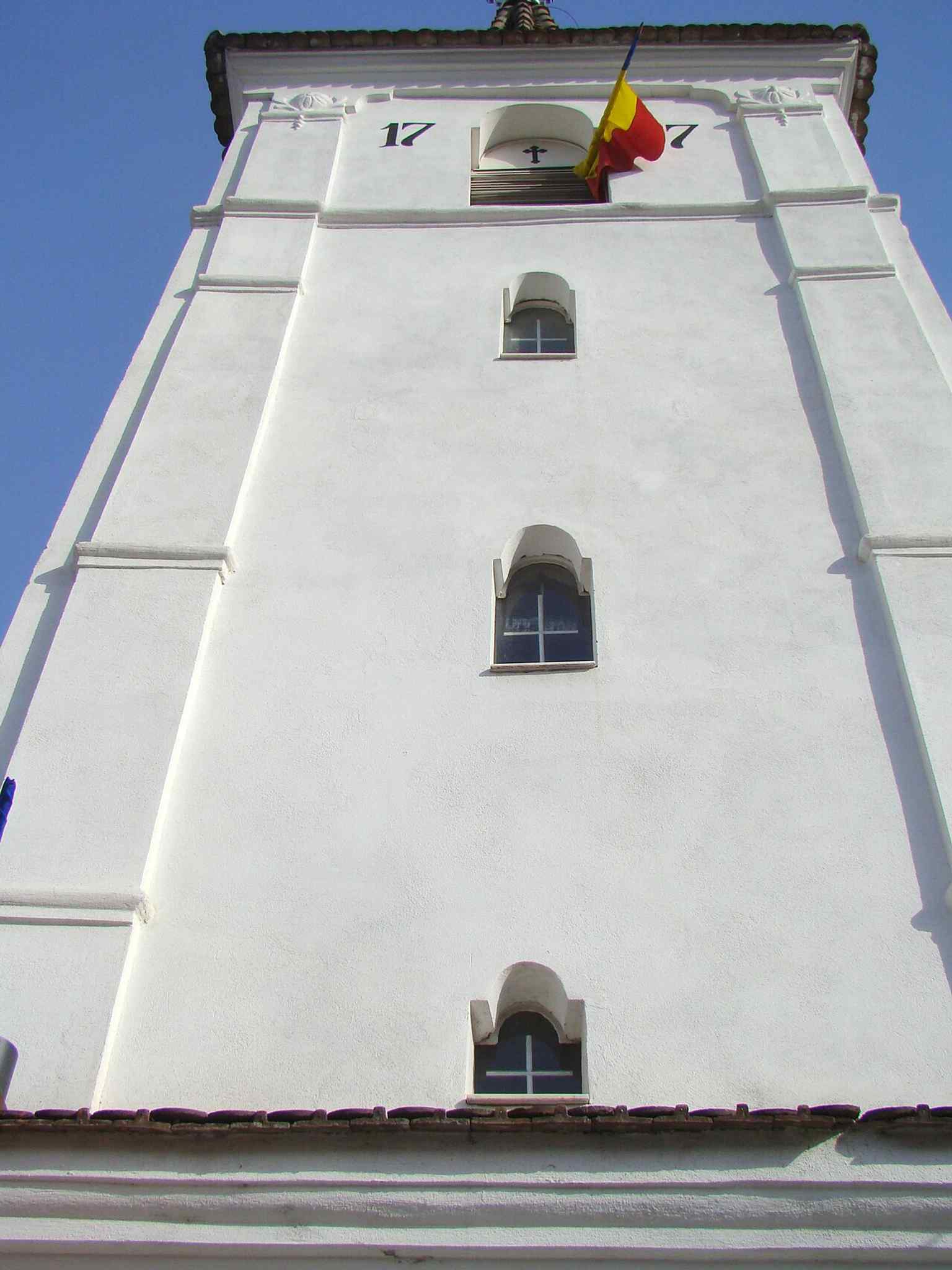
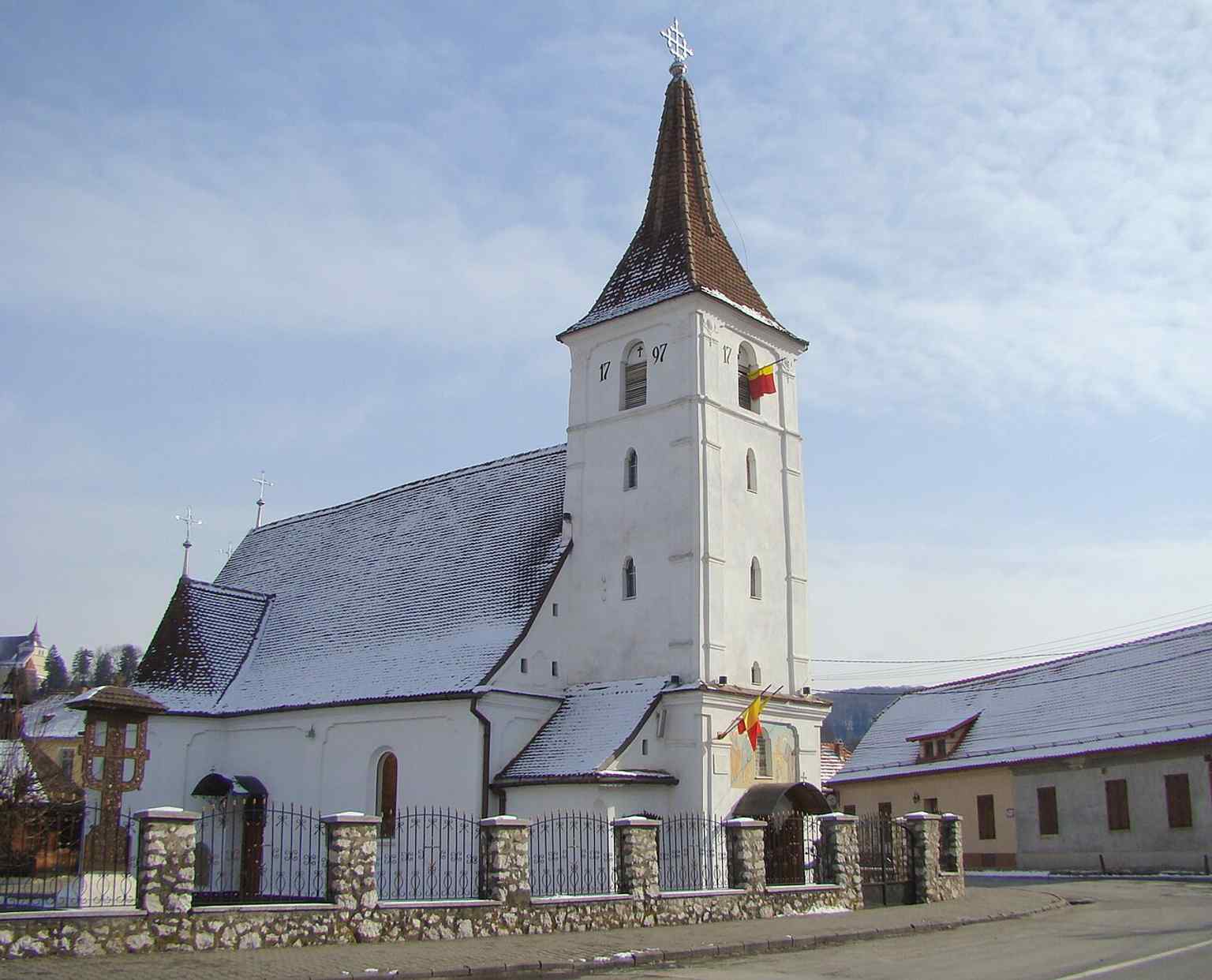
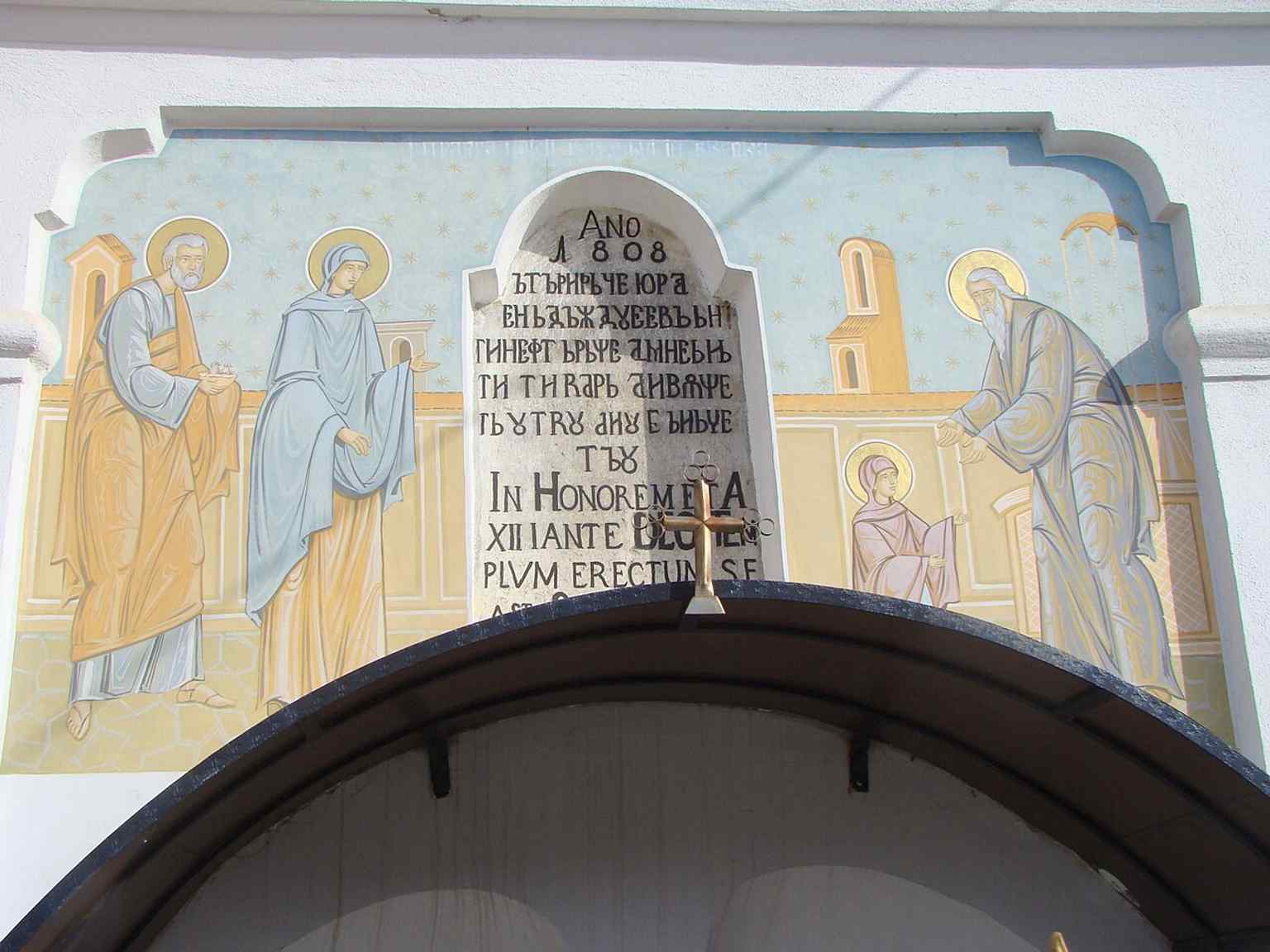
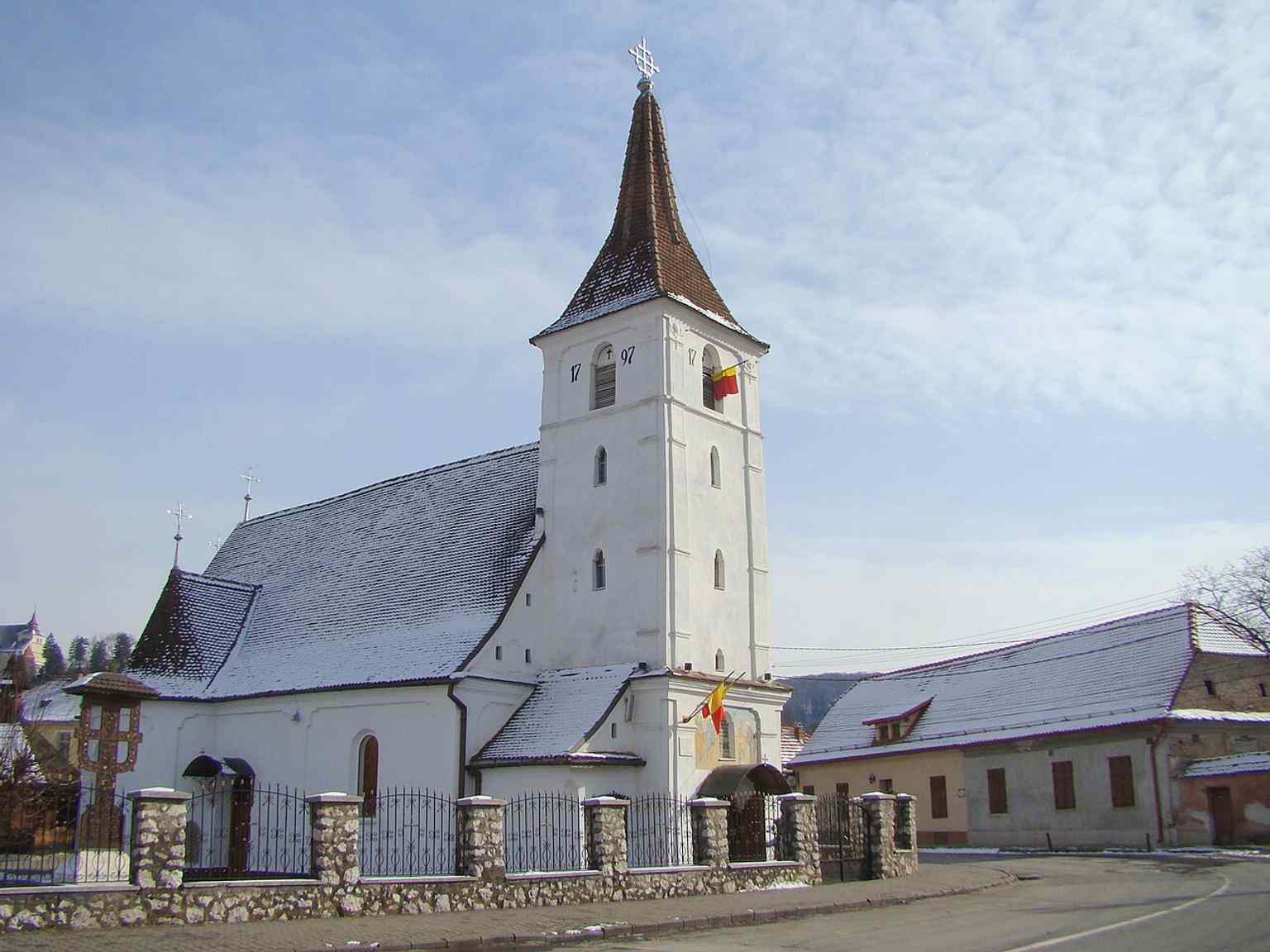
You should see a bright white stone church on your right, featuring a long main body and a tall square tower capped with a sharply pointed roof that has the numbers 17 and 97 painted just below the eaves.
It is peaceful here... but this building represents an incredible fight just to exist.
Earlier on this walk, we saw the massive Church on the Hill, commanding the whole city. Down here in what was once the outskirts, things were different. Back in the eighteenth century, Sighișoara was strictly segregated. The ruling authorities forbade Orthodox Romanians from living inside the fortified citadel or even building permanent stone structures.
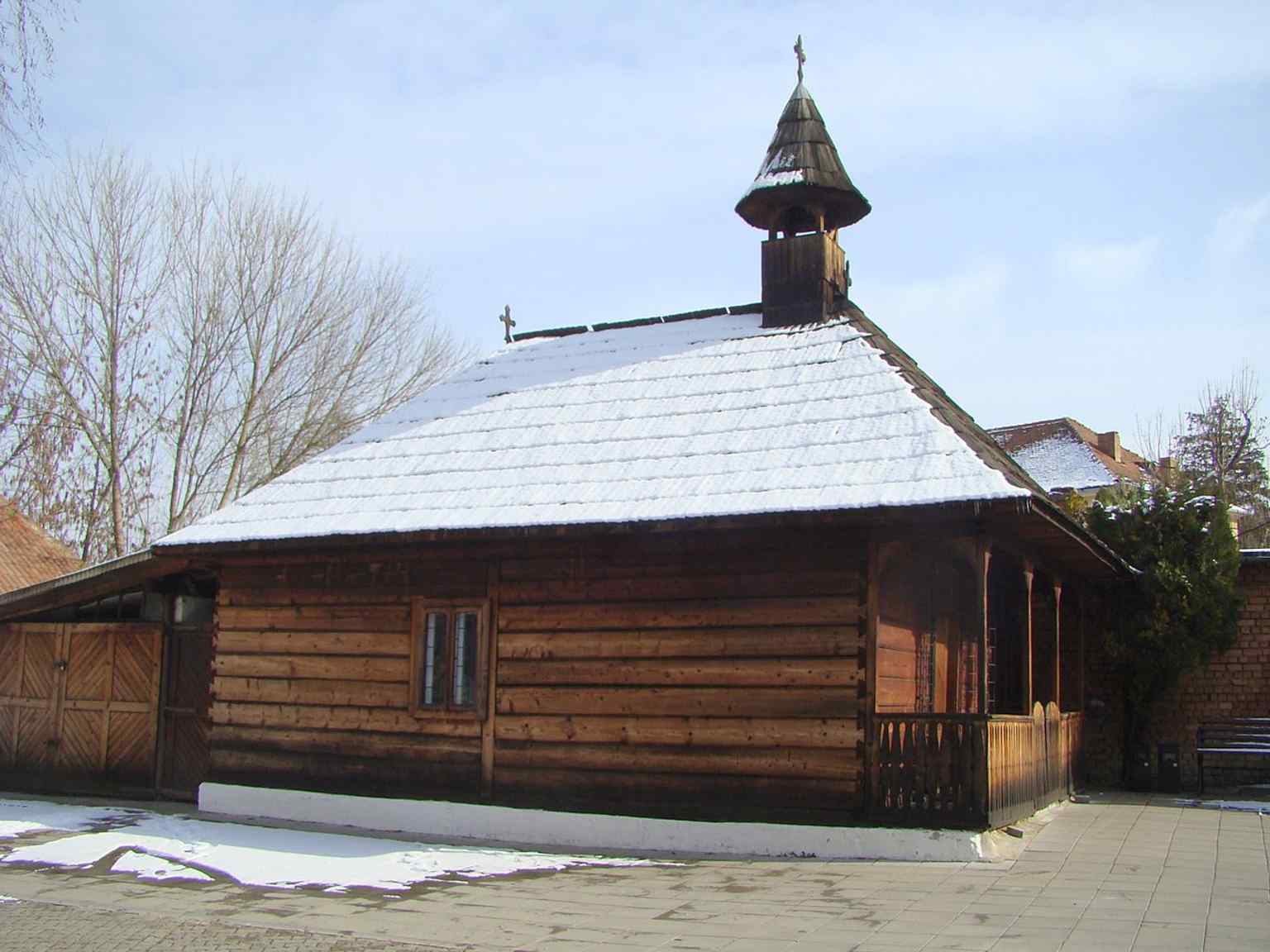
So, they were pushed out here to the Cornești suburb. Without a legal right to build a proper sanctuary, about a hundred and twenty families took an abandoned hayloft in a local man named George Gârda's courtyard and quietly turned it into their spiritual home. For decades, they practiced a kind of quiet defiance. They gathered in that wooden barn to hear traveling priests who sneaked in from neighboring villages to hold services. It was a massive risk. Every prayer was an act of rebellion. Check out your screen for a look at the expansive interior space they eventually built from those humble beginnings.
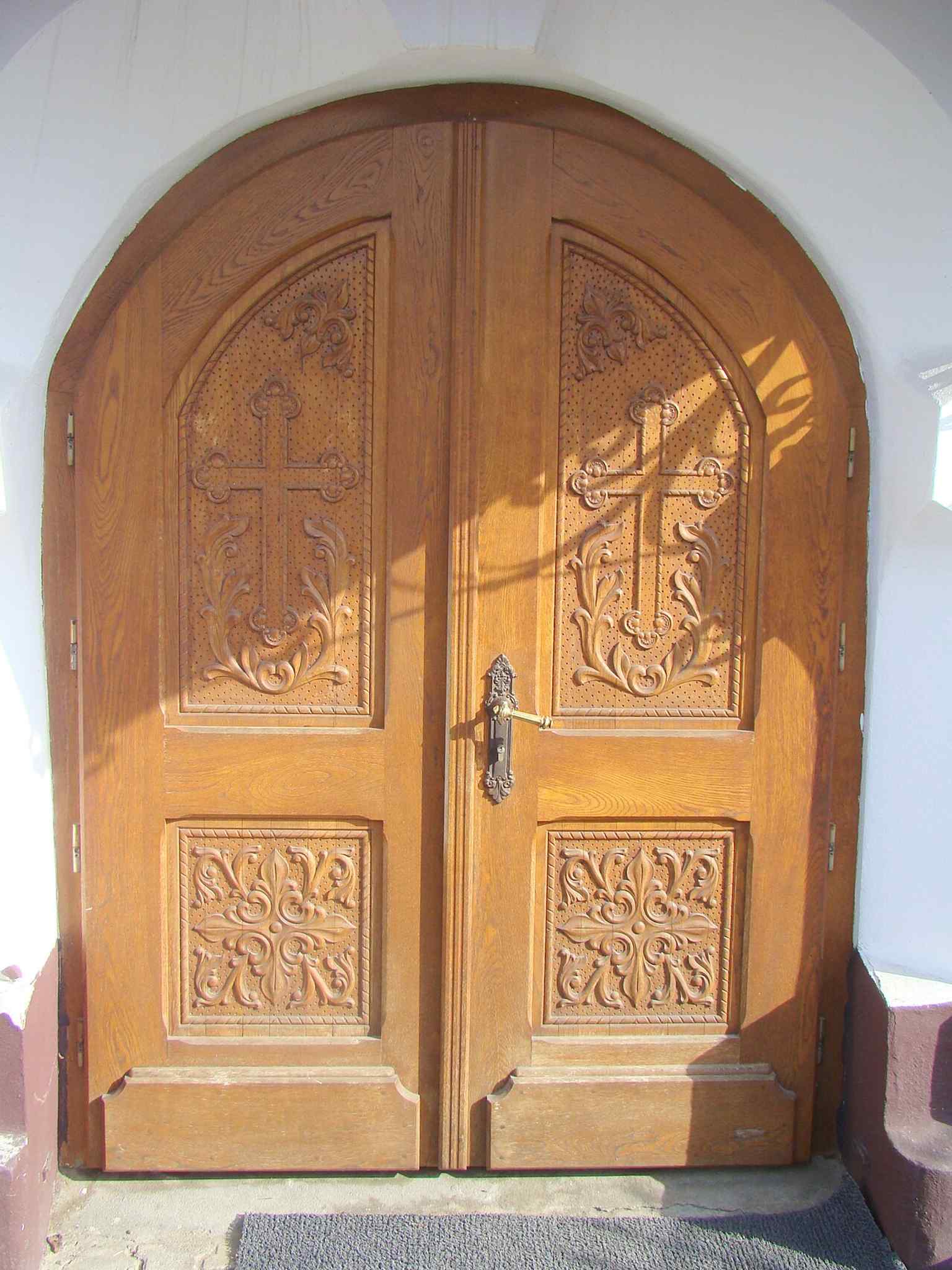
The turning point came when a fiercely dedicated priest named Ștefan Balaș arrived. Balaș was the kind of guy who did not take no for an answer. When Emperor Joseph the Second visited Sighișoara, Balaș personally petitioned the monarch for land to build on... and he won.
With the land secured, the community began laying stone in 1780. They were finally building something permanent. Inside, they eventually installed an iconostasis... which is a highly decorated wall of icons and religious paintings separating the sanctuary from the rest of the church. If you pull up the next picture on your phone, you can see the stunning, refined carvings created for it by master artist Nicolae Stoica in 1818.
In 1822, Bishop Vasile Moga arrived to officially consecrate this building. They called it the Lower Cathedral. It was a massive triumph. They were finally recognized. Amazingly, the congregation still preserves a Gospel Book printed in 1760, a miraculous survivor from those secret days in the hayloft. Even today, the church honors its roots as a refuge for the marginalized by distributing hundreds of loaves of bread to those in need every year.
We are about to trade this quiet perseverance for the clashing swords and thick walls of the old citadel defenses. Let us head toward the Butchers' Tower, which is about a ten minute walk from here.





.jpg)
.jpg)

.jpg)
.jpg)
.jpg)
.jpg)
.jpg)