
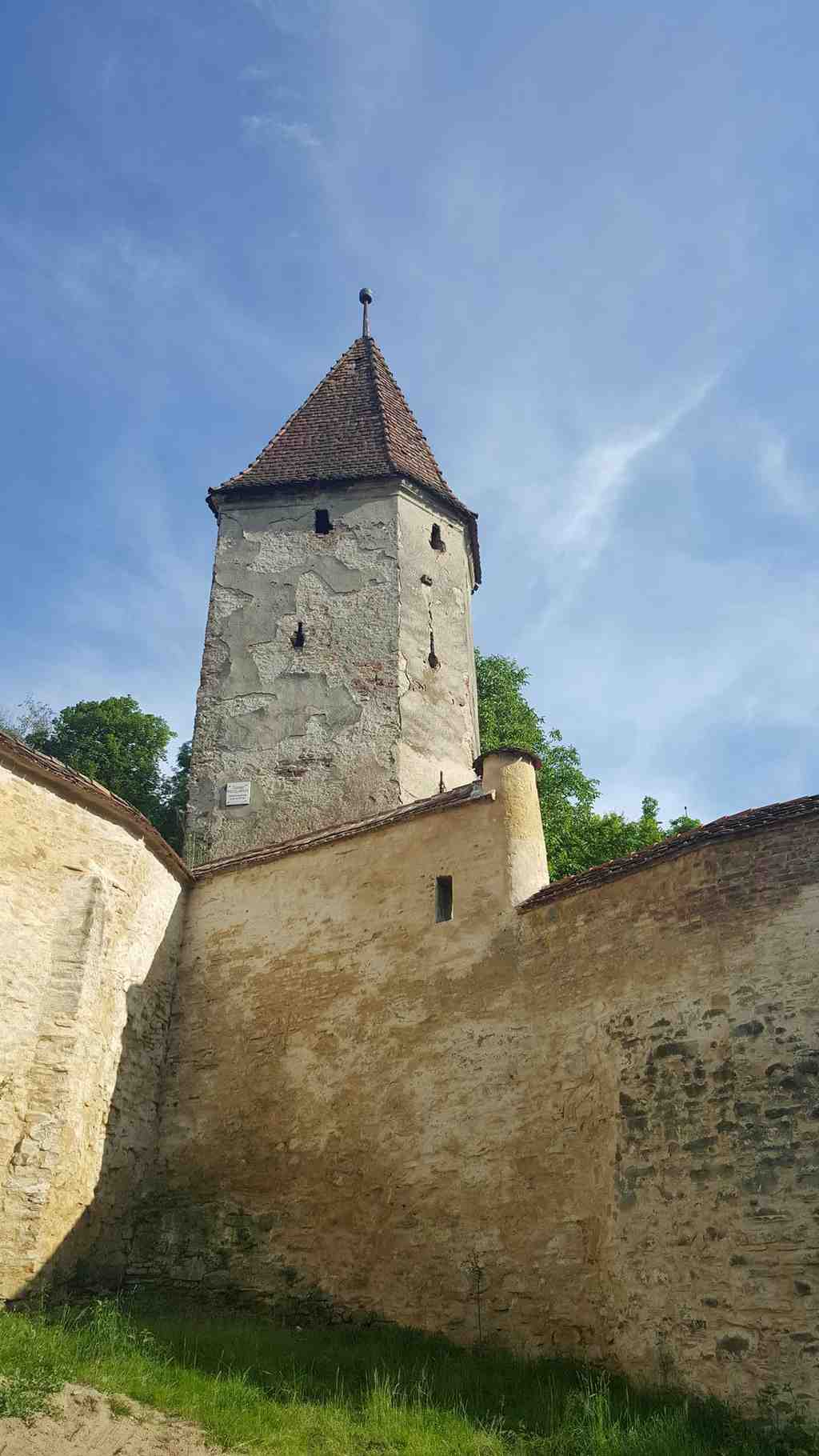
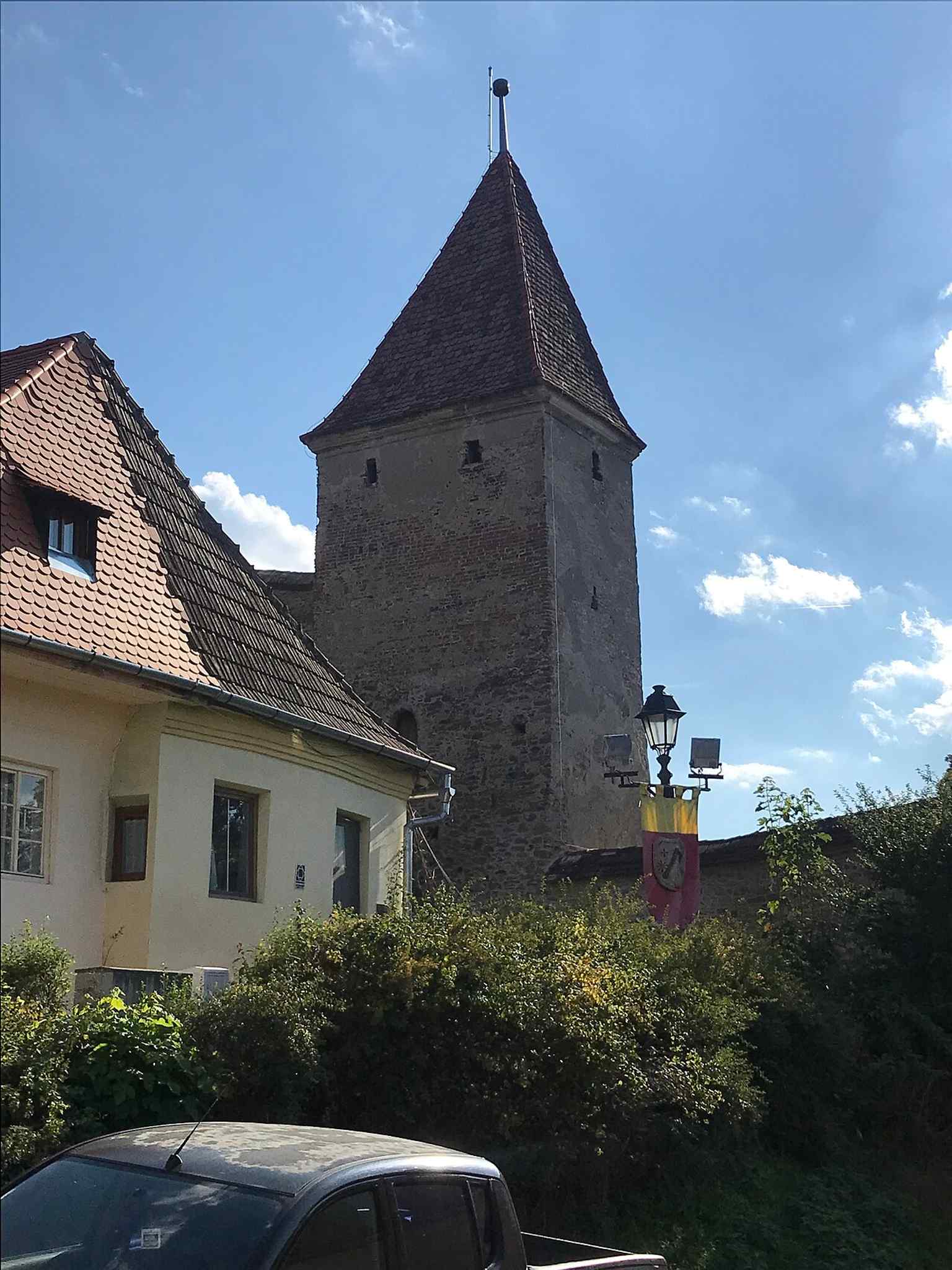
Take a look to your right at that tall hexagonal stone tower with its weathered, patchy plaster walls and a steeply pitched red tile roof dotted with narrow slit windows. This is the Butchers' Tower, and back in the day, it was the ultimate watchman for the secondary Törle gate. Imagine this place every evening. Absolute organized chaos. Shepherds driving flocks back from the pastures, squeezing them right between this tower and the neighboring Furriers' tower. They meticulously counted every sheep, separating them into pens. Take a look at your screen to see how it guarded that agricultural hub.
But this was not just a sheep pen. Notice the shape? Built in the late fifteenth century, it started out as an eight-sided prism. In the sixteenth century, the butchers decided they needed an upgrade and rebuilt it into a hexagon. Why? Pure tactical architecture. Shifting the geometry gave defenders superior firing angles down the steep rugged terrain, protecting a small bastion - a projecting defensive stone outwork - built right in front of it. Check out your app to see those strategic sightlines from the west.
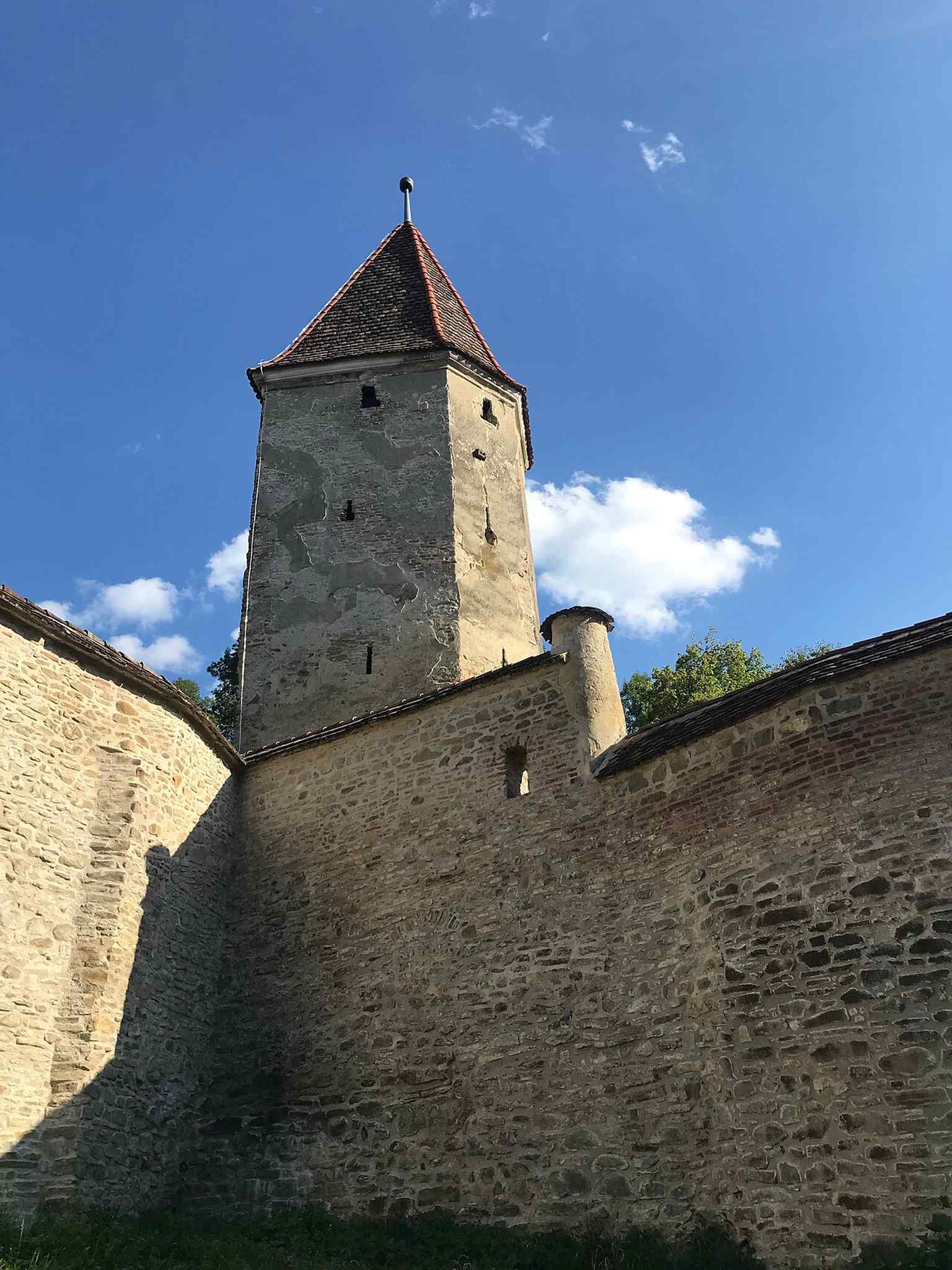
These guys knew how to fight. In 1612, outlaws working for Prince Gabriel Báthory tried to seize the citadel by trickery. But the butchers were already at their posts. Seeing the prepared citizens, the six hundred attackers just abandoned their camp without a fight. By 1680, the tower was an armory, holding quintals of gunpowder, cannonballs, five arquebuses, plus a beautiful double-barreled hook gun. Since it was essentially a giant powder keg, it is completely wild that it survived the 1676 fire untouched.
Eventually, nature did what armies and flames could not. The military importance faded, the oak stairs rotted, and the structure fell into neglect. Luckily, recent restorations brought it back, adding modern wooden elements to turn it into a living museum where local kids study history directly from the centuries-old masonry.
This place evolved from stockpiling medieval weaponry to standing as a peaceful classroom. But conflict does not always involve gunpowder. Sometimes, it looks a lot more like political isolation. Let us explore that next as we take a quick three-minute walk to the N. D. Cocea Memorial House.





.jpg)
.jpg)