
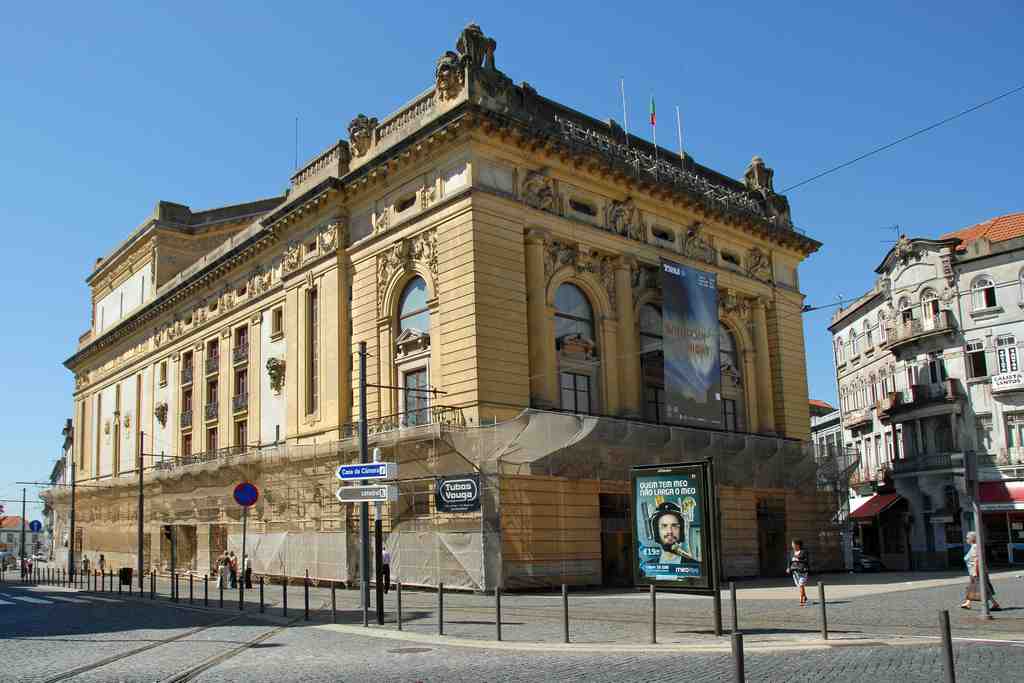
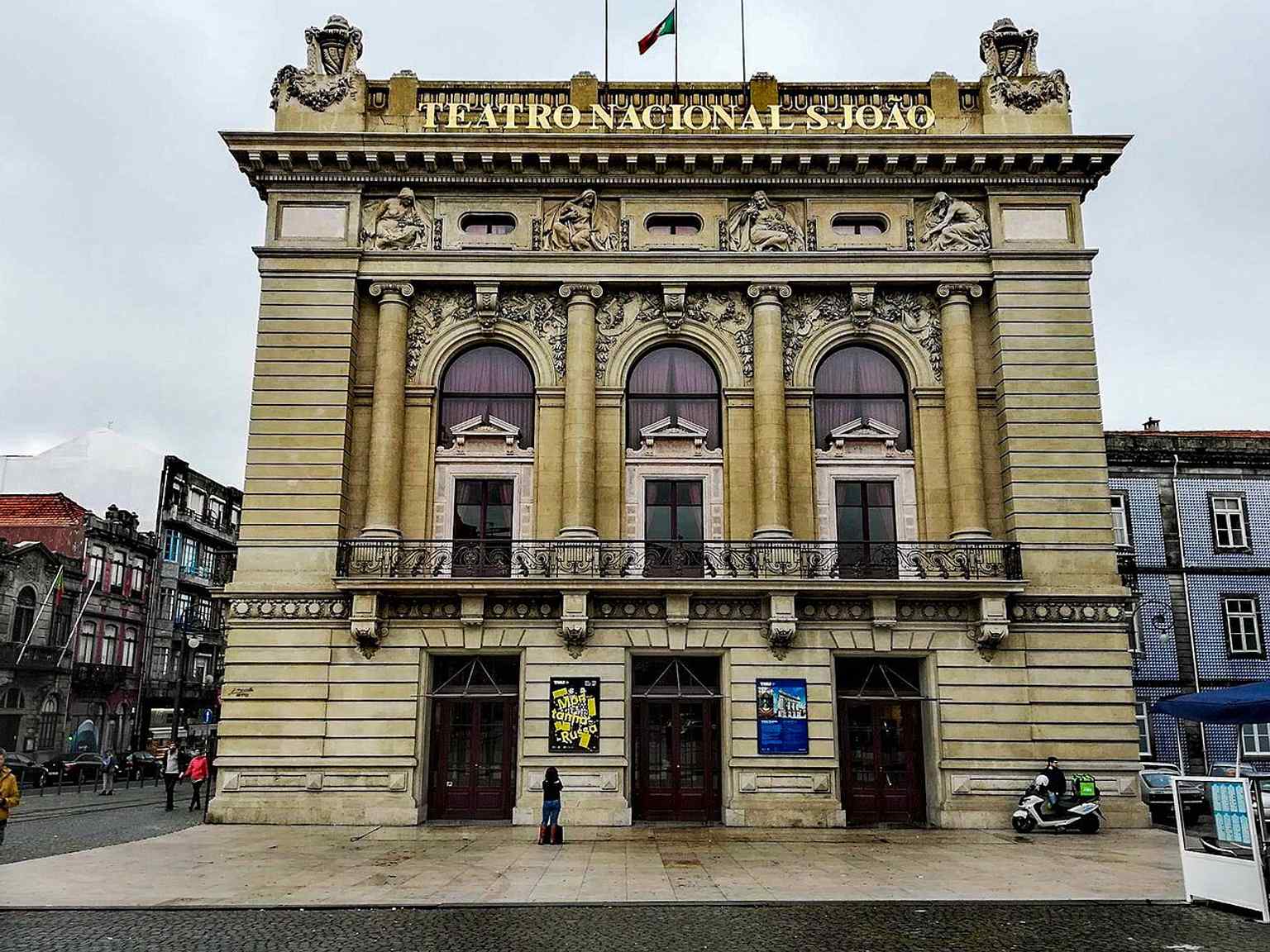
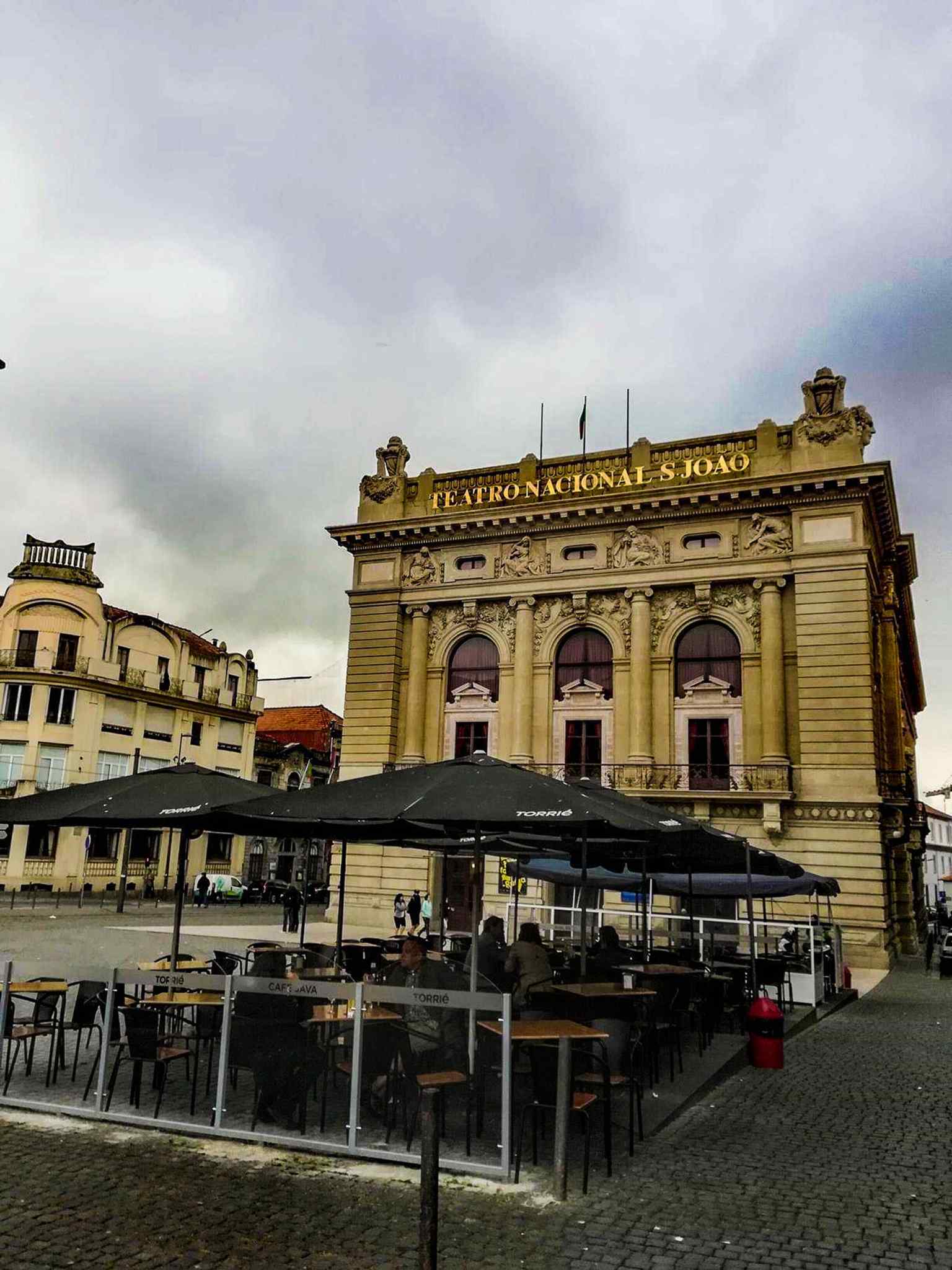
On your left, the São João National Theatre is a pale stone block with three arched entrances, tall Ionic columns, and a high central gable marked by sculpted reliefs.
This place began as Porto showing off... and honestly, the city did it with style. In seventeen ninety-six, the Italian Vicente Mazzoneschi helped bring the first theatre here to life, and it opened in seventeen ninety-eight as the Teatro do Príncipe, honoring the prince-regent John, later King John the Sixth. For Porto’s elite, this was not just a building for plays. It was a social stage: a place to arrive, be noticed, and judge everyone else’s outfit under candlelight.
Trade wealth does that. A city built on buying, selling, shipping, and bargaining does not spend all its money on warehouses and wine lodges. It also funds culture, status, and public image. Merchants wanted profit, of course, but they also wanted polish... somewhere grand enough to prove Porto was not merely industrious, but important.
Inside the original theatre, the main hall curved in a horseshoe shape, meaning the seating wrapped around the stage in a broad U. Four rows of boxes climbed the walls, and the royal family’s box sat right in the middle on the second level, because subtlety was not the point. The acoustics were excellent. The ceiling carried painted decoration, the stage wall changed hands between artists, and until eighteen thirty-eight the light came from tallow candles, later oil lamps... which sounds romantic right up until you remember what happened next.
On the night of the eleventh to the twelfth of April, nineteen oh eight, fire tore through the theatre and destroyed the interior. Porto did not spend long mourning. The civil governor quickly named a commission to push a new theatre forward, as if the city had decided that losing its stage was intolerable for even a moment.
The rebuilding came with its own little drama. Engineer Isidro de Campos publicly denounced the tender conditions, forcing a new competition a week later. In the end, José Marques da Silva won. He is a good figure to remember here: Porto later called him its last classical and first modern architect, which fits this façade rather well. He gave the city something sober, ceremonial, and very self-possessed. If you glance at the details on your screen, you can see the reliefs that personify Kindness, Pain, Hatred, and Love... a neat summary of theatre, politics, and most family dinners.
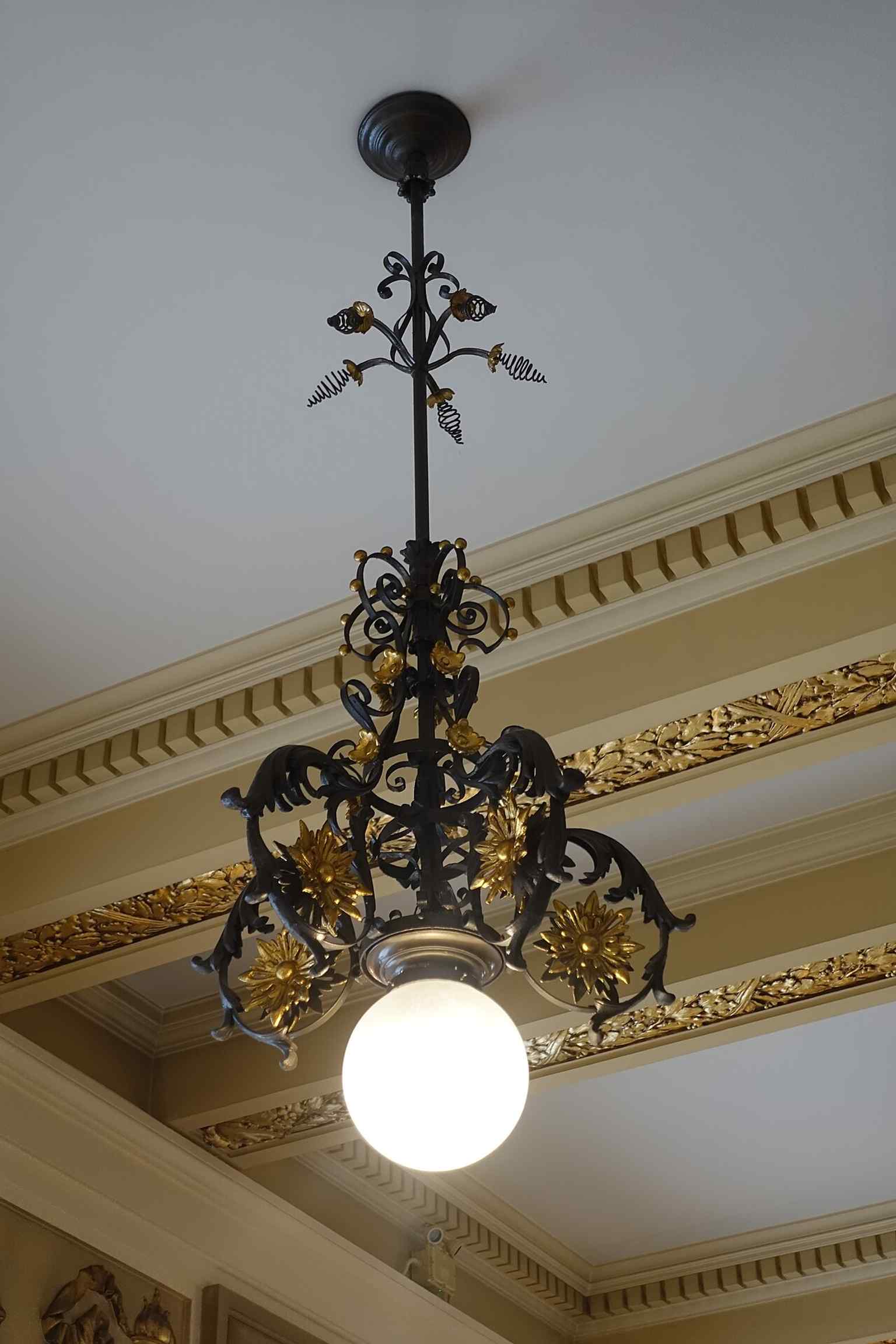
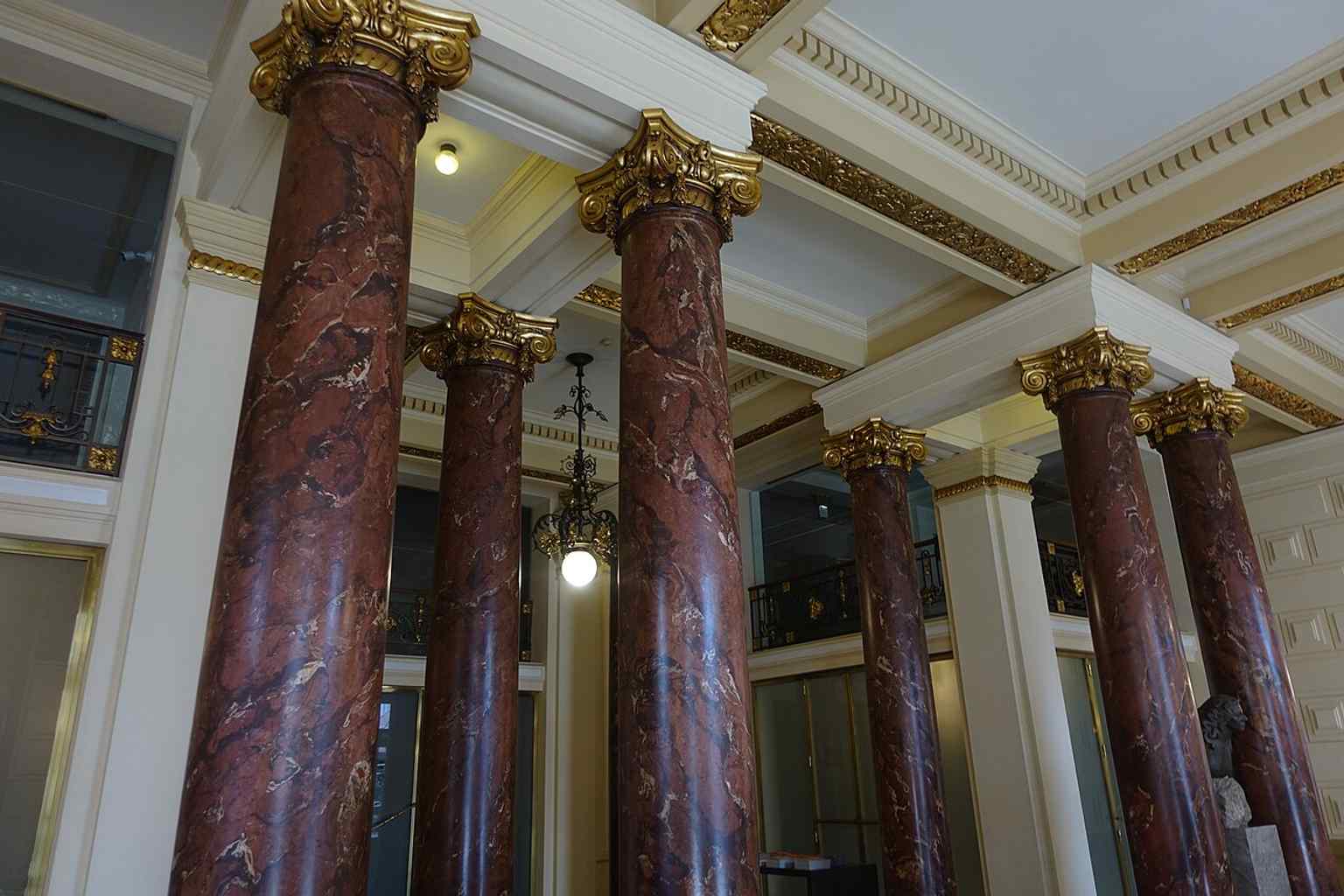
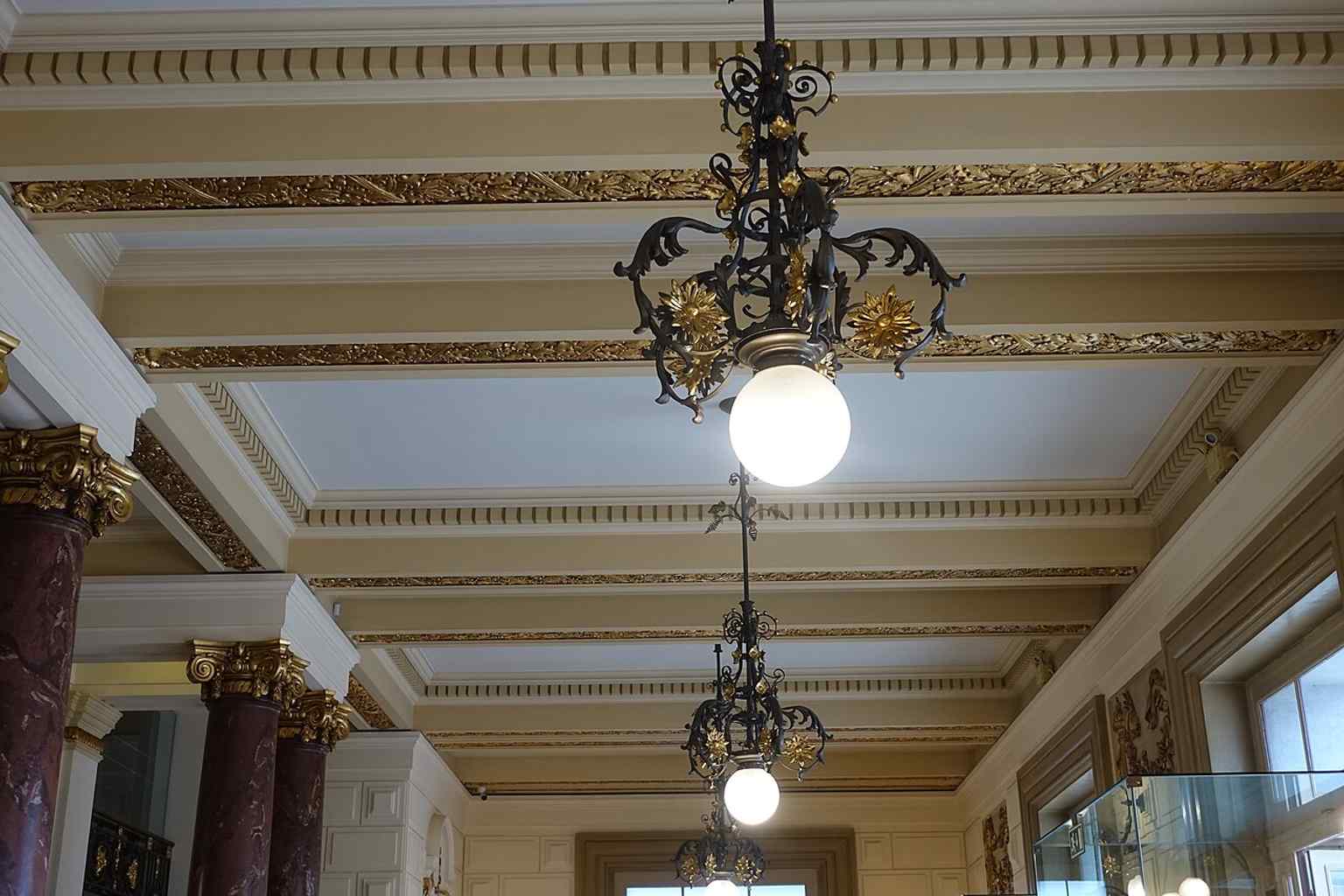
Work started in nineteen eleven, the building finished in nineteen eighteen, and on the seventh of March, nineteen twenty, the new theatre opened with Verdi’s Aida. If you check the interior image in the app, you’ll see how the foyer still carries that sense of public performance before anyone even reaches a seat.
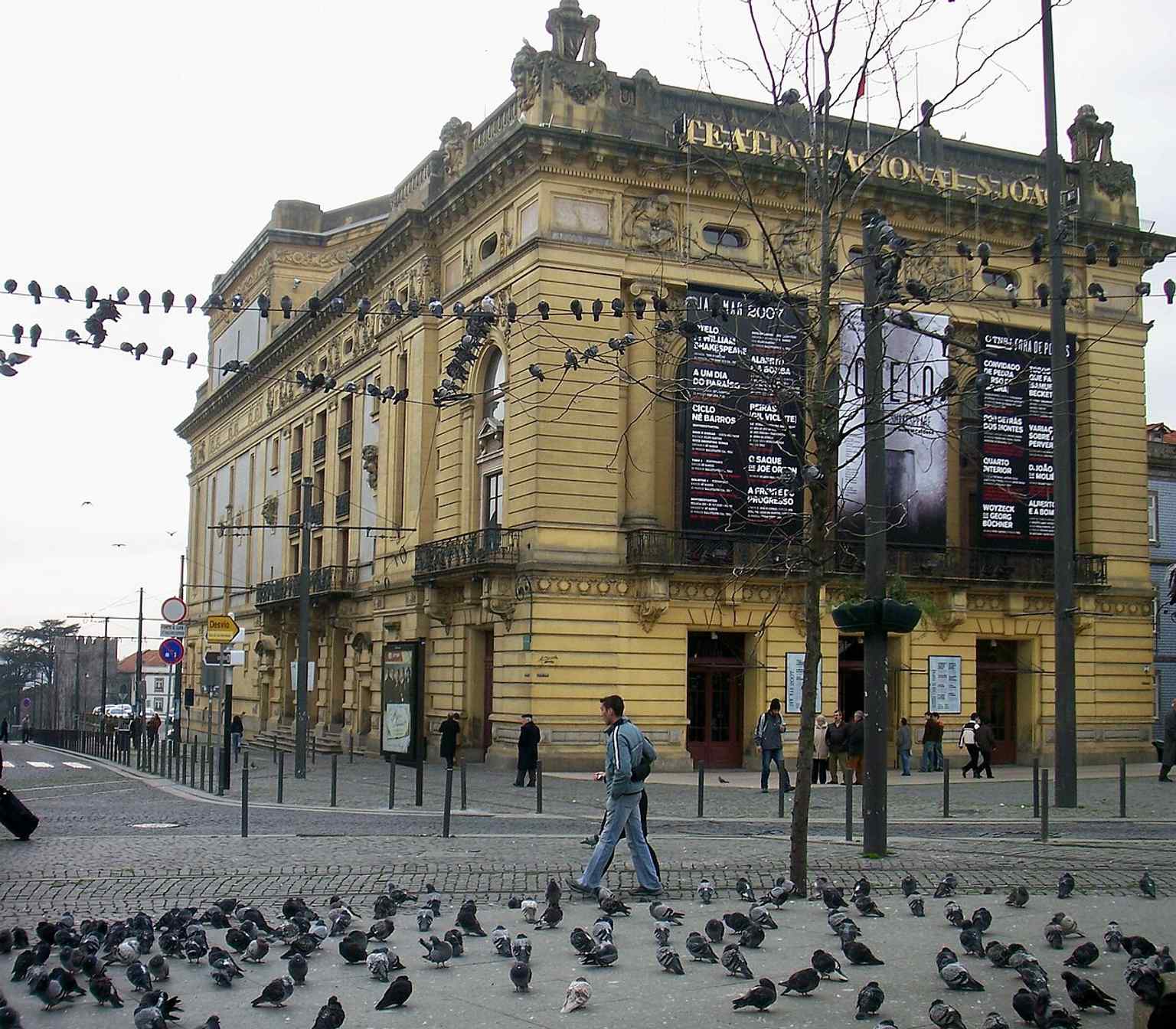
The building kept adapting. In nineteen thirty-two it even operated as a cinema, São João Cine. Then, after passing through private hands, the state bought it back in nineteen ninety-two, restored key public spaces and stage systems, and reopened it as the Teatro Nacional São João. Same address, new chapter... Porto is good at that.
From here, the drama spills out of the auditorium and into the city itself; in about ten minutes, Avenida dos Aliados shows how Porto gave urban ambition a much bigger stage. If you want to come back inside later, the theatre is usually closed on Monday, open from two to seven Tuesday through Saturday, and from two to five on Sunday.






.jpg)


.jpg)
.jpg)