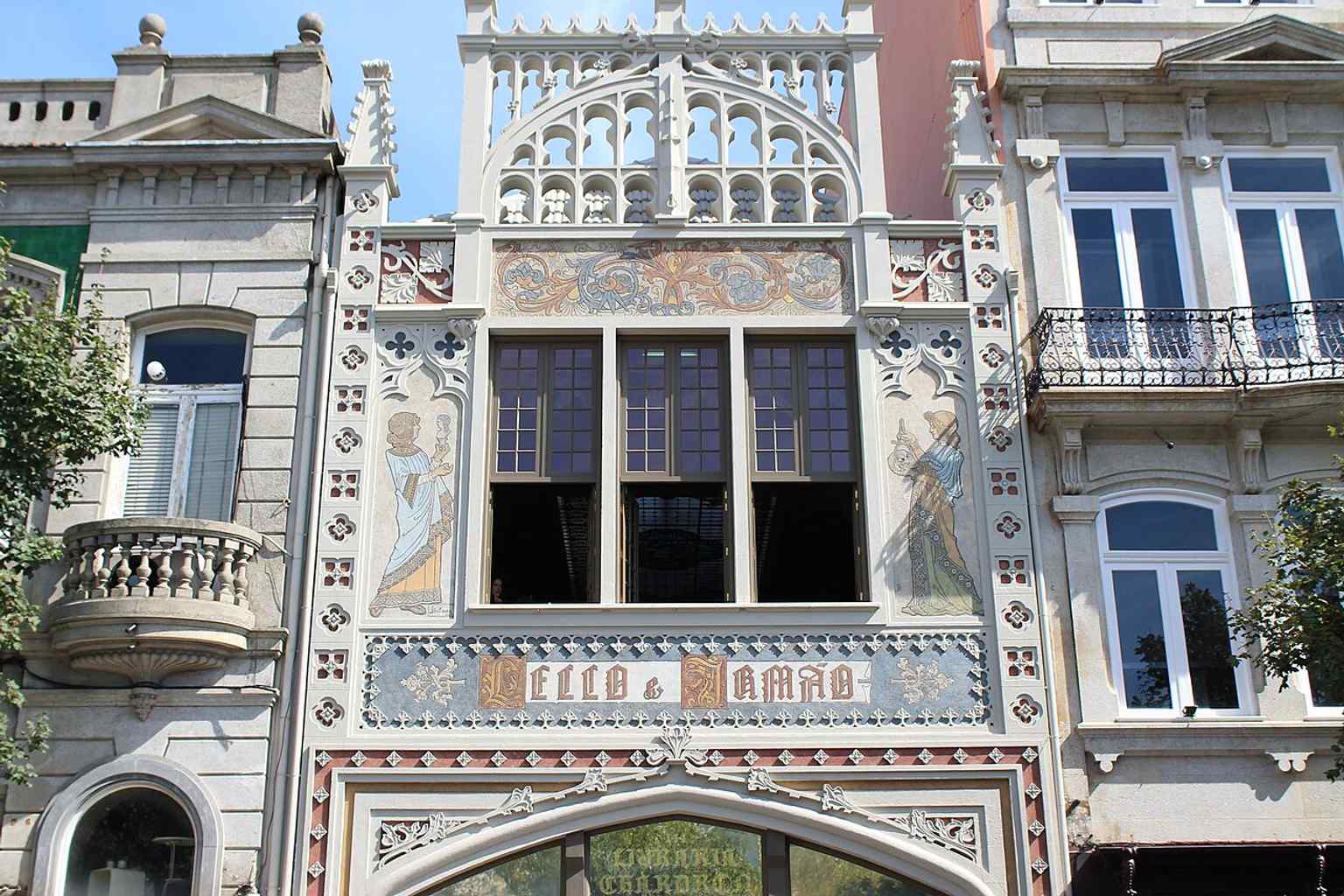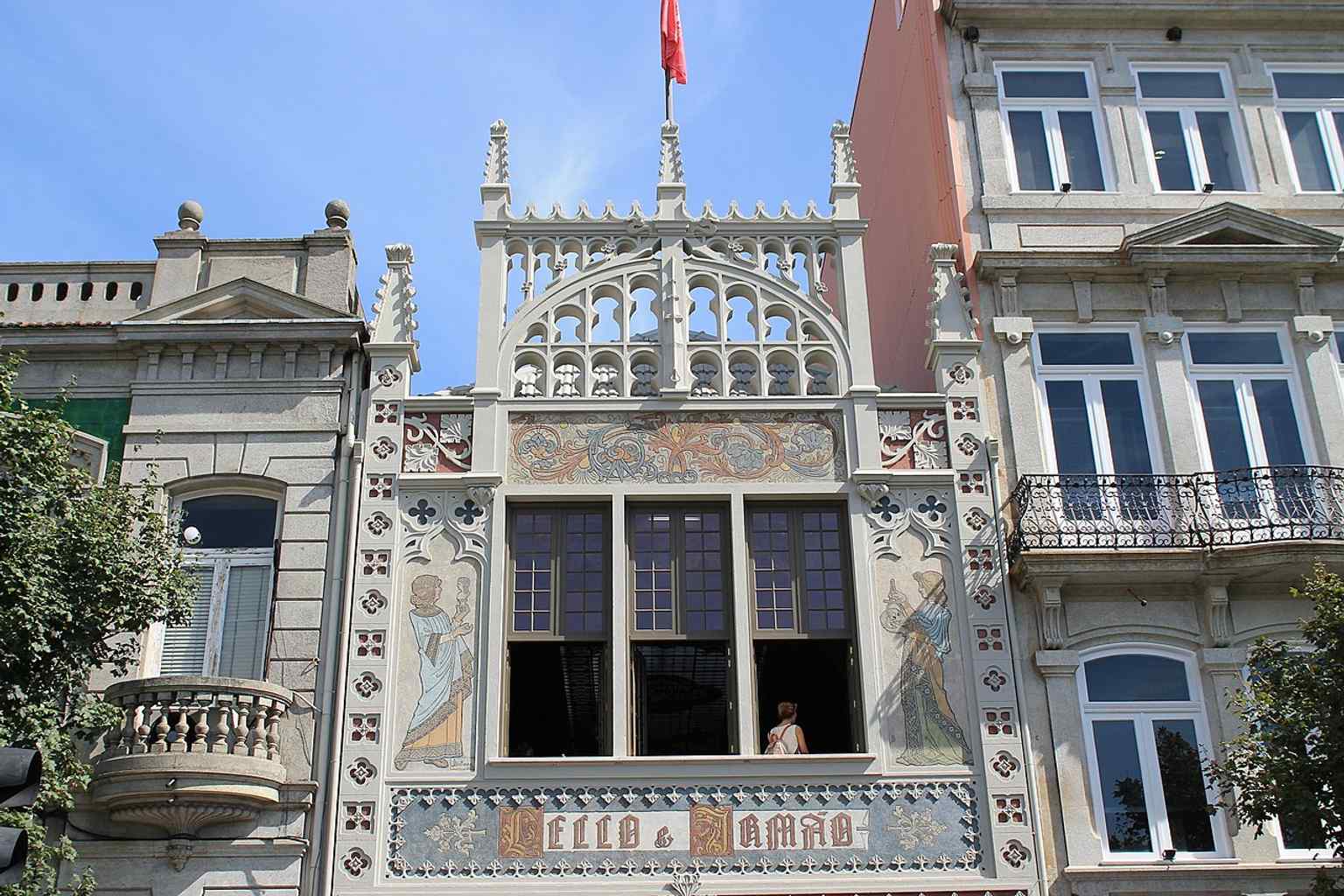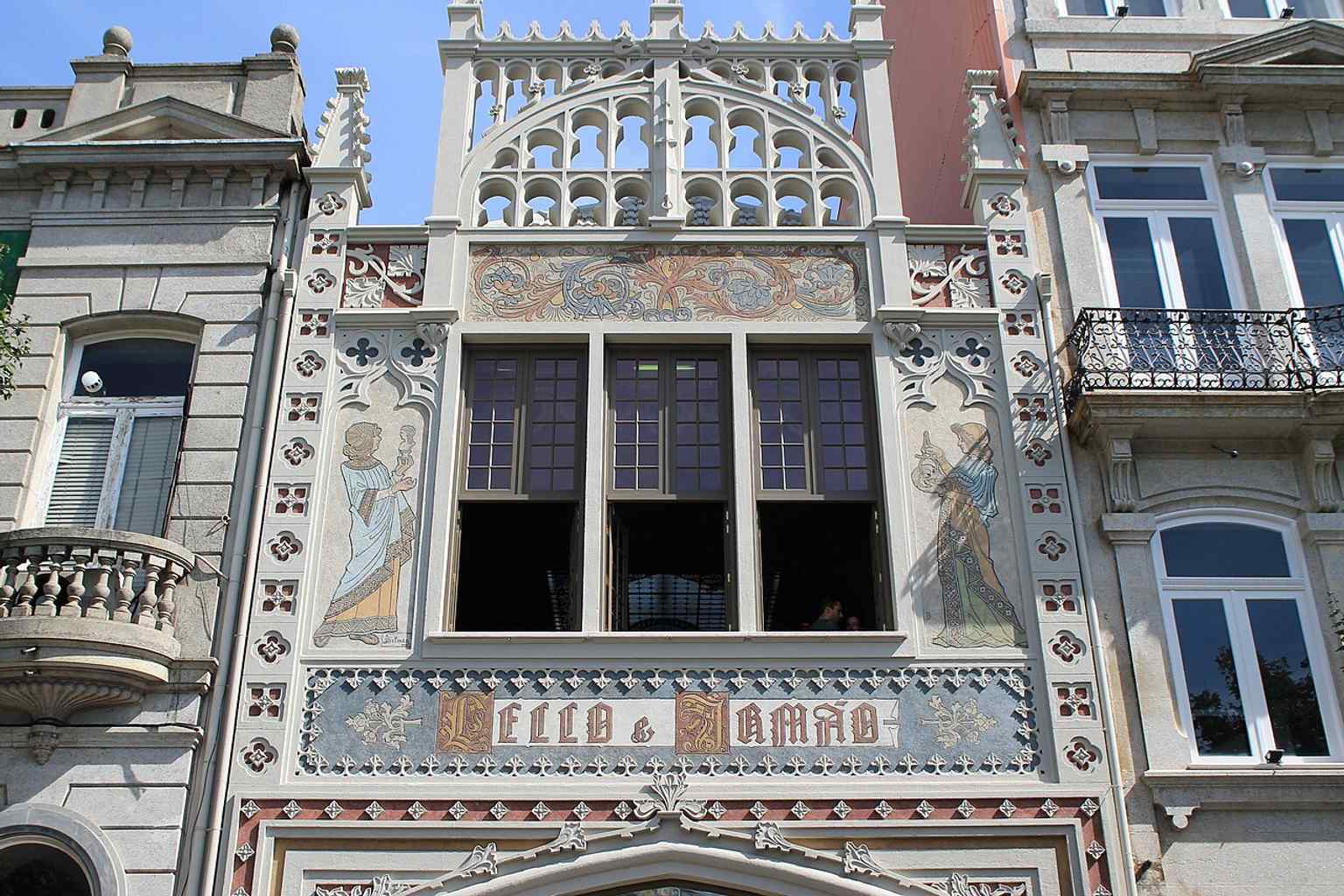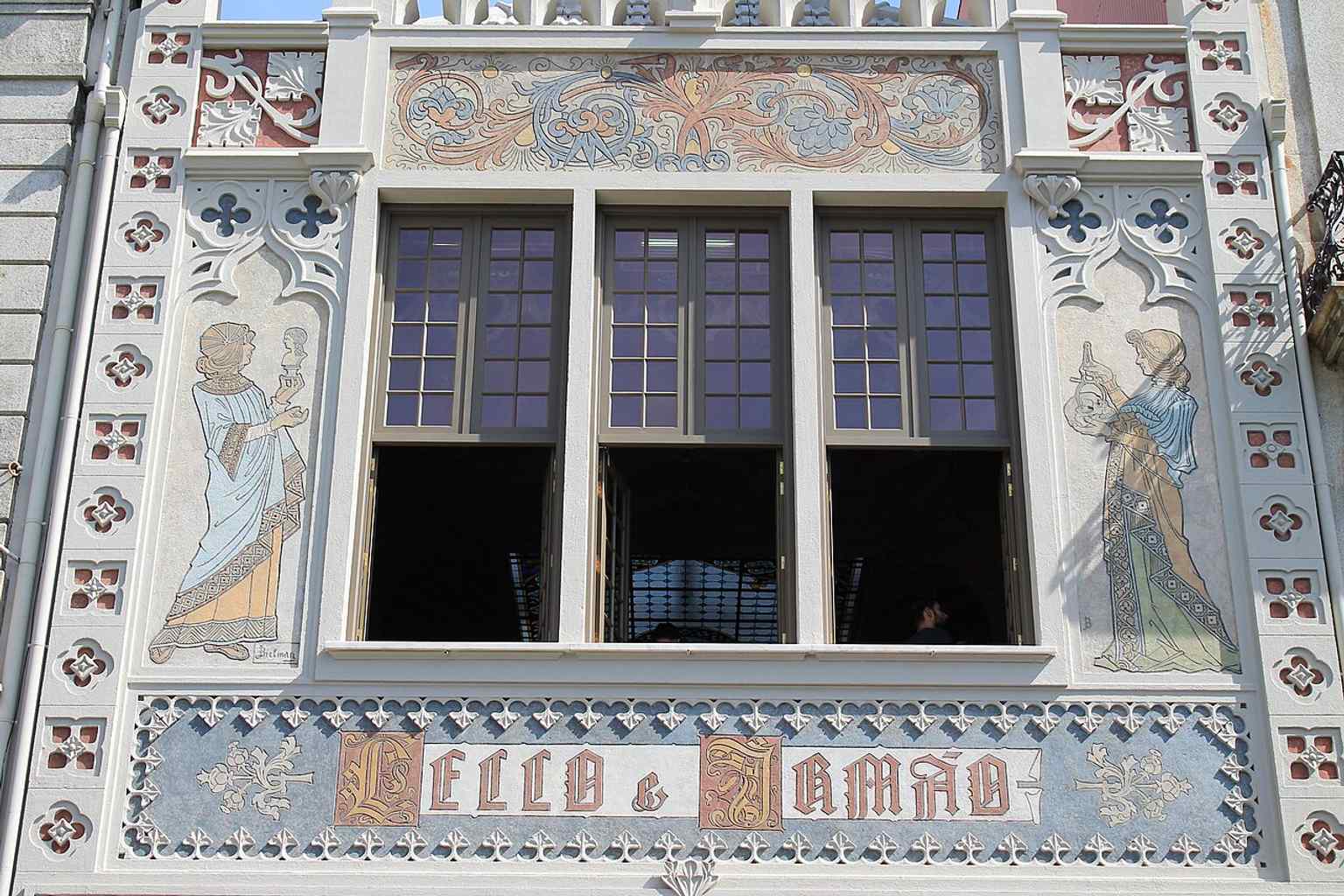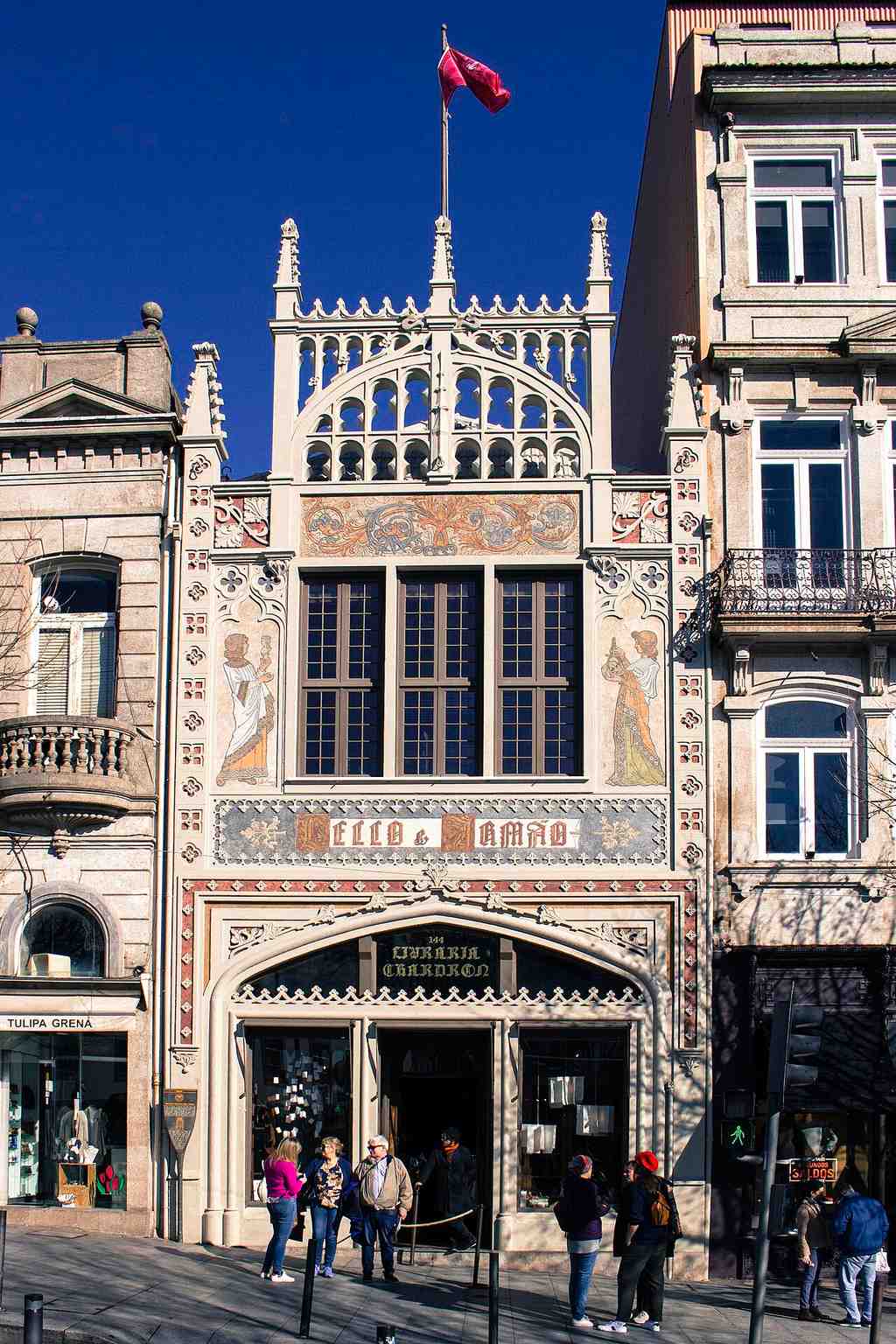
On your right, look for a narrow stone façade with a broad arched entrance, lace-like neo-Gothic trim, and the words “Lello e Irmão” set beneath the three upper windows.
This is Livraria Lello, imagination made architectural: a bookstore where the building seems to have read too many novels and decided to become one. It is also a very Porto kind of idea... a business that learned early that selling books could mean selling beauty, myth, and a little well-managed awe.
The story starts in eighteen sixty-nine with Ernesto Chardron, a French bookseller and publisher who opened his shop on Rua dos Clérigos. Chardron mattered because he did more than stock shelves. He published major Portuguese writers, including Camilo Castelo Branco, and helped shape what people in this city could read and argue about. He died young, at forty-five, but the business survived, changed hands, and in eighteen ninety-four José Pinto de Sousa Lello bought it. José and his brother António kept the older Chardron legacy, then did something bolder: they gave the firm a new body here on Rua das Carmelitas.
In nineteen oh six, engineer Francisco Xavier Esteves opened this building, and Porto’s cultural crowd turned up for the inauguration: Guerra Junqueiro, Abel Botelho, Aurélio da Paz dos Reis, Afonso Costa. Not bad for a shop opening. Most bookstores are pleased if someone remembers to buy a bookmark.
Take a look up at the façade. The Belgian painter Joseph Bielmann placed figures representing Art and Science beside the windows, as if the place needed formal introductions. The whole front works like a stage set, announcing that inside, books are not merely merchandise. They are actors.
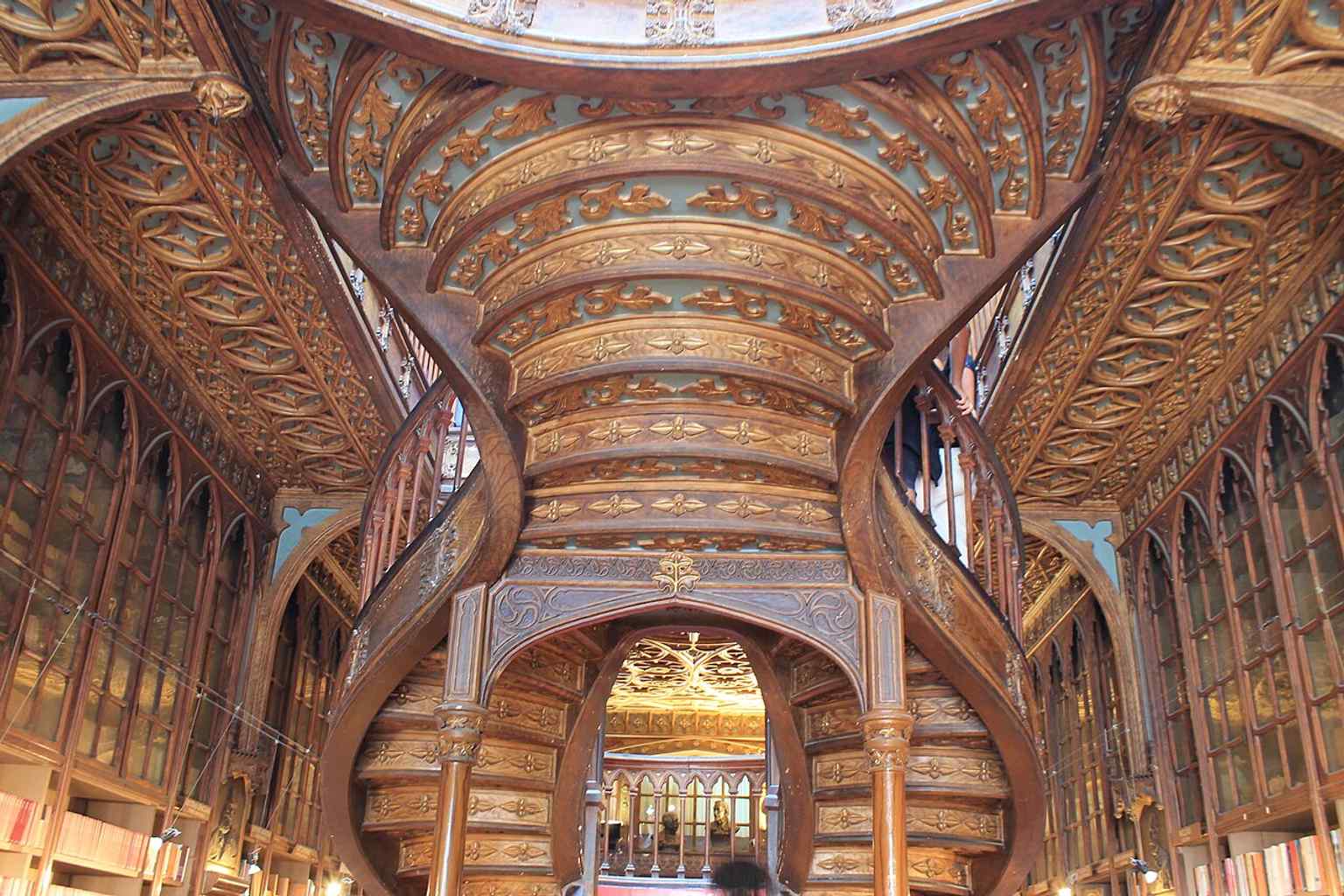
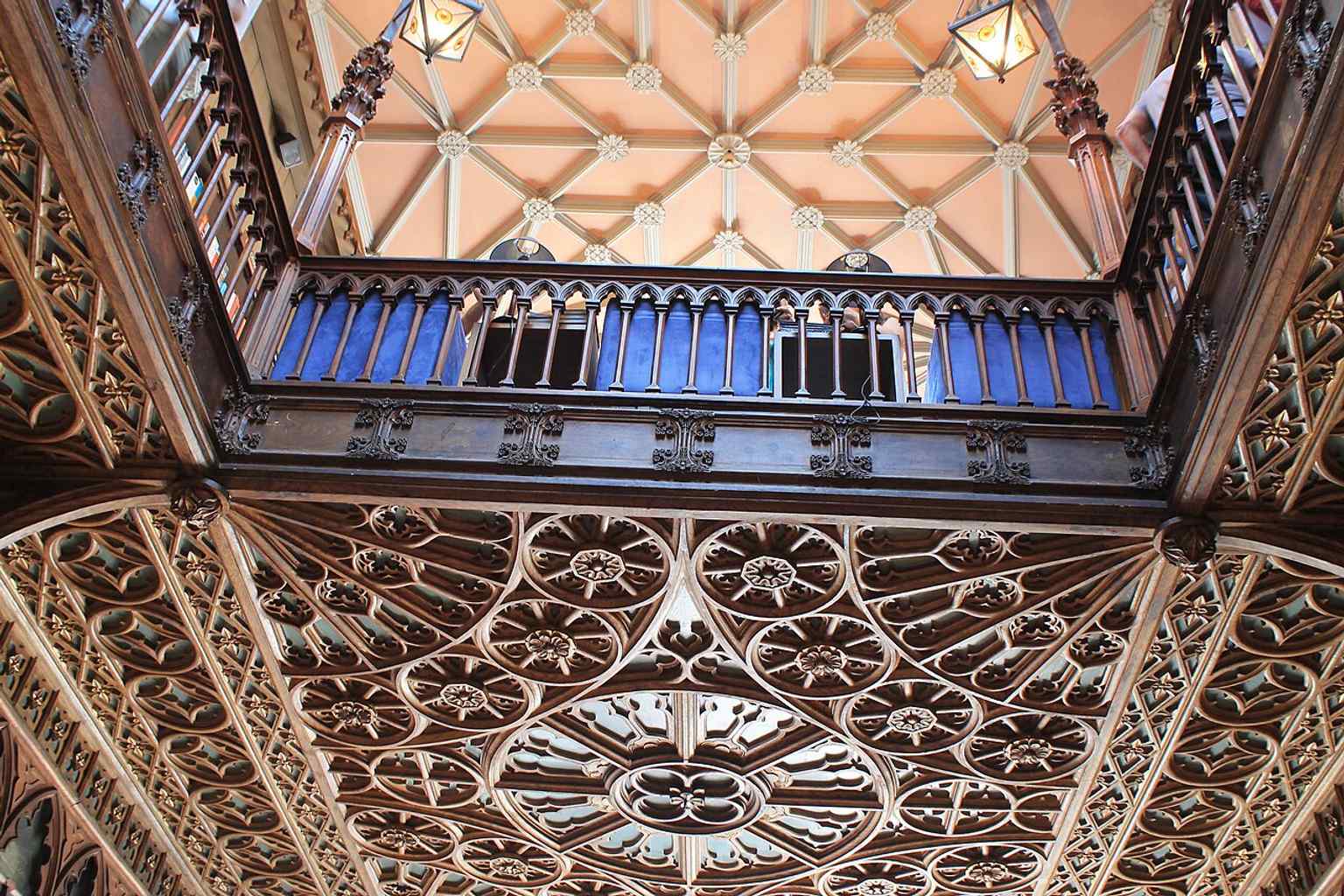
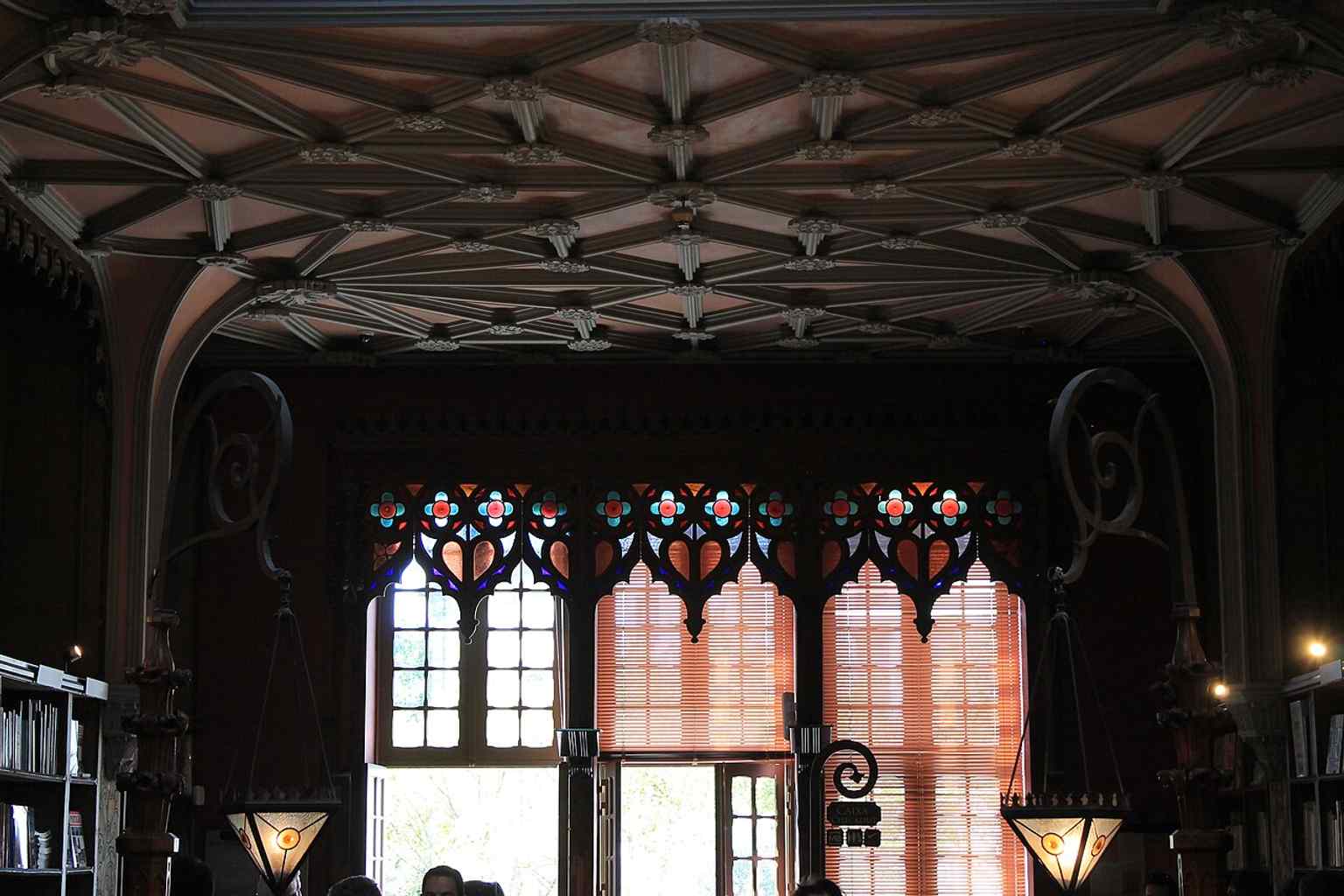
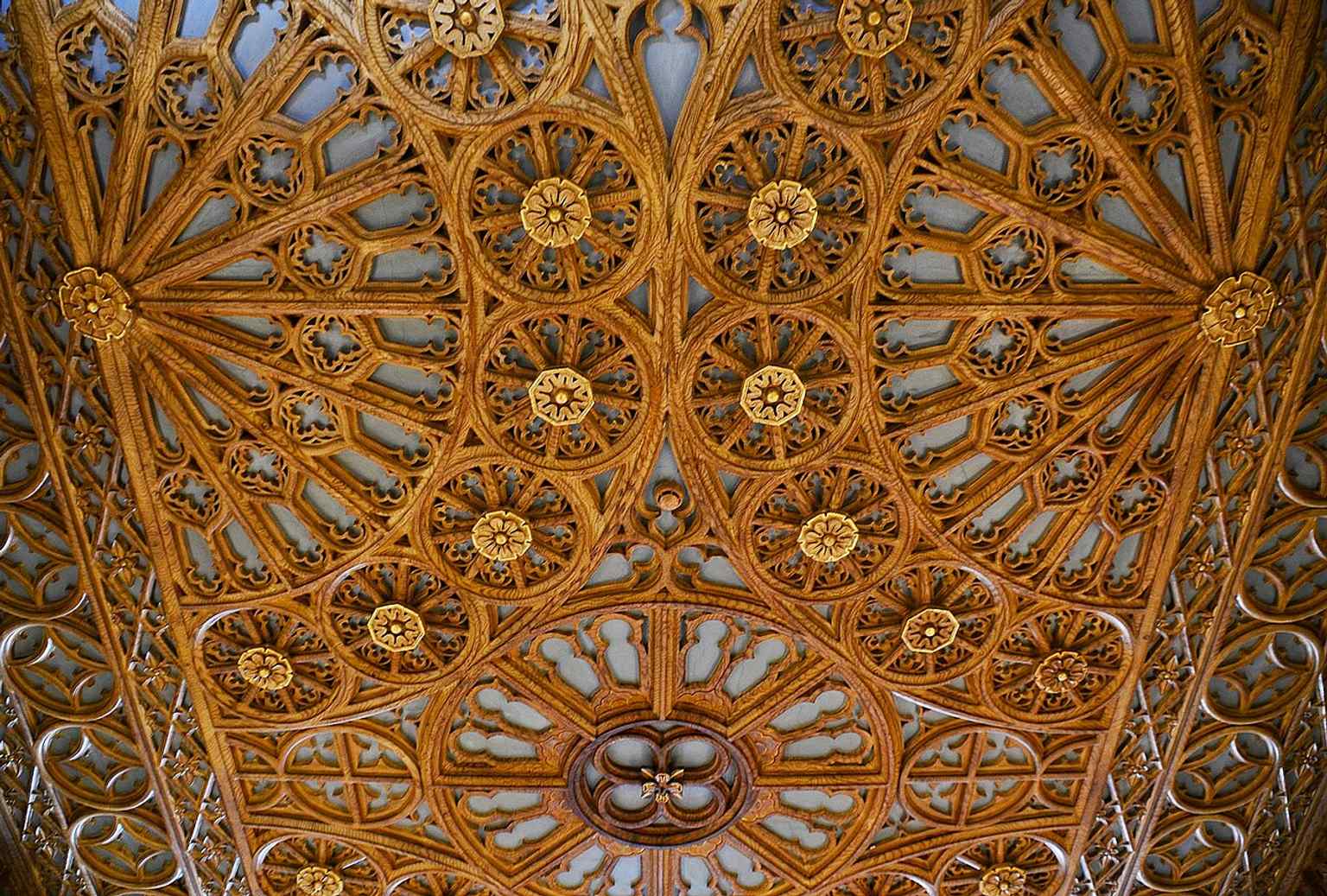
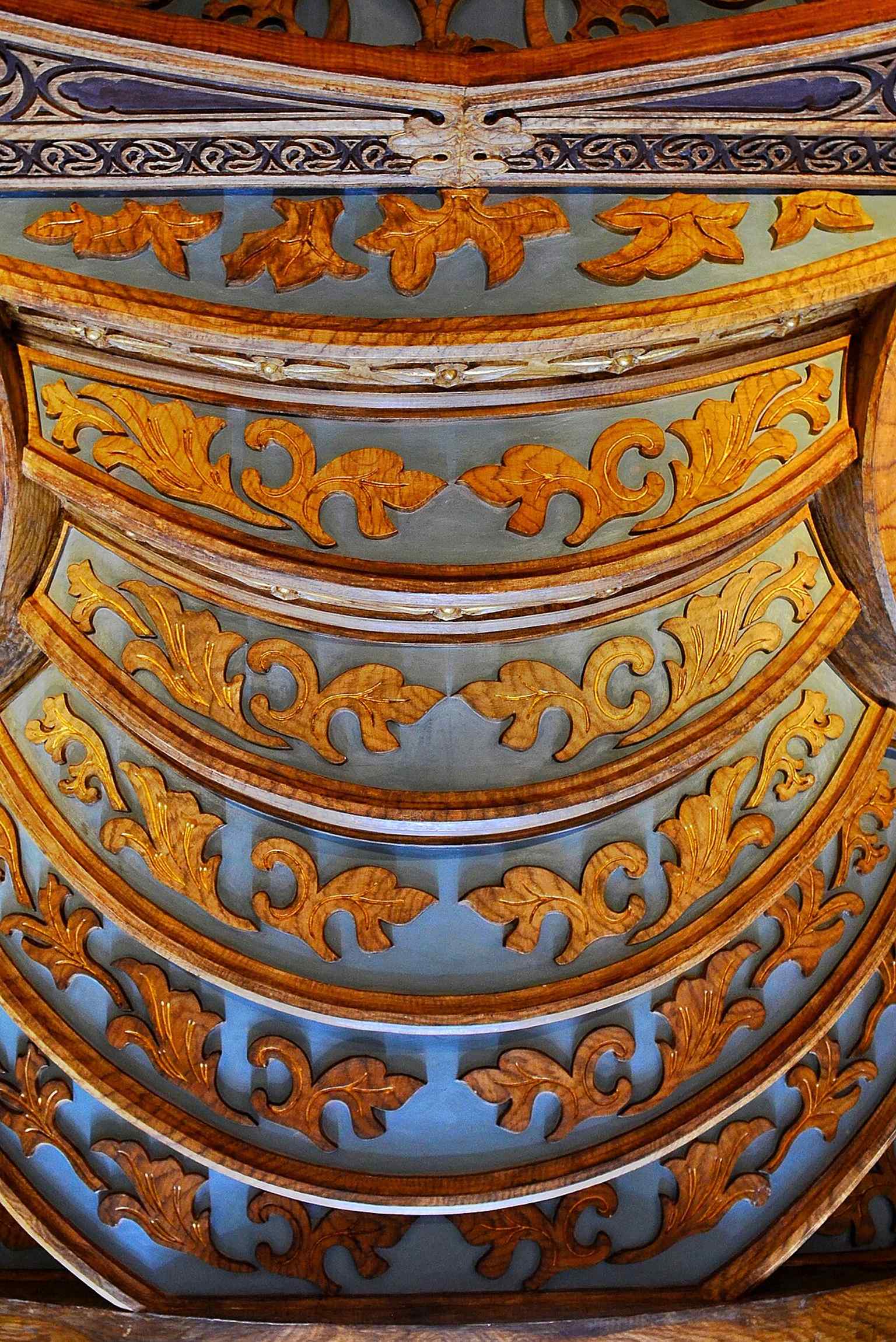
If you check the image on your screen, you’ll see the famous red staircase curling through the interior like something halfway between a ribbon and a dare. That staircase helped make Lello one of the world’s most admired bookstores, but the deeper story is less obvious: this place has always been a publisher, a family enterprise, and a machine for reinvention.
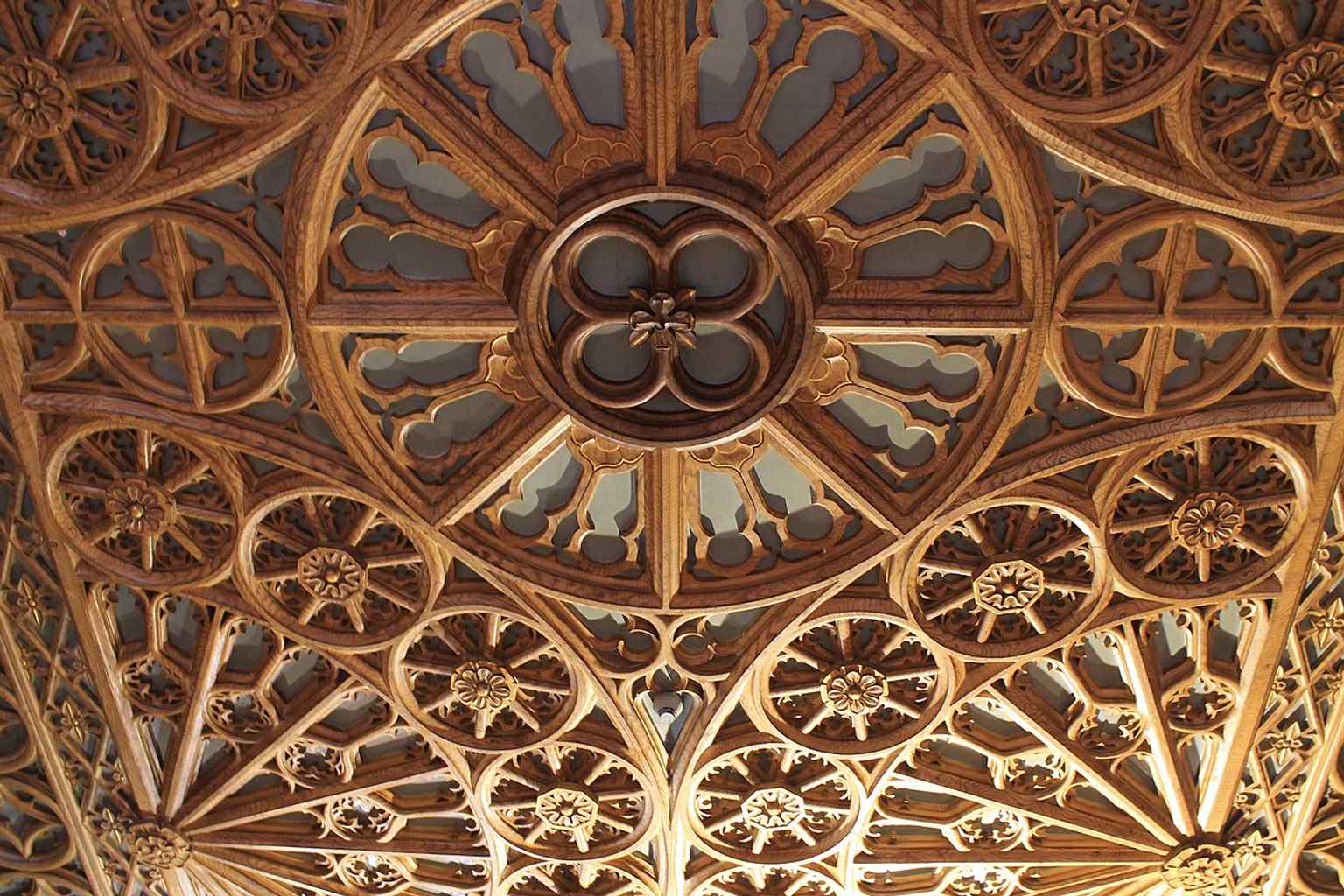
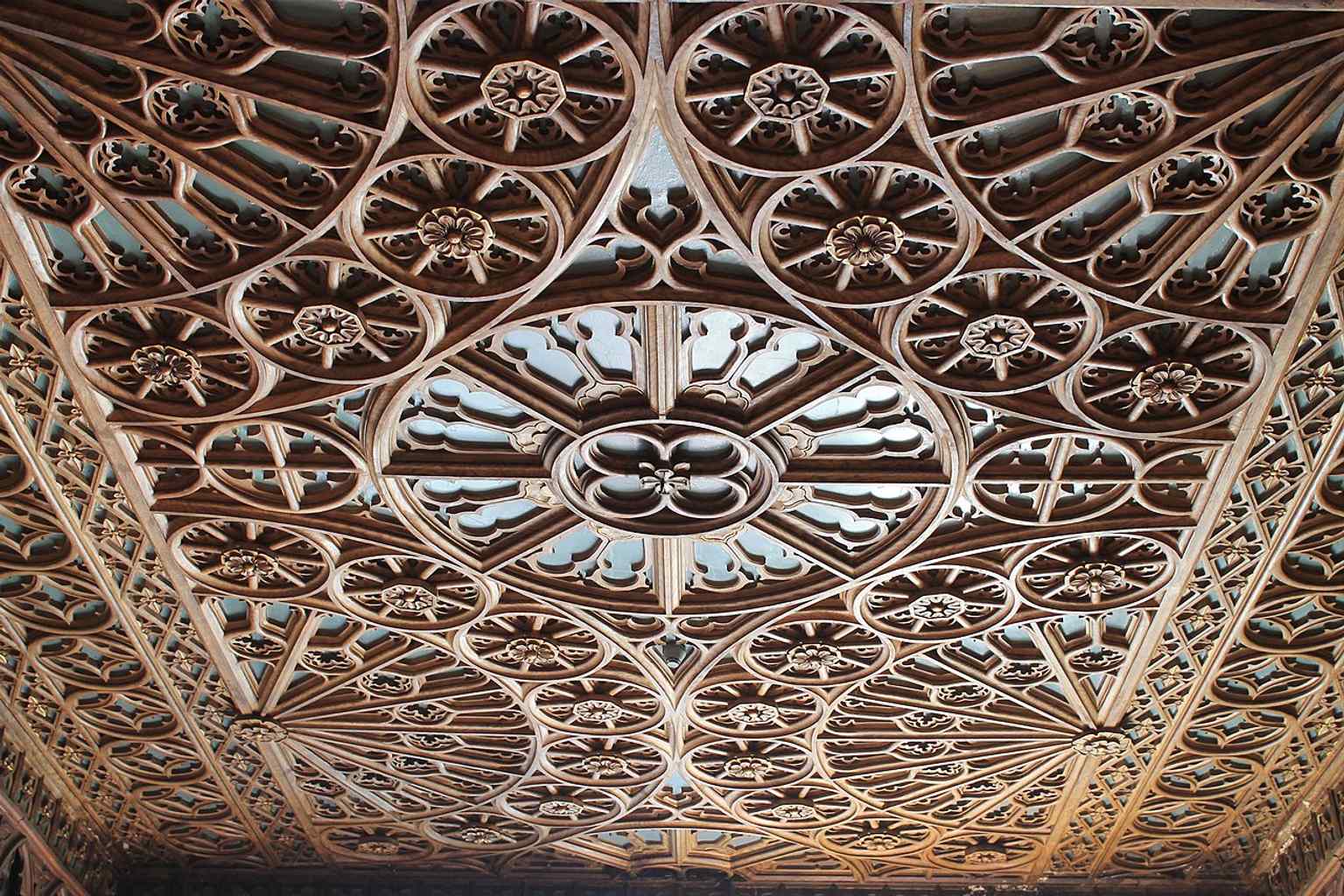
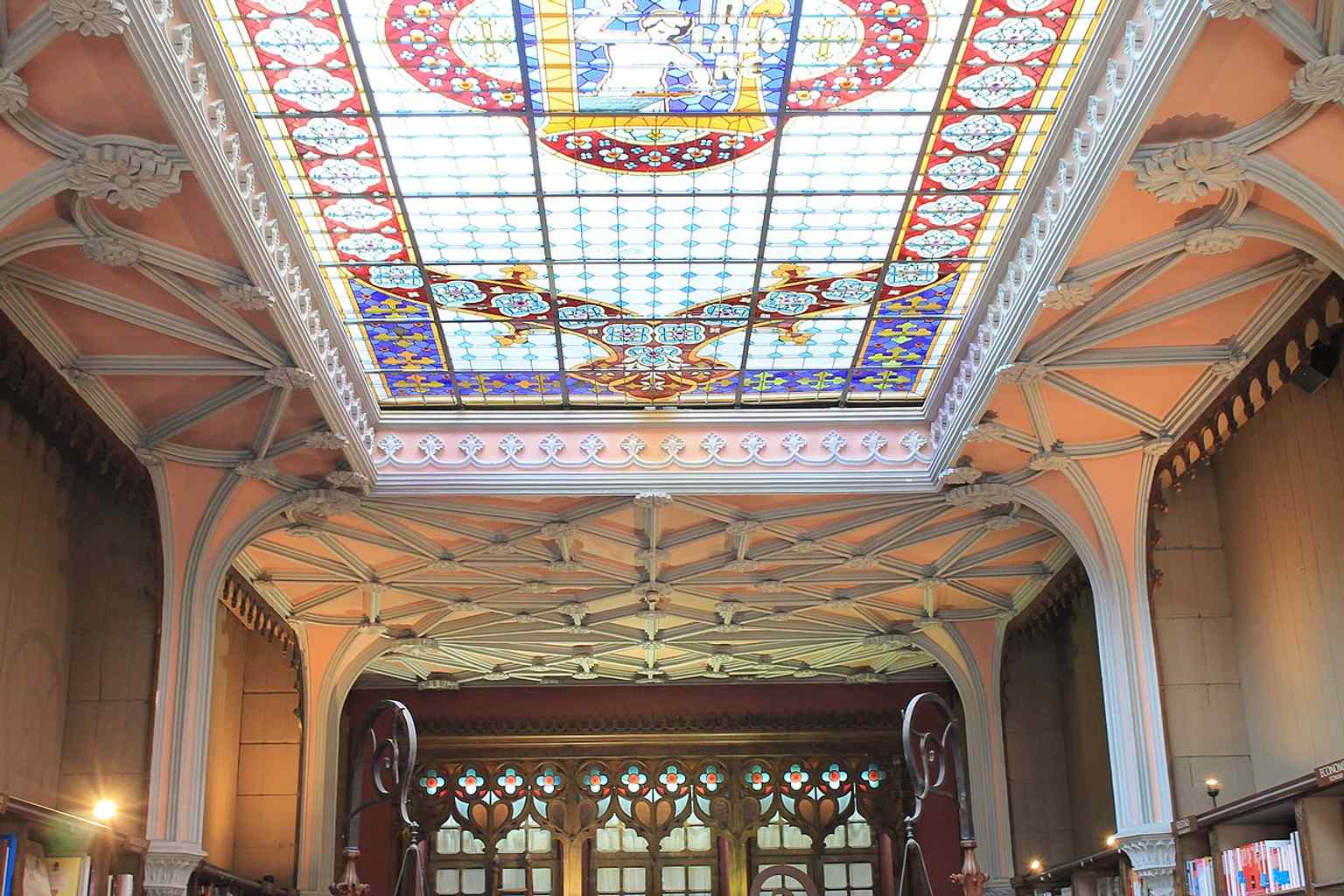
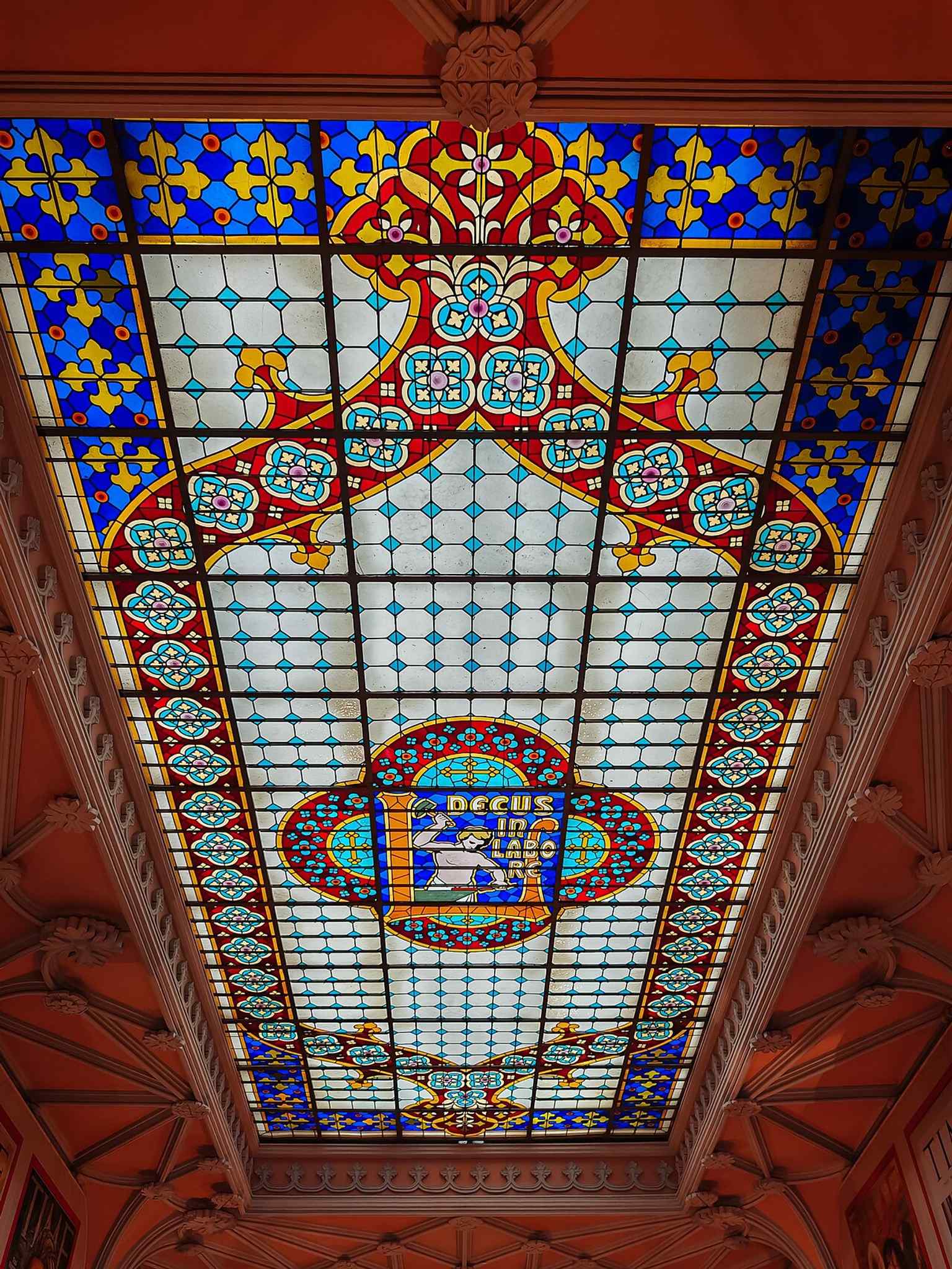
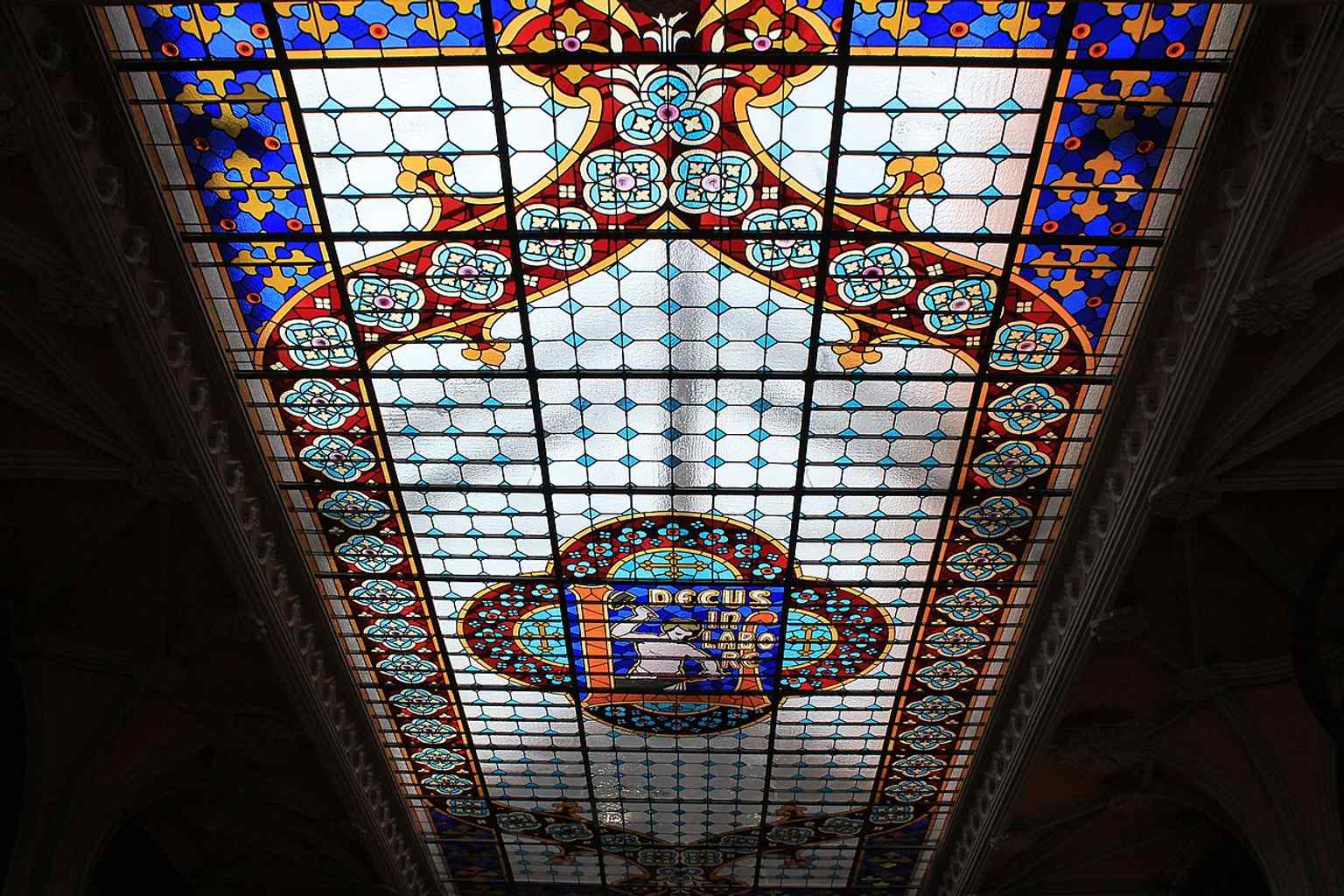
Look at the other image when you like, and notice the great glass ceiling. It carries the motto Decus in Labore, meaning “dignity in work.” In twenty sixteen, conservators dismantled that skylight for the first time ever: fifty-five glass panels, about eight meters long and three and a half meters wide altogether, created by the Dutch artist Gerardus Samuel van Krieken. After restoration, the interior recovered a brightness people had nearly forgotten.
Then came modern pressure. In twenty fifteen, Lello began charging entry, with the ticket deducted from a book purchase, to control visitor numbers and fund conservation. Purists grumbled; sales tripled in three months. Porto, as usual, found a way to turn strain into strategy.
And yes, the Harry Potter legend hovered here for years. In twenty twenty, J. K. Rowling said she had never entered the bookstore and denied it inspired Hogwarts. Oddly enough, that only clarified the truth: Lello does not need borrowed magic. It manufactures its own.
In about five minutes, head to the Church and Tower of the Clerics, where Porto trades literary fantasy for a stone landmark that still poses a fine question... when this city builds upward, is it aiming at heaven, status, or simply spectacle? Lello is generally open daily from nine in the morning to seven thirty in the evening.