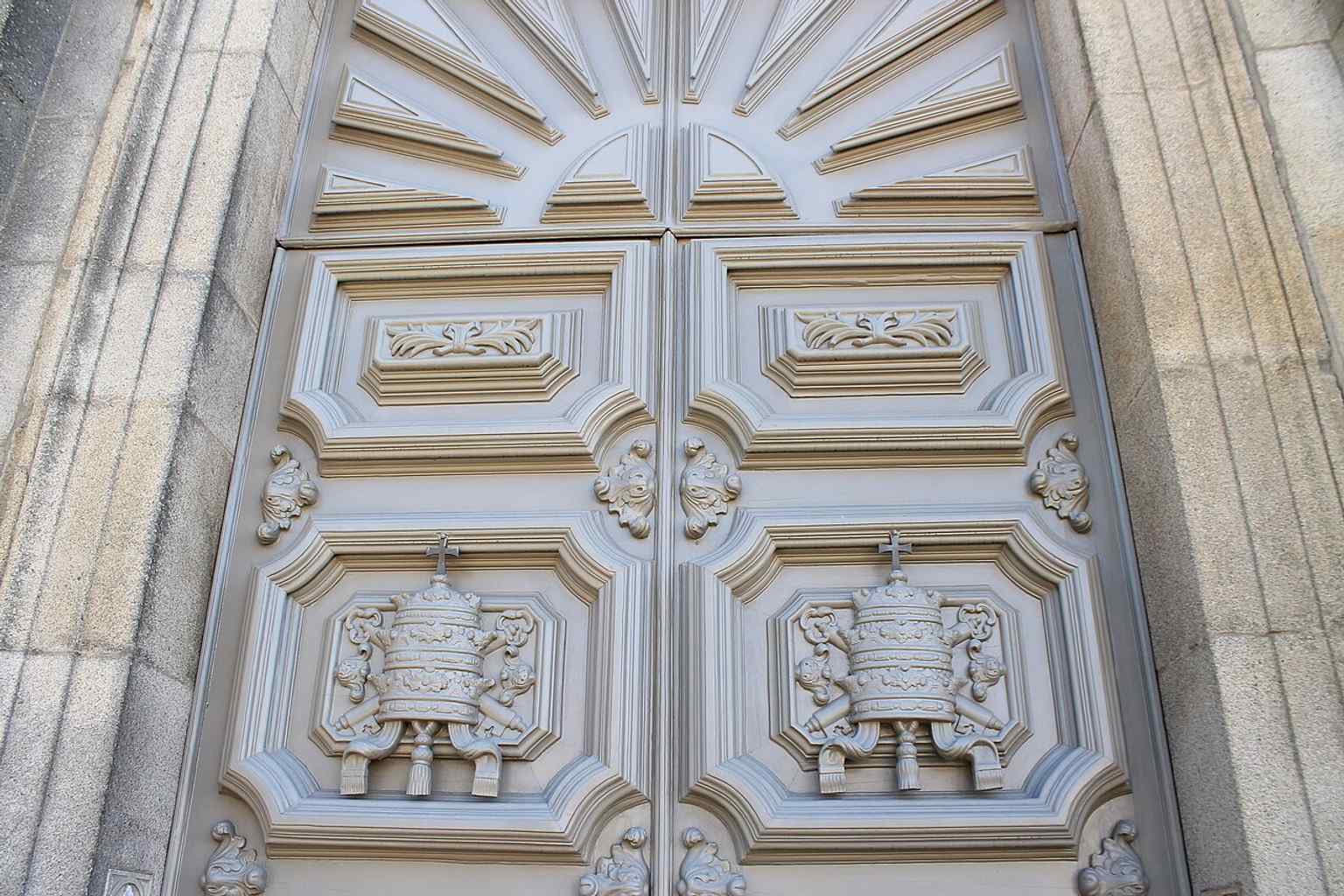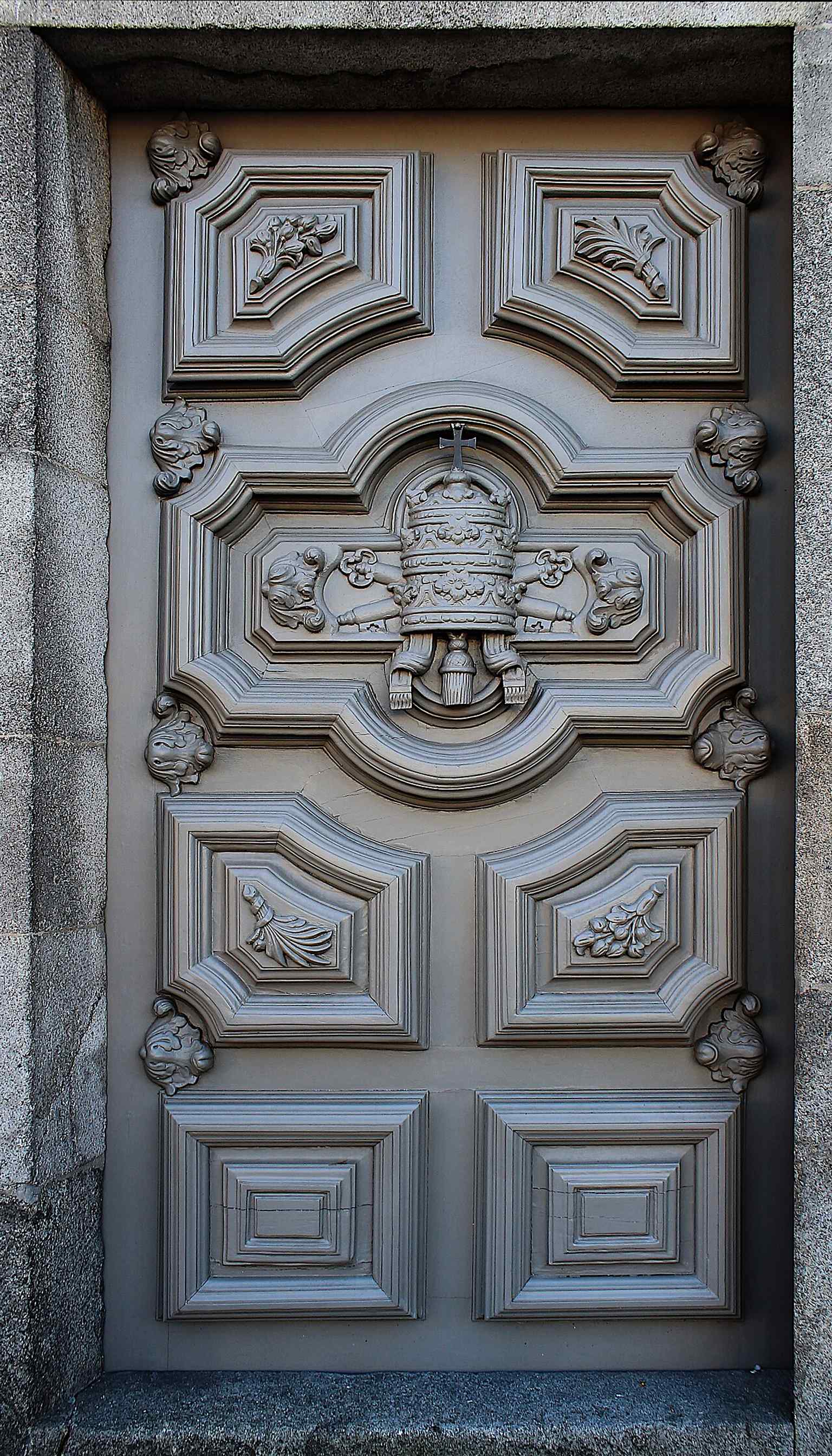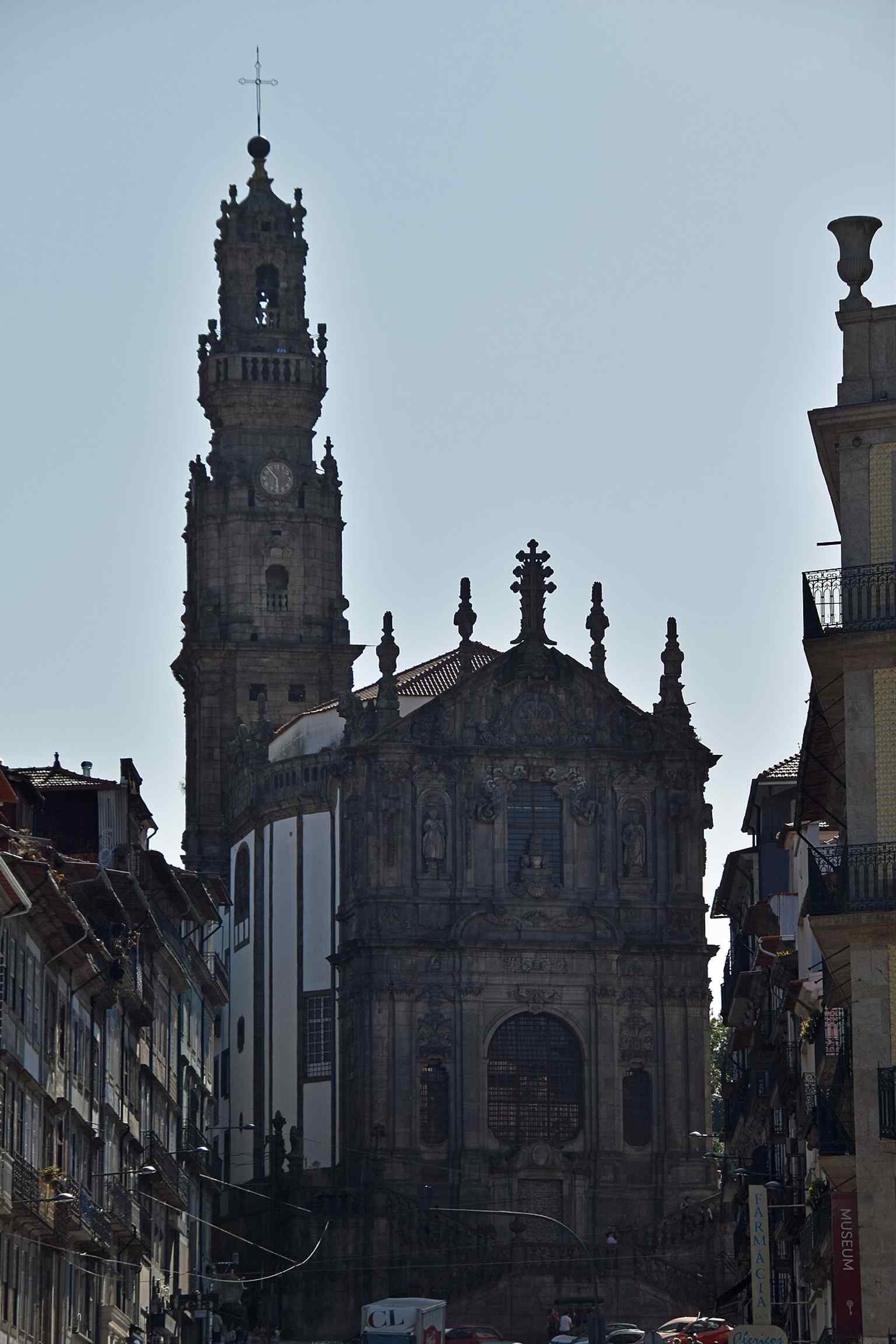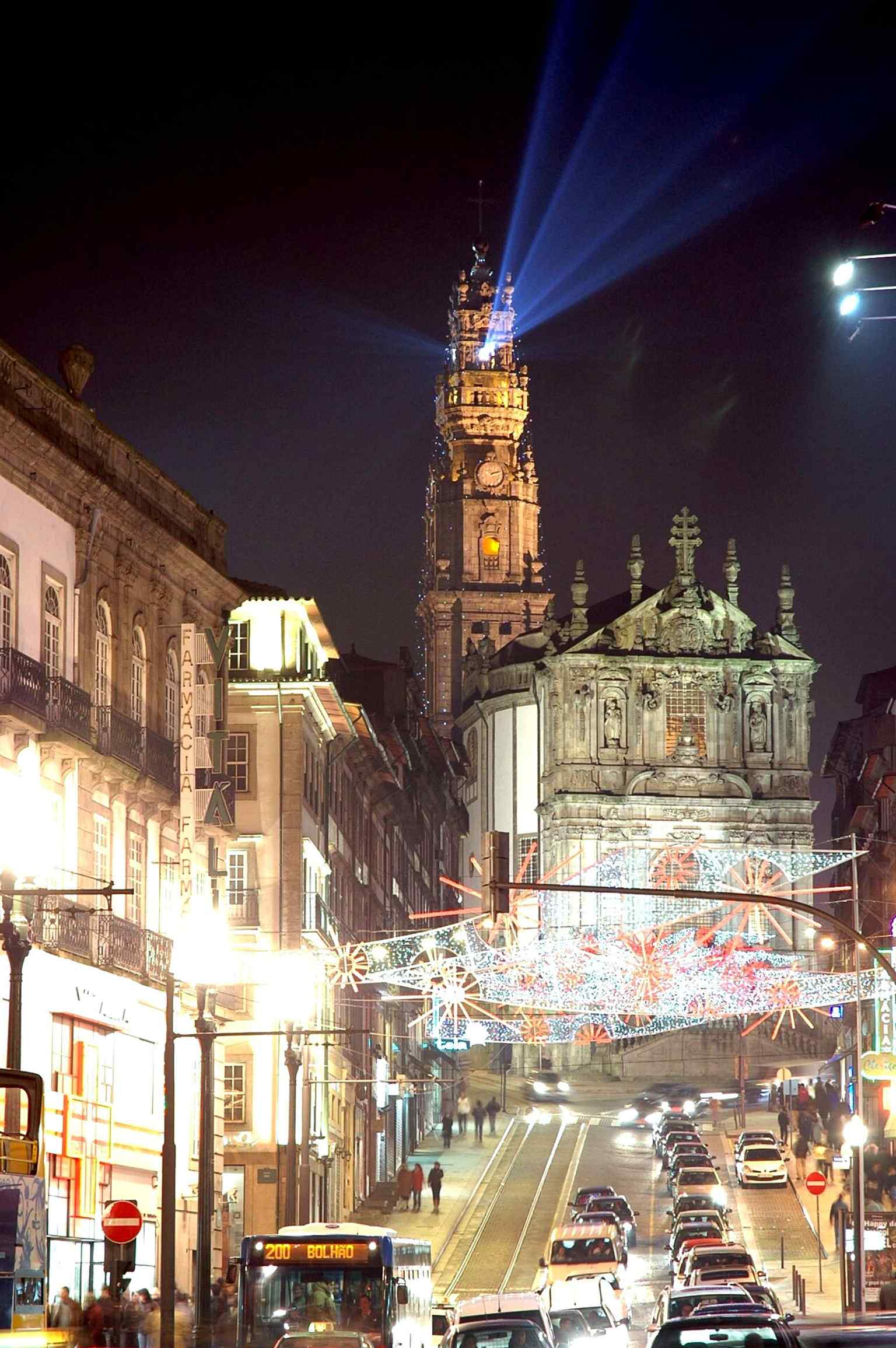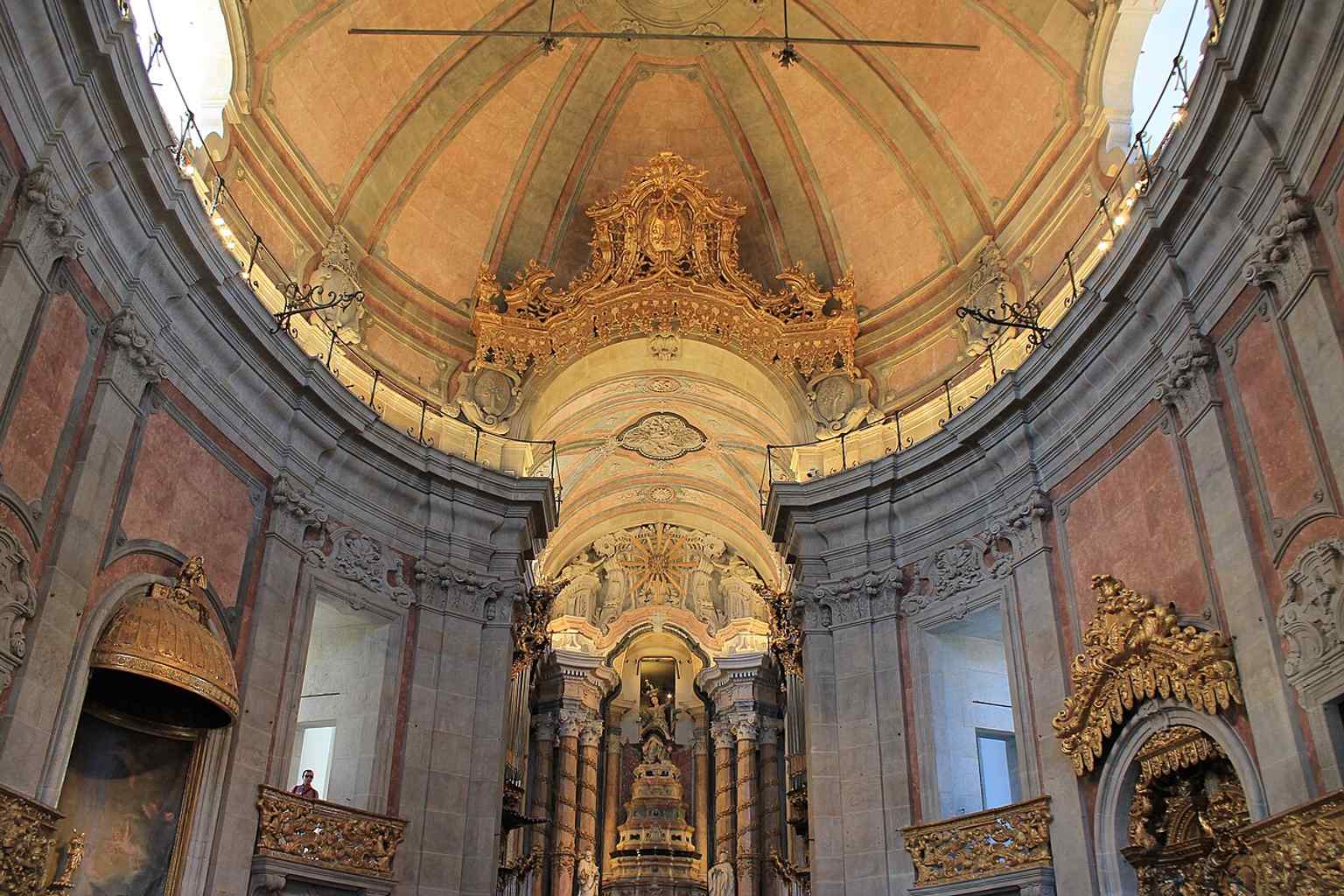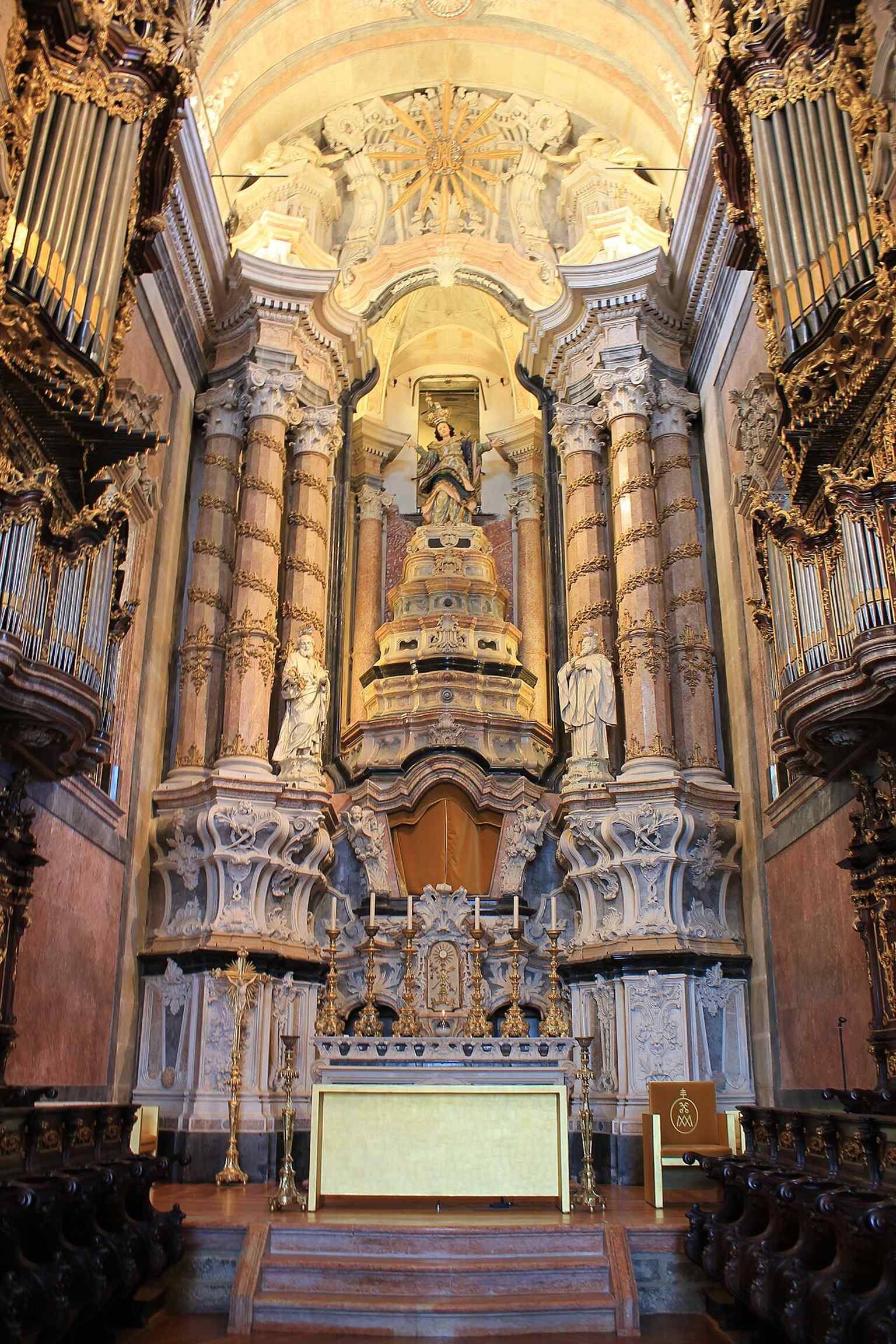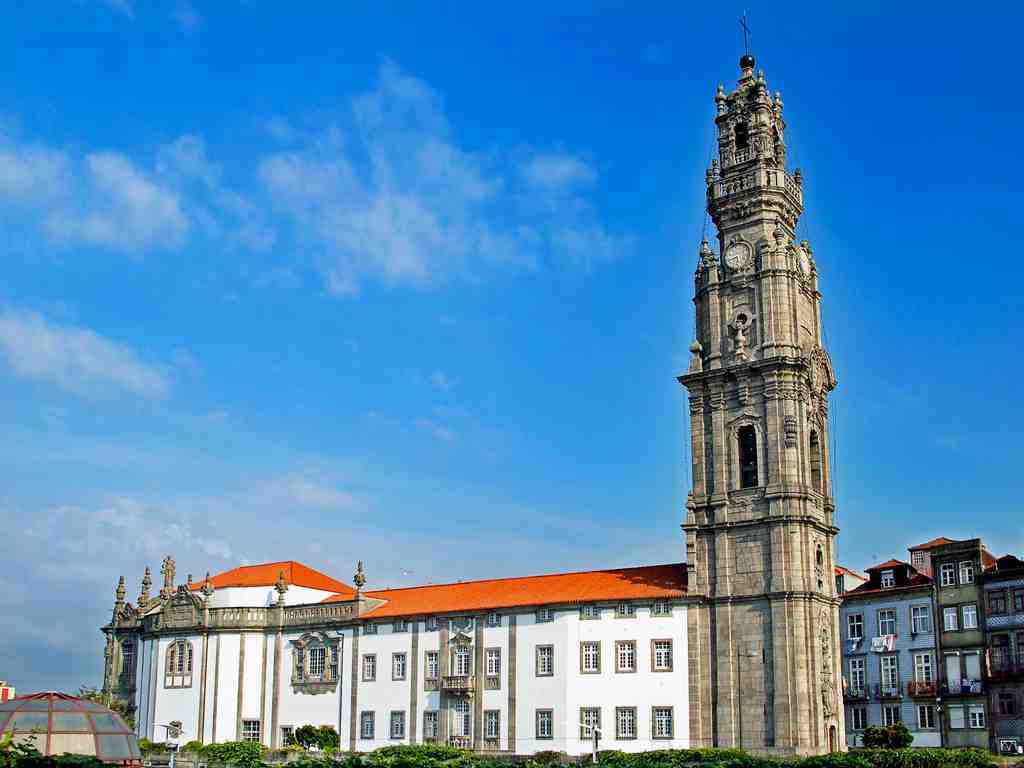
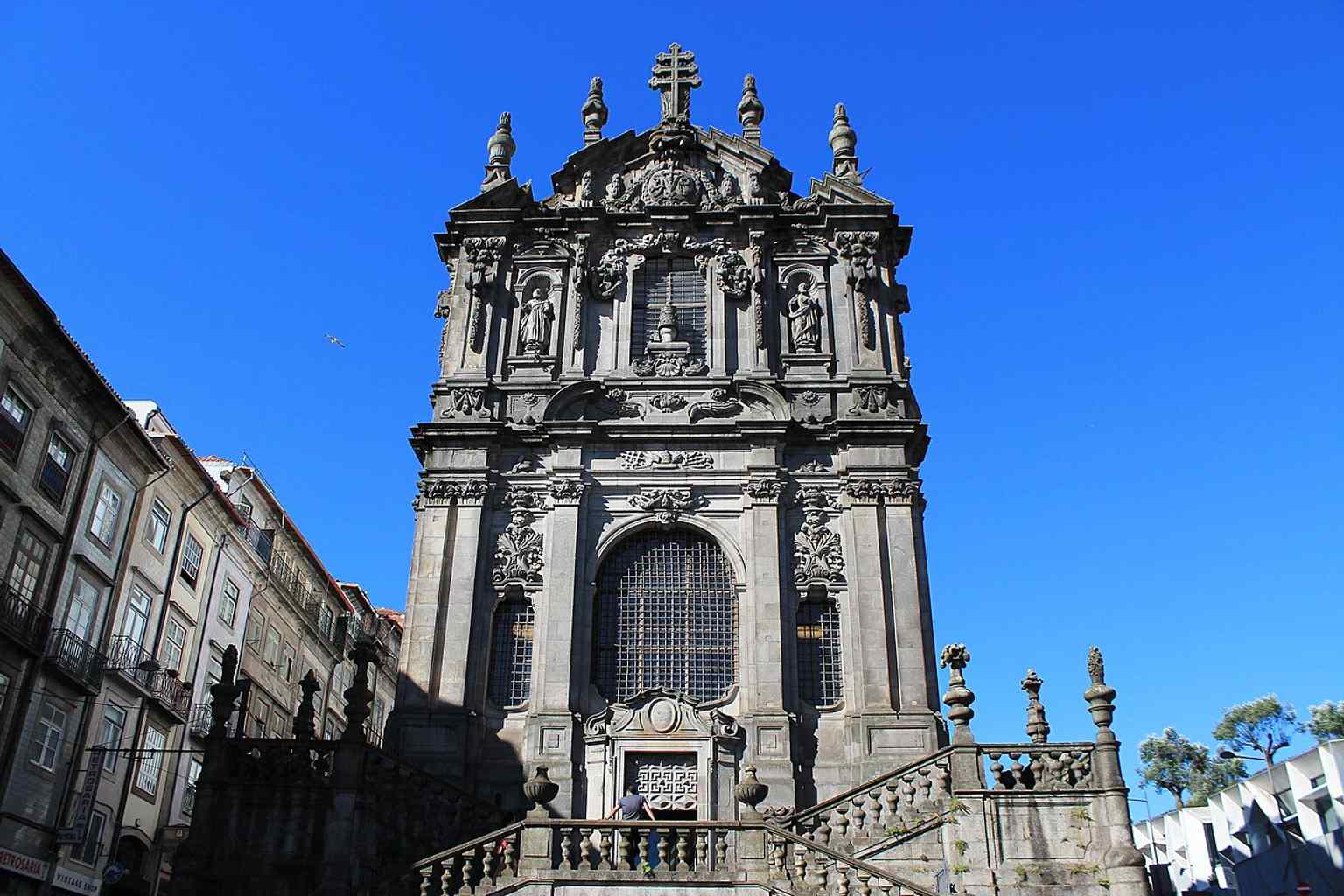
On your left, the Clérigos Tower and church rise in pale granite as a narrow, curving Baroque façade beside a tall six-tiered bell tower crowned with a cross.
This is Porto’s vertical signature... the landmark that keeps appearing above rooftops like the city has decided one dramatic gesture is better than a dozen modest ones. And it is not just famous; it is charged with purpose. The church, the tower, and the connecting House of the Brotherhood together tell the story of a city that kept turning pressure into form.
The story starts with need, not grandeur. In the early seventeen hundreds, Porto had many priests, and quite a few of them ended their lives poor, ill, or alone. So in seventeen oh seven, three brotherhoods joined forces to care for clergy in poverty, sickness, and death. Even choosing the main patron saint caused a small argument, so they settled it by drawing a name from an urn. Theology by lottery... surprisingly efficient. Our Lady of the Assumption won.
Then they chose this site, which had a rather grim reputation because it stood near the old place where condemned people were executed and buried. That ugliness did not stop them. In seventeen thirty-one, the Brotherhood asked Nicolau Nasoni, an Italian from Tuscany who had arrived by way of Malta, to design a proper home for their work. He stayed with the project for more than three decades. First came the church, then the Brotherhood’s house, then the tower between seventeen fifty-four and seventeen sixty-three.
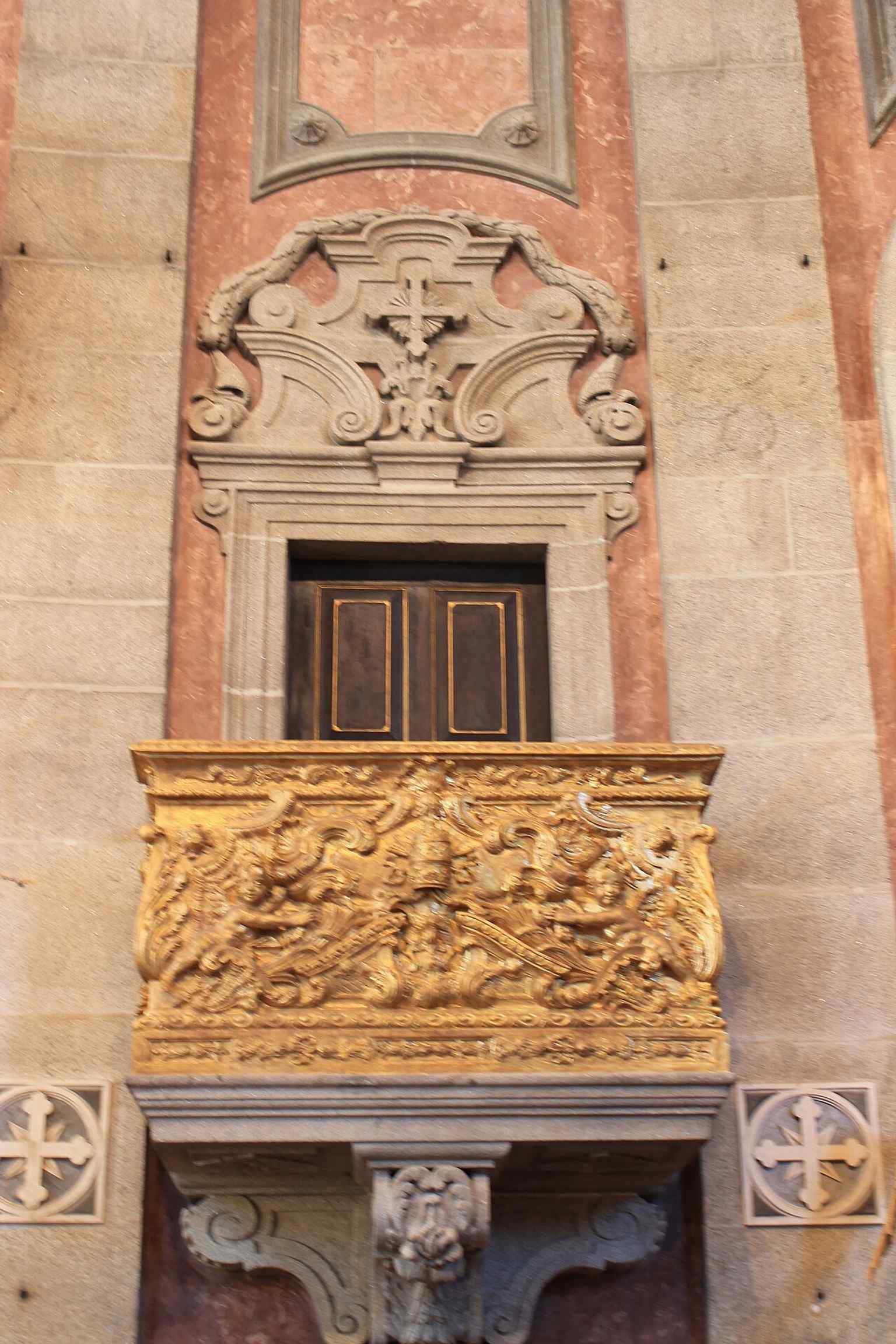
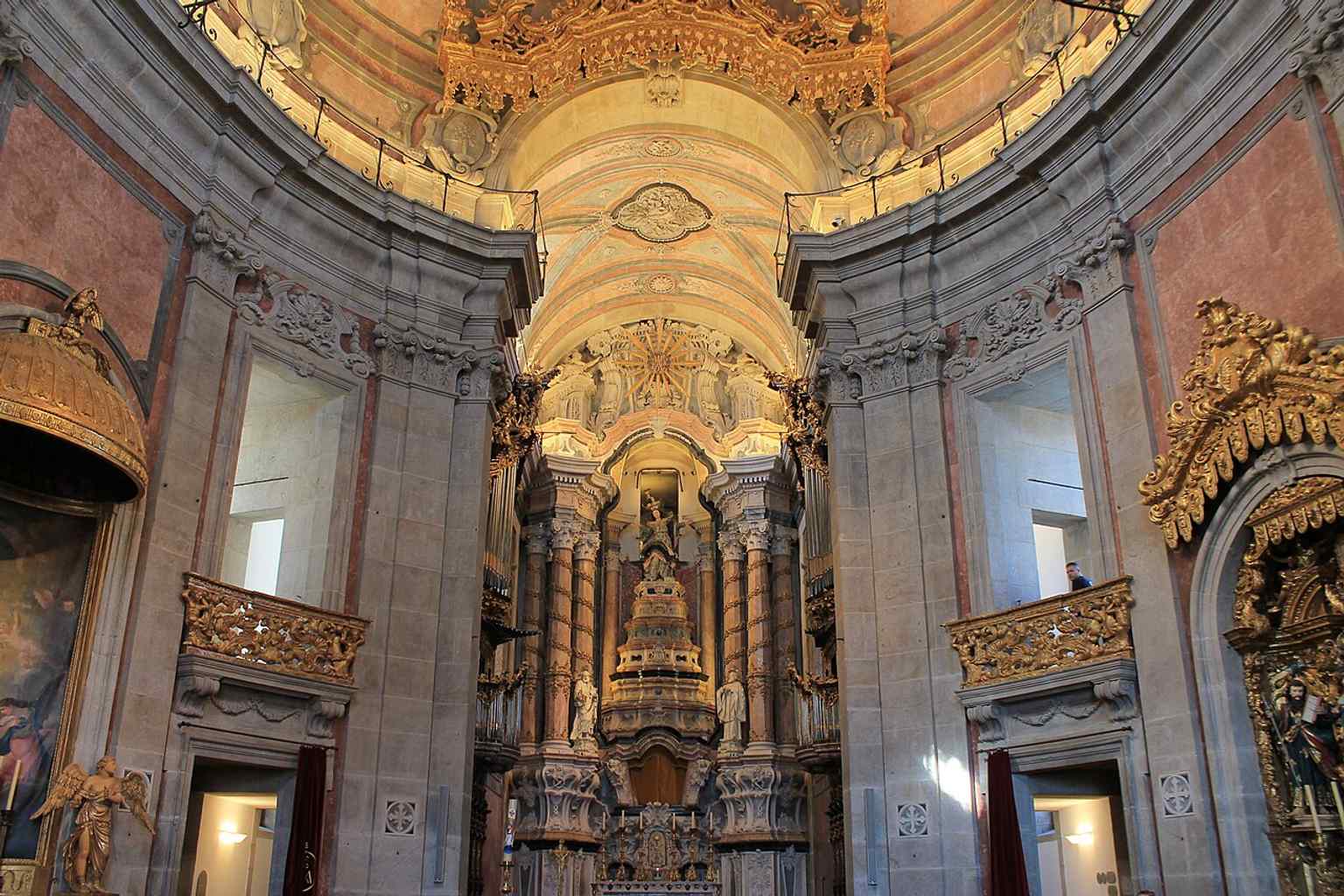
If you glance at the app image, the façade makes Nasoni’s style obvious: granite pushed into curves, niches, broken lines, scrolls, and stone decoration that almost behaves like carved wood. He made the front relatively narrow, which tricks the eye into reading it as even taller. Inside, he gave the church an oval main hall - the nave, the central worship space - and double outer walls with passageways after he abandoned his first plan for twin side towers. So even the structure carries a memory of revision.
And then there is the mystery. Nasoni invested so much of himself here that records say the Brotherhood buried him in this church as a “poor cleric.” The problem is... no one can point to the exact grave. During restoration in two thousand and fourteen, an electrician unexpectedly found an eighteenth-century crypt. Investigators uncovered twenty-six bodies, including António de Santo Ilídio, the bishop-elect of Aveiro, and they identified four possible candidates whose remains could fit Nasoni’s profile. But certainty never arrived. Porto, very typically, let its most famous monument keep one of its best secrets.
The tower itself stands about seventy-five meters high, with six levels and two hundred twenty-five steps. It did more than ring bells. It marked time, served as a commercial telegraph, and signaled approaching boats on the Douro. So even this spiritual landmark kept one eye on trade.
Ahead, the city leans toward the river, where commerce will soon start dressing itself as power at the Stock Exchange Palace, about a ten-minute walk from here. If you want to come back inside later, the complex is generally open every day from nine in the morning to seven in the evening.