
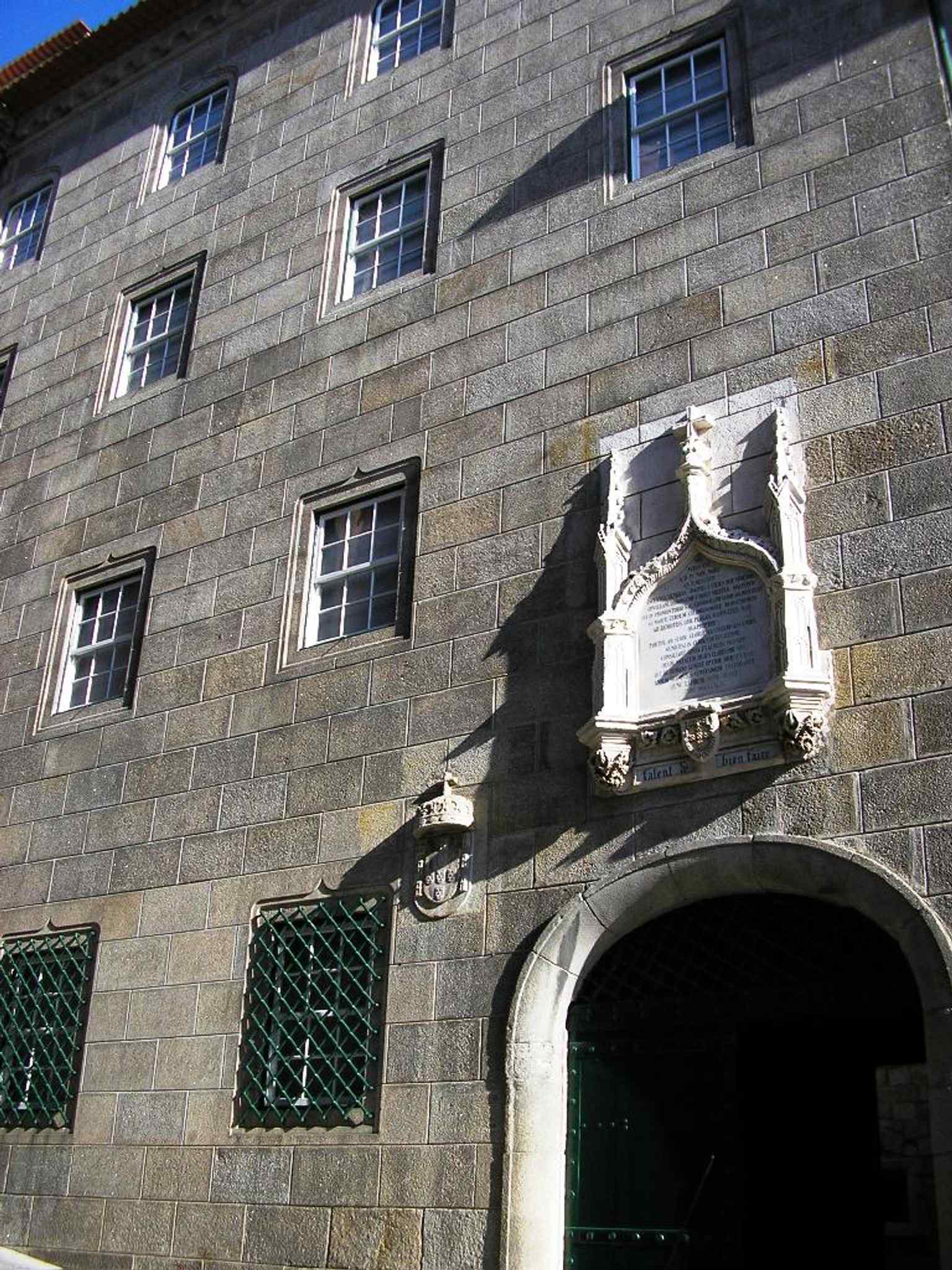
On your left, Casa do Infante is a sturdy stone block with a rectangular four-storey façade, rows of canopied windows, and a large arched doorway crowned by a royal coat of arms.
For all the legend wrapped around it, this building begins with something very practical: taxes. Porto can be wonderfully romantic, but somebody always had to count the cargo. A royal decree in thirteen twenty-five set this place in motion on top of an earlier Roman residence, and by the mid-fourteenth century King Afonso the Fourth used it to tighten royal control over the Douro. Goods came up the river, officials assessed them, coins were minted here, merchandise was stored here, and employees even lived here. In other words, this was not a poetic little townhouse. It was a machine for power.
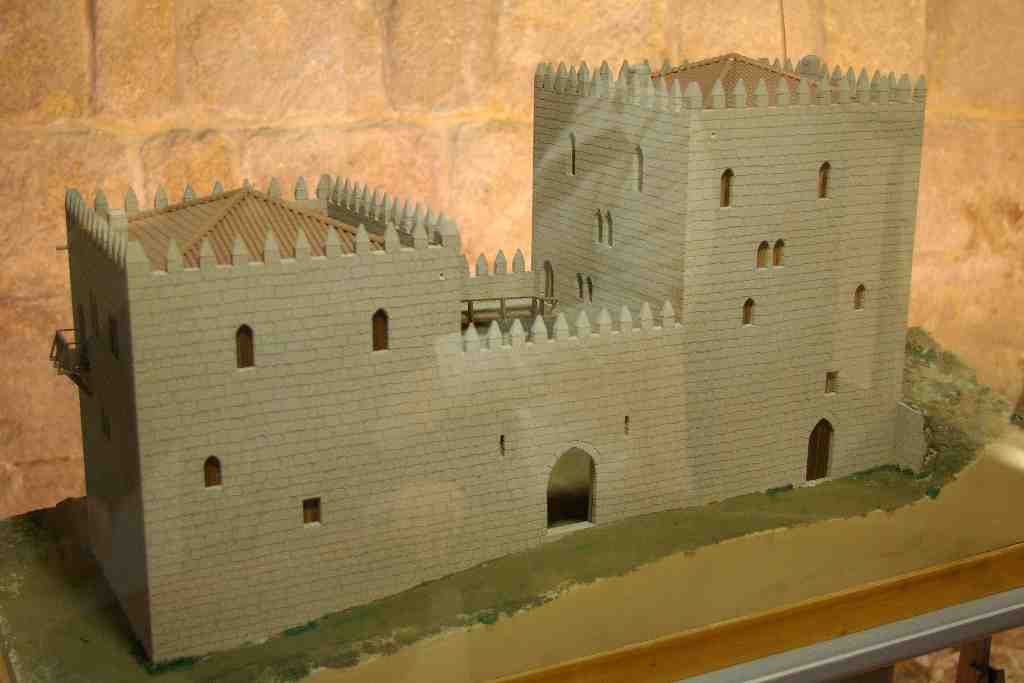
Municipal records describe it as Porto’s first customs house and, in its day, one of the city’s largest medieval buildings. Archaeologists later worked out that it once had two tall towers linked by a courtyard. That matters, because the crown wanted this riverfront building to be seen. Afonso the Fourth was in conflict with the Bishop of Porto, and customs duties on river traffic helped shift authority away from the bishop and toward the king. Where the Stock Exchange Palace turned trade into grandeur, this place turned trade into rules.
Then comes the part Porto loves, and historians approach with slightly raised eyebrows: the Prince Henry birthplace legend. Chronicler Fernão Lopes wrote that Infante Dom Henrique, Prince Henry, son of King João the First and Queen Philippa, was born in Porto on the fourth of March, thirteen ninety-four. We know he was baptized here in the city. We do not know, with courtroom certainty, that he entered the world in this exact building. But because this was the only royal building in Porto, and because it had living quarters, people long believed the royal household stayed here. So the story stuck... not as proof, exactly, but as a memory with paperwork trailing behind it.
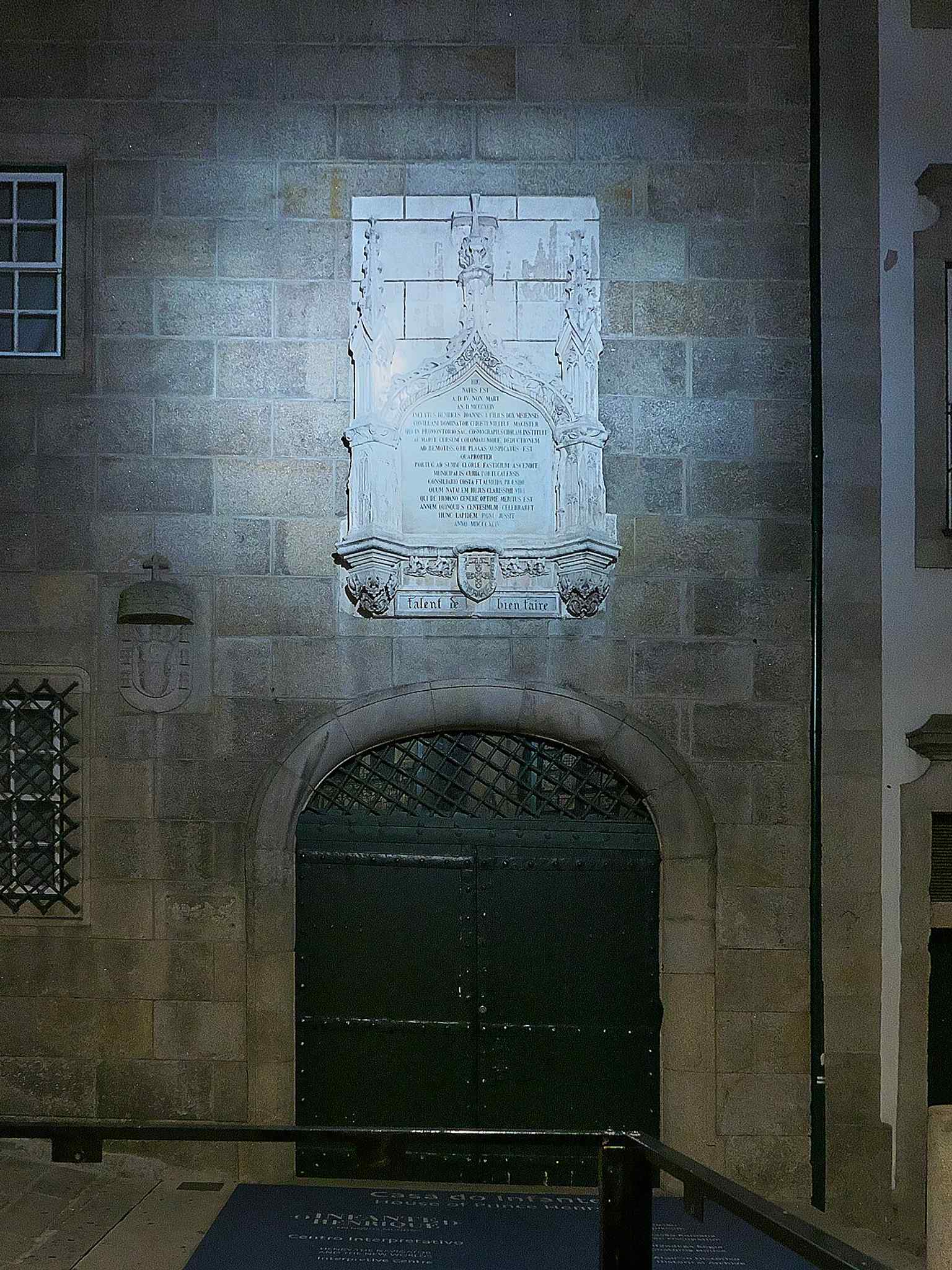
If you look at the image on your screen, you can see how later generations leaned into that memory: the entrance gained a Neo-Manueline commemorative plaque in eighteen ninety-four, helping turn an old customs house into a patriotic birthplace shrine. A working fiscal building became a symbolic cradle of the Age of Discovery. Porto, as usual, refused to waste a good story.
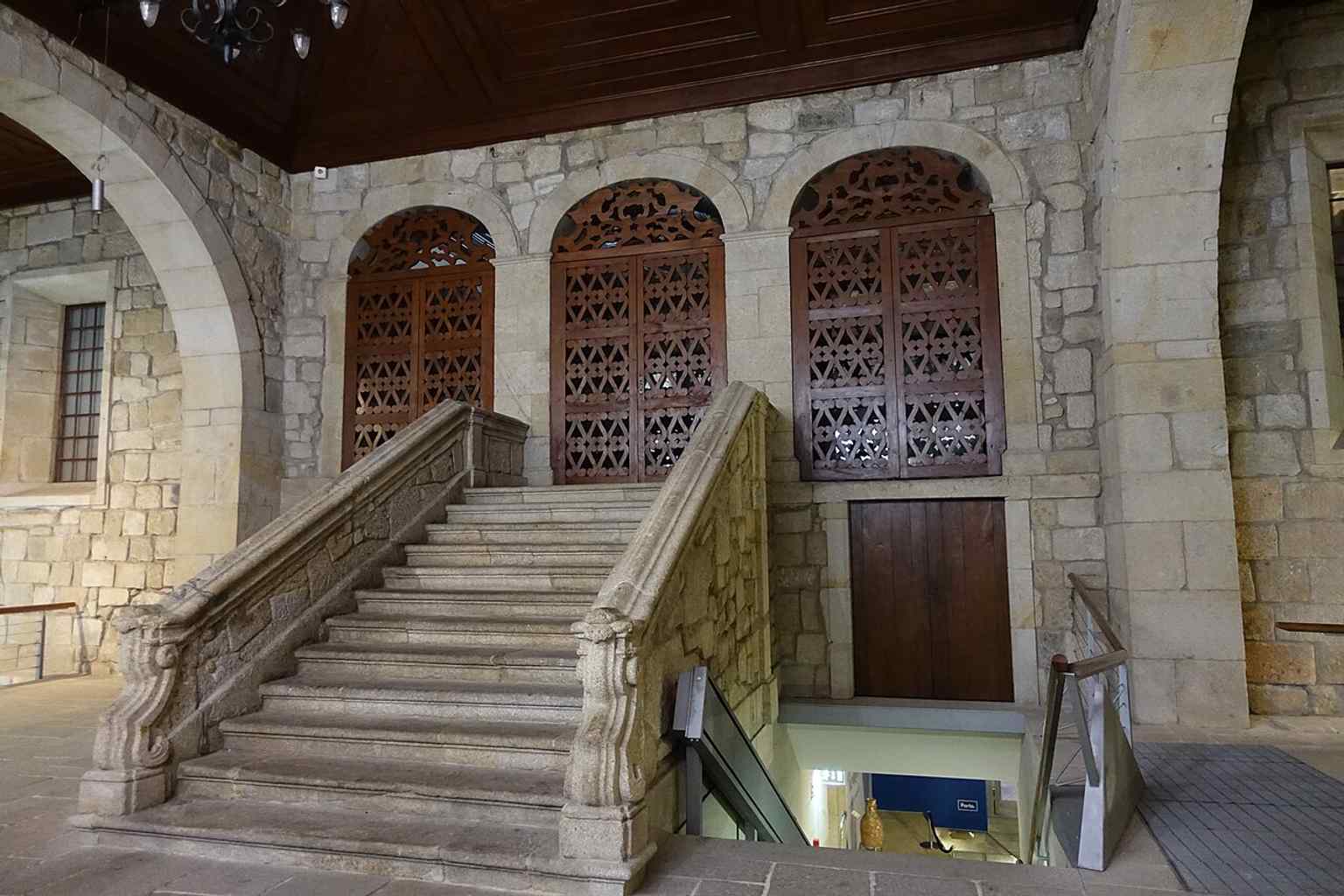
The building you see now is mostly the result of a major rebuilding in sixteen seventy-seven under King Pedro the Second, directed by the Marquess of Fronteira. The towers were cut down, the street front rose higher, and the courtyard survived at the core. Later still, in the twentieth century, the site became the city’s historical archive. Inside, it now stores Porto’s documentary memory, and excavations in the nineteen nineties uncovered Roman foundations and mosaic pavements below, as if the ground itself were muttering, “Nice legend... but I’ve been here longer.” If you check the app, one interior image shows that newer role as the city’s memory vault.
So here is the question this place leaves hanging: when a city tells a story for centuries, does that story become part of the truth, even when the evidence stays incomplete? Casa do Infante never fully resolves that tension. It simply stands here by the river, holding customs records, royal ambition, a prince’s uncertain beginning, and older Roman traces beneath them all.
When you’re ready, continue on to Ribeira Square, about a three-minute walk away, where the riverfront opens the story wider. If you plan to come back inside later, it’s closed on Mondays and usually open from ten in the morning to five thirty in the afternoon the rest of the week.






.jpg)
.JPG)