
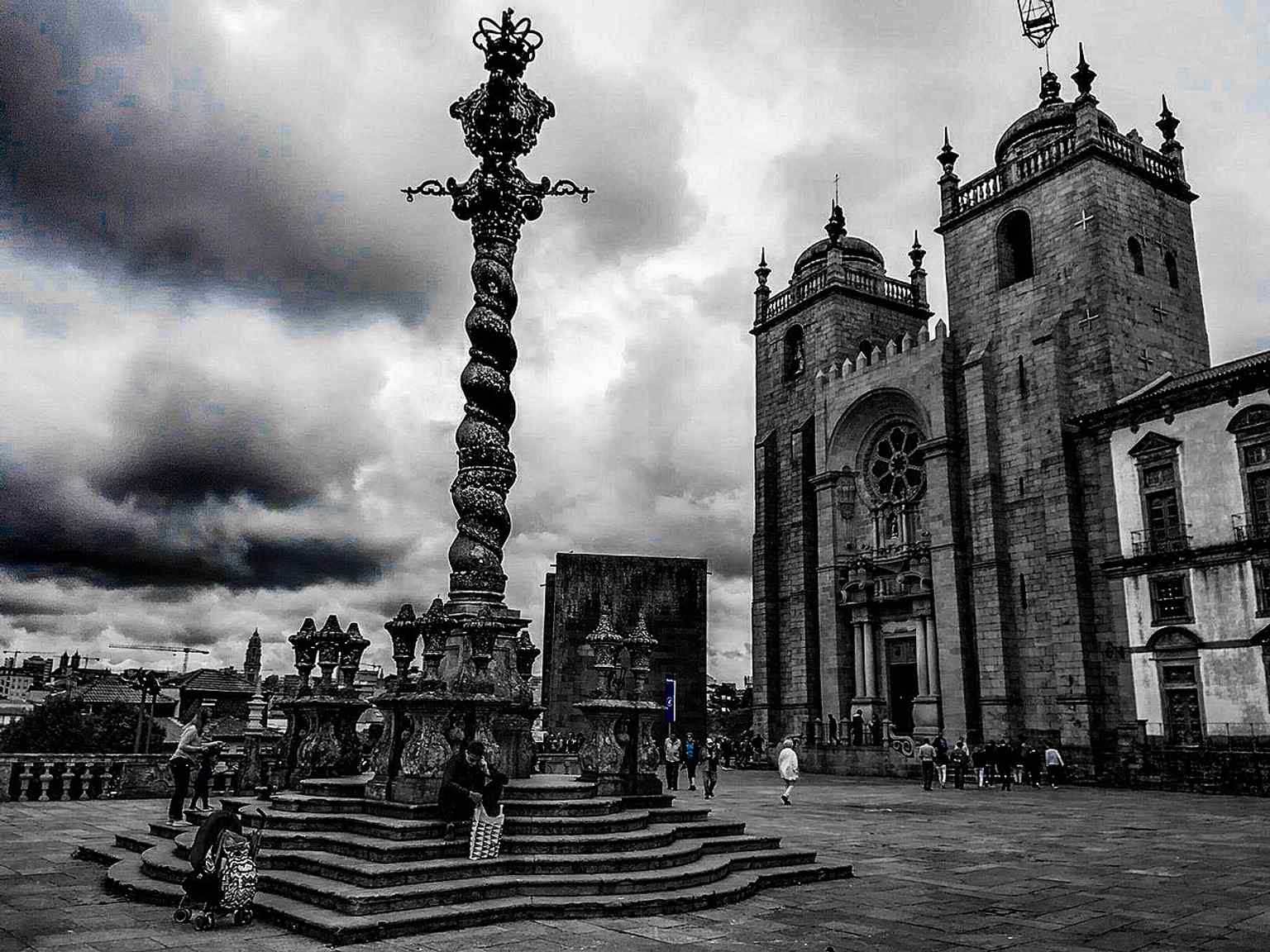
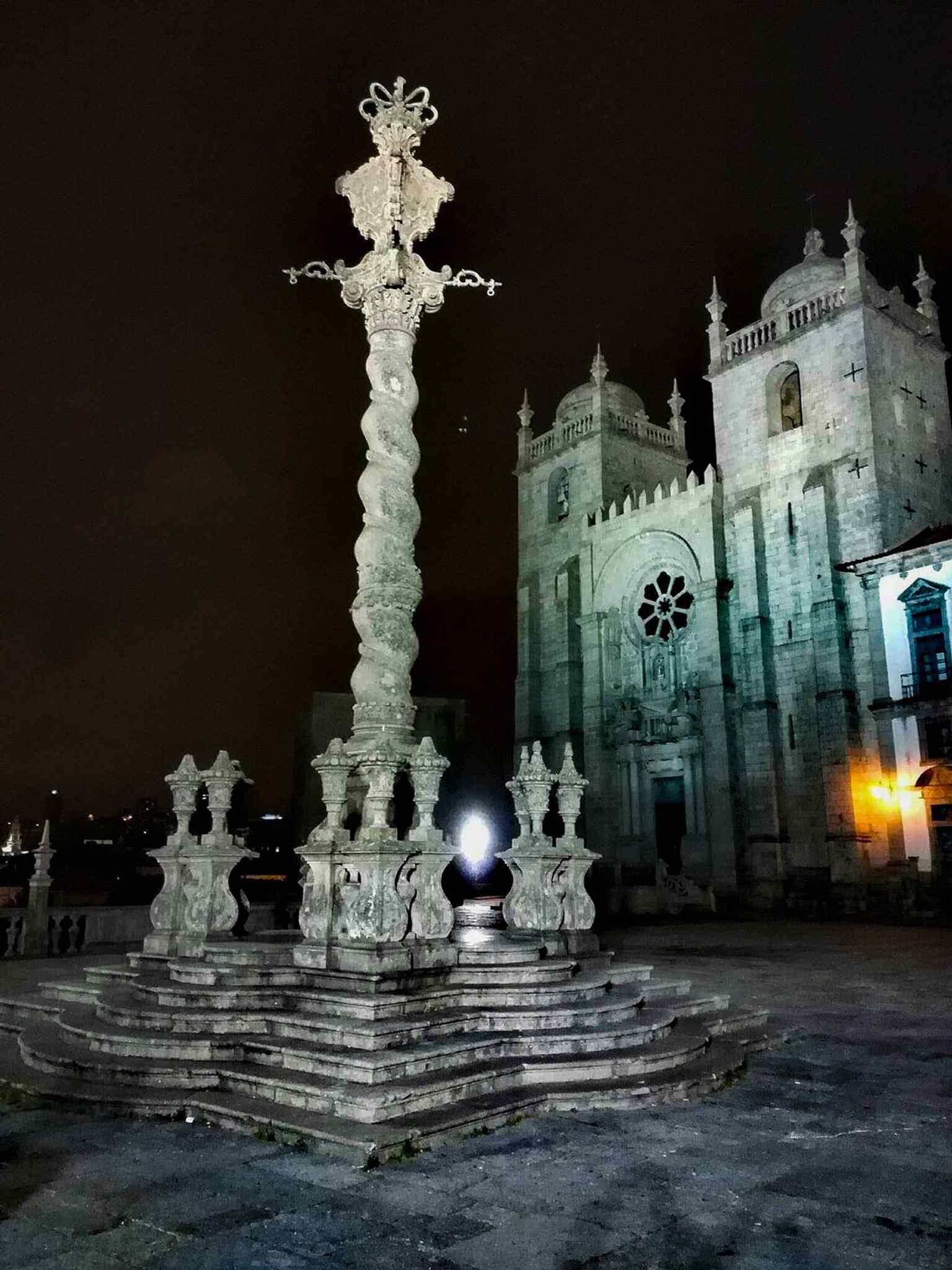
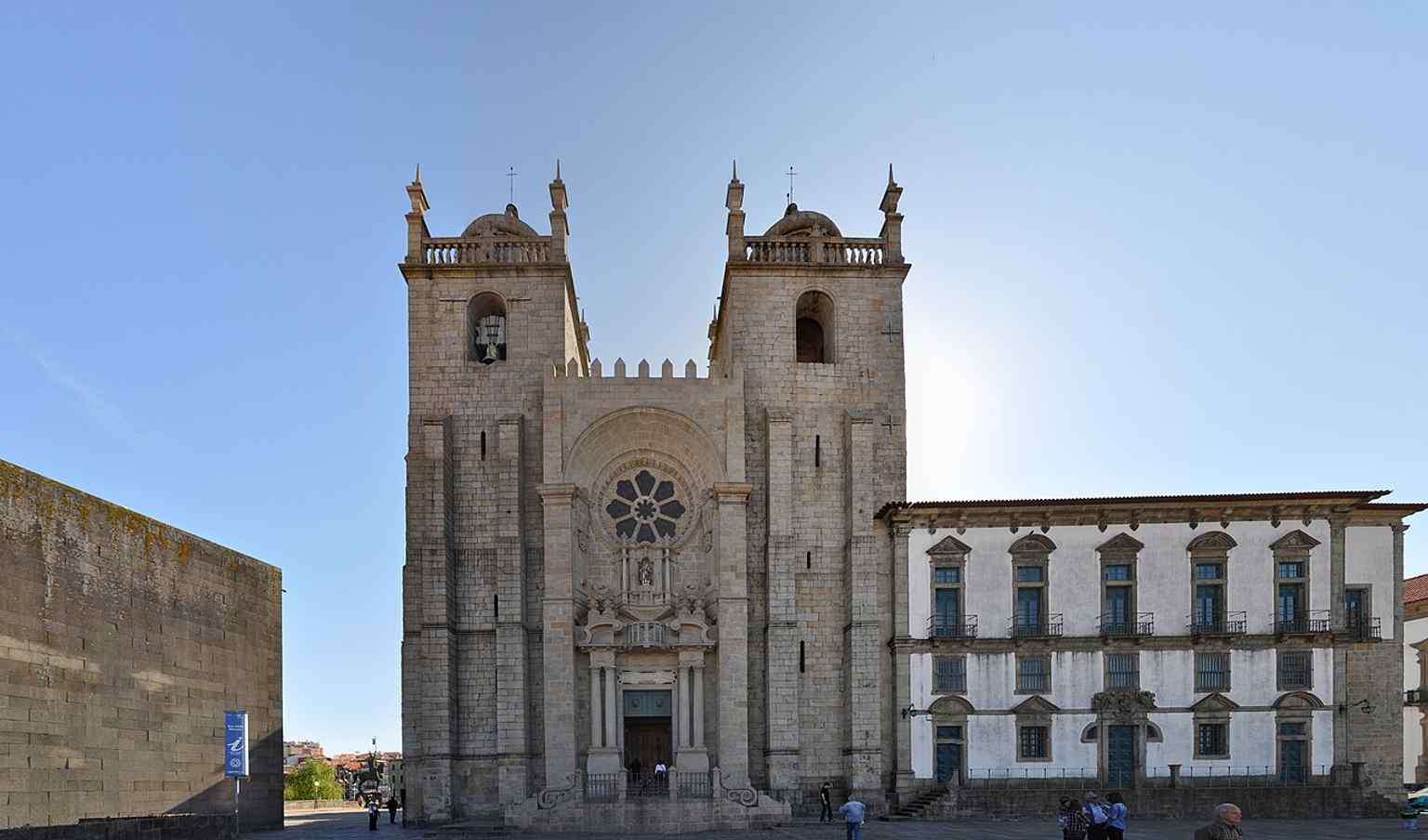
On your right, Porto Cathedral shows itself as a heavy granite façade with twin square towers and a round rose window set beneath castle-like battlements.
This is one of Porto’s oldest surviving monuments, and it does something rather rare: it lets you see the city’s layered life all at once. The core is Romanesque, from the late twelfth century, solid and restrained; then Gothic builders added new spaces; then Baroque taste swept in with fresh drama. Even after all that alteration, the cathedral still keeps the stern outline of a medieval stronghold, as if each century changed its clothes but not its posture.
That matters because this hill was never only holy ground. From up here, the church commanded the high point of the old city, where sacred authority and urban control stood shoulder to shoulder. A bishop could look after souls, certainly, but from this ridge the church also watched gates, streets, and the river approach. In medieval Porto, to hold this height was to shape both devotion and daily life.
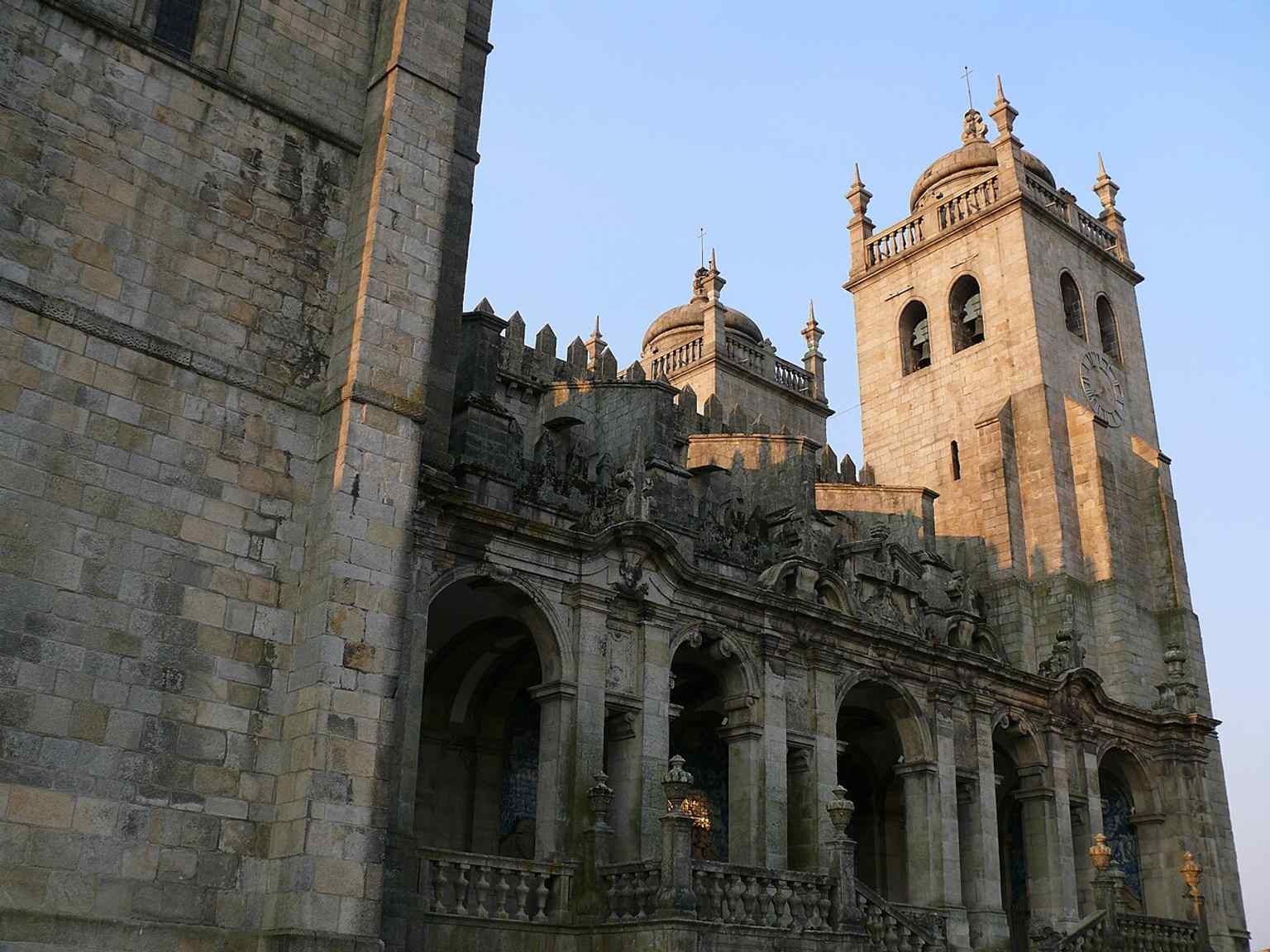
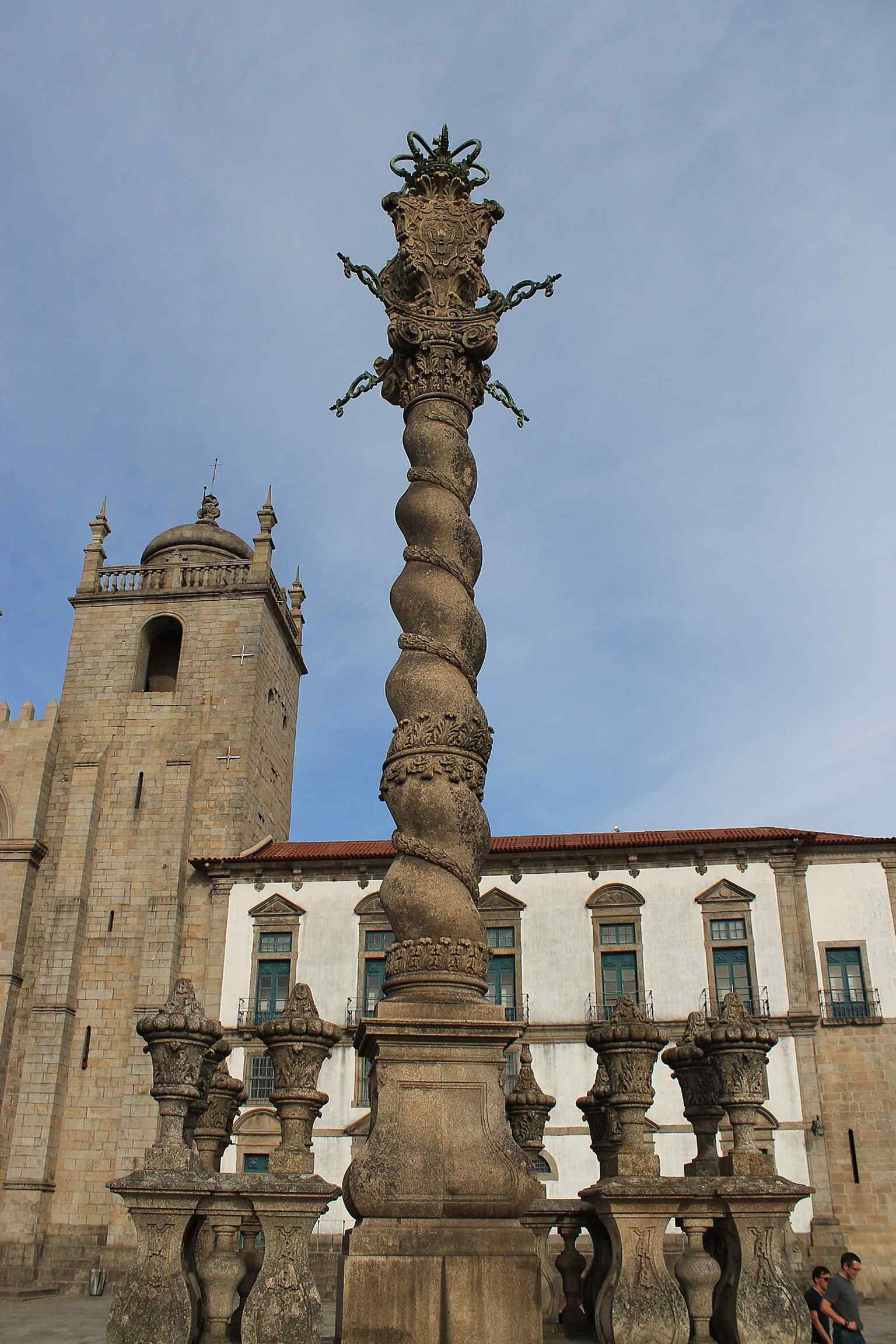
The story begins before the present building. In eleven oh eight, Henry of Burgundy and his wife founded an earlier chapel or hermitage here. That older church still stood in eleven forty-seven, but in the second half of the twelfth century builders began the cathedral you see now, and they kept working on it into the sixteenth. Look at the front and you can read that long construction history in stone: the fortified Romanesque face, the later Baroque porch, and those towers, each braced by great supports and topped with cupolas.
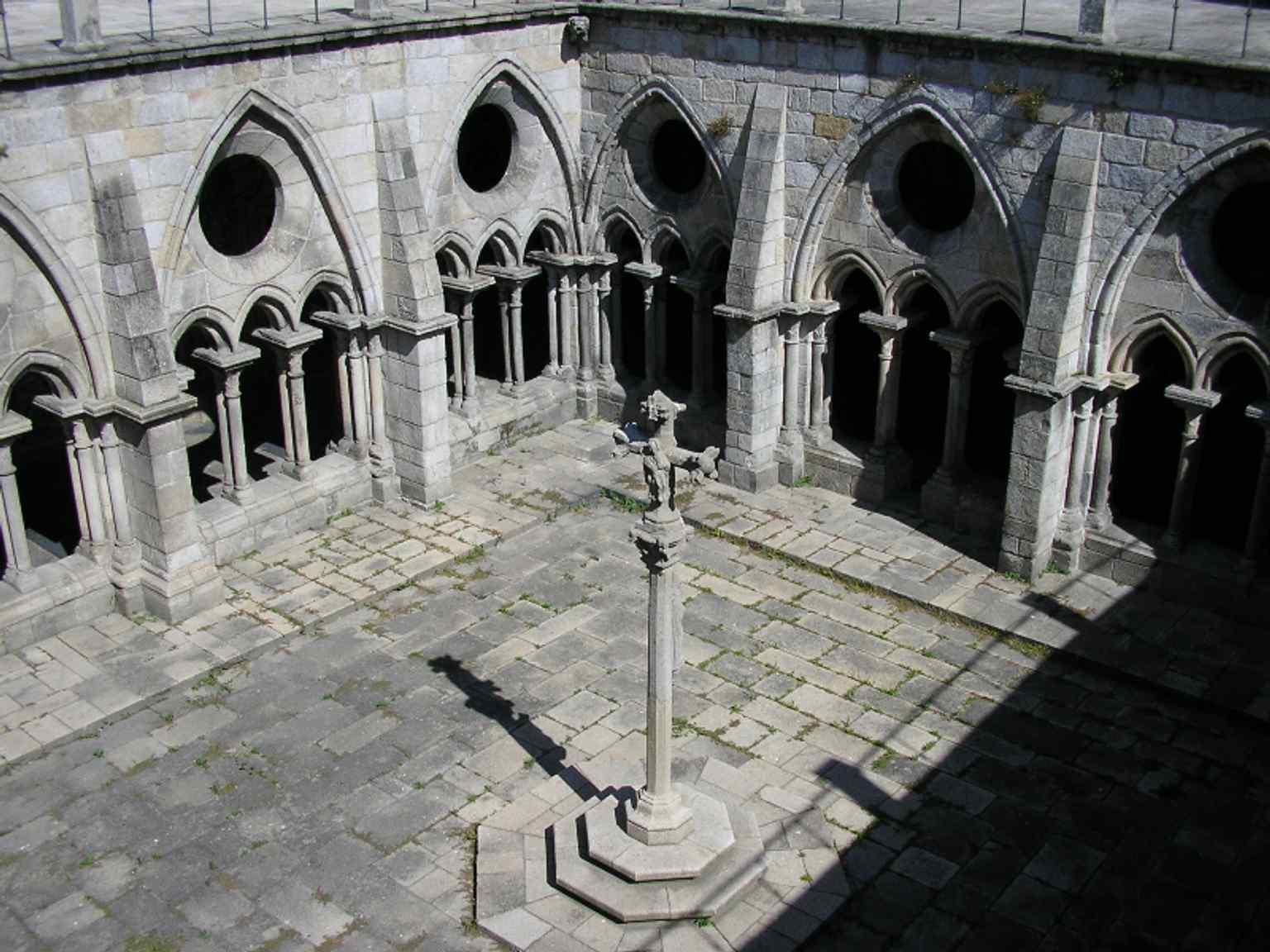
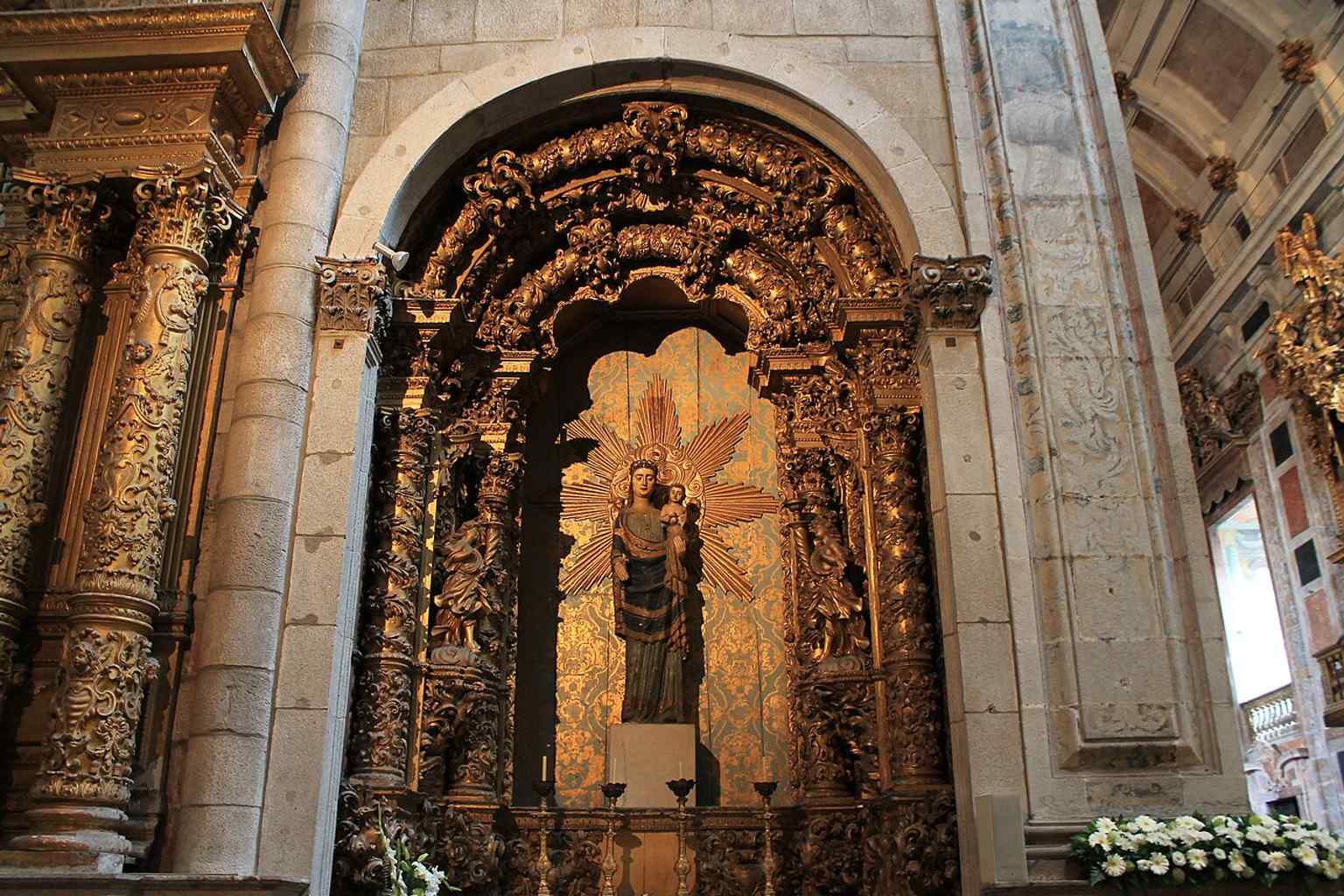
Inside, the central hall of the church, the nave, is narrow and barrel-vaulted, meaning its ceiling curves like the inside of a long stone tunnel. Remarkably, the builders used flying buttresses, those exterior supports that carry the weight of the roof outward; this made the cathedral one of the earliest buildings in Portugal to use them. If you check the image on your screen, you can also glimpse the Gothic cloister added in the fourteenth and fifteenth centuries, later dressed with blue-and-white tiles, a quieter chapter folded into the whole.
One human story lingers here with particular force. In thirteen eighty-seven, King John the First and Philippa of Lancaster were blessed here on the second of February and married here on the fourteenth. It was not merely a royal ceremony. Their union helped secure the long alliance between Portugal and England, and Philippa later entered memory as the mother of Portugal’s so-called Illustrious Generation. Tradition also places Prince Henry the Navigator’s baptism here, which gives this hilltop church a place in the opening pages of Portugal’s ocean-going age.
Then came fresh layers. In seventeen twenty-five, a later architect arrived to renovate parts of the cathedral, and in seventeen thirty-six he added the elegant Baroque loggia on the side, a flourish from the same restless mind we shall meet again later. In eighteen oh one, during the War of the Oranges, Spanish soldiers briefly seized the cathedral before Porto’s own residents drove them out, proof that this was still a strategic perch as well as a sacred one.
And around this cathedral, the ground keeps yielding evidence. Here, even nearby houses and towers begin to behave like historical test pits. In a moment, we’ll walk about a minute to Casa da Rua de D. Hugo, where that habit of revealing older layers becomes even clearer. If you want to come back inside later, the cathedral generally opens every day from nine in the morning until six thirty in the evening.






%2001.jpg)
.jpg)
.jpg)
