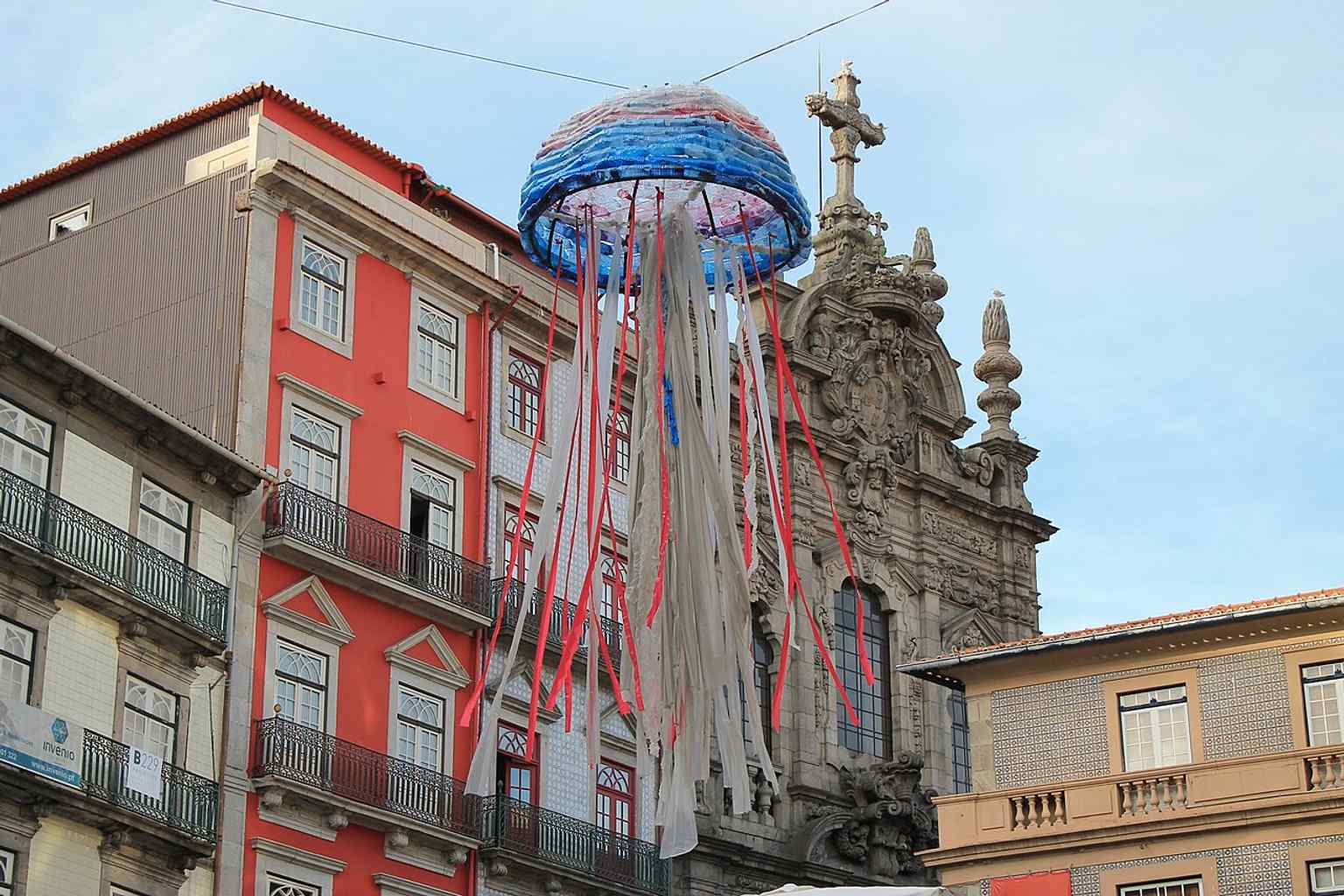
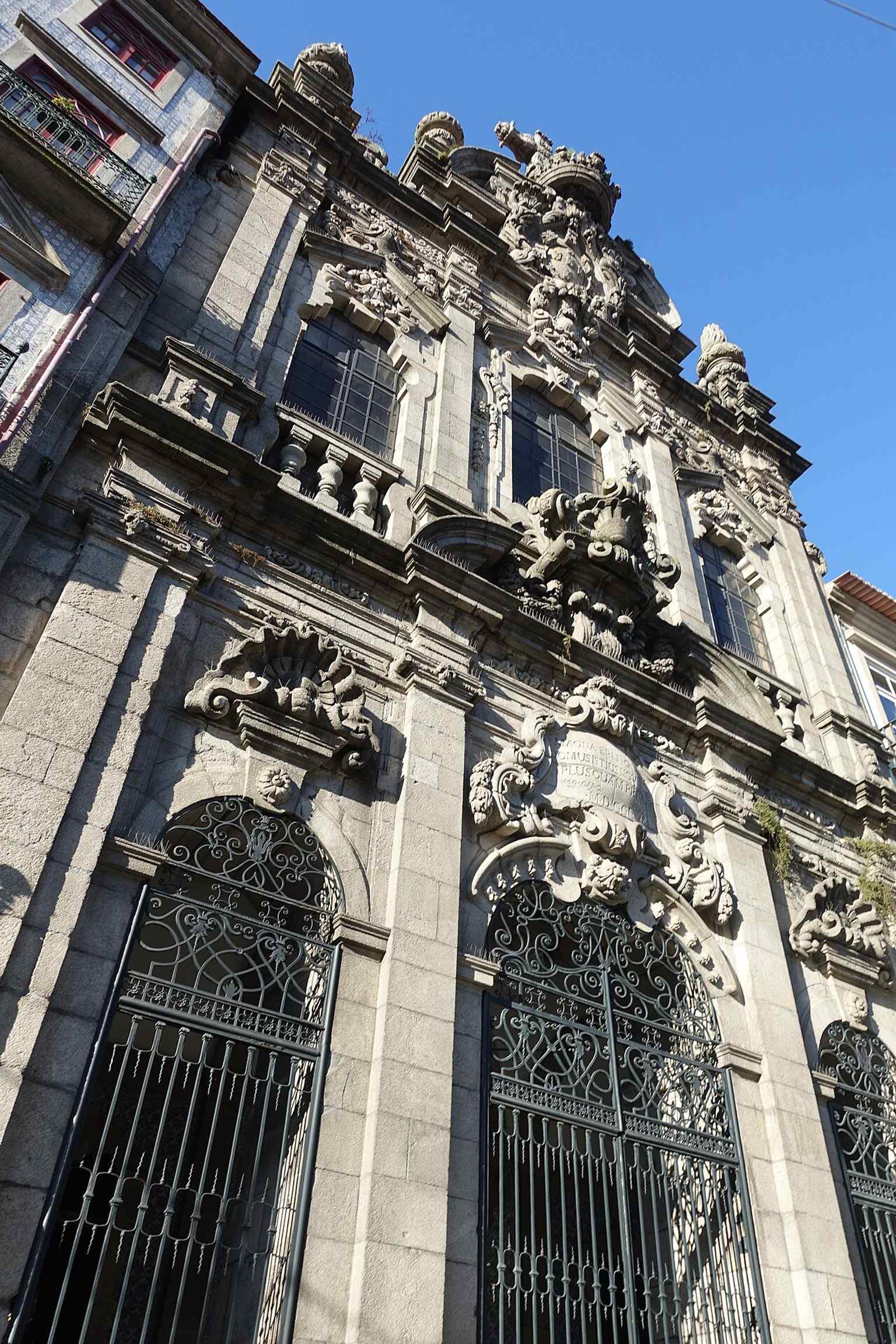
Look for a pale granite façade arranged like a stone stage set, with three open arches at ground level, wavy-framed windows above, and a carved cross perched on a richly broken pediment.
This church tells a useful truth about charity: it rarely runs on pure feeling alone. In Porto, religious brotherhoods and charitable orders cared for the sick, buried the dead, supported the poor, and helped keep social life in order. They prayed, certainly, but they also kept accounts, hired craftsmen, managed property, and negotiated influence. Mercy here had ledgers as well as hymns.
The Santa Casa da Misericórdia do Porto took shape in the late fifteen hundreds. In fourteen ninety-nine, King Dom Manuel the First urged Porto’s leading citizens to found a brotherhood like the one in Lisbon, and by fifteen oh two the institution was in place. At first it lived beside the cathedral, in the old cloister of the Sé, which reminds you how closely charity and church authority sat together on Porto’s sacred high ground. But in fifteen fifty-five the confraternity moved here to Rua das Flores, following the city’s flow of people, business, and need.
They began the church that same year, and blessed it in December of fifteen fifty-nine, though it was still unfinished. That unfinished state matters. The most generous version of the story says pious citizens built a noble church for good works. The fuller version names the machinery underneath. Dom Lopo de Almeida made the chancel possible with his patronage. Stone came from the quarry at Monte de Mijavelhas. Father Gonçalo Vieira supervised the work. And when costs began to swell, the building stalled more than once. So even this house of mercy depended on money, extraction, oversight, and a donor with deep pockets. Dom Lopo still rests here.
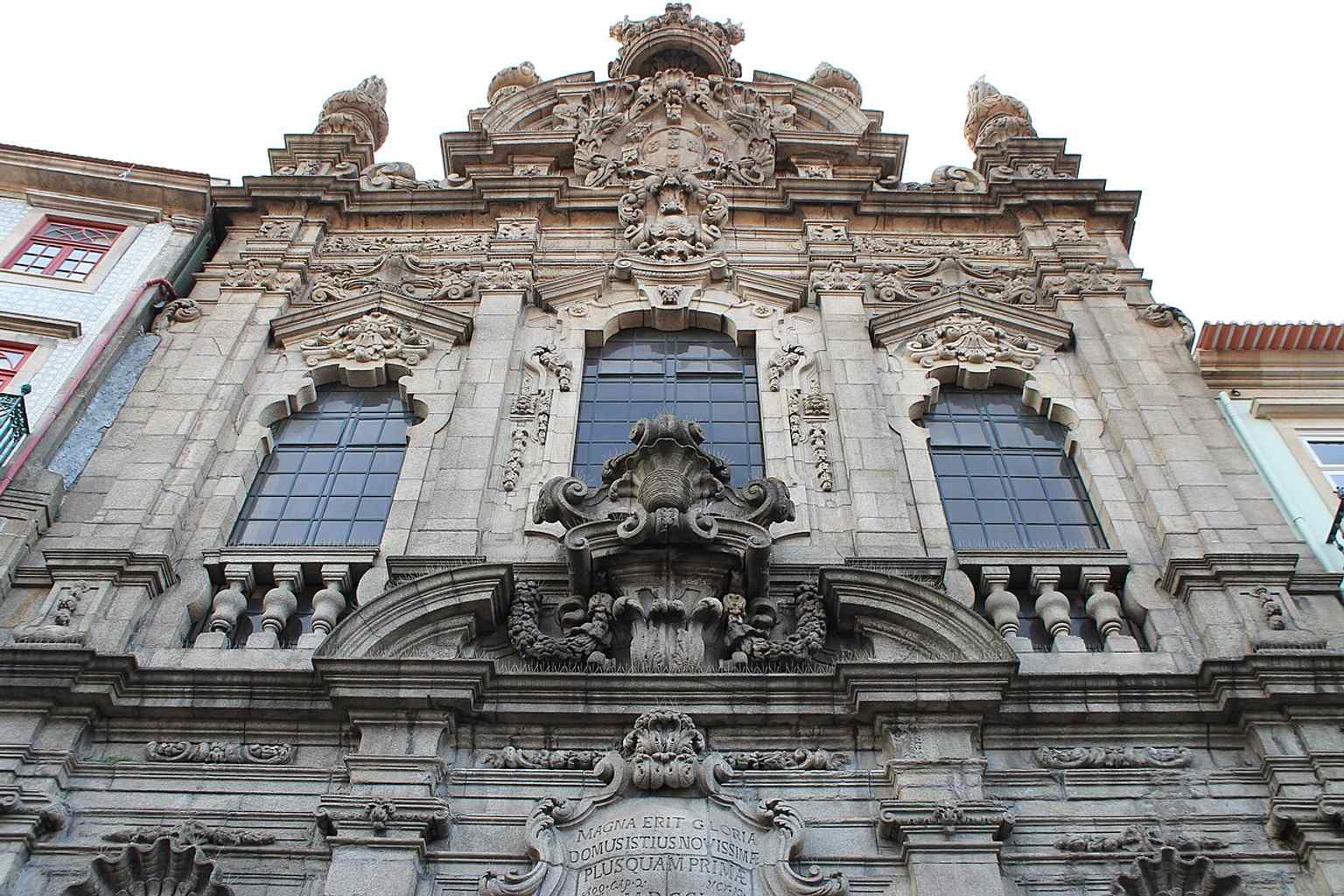
If you glance at the image on your screen, you can see how theatrical the frontage is, almost too large for the narrow street that contains it. That drama, though, came later. In April of sixteen twenty-one, lightning struck and destroyed the original façade. The chancel, the space around the main altar, survived as the great witness from the first church. A few years later, workers lined the interior with tiles from Lisbon, though only fragments of those early tiles remain in sheltered places.
Even the music refused to stay perfect. Salvador Rebelo built an organ in fifteen ninety-seven. By sixteen oh two it was already damaged and out of tune, and he had to repair it and promise yearly tuning. In seventeen thirty-two the brotherhood gave up and ordered a new small organ for the choir from Frei Manuel de São Bento for two hundred and eighty thousand réis, a sum that would amount to many tens of thousands of euros in modern terms.
Then came another crisis. By seventeen forty, the structure looked unsafe enough that the Misericórdia called in experts, including Nicolau Nasoni. He offered several designs. The brotherhood chose the simplest, which in Porto often still means magnificently elaborate. Reconstruction began in seventeen forty-eight, and the nave, the central hall of the church, kept changing until seventeen seventy-nine. What looks complete from the street is really the result of damage, delay, revision, and persistence.
That pattern did not end with the eighteenth century. This building served as the institution’s headquarters until two thousand and thirteen, and since two thousand and fifteen visitors have entered it as part of the Museum of Mercy of Porto. If you look at the second image, you are seeing not just a church, but a repaired idea: devotion turned into administration, then into heritage.
Porto’s religious institutions did not merely comfort the city; they commissioned some of its boldest stone performances. Our next stop, Clérigos Church, lies about eight minutes away, and it takes that ambition to a rather grander scale. If you plan to come back inside here later, the church is generally open every day from ten in the morning until half past six.