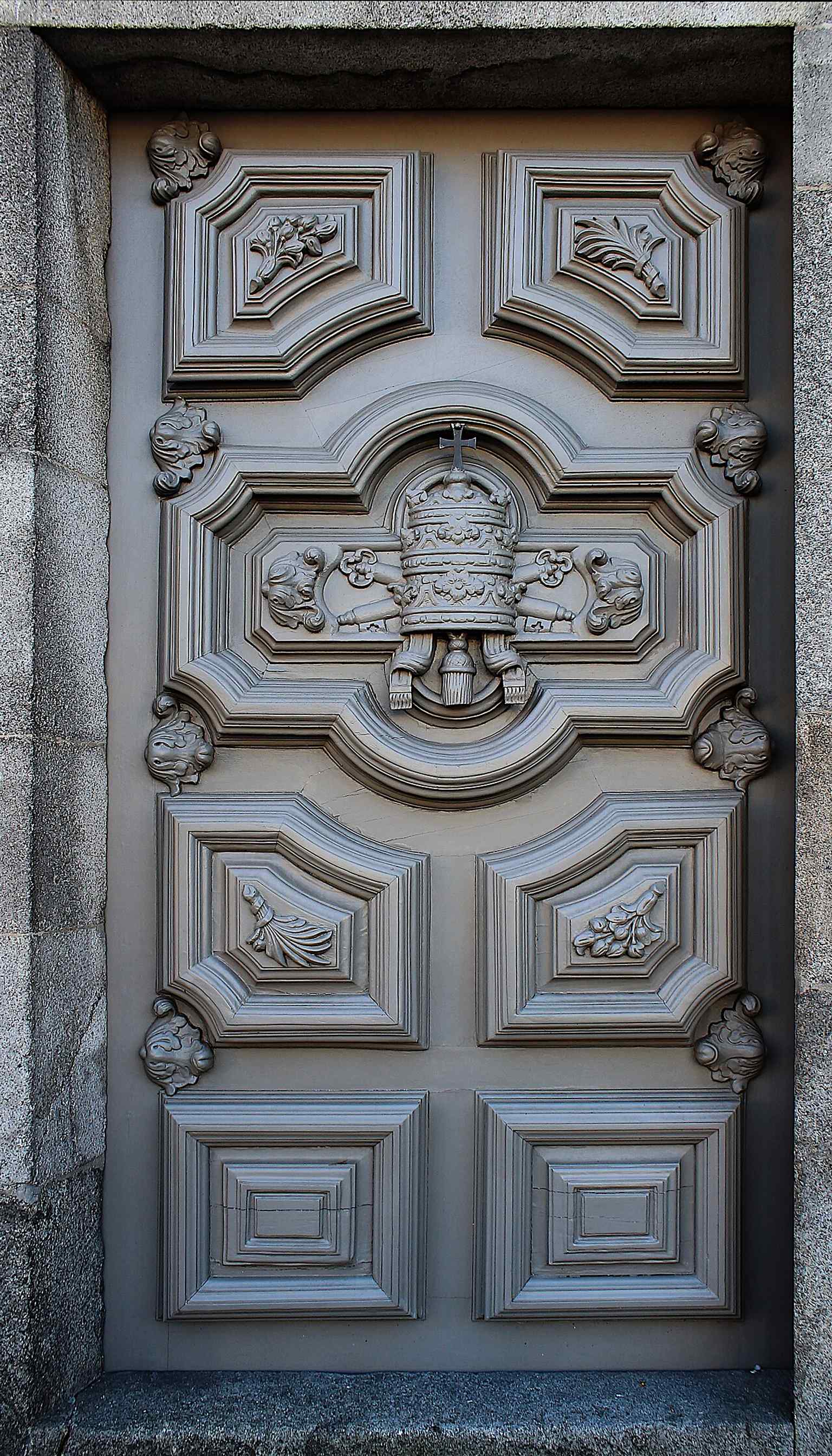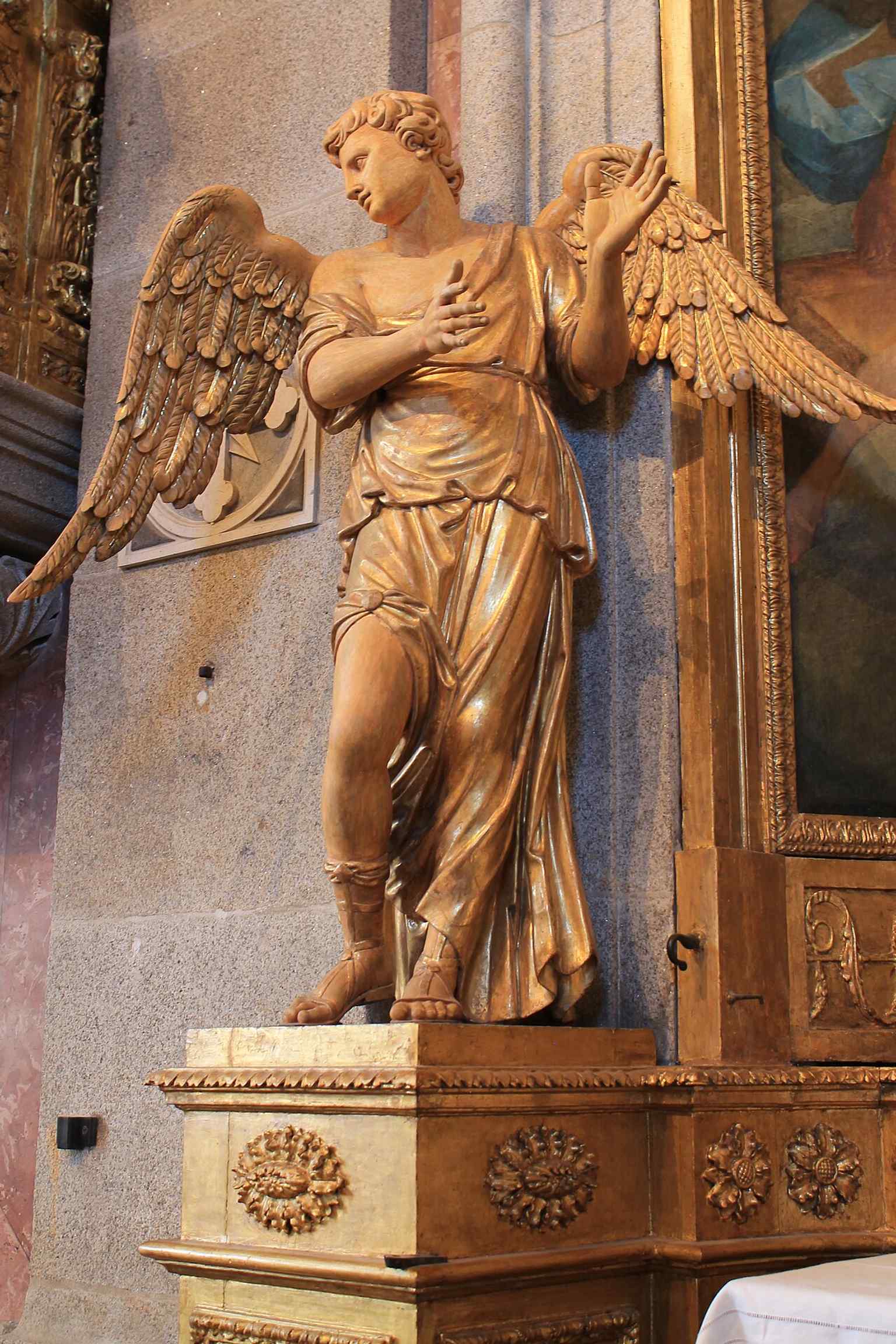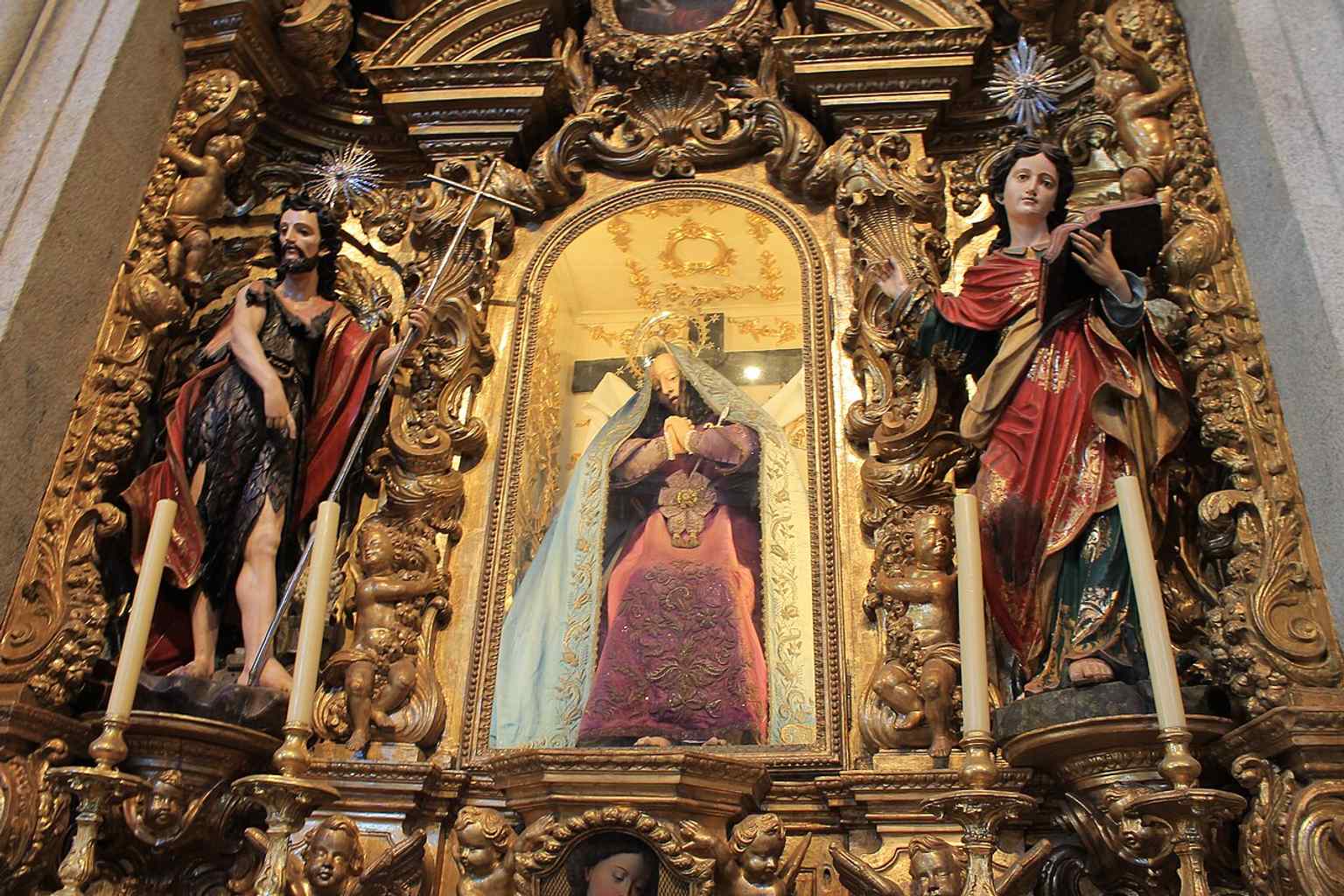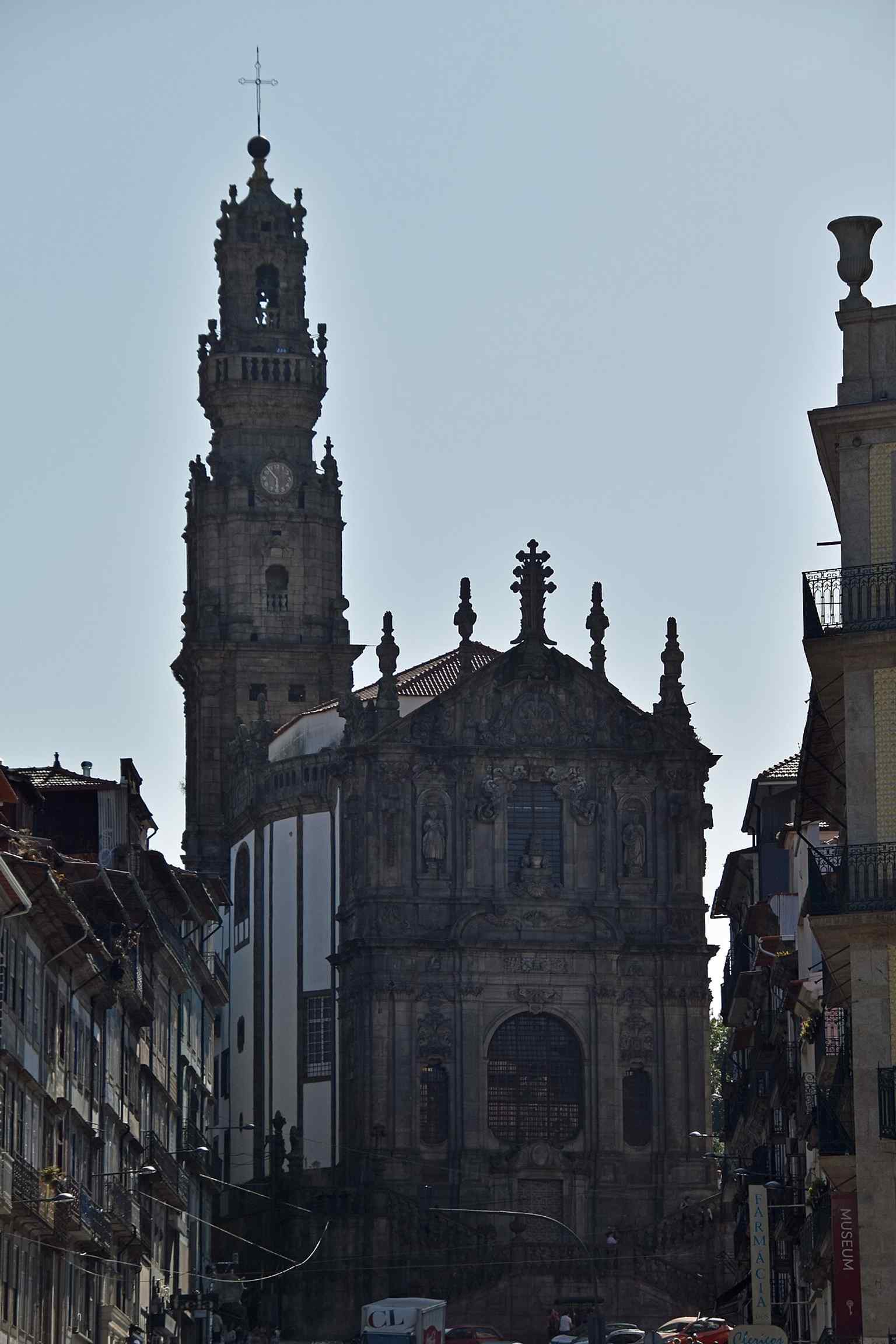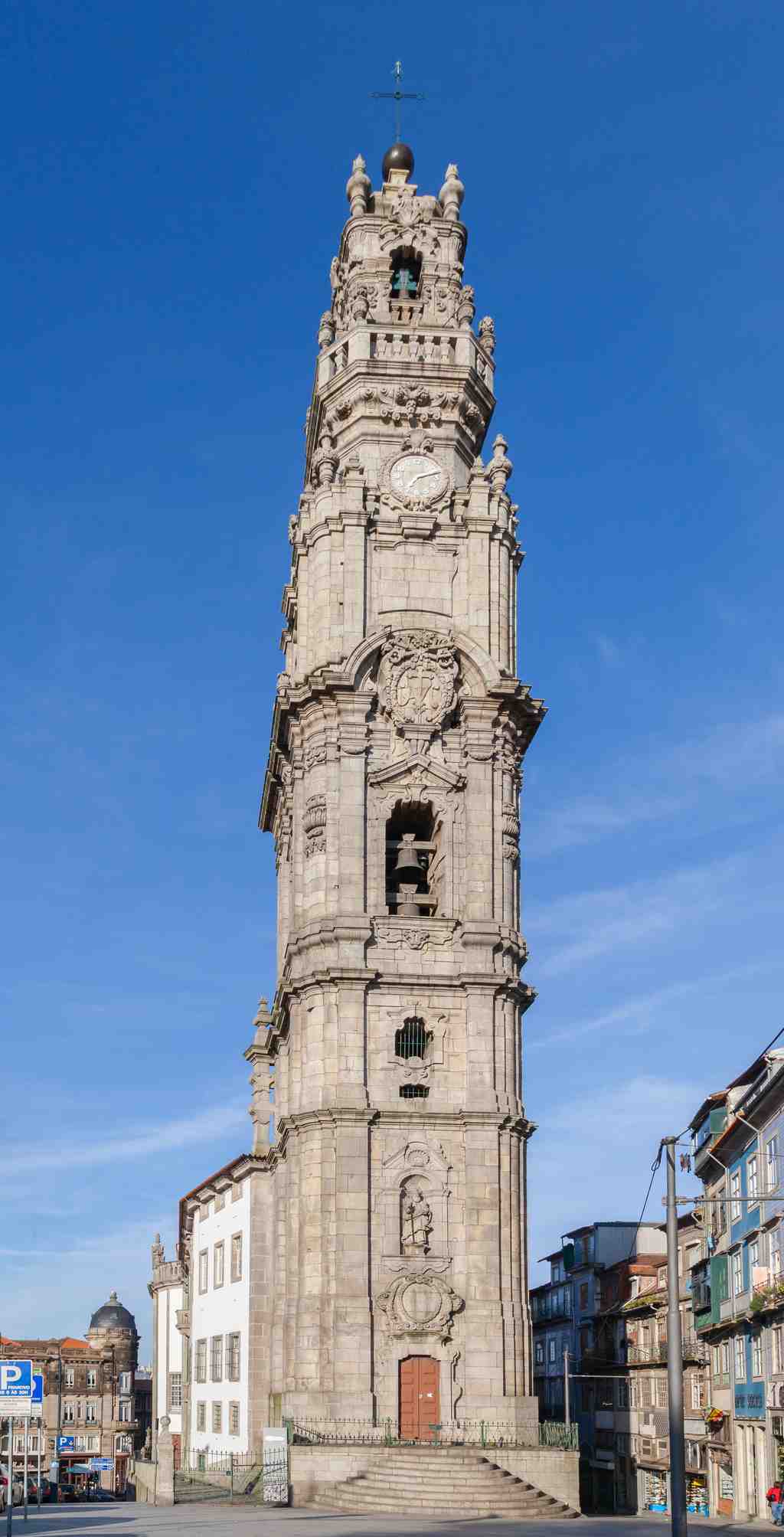
On your right, look for a pale granite Baroque façade shaped in rippling curves, crowned by a broken pediment and thick with carved shells and garlands.
At first glance, Clérigos feels triumphant, almost theatrical, as if Porto wanted to turn stone into music. But this ground began with a far darker reputation. People once called it the Hill of the Hanged Men. Outside the old city walls, this was a place linked to execution and the burial of criminals, land others preferred not to claim. Then the Brotherhood of the Clérigos, a religious brotherhood of priests, took this stained plot and chose to raise a church here instead. That is the twist in the stone before you: a site marked by disgrace became one of the city’s proudest declarations of faith.
The man who drove that transformation was Nicolau Nasoni, the Italian architect who left his mark all over Porto. Here, though, he seems to have crossed from professional ambition into something closer to devotion. He began work in seventeen thirty-two and finished the church in seventeen fifty. Then came the tower and the great divided stairway, completed in seventeen sixty-three. Nasoni reportedly refused payment for his design and asked instead to join the brotherhood as a poor brother. They accepted him. He gave decades of his life to this place, and in return it became his masterpiece.
Pause a moment and lift your eyes. Notice how boldly this church presents itself. A building raised on ground of burial and punishment does not hide; it rises, ornaments itself, and tells the whole city to look. The façade borrows from Roman Baroque, that energetic style full of movement and drama. You can pick out symbols of worship above the windows, even an incense boat, the little vessel used to carry grains of incense for church ritual. If you open the image on your screen, the full arrangement of façade and tower makes that ambition wonderfully clear.
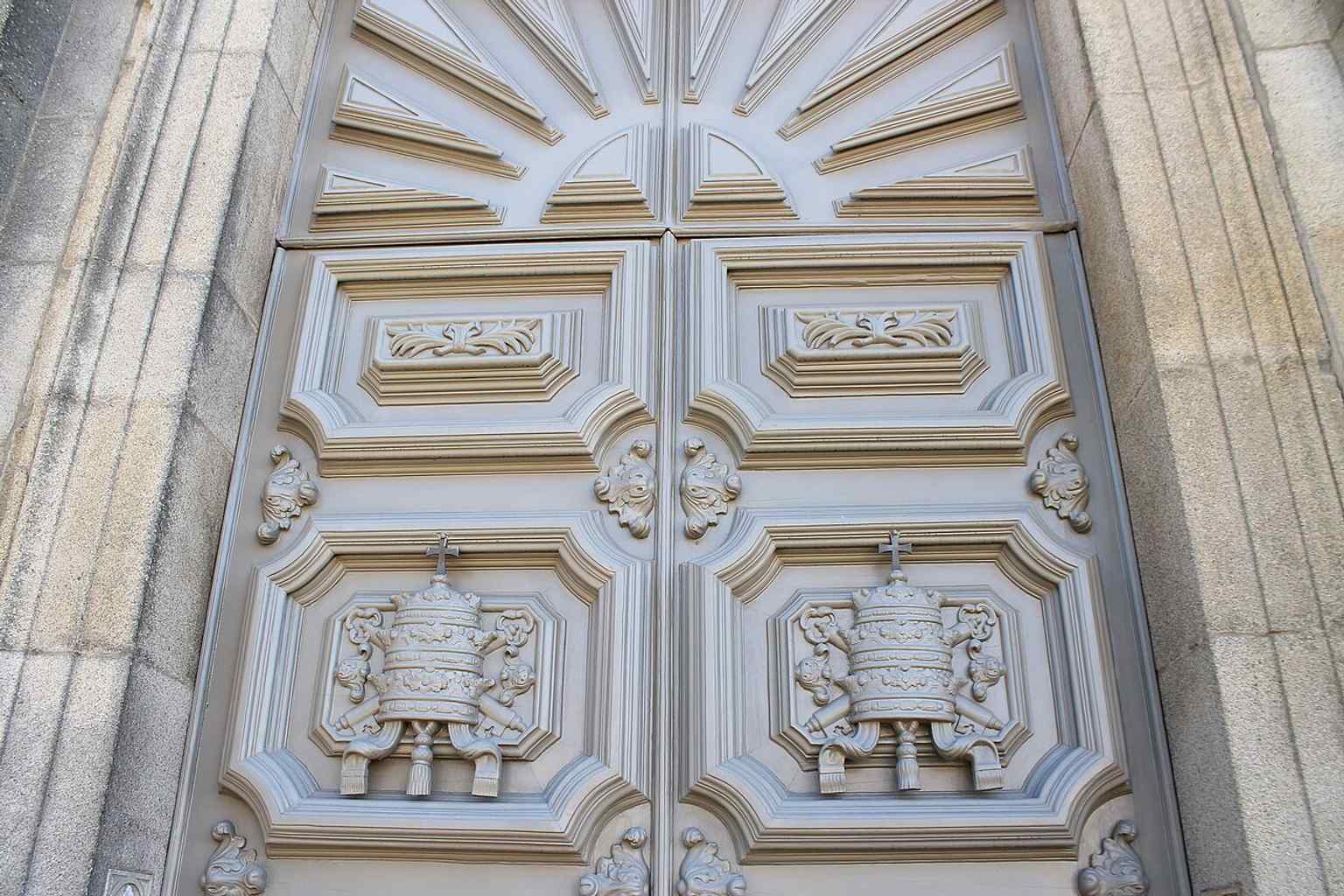
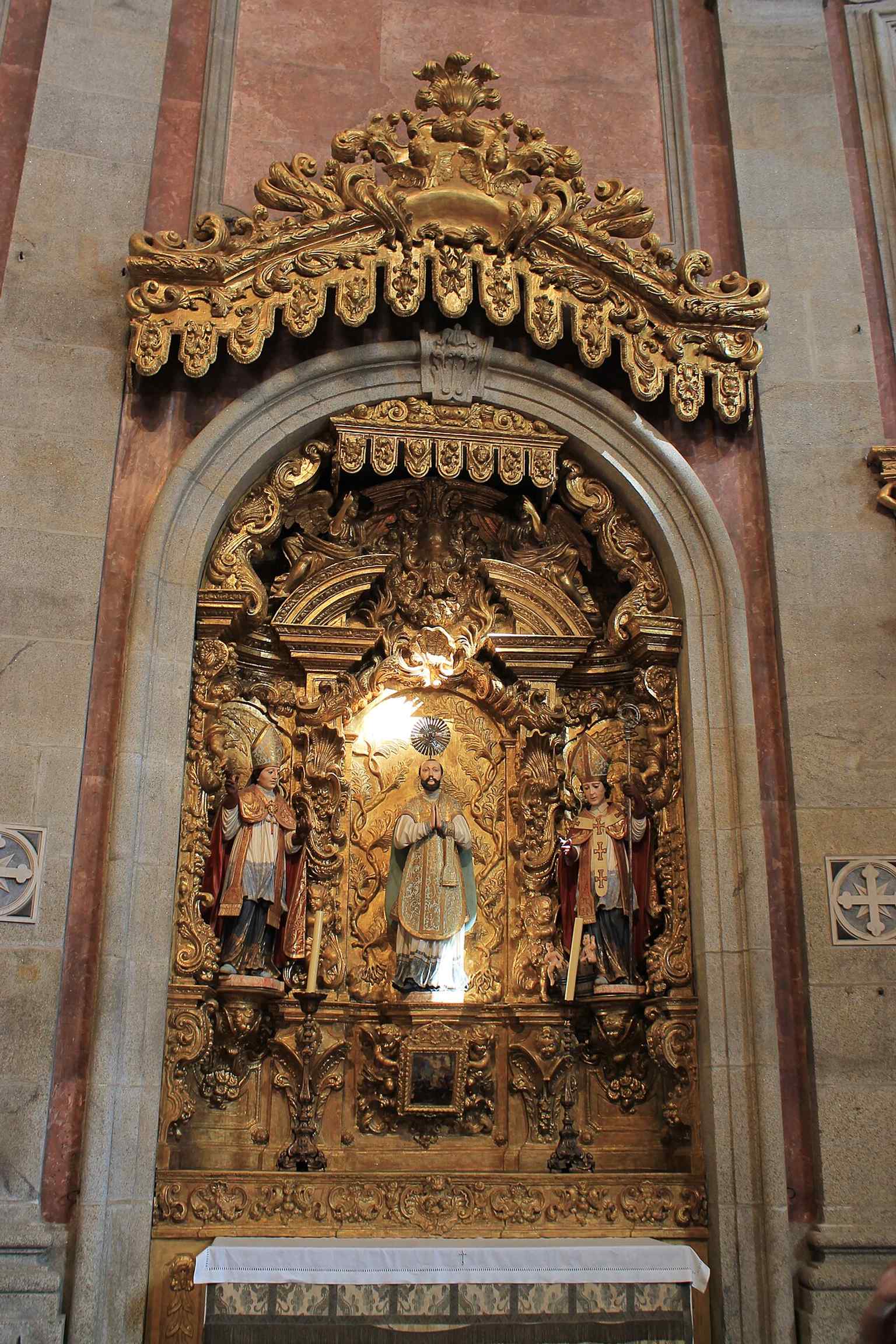
There is another surprise here. This church was among the first in Portugal to use an almost elliptical floor plan, so the main body curves rather than sitting in a simple rectangle. Inside, the high altar gleams with polychromed marble, meaning marble in several colours, shaped by Manuel dos Santos Porto.
And above it all, the tower became far more than a bell tower. Merchants watched it for signals. A mortar fired from it marked noon. Flags told traders when the Royal Mail steamship approached. During the Napoleonic invasions, soldiers used it as an observation post, and French occupation left scars that later restorers had to heal.
So hold both ideas together: the tower visible above your head, and somewhere below, the place where Nasoni hoped to be buried. In a moment, we will walk on to Clérigos Church and Tower, about one minute away, and follow that question upward and downward at once. If you plan to go inside later, the church is generally open daily from nine in the morning until seven in the evening.