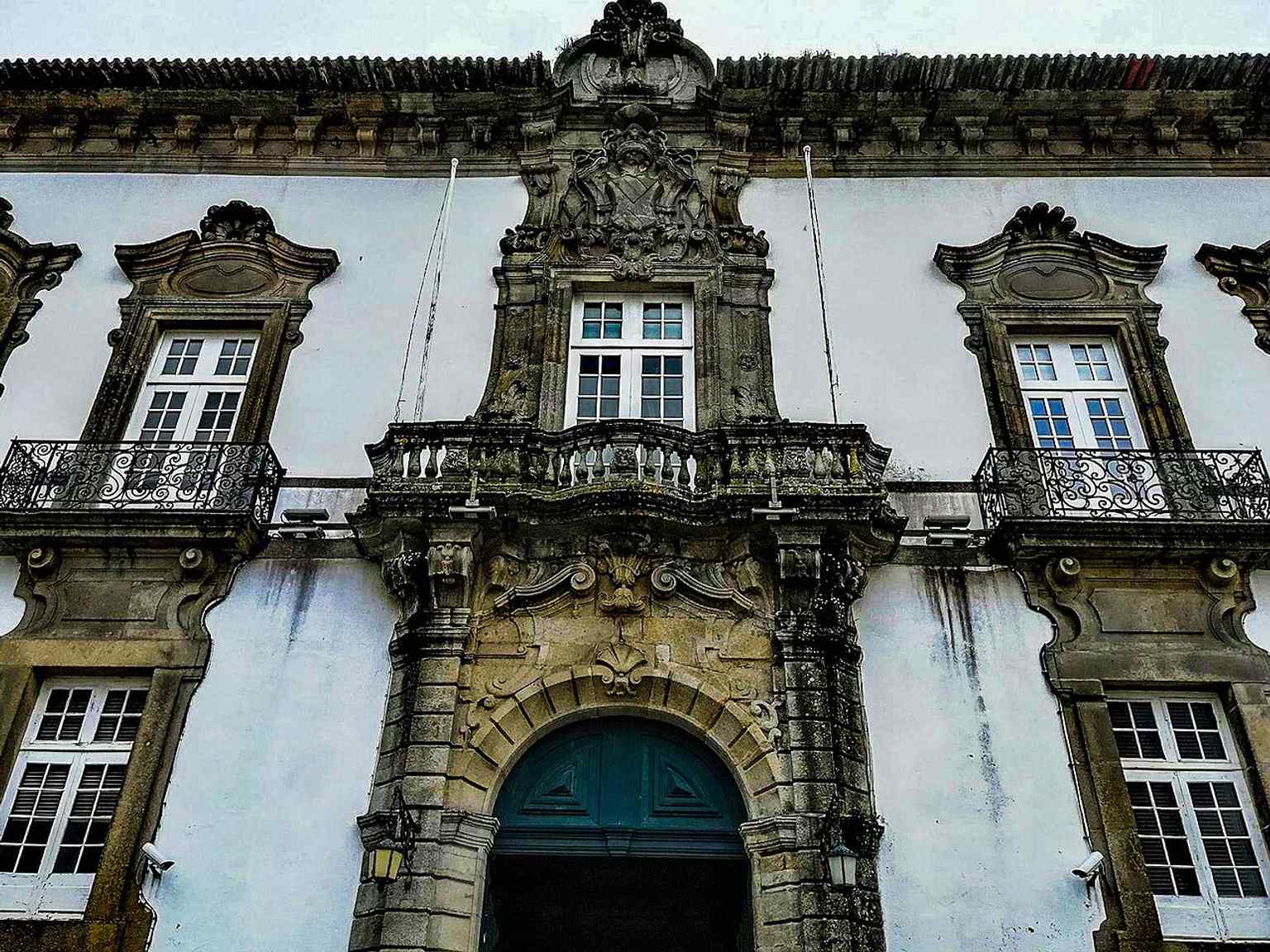
On your right stands a long pale-granite palace, broad and symmetrical, with rows of tall Baroque windows and a carved stone coat of arms fixed above the central doorway.
This is the Episcopal Palace of Porto, and it turns authority into architecture. Here on cathedral hill, episcopal authority meant the power of the bishop not only to lead worship, but to shape the city below through property, politics, and influence. From this height, the bishops watched more than rooftops; they watched trade, law, alliances, and trouble.
The palace you see is not the first residence on this spot. A medieval bishop’s palace once stood here, very different in character, more like a fortified stronghold with towers. In thirteen eighty-seven, that older palace hosted the wedding of King João the First and Philippa of Lancaster, the marriage that sealed the long Luso-British alliance. Then Bishop Dom Frei João Rafael de Mendonça made a severe choice: he ordered the old palace demolished and commissioned a new one grand enough for the eighteenth century. In doing so, he swept away centuries of medieval memory. Only small traces survived, including a Romanesque slit window - a very narrow medieval opening - near the main entrance.
The new palace promised unity and grandeur, though history rarely grants either for long. Nicolau Nasoni, the Italian architect who left such a strong mark on Porto, drew the design in seventeen thirty-four. But Miguel Francisco da Silva directed the building work from seventeen thirty-seven, and the long construction drifted through delays, revisions, simplifications, and hurried finishes. That is why the palace feels both majestic and slightly unsettled, as if several ambitions are living in the same stone. If you glance at the image on your screen, you can pick out that ceremonial center line with the doorway, the grand window, and the coat of arms rising above it.
Then came the shocks. During the French invasions, in eighteen oh eight, Bishop Dom António de São José de Castro turned this residence into the headquarters of the provisional government of the kingdom and declared Portuguese authority restored against General Junot. A bishop’s home became a wartime command post. A few decades later, during the Siege of Porto in eighteen thirty-two and eighteen thirty-three, bombardment damaged the still unfinished building so badly that it sank into serious decay until major repairs revived it in the later nineteenth century.
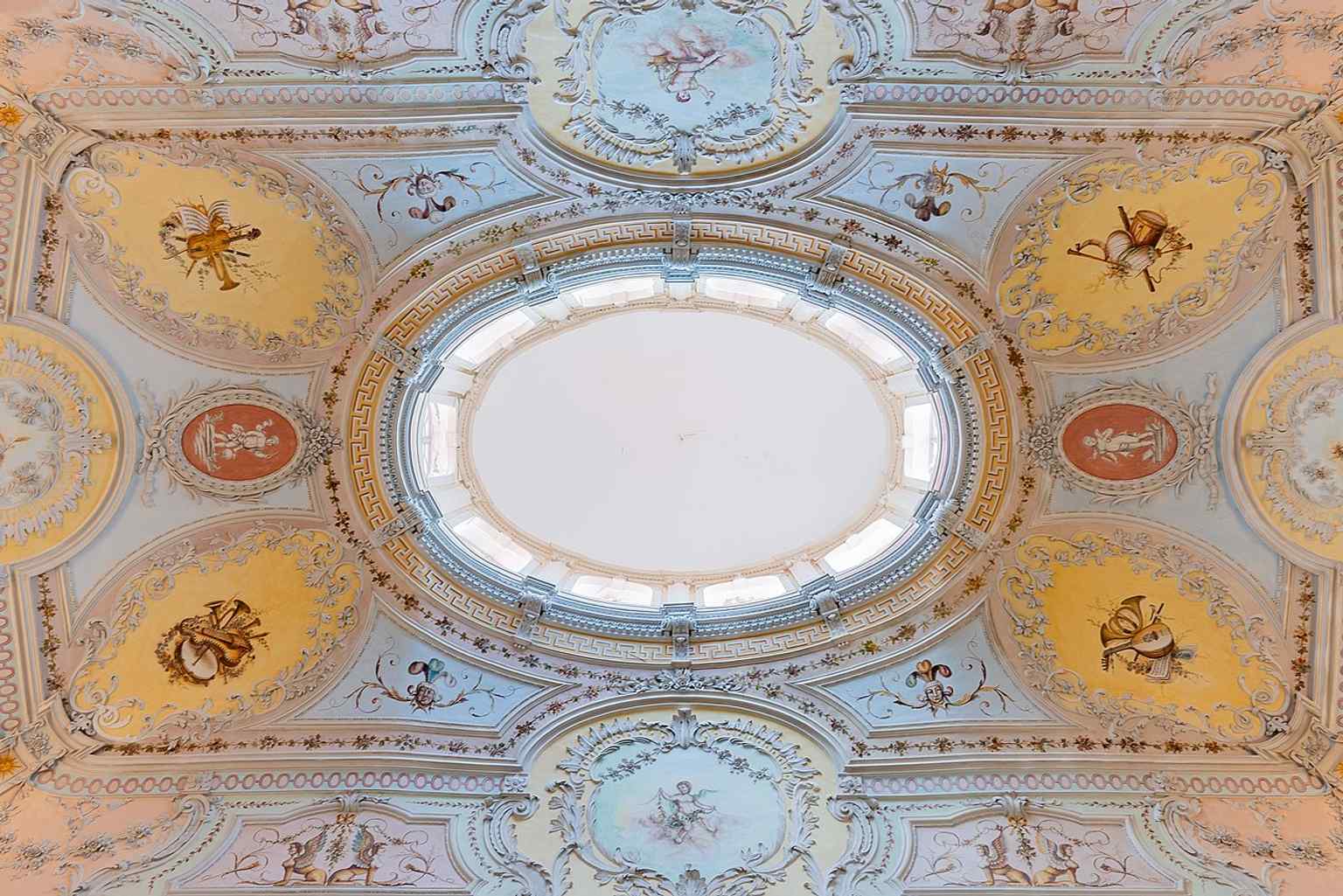
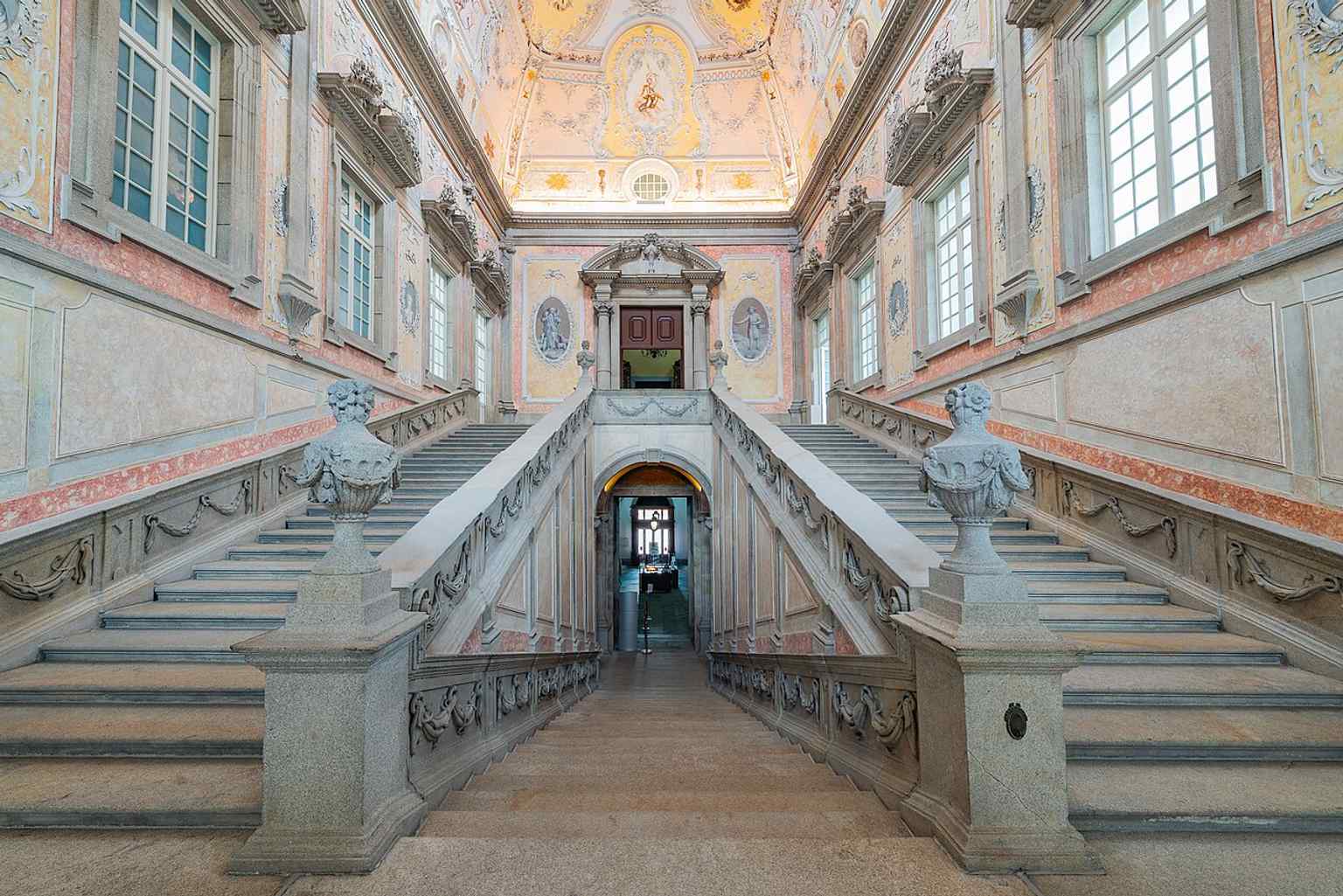
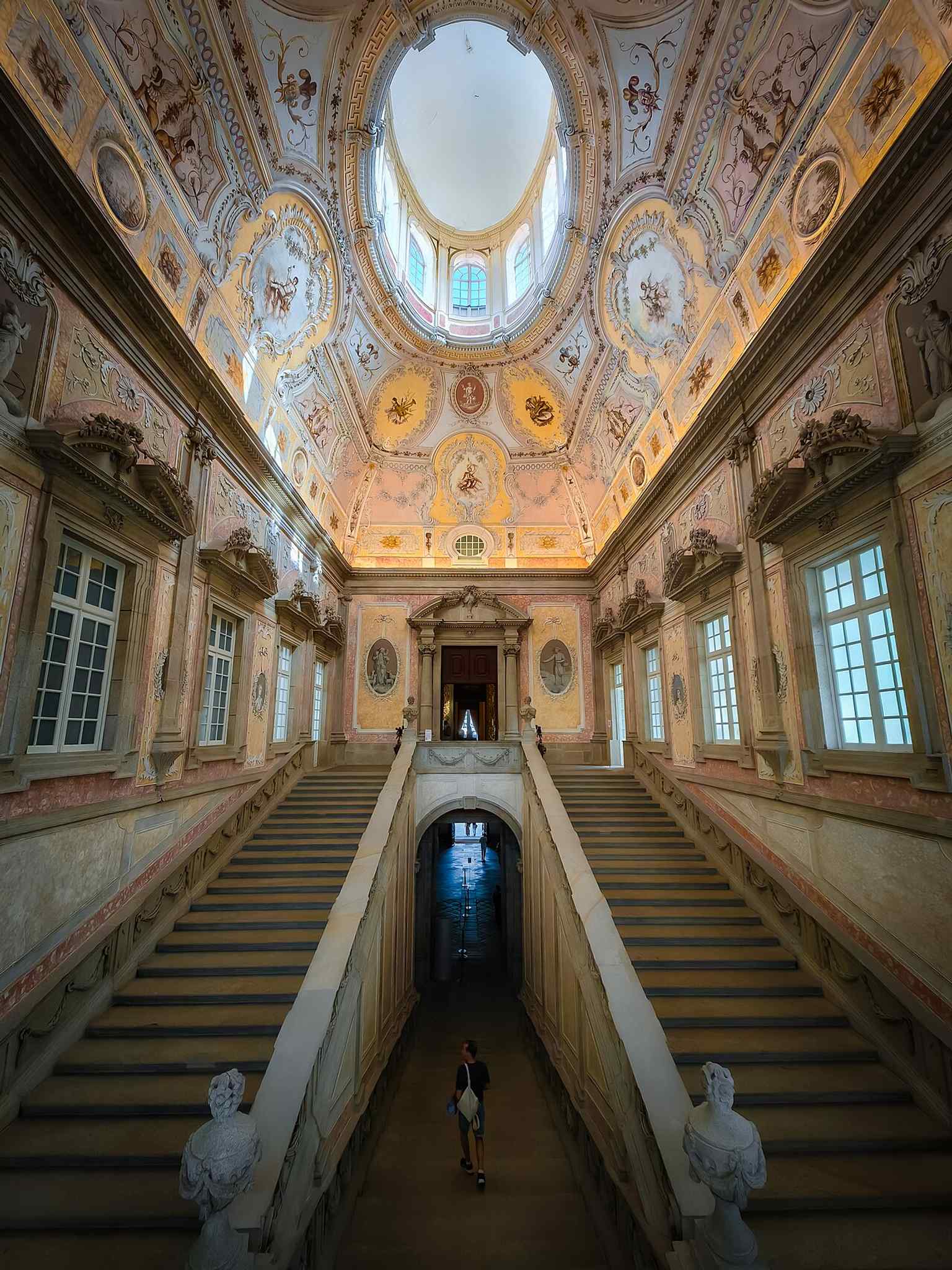
Its role changed again after the Republic arrived in nineteen ten. The new state nationalised Church property and expelled the bishops from their residence. From nineteen sixteen to nineteen fifty-six, Porto’s city council worked here instead. If you look at one of the interior images in the app, you can imagine those noble rooms absorbing desks, files, and municipal routine without quite surrendering their old dignity.
One resident lingers here more vividly than most: Bishop Dom António Ferreira Gomes. He lived in this palace and, in nineteen fifty-eight, wrote to Salazar to condemn poverty and the lack of freedom in Portugal. The regime answered bluntly. In nineteen fifty-nine, it barred him from re-entering the country. He spent ten years in exile and returned only in nineteen sixty-nine, after Salazar had fallen from power. So this palace did not simply shelter authority; at times, it challenged it.
Today it is a National Monument, protected since nineteen ten, restored, and owned by the state. But our next stop draws the story tighter. After this wide, commanding residence, we go to a tower: smaller, older, and rather more elusive, the Tower of Dom Pedro Pitões, about one minute away. If you plan to come inside later, the palace generally opens Monday to Saturday from nine to one thirty and from two to five thirty, and closes on Sunday.