AudaTours logoAudaTours

Stop 11 of 16

Torre dos Clérigos

headphones 04:24 Buy tour to unlock all 18 tracks
Torre dos Clérigos
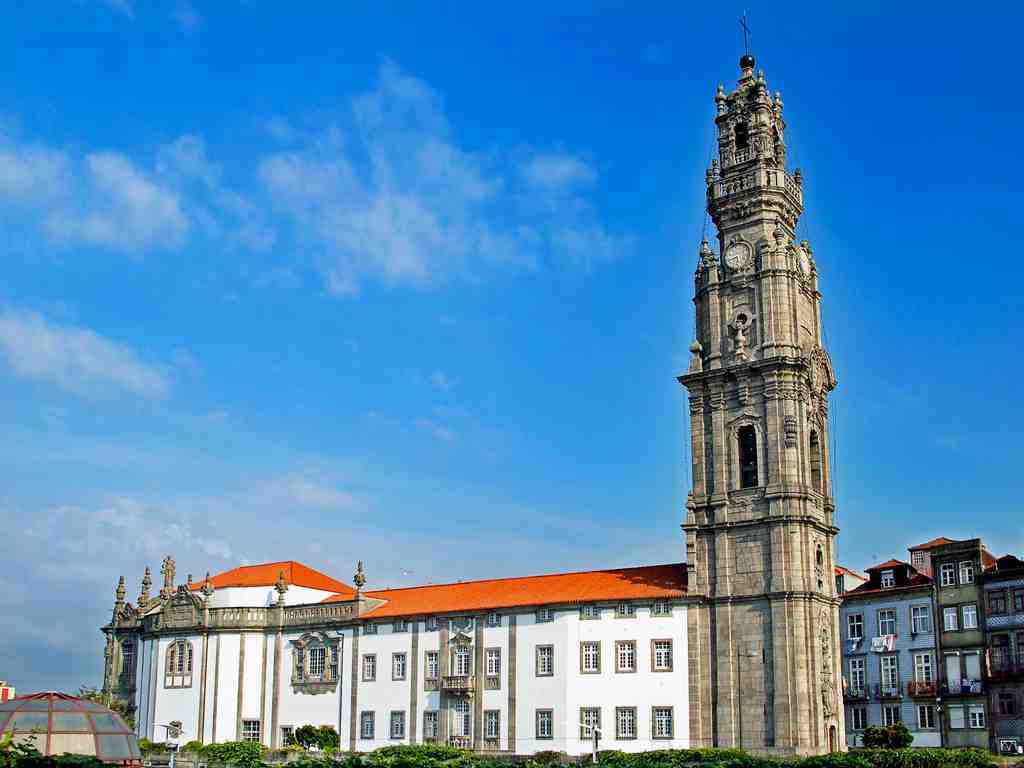
Clérigos Church and Tower
Clérigos Church and TowerPhoto: António Amen, Wikimedia Commons, CC BY-SA 3.0. Cropped & resized.

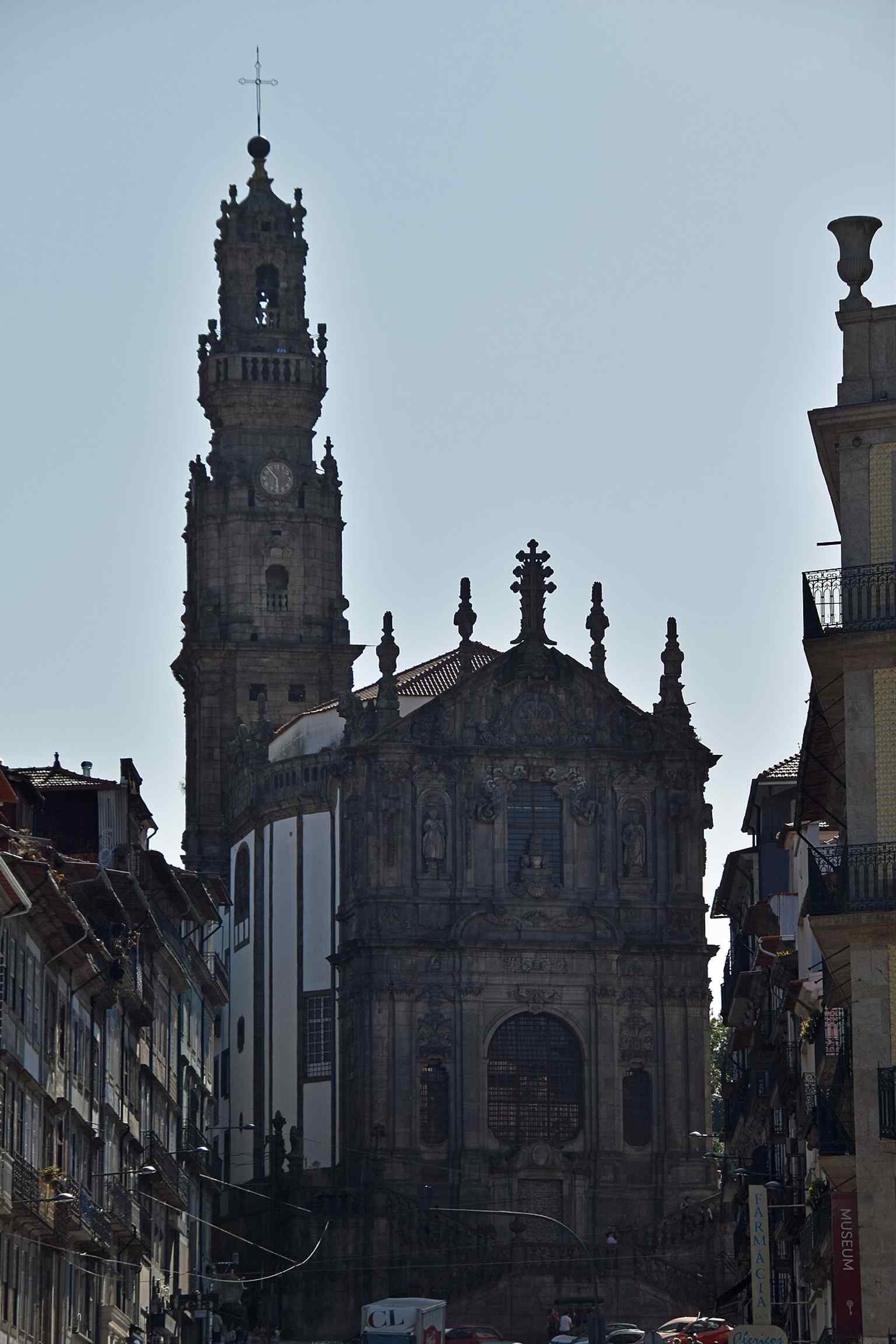
On your right, look for a pale granite church front with rippling curves and, beside it, a very tall six-stage stone tower topped by a daring Baroque crown.

This is the full Clérigos ensemble: church, tower, and the House of the Brotherhood joining them together in one long composition across a difficult slope. Porto has a habit of making power visible from far away, then hiding its uncertainties just beneath the surface. A tower like this can dominate the skyline for centuries, yet the story under the stones may remain disputed, unmarked, even invisible. Here, the city’s public face and its private secrets stand almost shoulder to shoulder.

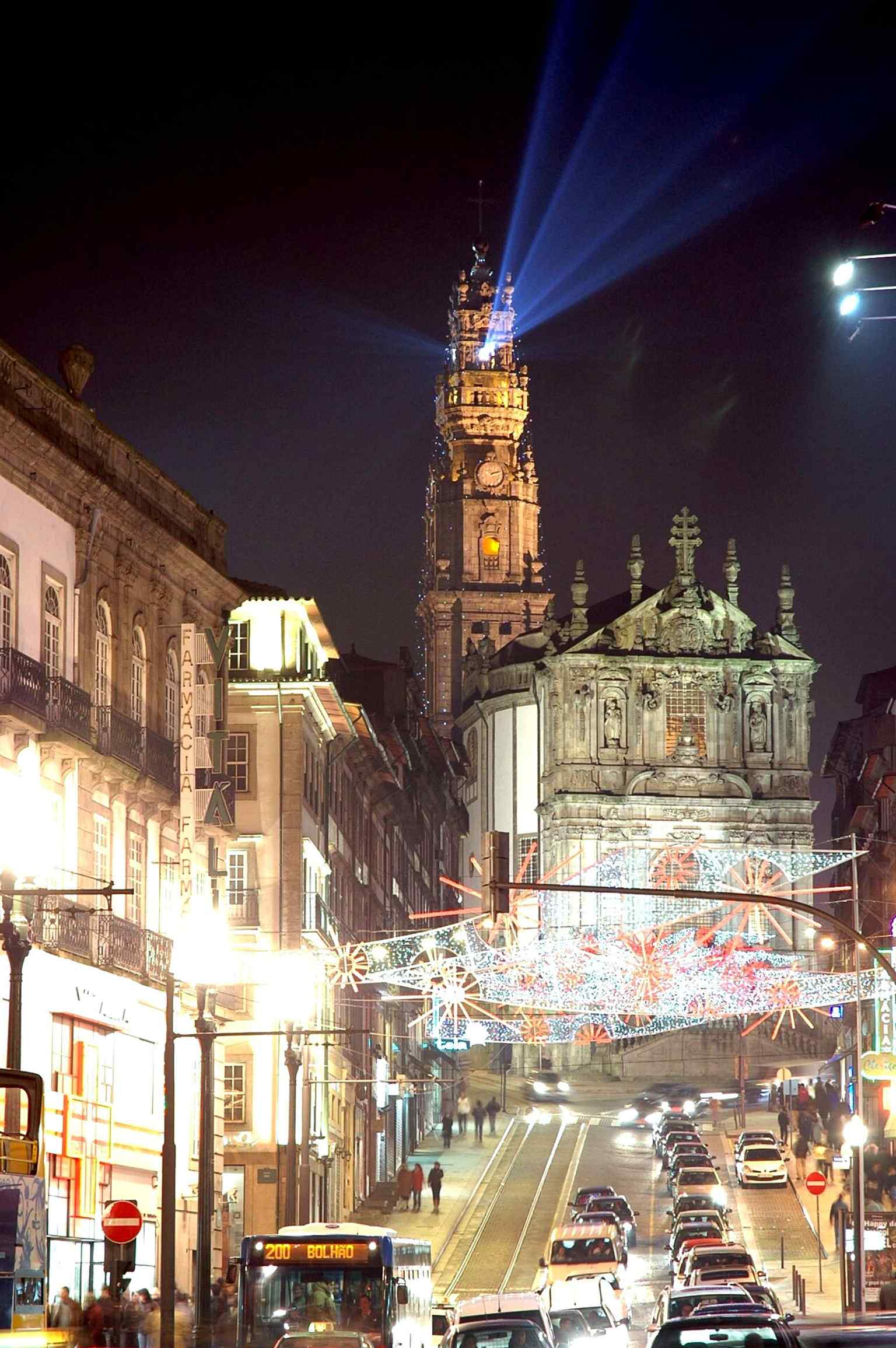
The man at the centre of that tension was Nicolau Nasoni, the Italian architect from Tuscany who came to Porto in the seventeen twenties and gave this hill its most recognisable silhouette. He did not merely design a church. Over more than three decades, he shaped the whole sequence you see here: the church first, from seventeen thirty-two to seventeen forty-nine; then the House of the Brotherhood; then, at last, the tower, completed in seventeen sixty-three. If you glance at the image in the app, you can see how the façade narrows and rises, almost like stage scenery in stone, making the whole church seem taller than it really is. That theatrical quality was entirely deliberate. Nasoni loved movement: curved fronts, swelling and receding surfaces, niches, balconies, broken arches, an almost restless play of shadow across granite. The tower became Porto’s great landmark, seventy-five metres high, with two hundred and twenty-five steps inside, two belfries, and a carillon of forty-nine bells added much later. It served as a bell tower, of course, but also as a signal point for boats on the Douro, a commercial telegraph, even a marker of the hour, once announced by a daily burst of dry gunpowder at noon. Very few buildings here have done so many jobs so publicly.
A clean front view of the church façade, whose narrow, soaring design makes Nasoni’s Baroque composition feel even more monumental.
A clean front view of the church façade, whose narrow, soaring design makes Nasoni’s Baroque composition feel even more monumental.Photo: John Samuel, Wikimedia Commons, CC BY-SA 4.0. Cropped & resized.

And yet the most arresting detail is hidden.

Tradition says Nasoni was buried here as a poor cleric. That alone has a certain sting: the man who gave Porto one of its grandest monuments did not depart as a prince of the arts, but in relative humility. During the major rehabilitation completed in two thousand and fourteen, an electrician unexpectedly uncovered an eighteenth-century crypt. Investigators found twenty-six bodies there, but none could be matched to Nasoni with certainty. So the great irony of Clérigos is this: the architect who made one of the most visible monuments in Portugal may rest somewhere inside it, still without a certain grave.

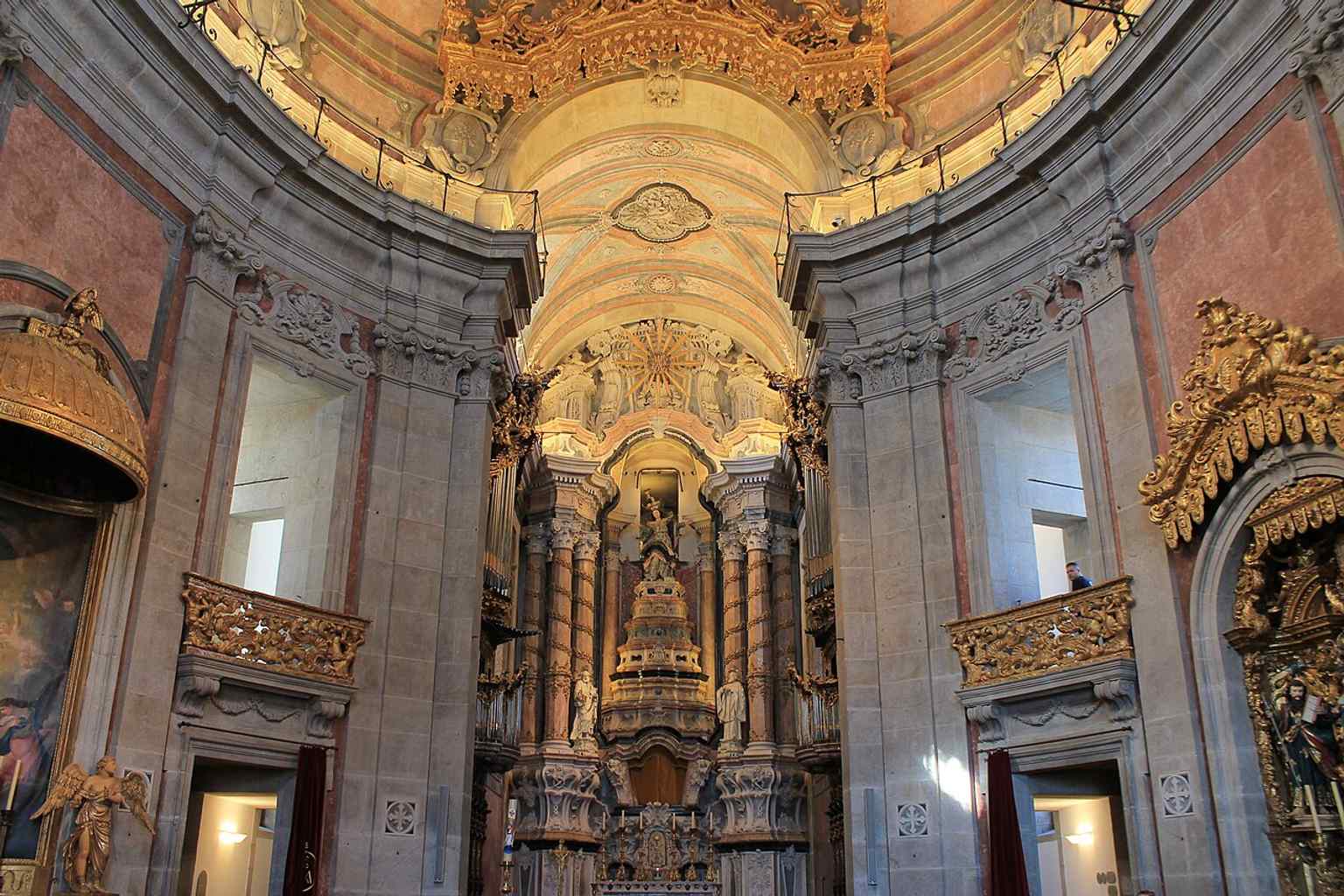
If you open the interior image on your screen, the church’s oval main hall - the nave, the central worship space - gives you a sense of how unusual his thinking was for Porto. Even indoors, he preferred surprise over symmetry.
A wide interior view of the nave, built on an elliptical plan and covered by a dome, one of Nasoni’s most unusual designs in Porto.
A wide interior view of the nave, built on an elliptical plan and covered by a dome, one of Nasoni’s most unusual designs in Porto.Photo: John Samuel, Wikimedia Commons, CC BY-SA 4.0. Cropped & resized.

There is one more shadow beneath the postcard. This ground stood close to the old place of executions and burial for the condemned. So the city’s proud emblem rose from land with a darker memory already attached to it. Porto does that rather well: it never quite erases an older layer; it simply builds above it.

From here, authority changes costume again. We leave the rule of bells and brotherhoods and head toward the University of Porto, where learning takes the high ground in its own way. If you decide to visit inside later, the Clérigos complex generally opens daily from nine in the morning until seven in the evening.
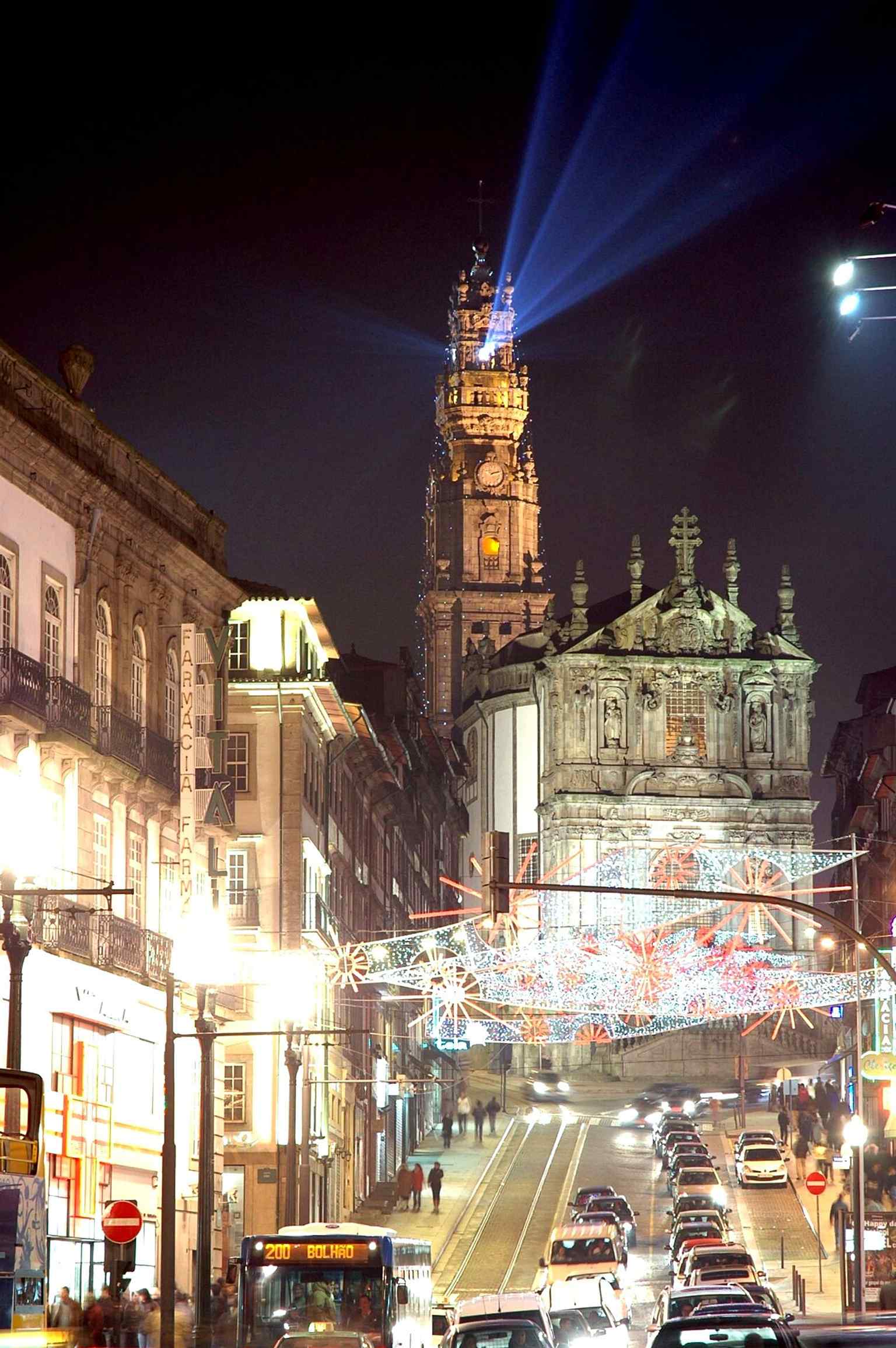
A second exterior angle that shows the church’s granite mass and the steep urban setting that shaped the whole Clérigos complex.
A second exterior angle that shows the church’s granite mass and the steep urban setting that shaped the whole Clérigos complex.Photo: John Samuel, Wikimedia Commons, CC BY-SA 4.0. Cropped & resized.
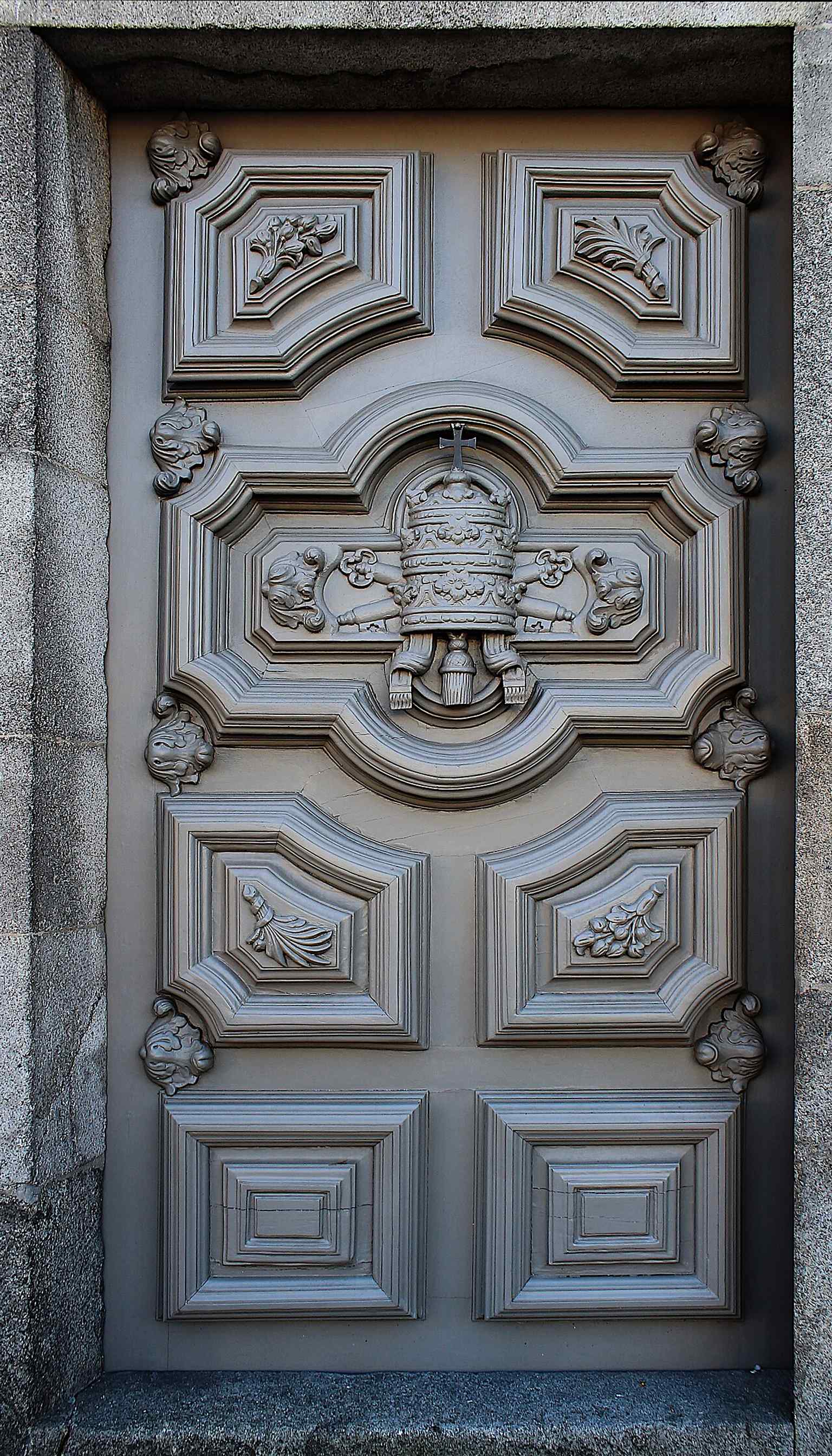
The lateral door of the church — a reminder that the building was designed with layered access points and a highly theatrical façade.
The lateral door of the church — a reminder that the building was designed with layered access points and a highly theatrical façade.Photo: John Samuel, Wikimedia Commons, CC BY-SA 4.0. Cropped & resized.
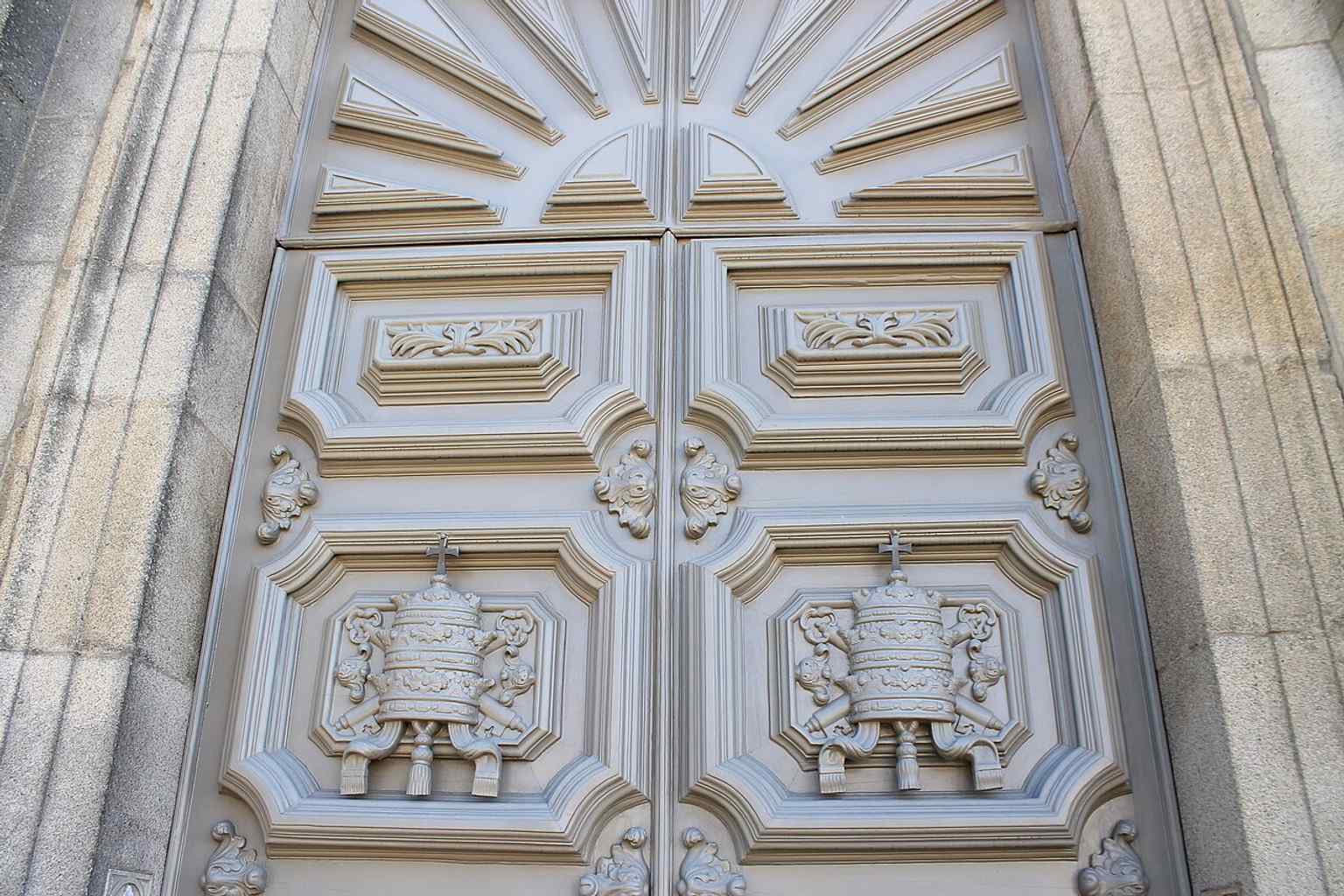
One of the church portals, where the exuberant Baroque ornament contrasts with the more restrained lines of the adjoining Casa da Irmandade.
One of the church portals, where the exuberant Baroque ornament contrasts with the more restrained lines of the adjoining Casa da Irmandade.Photo: John Samuel, Wikimedia Commons, CC BY-SA 4.0. Cropped & resized.
The main altar area, where the marble retable and richly worked sanctuary became the liturgical heart of the church.
The main altar area, where the marble retable and richly worked sanctuary became the liturgical heart of the church.Photo: John Samuel, Wikimedia Commons, CC BY-SA 4.0. Cropped & resized.
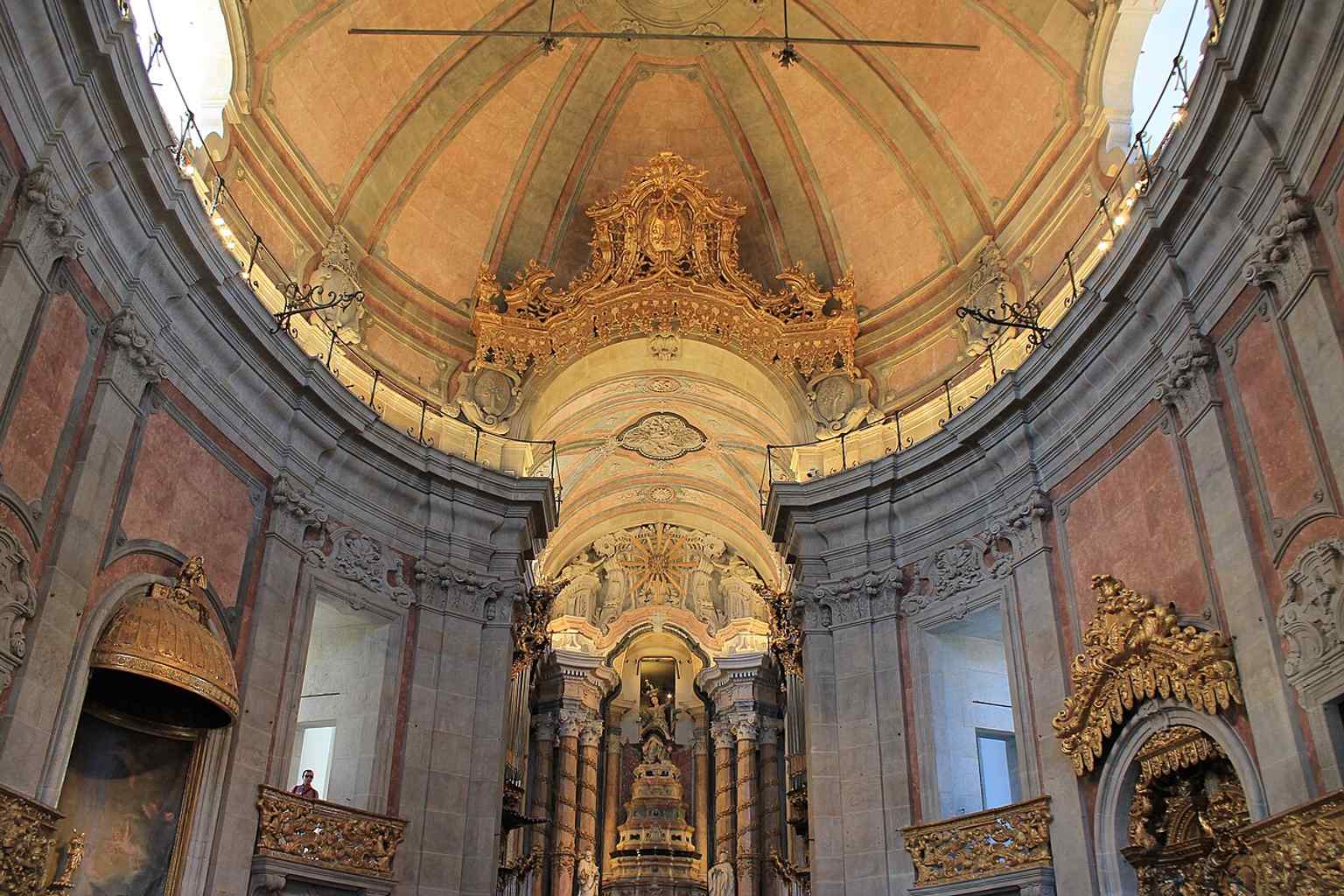
An interior view with the main architectural axis visible, helping tell the story of the church’s long, carefully staged construction.
An interior view with the main architectural axis visible, helping tell the story of the church’s long, carefully staged construction.Photo: John Samuel, Wikimedia Commons, CC BY-SA 4.0. Cropped & resized.
The tower in a contemporary exterior view — the ex-libris of Porto and the final stage of Nasoni’s Clérigos ensemble.
The tower in a contemporary exterior view — the ex-libris of Porto and the final stage of Nasoni’s Clérigos ensemble.Photo: Thomas Dahlstrøm Nielsen, Wikimedia Commons, CC BY 4.0. Cropped & resized.
arrow_back Back to Porto Audio Tour: Echoes of Nobles, Scholars, and Steeples
Loved by travellers

Thousands of tours started.
Plenty of opinions.

4.8 across the App Store and Google Play. Here's a few we keep coming back to.

starstarstarstarstar
This was a solid way to get to know Brighton without feeling like a tourist. The narration had depth and context, but didn't overdo it.
Christoph
Christoph
Brighton Tour
starstarstarstarstar
Started this tour with a croissant in one hand and zero expectations. The app just vibes with you, no pressure, just you, your headphones, and some cool stories.
download Get the app

Pop your headphones in.
Step outside.

Free to download. Tours in every city. Start in 60 seconds — no account, no card.

Download on the App StoreGet it on Google Play
starstarstarstarstar_half
4.8
AudaTours app icon
headphones
~ 4 min until your first tour starts
public
1,000+ cities worldwide
all_inclusive
AudaTours
Unlimited

Every tour. Every city. One subscription.

3101 tours2271 cities138 countries50+ languages