
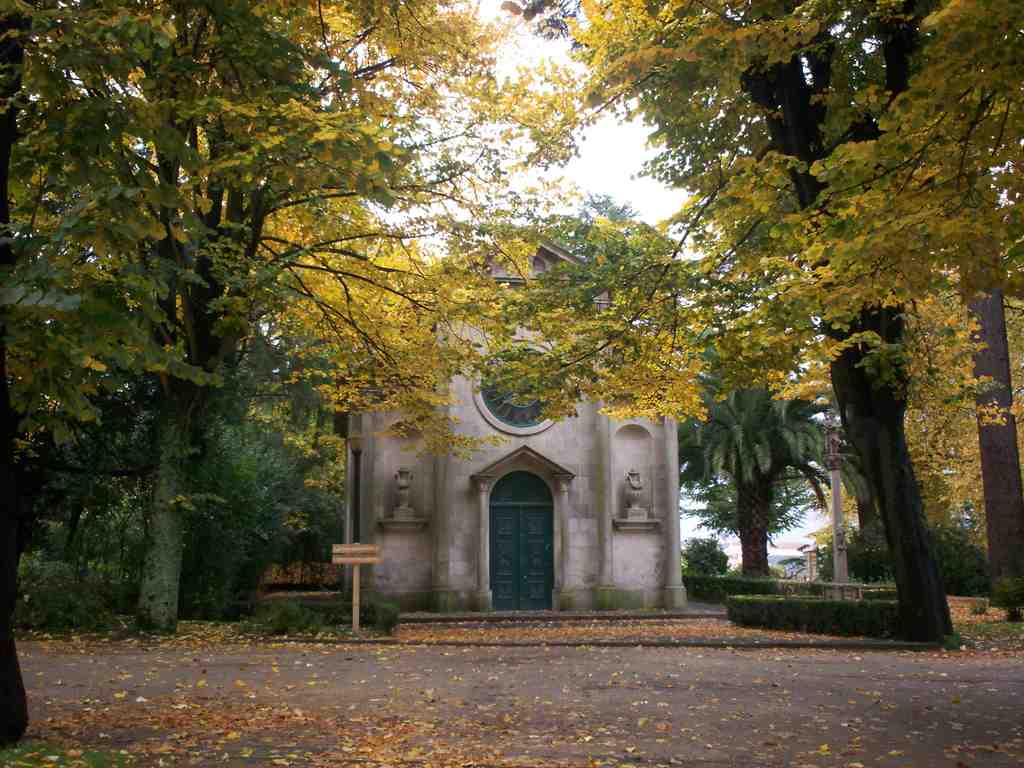
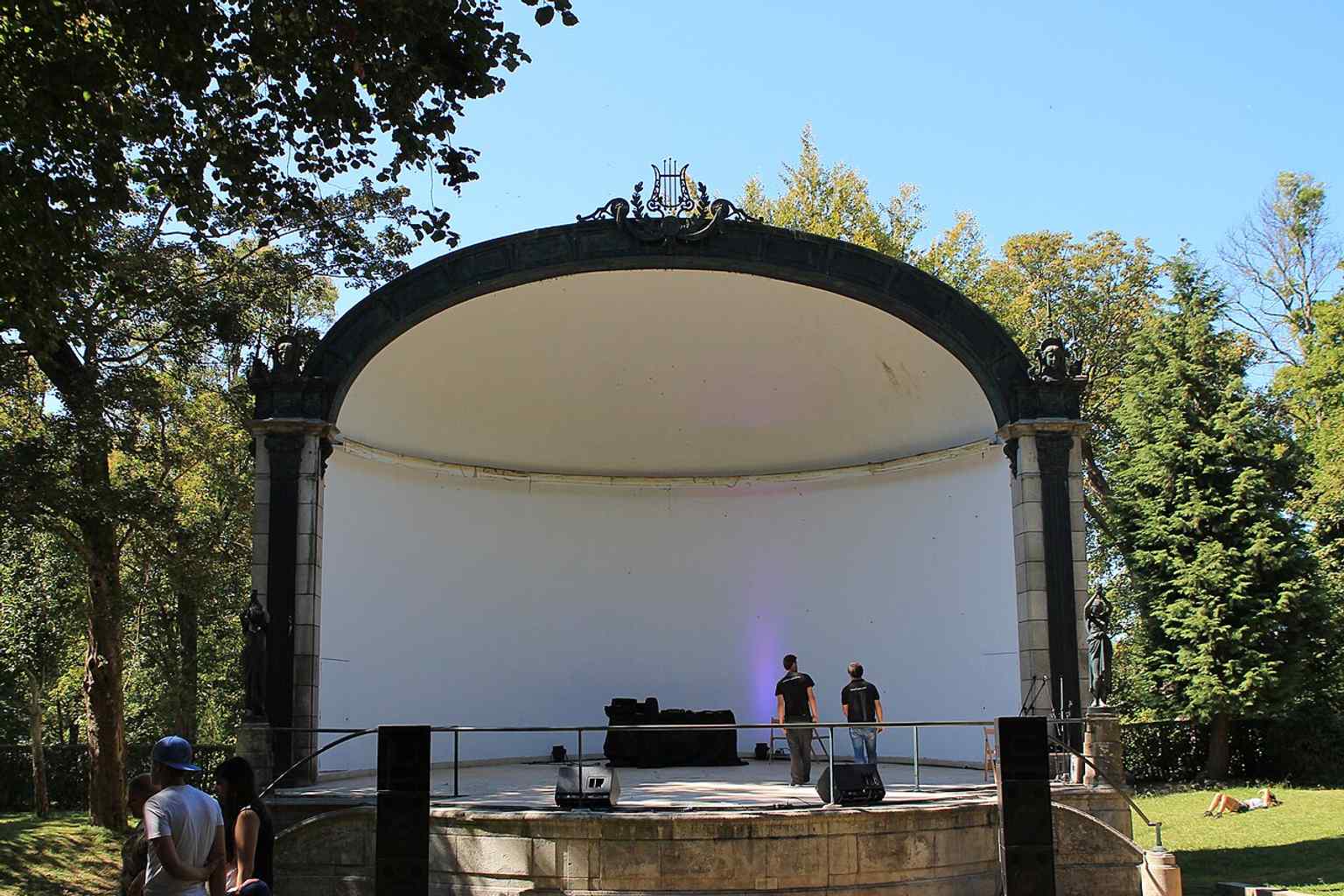
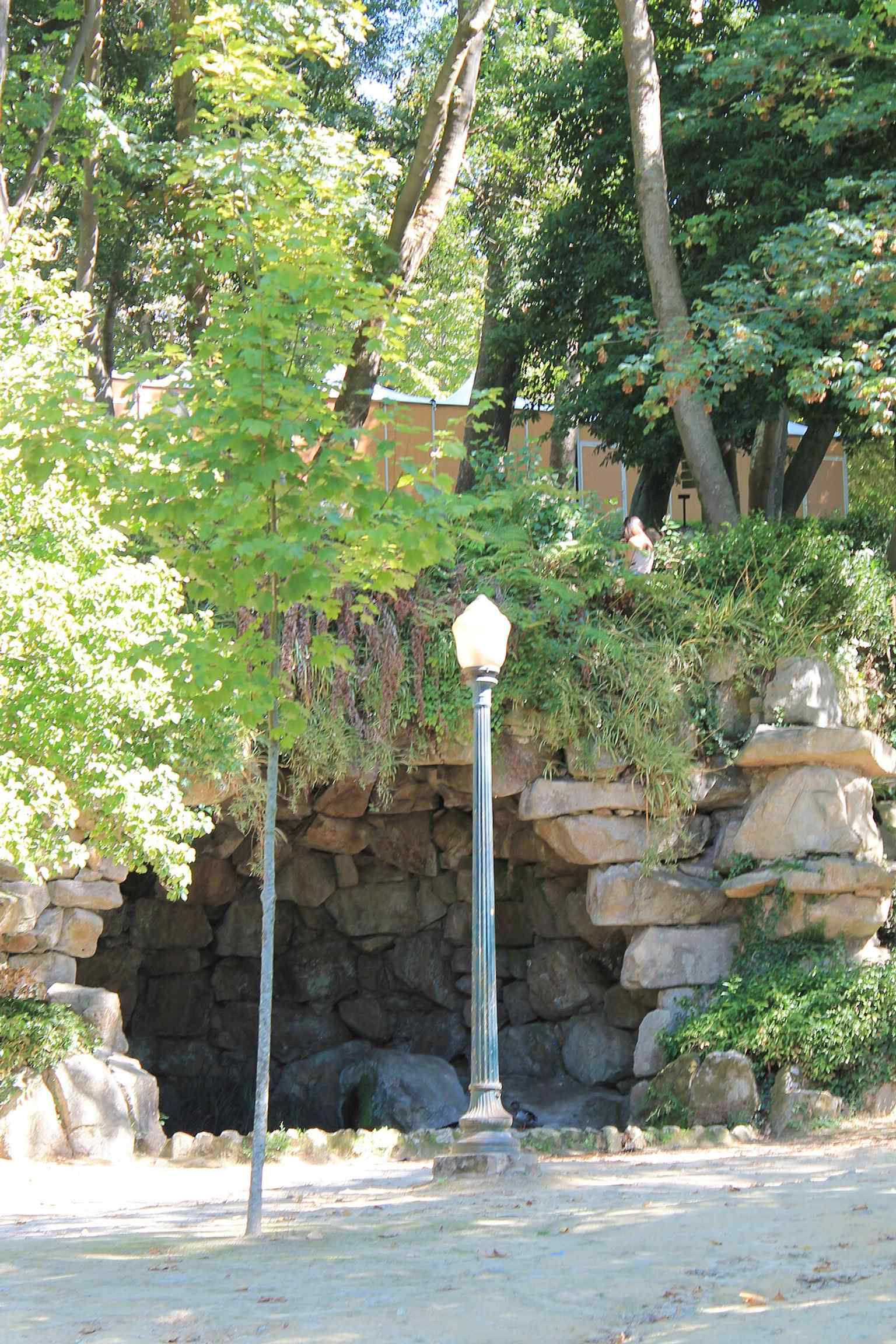
Look for stone terraces and curving garden paths beneath tall trees, with the great round dome of the old pavilion rising beyond the greenery.
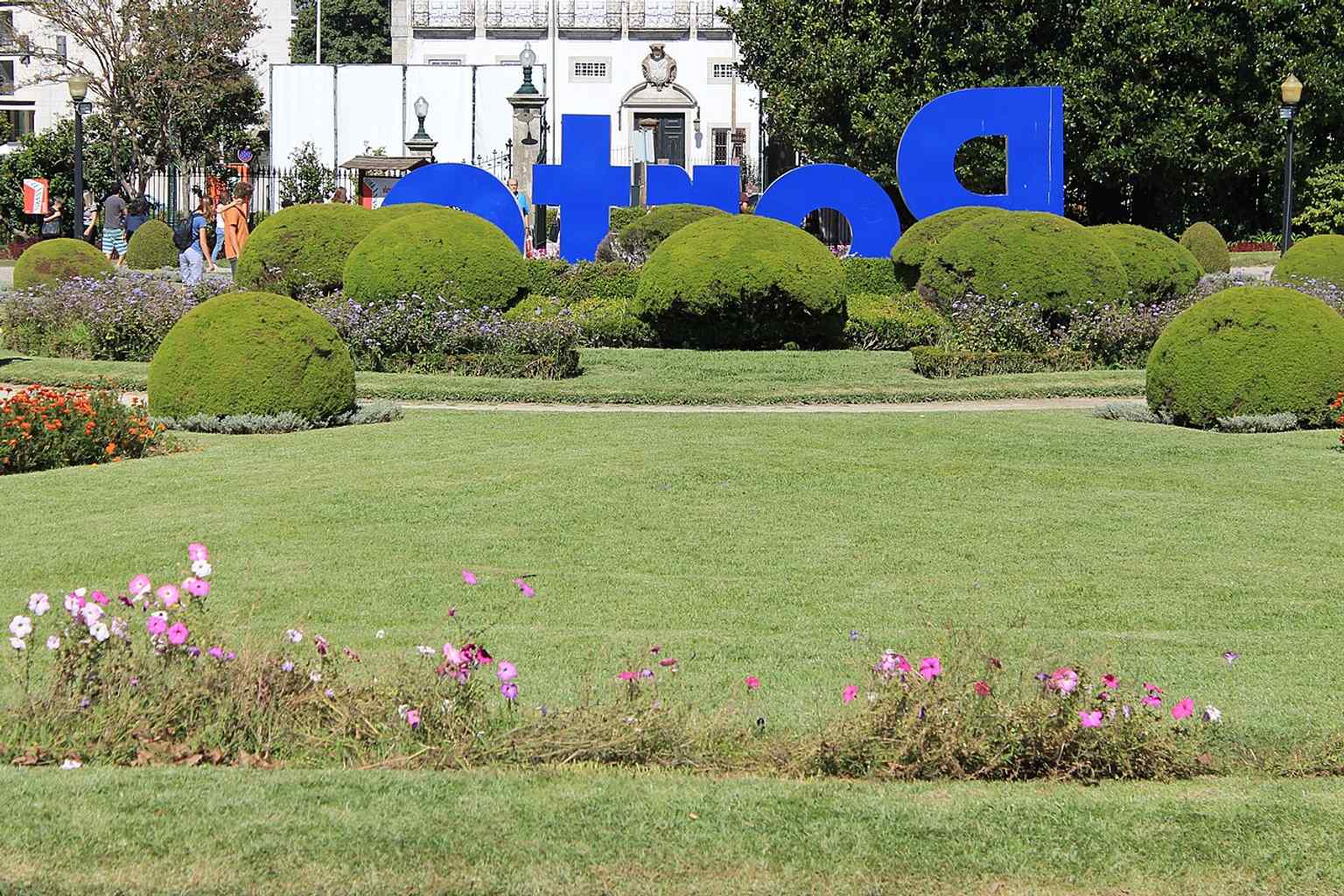
These gardens have the scale of a public park, but the heart of the place is more intimate than that. It is a landscape of memory. From here, the ground opens toward the Douro and even the sea, and Porto seems to spread out in layers: river city, trading city, grieving city, ambitious city.
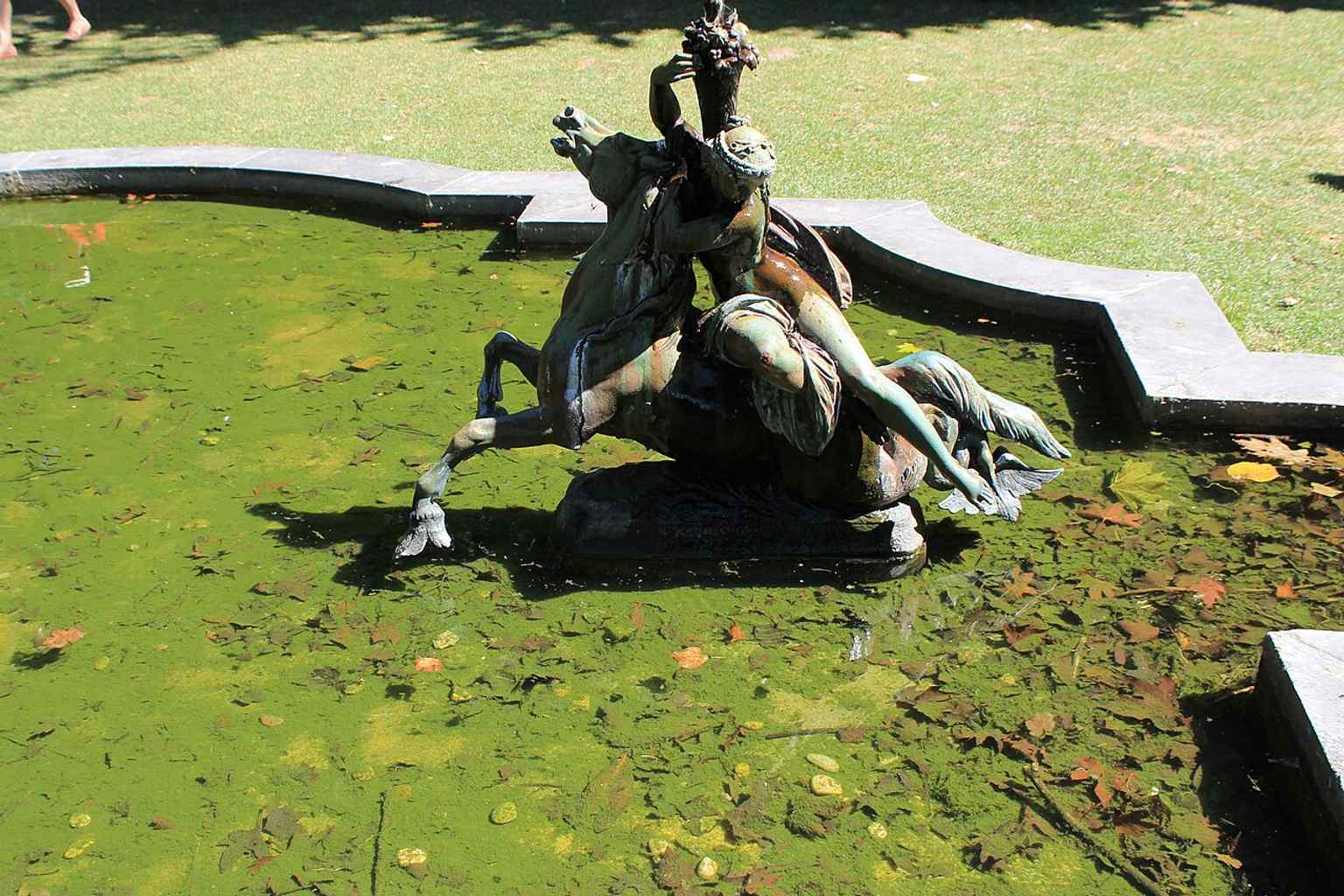
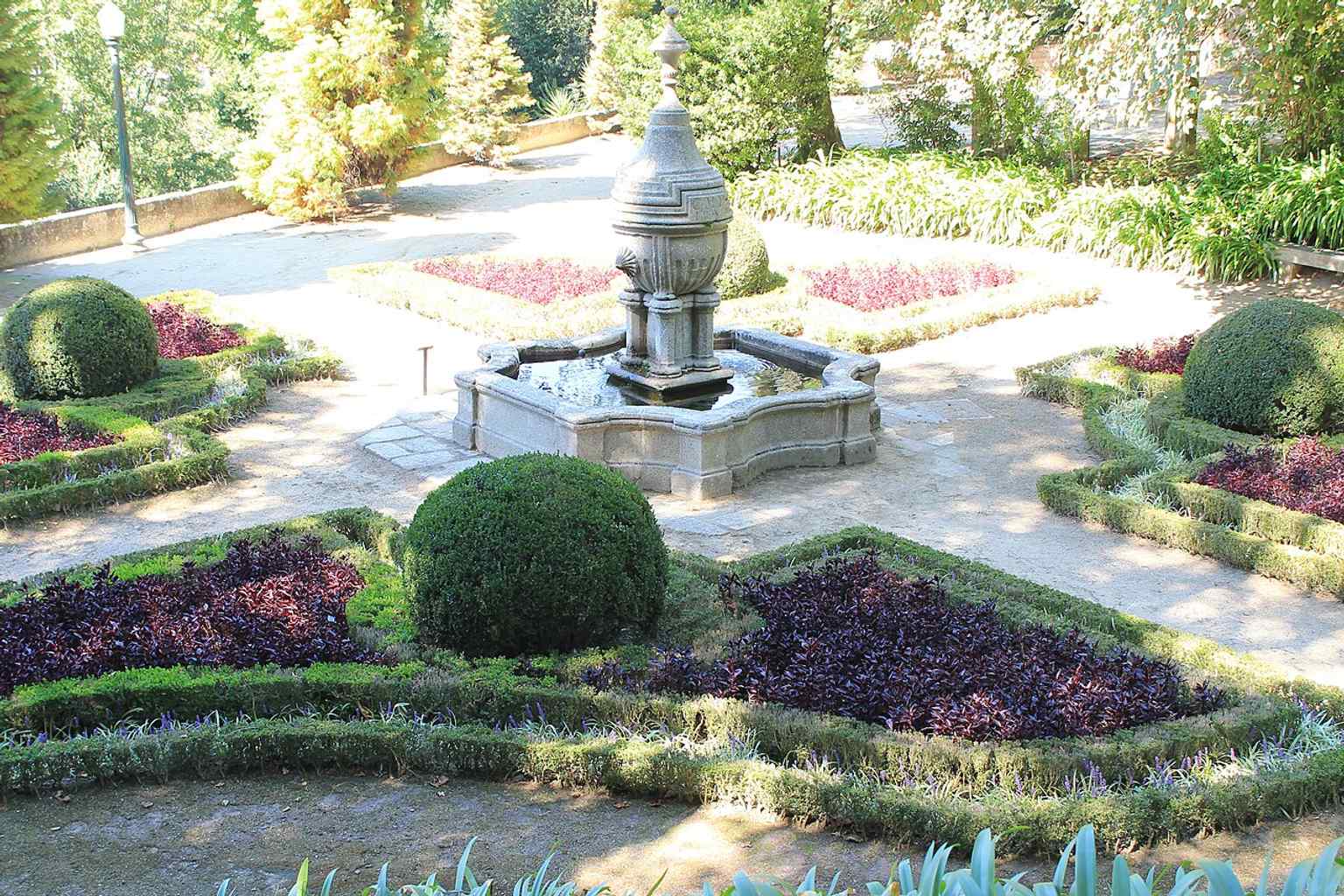
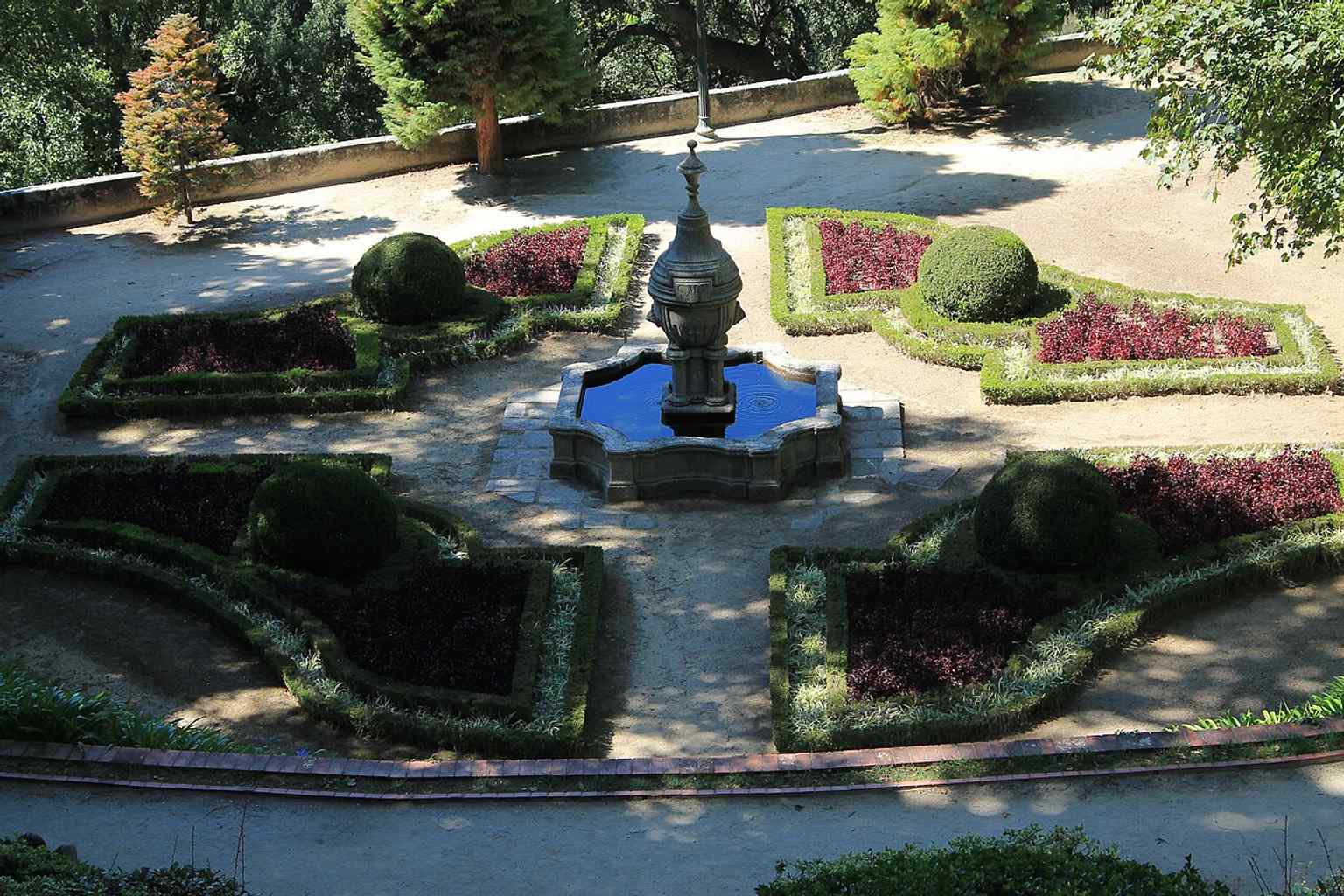
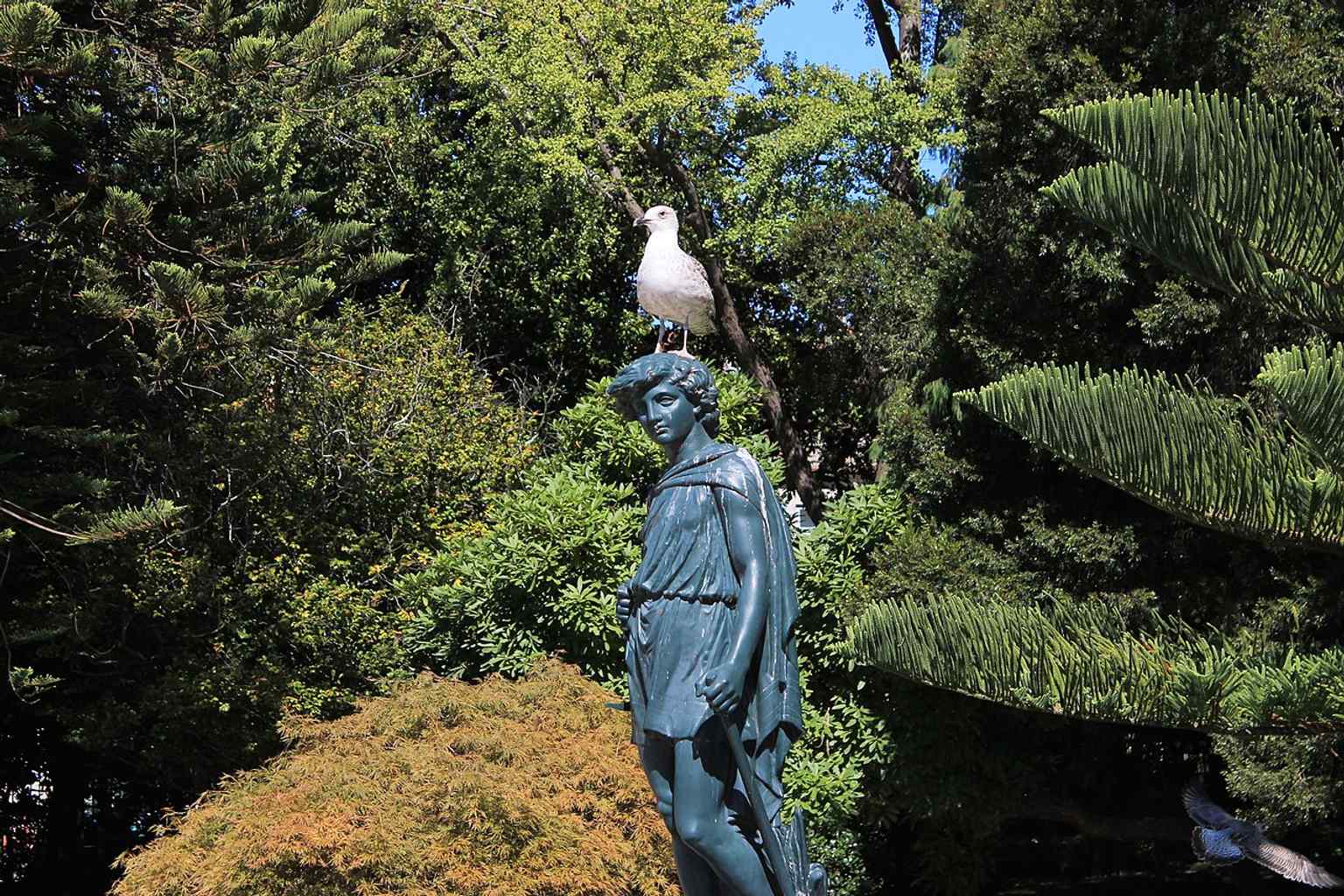
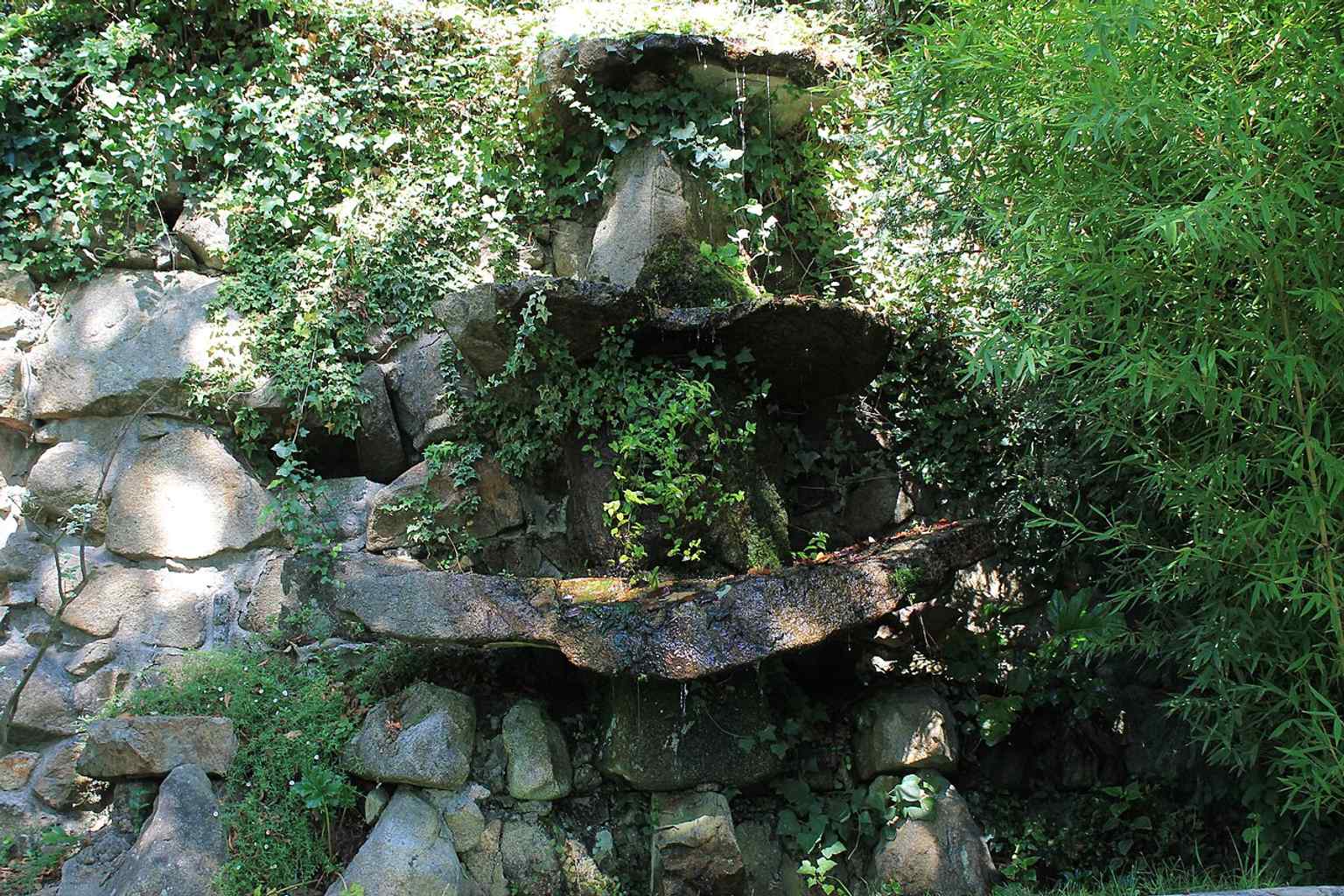
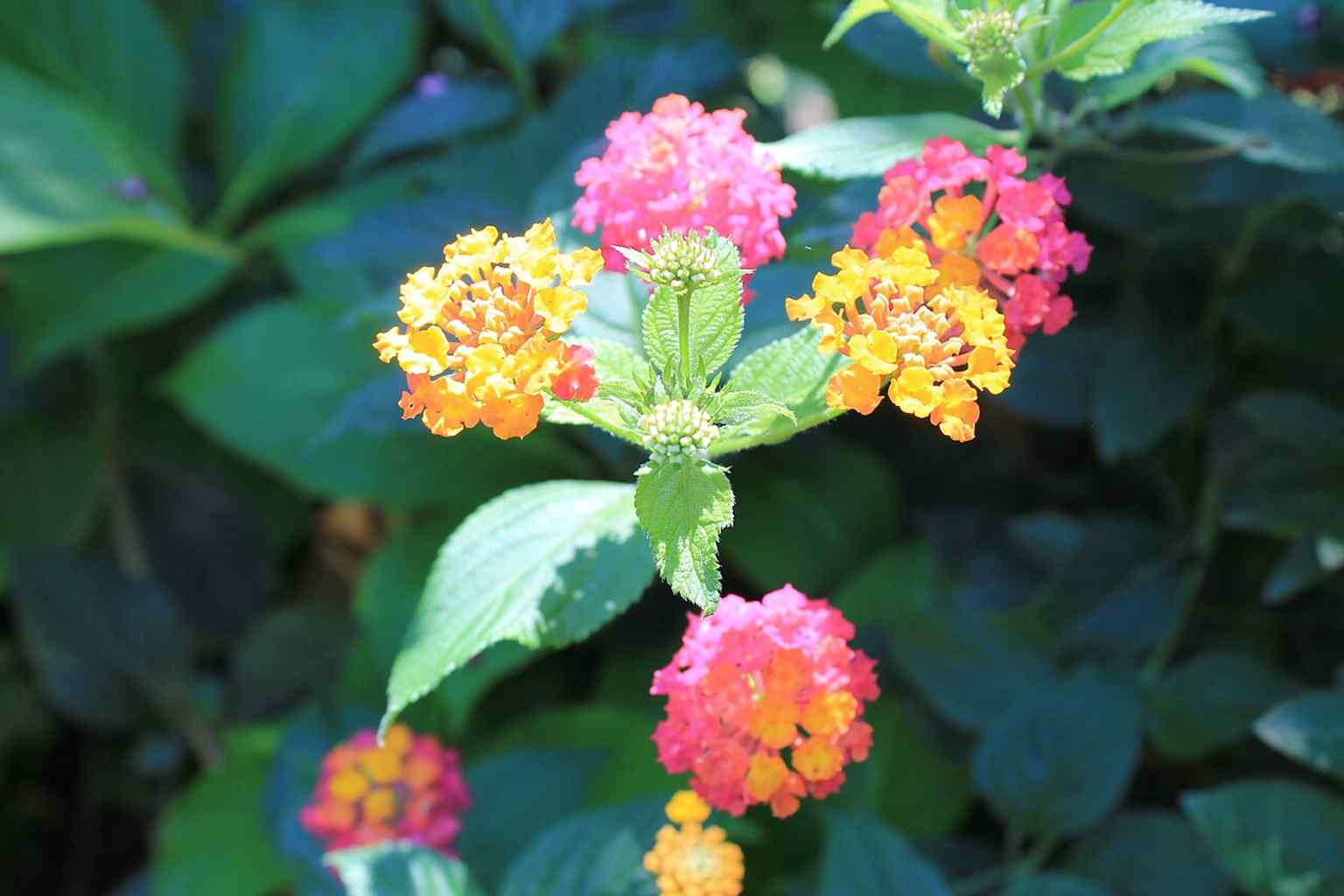
Most visitors first notice the romantic layout that the German landscape designer Émile David shaped in the eighteen sixties. He gave the site avenues, fountains, statues of the seasons, and a carefully staged sequence of trees: rhododendrons, camellias, araucarias, ginkgos, and beeches. If you glance at the image on your screen, the view from Jardim Émile David shows that sense of composed depth rather well. But locals know something quieter, and more affecting. Before these gardens fully took their famous form, the Capela de Carlos Alberto was already here. In eighteen forty-nine, Princess Augusta de Montléart raised it in memory of her half-brother, Carlos Alberto of Sardinia-Piedmont. He had lost the Battle of Novara, fled into exile, and died here in Porto. So before this became a place of strolling and panoramas, it was already a place of private sorrow. That little chapel changes the whole mood of the grounds, if you let it.
Then came a burst of civic confidence. In eighteen sixty-five, a group of progressive Porto citizens opened the original Crystal Palace here and welcomed King Luís and Queen Maria Pia. They filled the exhibition with three thousand one hundred and thirty-nine exhibitors from several countries. The building helped fix Porto’s reputation as an early champion of iron in architecture. Not long after, the site widened its purpose again. A rose exhibition in eighteen seventy-nine and a fine arts bazaar in eighteen eighty-one brought in artists such as Soares dos Reis, João Marques de Oliveira, and Henrique Pousão. Horticulture and modern art shared the same stage.
The stage kept changing. In nineteen twenty-two, the palace received Gago Coutinho and Sacadura Cabral after their South Atlantic flight. In nineteen thirty-four, the regime turned the grounds into the Portuguese Colonial Exhibition, with reconstructed overseas monuments, a zoo, and so-called indigenous villages, propaganda dressed as spectacle. And in nineteen fifty-one, despite bitter protest from many in Porto, workers demolished the Crystal Palace itself and replaced it with the sports pavilion you have already encountered nearby. The old name survived in the gardens because the city refused to let it vanish completely.
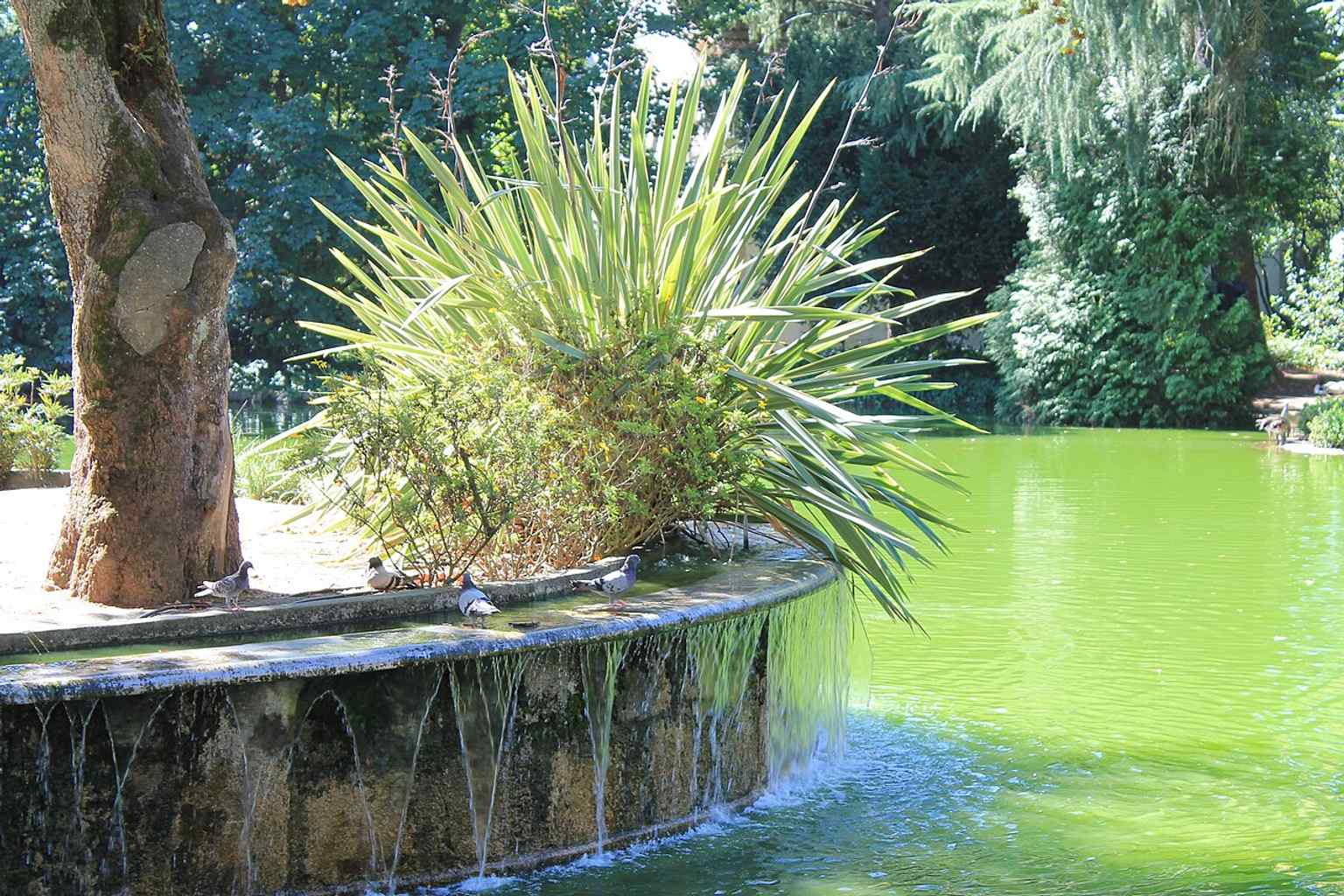
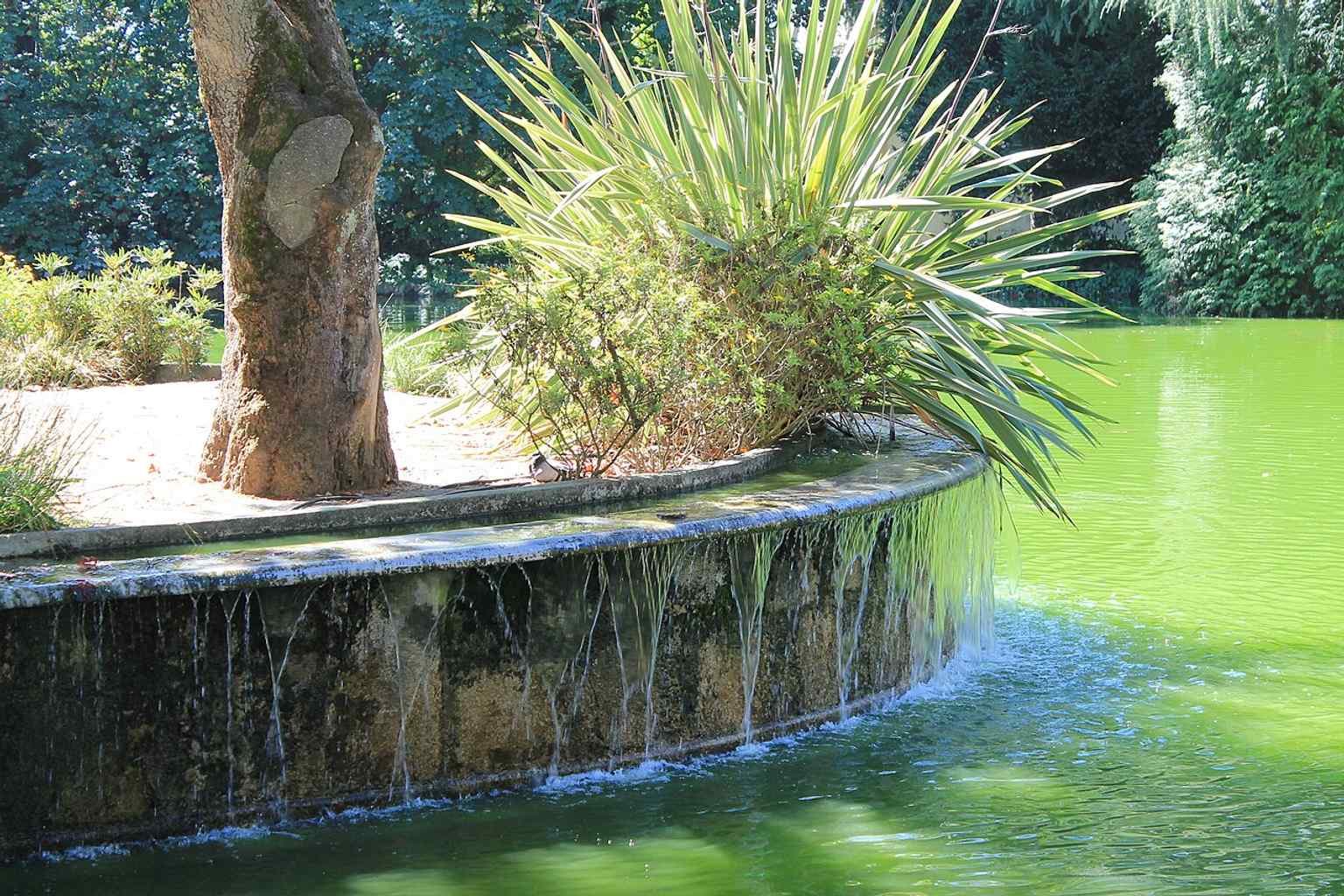
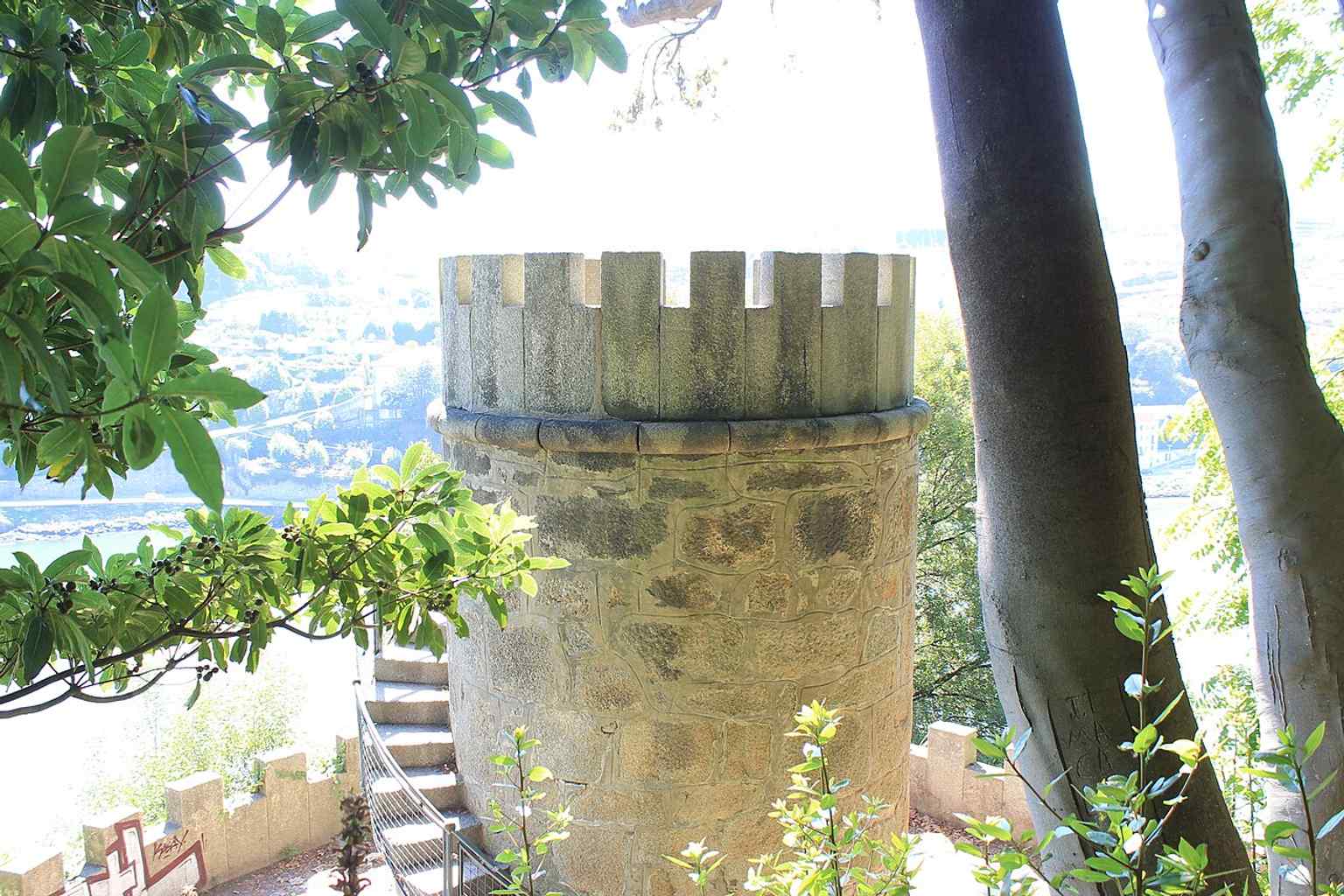
Even in our own century, people have defended this place with unusual vigilance. The lake you can see in the app image looks tranquil enough, yet when redevelopment threatened this area, residents organized and fought to protect it. Stand still for a moment and take the whole idea in. Exile, beauty, pride, art, propaganda, demolition, protest, and that long river view all belong to the same Porto. When you are ready, continue on to the Tower of Pedro-Sem, about a two-minute walk away. If you decide to return, the gardens generally open daily from eight in the morning until nine at night.





%2030.jpg)
%2006.jpg)
%2005.jpg)
%2021.jpg)
%2027.jpg)
%2018.jpg)
%2019.jpg)
%2020.jpg)
%2028.jpg)
%2031.jpg)
%2016.jpg)
%2012.jpg)
%2013.jpg)
%2025.jpg)