
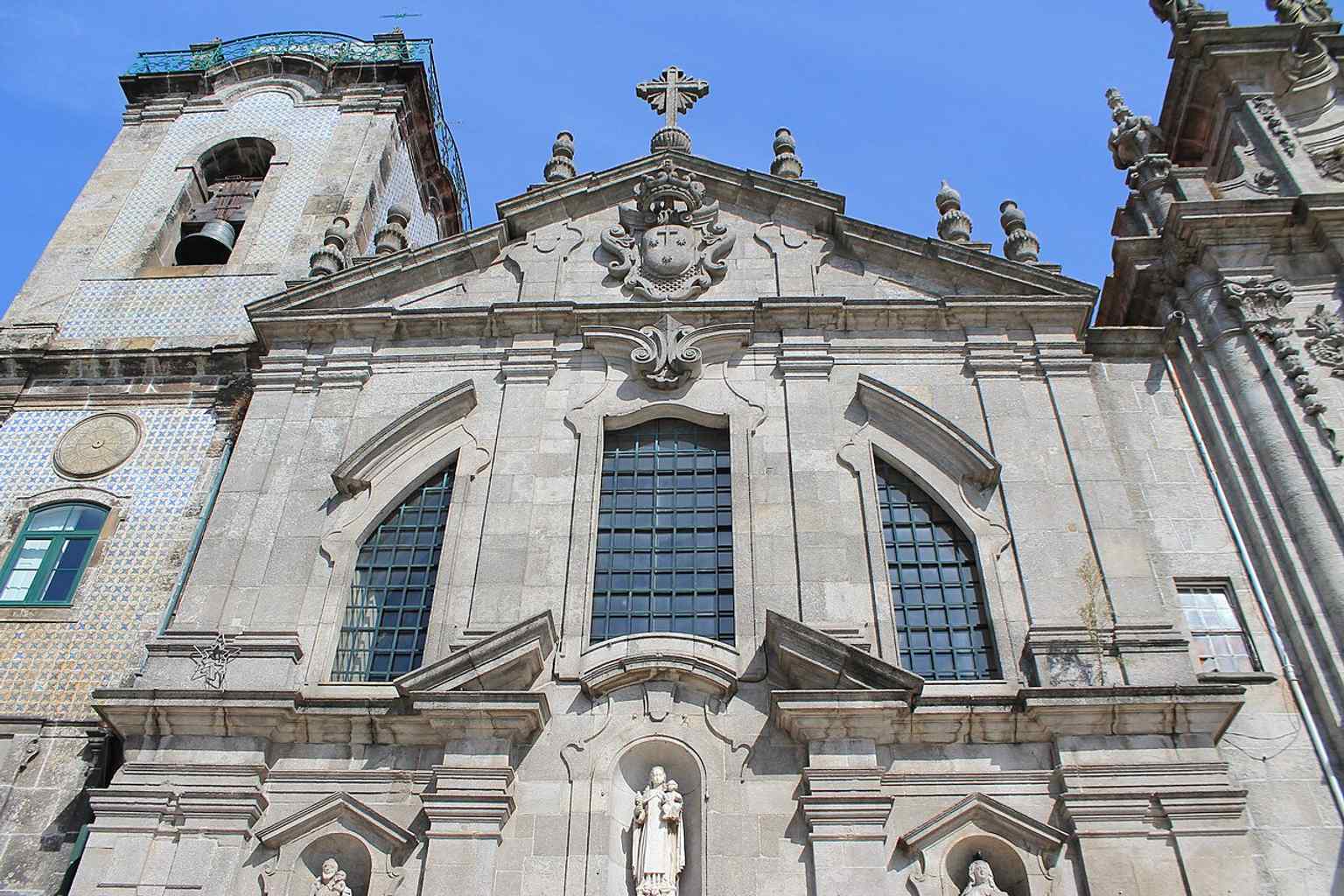
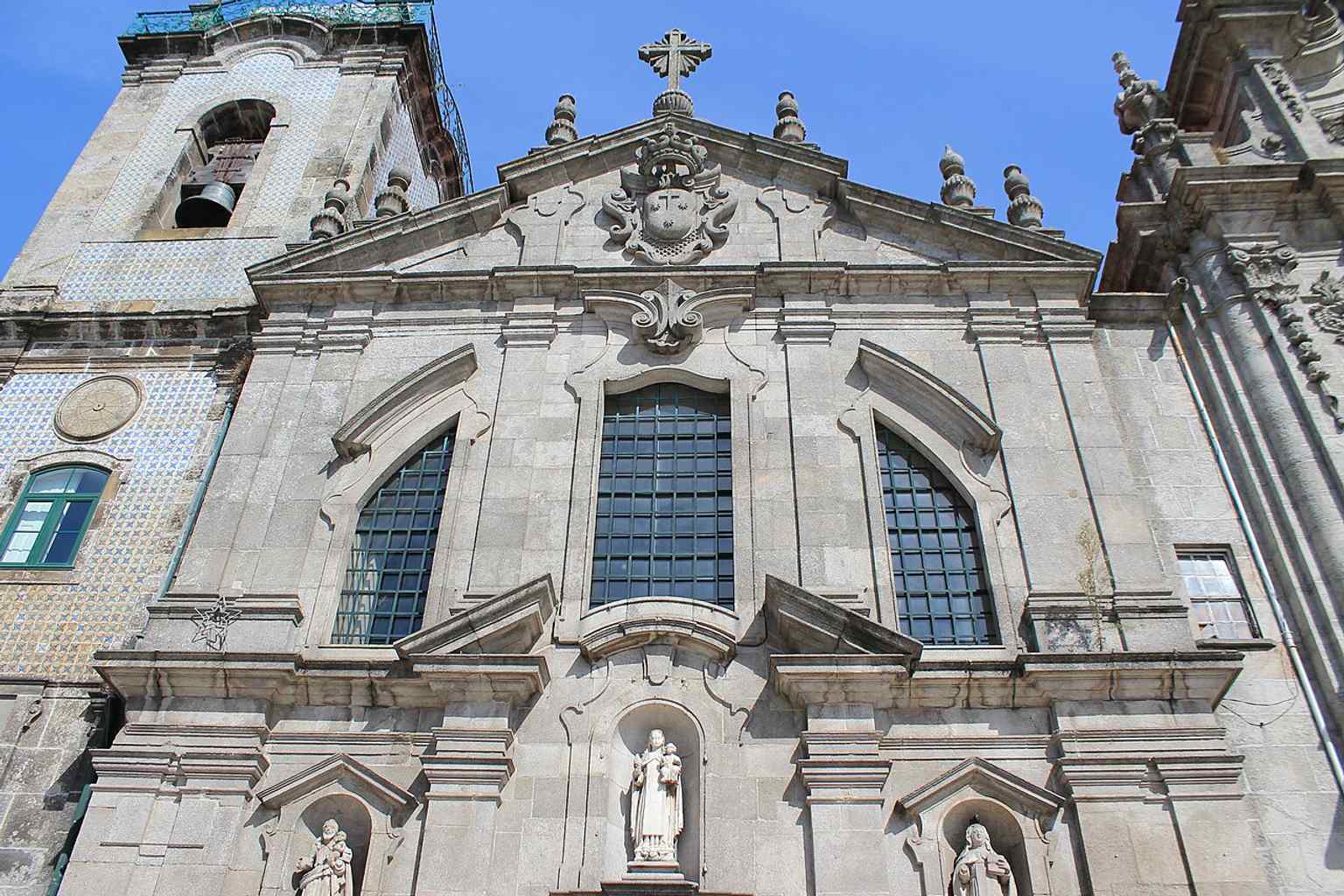
On your right, look for a granite façade with three rounded arch doorways, a triangular top, and a blue-tiled bell tower capped by a bulb-shaped dome.
At first glance, the Igreja dos Carmelitas seems rather strict, almost as if it expects good behaviour from everyone in front of it. Porto does enjoy that sort of façade. But this church holds a softer story inside its disciplined outline.
In sixteen sixteen, with permission from King Filipe the Second of Portugal, the Carmelite friars began building here on the old Olival ground. They settled in by sixteen twenty-two, and the decoration continued until sixteen fifty. Even then, the building did not quite stop changing; in seventeen fifty-four, builders shifted the bell tower, so the silhouette before you is itself the result of adjustment, not a frozen original.
By now you may have noticed how often Porto lets one institution inherit another’s shell. This is one of the clearest examples. The convent attached to this church later took on a military life. During the French invasion of eighteen oh nine, troops from Soult’s regiment occupied it as quarters. After the religious orders were suppressed in eighteen thirty-four, the state passed the convent into military hands. A monastery became barracks.
Yet locals remember more than soldiers. Before that later identity settled in, the convent supported chaplains, artists working on the decoration, doctors linked to the Carmo hospital, and even a substantial kitchen garden. That detail changes the whole picture, I think. Not merely discipline and command, but meals, care, craft, and ordinary routine.
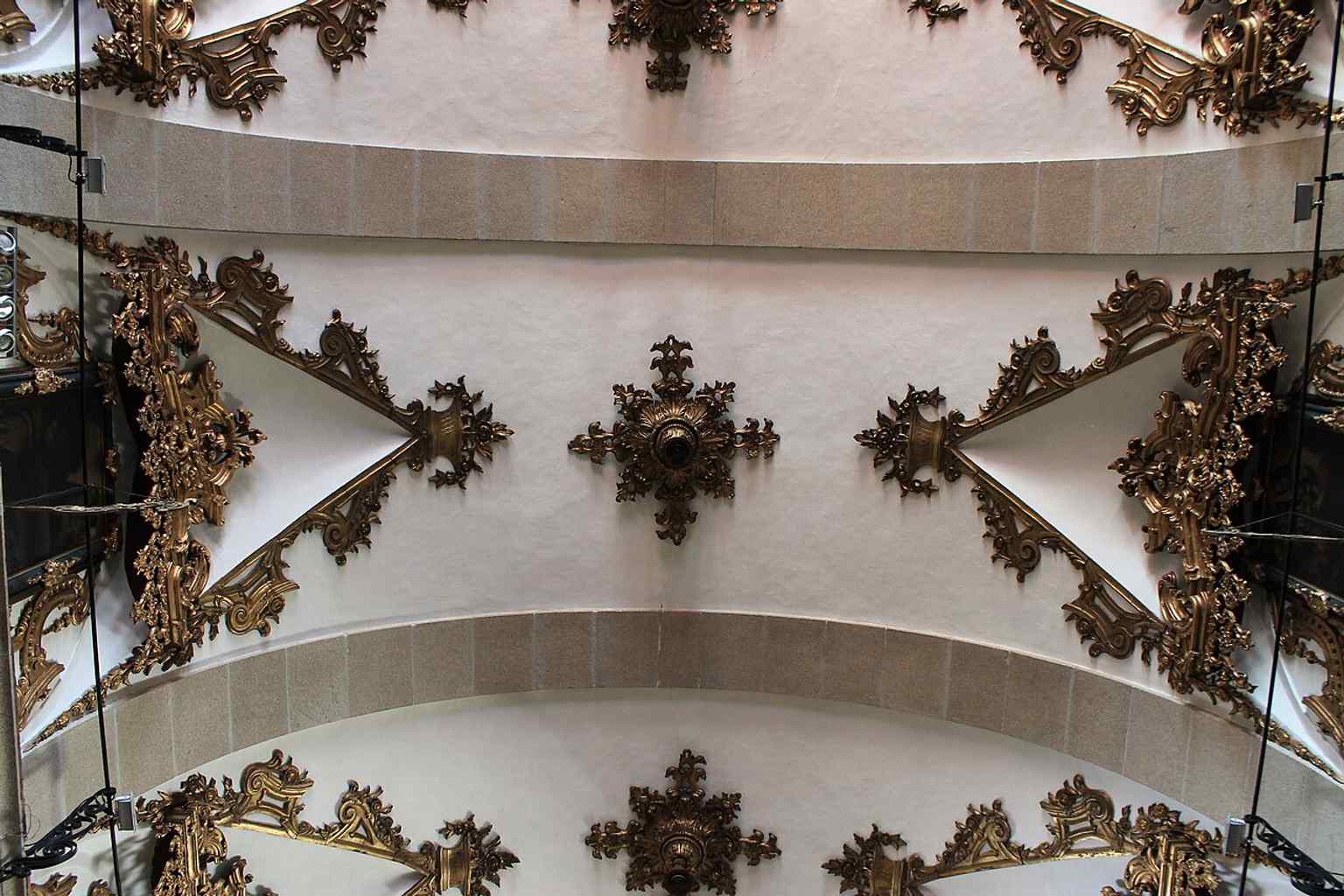
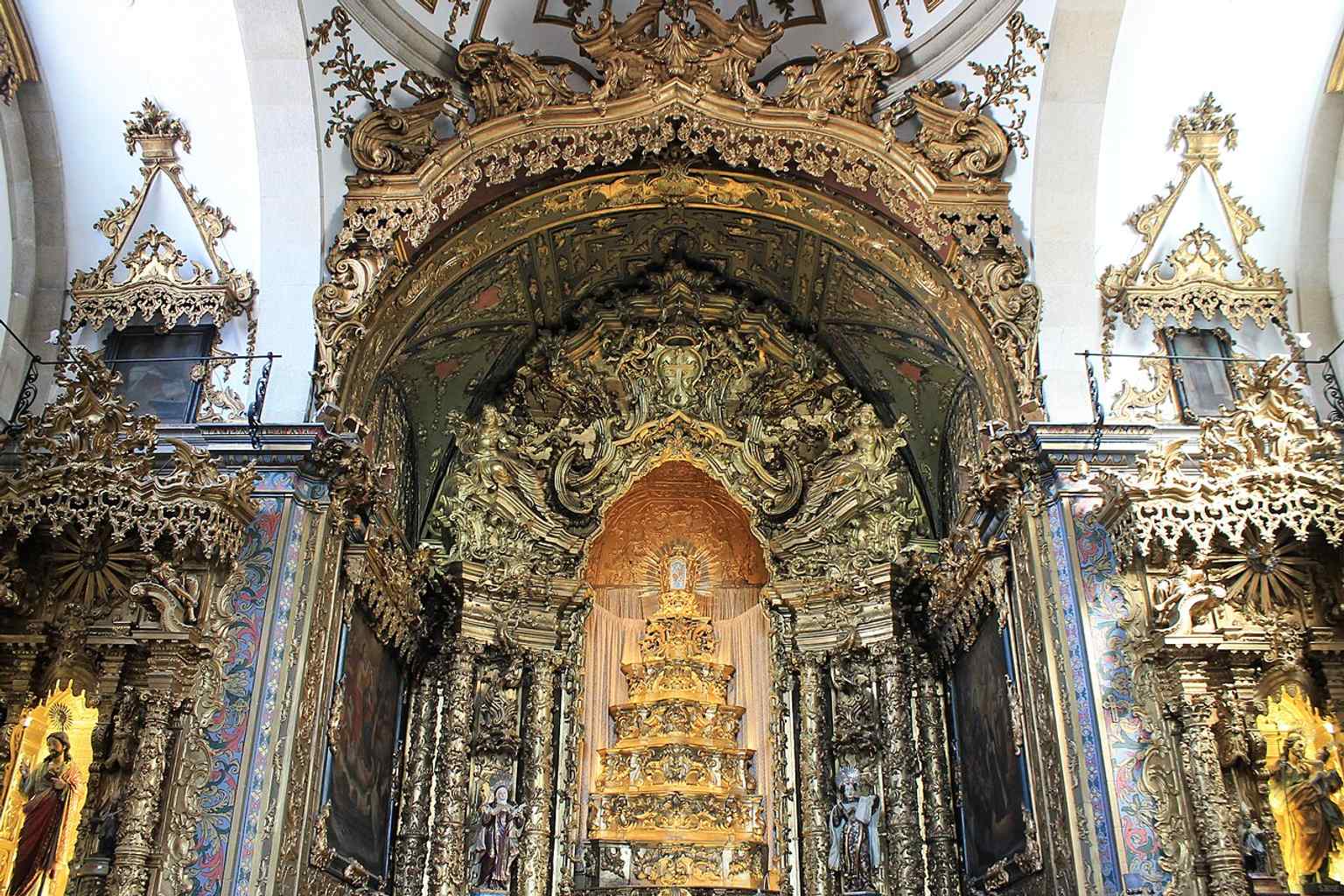
If you glance at the image on your screen, the interior shows a single nave, the main central hall of the church, thick with gilded carving. The high altar carries the work of Joaquim Teixeira de Guimarães, who designed it, and José Teixeira Guimarães, who carved it; later research suggests they were father and son, turning ornament into family labour.
And one thing locals always notice: this church stands joined to the later Igreja do Carmo by the narrow Casa Escondida, the Hidden House, barely more than a metre wide. When the state classified the ensemble as a National Monument in two thousand and thirteen, it recognised exactly that layered life. Places like this keep every role they have ever played. From here, Carrancas Palace is about an eight-minute walk.





%2003.jpg)
%2002.jpg)
%2001.jpg)
%2004.jpg)