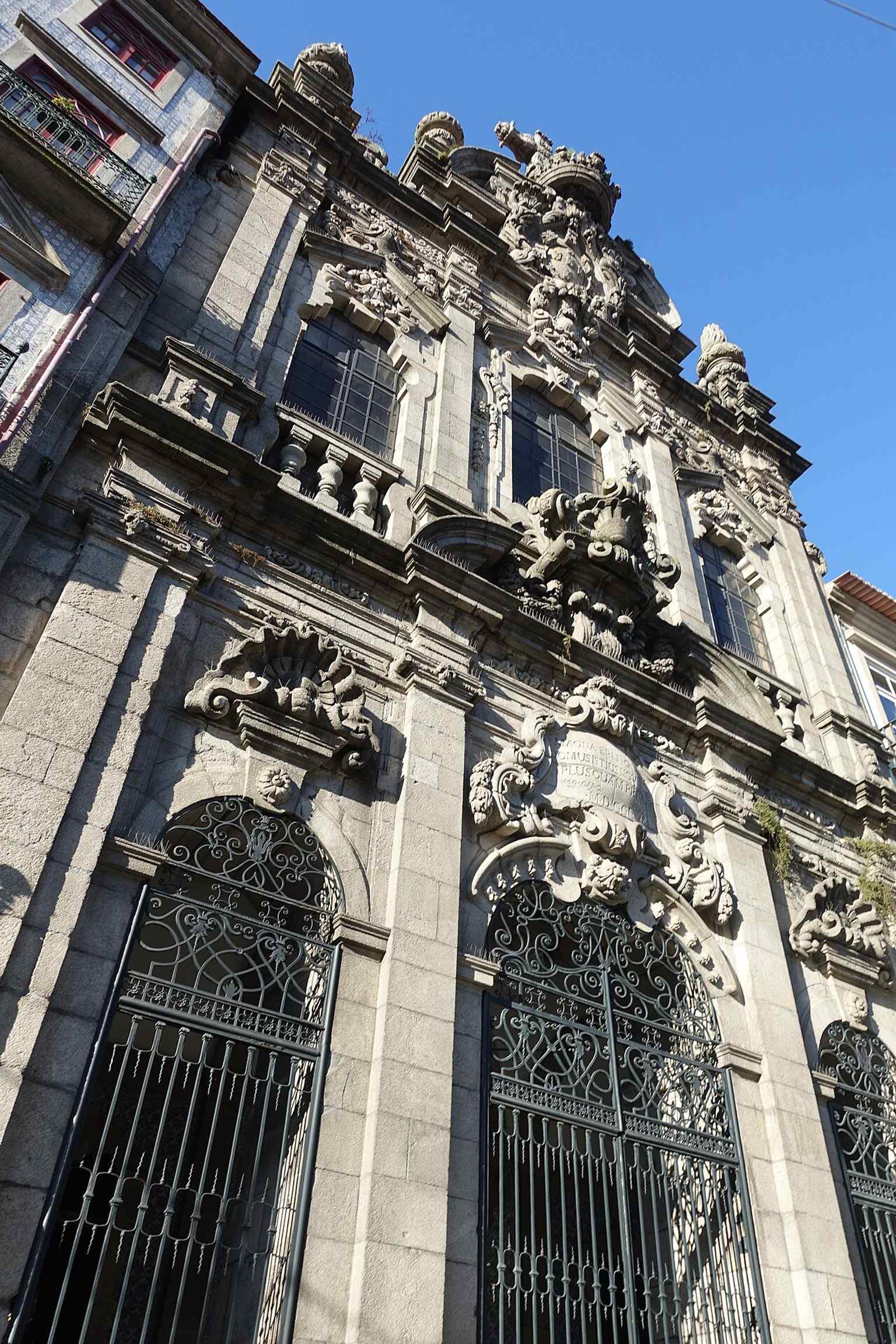
On your right stands a pale granite façade of three deep arches and curling pediments, crowned by a carved stone cross and the emblem of the Misericórdia.
This church belongs to the Santa Casa da Misericórdia, a brotherhood of organized mercy that shaped Porto for centuries. Founded here in the early sixteen hundreds? No, earlier still: the institution took root in fifteen oh two, after King Dom Manuel the First urged Porto’s leading citizens to create a confraternity like the one in Lisbon. The mission sounded noble, and it was: care for the sick, the poor, the abandoned. But mercy in a city always needs offices, accounts, patrons, builders, and rather a lot of stone.
That is why the brotherhood moved to busy Rua das Flores in the mid-sixteenth century. They wanted presence, visibility, and access to the life of the city. Construction began in fifteen fifty-five, and the church was blessed in fifteen fifty-nine, though it was still unfinished. If you glance at the image on your screen, you can see why this front became so famous: it is almost theatrical, filling the street so completely that the church seems to exist as a façade first and a building second. Most visitors hear a tidy version of the story. The untidy one is better. The capela-mor, the main chapel around the altar, depended on the money of Dom Lopo de Almeida. The granite came from the quarry at Monte de Mijavelhas. Father Gonçalo Vieira supervised the works. And the job kept stopping because people worried it was costing too much. That, if you ask me, is how real institutions usually get built: with piety, hesitation, invoices, and persistent human effort.
There was even musical trouble. In fifteen ninety-seven, the brotherhood hired Salvador Rebelo to build an organ. He finished it by fifteen ninety-nine. By sixteen oh two, it was already damaged and badly out of tune, so Rebelo had to return and promise regular tunings. Charity may be heavenly in principle; in practice, even the organ needs maintenance.
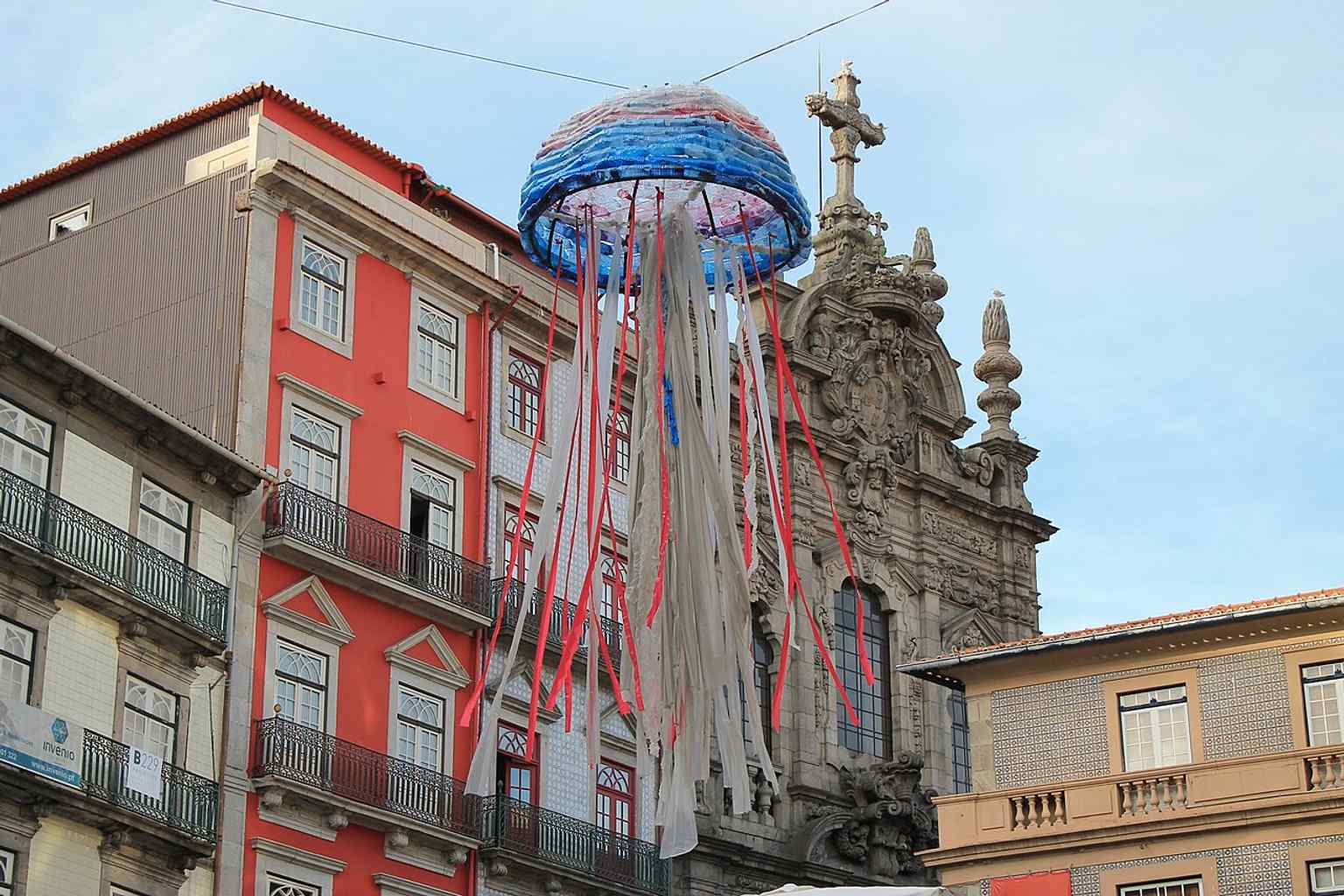
Then came the violence of chance. In April of sixteen twenty-one, lightning struck and destroyed the façade, leaving the main chapel as the chief survivor. A sacred building can feel permanent, until one flash proves otherwise. The front you see now belongs largely to the long rebuilding that followed, especially the eighteenth-century campaign shaped by Nicolau Nasoni. In seventeen forty, experts, including Nasoni, examined the church’s safety after severe structural worries. From seventeen forty-eight onward, they rebuilt it in a Baroque style with Rococo flourishes - that means lavish, curling decoration, full of movement and ornament. They chose the simplest of Nasoni’s proposals, which tells you something about his imagination, because even the simplest is wonderfully exuberant. The second image on your phone shows that remade front, the one that rose after disaster. Inside, much changed again. Lisbon tiles arrived in sixteen twenty-eight, though only a few of the earliest ones survive in sheltered places such as the stair up to the upper gallery and the sacristy. Later blue-and-white tiles replaced others in the nineteenth century. The church kept its fragments and renewed the rest, like so much of Porto.
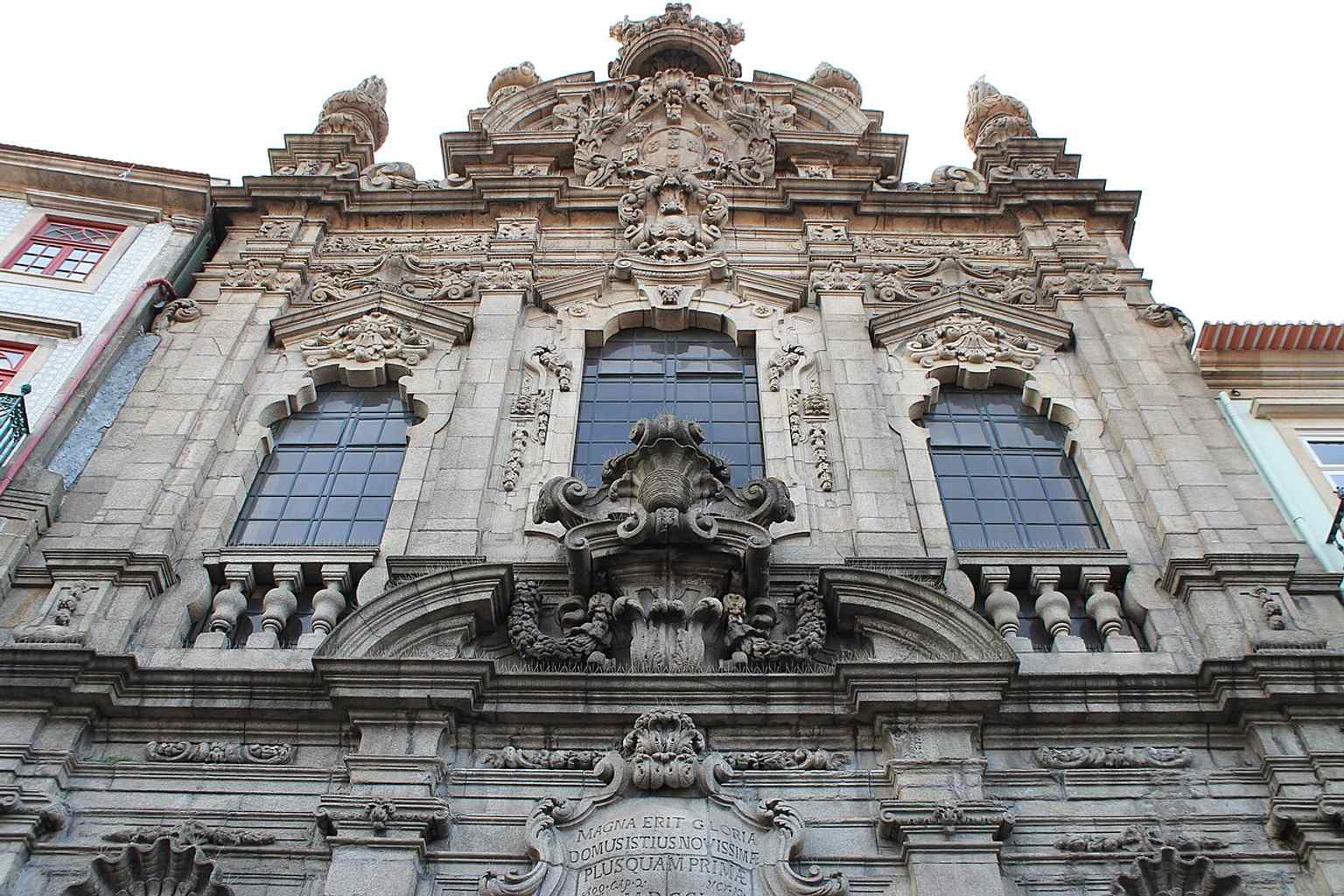
For centuries this building also served as the headquarters of the institution itself, right up to two thousand and thirteen, before opening to visitors as part of the Misericórdia museum. So remember this place not as an abstract symbol of kindness, but as mercy made practical: funded by patrons, hauled from quarries, argued over in meetings, repaired after ruin. From here, we continue in about nine minutes to the Tower of Dom Pedro Pitões. If you want to come back inside, the church generally opens daily from ten in the morning until half past six.