
Esposende Audio Tour: Sacred Landmarks
The mouth of the Cavado River hides secrets in plain sight, where salted winds whisper tales of forgotten rebellions and long buried political scandals. Most travelers rush past the white facades of Esposende, never realizing they are walking through a living archive of defiance and faith. This self guided audio tour pulls back the curtain on the Esposende Municipal Museum, the Mother Church, and the Chapel of the Lord of the Socorro. Uncover the layers of history that typical guidebooks ignore. Why did the town bells toll in frantic protest during the darkest hour of the nineteenth century? What mysterious pact was sealed beneath the shadows of the old stone chapels? Which specific local merchant once held the entire municipal council hostage over a missing shipment of gold? Trace the pulse of a town shaped by struggle. Walk through the drama and see the city anew. Start your journey here.
Tour preview
About this tour
- scheduleDuration 40–60 minsGo at your own pace
- straighten1.1 km walking routeFollow the guided path
- location_on
- wifi_offWorks offlineDownload once, use anywhere
- all_inclusiveLifetime accessReplay anytime, forever
- location_onStarts at Esposende Municipal Museum
Stops on this tour
lock_open 3 free previews · 3 unlock with purchase
Look for the pale stone and stucco façade, its balanced, theatre-like front, and the arched entrance set beneath a decorative upper gable. This building began life with a very…Read moreShow less
Open dedicated page →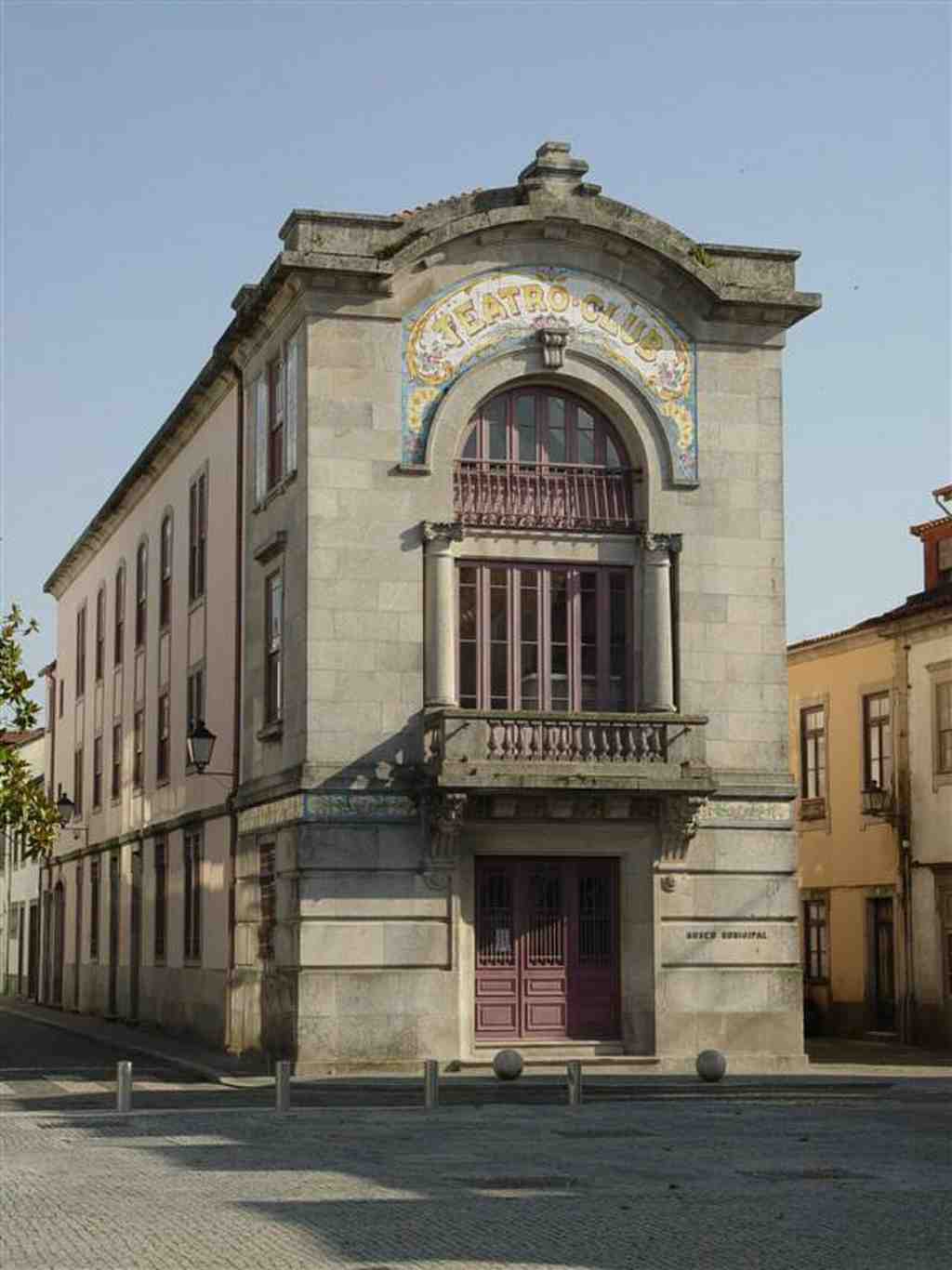
Esposende Municipal MuseumPhoto: Jose Goncalves, Wikimedia Commons, Public domain. Cropped & resized. Look for the pale stone and stucco façade, its balanced, theatre-like front, and the arched entrance set beneath a decorative upper gable.
This building began life with a very different purpose. In nineteen oh eight, the architect Miguel Ventura Terra drew it for the Teatro-Club de Esposende, and in nineteen eleven the town opened it as a place for performance, gathering, and civic pride. That name matters. Ventura Terra was not a provincial choice; he was one of Portugal’s best-known architects at the turn of the twentieth century, the man behind works such as the Teatro Politeama and the Sanctuary of Santa Luzia. Esposende chose him because it wanted more than a serviceable hall. It wanted stature.
And yet the story did not stop there. On the nineteenth of August, nineteen ninety-three, after careful adaptation by the architect Bernardo Ferrão, the old theatre reopened as the Municipal Museum. That change says a great deal about this town. Rather than freeze a building in one role, Esposende let it change its work while keeping its dignity. Entertainment gave way to memory; applause gave way to evidence.
Inside, the museum gathers fragments from across the municipality and turns them into a map of human presence. Its archaeology collection stretches from the Upper Paleolithic to the Middle Ages: finds from the Castro de São Lourenço, the Castro do Senhor dos Desamparados, Villa Menendi in Apúlia, the Roman and Suevo-Visigothic site of Agra do Relógio, and the medieval cemetery of Barreiras in Fão. It is less a single collection than a conversation between many sites, drawn together in one house.
So here is the question to carry with you: when a theatre becomes a museum, has it lost its first soul, or has it simply found a larger one? If one building in Esposende can live more than once, you may find the rest of the town does much the same. From here, the Chapel of the Lord of the Distressed is about a one-minute walk away. If you plan to return, the museum is closed on Mondays and keeps limited afternoon hours at weekends.
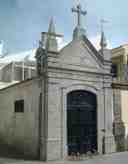
Ahead of you stands a small whitewashed chapel with a rectangular body, a low arched doorway behind wrought-iron gates, and a triangular gable crowned by a three-lobed stone…Read moreShow less
Open dedicated page →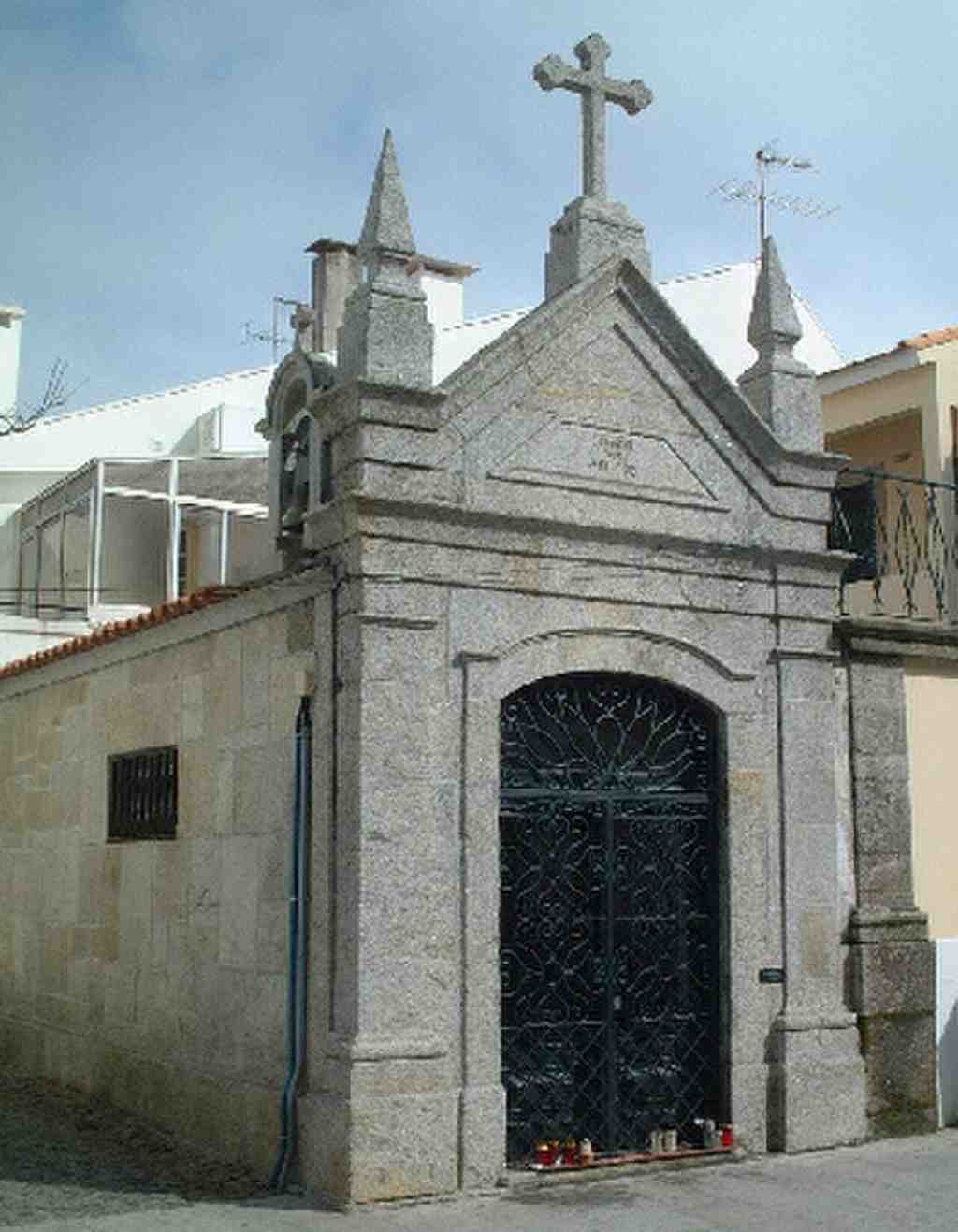
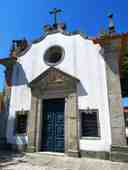
Chapel of the Lord of the distressedPhoto: Visitesposende, Wikimedia Commons, CC BY-SA 4.0. Cropped & resized. Ahead of you stands a small whitewashed chapel with a rectangular body, a low arched doorway behind wrought-iron gates, and a triangular gable crowned by a three-lobed stone cross.
This little building carries the anxieties of the waterfront. Here in Esposende, river and sea never kept politely to their own corners. They fed the town, guided trade, and sent men out to work, but they also brought sudden danger, changing channels, and the plain possibility that a boat might not come back. That is the world that gave birth to this devotion.
The story begins not with a chapel at all, but with a stone cross raised by fishermen and mareantes, the seafaring boatmen who lived by tides and risk. On that cross they painted an image of Christ, and people quickly called it the Senhor dos Aflitos, the Lord of the Afflicted. Local memory says the devotion may reach back to the sixteenth century, when the cross stood out in the Ribeira as a vow made against the perils of the water. At first, some remembered the image as Senhor do Outeiro, the Lord of the Hillock, before the name Senhor dos Aflitos took hold.
Pause a moment and study the chapel’s front. The doorway, the triangular top, the stone cross above it: now imagine an earlier sacred image exposed out in the open, facing river traffic, salt, and constant wear. You begin to see why devotion here needed shelter.
Most visitors assume the chapel simply grew naturally around the old cross. The truth is much more human, and much more bureaucratic. Municipal papers show expropriations, signed terms, and strict conditions for moving the old niche, that recessed little shrine holding the image. Workers had to dismantle it stone by stone, number the pieces on the outside, and set each one back in its proper place. The instructions even warned them not to chip the corners. And one man steps clearly out of those papers: Manuel Rodrigues Viana, who declared that he would pay for the work needed to reinstall the image and the contents of the old chapel.
Even that careful plan moved slowly. The council approved the transfer in eighteen eighty-two, but the work only went to auction in eighteen eighty-nine, probably because money was short. Then, in nineteen sixty-nine, restoration proved more drastic than it looks. According to the local heritage record, builders kept only the main façade and the cross of Senhor dos Aflitos. Much of what you see beyond that is a later remaking.
So this chapel offers a rather Esposende lesson: faith survived here, yes, but it survived through contracts, delays, measurements, and negotiation, not prayer alone. When you are ready, we’ll walk about four minutes to the Statue of Dom Sebastião, where memory takes a rather different form.
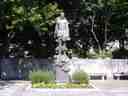
On your right, look for a dark bronze figure of a king standing upright on a tall pale stone pedestal, his long cloak falling in heavy folds above an inscribed base. This…Read moreShow less
Open dedicated page →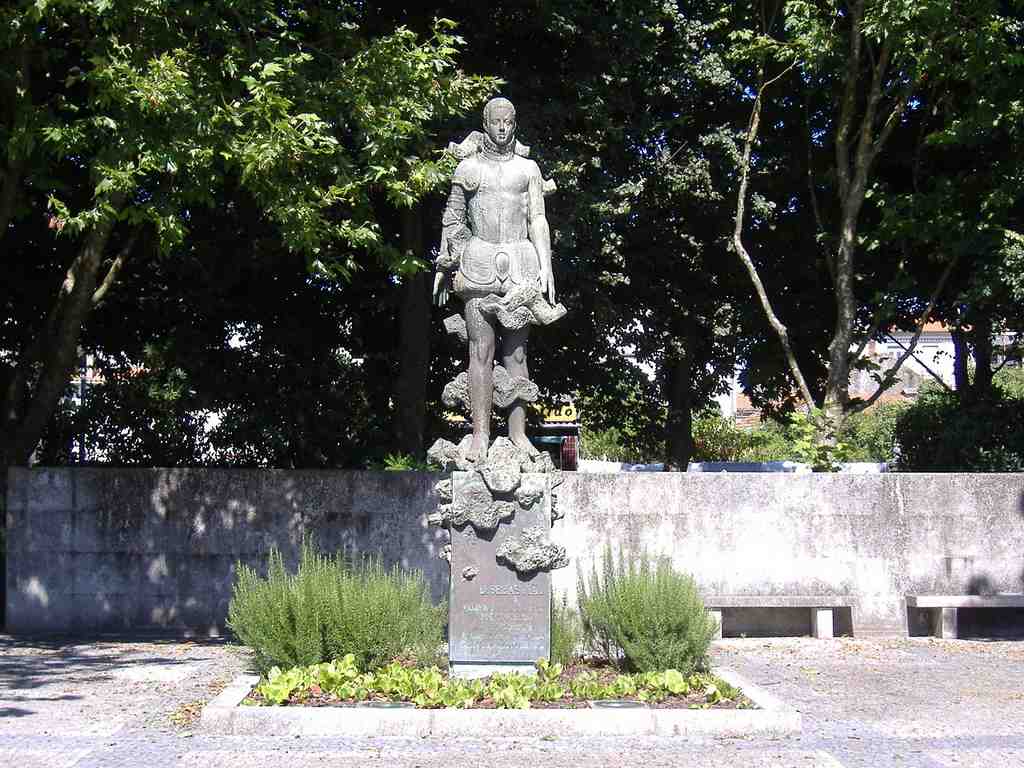
Statue of D. SebastiãoPhoto: Visitesposende, Wikimedia Commons, CC BY-SA 4.0. Cropped & resized. On your right, look for a dark bronze figure of a king standing upright on a tall pale stone pedestal, his long cloak falling in heavy folds above an inscribed base.
This monument honours Dom Sebastião, the sixteenth king of Portugal, but here in Esposende the real drama is not the man alone. It is the document attached to his name. At the chapel, we saw how paperwork could preserve devotion; here, formal writing did something even larger. On the nineteenth of August, fifteen seventy-two, Dom Sebastião granted Esposende a charter, a royal legal act that raised the settlement to the rank of town and detached it from Barcelos. In other words, ink and seal helped create the civic body that still speaks in Esposende’s name.
That is why this statue stands in a square named for him. The bronze fixes in public memory what the charter first established in law. If you glance at the detail image on your screen, you can see how the sculptor Lagoa Henriques avoided a stiff official likeness. The surface feels textured, almost misted, as though the king is emerging from legend as much as history. Scholars have even said that this work casts Sebastianism into bronze - that old Portuguese habit of imagining the absent king as a figure of longing and return.
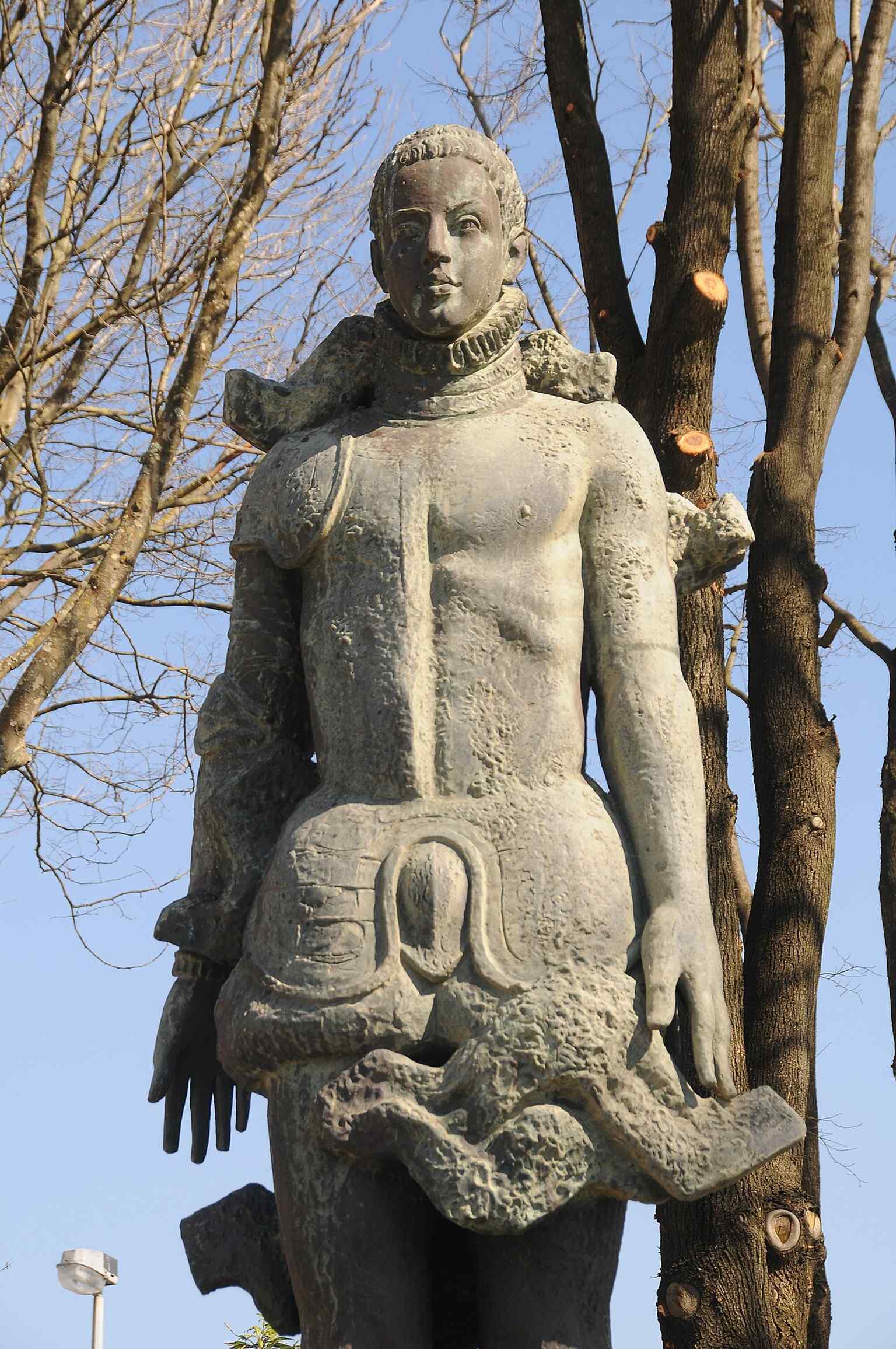
A closer look at Lagoa Henriques’ sculpted figure, echoing the misty, poetic reading of Sebastianism that local studies associate with this monument.Photo: Joseolgon, Wikimedia Commons, CC BY-SA 3.0. Cropped & resized. And yet memory is never as tidy as a pedestal suggests. The council raised the monument for the fourth centenary celebrations in nineteen seventy-three, but some municipal sources say Lagoa Henriques’s piece was only inaugurated in nineteen seventy-eight. A small discrepancy, perhaps, though an instructive one. Towns love certainty in stone and bronze; archives often answer with a shrug.
The Ministry’s heritage service donated the sculpture, Bronzes Artísticos cast it, and later generations kept promoting it as a civic emblem, even placing it on a commemorative medal for the four hundred and fiftieth anniversary. If you look at the older photo in the app, you can see how long this statue has carried that public burden of memory. So hold two truths together: laws can found a town, but later generations decide how to remember that fact. From here, the Chapel of Saint John the Baptist is about a six-minute walk, and this monument is here for you at any hour.
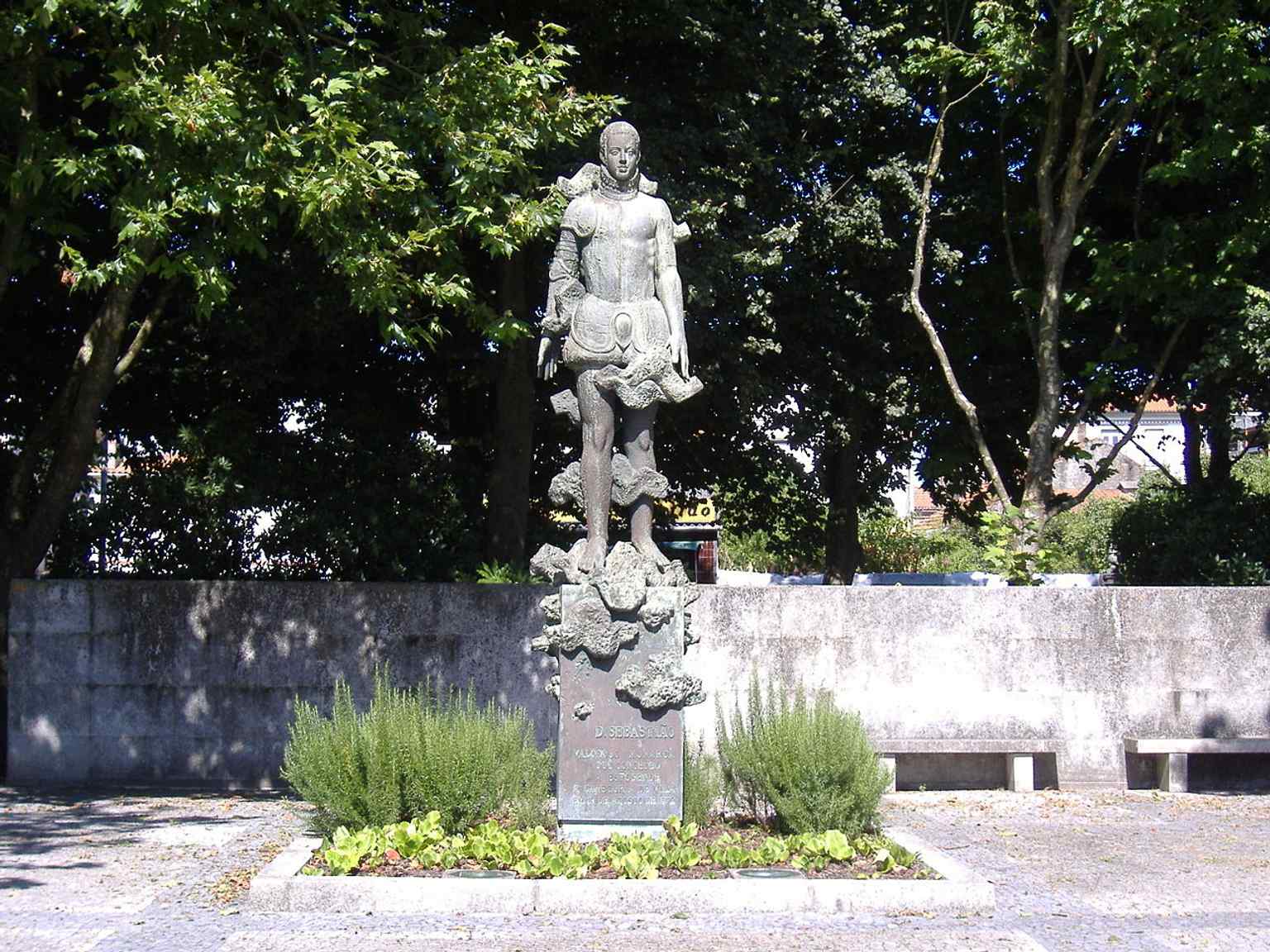
An older photograph of the monument, useful for showing how Esposende has long presented this statue as a civic symbol tied to the 450-year history of the municipality.Photo: Visitesposende, Wikimedia Commons, CC BY-SA 4.0. Cropped & resized. 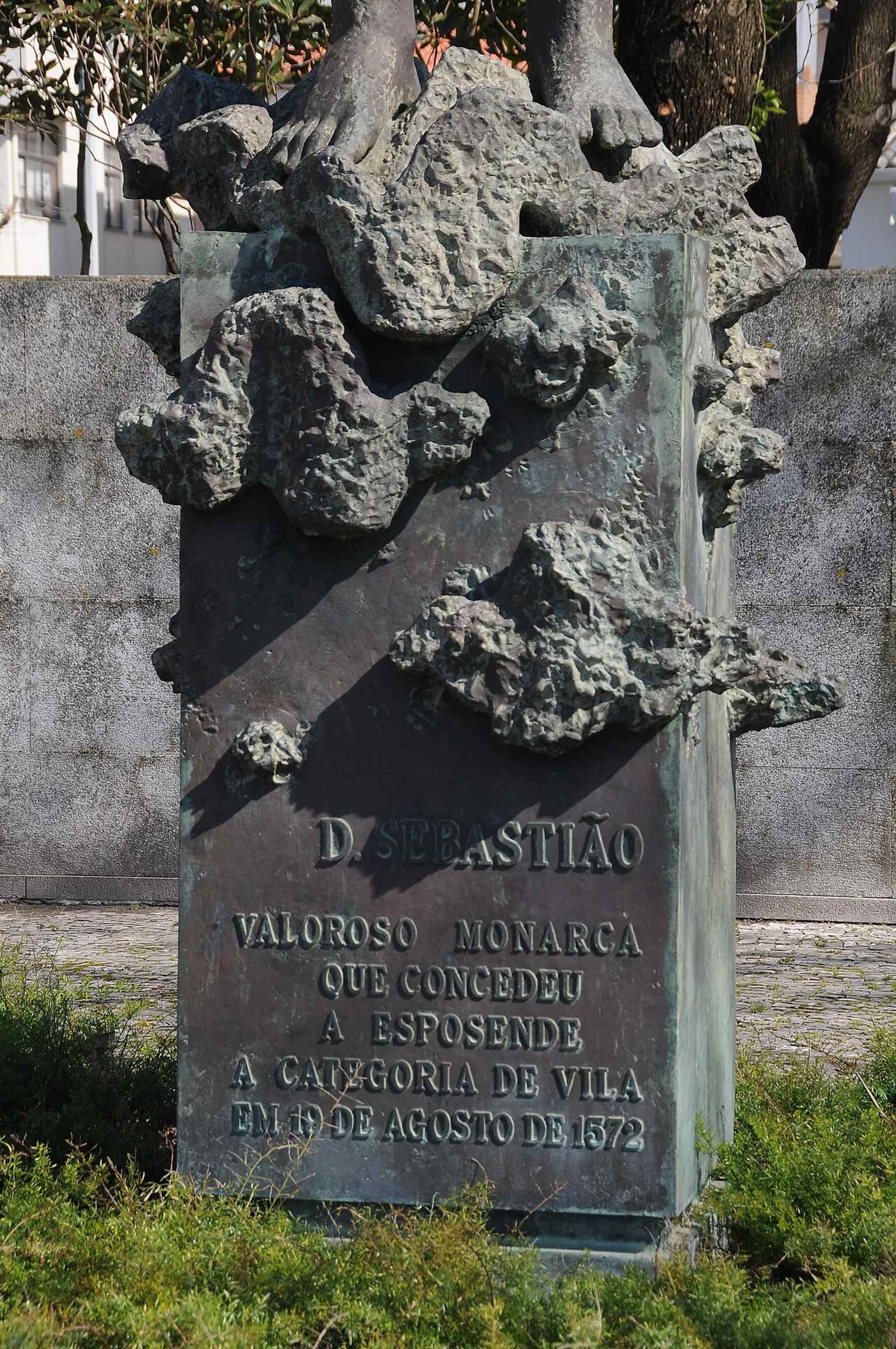
A clear view of the D. Sebastião statue in Esposende, the bronze tribute that marks the town’s link to the king who granted its charter in 1572.Photo: Joseolgon, Wikimedia Commons, CC BY-SA 3.0. Cropped & resized. 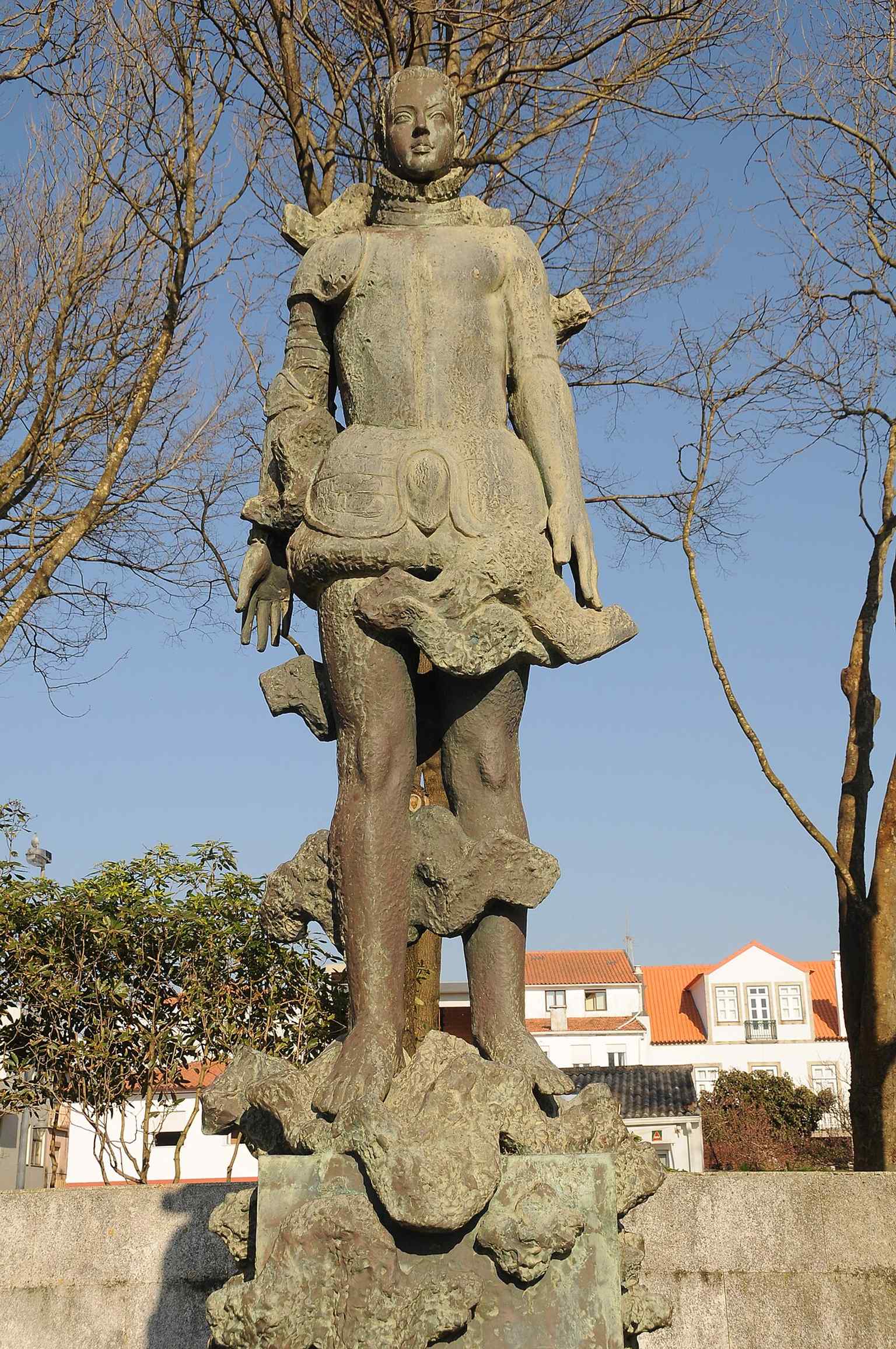
Another angle on the statue in Praça D. Sebastião, showing the monument placed in the square that helps anchor the town’s founding memory.Photo: Joseolgon, Wikimedia Commons, CC BY-SA 3.0. Cropped & resized.
Show 3 more stopsShow fewer stopsexpand_moreexpand_less
On your left is a small whitewashed masonry chapel, rectangular and restrained, with a blue-tiled image of Saint John above the stone door and a flowered cross rising from the…Read moreShow less
Open dedicated page →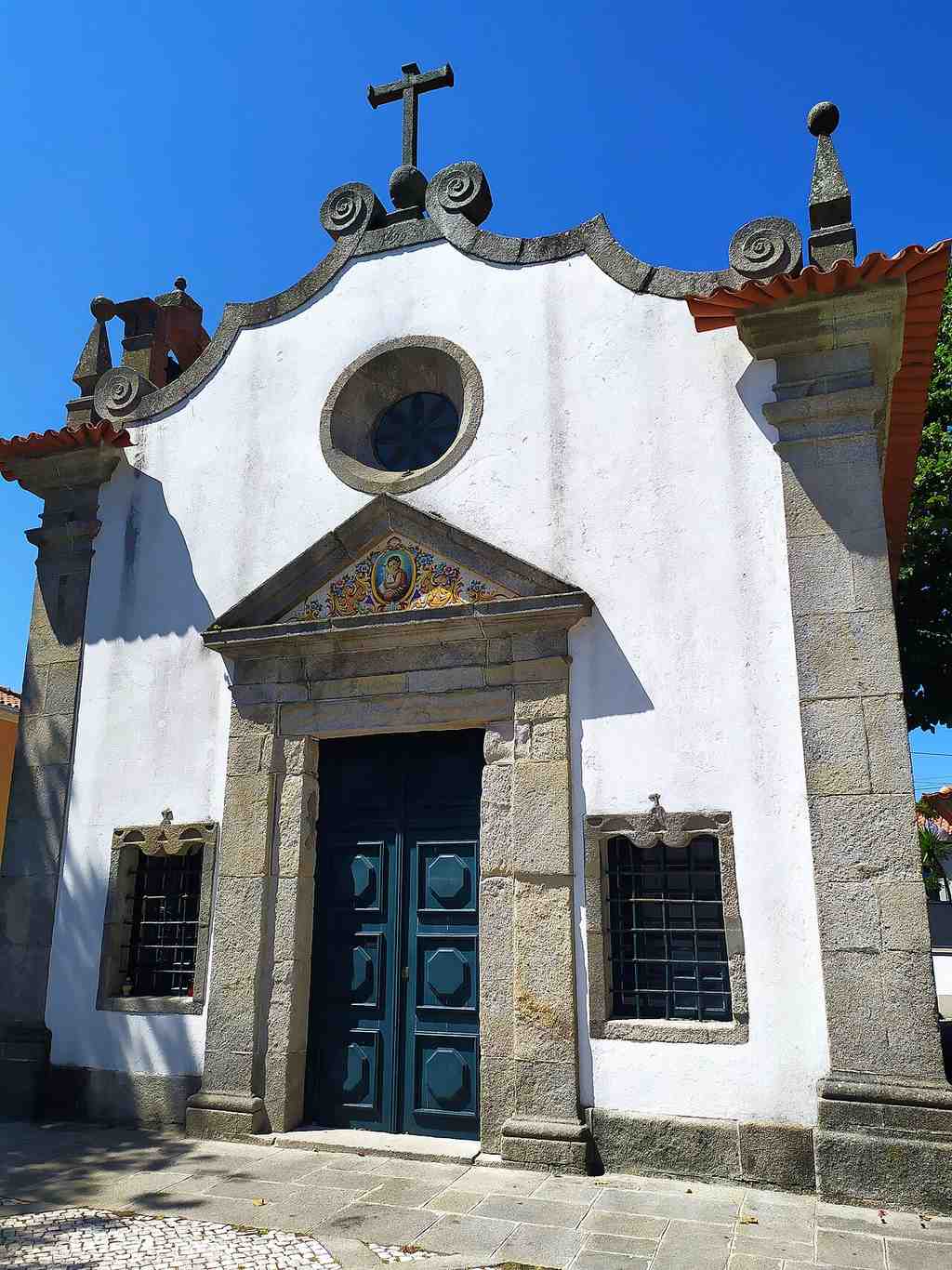
Chapel of St. John the BaptistPhoto: Joseolgon, Wikimedia Commons, CC0. Cropped & resized. On your left is a small whitewashed masonry chapel, rectangular and restrained, with a blue-tiled image of Saint John above the stone door and a flowered cross rising from the dated gable.
The sobriety of the São João chapel is not a lack; it is its character. Founded in sixteen ninety-nine, this little temple chose one simple hall for worship, stout stone corners, and a front that speaks softly rather than grandly. Yet even quiet buildings are rewritten. After repairs in nineteen seventy-five and nineteen seventy-six, the Aleluia factory in Aveiro added the azulejo panel of Saint John the Baptist above the door, so the chapel carried its seventeenth-century calm into a modern restoration. If you glance at your screen, the tile detail is clearer there.
A closer look at the chapel’s decorative elements, including the Saint John the Baptist azulejo added after the 1975–76 restoration.Photo: Joseolgon, Wikimedia Commons, CC0. Cropped & resized. Take a moment to study the plain geometry, the round oculus above, and the worked stone around the windows. Saint John appears again inside at the altar, keeping continuity in a place that changed by careful degrees, not dramatic reinvention. In about four minutes, the Mother Church will broaden this story into something larger.
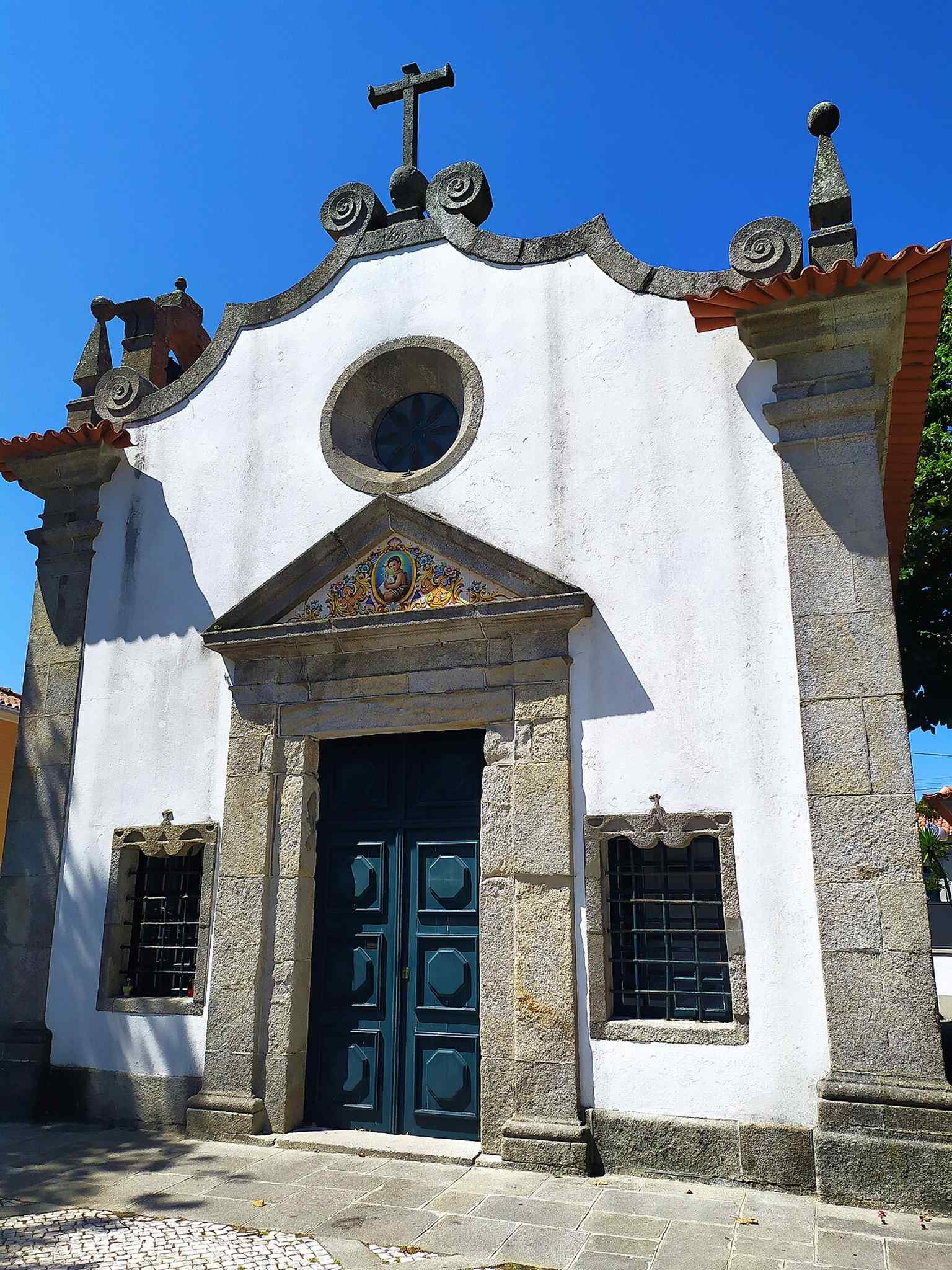
Front view of the Chapel of Saint John the Baptist, showing the small 17th-century shrine in Esposende and its simple rectangular form.Photo: Joseolgon, Wikimedia Commons, CC0. Cropped & resized. 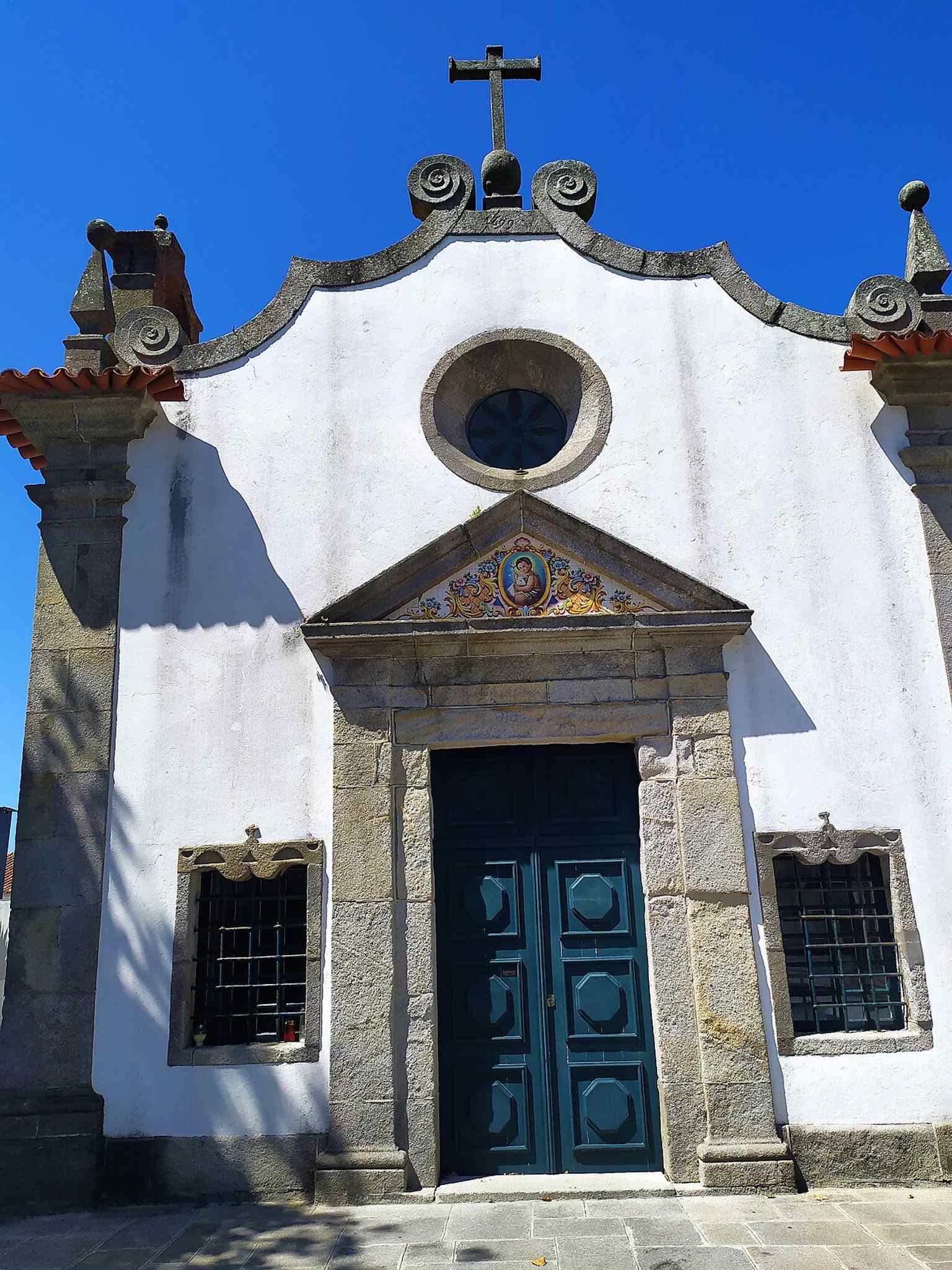
A second exterior angle on the chapel, useful for showing the sober façade and the building’s modest scale.Photo: Joseolgon, Wikimedia Commons, CC0. Cropped & resized. 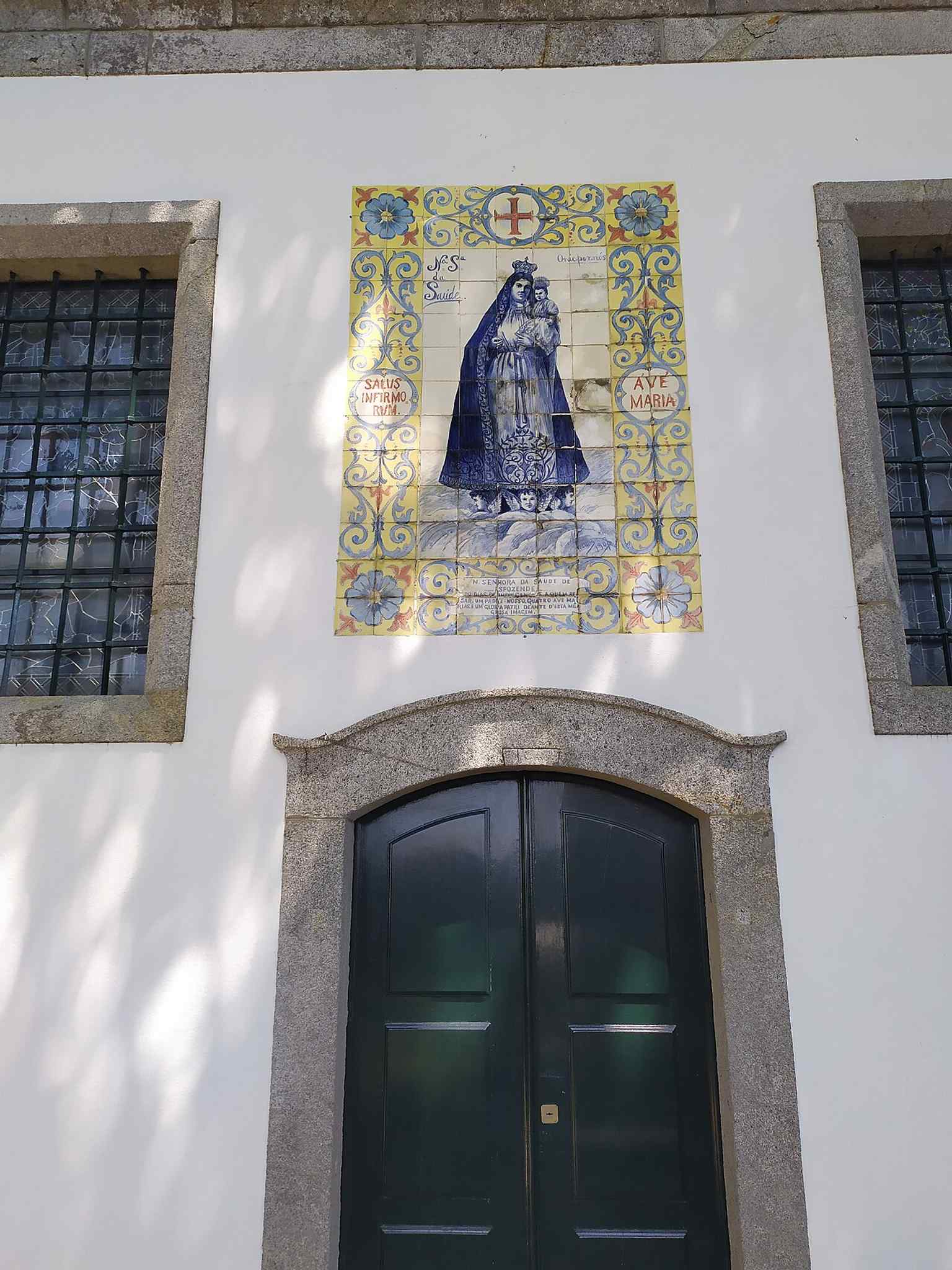
The chapel in its urban setting, with the façade details and the neighboring cross that the source text places beside it.Photo: Joseolgon, Wikimedia Commons, CC0. Cropped & resized. 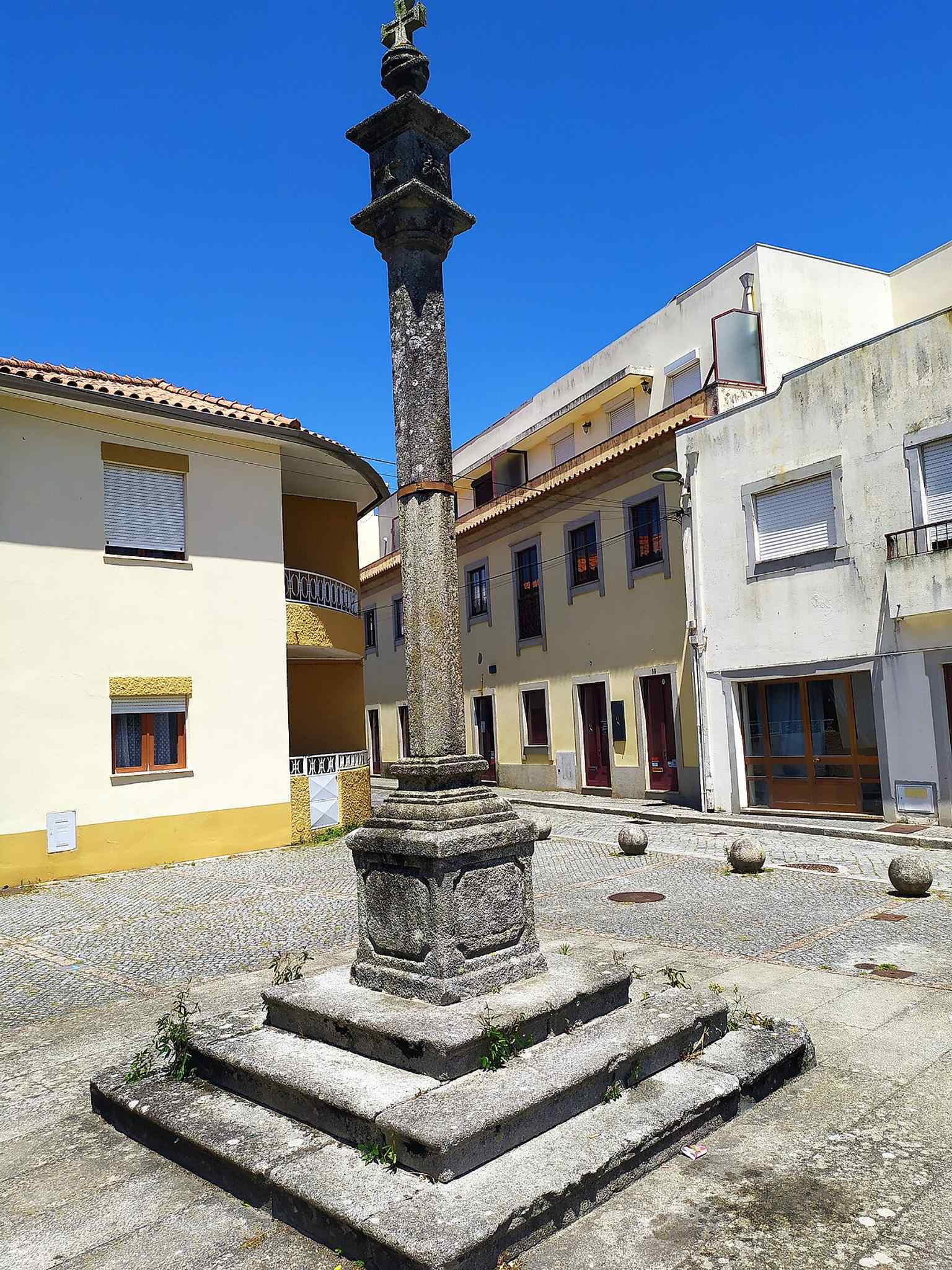
The nearby pillory helps situate the chapel within Esposende’s historic streetscape and gives context for the landmark’s surroundings.Photo: Joseolgon, Wikimedia Commons, CC0. Cropped & resized. 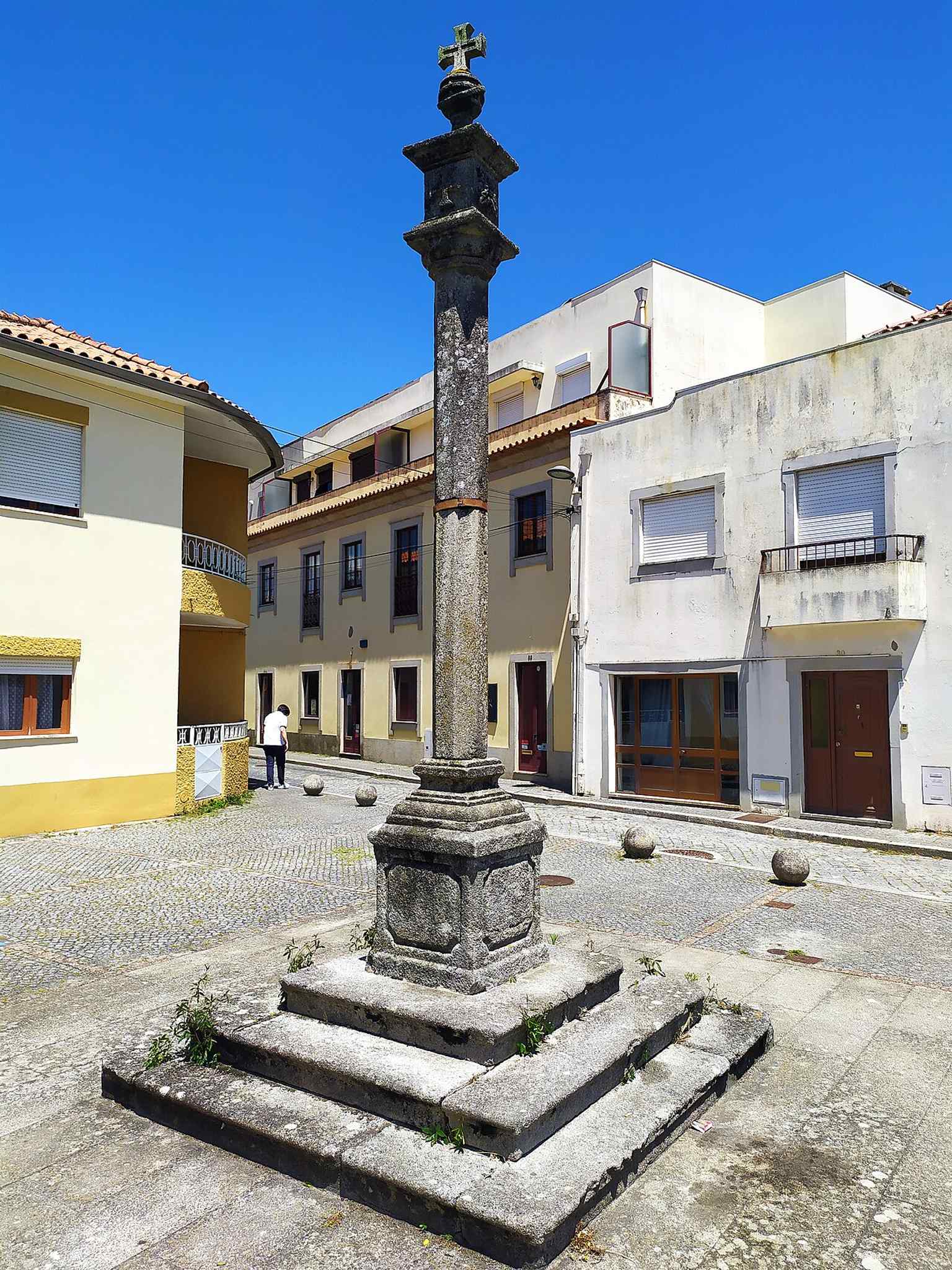
Another view of the old civic monument near the chapel, adding local heritage context to the walking tour route.Photo: Joseolgon, Wikimedia Commons, CC0. Cropped & resized. 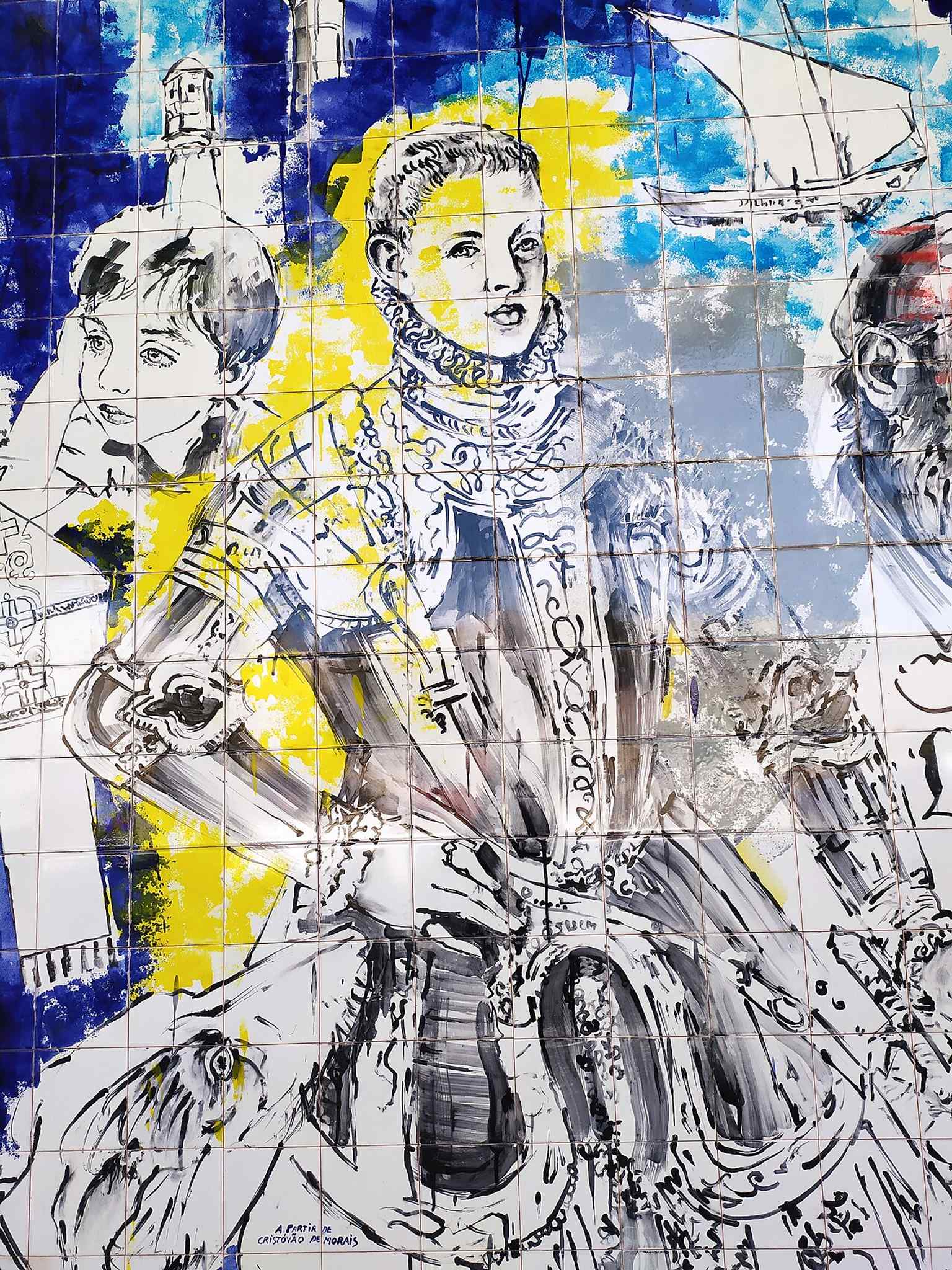
Blue-and-white tilework from Esposende, echoing the chapel’s azulejo panel of Saint John Baptist on the façade.Photo: Joseolgon, Wikimedia Commons, CC0. Cropped & resized. 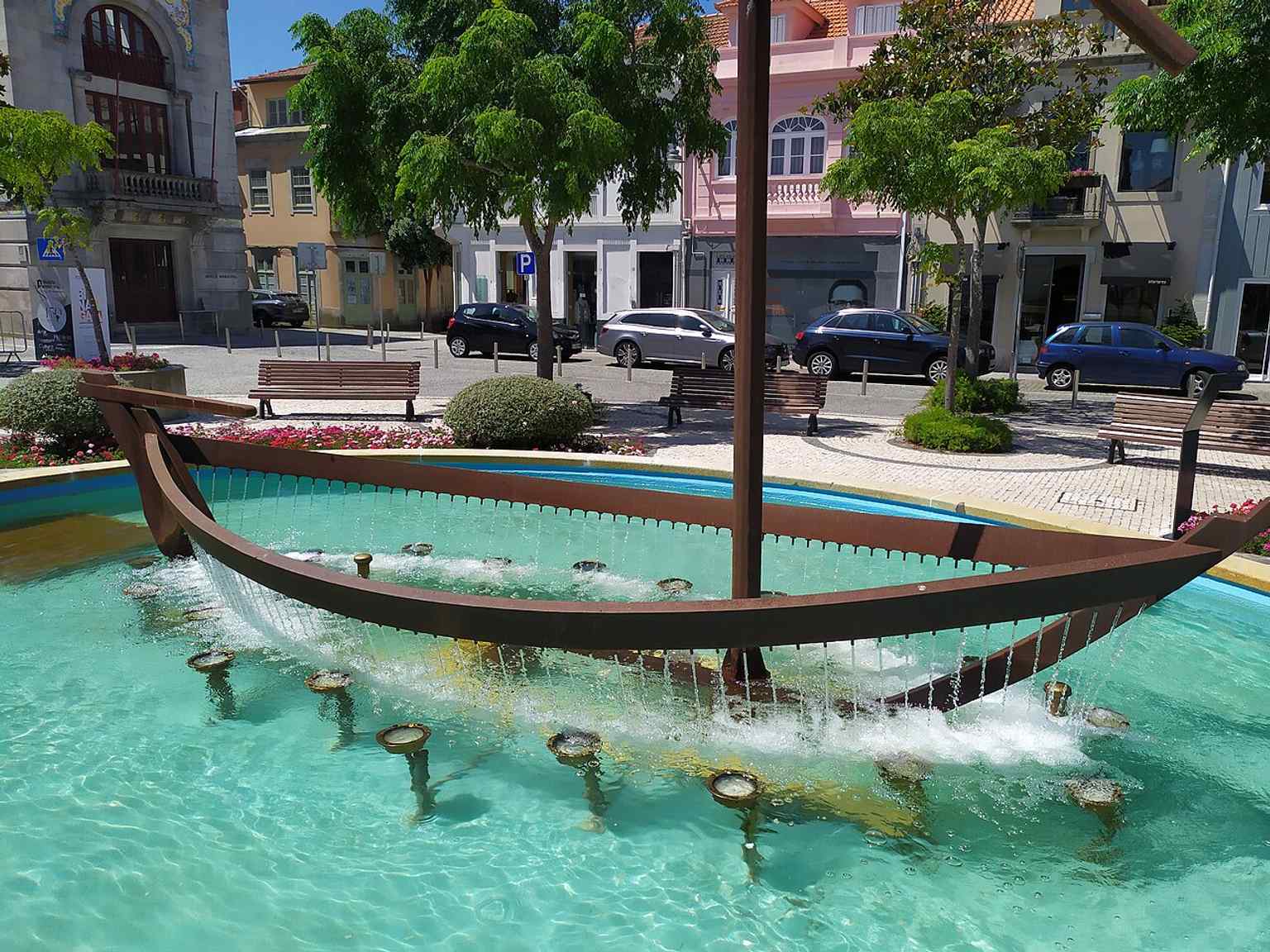
A public fountain detail from Esposende that complements the chapel stop by showing the town’s traditional street furniture and heritage fabric.Photo: Joseolgon, Wikimedia Commons, CC0. Cropped & resized. 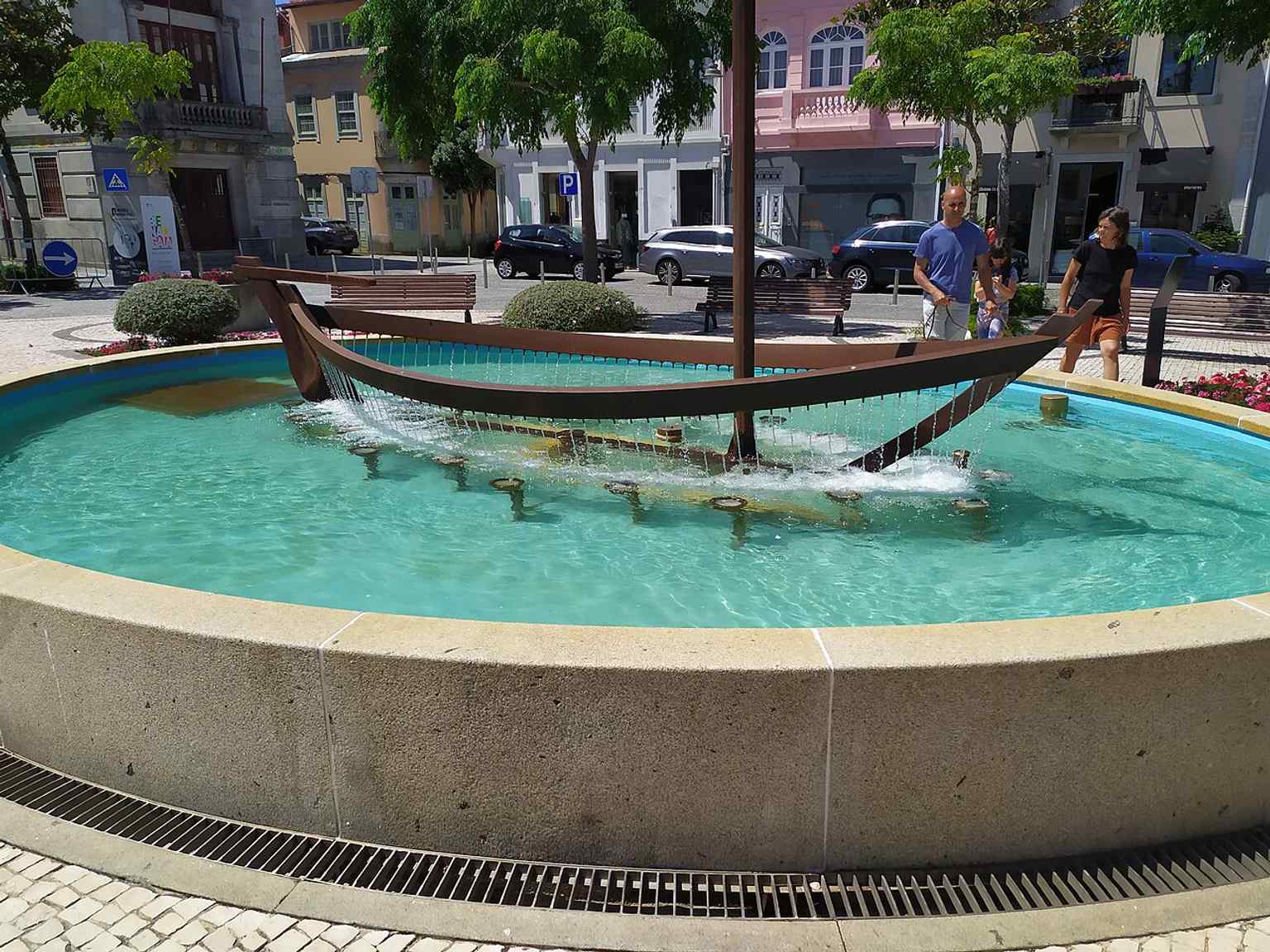
Another historic fountain detail in Esposende, useful as a visual cue for the neighborhood around the chapel.Photo: Joseolgon, Wikimedia Commons, CC0. Cropped & resized. 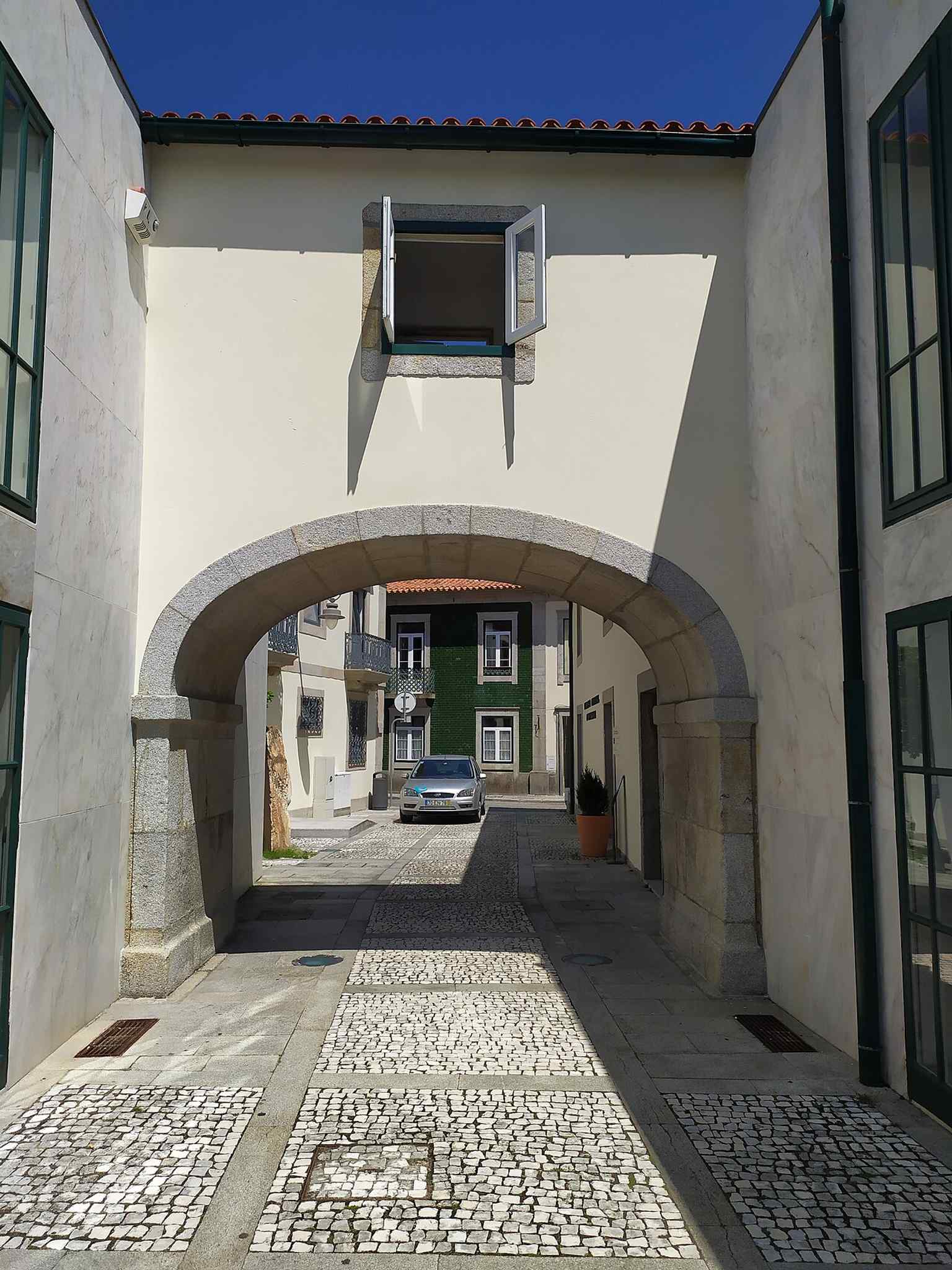
A narrow passageway in Esposende that reflects the old-town atmosphere surrounding the seventeenth-century chapel.Photo: Joseolgon, Wikimedia Commons, CC0. Cropped & resized. 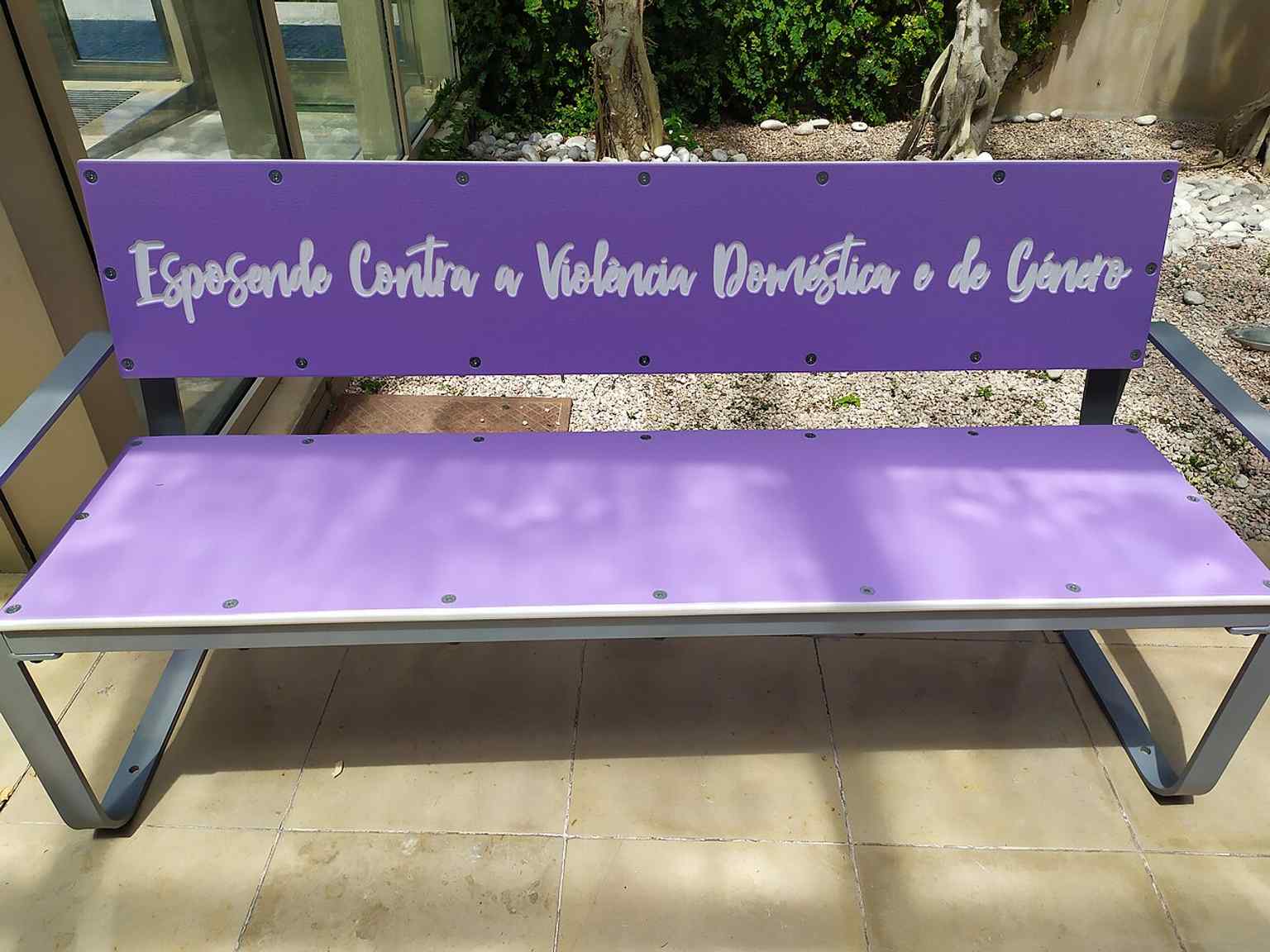
An overview of Esposende that helps place the chapel within the town’s wider historic center.Photo: Joseolgon, Wikimedia Commons, CC0. Cropped & resized. 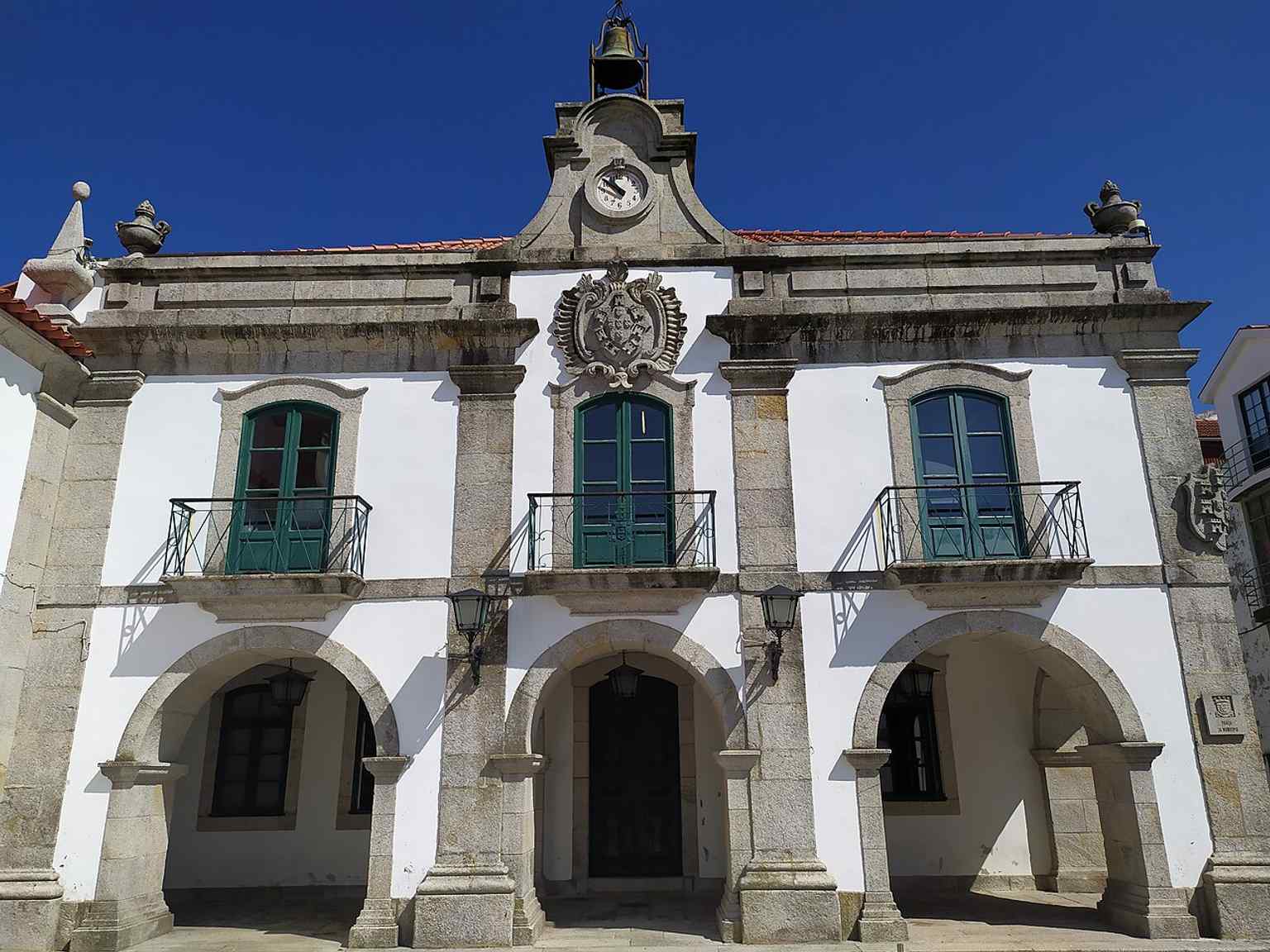
A broader view of Esposende’s civic area, giving geographic context for the chapel’s location in the town.Photo: Joseolgon, Wikimedia Commons, CC0. Cropped & resized. On your left rises a pale stone church with a broad rectangular front, twin bell towers, and a circular marble clock set into the tower on the south side. This is the Igreja…Read moreShow less
Open dedicated page →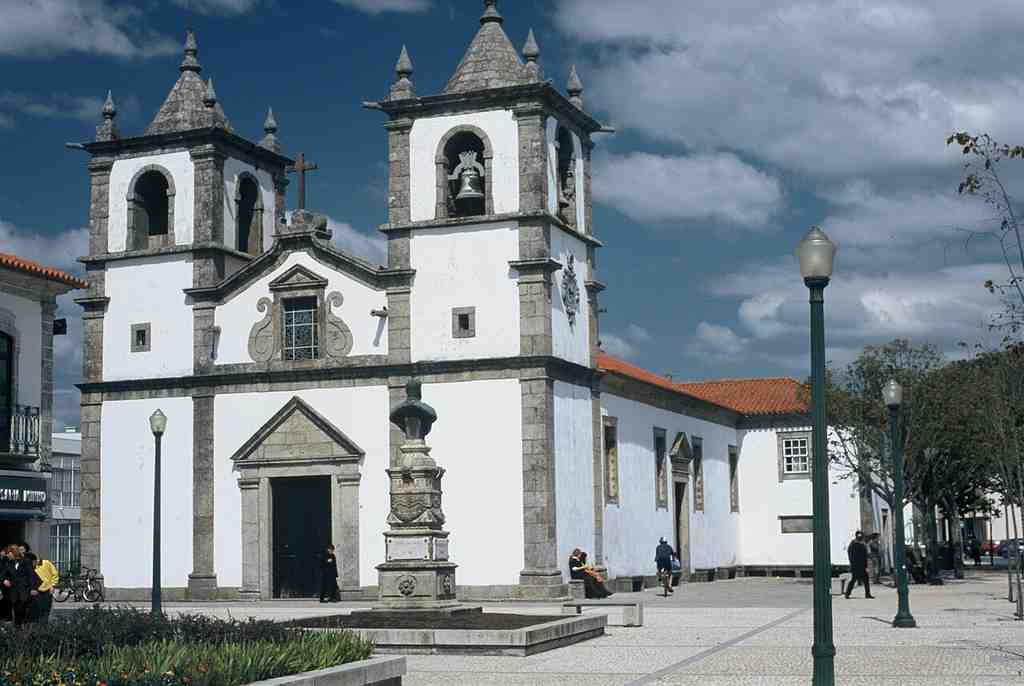
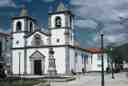
Esposende Mother ChurchPhoto: Visitesposende, Wikimedia Commons, CC BY-SA 4.0. Cropped & resized. On your left rises a pale stone church with a broad rectangular front, twin bell towers, and a circular marble clock set into the tower on the south side.
This is the Igreja Matriz of Esposende, dedicated to Santa Maria dos Anjos, and it makes a fine summary of the town itself: not one fixed creation, but a place altered, enlarged, and given new duties over and over again. Before this church took its present shape, a small hermitage stood here from fifteen sixty-six, dedicated to Our Lady of Grace. Then, in seventeen fifty-eight, the town refashioned that older sacred place to serve as the matriz, the main parish church. That meant more than a change in devotion. It also made this building the administrative and spiritual centre of local life.
What you see on the outside belongs largely to a later act of ambition. Between eighteen eighty-five and eighteen ninety-six, Esposende pushed the church into a grander form. The interior grew. The façade took on its neoclassical poise, with its orderly lines and pediments, those triangular crowns above the entrance and central front. Most visitors notice the larger face it gave the square. Locals, if they are paying attention, will tell you the real change was not only visual. That same campaign installed the pipe organ. In other words, the church did not merely look different after the nineteenth century; it sounded different too.
Inside, the church opens into three naves, the central hall and two side aisles, divided by arches. The oldest part survives most clearly in the main chapel, where the earlier character still lingers. There, above richly gilded woodwork in a strong Baroque spirit, stands the image of Our Lady of the Angels, patron of today’s city. Later additions kept coming: a new sacristy and mortuary chapel arrived only at the end of the twentieth century and the start of the twenty-first. Even now, the building keeps receiving the needs of the town.
Father Manuel Baptista de Sousa understood that continuity deeply. He served this parish for decades, wrote its religious history, and became such a steady presence that the town later honoured his work. In nineteen eighty-seven, he received the honorary title of Chaplain of His Holiness. Men like him leave fewer marks than stonecutters, perhaps, but just as lasting.
Look up at the towers. The south one carries four bells and, since nineteen sixty-eight, that marble clock made by the house of Jerónimo of Braga, as if reminding the town that worship here has always shared space with public life.
And here is the thought to carry with you: when a church has been remade by so many centuries, which version is the truest one - the first shrine, the grand façade, or the one still gathering people now?
In a moment, we’ll walk on to the Chapel of the Lord of the Mareantes, only about a minute away.
Frequently asked questions
How do I start the tour?
After purchase, download the AudaTours app and enter your redemption code. The tour will be ready to start immediately - just tap play and follow the GPS-guided route.
Do I need internet during the tour?
No! Download the tour before you start and enjoy it fully offline. Only the chat feature requires internet. We recommend downloading on WiFi to save mobile data.
Is this a guided group tour?
No - this is a self-guided audio tour. You explore independently at your own pace, with audio narration playing through your phone. No tour guide, no group, no schedule.
How long does the tour take?
Most tours take 60–90 minutes to complete, but you control the pace entirely. Pause, skip stops, or take breaks whenever you want.
What if I can't finish the tour today?
No problem! Tours have lifetime access. Pause and resume whenever you like - tomorrow, next week, or next year. Your progress is saved.
What languages are available?
All tours are available in 50+ languages. Select your preferred language when redeeming your code. Note: language cannot be changed after tour generation.
Where do I access the tour after purchase?
Download the free AudaTours app from the App Store or Google Play. Enter your redemption code (sent via email) and the tour will appear in your library, ready to download and start.
If you don't enjoy the tour, we'll refund your purchase. Contact us at [email protected]
Checkout securely with 






