
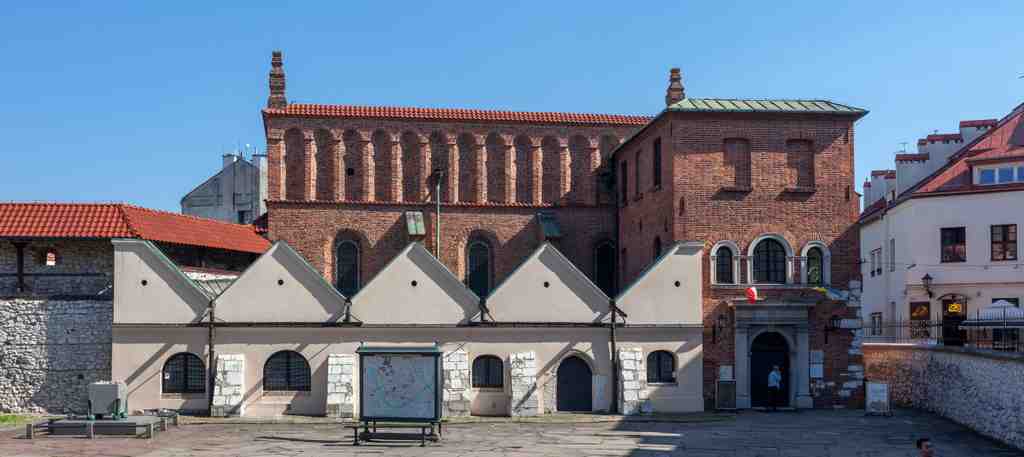
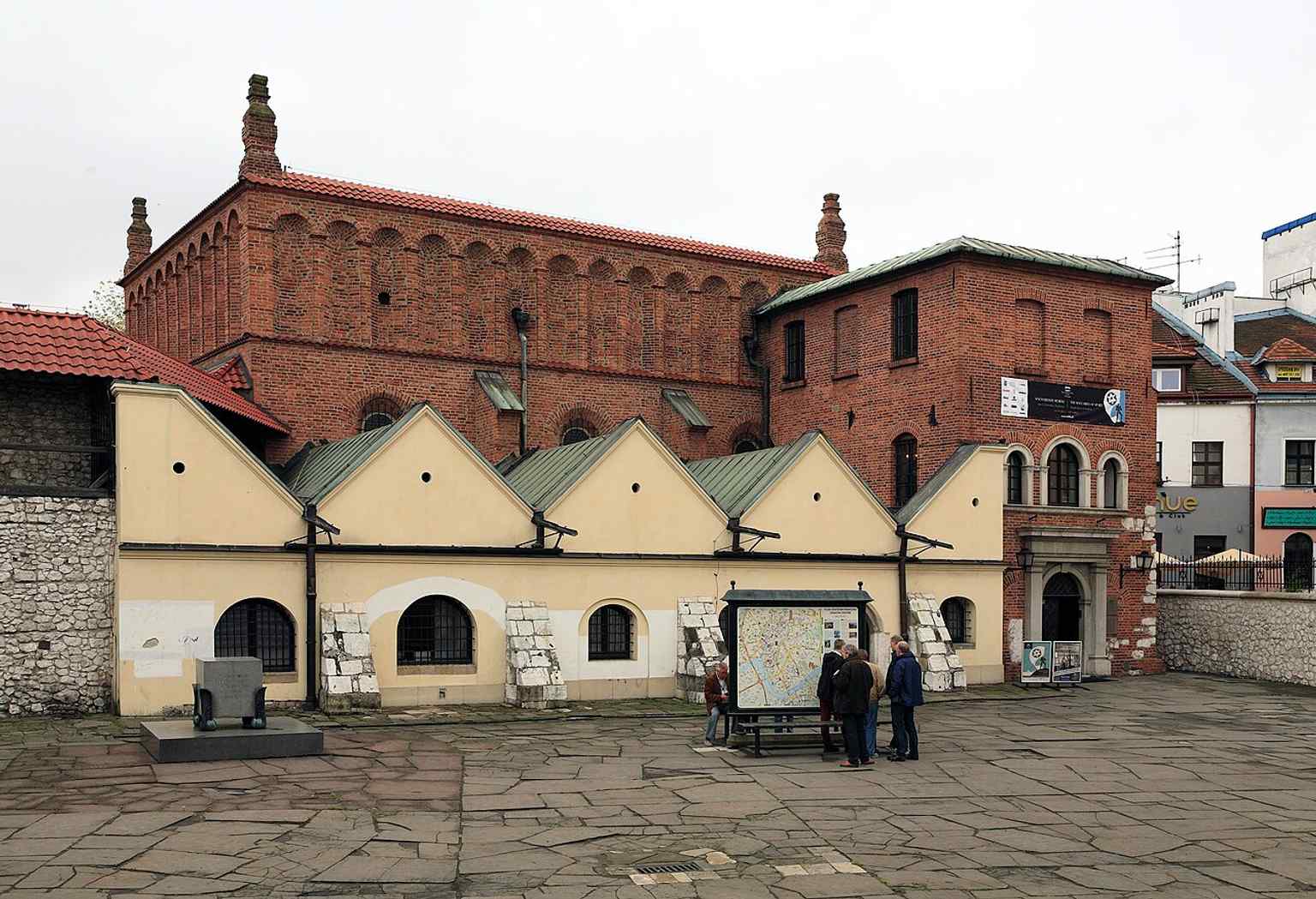
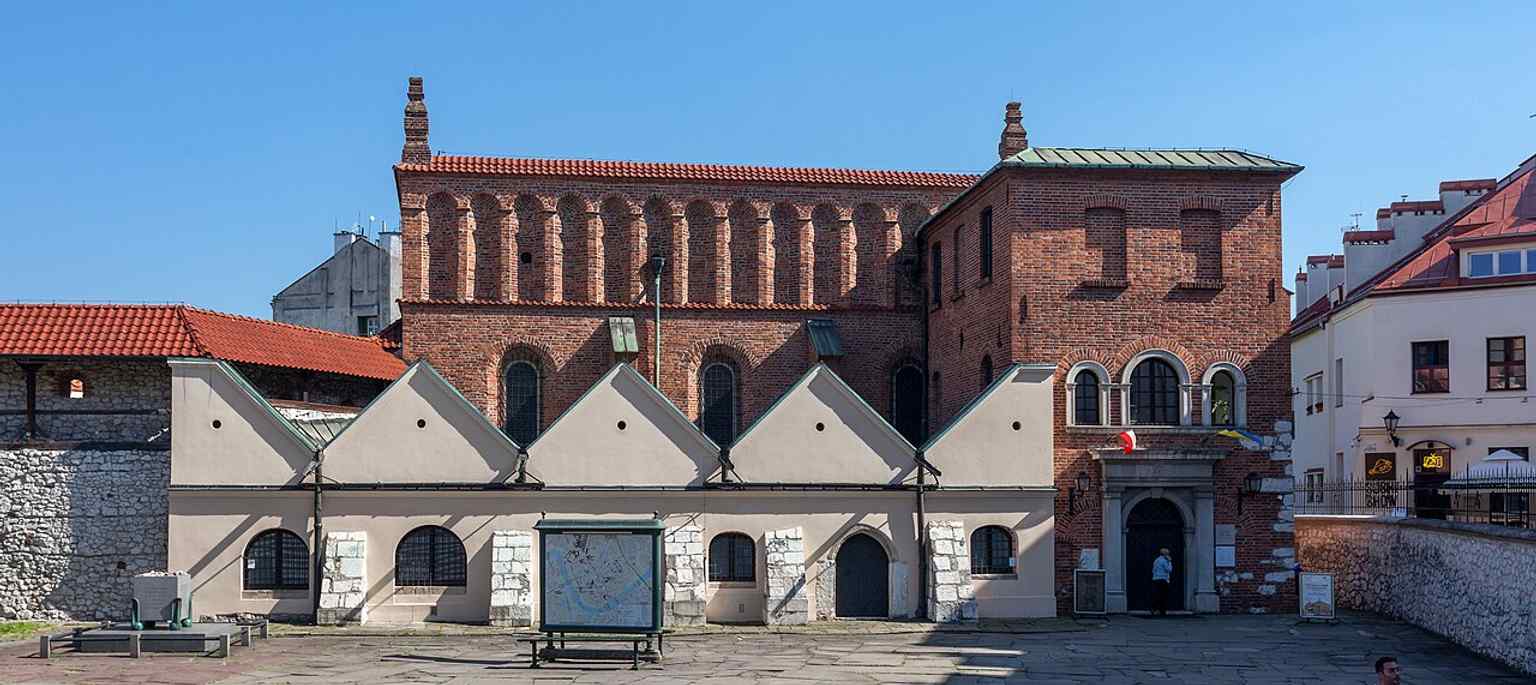
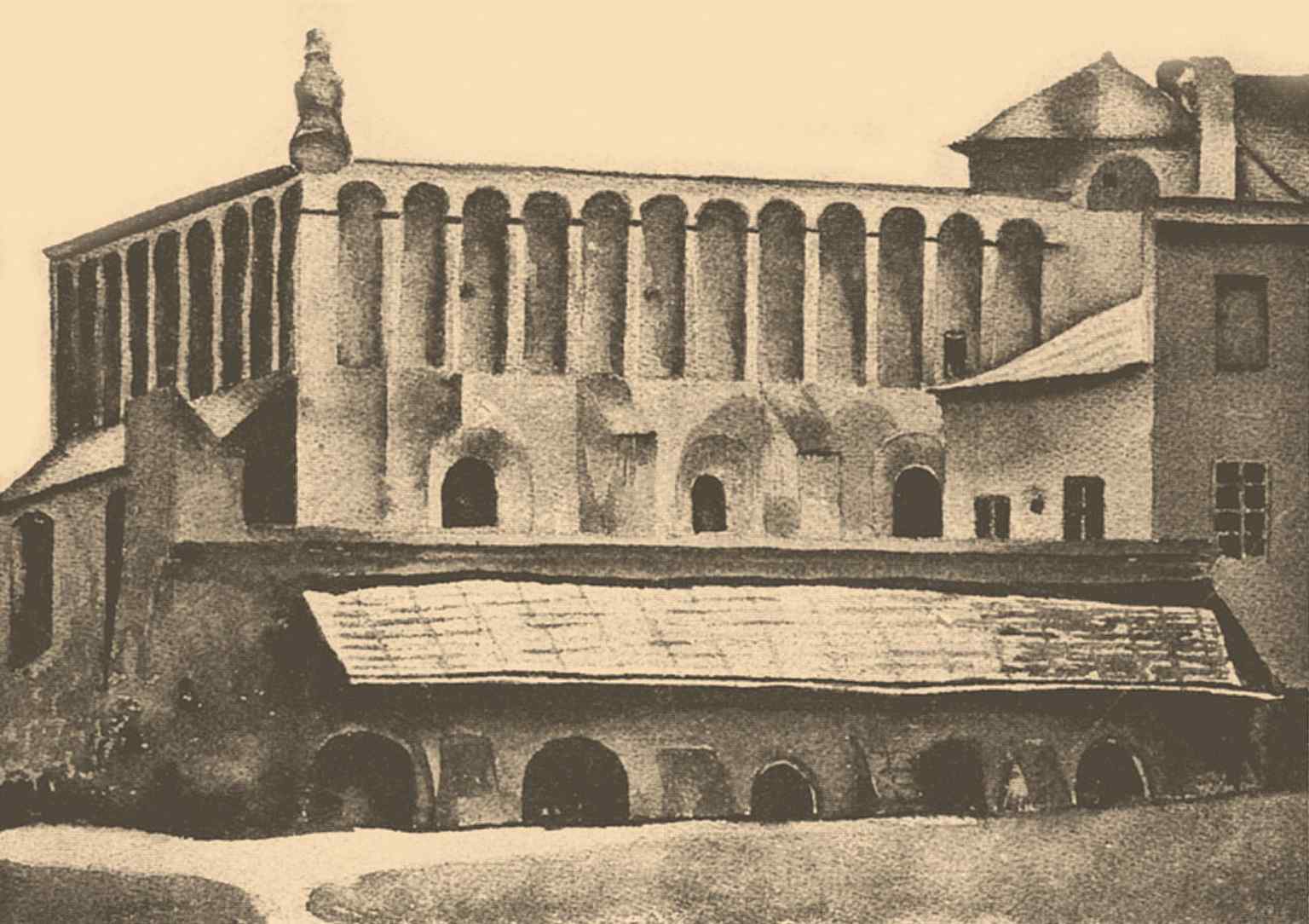
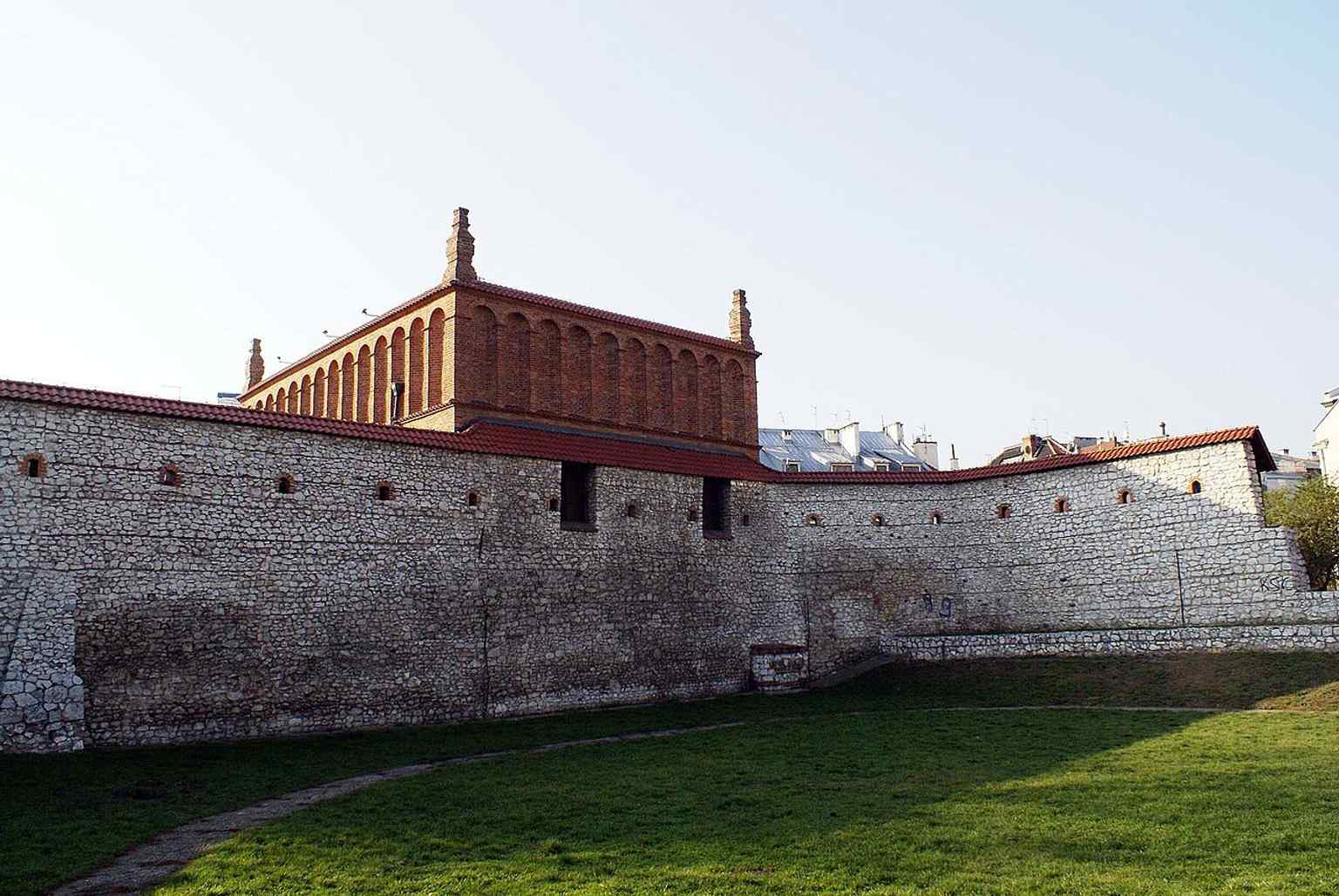
In front of you stands a low, heavy synagogue of pale masonry, almost fortress-like in shape, with a stepped gable and windows set strikingly high above the ground.
This is the Old Synagogue, the oldest synagogue building still standing in Poland, and in many ways the stone anchor of Jewish Kazimierz. Its story begins with disaster elsewhere. After the great fire of fourteen ninety-four devastated streets around Szczepański Square in medieval Kraków, the city blamed its Jews and pushed them out of the Old Town. Much of Jewish communal life moved here, into Kazimierz. So this building does not simply mark a neighborhood; it marks a forced beginning again.
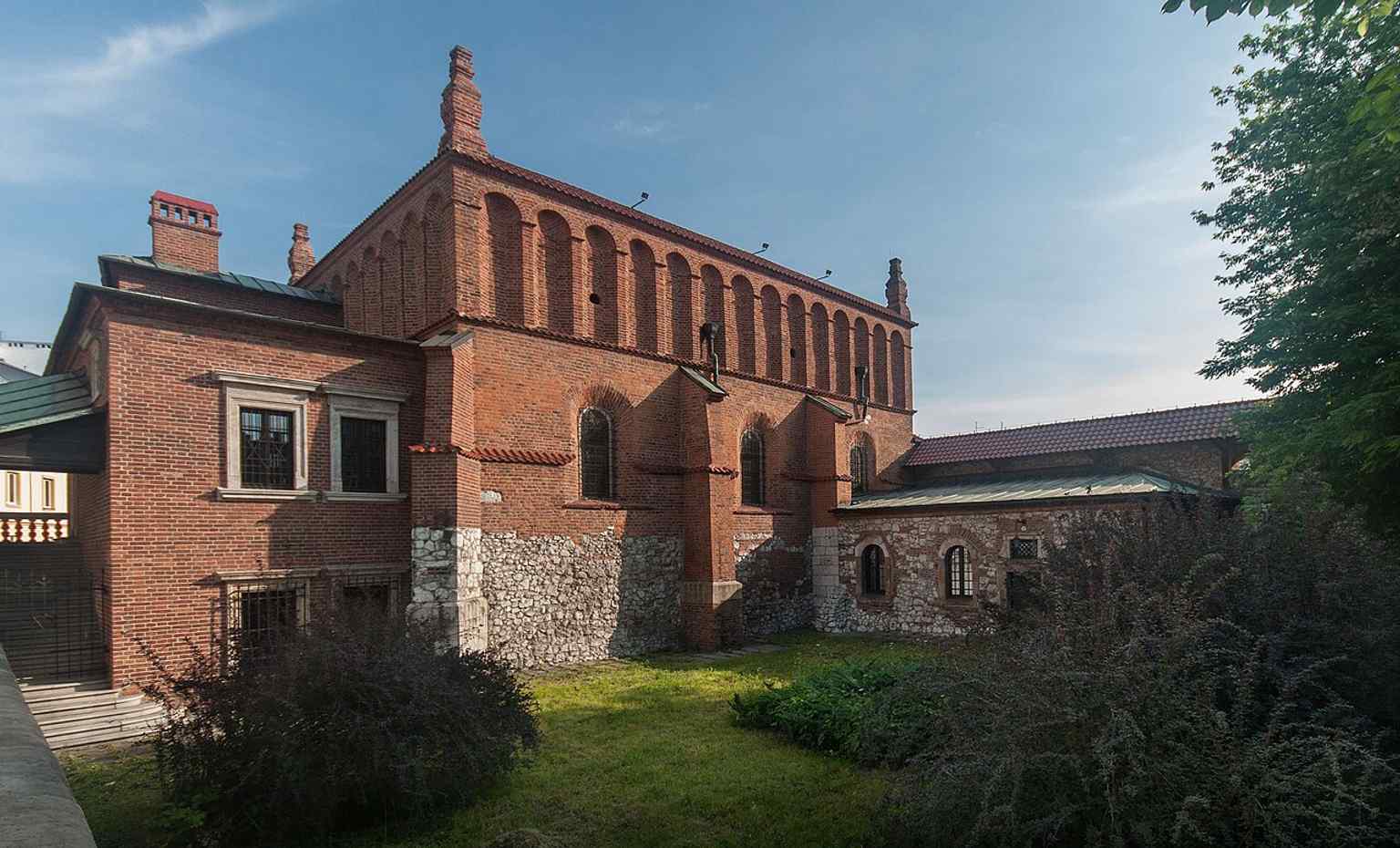
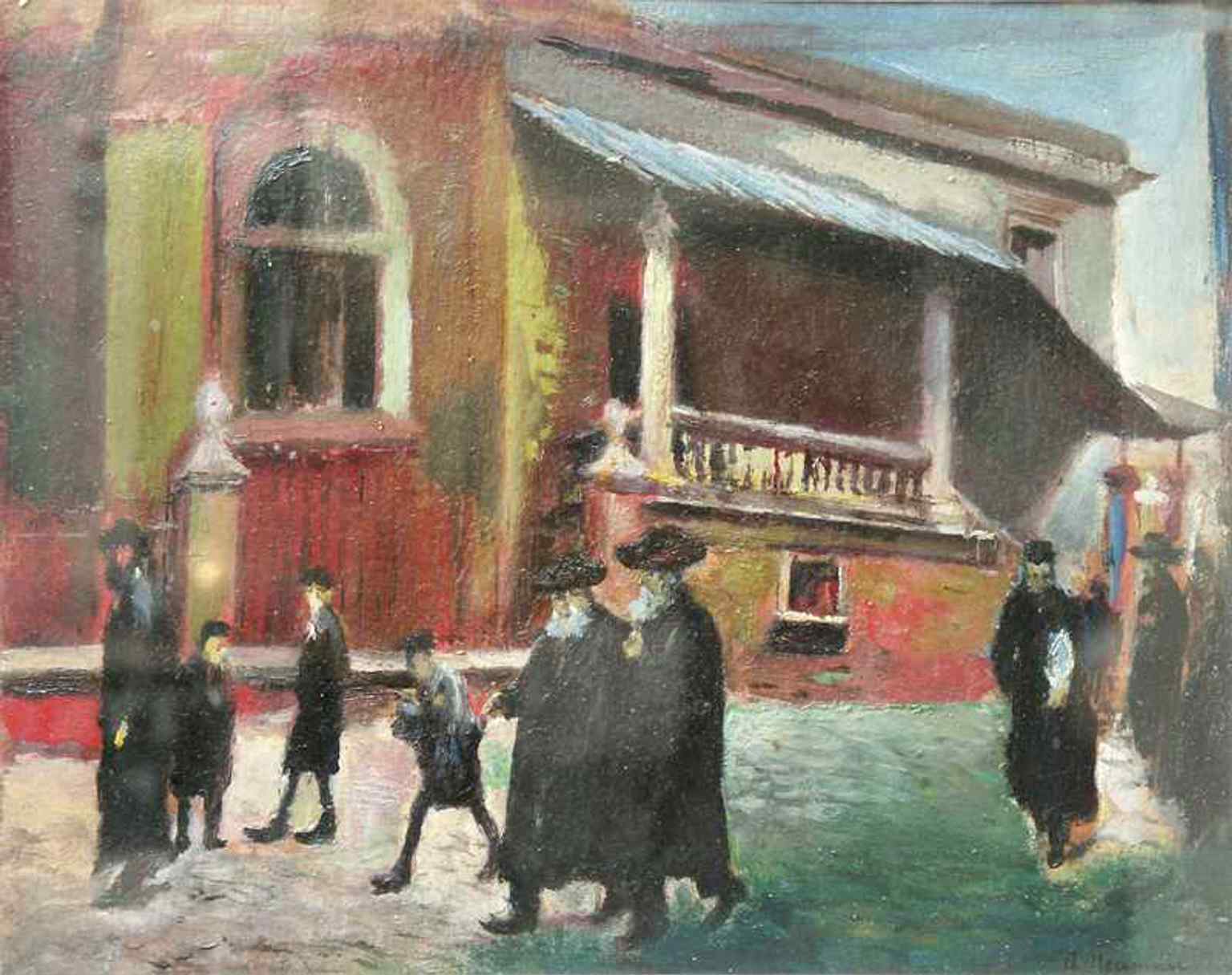
By fifteen fifty-six, King Sigismund Augustus already referred to it as the “Old Synagogue,” which tells you how deeply rooted it had already become in communal memory. A year later, fire struck again. Then Matteo Gucci, the Florence-born architect, rebuilt it and finished the work by fifteen seventy. He gave it Gothic strength and Mannerist elegance, a late Renaissance style that prized refined proportion. More importantly, he made it defensive: thick walls, heavy exterior supports called buttresses, loopholes in the attic wall, and windows raised far above reach. This was a house of prayer designed to endure siege as well as sorrow. If you glance at the image on your screen, you can see those fortress qualities especially clearly. The learned Jewish world that later included figures like Remah grew within the communal landscape this synagogue helped secure. And this place did not serve prayer alone. Rabbi Isaac Levita used it to pronounce cherem, a formal religious ban, against Kraków Hasidim. In seventeen ninety-four, General Tadeusz Kościuszko came here to appeal for Jewish support in his uprising. Sacred space and public life met under one roof.
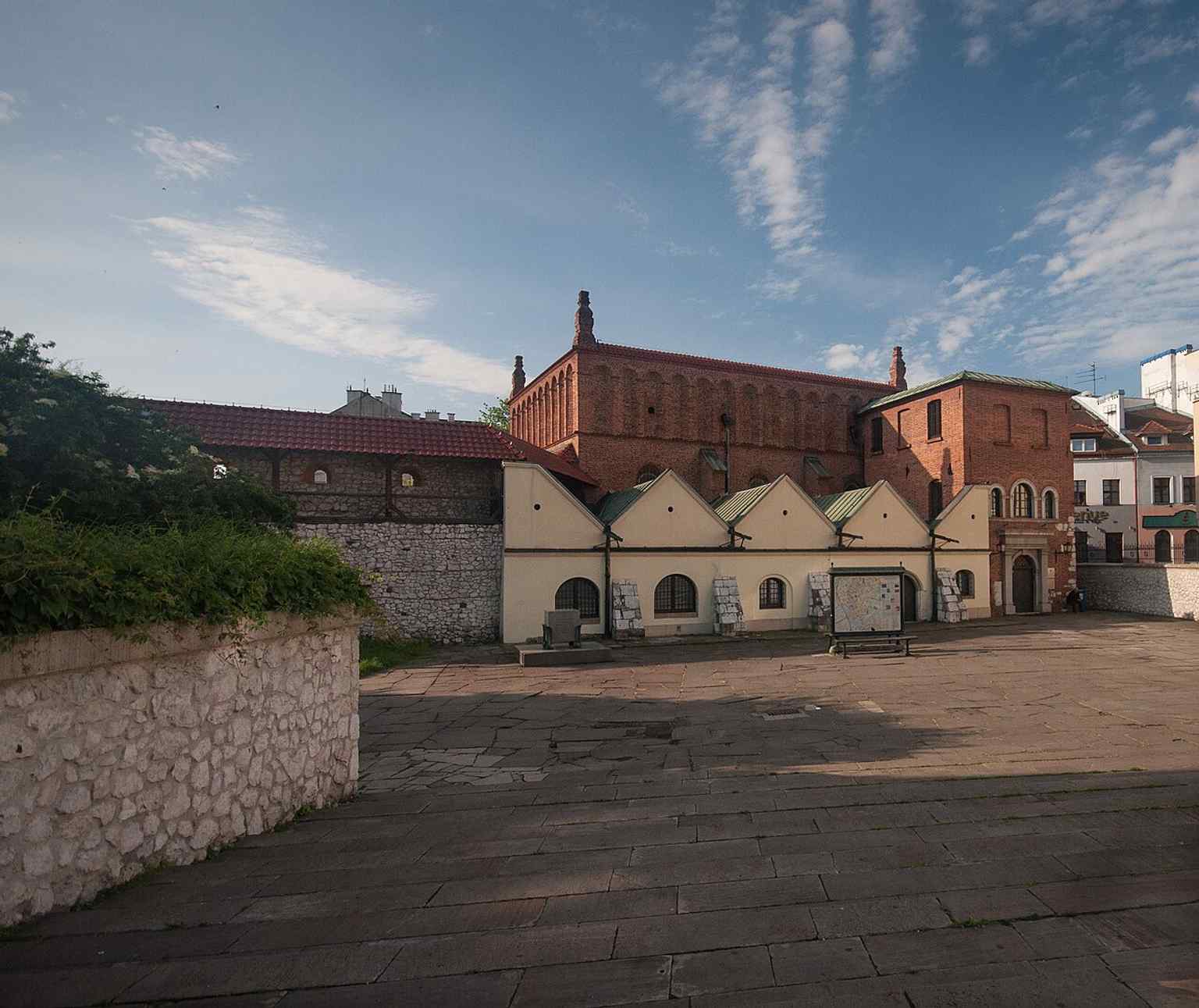
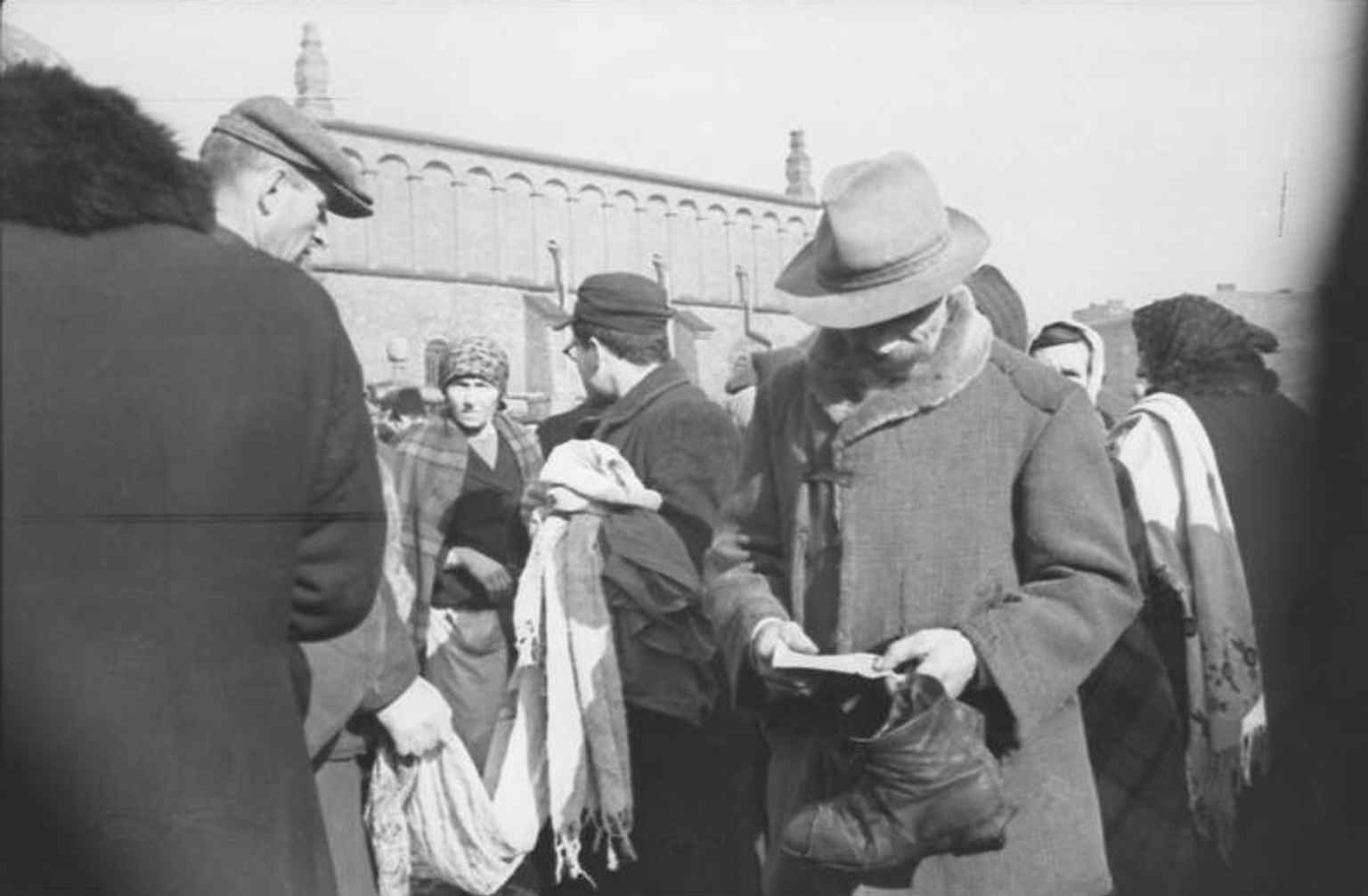
Then came the twentieth century’s worst rupture. German occupiers ransacked the synagogue in nineteen thirty-nine, looted its ritual objects, and used the building as a warehouse. On the twenty-eighth of October, nineteen forty-three, they shot thirty Polish hostages at its wall. If you like, take a look at the before-and-after image in the app; it quietly shows how much this place lost, and how carefully it was brought back.
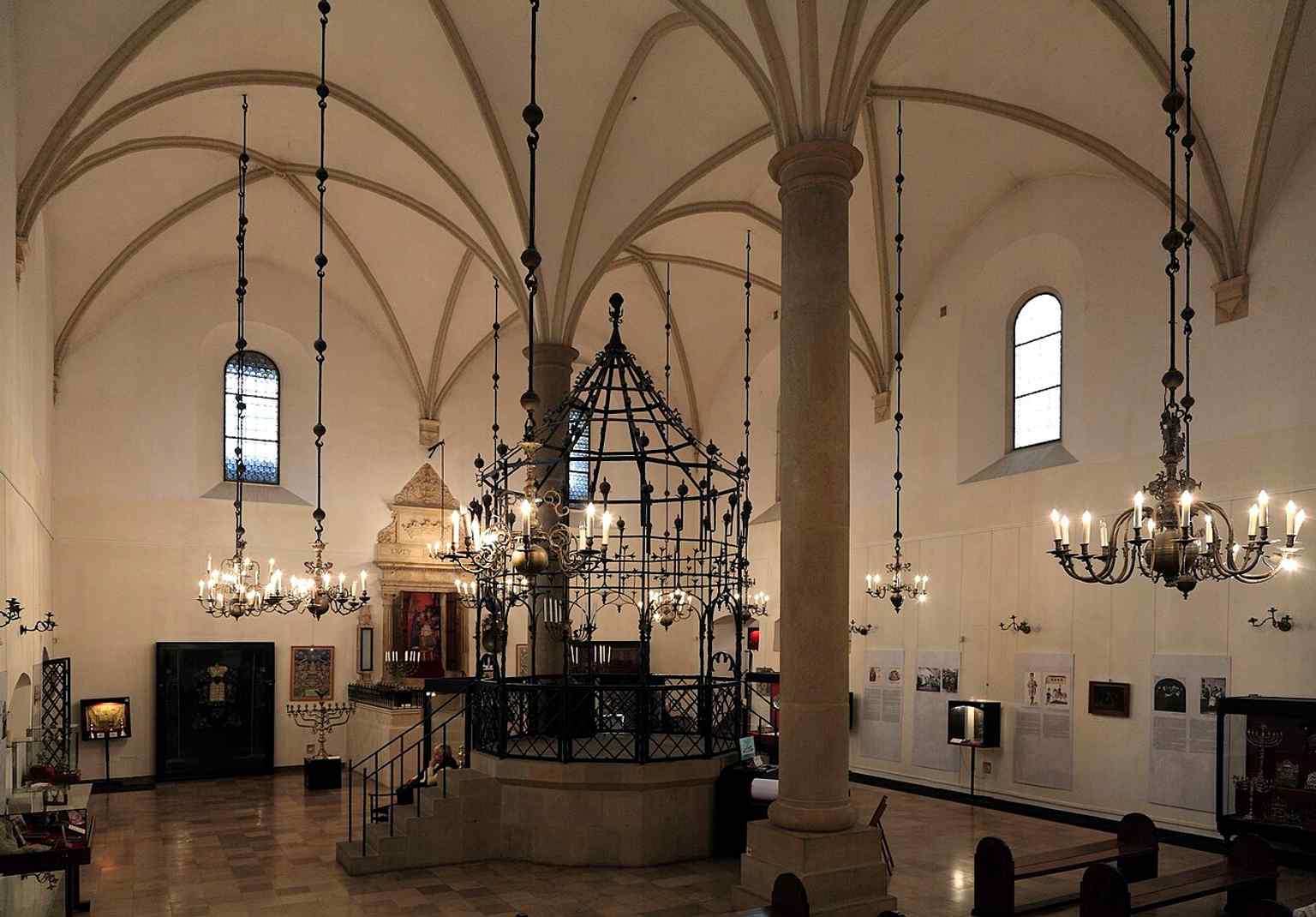
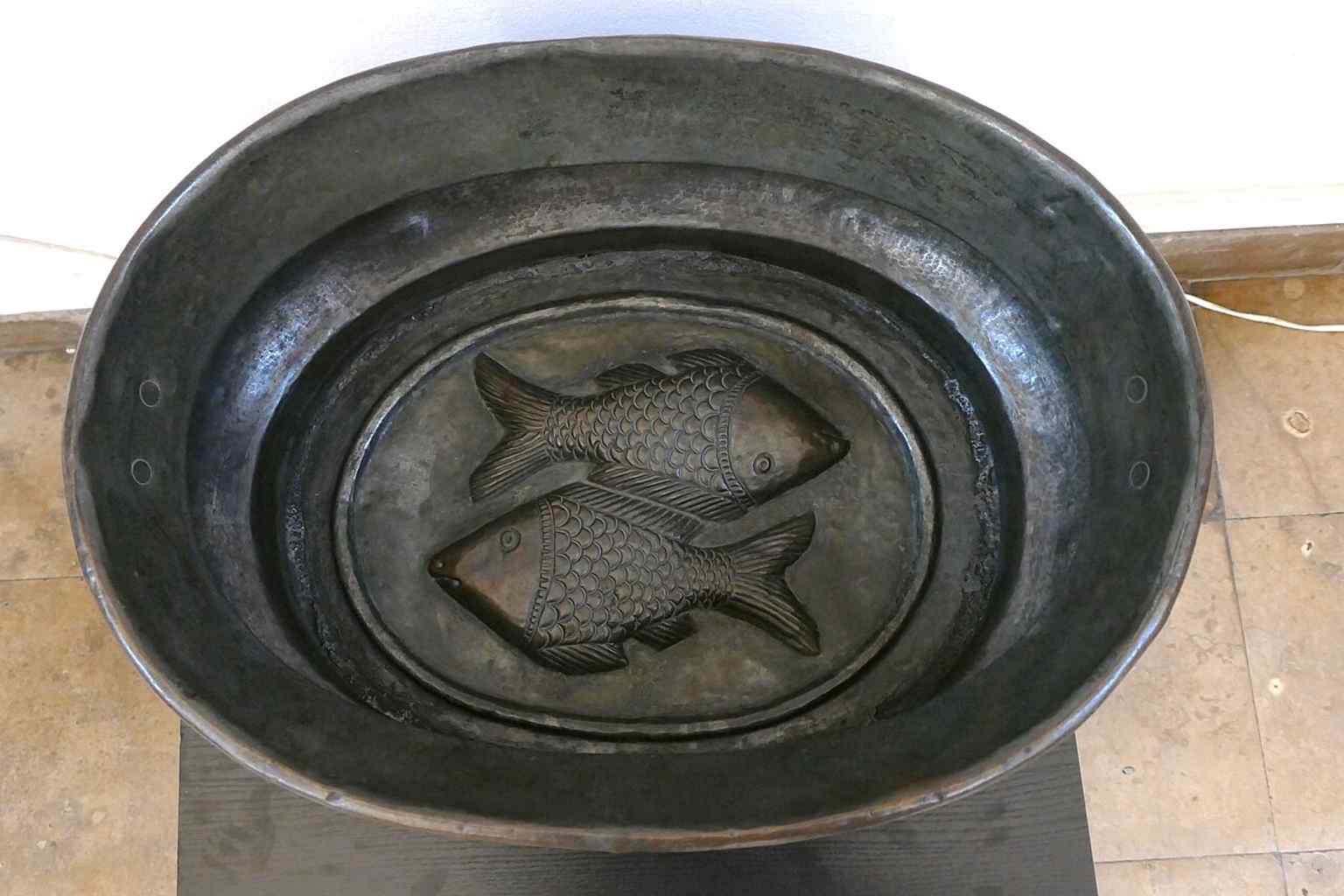
After the war, conservators secured the ruin, researchers studied it, and from nineteen fifty-six to nineteen fifty-nine it was restored. Since nineteen fifty-eight, it has lived on as a branch of the Historical Museum of Kraków, telling Jewish life through birth, prayer, food, divorce, and death.
So what are we hearing in these walls now: the silence of something ended, or the stubborn afterlife of a people still speaking through stone? In a former synagogue that no longer functions as it once did, memory has not retired; it has changed its work. In about five minutes, we will continue to Corpus Christi Church. If you want to go inside here, the museum usually opens from ten to three on Monday and from nine to five on the other days.






.jpg)


