
Rotterdam Audio Tour: Art, Innovation & Hidden Gems of the Centrum
A single surrealist painting still whispers clues to a vanished Rotterdam buried beneath modern glass. Streets alive with striking architecture hold memories darker than their bright facades suggest. Take this self-guided audio tour through the heart of Rotterdam Centrum and uncover stories lurking in plain sight. Walk at your own pace between bold icons and overlooked corners, discovering the city behind the city. What secret coded messages were hidden inside the walls of Erasmus MC during a time of crisis? Who vanished forever behind the elegant windows of Sonneveld House—and why did nobody ever speak of it again? What scandal once rocked Museum Boijmans Van Beuningen, exposing an artist's obsession literally dripping from the canvas? Move through soaring spaces and shadowed alleyways. Feel the pulse of rebellion, scandal, and artistic revolution as history leaps up beneath your feet. Every step shifts your view. Ready to unlock Rotterdam’s hidden stories? Press play and let the journey begin.
Tour preview
About this tour
- scheduleDuration 40–60 minsGo at your own pace
- straighten2.8 km walking routeFollow the guided path
- location_onLocationSchiedam, Netherlands
- wifi_offWorks offlineDownload once, use anywhere
- all_inclusiveLifetime accessReplay anytime, forever
- location_onStarts at Museum Boijmans Van Beuningen
Stops on this tour
To spot the Museum Boijmans Van Beuningen, look out for a bold brick building topped with a greenish copper roof and a tall tower rising skywards, right beside the reflective…Read moreShow less
To spot the Museum Boijmans Van Beuningen, look out for a bold brick building topped with a greenish copper roof and a tall tower rising skywards, right beside the reflective water and surrounded by curious sculptures and gardens. Alright explorer, take in the sight before you-this grand museum is like Rotterdam’s very own treasure chest, stacked from the basement to the tower with centuries of art and design. Step closer and imagine yourself in the mid-1800s, when Rotterdam was buzzing with ships and smoky chimneys, and this very collection began its journey thanks to the generosity of a fellow named Frans Jacob Otto Boijmans. Picture Boijmans shaking hands with the city council after a deal over coffee-well, probably strong Dutch coffee, because this is serious business-and opening the doors to a collection he’d spent his whole life building. But alas, fate wasn’t kind. In 1864, many of those precious artworks were lost in a fire so devastating it nearly turned the dream to ashes. But Rotterdam knows how to bounce back! The collection grew and forced the museum to move and expand, until, in 1935, this stunning spot in Museumpark opened its doors, designed by Adriaan van der Steur. Now, van der Steur was a bit of a visionary-you see that tower? Some folks thought it was a bit much, but he argued it was essential, like the cherry on top of a cake (or in this case, the spire on this museum sundae). He even obsessed over details: how the sunlight would hit the art, how your feet would get tired on the stairs, and how the colors of stone would age as gracefully as a Rembrandt. As the decades ticked by, the place grew, adding shiny, modern wings: spaces by world-famous architects, bright galleries with skylights, and a shimmering new art depot nearby. The depot is a showstopper on its own-the world’s first accessible art warehouse, covered in glass and reflecting the Rotterdam skyline back at you like an enormous, artsy disco ball. You might say they built it so fast, anyone walking by probably thought, “Is that an art bunker, or a spaceship?” Now, let’s talk treasure. Boijmans Van Beuningen’s collection is legendary: everything from medieval paintings to skull-melting surrealism by Dalí and Magritte, golden age Dutch landscapes, van Gogh’s stormy brushstrokes, even odd household treasures like a Renaissance tulip cabinet, or furniture that looks like it belongs in a sci-fi flick. This is a place where you can see a drinking goblet with the skyline of Hamburg etched on it, or a 17th-century tapestry where the hero Achilles seems so real you’ll want to check behind you for a Trojan army. It’s not all glory, though; the museum’s history is mixed with shadows. During World War II, artwork looted from Jewish families made its way here-a stain that’s still debated today. In 2018, the museum even staged an exhibition exploring this painful legacy, reminding everyone that even beautiful buildings can hold difficult truths. But through triumphs, tragedies, and the odd mishap (let’s not forget when a young Picasso-in-training scratched a Rothko in the depot!), Boijmans has become the heart of Rotterdam’s creative soul. Although the museum itself is closed for a massive renovation (set to reopen in 2030-mark your calendars!), its spirit is alive in every red brick, every reflection on the pond, and every visitor ready to daydream about art, ambition, and a city that never stops reinventing itself. And hey, if these walls could talk, they’d probably have some wild stories to tell… but for now, you’ve got me! Interested in knowing more about the architecture, collection or the controversy
Open dedicated page →Look for a grand, symmetrical brick building with rows of white-trimmed windows and the “Gymnasium Erasmianum” sign above the main entrance, partly framed by leafy trees right…Read moreShow less
Look for a grand, symmetrical brick building with rows of white-trimmed windows and the “Gymnasium Erasmianum” sign above the main entrance, partly framed by leafy trees right across from the hospital. Welcome to the Erasmian Gymnasium! As you stand here, let your imagination transport you-not just through this moment, but back almost 700 years, when this school’s story began in medieval Rotterdam. Founded all the way back in 1328 as a modest parish school, this place has grown to become one of the oldest high schools in the Netherlands. That’s right, the school was already busy teaching Latin and ancient wisdom long before Desiderius Erasmus-its famous namesake-was even born. Talk about being ahead of your time! Picture the 14th century: kids in wooden clogs, streets bustling with merchants, and a tiny classroom trying to hold back the noise of the growing city. Over the centuries, the Erasmian Gymnasium became a centre for learning-so much so, it eventually got named after the legendary Rotterdammer Erasmus himself. In the 1600s, Jacob Beeckman was the head of the school, and his brother Isaac even taught lessons here-a real family affair! Through the centuries, this school’s benches have supported generations of wannabe scholars, rebels, poets, and-believe it or not-quite a few future ministers, mayors, and artists. Now look at the building in front of you, an impressive city monument designed by the highly respected city architect Ad van der Steur in 1937, after the school moved from its old location on the Coolsingel-right at the height of pre-war ambition. The style is sturdy but welcoming, and if you peek at the sign above the entrance, you’ll see the name in strong letters that have greeted thousands of excited (and probably nervous) pupils. Over the years, the building has grown, with extra wings and gymnasiums added in 1995 and 2003 to fit the expanding Erasmian family. So yes, if it feels big, just imagine how many heads have filled these hallways. But it’s not just the bricks and mortar that make this place special-it’s the people. The school has produced more famous alumni than a quizmaster could handle, from 16th-century officials and governors to 21st-century pop stars, professors, and even a stand-up comedian or two. Here’s a fun twist: among the list of past pupils, you’ll find everyone from the very serious like ministers and historians, to the mischievous, and even a few rebels who probably came up with world-changing ideas in the back row. And let’s not forget the teachers-some of the greats in their fields have inspired students here! Physicists, poets, linguists, and even a professor of insects (an entomologist, if you want to impress your friends). There’s always been a sense that every teacher and student here leaves a small mark on the city’s future. Inside, school life is never boring. Picture a dizzying array of clubs and student-run organizations: a student council fiercely defending their lunchtime freedoms, a newspaper from 1929 run by enthusiastic teens with stories nobody-especially the school leadership-can censor, debate clubs arguing passionately, and even a meme group cracking jokes about teachers on Instagram (Don’t worry, the teachers are fans too). And outside these walls, posters for elections of the Rotterdamse Gymnasiastenbond, the school’s own student association, scatter across Rotterdam every spring. Politics, music nights, heated debates, sports competitions-there’s even a curatorium that gives out scholarships for a summer at Oxford. That’s one way to spend your vacation! There have been moments of tension-drama over the stage lighting club almost becoming an exclusive club for boys, for instance, but the students rallied, and now it’s become a springboard for budding theatre techies, boys and girls alike. The Erasmian Gymnasium is a full-on city within a city-a place where tradition and change are always balancing on a wobbly wooden school bench together. So if you feel a little academic energy in the air, don’t be surprised. The Erasmian Gymnasium has been mixing serious study with fun and a sense of freedom for nearly 700 years. As they sing in their ancient school song, Vivat haec societas-long live this community! And if you ever walk by during school pickup, brace yourself: that’s history in motion, every single day. For further insights on the one of the oldest schools in the netherlands, buildings or the former teachers, feel free to navigate to the chat section below and inquire.
Open dedicated page →Look up ahead-you can’t miss Erasmus MC’s two tall, crisp white towers stretching into the Rotterdam sky, dominating the scene with their modern, geometric windows. Welcome to…Read moreShow less
Look up ahead-you can’t miss Erasmus MC’s two tall, crisp white towers stretching into the Rotterdam sky, dominating the scene with their modern, geometric windows. Welcome to Erasmus MC! Right now, you’re standing before what might be the brainiest place in Rotterdam. If these towering white buildings look like they mean serious business, that’s because inside them, doctors and researchers are tackling some of Europe's toughest medical mysteries. But don’t worry, even amidst all the science and learning, you might still catch someone in a lab coat laughing at a joke about skeletons having “bad back days.” Let’s travel back to where this story began-way before Wi-Fi and coffee machines ruled hospital corridors. Picture Rotterdam in the 1840s. The city is buzzing with horses and carts, and just a short walk away from here, city architect Willem Nicolaas Rose is drawing up one of the grandest hospitals of the era: the Coolsingel Hospital. It had a majestic façade, stretching 82 meters across the corner of Van Oldebarneveltstraat and Coolsingel. But the hospital's grand opening didn’t exactly go as planned-it took so long to finish, patients waited over a decade! When the doors finally opened in 1851, Dr. Jan Bastiaan Molewater took charge, bringing knowledge and a caring touch, while the new Clinical School next door taught bright-eyed students how to heal. Fast-forward to 1940 and imagine Rotterdam’s lively streets suddenly filling with an ominous rumble. The German Luftwaffe’s bombs fell, and most of the hospital was lost in the destruction-except for the stubborn Coolsingelpoort gate, which stands today as a memory of healing through hard times. With the old hospital gone, patients bounced from one temporary spot to another, until finally, in 1961, right on this very ground, a new hope rose: the Dijkzigt Hospital. It was named after Villa Dijkzigt, once the grand home of the Van Hoboken family, who traded shipping fortunes for health and history when the city bought their estate. Dijkzigt became the heartbeat of medicine here-a place where miracles happened every day, and sometimes, where nurses went searching for a runaway hospital dinner cart. Rotterdam’s ambition only grew. In 1970, Dijkzigt joined forces with the Sophia Children's Hospital, and just a few years later, everything merged into Erasmus University’s medical faculty-giving the city a research and teaching powerhouse. Add in the Daniels den Hoed Clinic, known for pioneering cancer care, and you get today’s Erasmus MC: a medical superteam! They even teamed up with American and Chinese genome experts to decode DNA at lightning speed. It’s like the Avengers, but with stethoscopes and microscopes. If you peek above, you’ll see the main hospital and the sleek glass walkway leading to the Sophia Children's Hospital-just like a scene from a futuristic movie. And don’t miss the trauma helicopters-the sound of them landing means lifesaving action is happening fast, thanks to the specialized doctors inside these walls, including neurosurgeons, heart doctors, and even a top virology lab. And when the Covid-19 pandemic hit, Erasmus MC led the fight, managing intensive care beds, organizing national care, and racing to understand the virus. Talk about nerves of steel! Of course, just like any big story, sadness sometimes finds its way in-like the tragic events in September 2023. But through all the highs and lows, Erasmus MC keeps going, driven by thousands of staff, students, and patients-all working for a healthier tomorrow. So as you stand here, imagine the generations of hope, science, and a little bit of everyday chaos that have turned this hospital into the medical heart of Rotterdam. Now, shall we take another step toward the next Rotterdam wonder? Interested in knowing more about the structure, complete genomics or the organization
Open dedicated page →


Show 9 more stopsShow fewer stopsexpand_moreexpand_less
 5
5Nieuwe Instituut
Buy tour to unlock all 16 tracksLook straight ahead for a striking modern building with a glass and steel façade, topped by a geometric metal grid stretching above the entrance, and a bright yellow flag that…Read moreShow less
Look straight ahead for a striking modern building with a glass and steel façade, topped by a geometric metal grid stretching above the entrance, and a bright yellow flag that says "Nederlands Architectuur Instituut" fluttering out front-you can’t miss it! Welcome to the iconic Netherlands Architecture Institute, or as the locals used to call it, the NAi! Now, if you hear the wind whoosh above your head, that’s probably the building itself whispering its stories to you. Imagine it’s the late 1980s in Rotterdam. The city is buzzing, and there's a hot debate: who would design the nation’s grand temple to architecture? Six architects were in the running, including the legendary Rem Koolhaas. The people in charge-and even the critics-had their favorites. But plot twist! The judges picked Jo Coenen, whose design felt perfectly at home on this street, blending history and modern ambition. Maybe architecture contests are Rotterdam’s version of The Voice-except nobody has to sing, and thankfully, no one judges you for wearing only black. When the NAi finally opened its doors in 1993, people didn’t just get a museum-they got an architectural playground! Inside, there was a museum, a café where you could sip coffee while building your own little city in your mind, a bookshop that smelled like fresh paper and creative inspiration, a gigantic archive, and a library bursting with 60,000 books. You could lose yourself wandering through 18 kilometers of drawings, sketches, strange letters, and even a few coffee stains from frantic Dutch designers working late. One could say history here isn’t just built-it’s stacked on shelves! And the exhibitions? The NAi staged dramatic shows: “Polders,” “China Contemporary,” “Designing the Impossible.” You’d find yourself exploring Dutch cities, marveling at Le Corbusier, or peeking into the mind of Louis Kahn. There were even rooms dedicated to the city itself and a special “Treasury” gallery designed by none other than Rem Koolhaas-he may have lost the contest, but he still got his hands on the Schatkamer! But this isn’t just a grown-up’s playground. Wander past what used to be the old entrance, and you’ll find the DoeDek, a dreamworld for kids (and the young at heart) filled with Lego and oversized building blocks. If you had ever wanted to be a master builder, this was your chance-no hard hat required unless you went really wild with those bricks. Now, the NAi wasn’t only a place to look at pretty models. It was a stage for debates, fierce discussions, and wild ideas about how architecture could actually solve big problems-think climate change, housing, and even world peace, if you believe in the magical power of diagrams! They even launched a 3D augmented reality app called UAR, letting everyone see not only what the city was but also what it could have been, or even what it might look like in the future. Imagine holding up your phone and seeing vanished buildings spring back to life! Over time, the NAi spun off new dreams-a sister museum in Maastricht, which later became Bureau Europa, and in 2013, it merged into Het Nieuwe Instituut, a fresh new home for architecture, design, and digital culture. So, as you stand here, feel the weight of history, the spark of creativity, and maybe a bit of friendly Dutch rivalry in the air. Who knows-maybe your next great idea might find its way onto these very shelves!
Open dedicated page → 6
6Chabot Museum
Buy tour to unlock all 16 tracksLook for a bright white, three-story villa with rounded balconies and sleek lines-it almost looks like a luxury ocean liner parked right in the middle of the Museumpark, with its…Read moreShow less
Look for a bright white, three-story villa with rounded balconies and sleek lines-it almost looks like a luxury ocean liner parked right in the middle of the Museumpark, with its crisp modernist style making it stand out among the surrounding greenery. Welcome to the Chabot Museum, where art, architecture, and history seem to be having a lively conversation outside on the front lawn! This striking villa was built in 1938 in the style of Nieuwe Bouwen-think “lots of light, ultra-modern materials, and room to breathe.” It was designed by Gerrit Willem Baas and Leonard Stokla as a private home. Just imagine living in a place that looks like it’s always ready to set sail for the future! Over the years, this building has gracefully aged into a monument, officially protected since 2000 and now owned by a foundation passionate about Rotterdam’s heritage. Step closer and you might sense the creative energy still humming in the walls. This museum is dedicated to the Dutch painter and sculptor Henk Chabot, whose intense, expressive works captured everything from wartime struggles to scenes of daily life. The museum inside holds one of the largest collections of his art, including a poignant set of works created during World War II. They were first displayed not in a grand hall, but in someone’s cozy living room-a truly exclusive exhibition with tea and cookies, I imagine! Later, a pair of art lovers, the Grootveld-Parrée family, decided that all of Rotterdam deserved to see these treasures. So they bought both the collection and the villa, and opened the museum in 1993. But there’s more: the collection grew to include hundreds of pieces from other artists and collectors, like the remarkable private collection donated by artist Armando. Even posters, films, and natural history objects have found their way here. And every three years, one outstanding artist takes home the Hendrik Chabot Prize-plus a whopping ten thousand euros. So if you suddenly feel inspired, maybe your masterpiece will be here one day too!
Open dedicated page →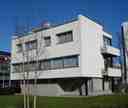 7
7Sonneveld House
Buy tour to unlock all 16 tracksTo spot Sonneveld House, look for a striking white, cube-shaped building with wide horizontal windows and clean, modern lines set slightly above the ground-it almost looks like…Read moreShow less
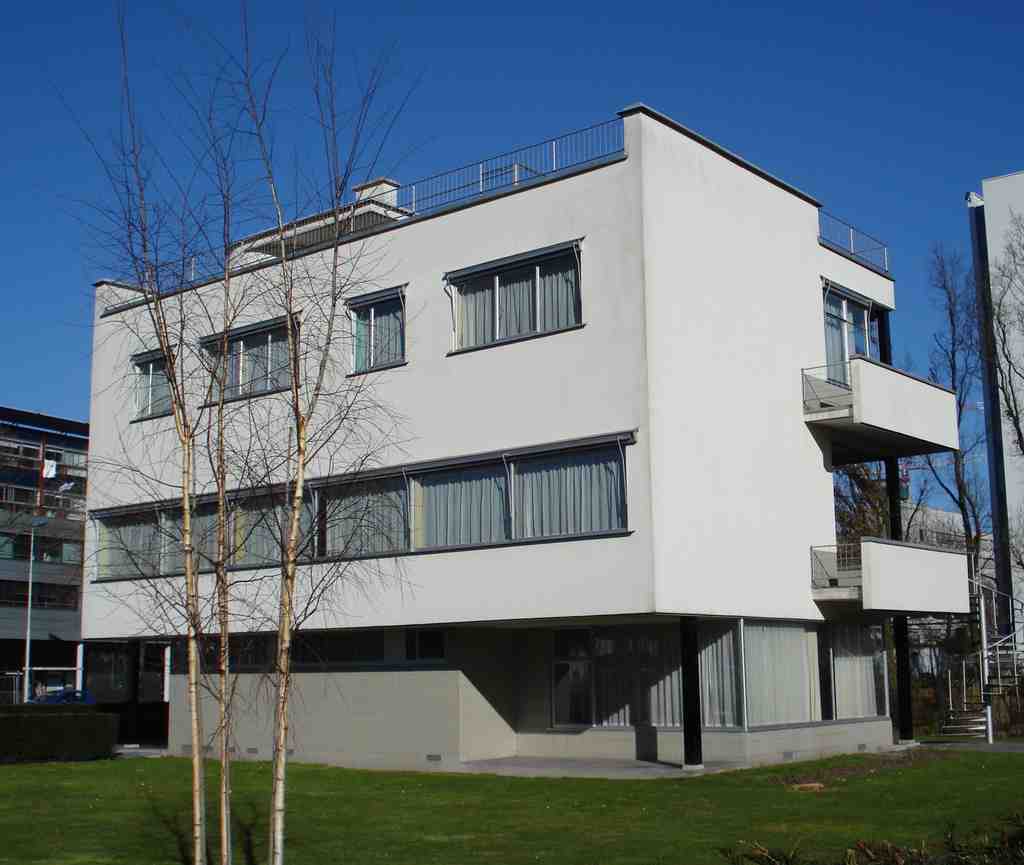
To spot Sonneveld House, look for a striking white, cube-shaped building with wide horizontal windows and clean, modern lines set slightly above the ground-it almost looks like it’s floating on thin black pillars beside a tidy green lawn. Now that you’re standing before this bold slice of Rotterdam history, let me take you on a journey back to the early 1930s-a time when Rotterdam was buzzing with ideas and change. Walk a little closer, and you might just hear whispers of grand plans and restless ambition swirling around the clean, white walls. Imagine it’s 1932. Here, architect Leendert van der Vlugt, armed with a vision and quite possibly too many cups of strong coffee, is planning a home for A.H. Sonneveld, a true industrial pioneer. Sonneveld, having wandered the skyscraper-filled, bustling streets of the United States and worked near the cutting-edge Van Nelle factory, wanted something radical: a house so modern, it would make his old, dark home feel as outdated as yesterday’s newspaper. Out with noisy ornaments, and in with light, air, and space! Every detail was meticulously considered-from the furniture’s metallic armrests (Sonneveld personally asked for the curvy ends to be chopped off for style!) to the position of the house on the lot, squeezing every last Dutch sunbeam into the garden. Step into the era’s spirit: after a world rocked by industrial revolutions and a devastating war, many thinkers were searching for better ways to live. While some explored new politics or spiritual philosophies, others, like Sonneveld and van der Vlugt, poured hope into fresh architecture and design. Their motto? “Form follows function!”-in other words, a house should help, not hinder, your day. Take a moment to picture the family’s life here. All around, you’d have heard the click and whir of modern gadgets and the soft swish of an automatic dumbwaiter, while a system of central clocks made sure everyone-or at least the toast-was punctual. Most striking: every room had instant access to outdoor space-balconies, roof terraces, even the staff rooms had sunny escapes. And speaking of staff, Sonneveld insisted everyone living or working here got the same comfort, from warm bathrooms to their own radios for music. Revolutionary! You could say it was the kind of workplace where the only drama was if the radio played the wrong song. In the decades that followed, this house would witness world-shaking events: during WWII, it became a first aid post as bombs fell over Rotterdam. After the war, it survived traffic chaos, wild building plans, and even a period as Belgium’s consulate. Through it all, you might imagine the house steadfastly keeping its windows sparkling and its marble skirting boards pristine. By the 1990s, Sonneveld House was ready for a comeback. Meticulously restored right down to its chocolate-colored Bauhaus carpets and original kitchen-complete with the revolutionary Bruynzeel “modular” design-it opened up as a museum, drawing visitors from around the world. If you listen carefully, you might catch echoes of children on audio tours, or the gentle clink of 1930s tea cups during anniversary parties. So there you have it! A home born from hope, shaped by global travels and local innovation, and still as modern as ever-if not a little less obsessed with synchronizing clocks. Go ahead, walk around its crisp white lines and glassy windows. Just don’t try moving in-it might not have Wi-Fi, but it certainly has stories to spare!
Open dedicated page →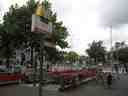 8
8Eendrachtsplein
Buy tour to unlock all 16 tracksTo spot Eendrachtsplein, just look for the bright yellow "M" metro sign rising above the trees and the busy intersection, with red railings and plenty of bikes parked right at the…Read moreShow less
To spot Eendrachtsplein, just look for the bright yellow "M" metro sign rising above the trees and the busy intersection, with red railings and plenty of bikes parked right at the entrance. You’re now standing where the heartbeats of several Rotterdam neighborhoods meet: Centrum, Cool, Dijkzigt, and the Oude Westen. Eendrachtsplein might look like a busy, modern square now, with trams zipping by and people bustling above the metro station-opened in 1982, by the way-but this spot once echoed with splashing water! In the 19th century, city planner Willem Rose gave Eendrachtsplein its start as part of his grand Water Project. Imagine children laughing near the canal and, on the west side, a grand school for secondary students built in 1863-so fancy it became a police station during wartime, and later transformed into the café Heilige Boontjes, where you can grab a coffee with extra history on the side. On the east, imagine 14 stately mansions built in the late 1800s-a little parade of architectural charm. The canal was sadly filled in when the Westblaak road cut through, but Eendrachtsplein added some modern flair with the striking Santa Claus statue, and every Tuesday, you’ll find a lively organic market here. It's a place where pigeons and locals gather, and you can nearly hear the old stories whistling past with the trams.
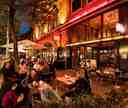
Open dedicated page →Right in front of you, you’ll spot Rotown by its glowing red neon sign above a row of buzzy outdoor tables, just under the big windows and brick facade-look for the energy and…Read moreShow less
Right in front of you, you’ll spot Rotown by its glowing red neon sign above a row of buzzy outdoor tables, just under the big windows and brick facade-look for the energy and hear the laughter drifting onto the street. Now, let’s jump into Rotown’s vibrant backstory together: Imagine Rotterdam in 1987-a city with hardly anywhere for bands to play. The youth center Eksit where legends like the Sex Pistols and U2 once stomped the stage had closed its doors, and the few spots left barely hosted any pop music. But then Fons Burger, a journalist and musician with more guts than money, sets his sights on a pretty unlikely location: a former Chinese restaurant on Nieuwe Binnenweg. With some bold ideas, young architect Peter Jens transforms this old eatery into something wild: a venue with a stage, a café, a record label office, even a Mexican picanteria and a photo gallery. How did it get the name Rotown? That was actually a twist on ‘Motown’ coined back in the 1960s by Peter Snoei, a Rotterdam musician-it even starred in a poem called 'Rotown Magic' by Jules Deelder. Rotterdam’s need for a music hub was so great that when Rotown opened on April 30, 1987-Queen’s Day-the place practically exploded with excitement! Five nights a week, you’d find live music and the buzz of audience chatter mixed with the hum of recording equipment. The club didn’t just give Rotterdam’s music scene a pulse-it gave the city a giant musical bear hug. Fons Burger didn’t stop there. He later snagged the nearby Arena and created the iconic Nighttown, Rotterdam’s epicenter for both live rock and wild dance parties. Rotown was more than just a place to catch a gig. Over the years, it shifted from café-with-music to full-blown pop stage with a national reputation. It was a launchpad for bands like Calexico, Cat Power, and Franz Ferdinand, and birthed groundbreaking events like the ‘National Phonographic’ festival that handed DJs the musical spotlight. The venue has released live albums, hosted jaw-dropping cover nights-where sometimes the covers were so good, you’d swear Tom Waits or David Bowie had actually shown up-and kept crowds guessing with punk bars, new wave discos, and even riotous pop quizzes. For Rotterdam’s local musicians, Rotown has always been a playground-Monday nights were sacred for 'Club Yellow Moon,' an experiment in acoustic and world music, while the legendary 'Barkeepersgala' invited bar staff from across the city to belt out their favorite numbers with the house band. Of course, there were some growing pains. In its early days, a few international acts turned up their noses at the tight space-and one band even refused to play, calling it “just a restaurant.” Dinners and soundchecks overlapping led to chaos and confused waitstaff weaving through tuning guitars. But, like all great venues, Rotown adapted. Expansions allowed for a dedicated concert area, quirky wooden décor, and-most importantly-a kitchen tucked away in the back garden. Rotown has a rebellious spirit. Unlike most clubs, it never wanted to be a smoky, hazy lair for dozing crowds-“Please smoke your joint in your own joint,” the sign read. The no-nonsense attitude made Rotown a gathering place for everyone: students, families, die-hard fans, and newcomers alike. You could grab coffee and a sandwich at lunch, or stay late for wild Thursday-to-Saturday gigs where the tables vanished and the party truly started. The DJs have delighted in mixing rock, indie, soul, and disco-refusing to stick to boring trends or soulless house music. By 2010, Rotown wasn’t just surviving-it was thriving, scooping up the prize for Best Pop Venue in the Netherlands. Over the decades, it’s stayed true to the city, never putting up a snobby front: if you behave, you’re welcome. Today it’s a place buzzing with concerts, street-side coffees, and a constant stream of fresh ideas for Rotterdam’s nightlife. And who knows-maybe you’ll catch the next big international sensation before they become a household name, all beneath the warm glow of that neon sign. If you're keen on discovering more about the establishment and opening, music program or the city café, head down to the chat section and engage with me.
Open dedicated page →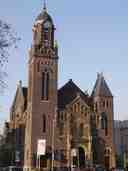 10
10Arminius church
Buy tour to unlock all 16 tracksTo spot the Arminius Church, look for a grand square building made of red brick, with a towering, clock-topped spire rising high at the corner where Museumpark and Westersingel…Read moreShow less
To spot the Arminius Church, look for a grand square building made of red brick, with a towering, clock-topped spire rising high at the corner where Museumpark and Westersingel meet-it's hard to miss with its arched doorways and decorative stonework right in front of you. Alright, get ready to dive into a story where faith, architecture, and a bit of rebellion meet! You're standing face-to-face with the Arminius Church, a place with roots so deep it almost needs its own archaeologist. Imagine yourself here in the late 1800s-the bustle of the city is all around, but a different energy hums near these walls. The church wasn’t always sitting pretty on the Westersingel. The Remonstrants, a group of independent thinkers who split from the mainstream church back in 1610, spent years meeting in secret. It's true-picture hushed voices echoing through a hidden church tucked away in an old brewery. If walls could talk, that old brewery on Vissersdijk would’ve had more drama than a soap opera. Back then, public worship was forbidden for these folks. Even after religious freedom in 1795, the Remonstrants clung to their “secret church” for almost another century, either out of habit, stubbornness, or maybe because they liked the craft beer connection. But fate had other ideas-floods swept through their old spot, turning sermons into swimming lessons. After another particularly soggy incident in 1894, talk of a fresh start wasn’t just a hope-it was a necessity. Now, here’s where the plot thickens! The city wanted their old patch of land to expand the stock exchange, so there was a swap. The Remonstrant congregation landed a plot right here, on the edge of the then-untamed Land van Hoboken. Imagine the foundations taking shape in 1895, stones stacked by determined hands and hopeful hearts. The building itself was a marvel-designed by Henri Evers and Jacobus Stok, complete with a hint of family ties and church politics (Evers was married to the preacher’s daughter, talk about keeping it in the family). On May 23, 1897, the Arminius Church opened its doors with a festive ceremony, and a year later, the majestic organ came alive-its first notes probably rattling the rafters and maybe a few nearby windows too. Don’t forget to look up: that 45-meter tower isn’t just for show. In 1909, it was equipped with clocks and, if you listen closely, you might almost hear the chimes today. The architecture is something special. It’s bold-square in structure, dressed in red brick and dressed up with decorative stone, giving you a splash of neo-Romanesque flair. See that magnificent central portal? Over it, is an inscription: “Unity in what is necessary, freedom in what is uncertain, in everything, love.” If you ask me, it’s the world’s shortest-and probably best-life advice. Breathe in the beauty of the sculpted figures, the glass mosaics by Facchina, and the cheerful stained glass. When the sun shines, patterns of colored light flicker through the windows, painting the floor in shifting designs-almost as if the church is holding its own private light show. Inside, the square layout, wooden vaults, and galleries rest on iron columns, making the space airy and full of gentle echoes. Jugendstil details appear everywhere-carved wood on the pulpit, stylish lamps, and flowers hidden in the glasswork, a bit like a treasure hunt for art lovers. Above you, there’s an American pine ceiling held by stone pillars-tough enough to outlast a few lifetimes of sermons! And here’s a fun twist-this building was almost real estate instead of a place for worship, and the Remonstrants had to bargain for the right to build. They won, and now, both the church and its legendary organ are protected monuments, cherished reminders of the struggle for freedom and the joy of expressing faith openly. So next time you walk by, remember: this isn’t just a church-it’s a testament to perseverance, family dramas, flood-induced renovations, and the everlasting quest for unity, freedom, and love. Not a bad legacy for a “hidden” congregation that stepped into the spotlight, right?
Open dedicated page → 11
11Kunsthal Rotterdam
Buy tour to unlock all 16 tracksLook for a modern, glass-fronted building with a flat roof lined by a bold red edge and a quirky silhouette of a person walking a camel perched above the entrance-right next to…Read moreShow less
Look for a modern, glass-fronted building with a flat roof lined by a bold red edge and a quirky silhouette of a person walking a camel perched above the entrance-right next to the busy tram lines. Welcome to the Kunsthal-Rotterdam’s bold, exciting art box, where just about anything can happen! Right now, you’re facing a masterpiece of modern architecture, dreamt up in 1992 by the famous Rem Koolhaas and Fuminori Hoshino. It’s got a bit of a “mix and match” feel-stone walls, shiny glass panels, a splash of orange-like an art supply store exploded in the best possible way. Step a little closer and you’ll sense the hum of creativity drifting out the doors. Unlike most museums, there’s no snoozy permanent collection inside the Kunsthal. Instead, it’s like an ever-changing stage show, with up to seven exhibitions happening at once-one day it’s Monet and Andy Warhol, the next it’s all about Rotterdam during the COVID-19 pandemic! You never know if you’re going to stumble into paintings the size of mountains or wild sculptures that look like they could crawl away at night. It all happens right at this bustling intersection-the Kunsthal treats every visitor as a guest star in one giant celebration of art. But ah, not all stories here are brushstrokes and masterpiece smiles. In 2012, daring thieves crept into these very walls while the city slept. They vanished with seven priceless works by Monet, Picasso, Matisse, and more, triggering alarms but escaping before help could arrive. No superhero capes needed-just nerve and some very bad intentions! The wildest twist? Later, in Romania, the thieves’ mom claimed she burned the stolen paintings in her fireplace to save her son… and investigators found hints of paint and old nails among the ashes. To this day, their fate stirs whispers of mystery and heartbreak in the art world. So as you stand here-between glass, stone and streetlights-remember this is a place where every visit is a new adventure, and every corner holds a secret waiting for you to find it.
Open dedicated page →
Frequently asked questions
How do I start the tour?
After purchase, download the AudaTours app and enter your redemption code. The tour will be ready to start immediately - just tap play and follow the GPS-guided route.
Do I need internet during the tour?
No! Download the tour before you start and enjoy it fully offline. Only the chat feature requires internet. We recommend downloading on WiFi to save mobile data.
Is this a guided group tour?
No - this is a self-guided audio tour. You explore independently at your own pace, with audio narration playing through your phone. No tour guide, no group, no schedule.
How long does the tour take?
Most tours take 60–90 minutes to complete, but you control the pace entirely. Pause, skip stops, or take breaks whenever you want.
What if I can't finish the tour today?
No problem! Tours have lifetime access. Pause and resume whenever you like - tomorrow, next week, or next year. Your progress is saved.
What languages are available?
All tours are available in 50+ languages. Select your preferred language when redeeming your code. Note: language cannot be changed after tour generation.
Where do I access the tour after purchase?
Download the free AudaTours app from the App Store or Google Play. Enter your redemption code (sent via email) and the tour will appear in your library, ready to download and start.
If you don't enjoy the tour, we'll refund your purchase. Contact us at [email protected]
Checkout securely with 


