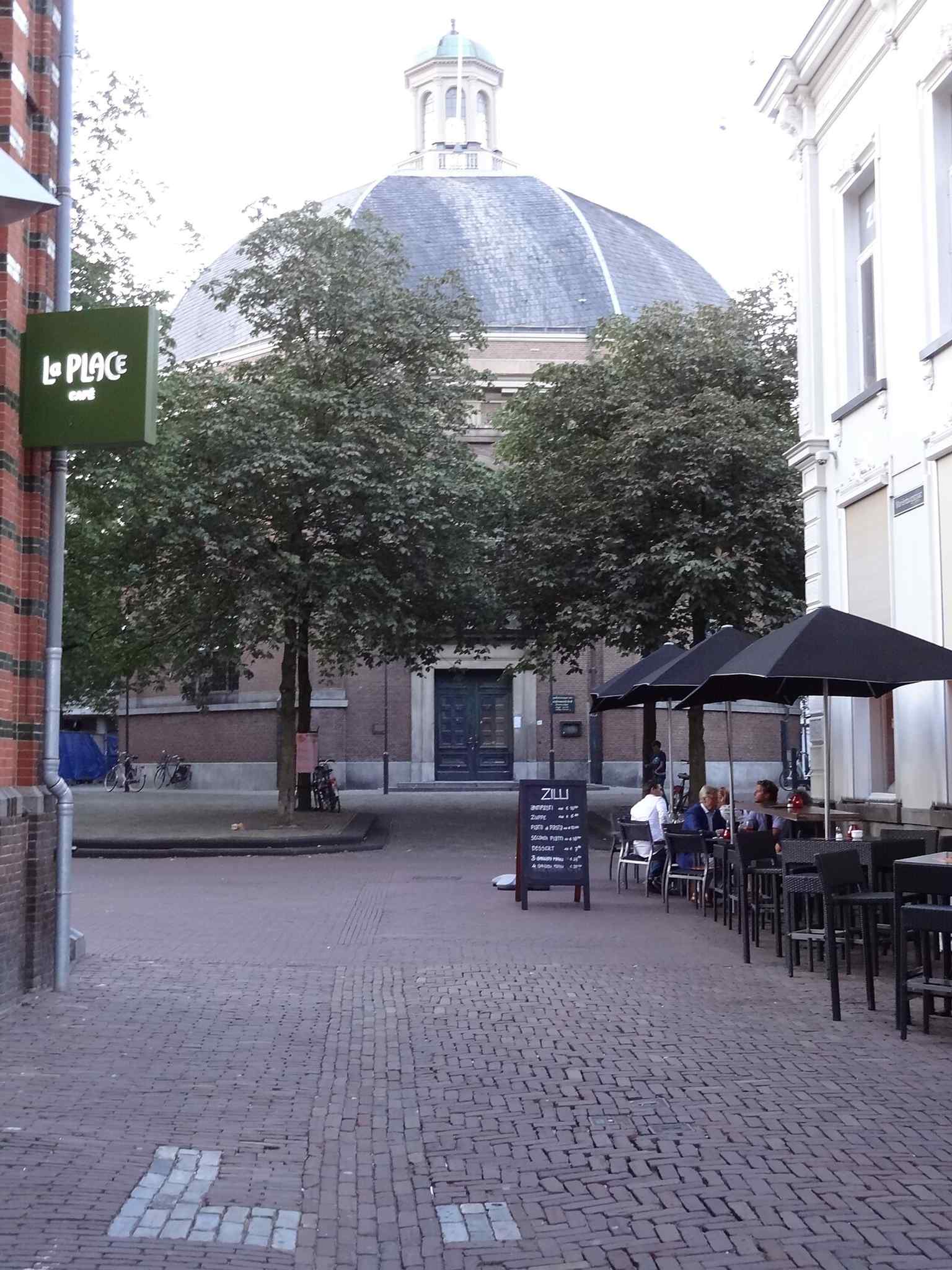
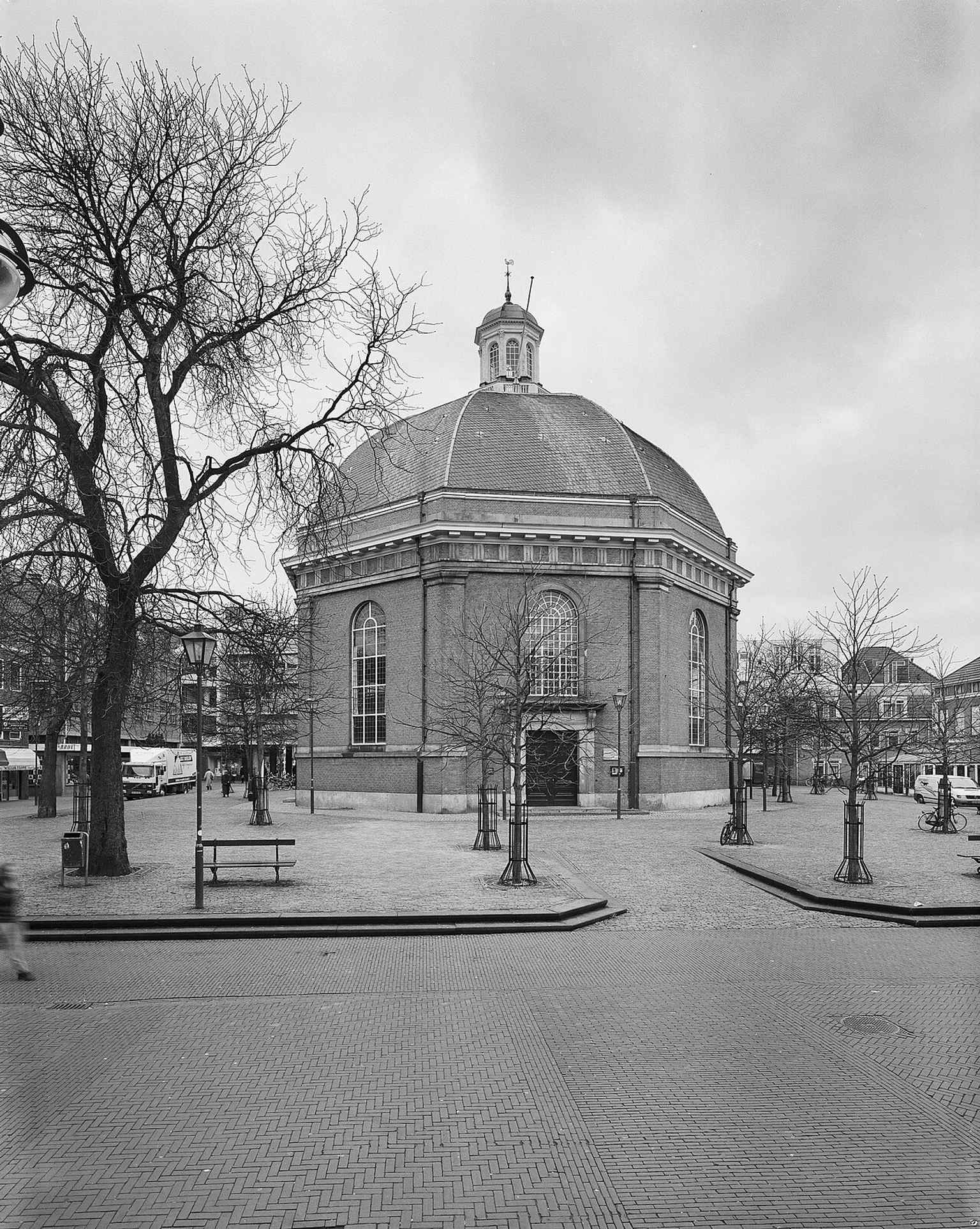
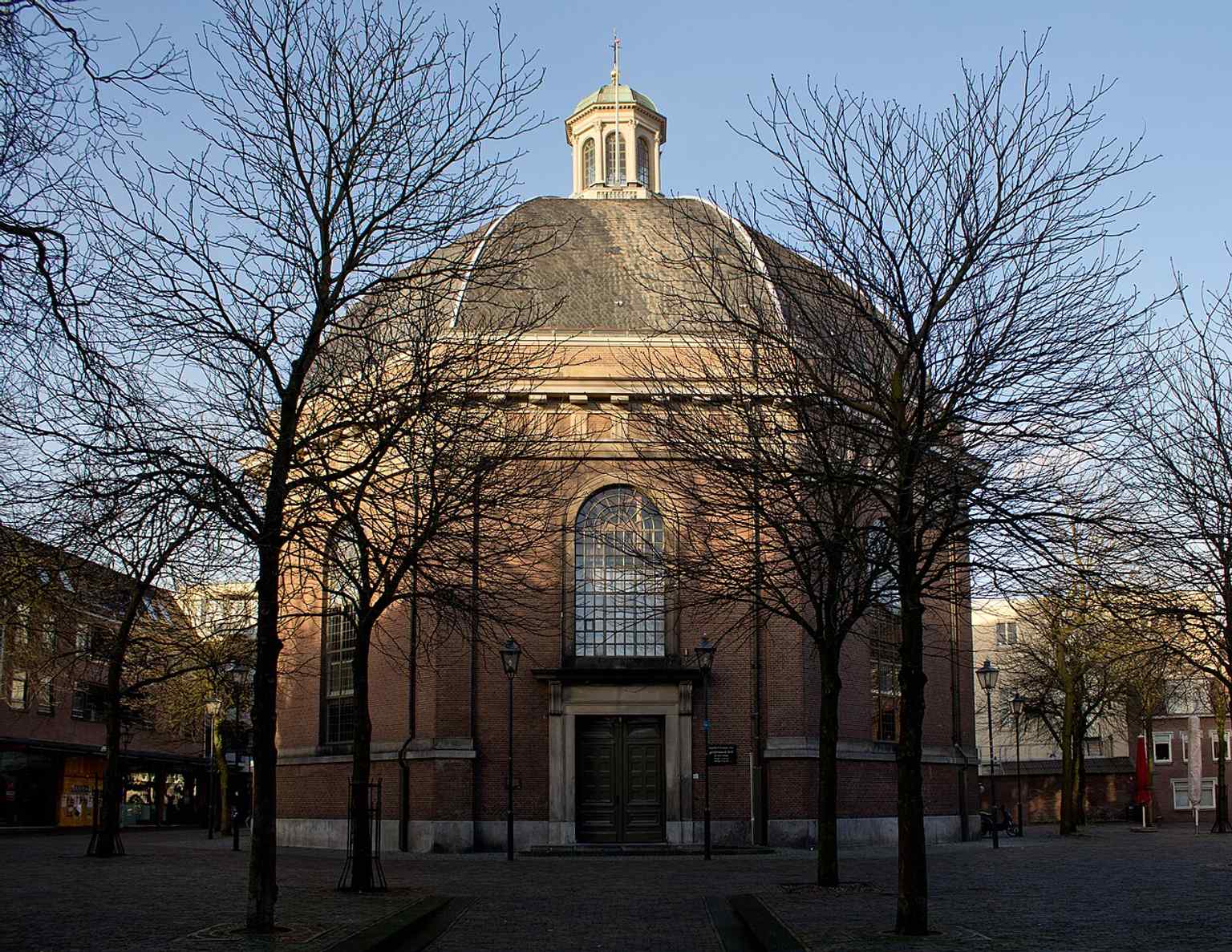
On your left stands a pale stone church with an octagonal body, a broad round dome, and a small lantern-like cupola perched at the top.
Koepelkerk tells a tender Arnhem story: one church disappeared, but the meaning people carried into it did not. In eighteen seventeen, the old medieval Saint Jan had become so unsafe that the city tore it down. Rather than let that sacred place fall silent, Arnhem gave the Reformed congregation permission to begin again here, easing the pressure on Saint Eusebius too. Faith, in this city, has often outlived the buildings that first held it.
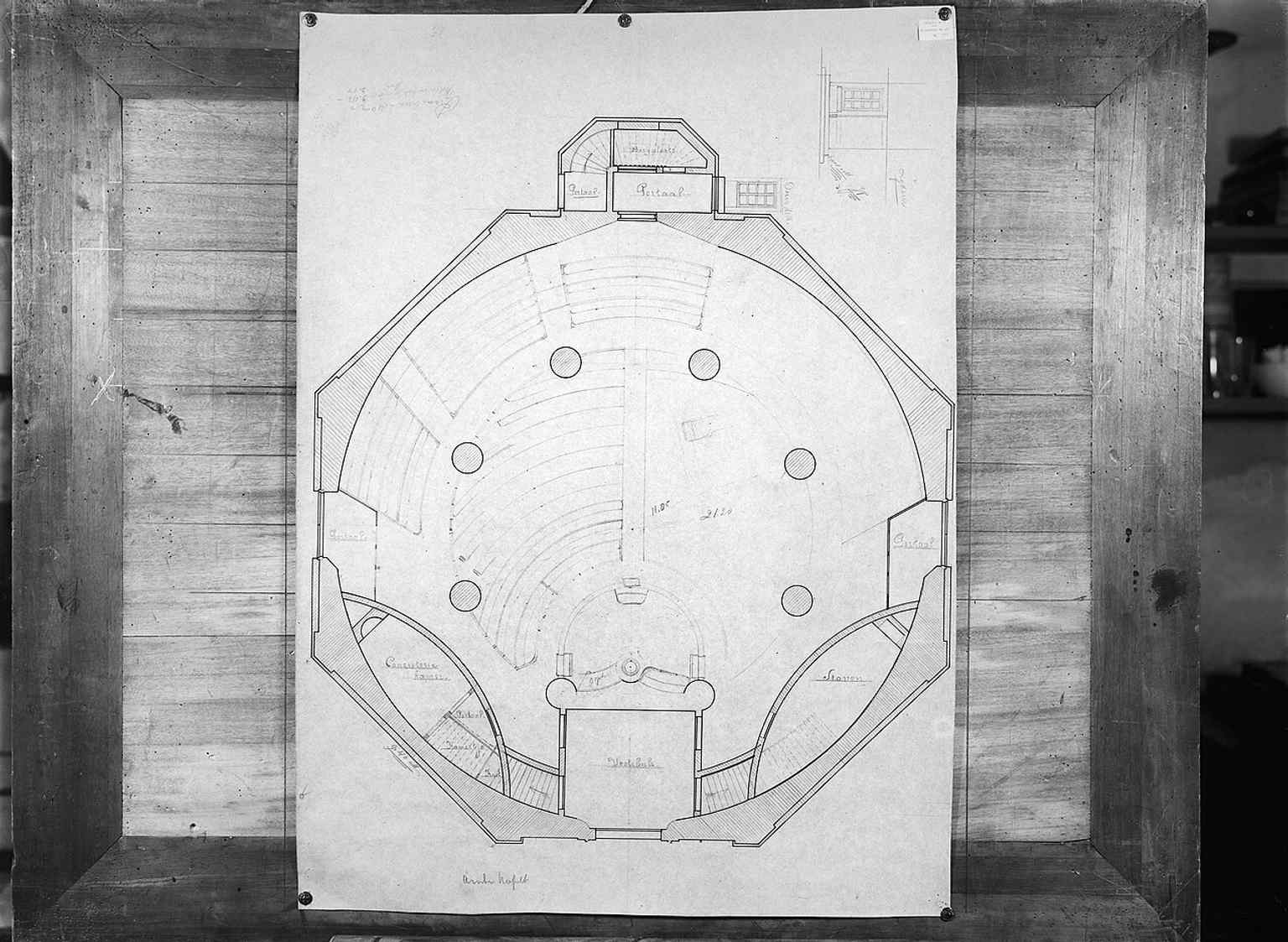
Architect Anthony Aytink van Falkenstein chose a striking new shape for that new beginning, likely inspired by Amsterdam’s round Lutheran church. Local master carpenters Knoops, Coers, and Holland took the job in eighteen thirty-seven for fifty-two thousand guilders, something like half a million euros in today’s buying power, and by the end of eighteen thirty-eight this church was ready. It could hold about nine hundred worshippers... a sign of how quickly Arnhem was growing beyond its older frame.
There was real confidence wrapped into this project. When workers laid the first stone in eighteen thirty-seven, King Willem the First came by that same week to inspect the site himself, as if to bless Arnhem’s reshaping with royal attention.
The human face I want you to remember here is Hendrik Herman Donker Curtius. He had served Arnhem as a preacher since eighteen oh two and led the opening service on the sixth of January, eighteen thirty-nine. His sermon came from Deuteronomy: the Lord is our God, let everyone praise him. He helped usher in this fresh chapter... and then died in Arnhem that same year, only months later. So this church opened with both hope and a quiet farewell.
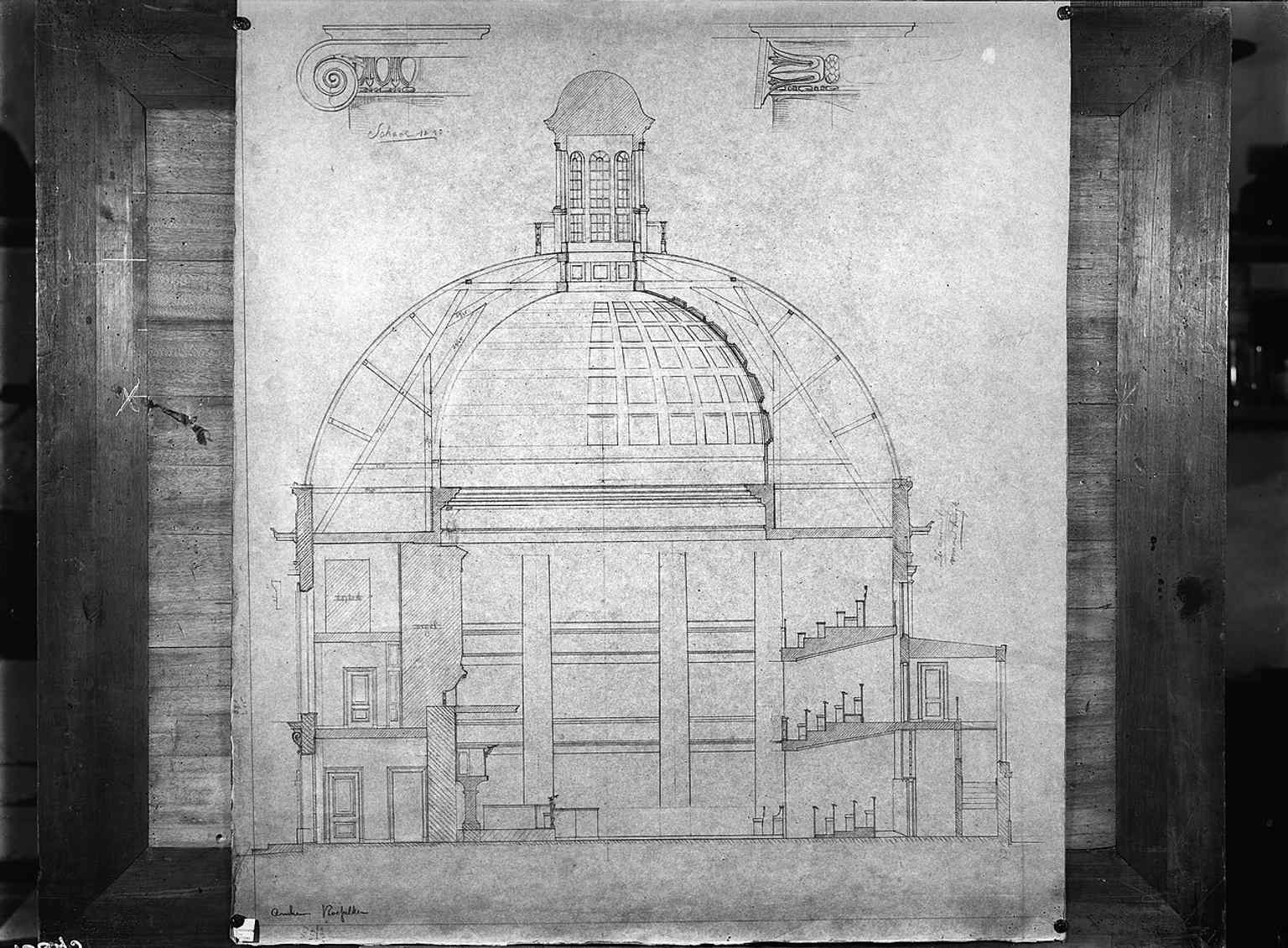
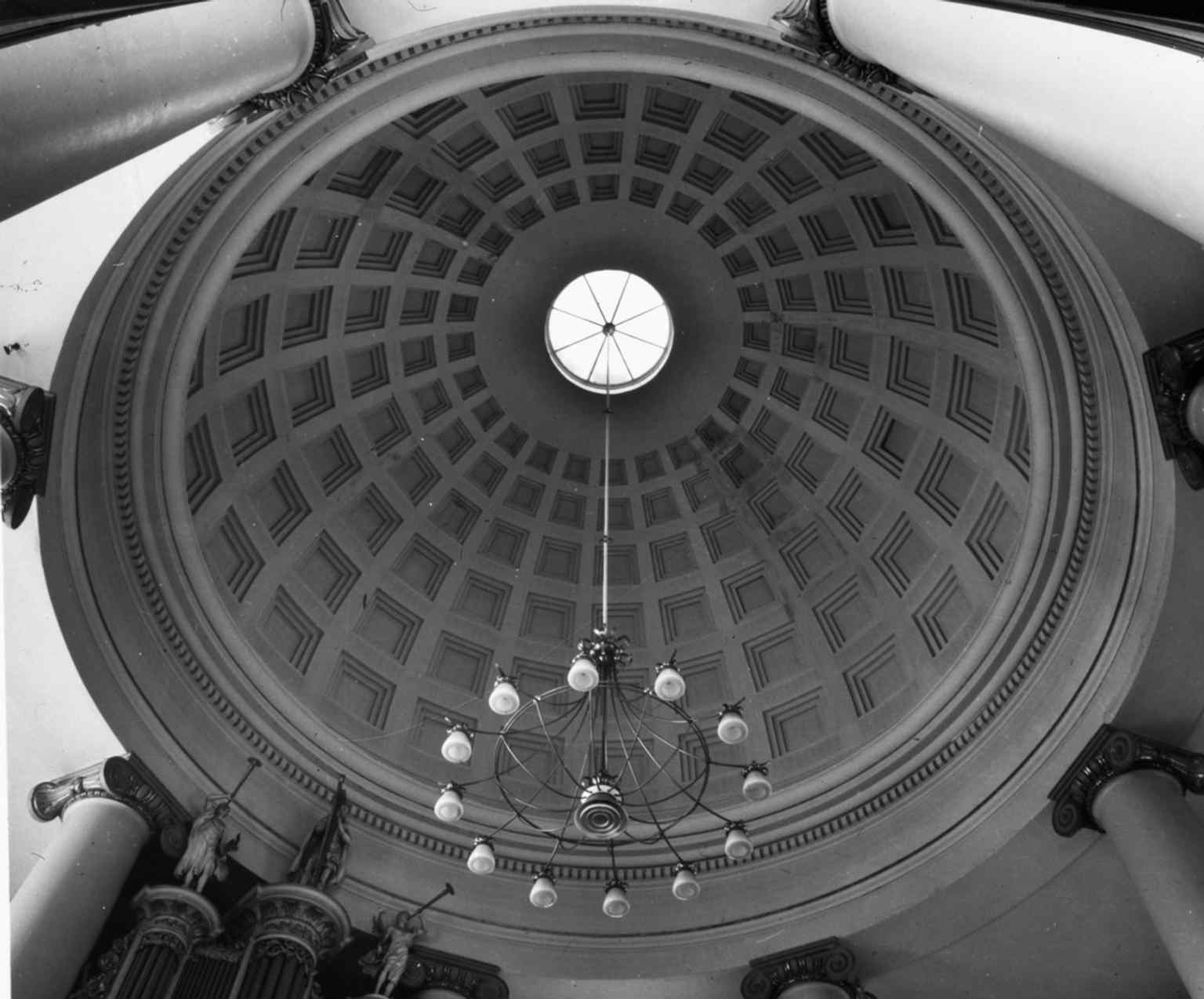
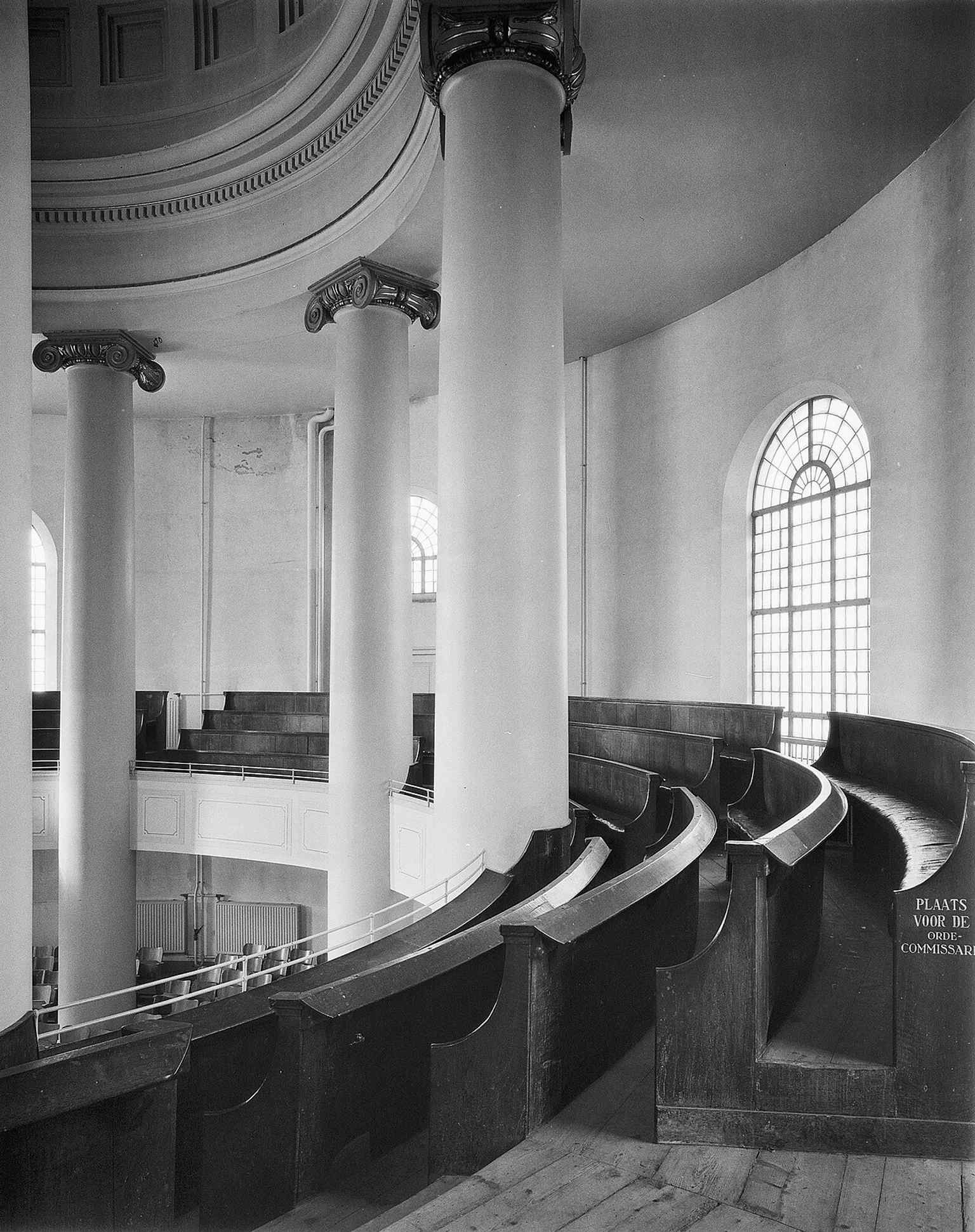
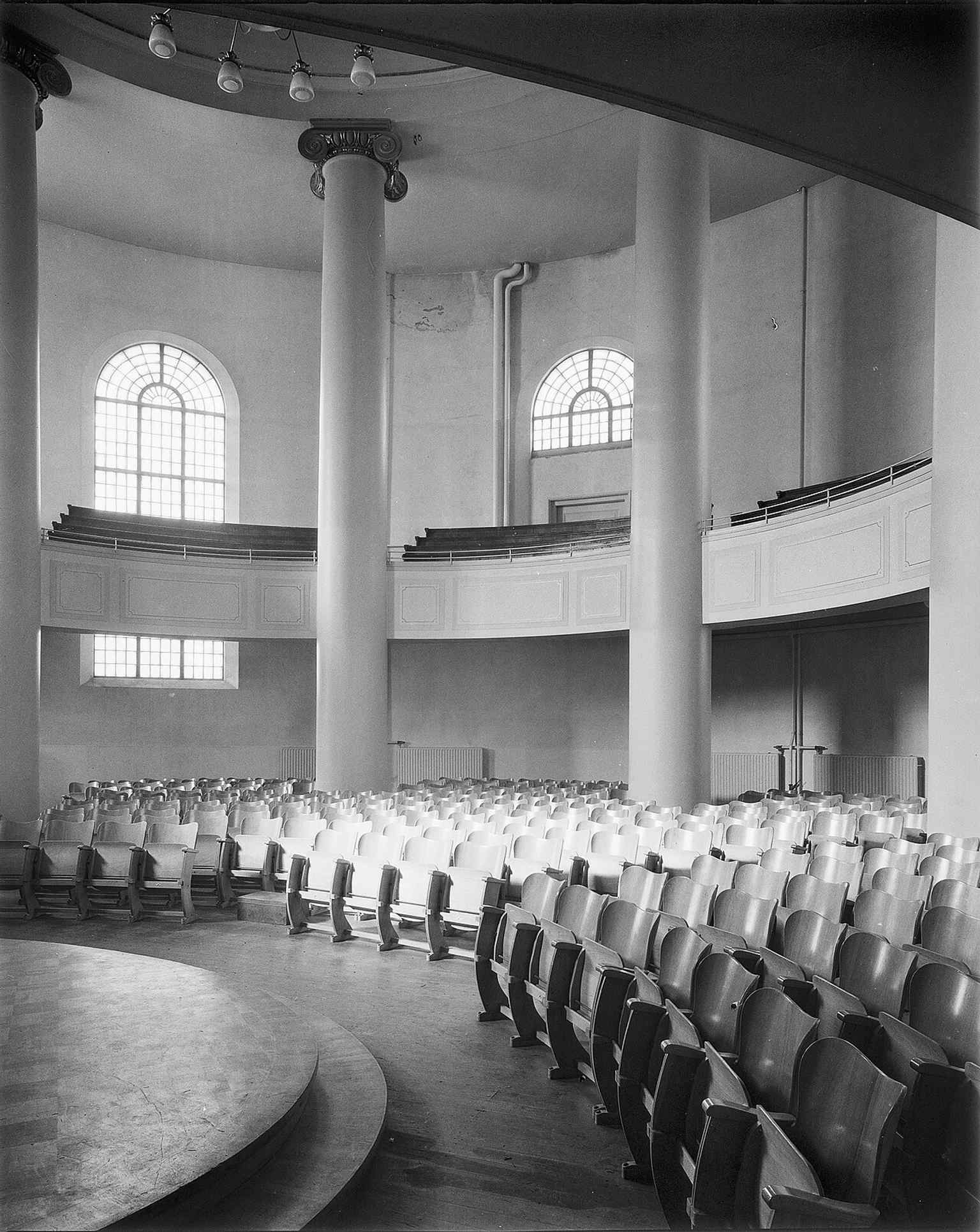
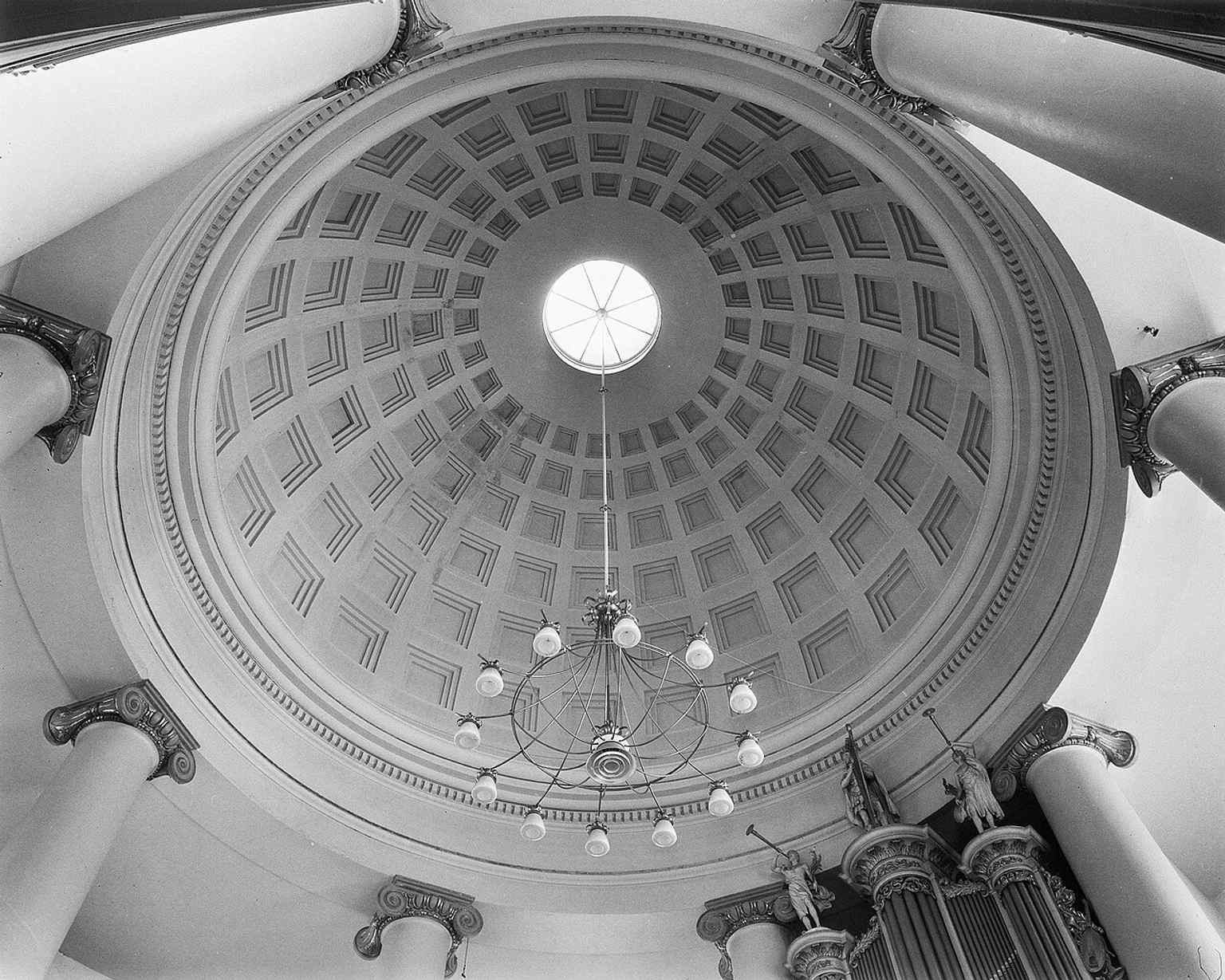
Its dome hides a clever skeleton: really two wooden domes, one resting on the outer walls and one carried by columns inside, designed to hold the outward push in a stable triangle of beams. If you want a glimpse of the interior overhead, the app’s dome image shows those neat sunken panels, one hundred forty-four of them, making the space feel lighter than the outside suggests.
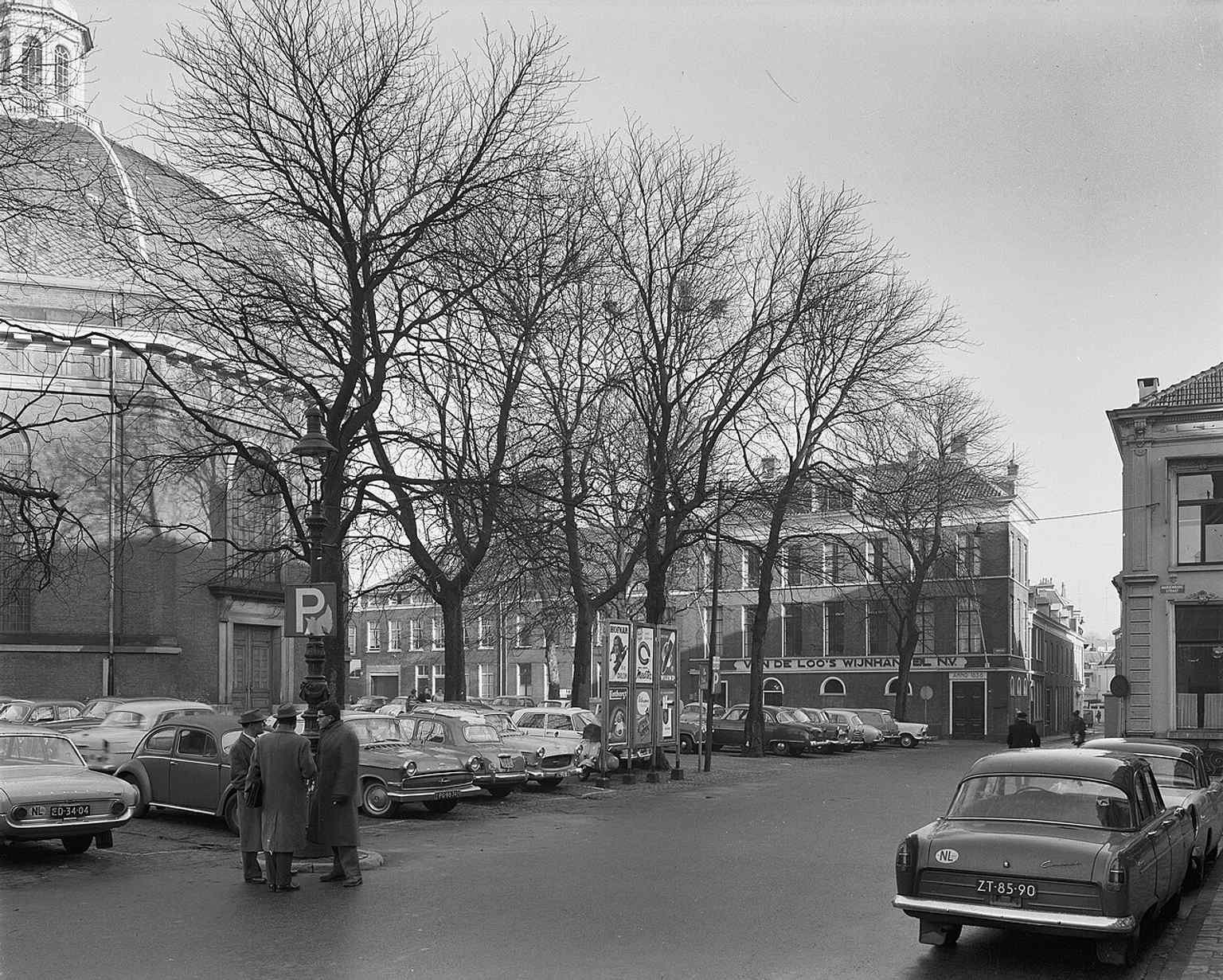
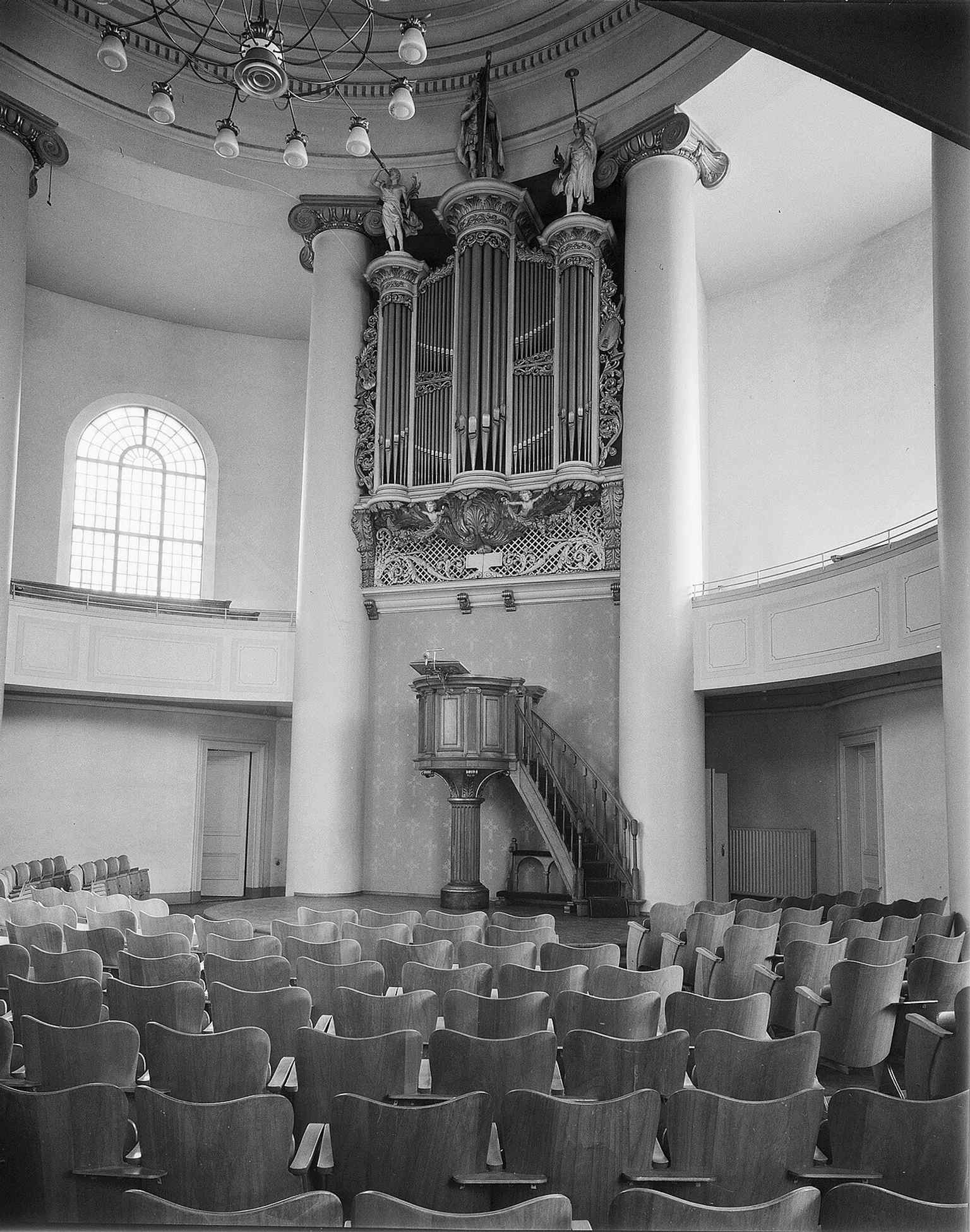
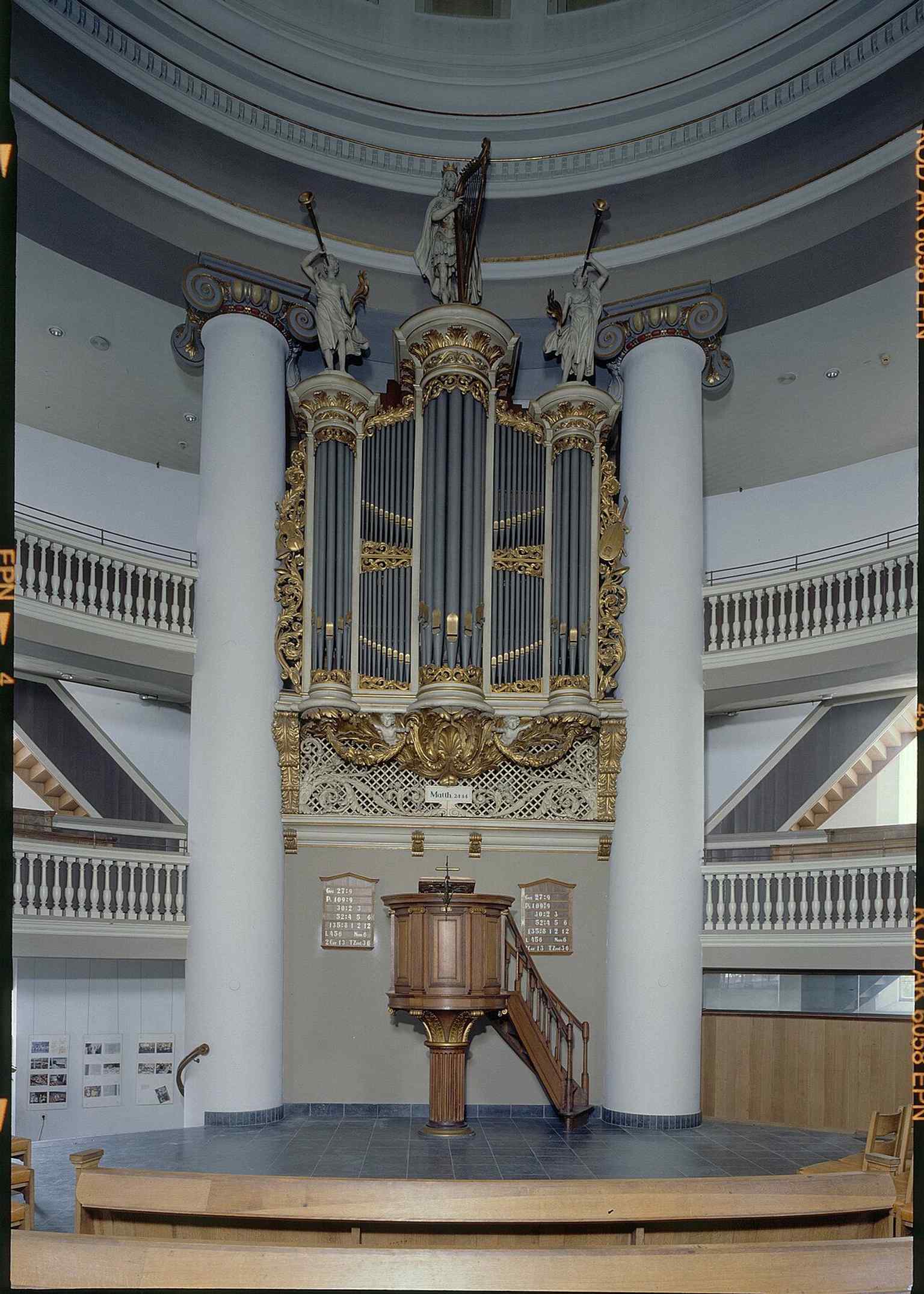
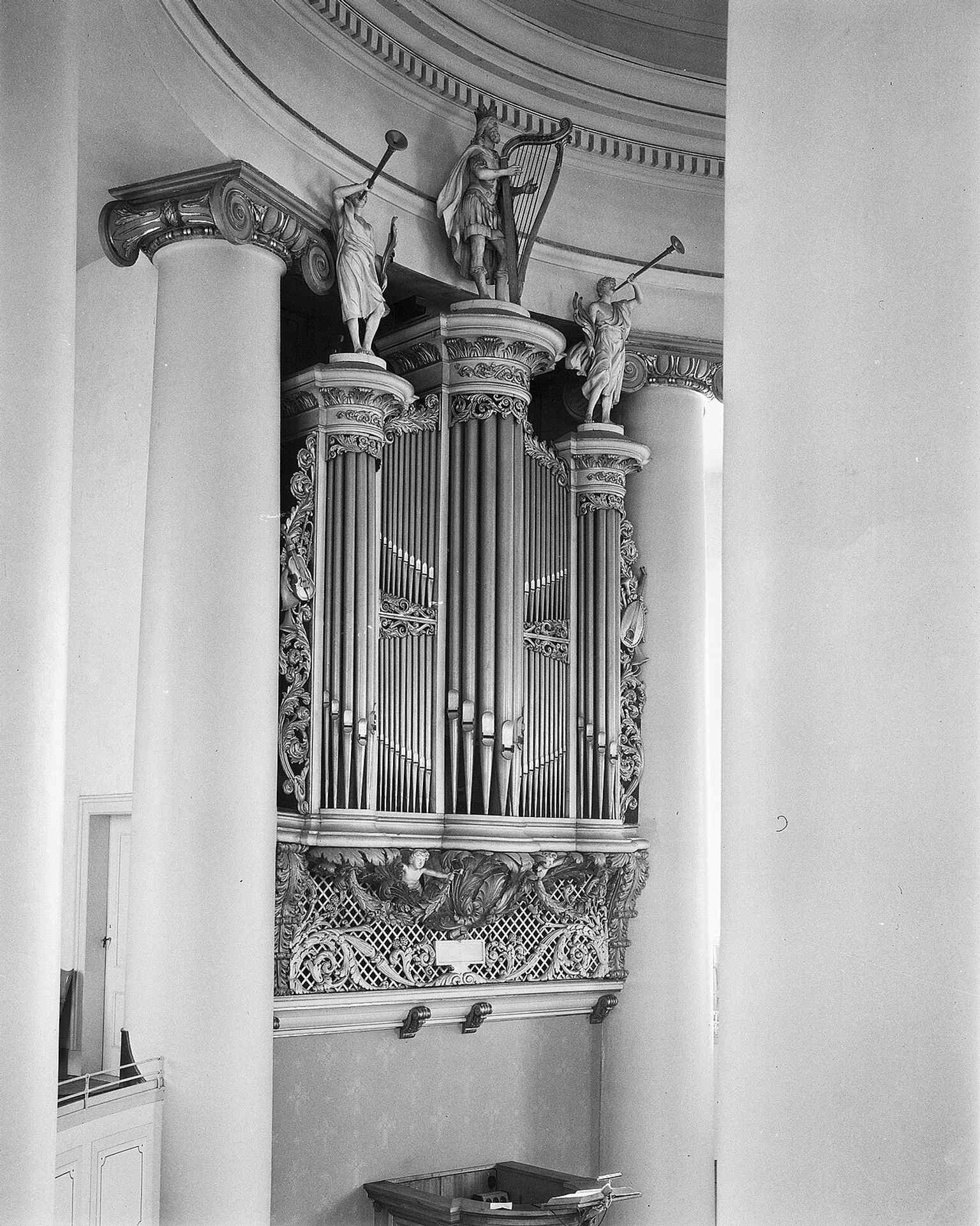
Koepelkerk kept changing with the city. Soldiers from the Yellow Riders, Arnhem’s mounted artillery, worshipped here. In nineteen forty-four, during the Battle of Arnhem, a direct hit struck above the organ, and the upper gallery was lost. Rain and wind poured in for months. Yet the church healed: major restoration in nineteen seventy-six created a meeting level below the hall and brought the gallery back, and later restorations renewed it again. If you like, slide through the before-and-after image to see how the church stayed steady while the streets around it turned into a more modern Arnhem.
Soon, memory will step out from church walls into the open square, where soldiers and the city meet again at Yellow Riders Square, about a two-minute walk from here. If you hope to come inside another time, the church is usually open only briefly on Tuesday afternoons and for Sunday service.