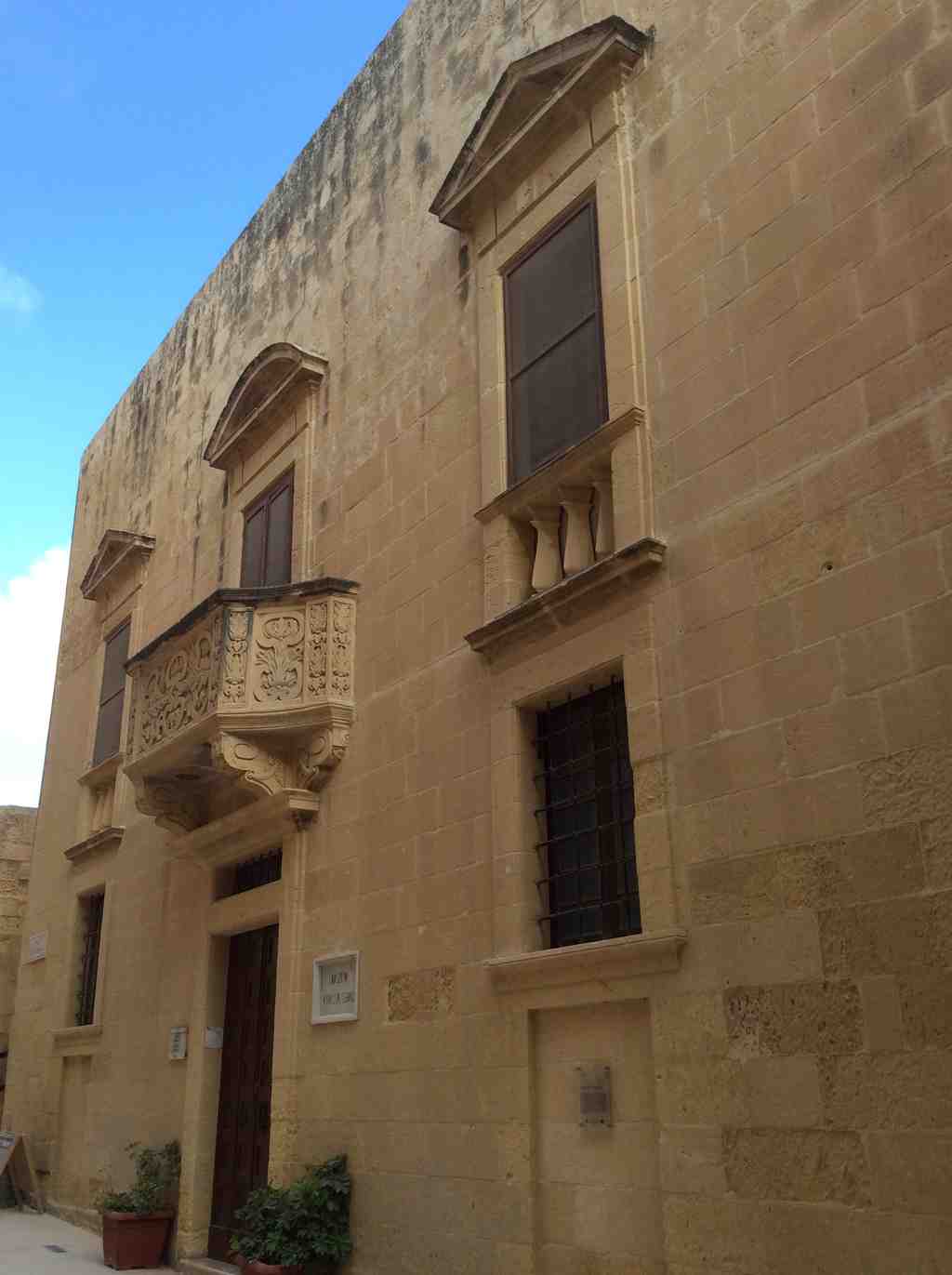
In front of you stands a plain two-storey limestone house, square and symmetrical, with a carved stone balcony set directly above the central doorway.
This is the Gozo Museum of Archaeology, but its first story is really about rescue. The house began as Casa Bondi, a seventeenth-century home that slipped into neglect until Sir Harry Luke, the Lieutenant Governor of the Maltese Islands, stepped in during nineteen thirty-seven and pushed for its restoration. That gave the building a second life... and that habit of reusing what survives turns out to be one of Victoria’s great talents.
The government bought the house from the Bondi family, and in nineteen sixty it opened as Gozo’s first public museum. Then, in nineteen eighty-six, the collections were reorganized and Casa Bondi took on a new assignment: archaeology. So even the container of history got repurposed. Very Gozo, really.
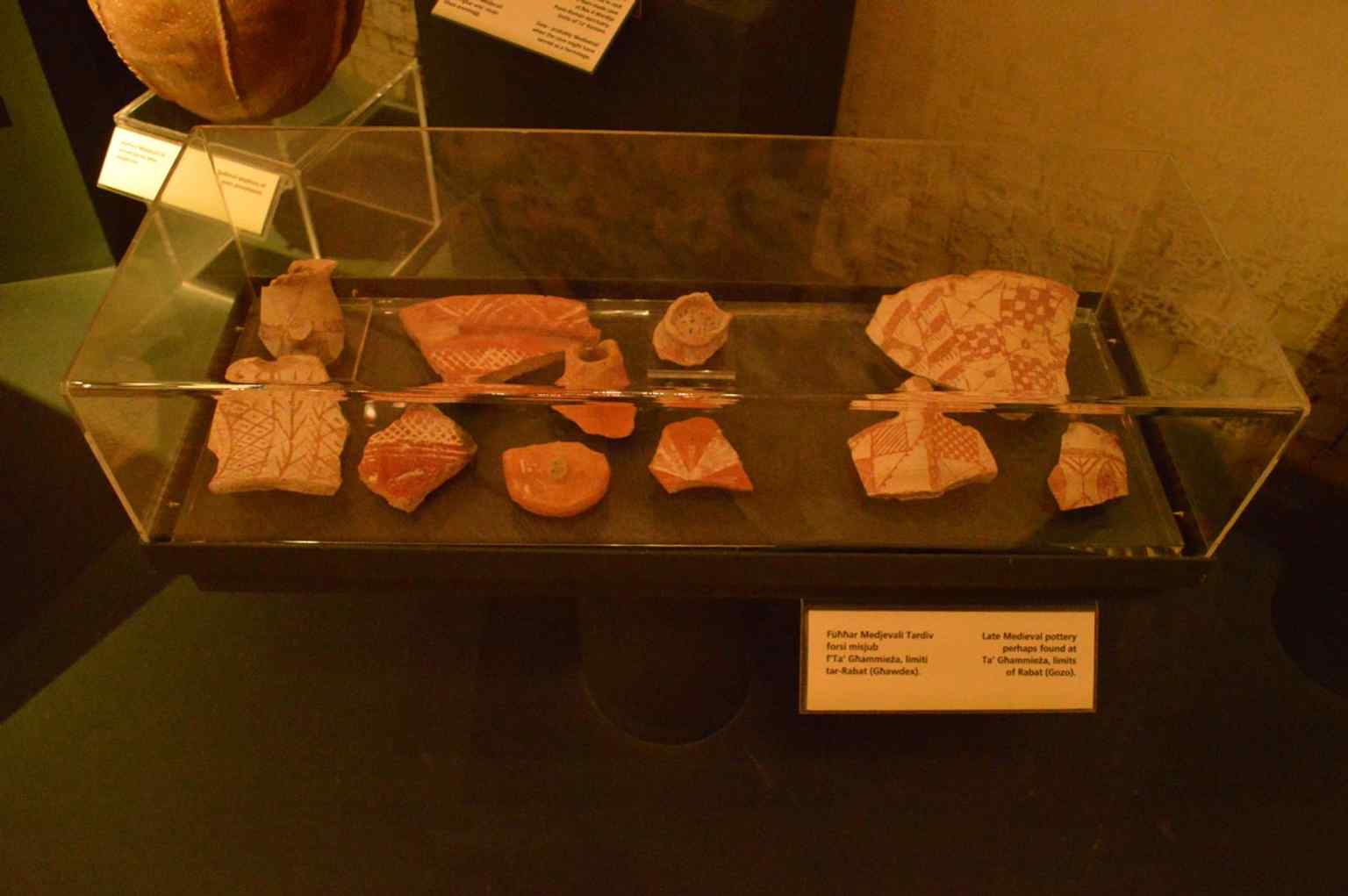
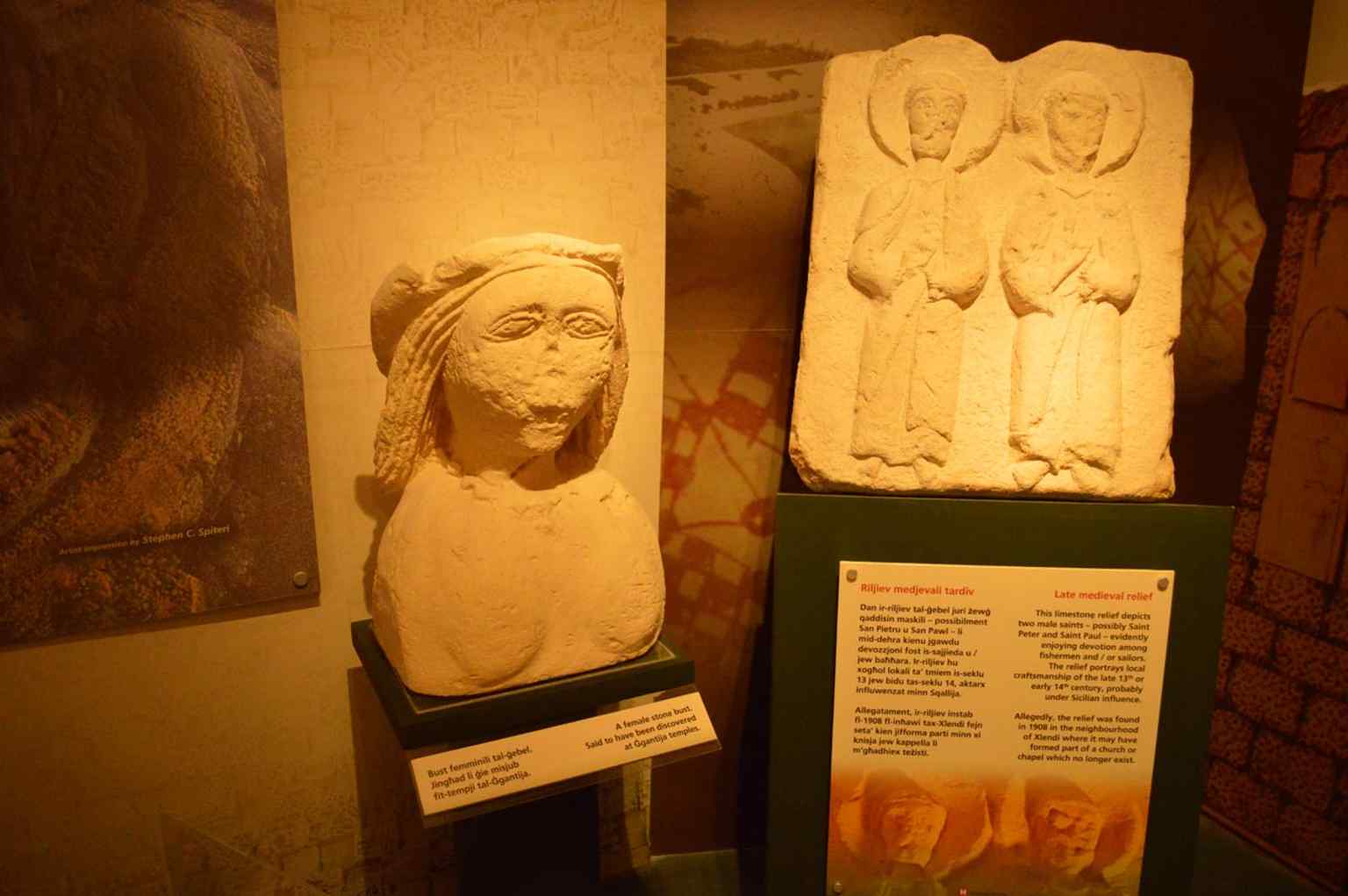
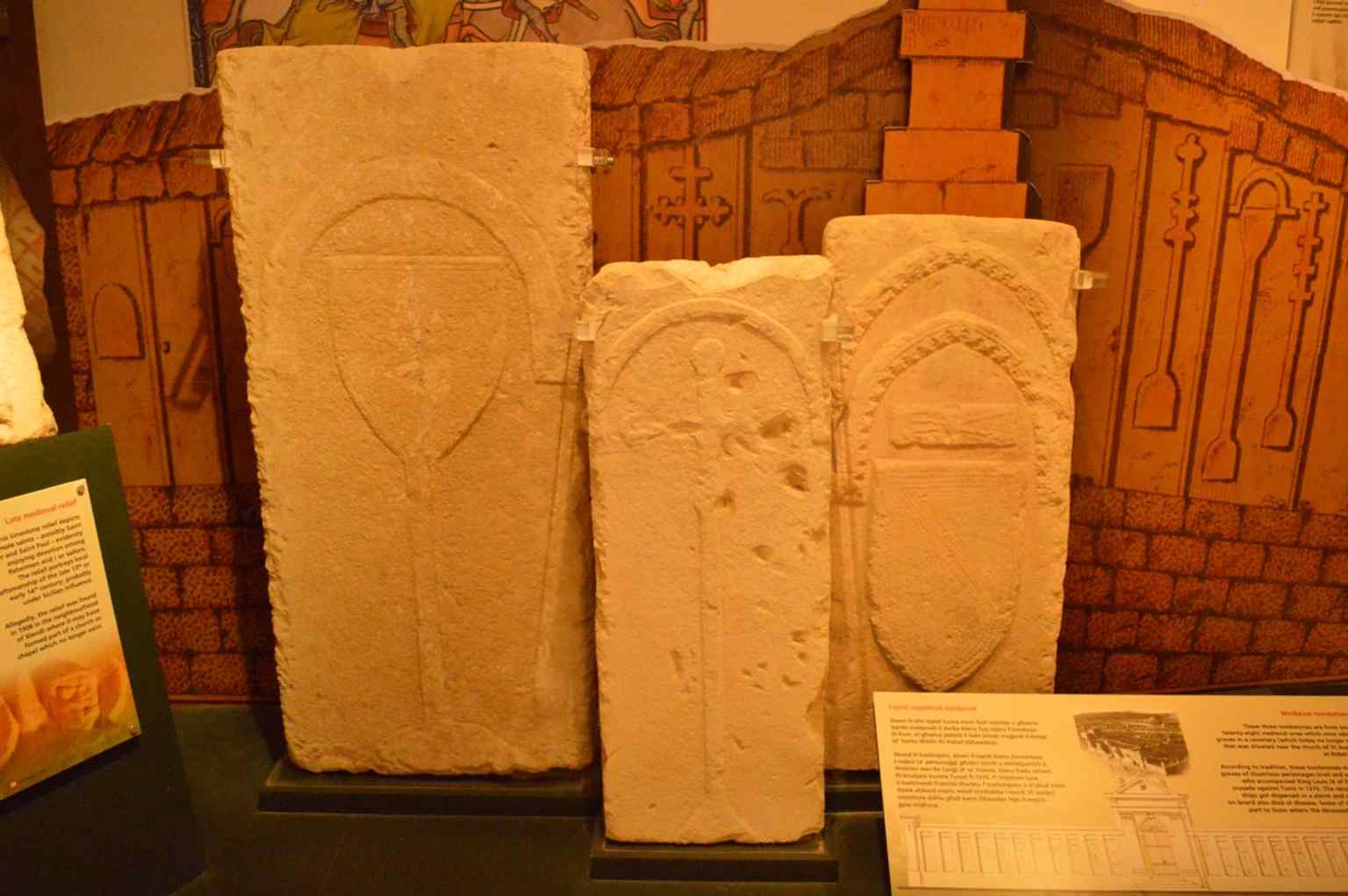
Inside, the displays stretch from prehistory to the early modern period. In two thousand and three, important prehistoric finds came over from Valletta, including objects from the Gozo Stone Circle: a twin-seated figurine and small stick idols, both carefully conserved before installation here. Later, the museum added nine climate-controlled cases, costing more than one hundred and eleven thousand euros, so fragile Neolithic, Temple Period, and Bronze Age pieces could be shown without slowly destroying them. Preservation is not glamorous, but it beats losing the evidence.
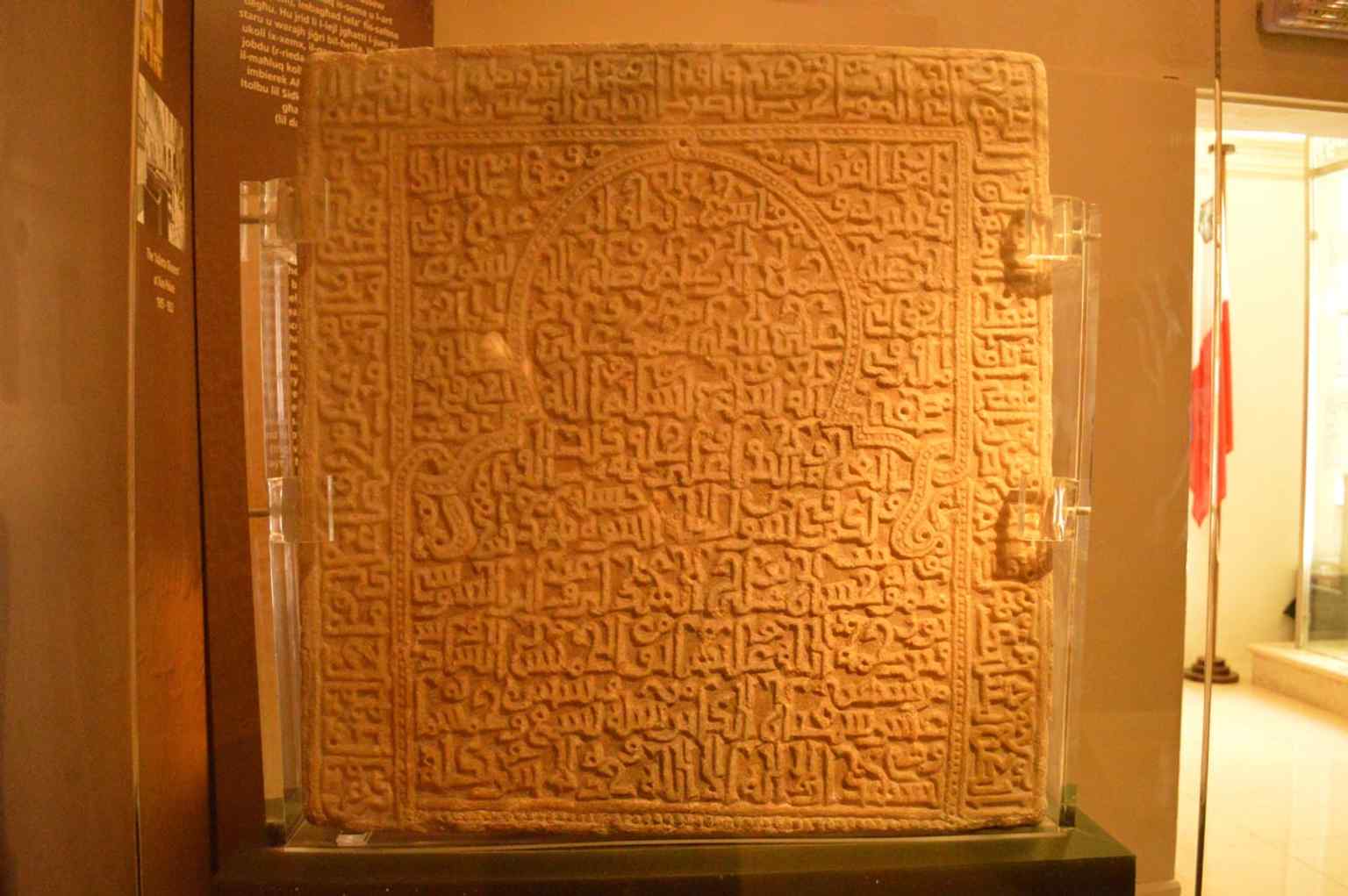
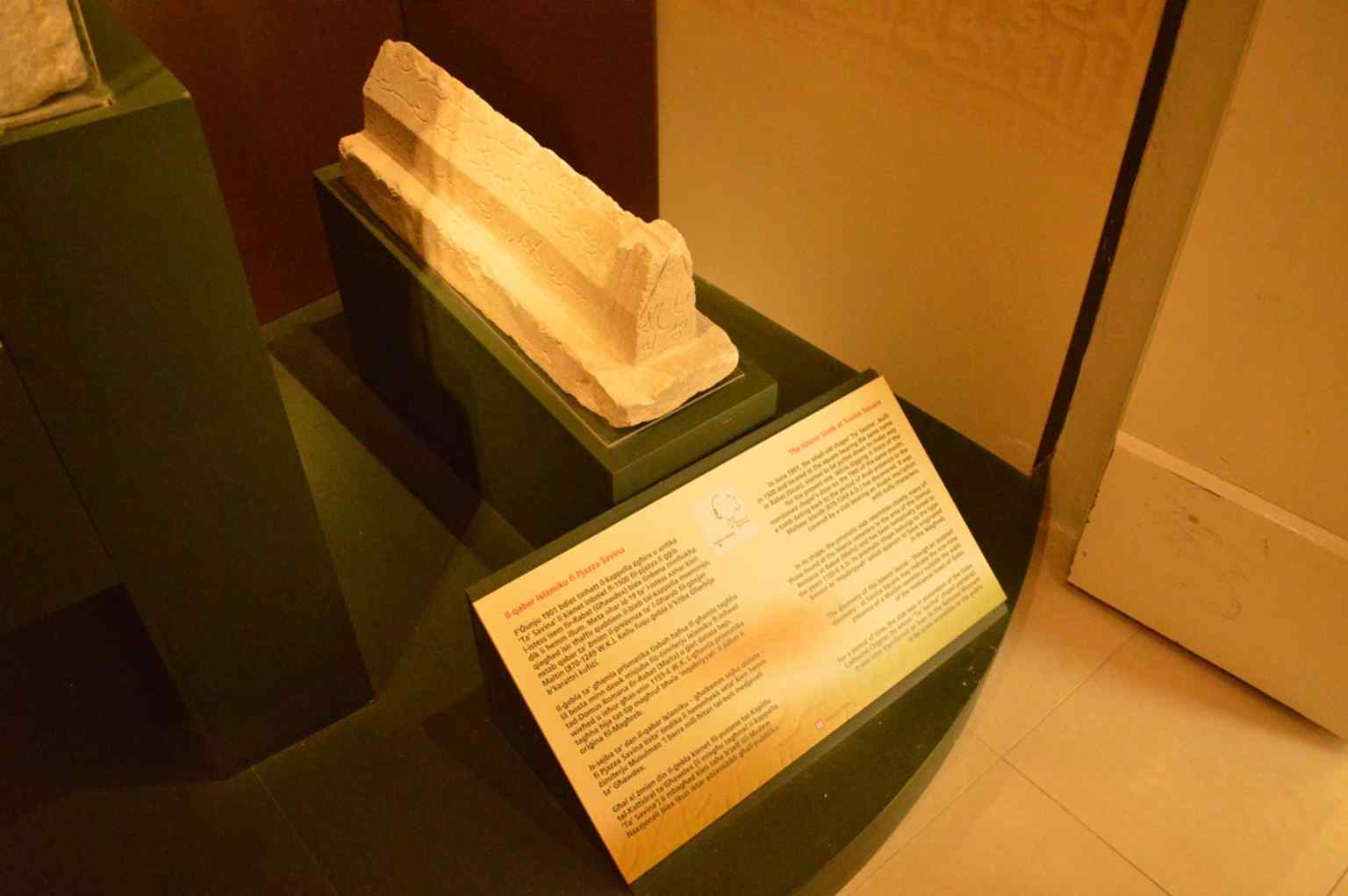
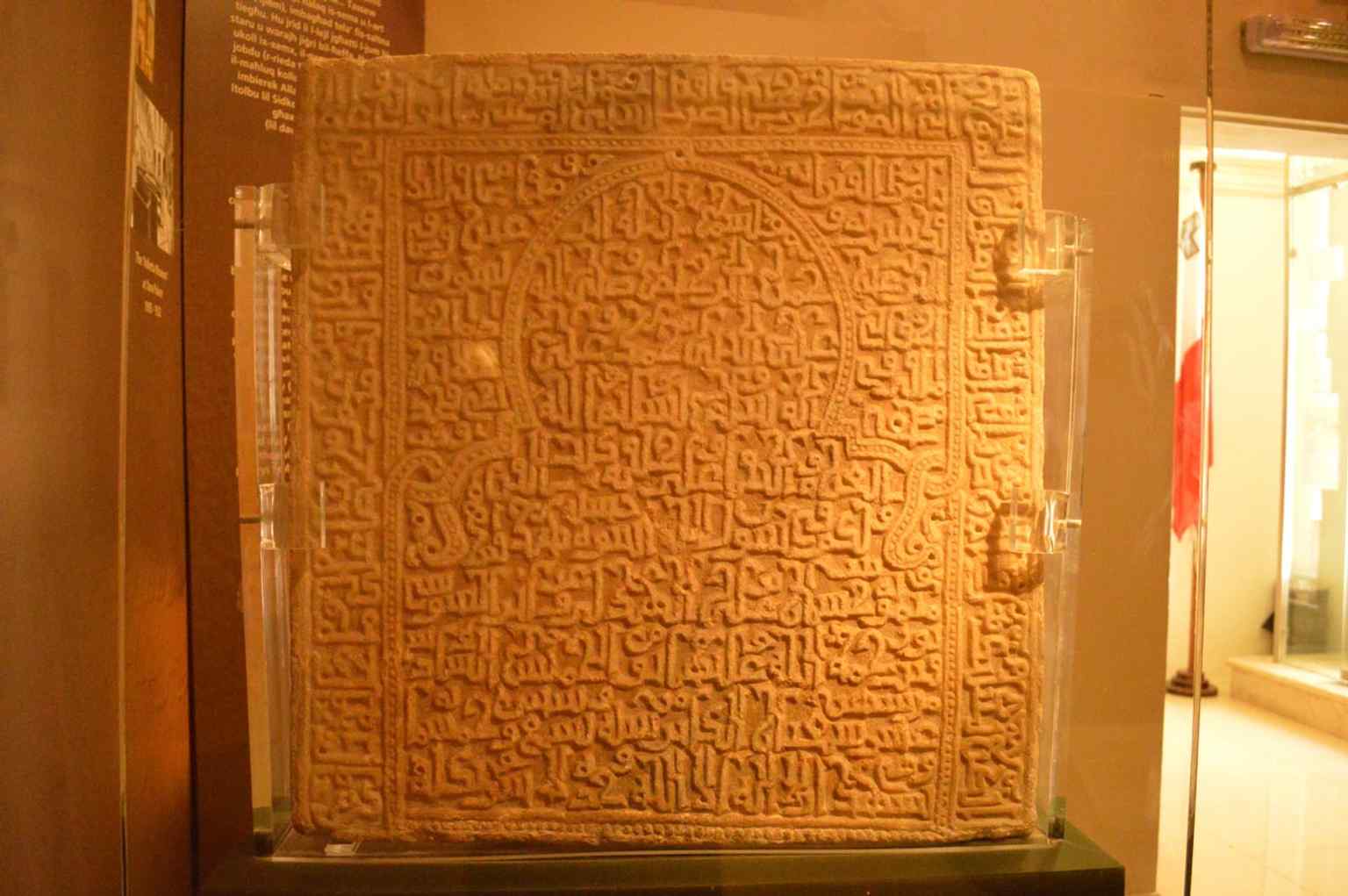
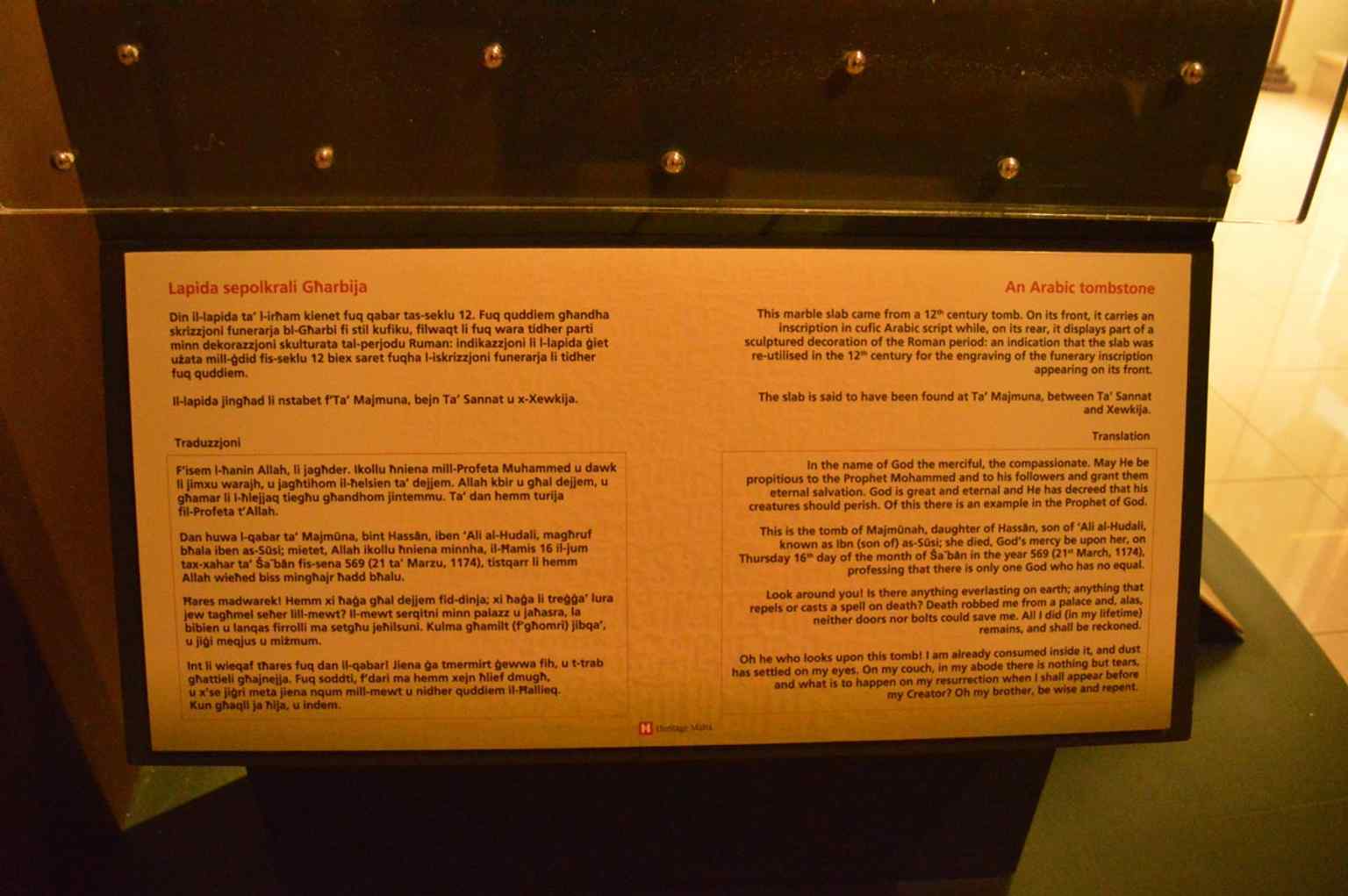
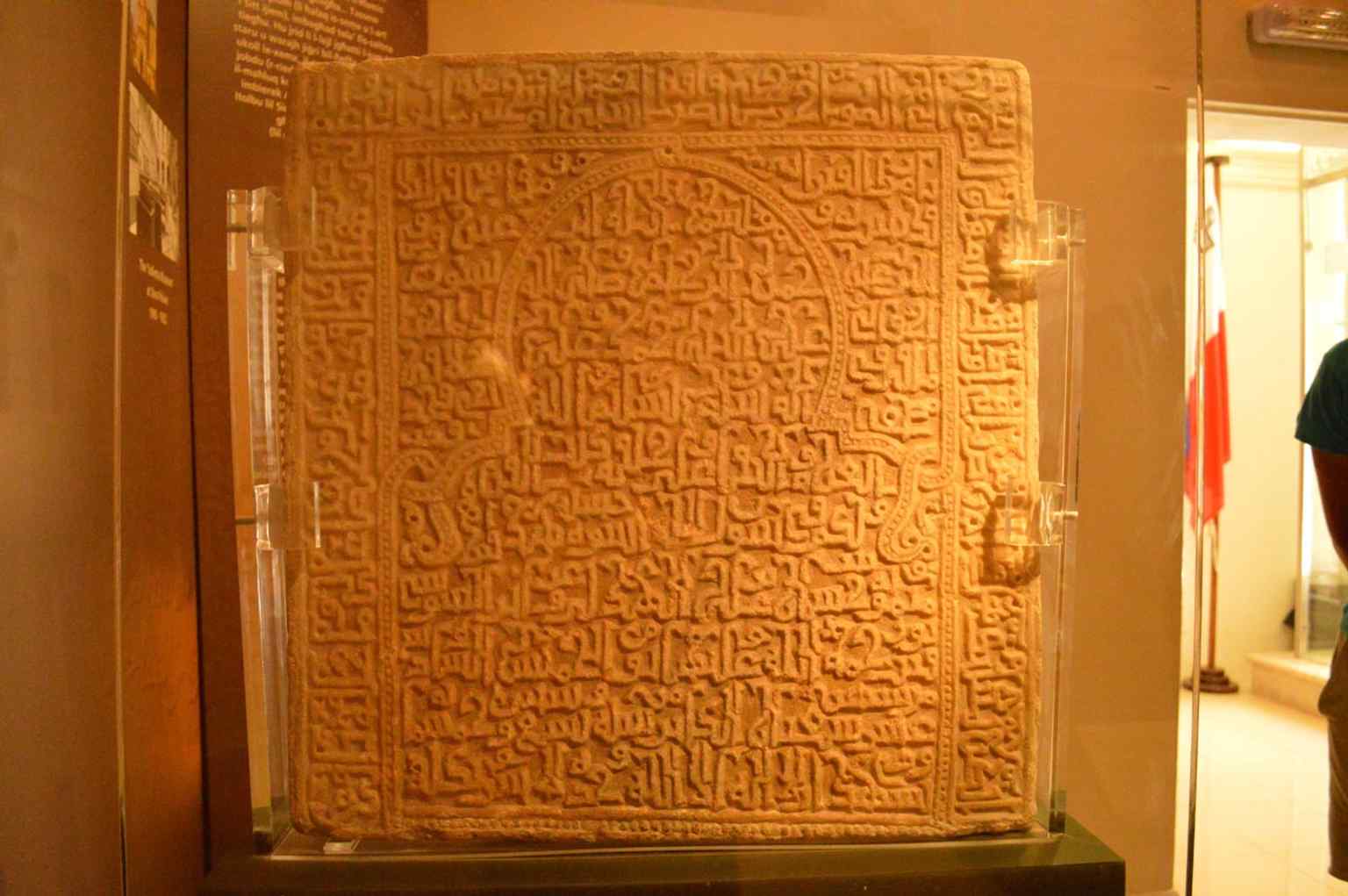
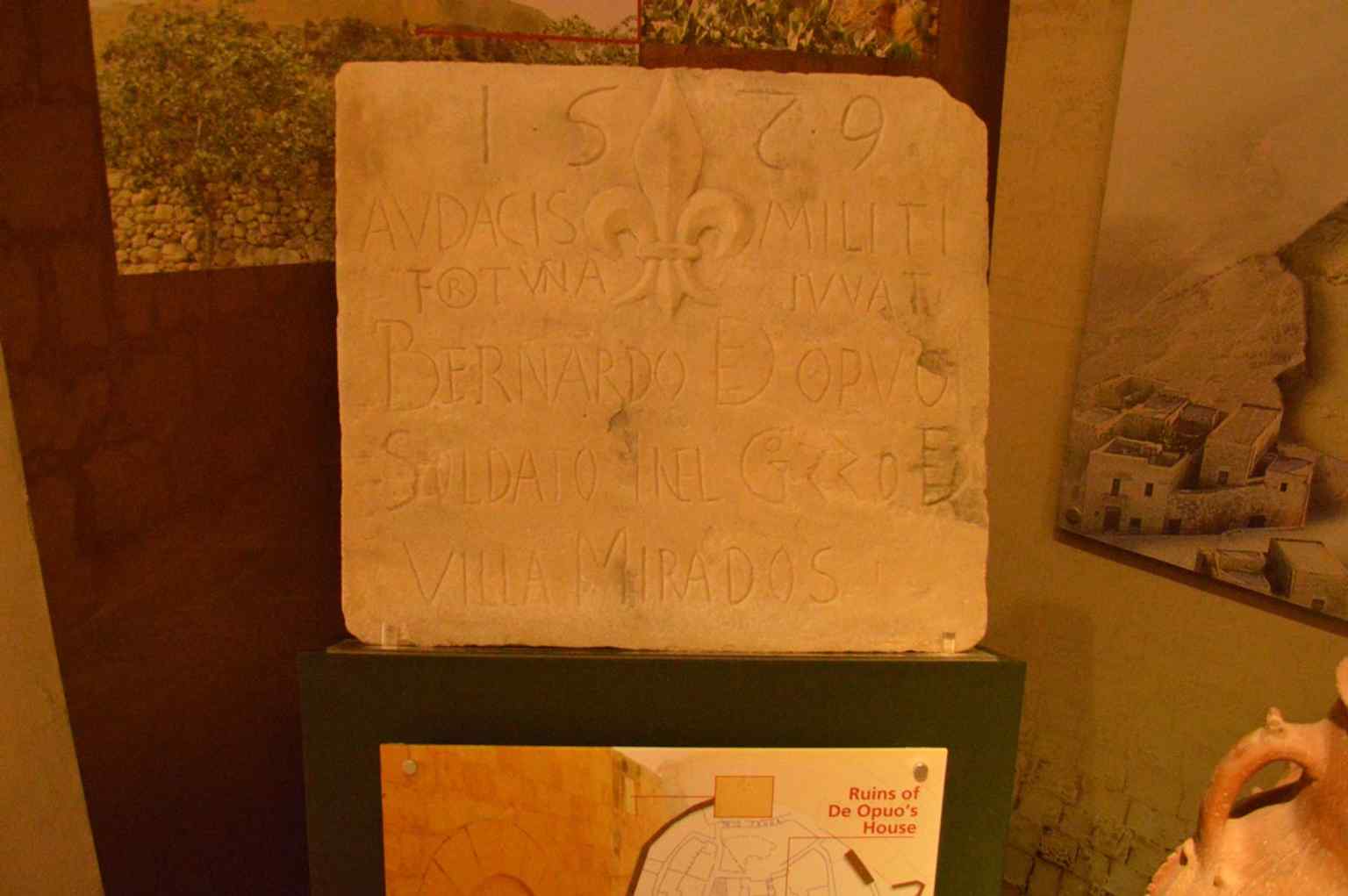
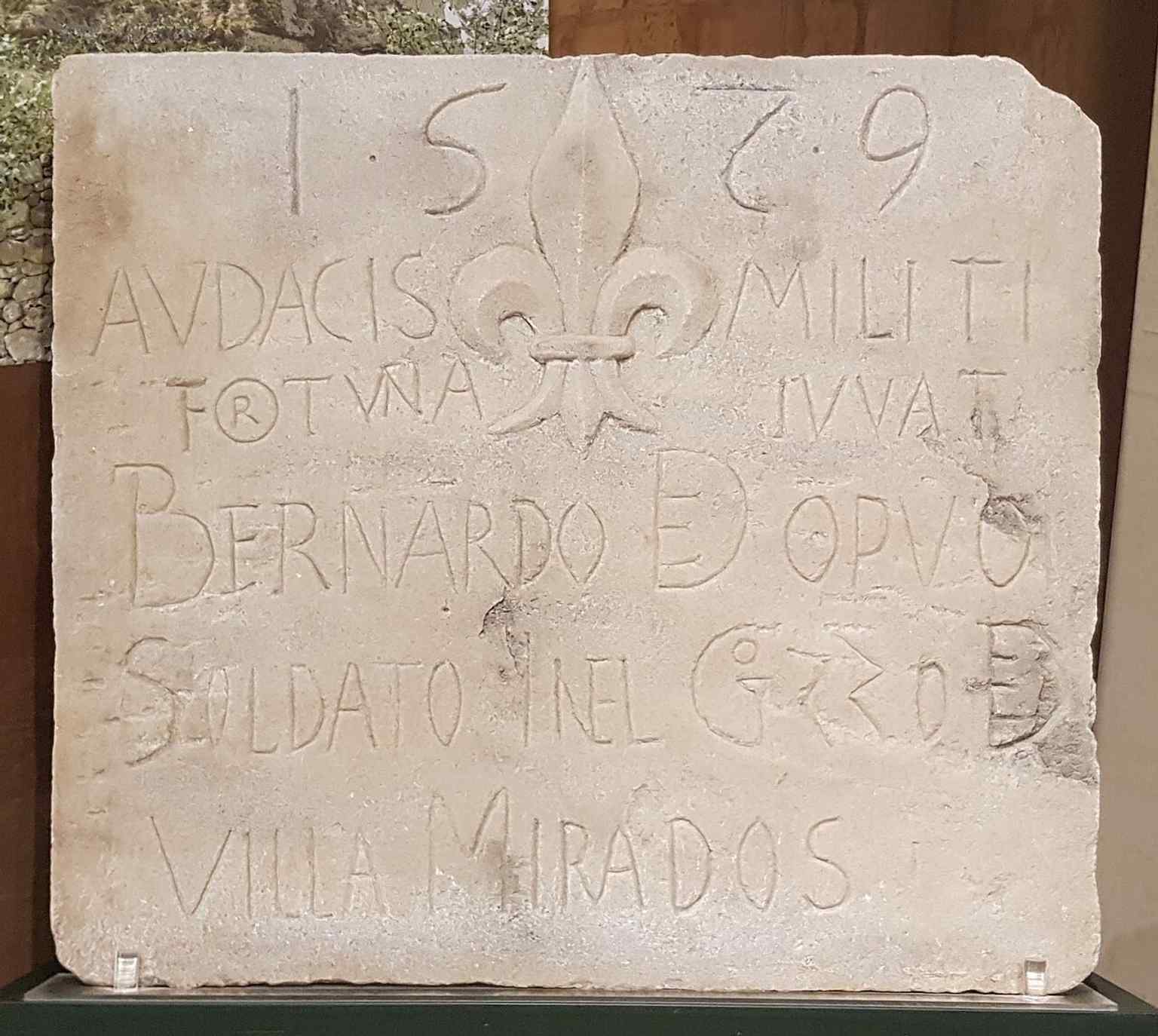
If you check your screen, the Maymūnah Stone is one of the museum’s great puzzles. Heritage Malta says it was allegedly found between Xewkija and Ta’ Sannat, but even here certainty has limits. Another stone, a sixteenth-century inscription naming Governor Bernardo Daldana, spent years in storage until researcher George Azzopardi reconstructed its story from old documentation. That is the twist here: history does not arrive tidy. It gets misplaced, reassigned, rescued, and argued over.
A close look at the museum’s most famous exhibit, the Maymūnah Stone, associated with the local lore and archaeology of Gozo.Photo: Continentaleurope, Wikimedia Commons, CC BY-SA 4.0. Cropped & resized.
And that makes this hill larger than its churches alone. Ahead, at the Cathedral of the Assumption, you will meet a sacred site built on ground whose memory started long before the Christian chapter took hold.
Another view of the museum house, useful for showing how the former Casa Bondi fits into the fortified Cittadella streetscape.Photo: Continentaleurope, Wikimedia Commons, CC BY-SA 4.0. Cropped & resized.The Maymūnah Stone on display — one of the museum’s key objects, said by Heritage Malta to have been found in Gozo between Xewkija and Ta’ Sannat.Photo: Continentaleurope, Wikimedia Commons, CC BY-SA 4.0. Cropped & resized.An important inscribed stone from the museum collection, echoing the site’s focus on objects that help reconstruct Gozo’s past.Photo: Continentaleurope, Wikimedia Commons, CC BY-SA 4.0. Cropped & resized.Another close view of the Maymūnah Stone, a highlight of the collection that links the museum to medieval and early historical Gozo.Photo: Continentaleurope, Wikimedia Commons, CC BY-SA 4.0. Cropped & resized.Inside the museum’s display area, where archaeological material from Gozo is presented in the building’s later, more carefully conserved exhibition spaces.Photo: Continentaleurope, Wikimedia Commons, CC BY-SA 4.0. Cropped & resized.An interior gallery view that reflects the museum’s 1986 reorganisation, when Casa Bondi was assigned the archaeological holdings.Photo: Continentaleurope, Wikimedia Commons, CC BY-SA 4.0. Cropped & resized.The museum’s climate-controlled display setting, introduced in the mid-2000s to protect fragile Neolithic, Temple Period and Bronze Age artefacts.Photo: Continentaleurope, Wikimedia Commons, CC BY-SA 4.0. Cropped & resized.A gallery scene showing how the collection is interpreted today, from prehistory through the medieval period and beyond.Photo: Continentaleurope, Wikimedia Commons, CC BY-SA 4.0. Cropped & resized.The Bernardo Daldana inscription, a stone that was reconstructed from documentation after spending years in storage at the museum.Photo: Matthew Axiak, Wikimedia Commons, CC BY-SA 4.0. Cropped & resized.A view of Casa Bondi within the Cittadella walls, underscoring the museum’s place in Gozo’s fortified historic core.Photo: Continentaleurope, Wikimedia Commons, CC BY-SA 4.0. Cropped & resized.arrow_back Back to Victoria Highlights Audio Tour: Citadel and Historical Treasures
Loved by travellers
Thousands of tours started. Plenty of opinions.
4.8 across the App Store and Google Play. Here's a few we keep coming back to.
starstarstarstarstar
This tour was such a great way to see the city. The stories were interesting without feeling too scripted, and I loved being able to explore at my own pace.
Started this tour with a croissant in one hand and zero expectations. The app just vibes with you, no pressure, just you, your headphones, and some cool stories.