
On your left, Vilnius University appears as a pale stucco ensemble of long baroque facades and arched windows, marked by the soaring white bell tower of Saint Johns.
This place looks settled, almost smug about it... and that is the trick. Vilnius University is one of the oldest universities in Central and Eastern Europe, but its real story is not calm continuity. It is survival.
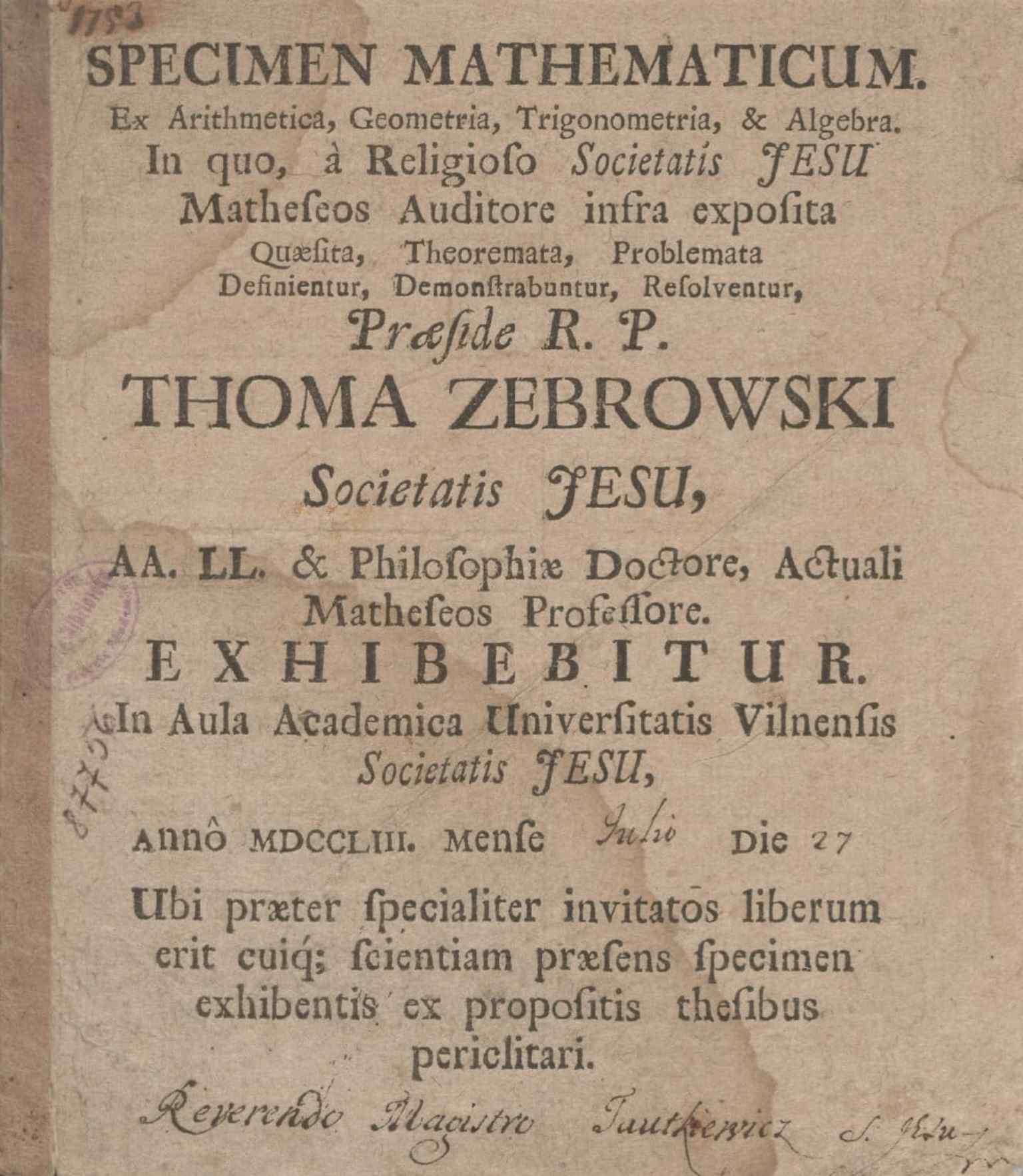
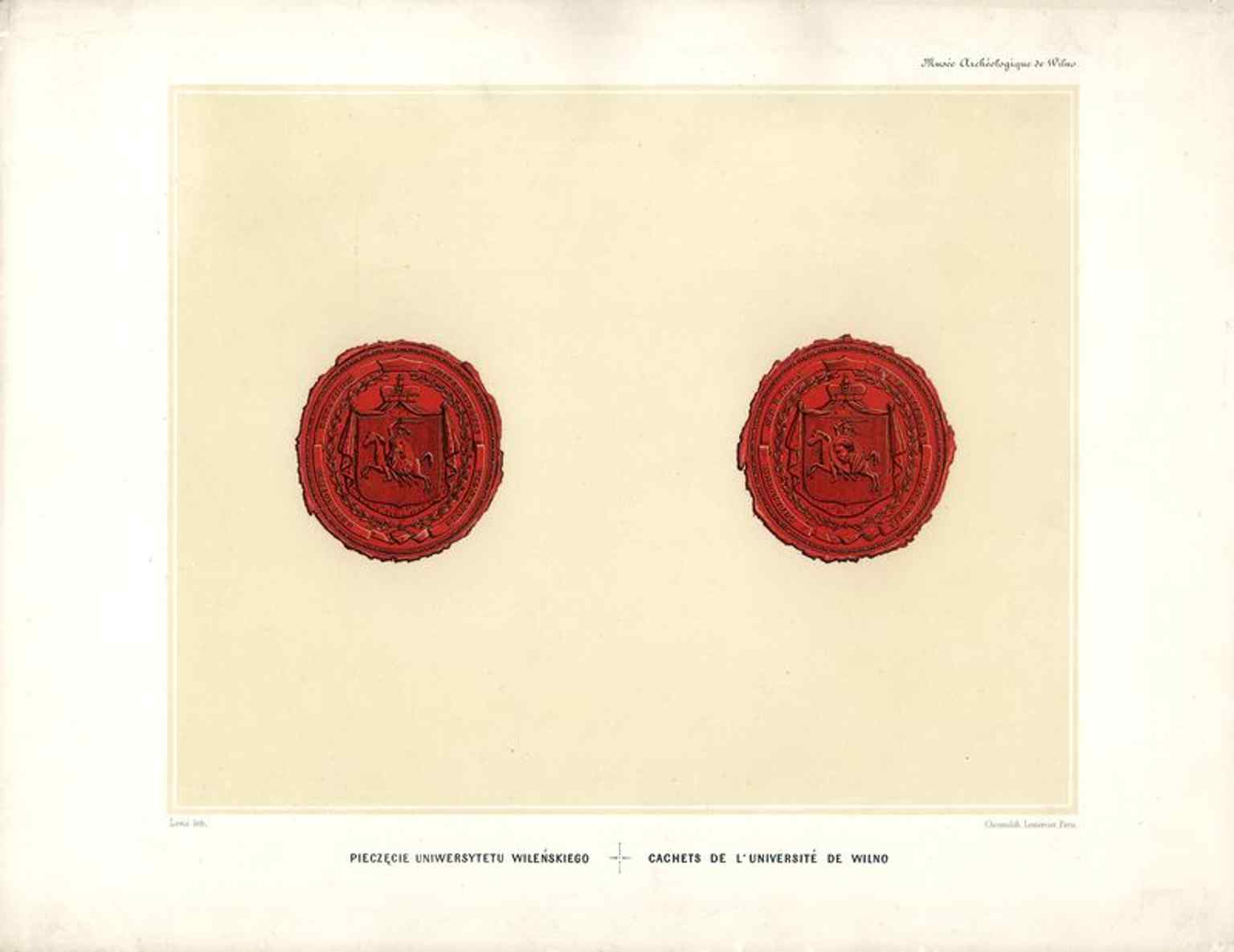
King Stephen Báthory founded it in fifteen seventy-nine as a Jesuit academy, and for a long stretch it was the only university in the Grand Duchy of Lithuania. The Jesuits planted the seed, but it grew into something much larger: a whole organism of courtyards, library rooms, observatory spaces, printing presses, and generations of students trying to look more prepared than they felt. Its library began in fifteen seventy, and King Sigismund the Second Augustus donated two thousand five hundred books, which was a serious intellectual flex.
But this institution kept getting broken by politics. After the failed November Uprising against the Russian Empire, Tsar Nicholas the First shut the university in eighteen thirty-two. It reopened only after the First World War, then changed hands again under Lithuanian, Soviet, Nazi, and Soviet rule. Same city, same stones... completely different flags, languages, and rules.
And here is the human story that changes the picture. Librarian Ona Šimaitė used her university work as cover to enter the Vilnius Ghetto during the German occupation. She smuggled in food and forged papers, carried letters and books, searched for hiding places for Jewish children, and once carried a Jewish student out in a sack. The Gestapo arrested her three times and sentenced her to death in nineteen forty-four. She survived, and later became the first Lithuanian recognized as Righteous Among the Nations. So yes, this is a university of lectures and degrees. It was also, at its bravest, a place where one woman turned access into rescue.
Today the university is still Lithuania’s leading research institution, with more than twenty-four thousand students, international programs in English, and research stretching from laser physics to biotechnology. Professor Virginijus Šikšnys, one of the pioneers of gene editing, worked here too. Not bad for a place founded when lectures were in Latin and heating was probably more theoretical than practical.
If you glance at the before-and-after image in the app, you can see how the Great Courtyard and bell tower were carefully restored before the tower reopened in twenty nineteen.
Vilnius turns out to be as much a city of ideas as a city of monuments. Next, in about six minutes, the Cathedral of the Theotokos will show you an older sacred tradition running alongside the Latin one.
If you want to come back, university offices generally keep weekday hours from seven thirty in the morning to late afternoon, close earlier on Friday, and shut on weekends.







%2C%20Vilnius%2C%2027%20July%201753.jpg)
%20(2).jpg)
%2C%20middle%20of%20the%2019th%20century.jpg)