
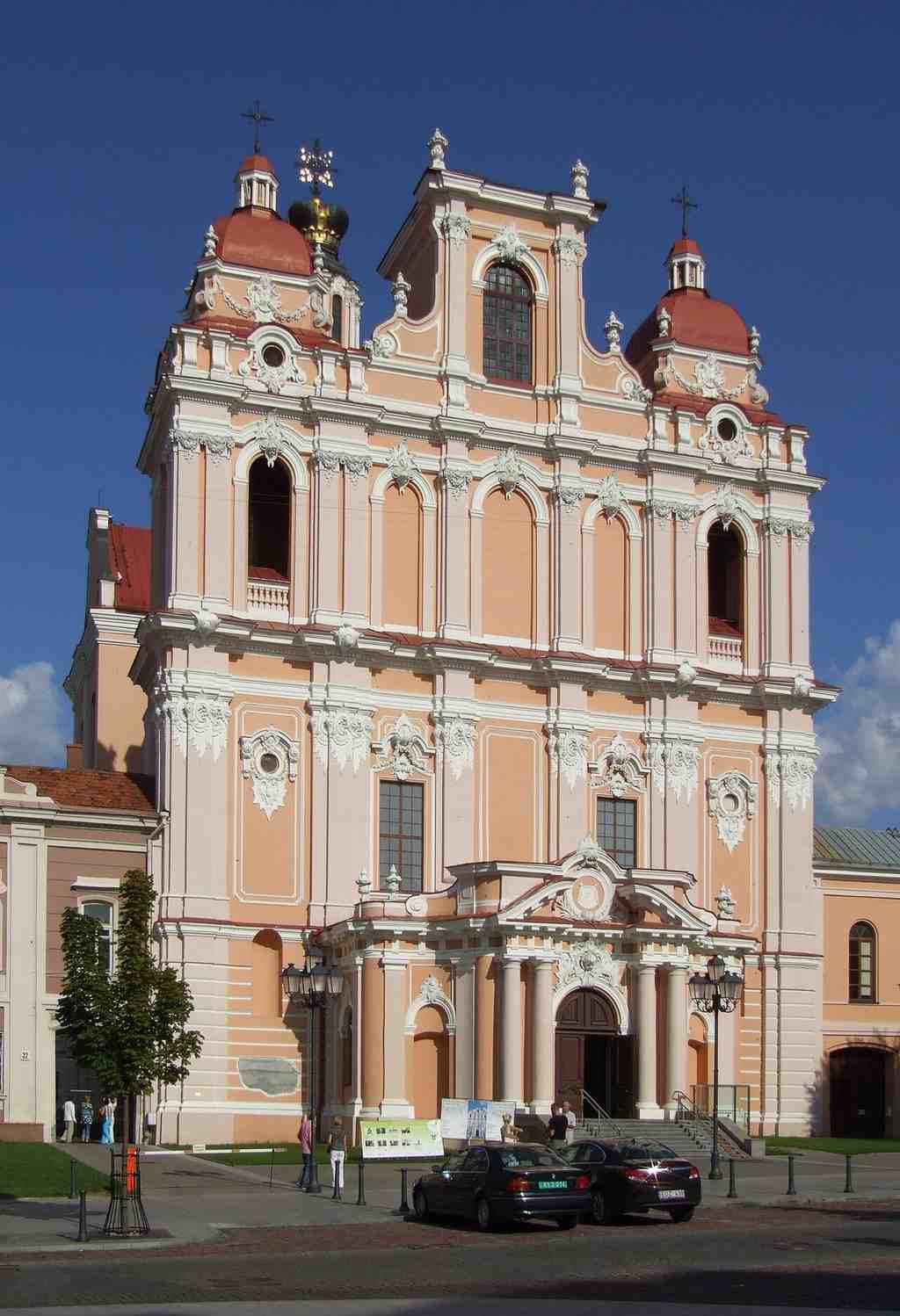
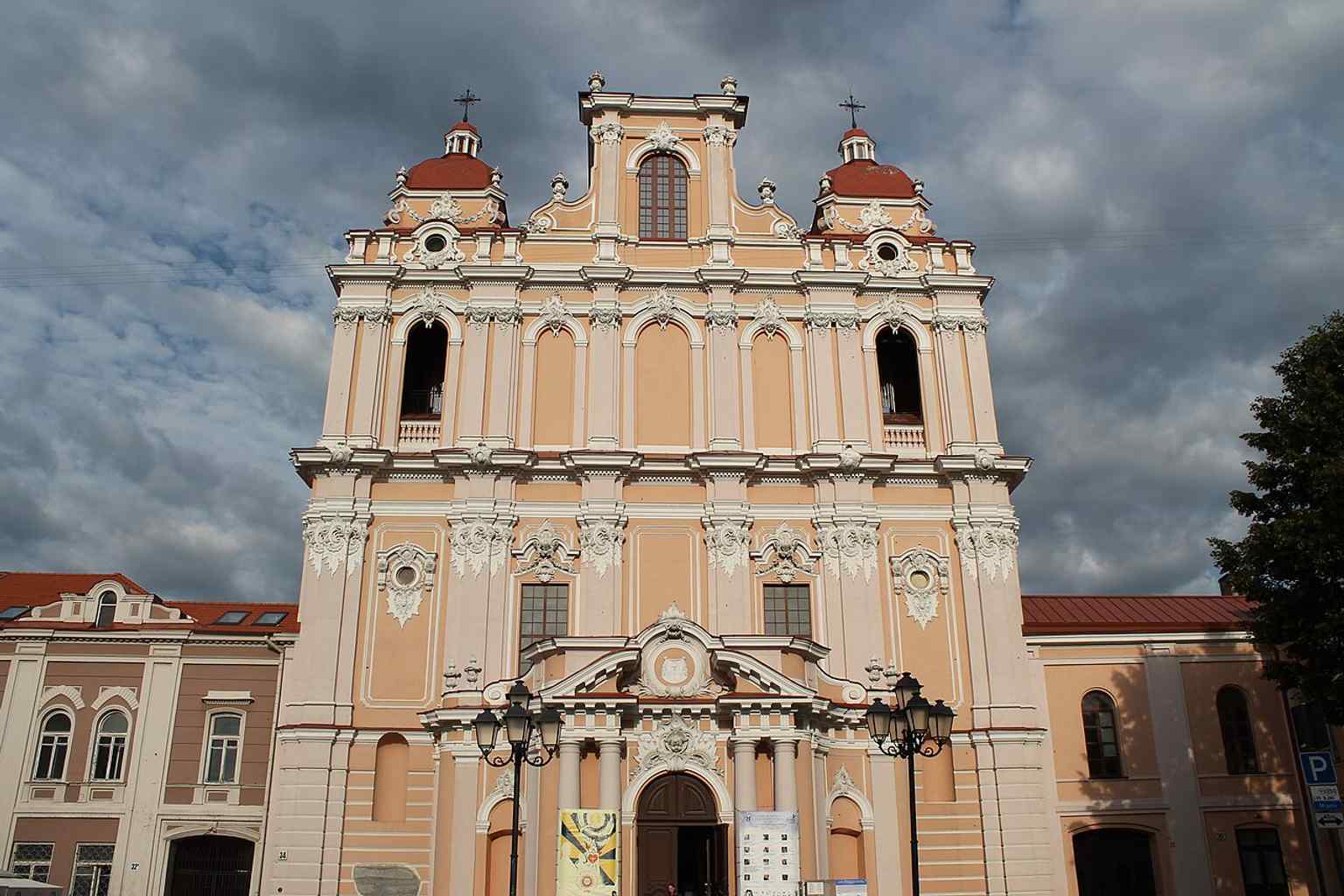
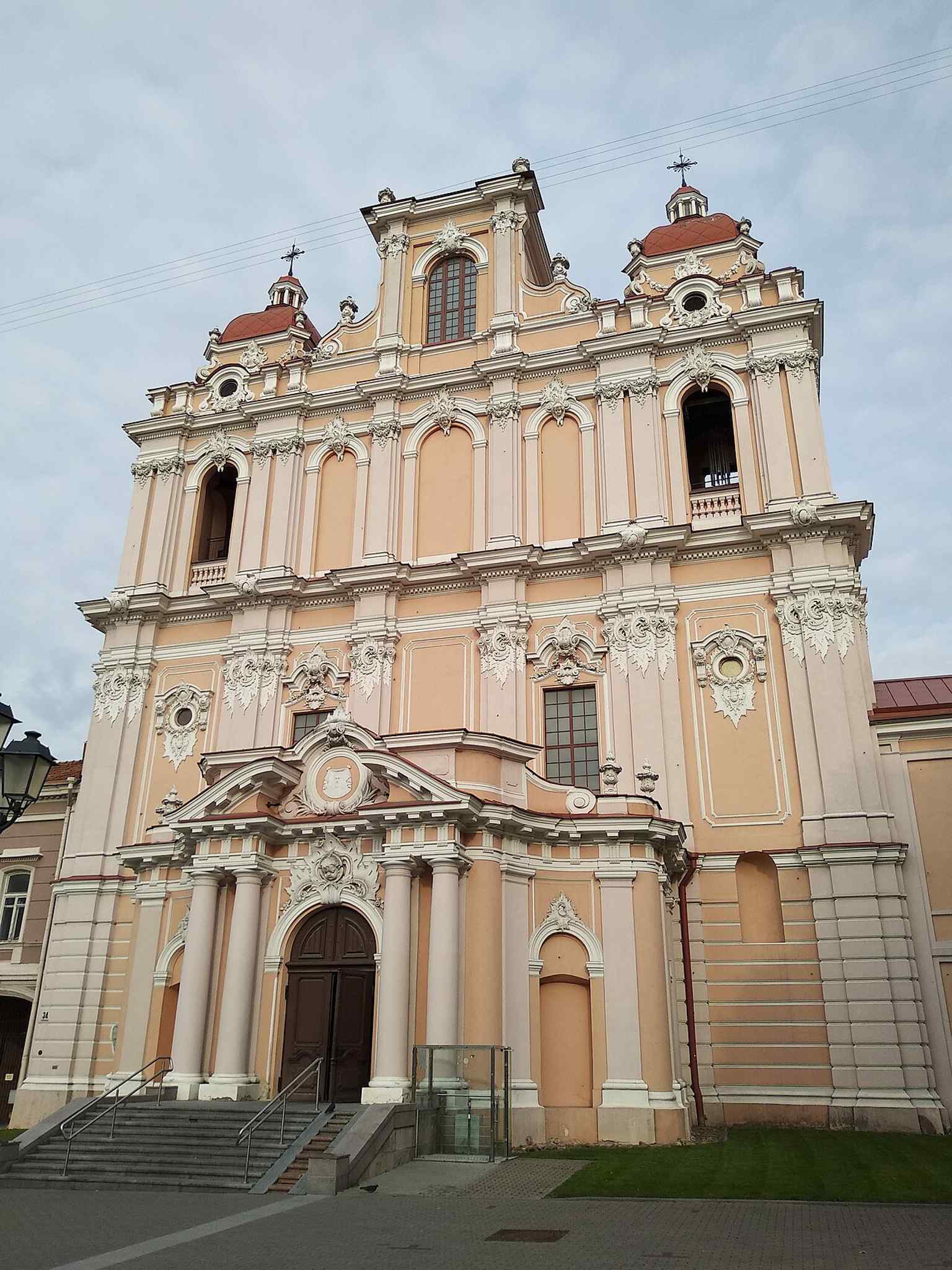
On your left stands a pale plaster church with a tall symmetrical Baroque façade, twin towers, and a crowned lantern rising above the dome.
This is the Church of Saint Casimir, one of the earliest Baroque churches in Vilnius. Baroque, by the way, means architecture that aims to persuade through drama: bold shapes, strong symmetry, and a sense that stone itself has learned how to make an entrance.
Saint Casimir was a royal prince of Lithuania and Poland, and when the Church canonized him in sixteen oh four, his memory became valuable in two ways at once: spiritually, as a local holy figure, and politically, as a prestige symbol a city could rally around. Saints, it turns out, are excellent for devotion and public relations.
The Jesuits understood that better than most. They were Catholic educators and missionaries, but in cities like Vilnius they also acted as stage-managers of belief, using schools, sermons, music, and architecture to shape how faith felt in public. They began this church on the twelfth of May, sixteen oh four, only weeks after Casimir's canonization, with money from major Lithuanian nobles like Lew Sapieha and Jan Karol Chodkiewicz, plus King Sigismund the Third Vasa and his son, Cardinal Karol Ferdynand Vasa.
Tradition says seven hundred Vilnius residents dragged the cornerstone here in procession from the Antakalnis hills. The design came from Jan Frankiewicz, a pupil of Giovanni Maria Bernardoni, and he looked to Il Gesù in Rome, the great Jesuit model, then borrowed ideas from churches in Kraków and Lublin and added those towers. Construction finished in sixteen sixteen, and the interior was completed in sixteen eighteen.
One man who served here gives the place a sharper human edge: Andriejus Bobola, a Jesuit preacher and confessor. He later fell into Cossack hands and they tortured him to death in sixteen fifty-seven. When the Church canonized him in nineteen thirty-eight, this building carried not just grandeur, but martyrdom too.
And yet prestige here came with rivalry. Even though the royal court funded the church, it did not want this place to become the main center of Saint Casimir's cult. In sixteen thirty-six, when officials translated the saint's relics in a major ceremony, the procession bypassed this church entirely. Holiness, yes... but carefully managed holiness.
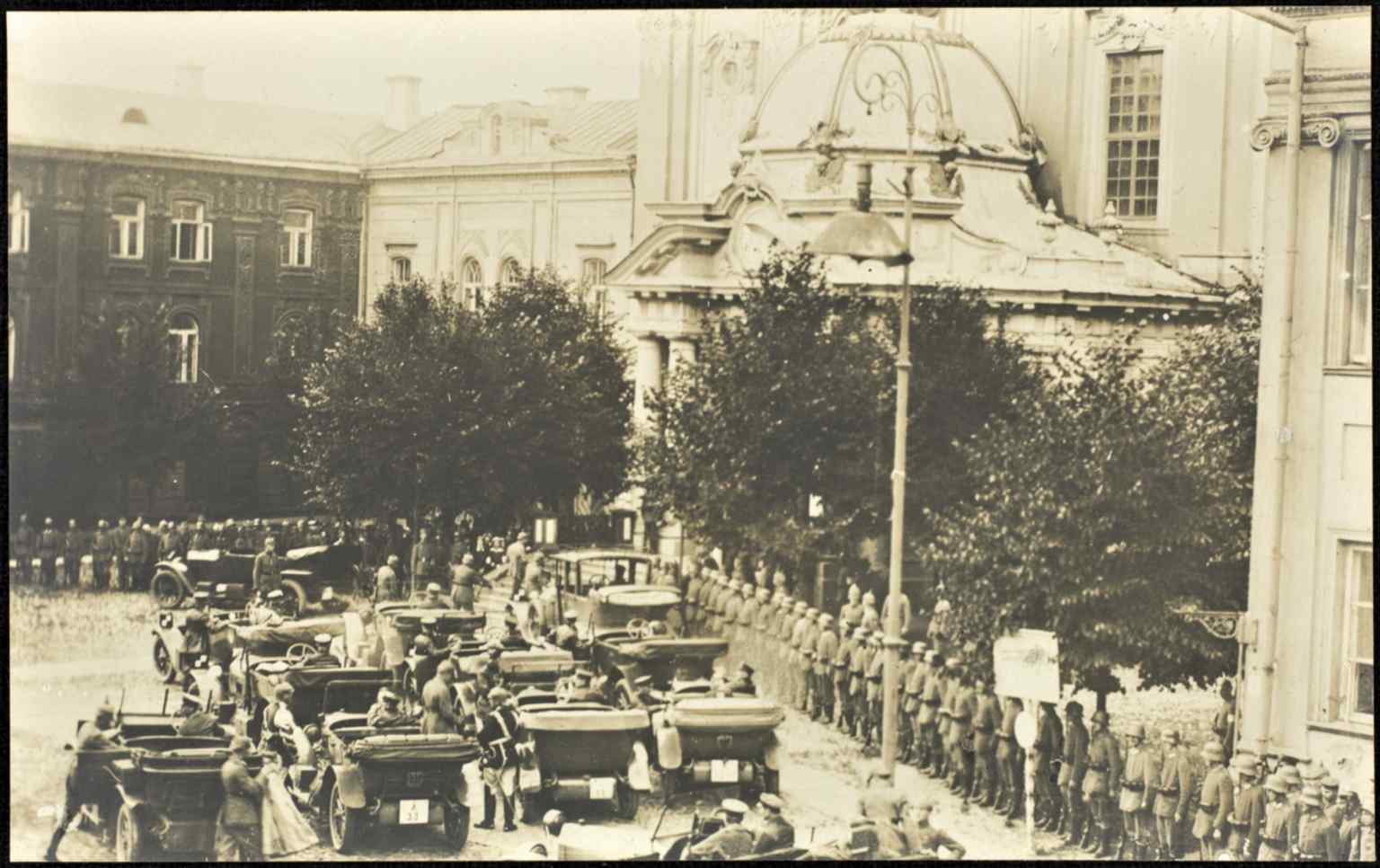
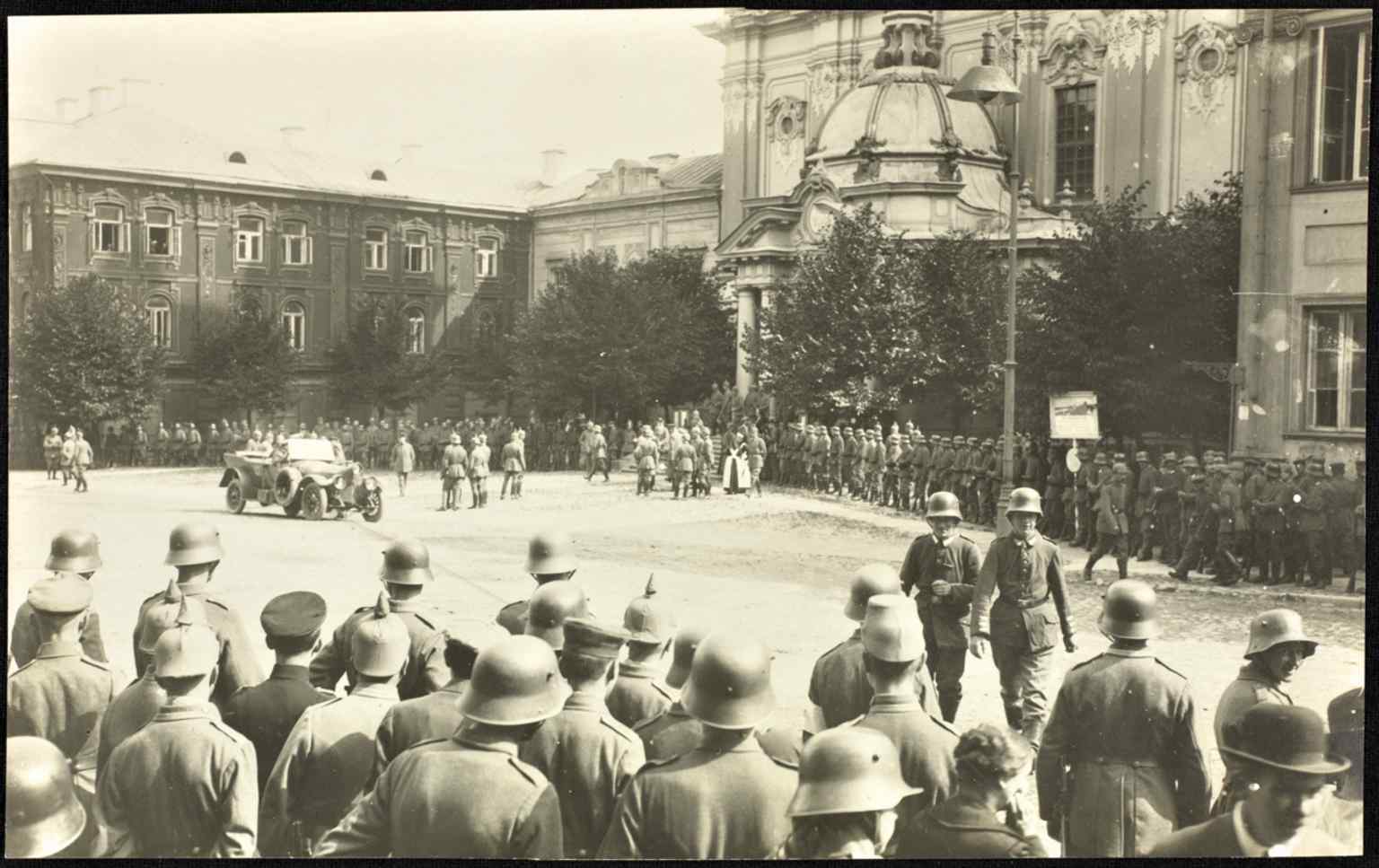
In the app, have a look at the before-and-after image: Kaiser Wilhelm the Second once posed beside this façade in nineteen seventeen, and the building has outlasted the armies around it. Under Russian rule it became Orthodox, in nineteen fifteen the Germans turned it into a Lutheran garrison prayer house, and in nineteen sixty-three the Soviets made it a Museum of Atheism before believers reconsecrated it in nineteen ninety-one.
If you check the interior photo, you will see the nave, the church's main central hall, where its famous acoustics now carry organ concerts once again. Leopoldas Digrys pushed that musical revival forward, and the modern Oberlinger organ installed in two thousand and three gave the church its full voice back.
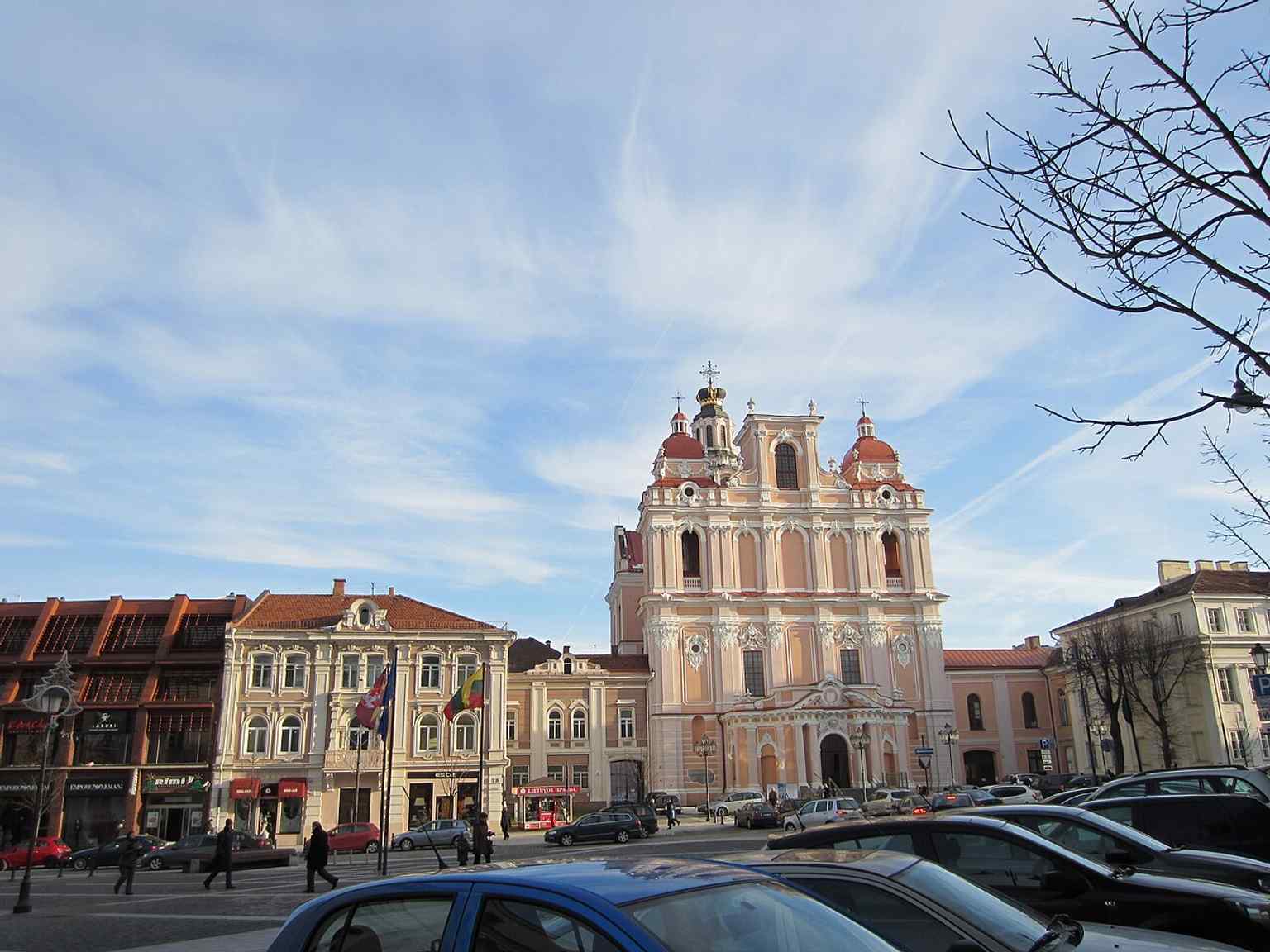
In Vilnius, saints were never only heavenly figures; they also shaped very earthly contests over influence. From here, Town Hall Square is about a five-minute walk away, where civic power starts speaking in its own register. If you want to come back inside later, it is generally open from eleven in the morning to seven in the evening, closed on Saturdays, and opens earlier on Sundays.






.png)