
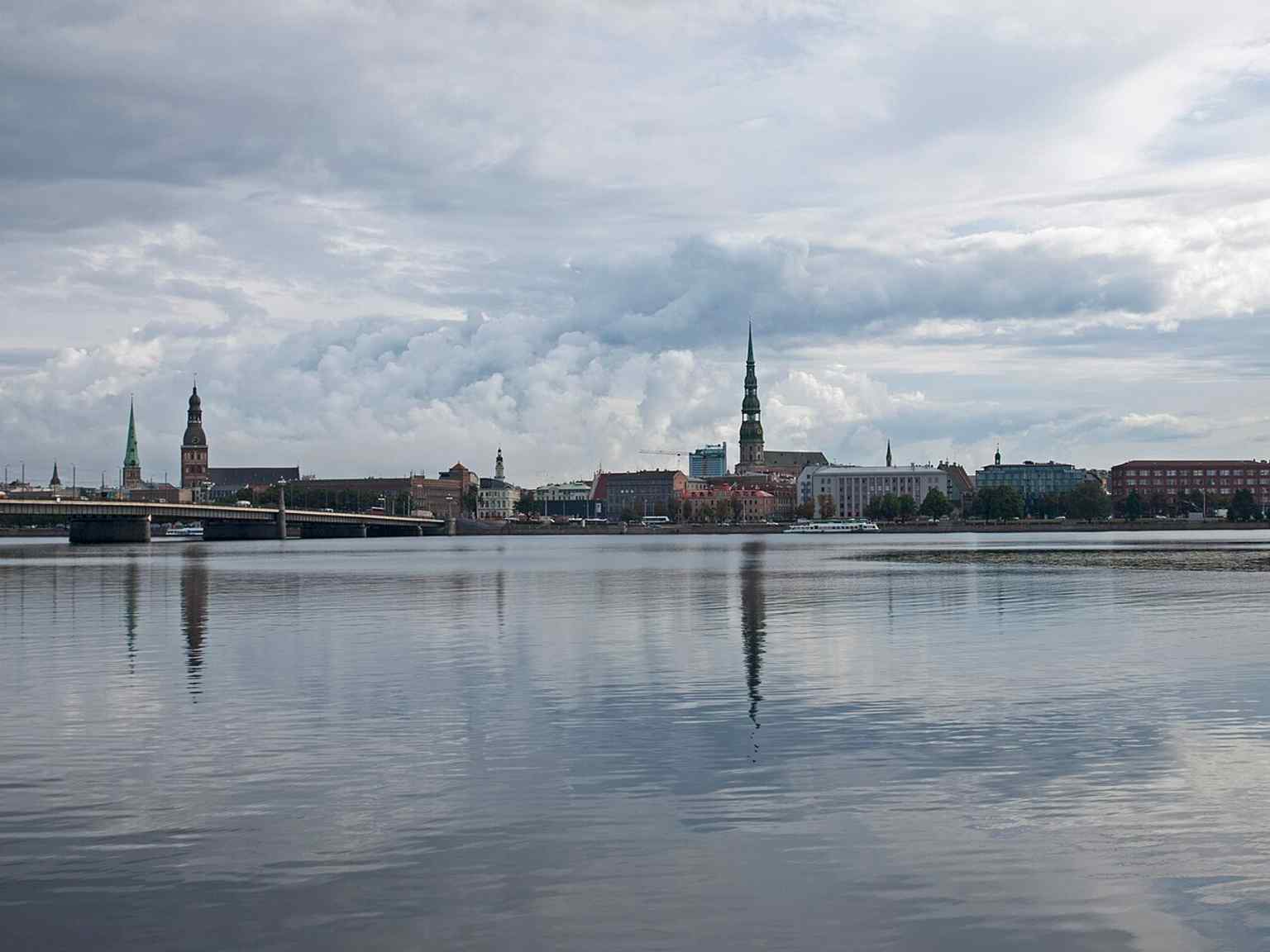
Look for a tight weave of stone lanes and steep gabled houses gathered beneath tall brick church spires, especially the needle-like tower of Saint Peter’s rising above the roofs.
This is Vecrīga, Old Riga: the city’s oldest heart, pressed against the right bank of the Daugava and layered, quite literally, over eight centuries of argument, trade, fire, repair, and ambition. Historians still debate its very first centre, but one strong tradition places the earliest Riga, founded by Bishop Albert in twelve oh one, around the crossing of today’s Šķūņu and Kaļķu streets. By the end of the thirteenth century, the growing town had enclosed itself within defensive walls, and a proper medieval city had taken shape.
It learned hard lessons early. In twelve fifteen, a devastating fire tore through Riga and destroyed much of the town, including the old bishop’s residence and the cathedral. So the city authorities turned strict. In twelve ninety-three, they issued a building code that fixed houses neatly along the street, allowed them to stand wall to wall, limited their size, and, most importantly, banned timber construction. Medieval Riga had decided that stone was safer than optimism.
Old Riga also knew how to fight when trade was threatened. In twelve ninety-seven, the Livonian Order tried to remove a bridge over the Daugava because it blocked the passage of knights’ ships. Unfortunately for the knights, that bridge mattered rather more to Riga’s merchants. The quarrel exploded into open revolt. During the siege of the Order’s castle, the townspeople did something magnificently unchurchlike: they stripped the roofs from Saint Peter’s and Saint John’s churches, hauled heavy catapults onto them, and bombarded the castle with stone shot until they smashed it to pieces.
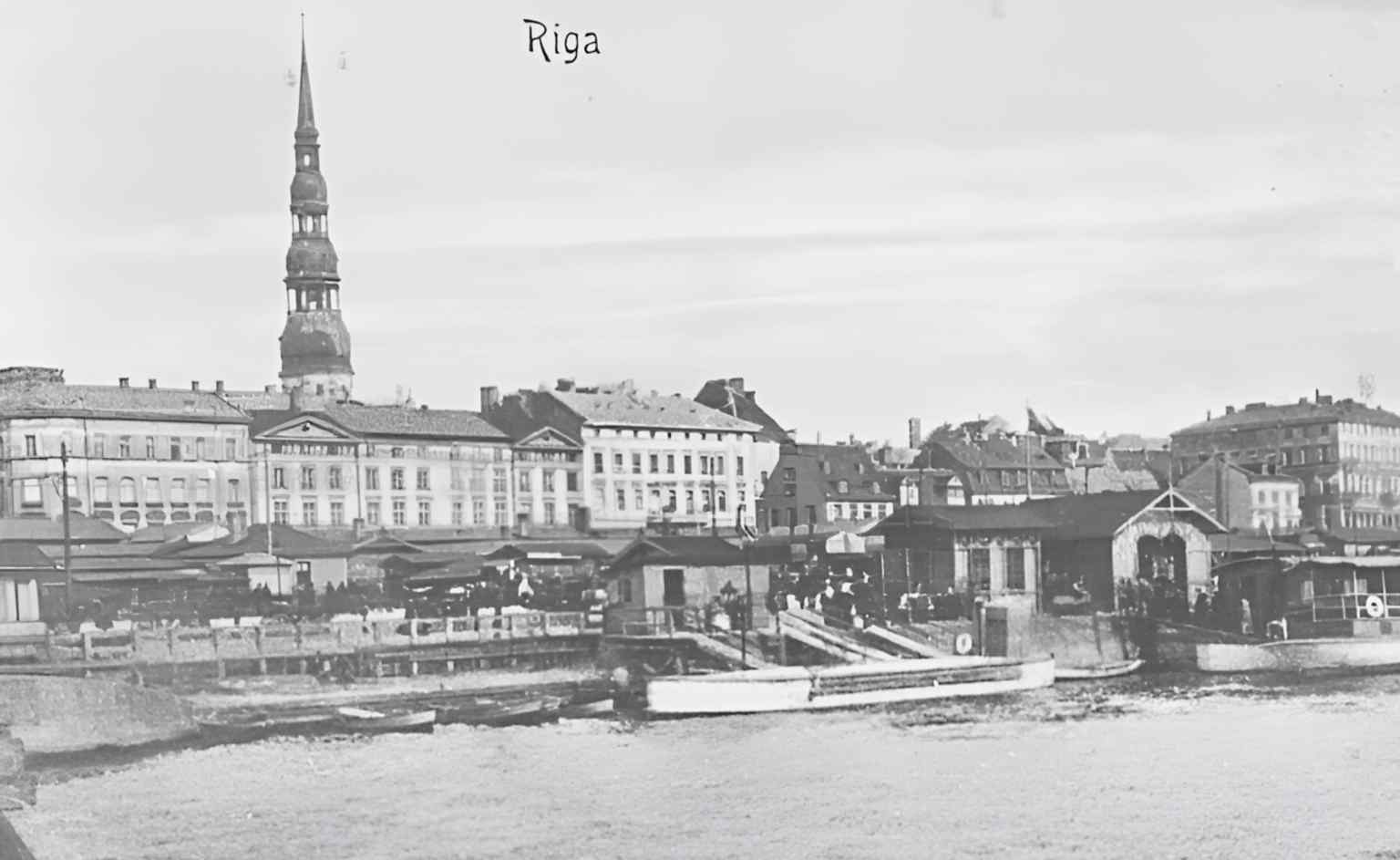
Trade, though, always returned as the main business of the place. In the thirteen thirties, the market moved closer to the Daugava, the town hall rose nearby, and opposite it stood the New House, later famous as the House of the Blackheads. From there, decrees were read out, oaths were taken, ceremonies staged, and the city conducted the noisy theatre of public life. By the fifteenth century, Riga had become a classic Hanseatic city, one of those northern trading ports where warehouse, home, shop, and stable often shared the same plot with admirable efficiency and, I suspect, rather mixed aromas.
Beneath all this once ran the Rīdzene, the little river that gave Riga its name and served as its first harbour. People were repeatedly forbidden to dump rubbish into it, which is usually a reliable sign that people were dumping rubbish into it. Over time it clogged, shrank, and finally disappeared underground. Its lost course survives today in the wavy paving of Livu Square.
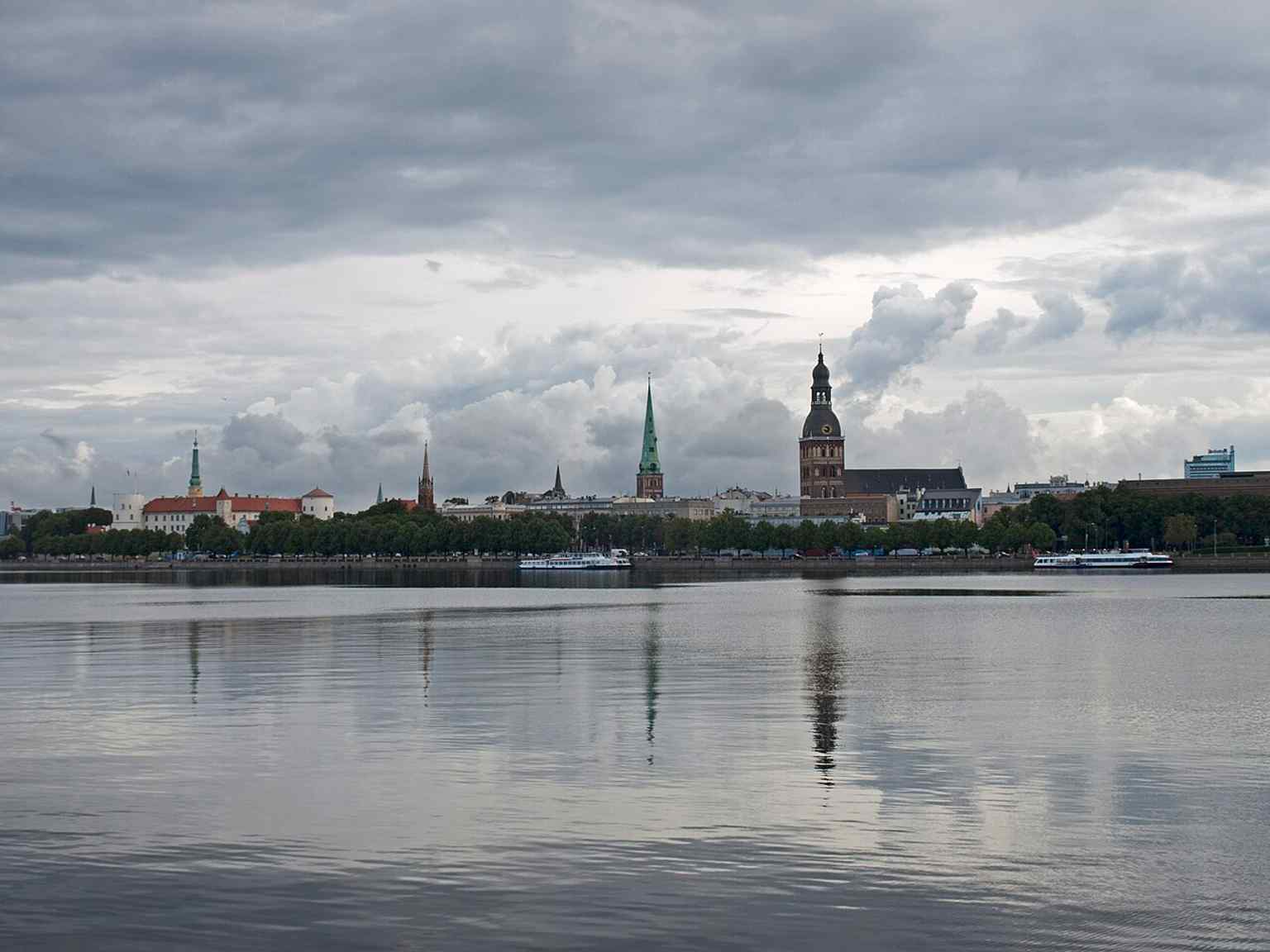
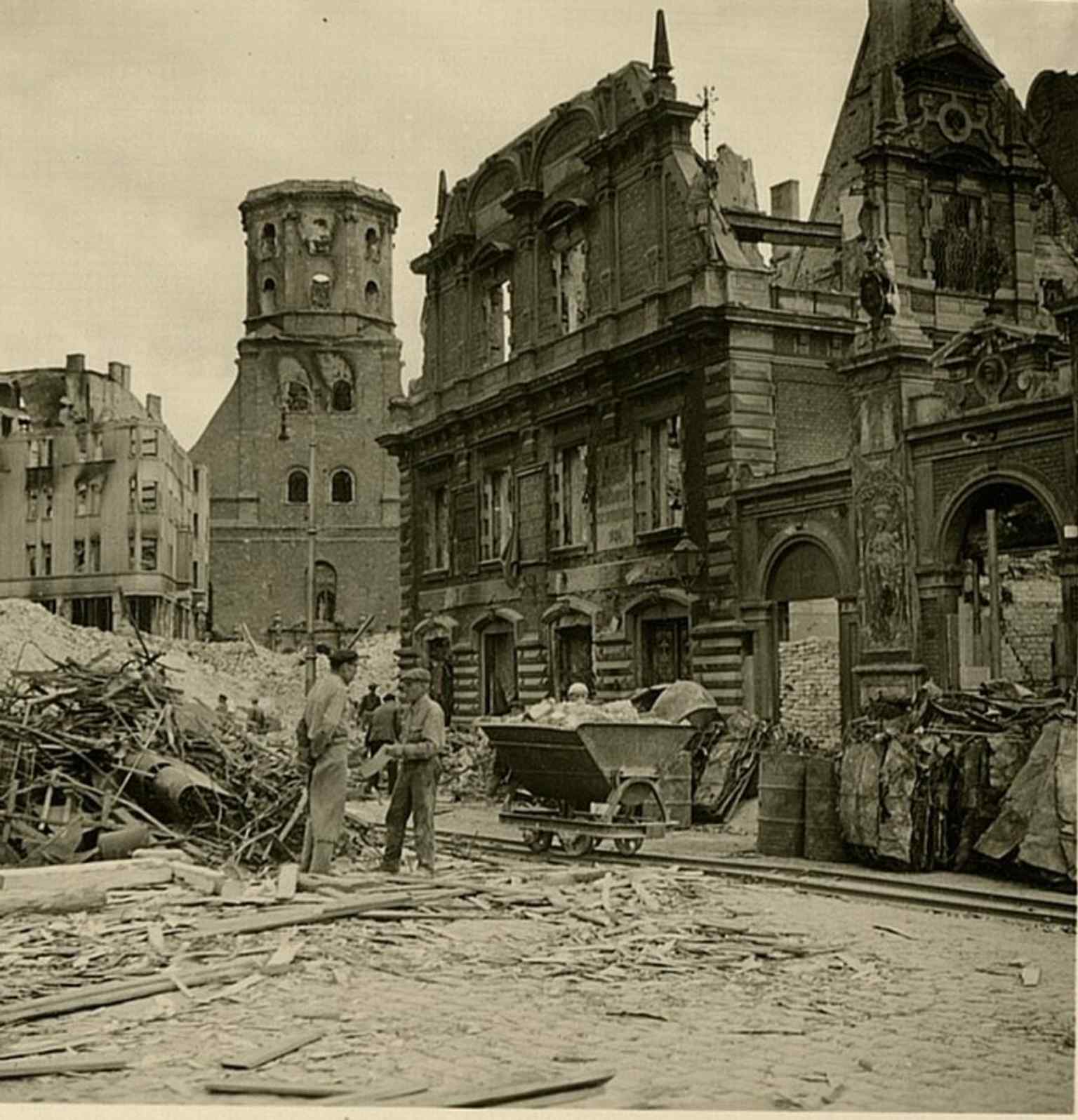
An aerial image on your screen shows how Saint Peter’s, the Dome Cathedral, and Saint James still compose the skyline of Old Riga. And yet that skyline is also a reconstruction. The fighting of nineteen forty-one and nineteen forty-four destroyed about a third of the Old Town’s buildings. If you like, take a quick look at the before-and-after image; the leap from wartime ruin to the restored cityscape is quietly extraordinary. That long recovery helped earn Riga’s historic centre a place on the UNESCO, the United Nations Educational, Scientific and Cultural Organization, World Heritage list in nineteen ninety-seven.
Old Town itself never really closes, so you can wander these streets at any hour.
Old Riga endures because each century left scars here, and the city chose to keep reading them rather than erase them. When you’re ready, continue on to the monument to Barclay de Tolly, where Riga tells a rather more imperial tale.






.png)