
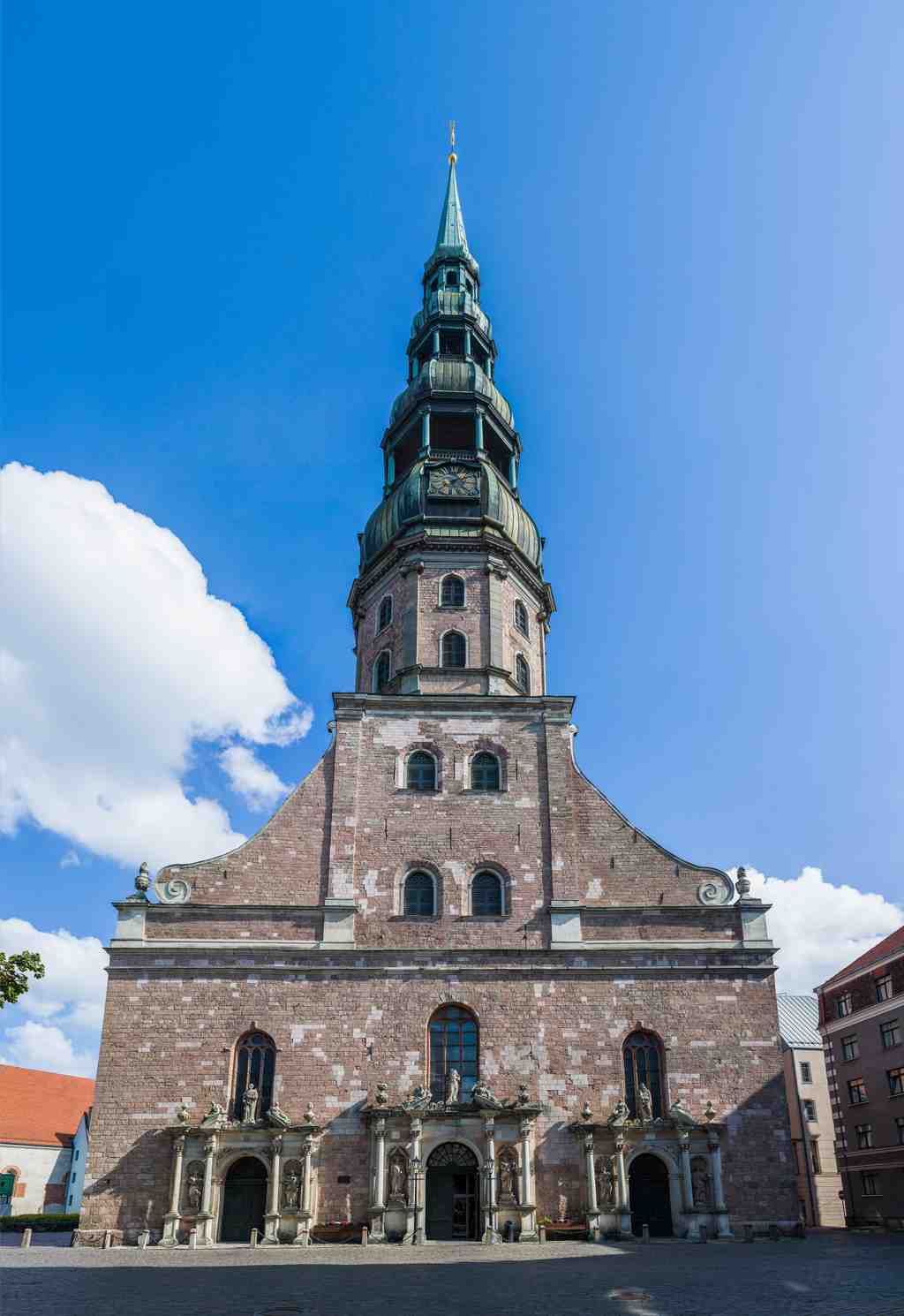
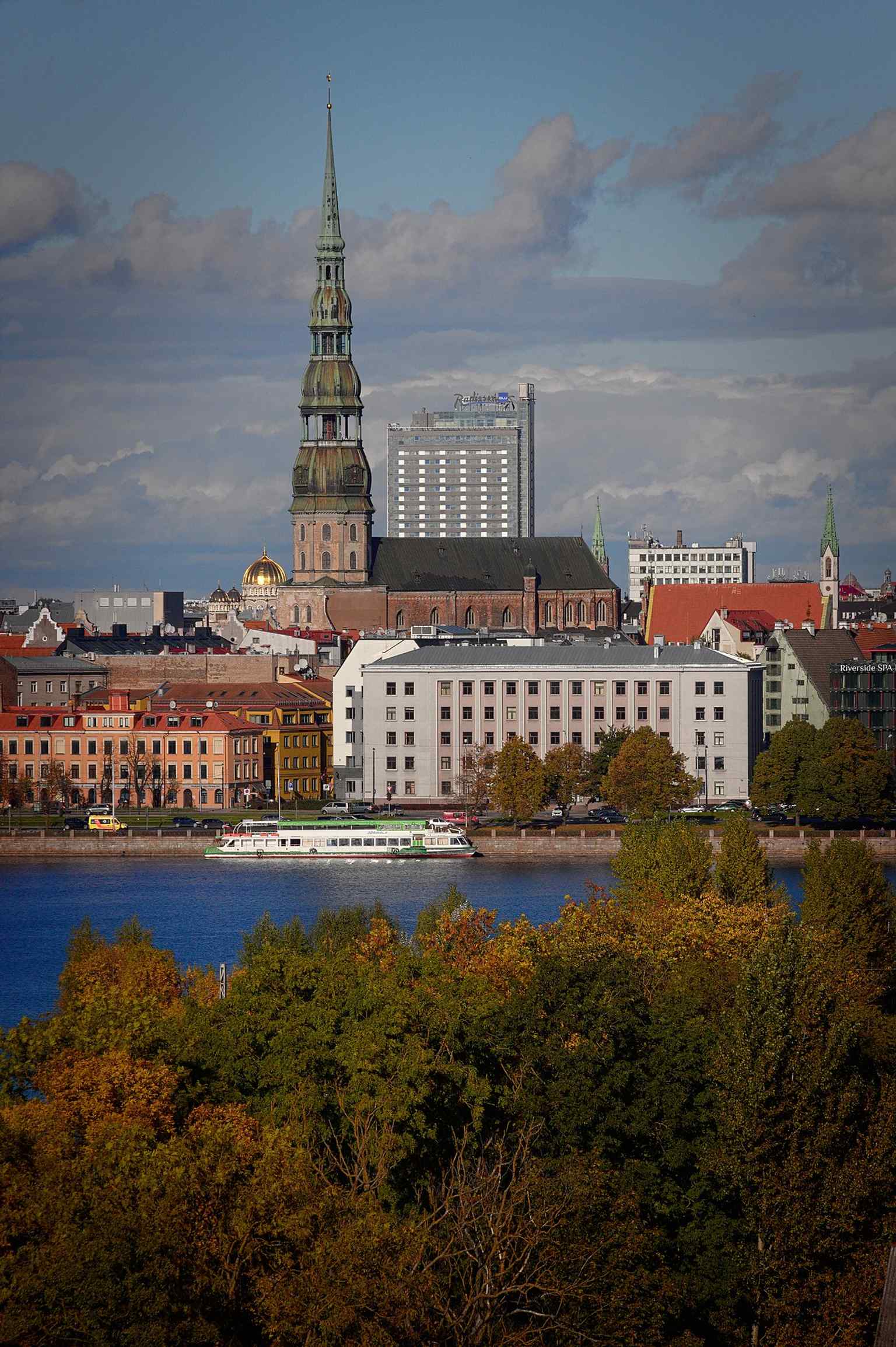
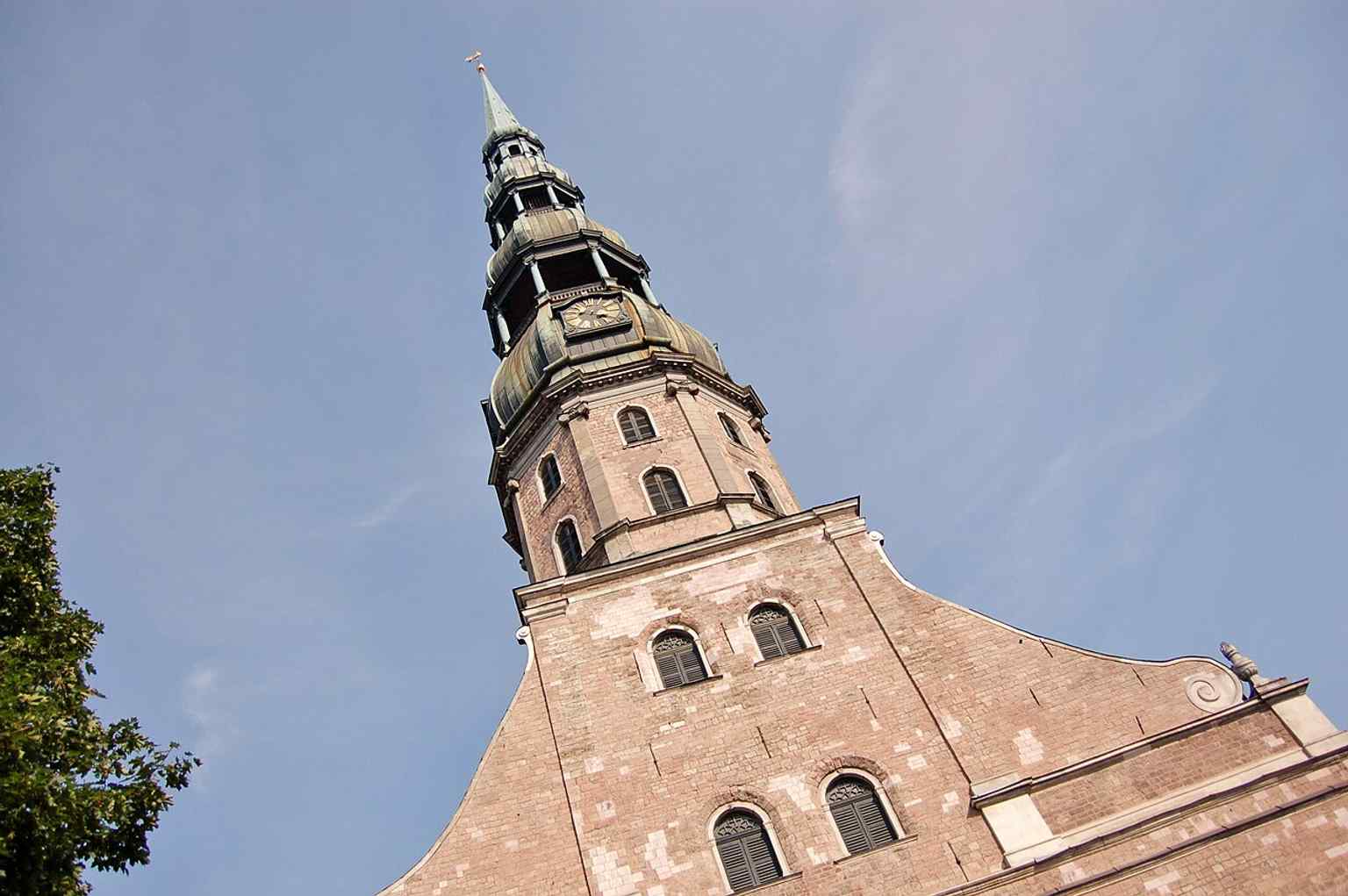
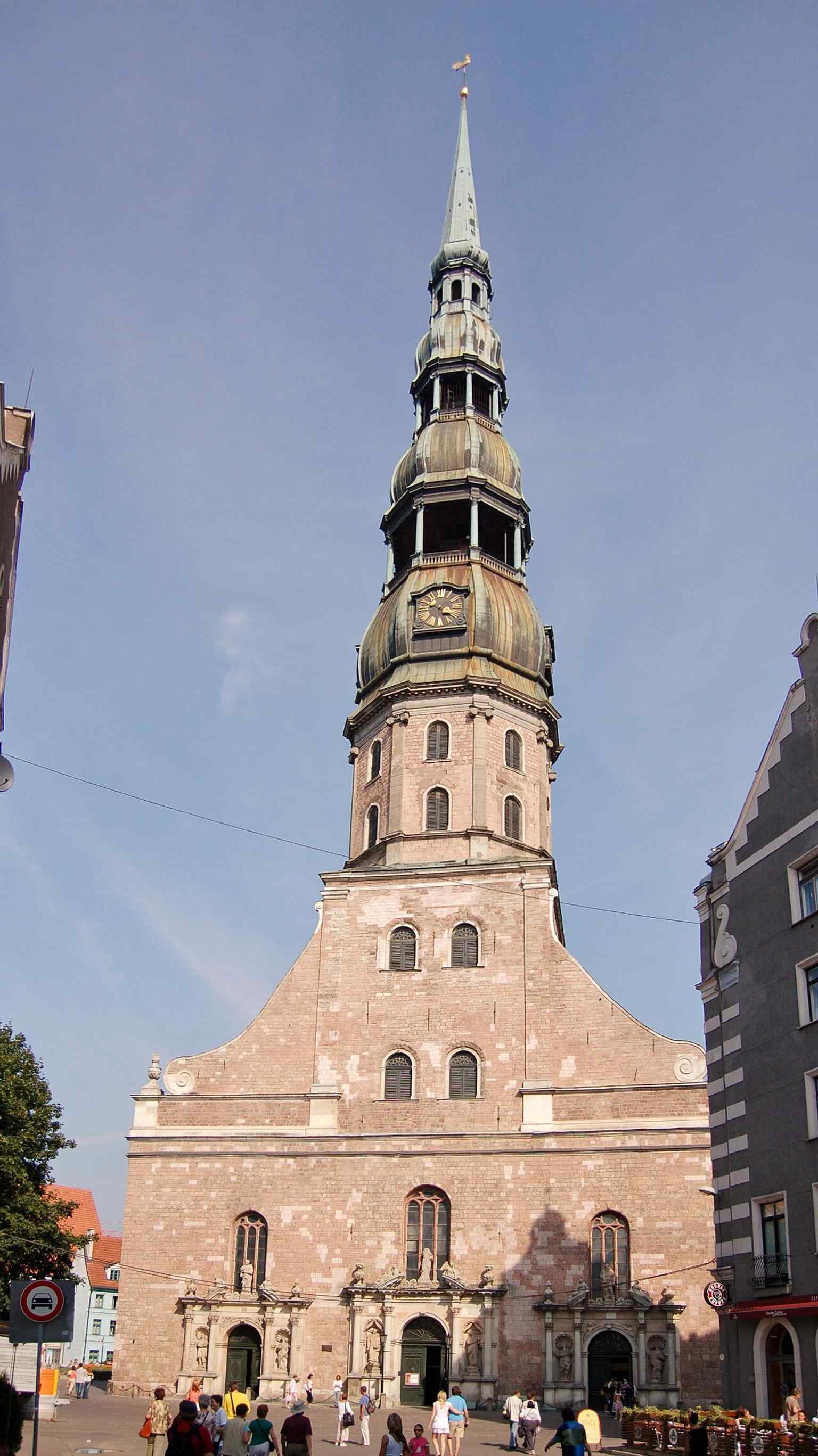
On your left stands a red-brick Gothic church with a long, sturdy body, a tall tapering spire, and a rooster perched at the very top like it owns the skyline.
This is Saint Peter’s Church, one of Riga’s great symbols and the city’s oldest known church, first mentioned in twelve oh nine. It began as something a little unusual: not the cathedral of bishops and grand hierarchy, but a people’s church. Merchants, craftsmen, and townspeople helped fund it, so this place belonged to Riga’s burghers - the privileged city residents - as much as to the clergy.
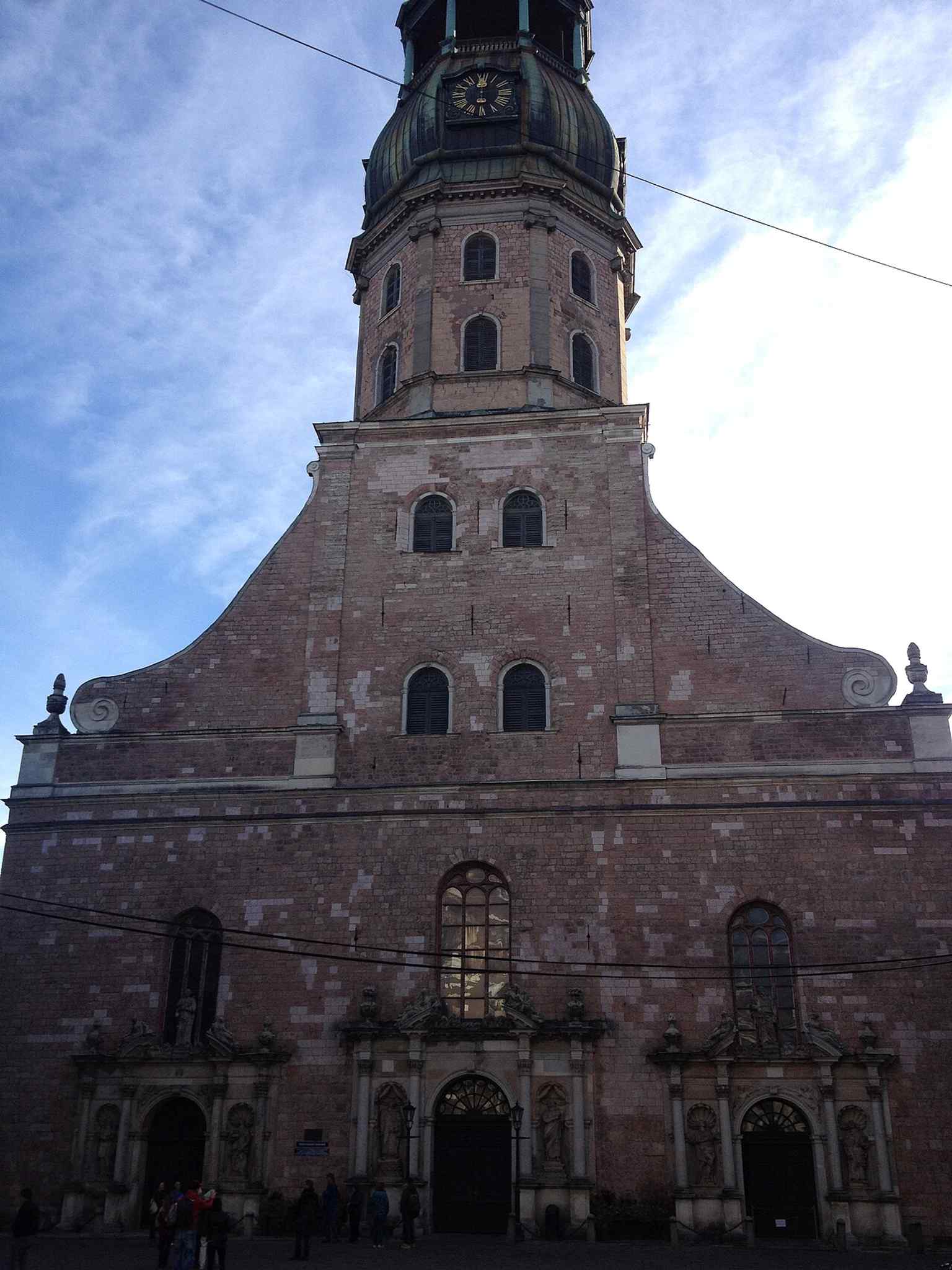
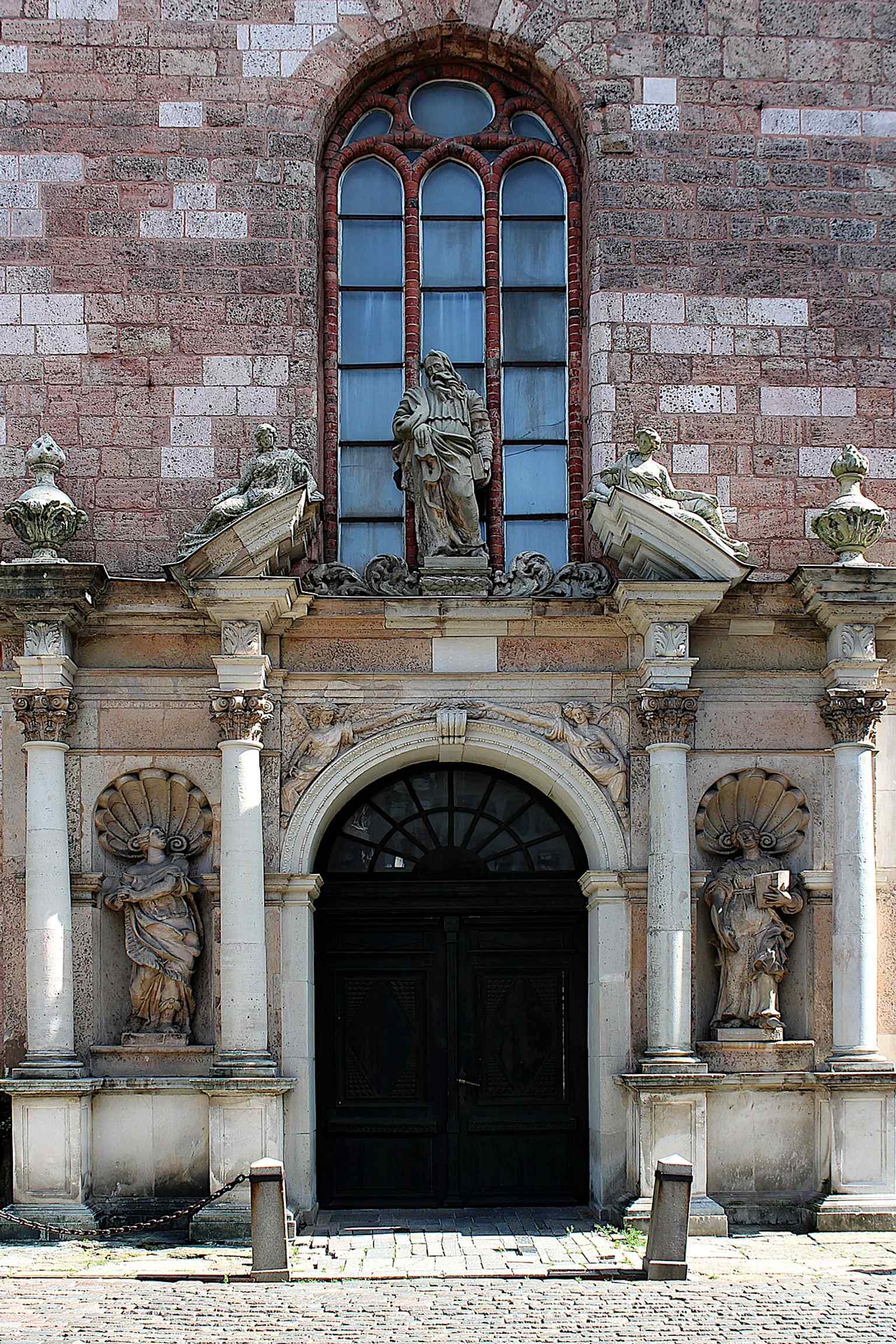
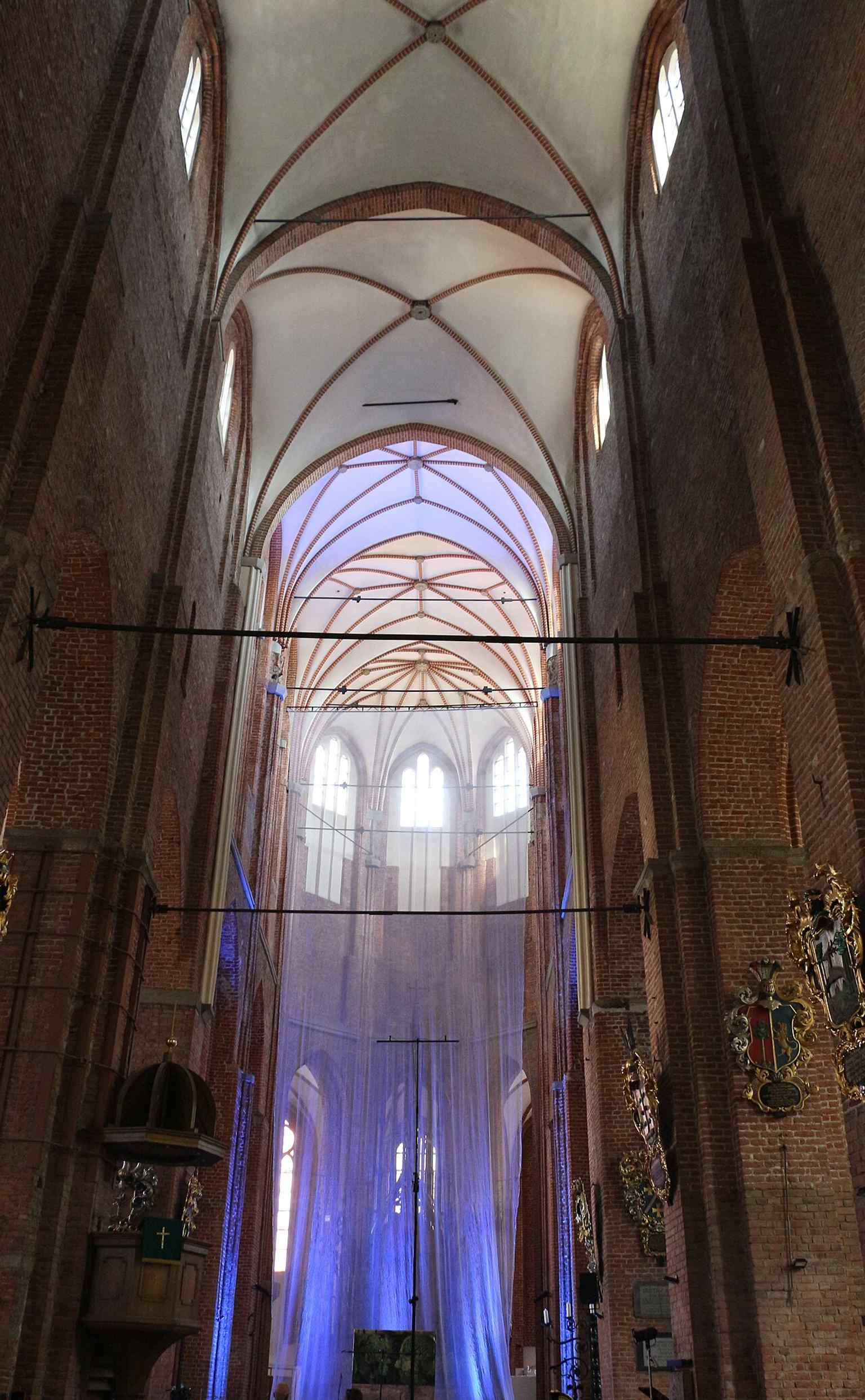
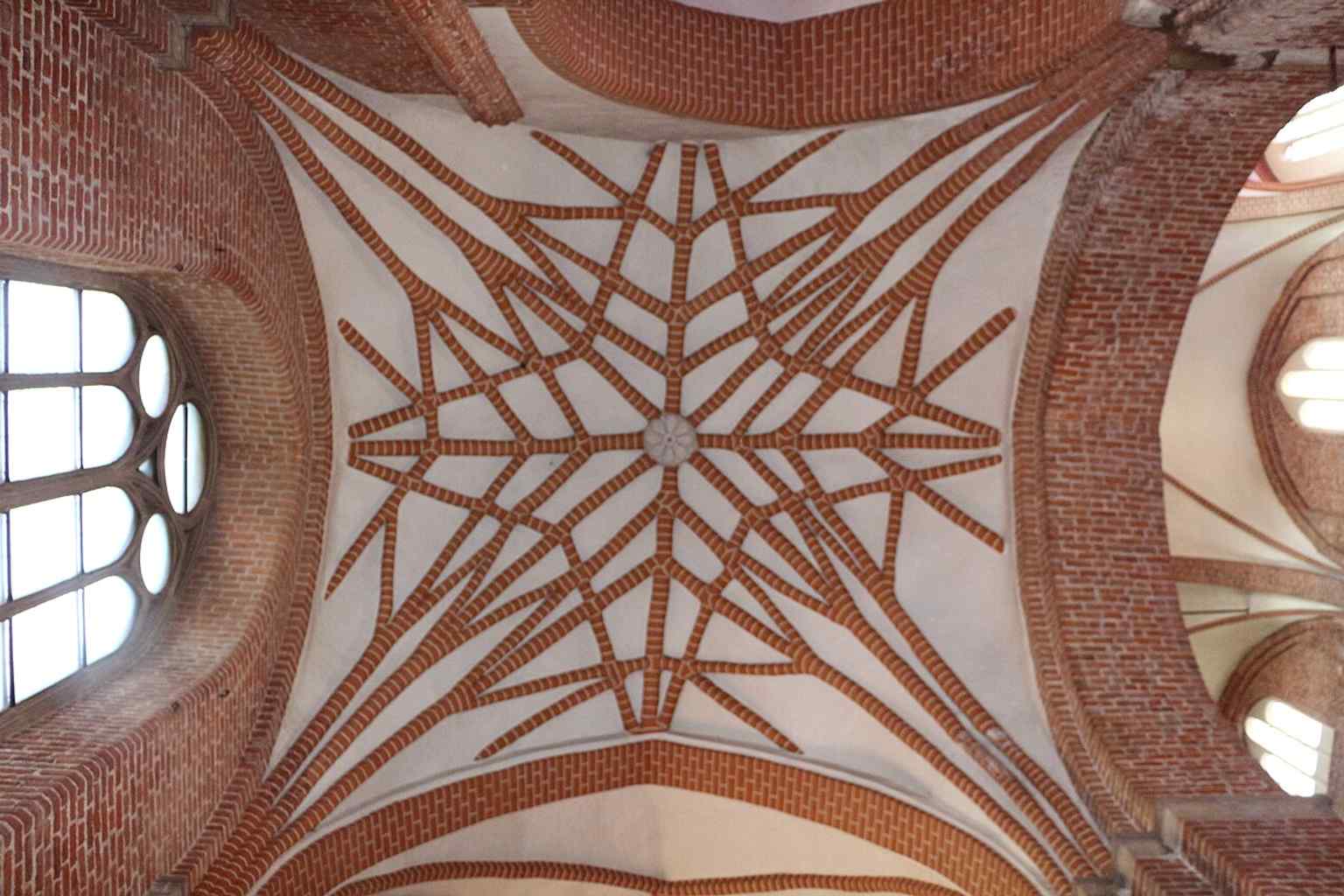
The building grew in layers. The earliest church here was probably a simple hall with three equal-height aisles, meaning three parallel interior spaces under one broad roof. In the early fifteen hundreds, masters expanded it in the restrained North European Gothic style. Then, in the seventeenth century, Riga gave it the more theatrical front you see now, with three richly decorated doorways. Churches, like cities, rarely resist a renovation.
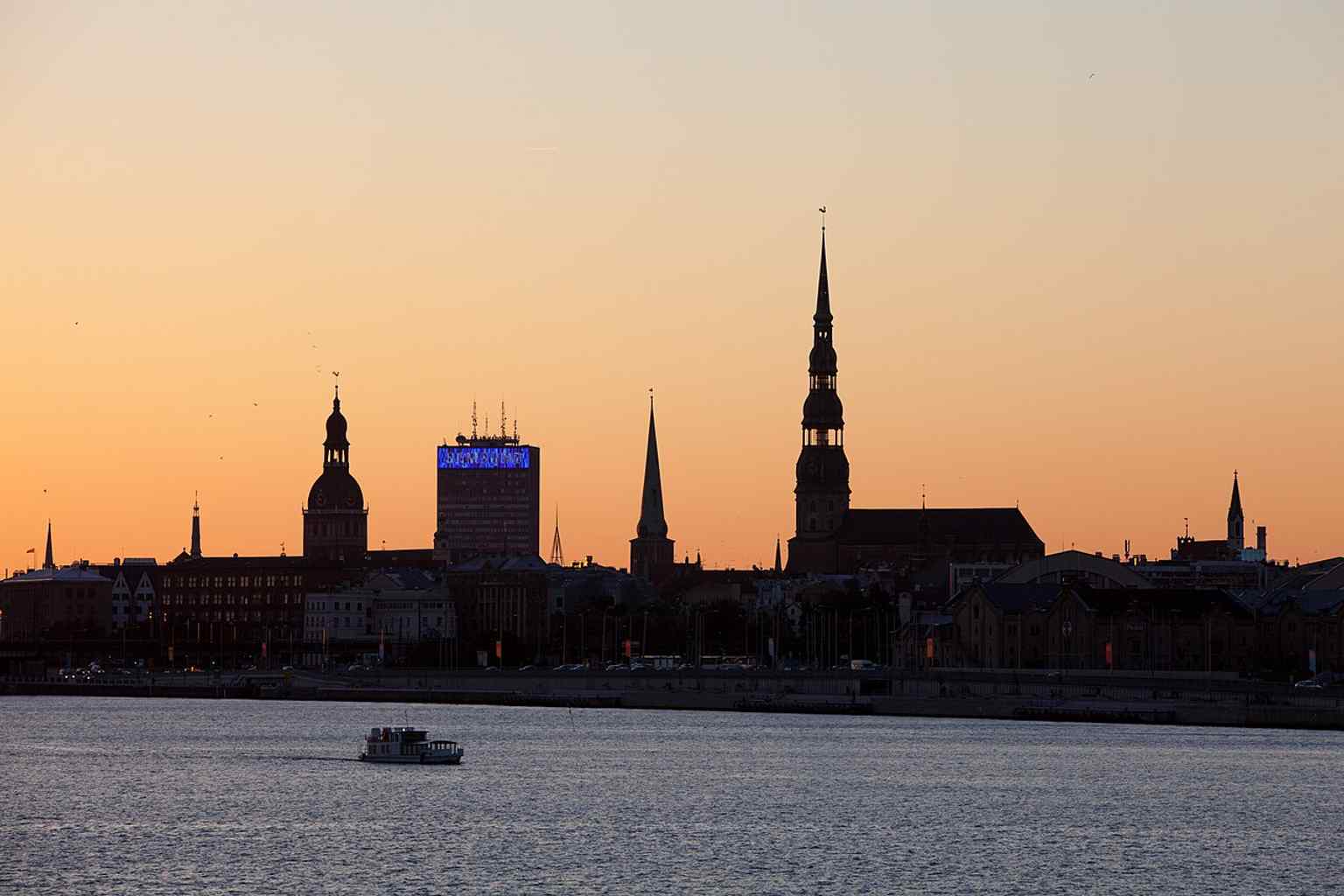
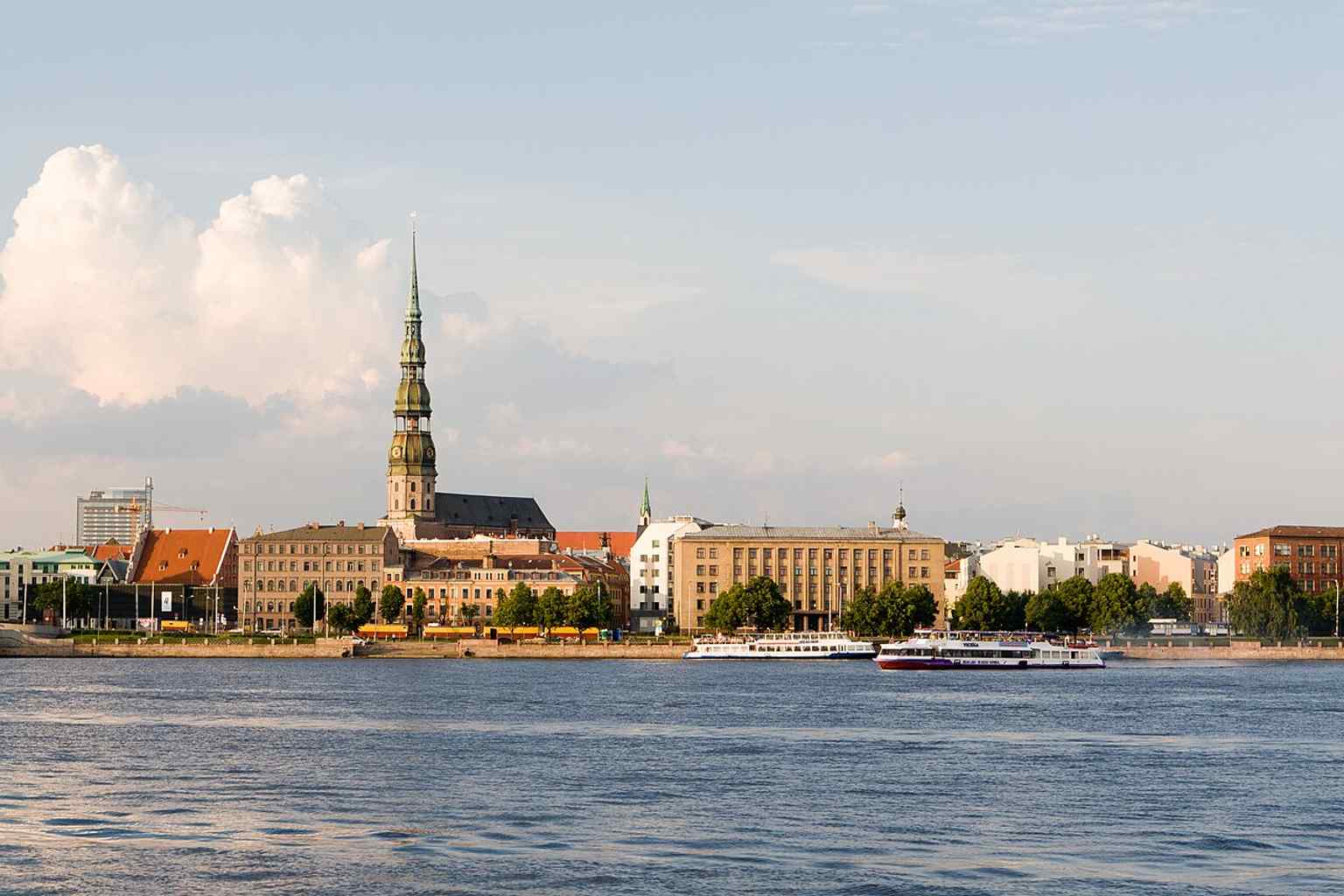
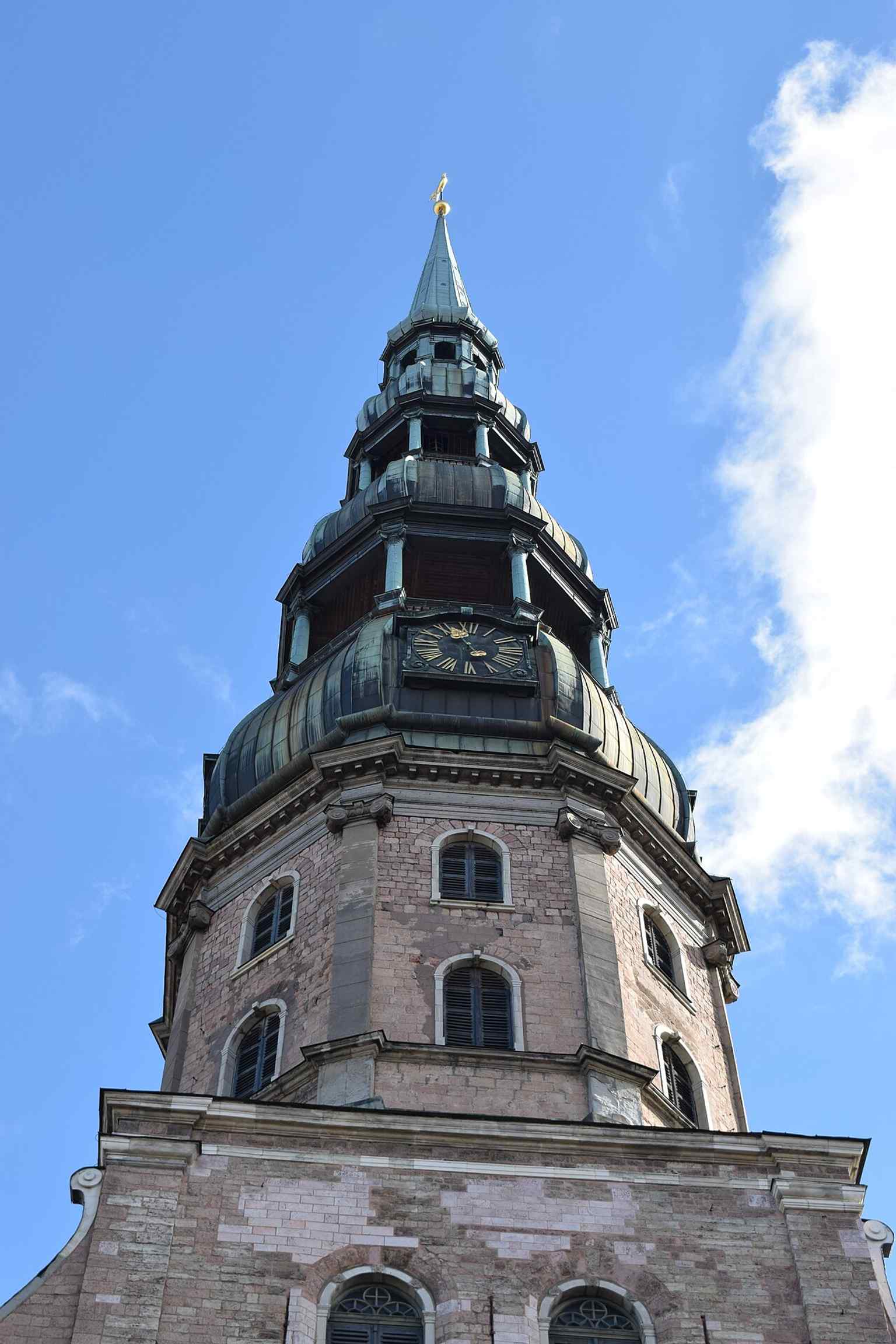
But of course the real show-off is the tower. At one hundred twenty-three and a half meters, with sixty-four and a half meters just in the spire, it dominated Riga for centuries, right up until the television tower arrived in nineteen eighty-five and spoiled the contest. A clock appeared on the tower as early as thirteen fifty-two, which is a nice reminder that medieval cities loved two things: trade and knowing exactly who was late.
That spire has lived a dramatic life. One version collapsed in sixteen sixty-six, crushing a house and killing eight people. Another burned. In seventeen twenty-one, lightning struck again, and even Tsar Peter the Great joined the firefighting. Admirable effort... useless result. The spire burned almost completely and folded inward as it fell, which spared the surrounding city. Peter then ordered it rebuilt.
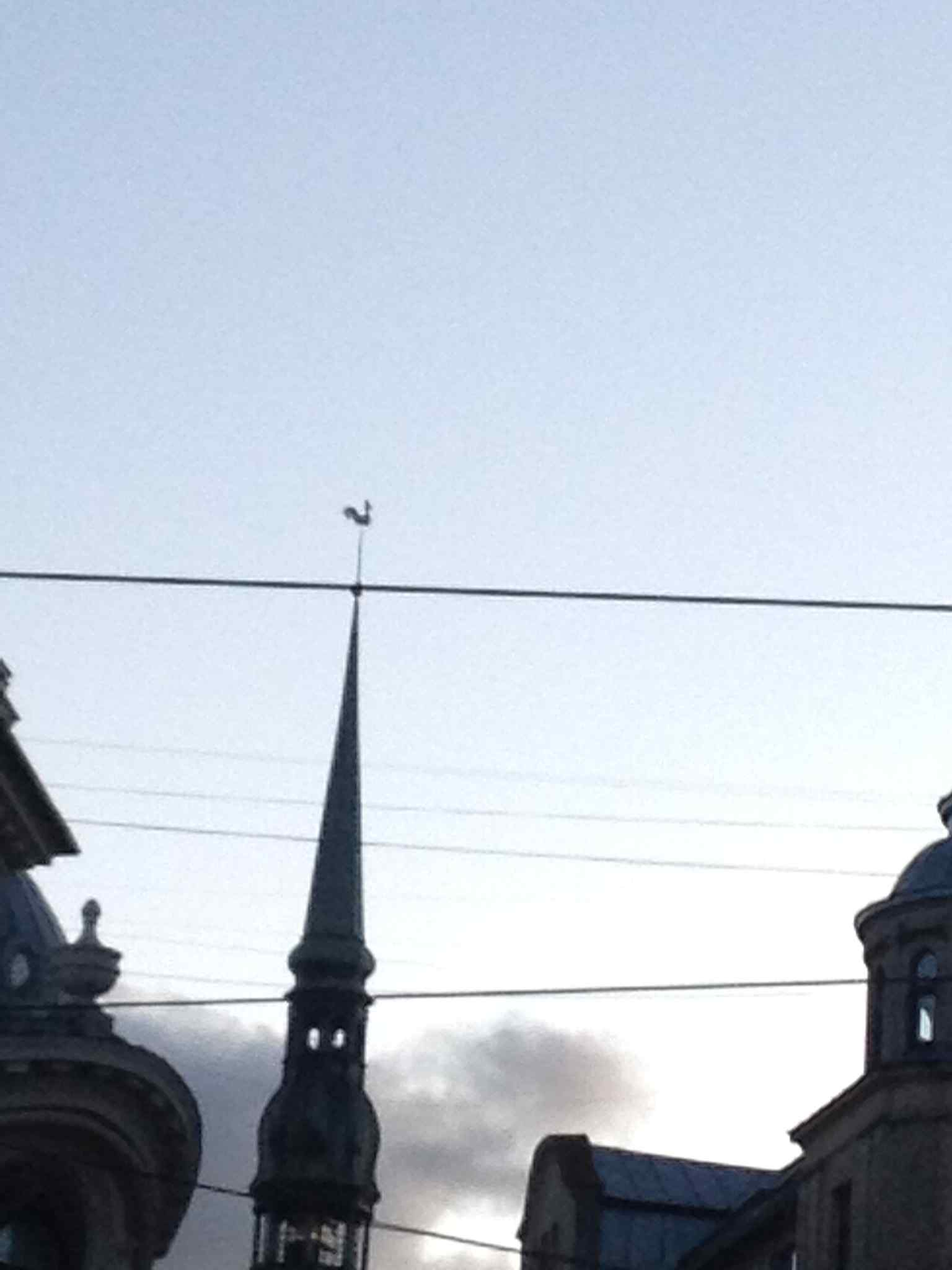
Look up, and if the rooster seems tiny from down here, the close-up in the app shows it nicely. It is a rooster-shaped wind vane, and in old Riga it doubled as business intelligence. One side was black, the other gold: when the gold side turned toward town, merchants knew sea winds favored arriving ships; black meant no ships, no deals.
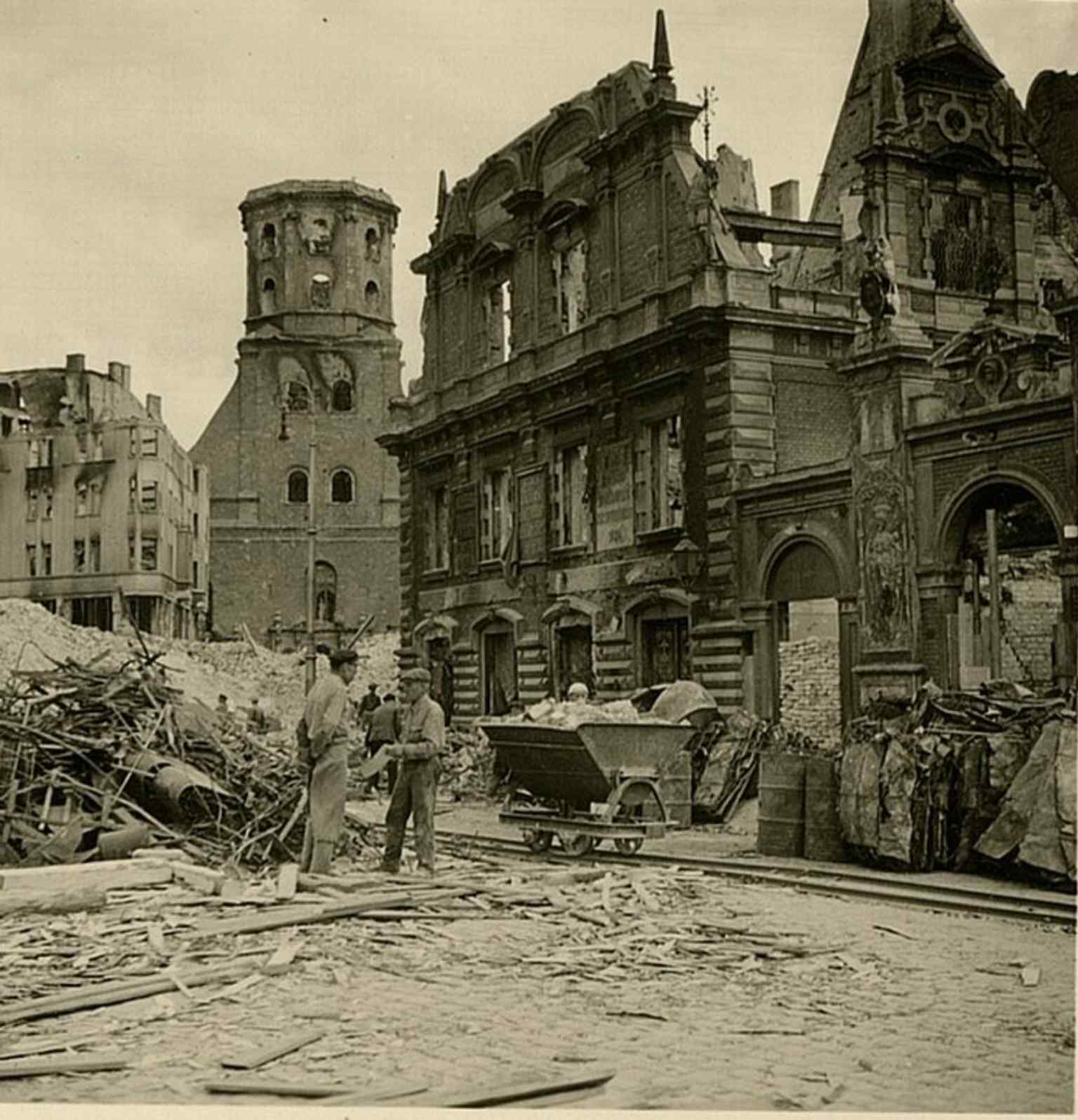
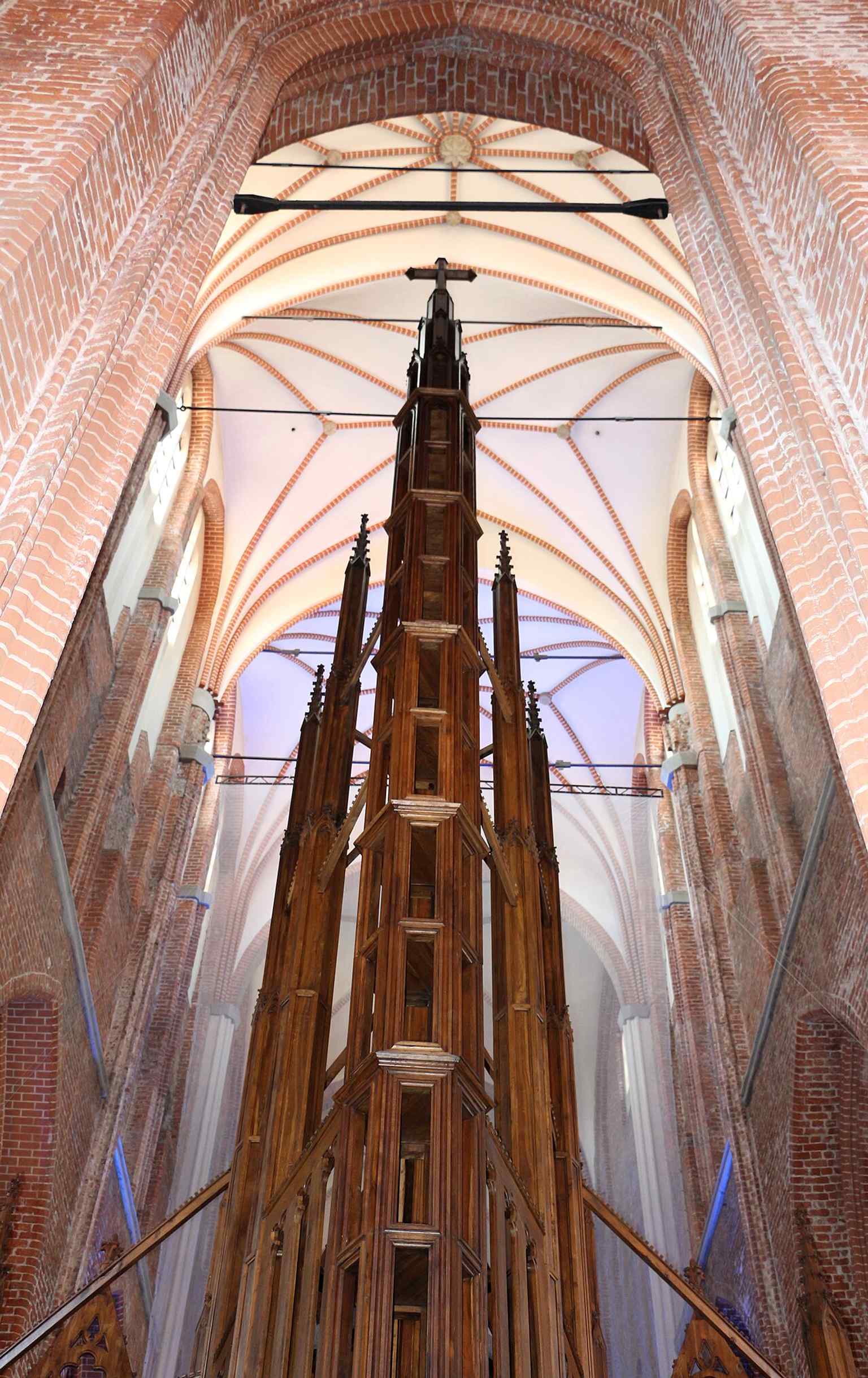
War nearly erased all this. In nineteen forty-one, shelling and fire destroyed the roofs, the spire, and most of the interior. For years the church stood in ruins. If you want a quick sense of that transformation, check the before-and-after image in the app. Restoration began in earnest in the nineteen sixties, the new metal spire rose in nineteen seventy-three, and the interior work continued into nineteen eighty-three.
If you want to go up later, the church usually opens from ten A-M to six P-M, with Friday and Saturday extended until ten P-M.
Saint Peter’s is Riga in one building: proud, battered, rebuilt, and still looking upward.
When you’re ready, continue on to Town Hall and meet the city’s civic side.






.jpg)
.jpg)
