
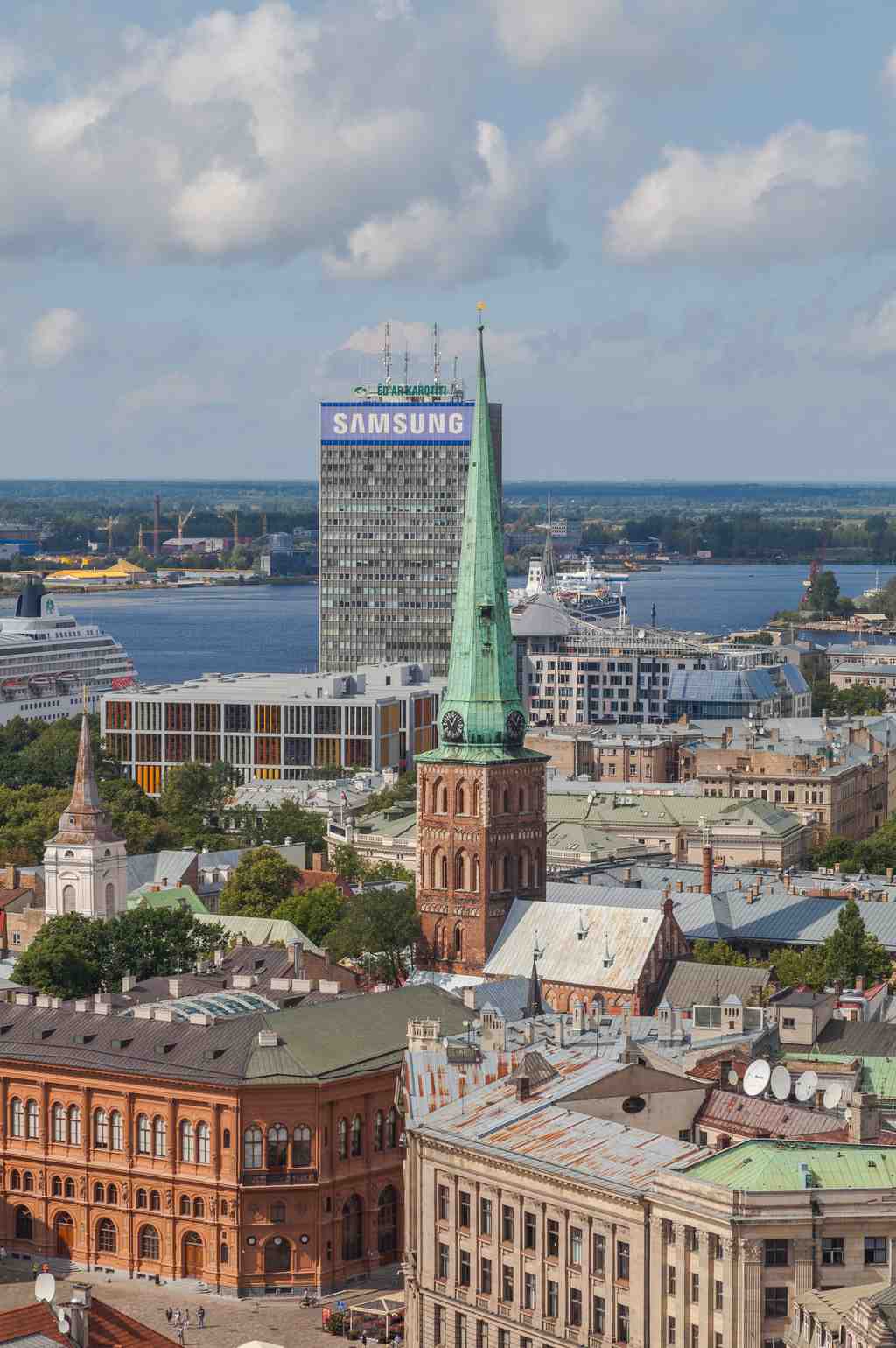
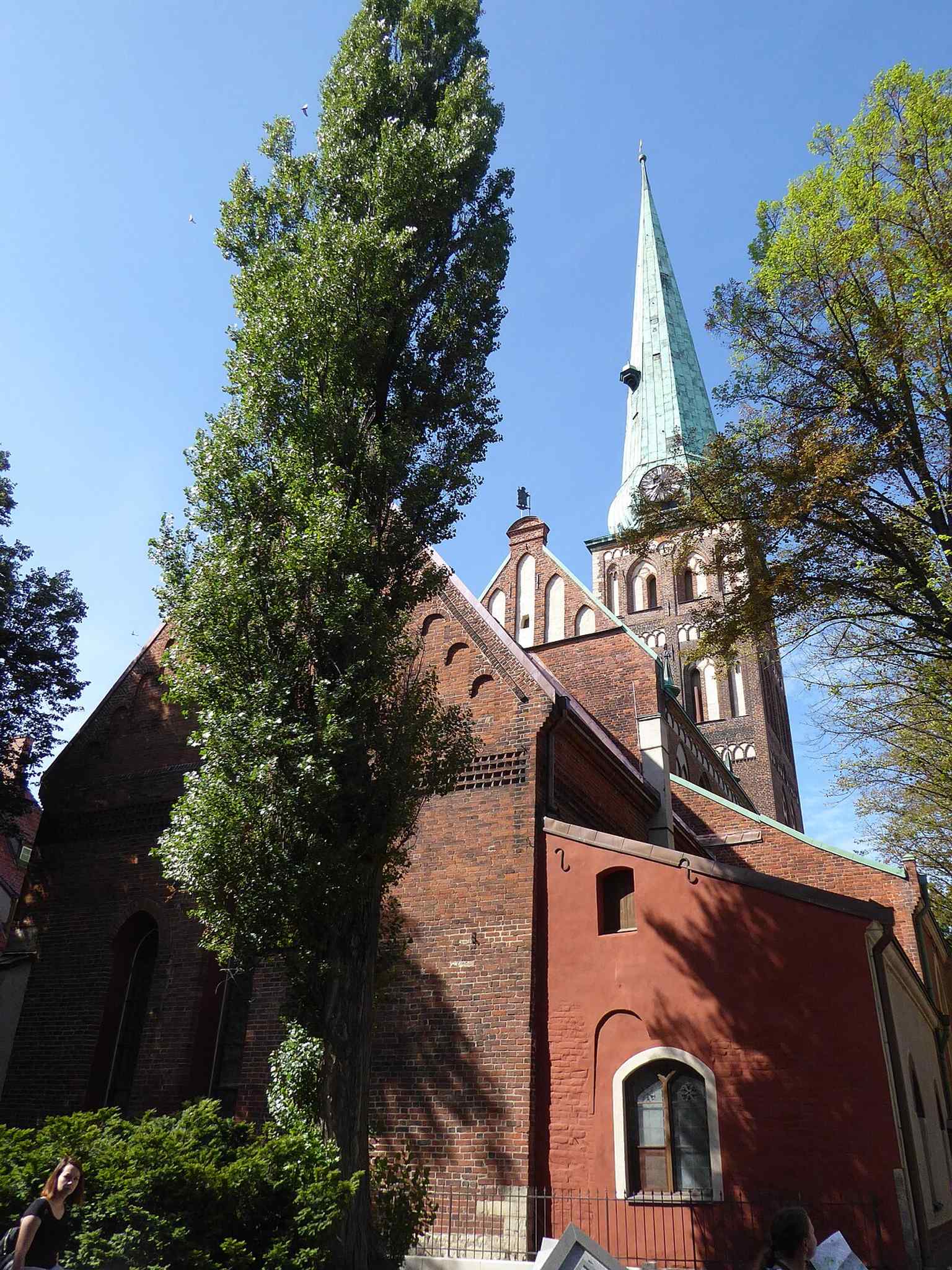
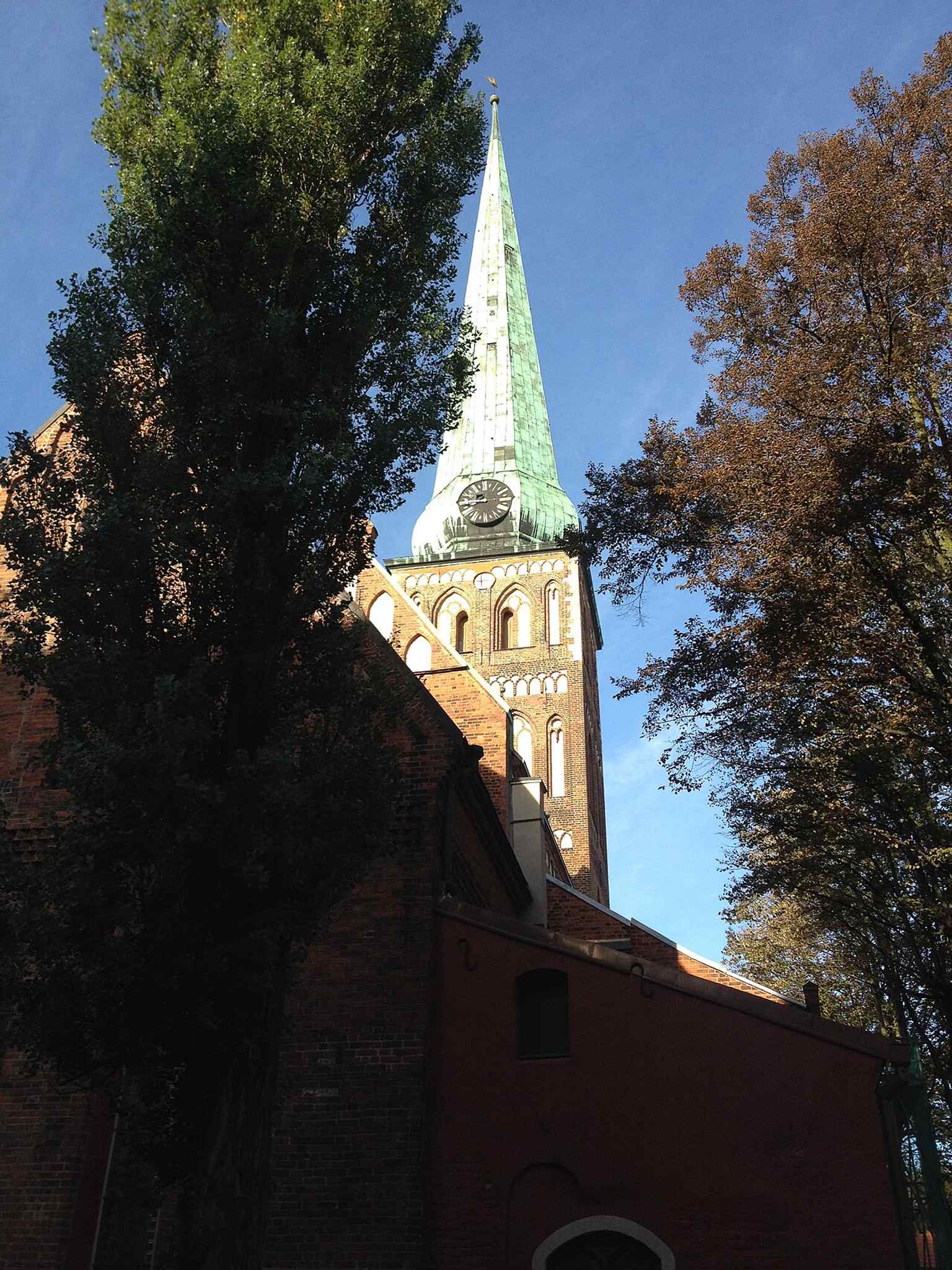
On your right stands a long red-brick church with narrow Gothic lines, a tall octagonal spire, and a rooster weather vane perched at the top.
This is Saint James’ Cathedral, Riga’s main Catholic church, though it took a rather scenic route to get that title. The first church here appears in records in the year twelve twenty-five, when this spot still sat outside the medieval walls. Back then it served the suburb, which later earned it the charming nickname “the most famous rural church in Latvia.” Not exactly grand branding... but memorable.
Its architecture sits between Romanesque and Gothic, so you get that solid, weighty medieval body with sharper, more vertical ambition pushing upward. In twelve sixty-two, Riga expanded its defenses and swallowed this district into the city, and Saint James instantly moved up in the world.
The church then spent centuries changing confession the way some people change political opinions. Knights of the Livonian Order worshipped here, and nearby Cistercian nuns from the convent of Saint Mary - locals called them the “singing maidens” - used it too. In fifteen twenty-two, Riga heard its first Lutheran service here. Two years later, anti-Catholic riots wrecked the interior. By fifteen twenty-five, the church had become the leading Lutheran church in Livonia.
Then came the Jesuits. In fifteen eighty-two, King Stephen Batory handed the church to them, and in fifteen eighty-four an angry crowd stormed inside during worship and trashed the place while protesting the new Gregorian calendar - yes, a liturgical riot over date-keeping. History can be oddly specific.
Under Swedish rule, it turned Lutheran again. King Gustavus Adolphus removed the church’s famous alarm bell and sent it to Stockholm as war loot. That was payback: in sixteen oh five, that bell had helped rouse Riga’s defenders against an earlier Swedish attack. Bells hold grudges too, apparently.
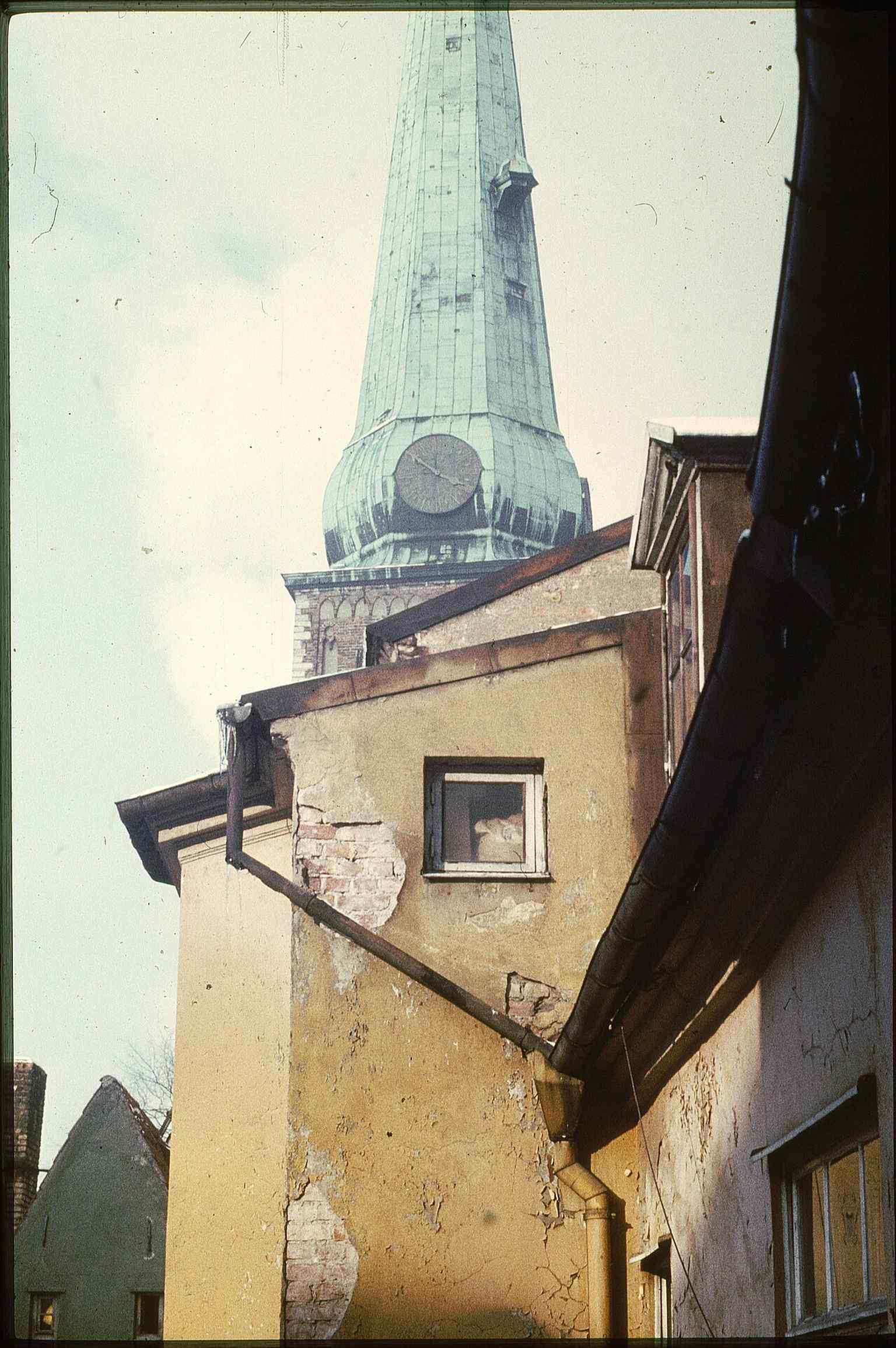
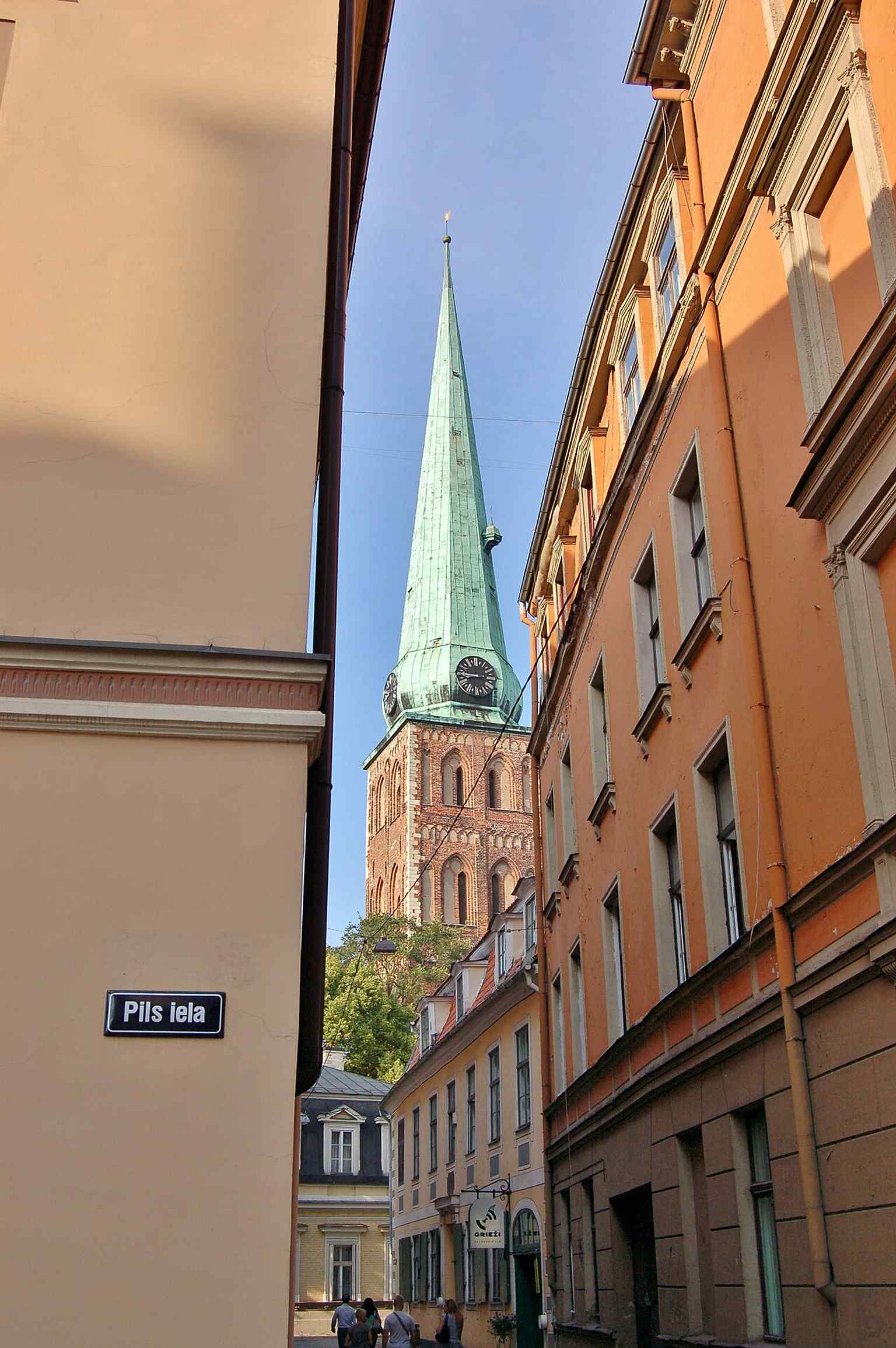
Look closely at the facade and you may spot one of the church’s bluntest historical footnotes: cannonballs from the Russian siege of sixteen fifty-six were built into the walls as souvenirs with terrible manners. The tower you see now gained its pointed octagonal spire in seventeen fifty-six, crowned with that rooster.
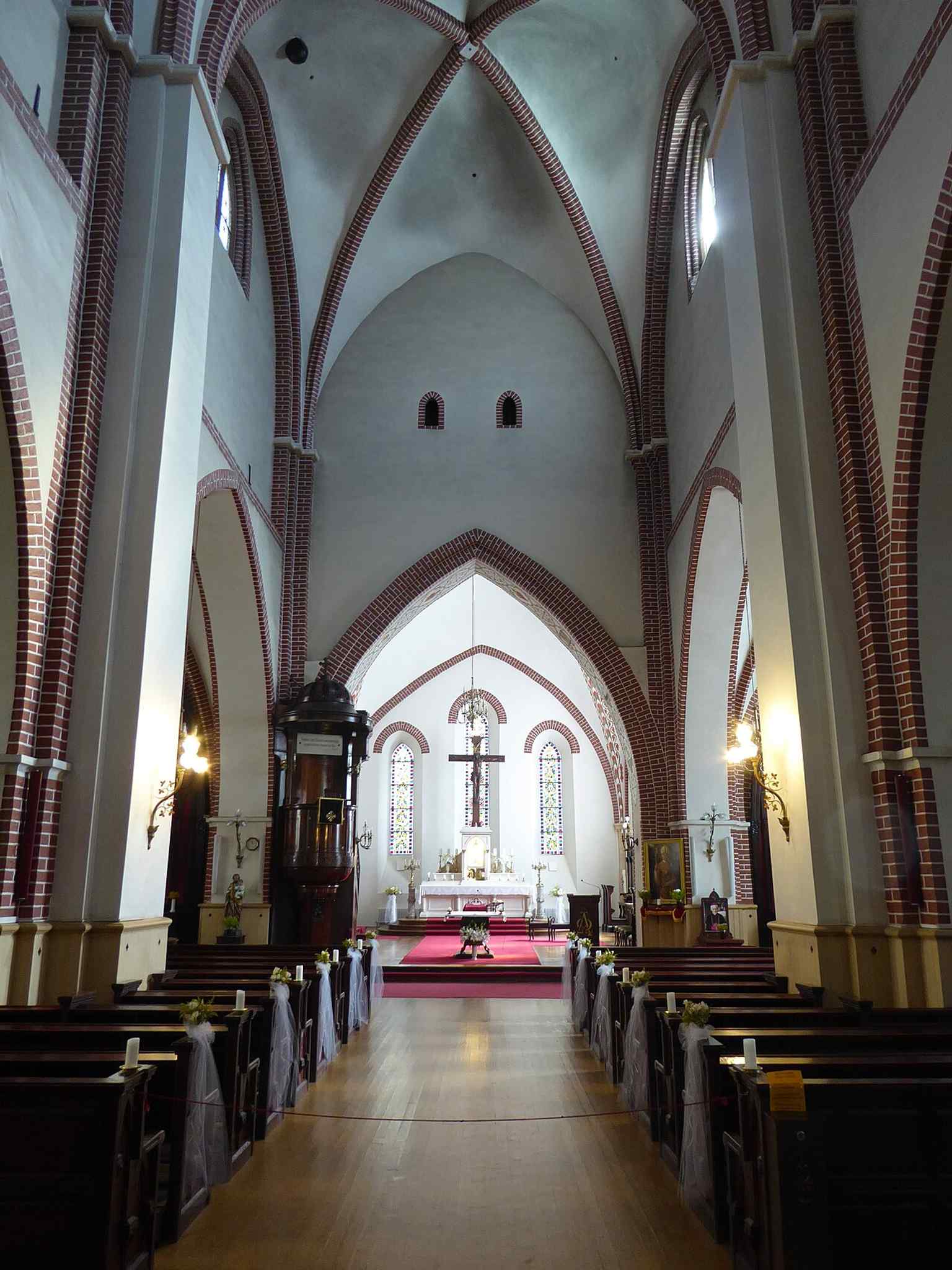
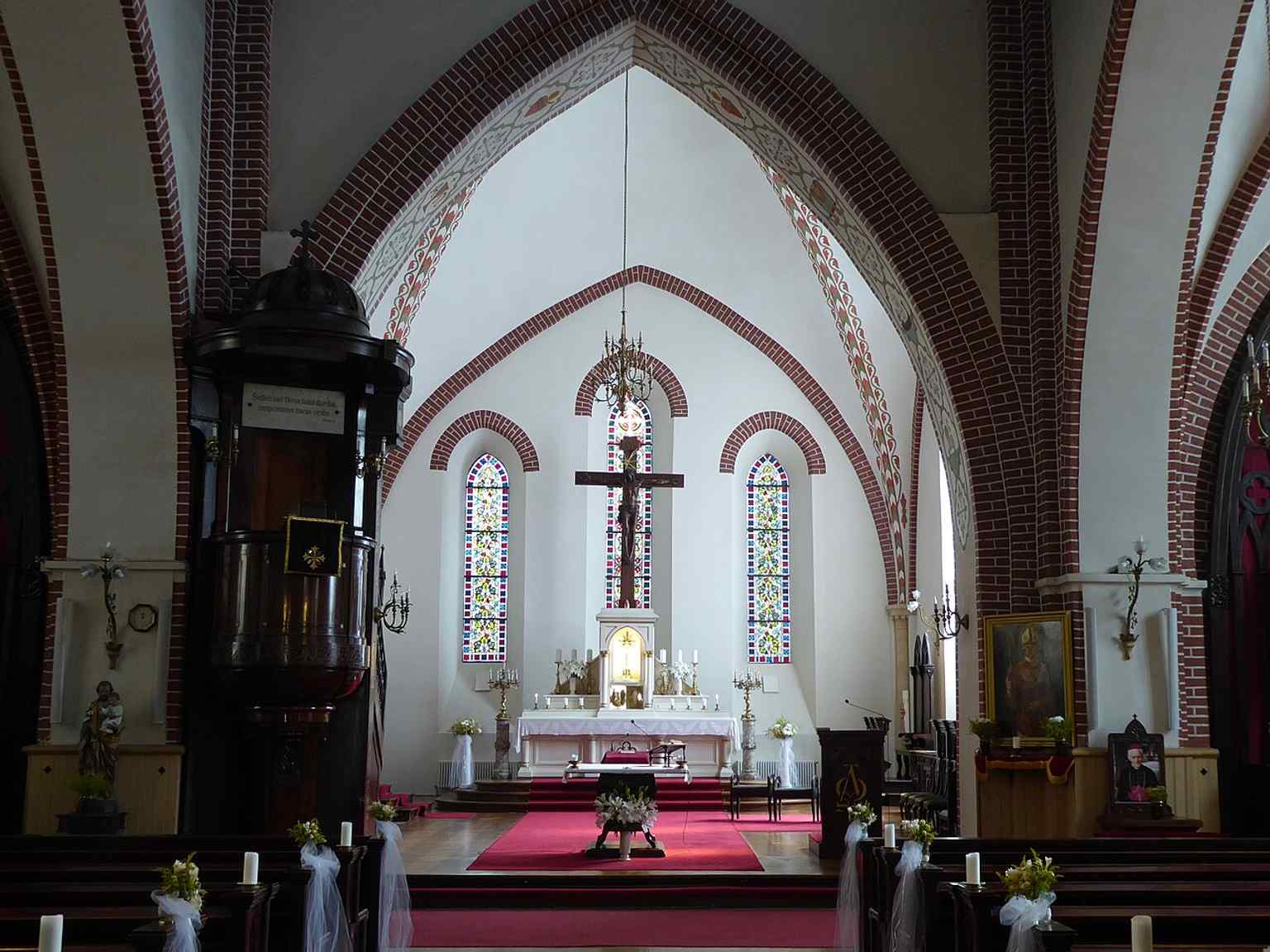
If you check the app, the interior view shows how restrained the main hall is - a basilica, meaning a church with a tall central space and side aisles - despite all its upheavals. Another image helps you read the tower and roofline, which keep the exterior surprisingly unified even after so many eras pulled at it.
In nineteen twenty-four, independent Latvia finally gave Saint James back to the Catholics, and in nineteen ninety-three Pope John Paul the Second visited, sealing its role as the heart of Catholic Latvia.
If you want to go inside later, it usually opens from seven to one and from two-thirty to six, with longer hours on Sunday.
Saint James gathers Riga’s recurring themes into one church: battered, repurposed, stubborn, and still standing.
When you’re ready, continue on to Saint Mary Magdalene, where one chapter of this church’s interior story quietly reappears.






.jpg)


