
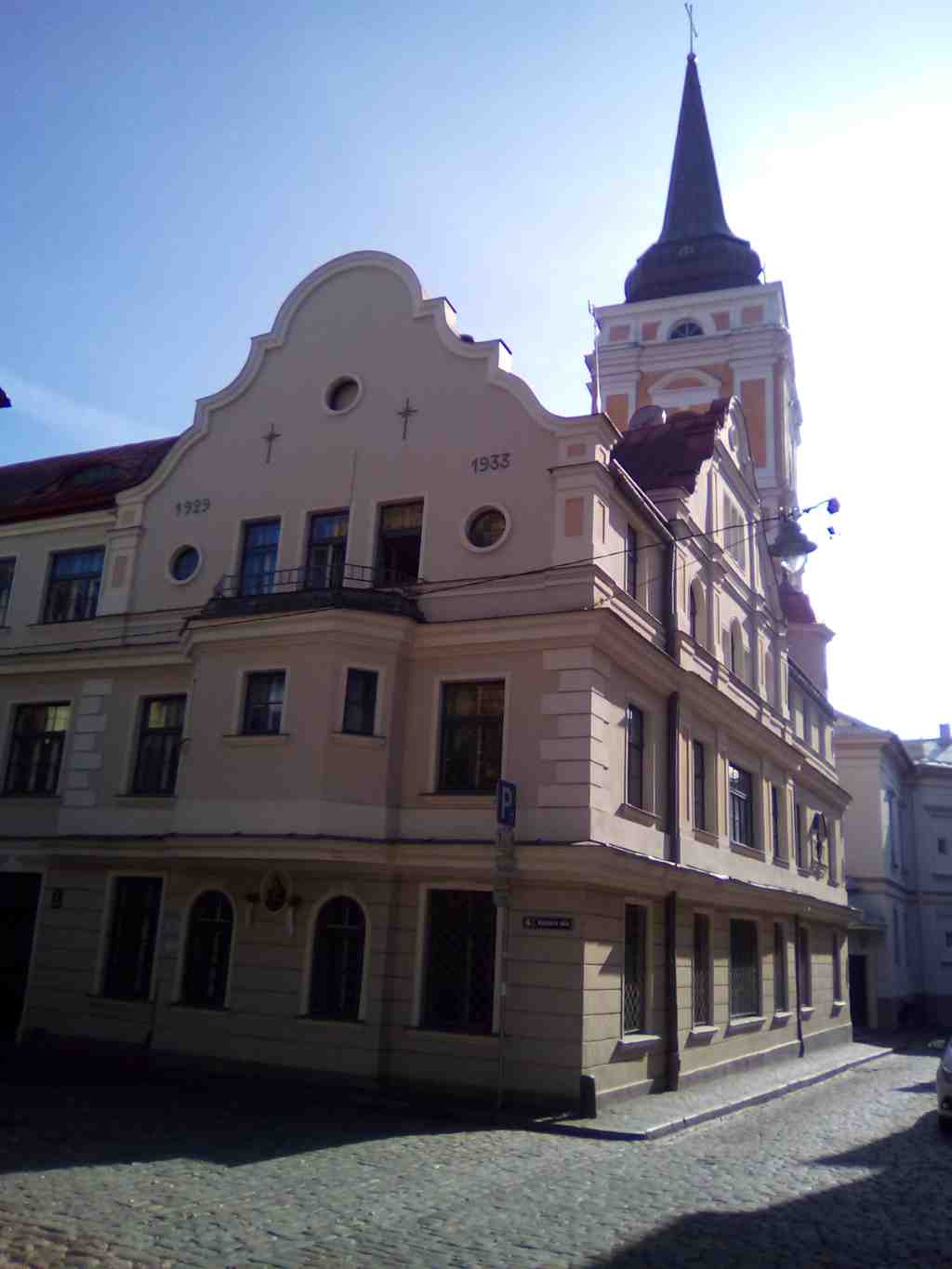
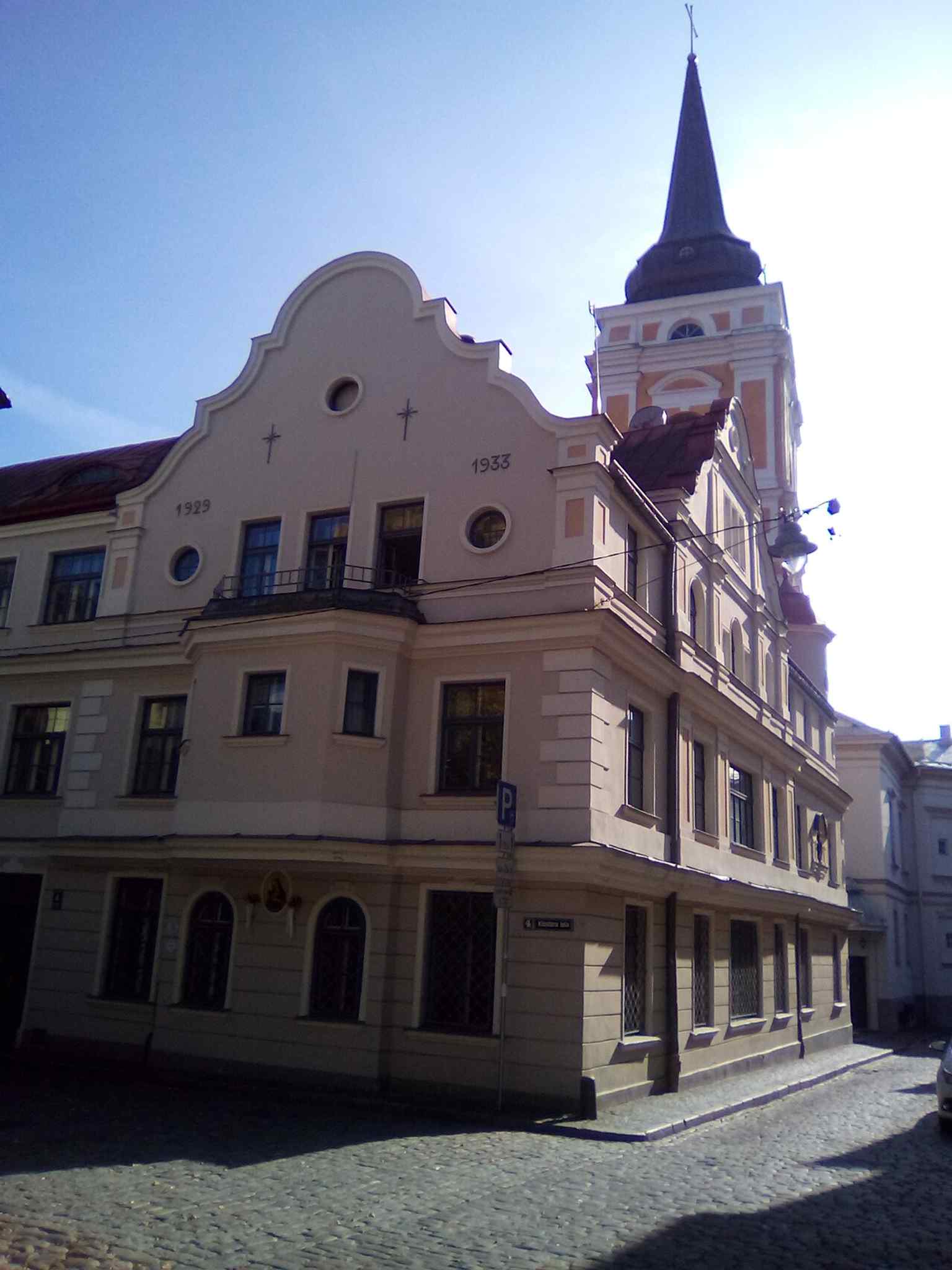
Look to your left for a pale plaster church with a long, simple hall, a square tower, and a slender dark spire rising above the roofline.
For a relatively modest church, this building has had an almost overqualified biography. It likely began sometime between the late fourteenth and early fifteenth century as the church of a Cistercian convent here in Old Riga. The convent housed unmarried daughters of wealthy burghers and landowners, along with widows, and locals nicknamed it the monastery of the singing maidens... which sounds charming, and probably also a little strict.
That first chapter ended in fifteen eighty-two, when the convent closed. Without its community, the church slipped into neglect. Then came another sharp turn. In sixteen twenty-one, during the Swedish capture of Riga, forces acting with the knowledge of King Gustavus Adolphus deliberately ruined the building. Always reassuring when kings take a personal interest in demolition. But then, after sixteen thirty-two, that same Gustavus Adolphus ordered it rebuilt under the terms worked out after the long Swedish-Polish conflict. Swedish garrison architects oversaw the work from sixteen thirty-two to sixteen thirty-nine, and Latvian stonemasons helped raise the new structure. Once finished, they consecrated it as a Swedish Lutheran garrison church for soldiers.
Its identity changed again after the bombardment of seventeen ten. When Boris Sheremetev entered Riga on the fourteenth of July, Peter the First decided the ruins here should become an Orthodox church dedicated to Saint Alexis, the Man of God, the heavenly patron of Peter’s father, Tsar Alexei Mikhailovich. Overnight, this small former garrison church became the main Orthodox church in the region. Two members of the Repnin family, including Riga’s first famous governor-general, were buried here, though no one can now point to the exact spots.
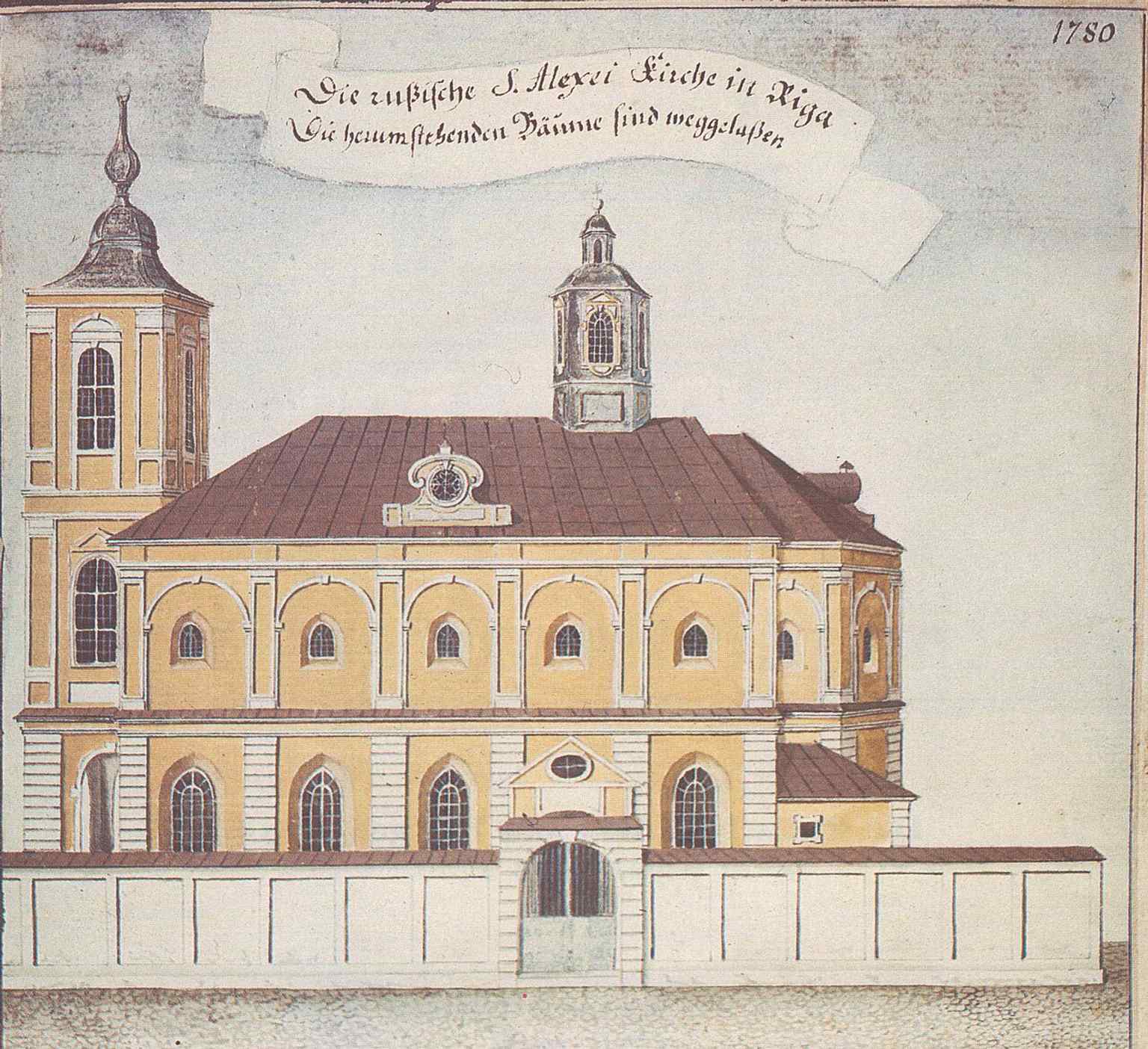
The church you see took on much of its present form in the Russian imperial period. In the seventeen forties, architect Nikolai Vasilyev redesigned the tower and altar end, and he gave the facades and interior a Baroque character - more movement, more flourish, a little more confidence. If you glance at the image on your screen, you can compare an older view of its Orthodox chapter with the building’s later changes. And the modern exterior photo in the app helps you spot the spire reshaped in nineteen twenty-nine by Artur Mödlinger, a student of Eižens Laube’s older contemporary, Konstantīns Pēkšēns.
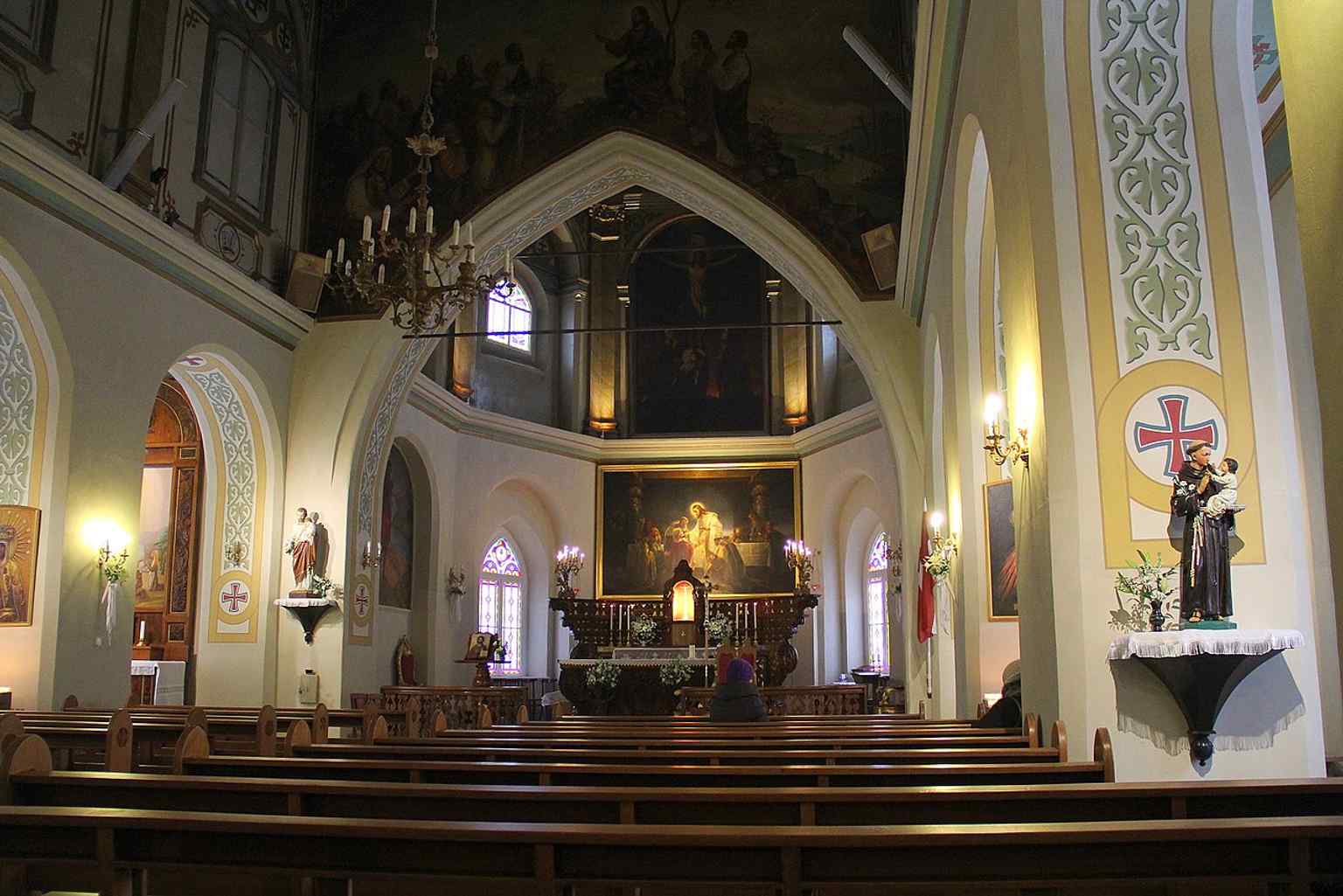
In nineteen twenty-three, independent Latvia transferred the church to the Catholic parish, and it returned to the name Mary Magdalene; the adjacent Franciscan convent continues that religious life, even though the old Cistercian monastery buildings themselves are gone.
If you want to return later, the church is generally open daily from six thirty in the morning until eight in the evening.
This place wears its many faiths lightly, but it remembers every one of them. When you’re ready, continue on to the final stop, where another church tells a very different Riga story.





by%20Brotze.jpg)

