
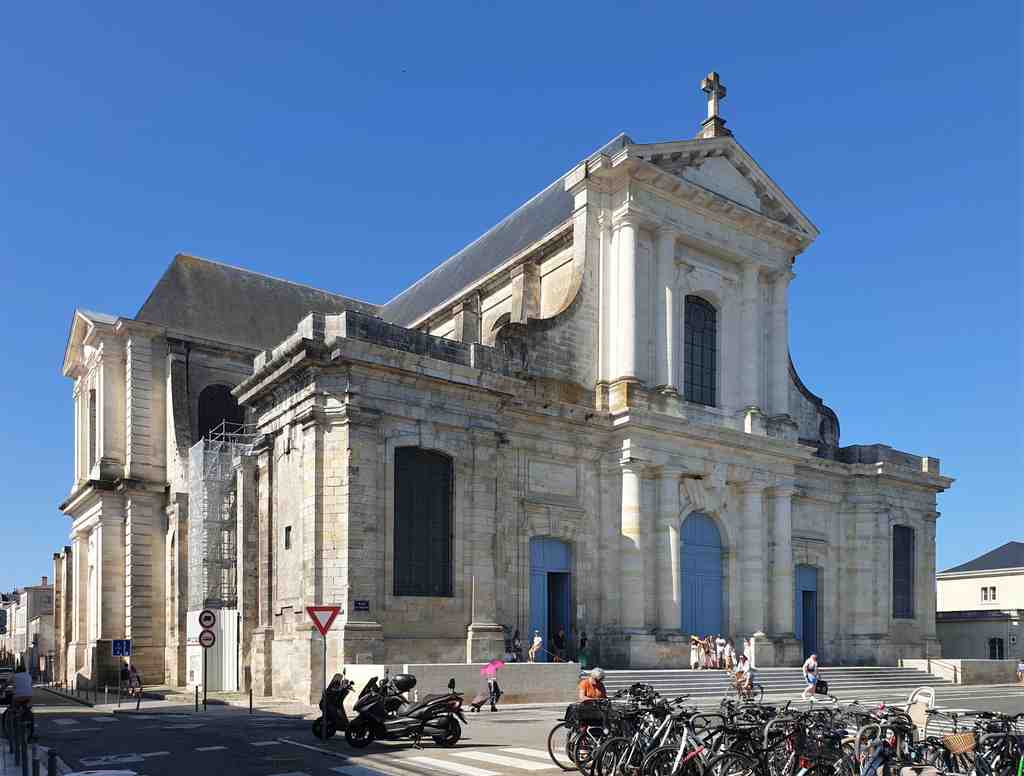
On your left, Saint-Louis Cathedral stands out as a broad stone church with a severe triangular pediment, tall paired columns, and, beside it, the older Gothic bell tower of Saint-Barthélemy rising like a stubborn survivor.
This cathedral tells you what conquest looks like when a city stops shouting and starts rebuilding. Not peace, exactly... more a settlement imposed in masonry. After the siege of La Rochelle, Louis the Thirteenth became the emblem of a monarchy determined to reorder the city: weaken Protestant independence, strengthen Catholic institutions, and make royal authority visible in everyday life. Here, that policy took architectural form.
But the ground under your feet had a long memory. In the twelfth century, people built the parish church of Saint-Barthélemy here because La Rochelle had already outgrown one church. Centuries later, during the Wars of Religion, the city’s Protestant revolt turned violent. In fifteen sixty-eight, people sacked and demolished churches for building material to fortify the town. They spared the medieval bell tower beside the cathedral, not out of tenderness, but because it made a useful lookout and gun platform. Piety is remarkably flexible when walls need defending.
After Louis the Thirteenth took the city in sixteen twenty-eight, the monarchy confiscated the Grand Temple, the great Protestant preaching hall on Place de Verdun, and turned it into a Catholic cathedral. That first cathedral did not last. In sixteen eighty-seven, a celebratory bonfire for Louis the Fourteenth’s recovery sent flames into its roof, and the whole place burned. So La Rochelle needed a new statement... larger, calmer, and unmistakably official.
That statement began in seventeen forty-two. Bishop Augustin Roch de Menou de Charnizay pushed the project, Cardinal Fleury backed it, and the Crown granted three hundred thousand livres, roughly several million euros in modern value. Jacques Gabriel, the king’s chief architect, drew the plans, then died before the first stone was blessed on the eighteenth of June, seventeen forty-two. His son, Ange-Jacques Gabriel, carried the design forward. That father-and-son handoff suits this place: even its authorship feels dynastic.
Money ran out, of course. It usually does when ambition arrives dressed as grandeur. Work stalled in seventeen fifty, resumed in the seventeen seventies, and the cathedral finally opened for worship in seventeen eighty-four, still unfinished. The full building only reached completion in the nineteenth century, and even then the planned twin towers never appeared. What you see is both triumph and compromise.
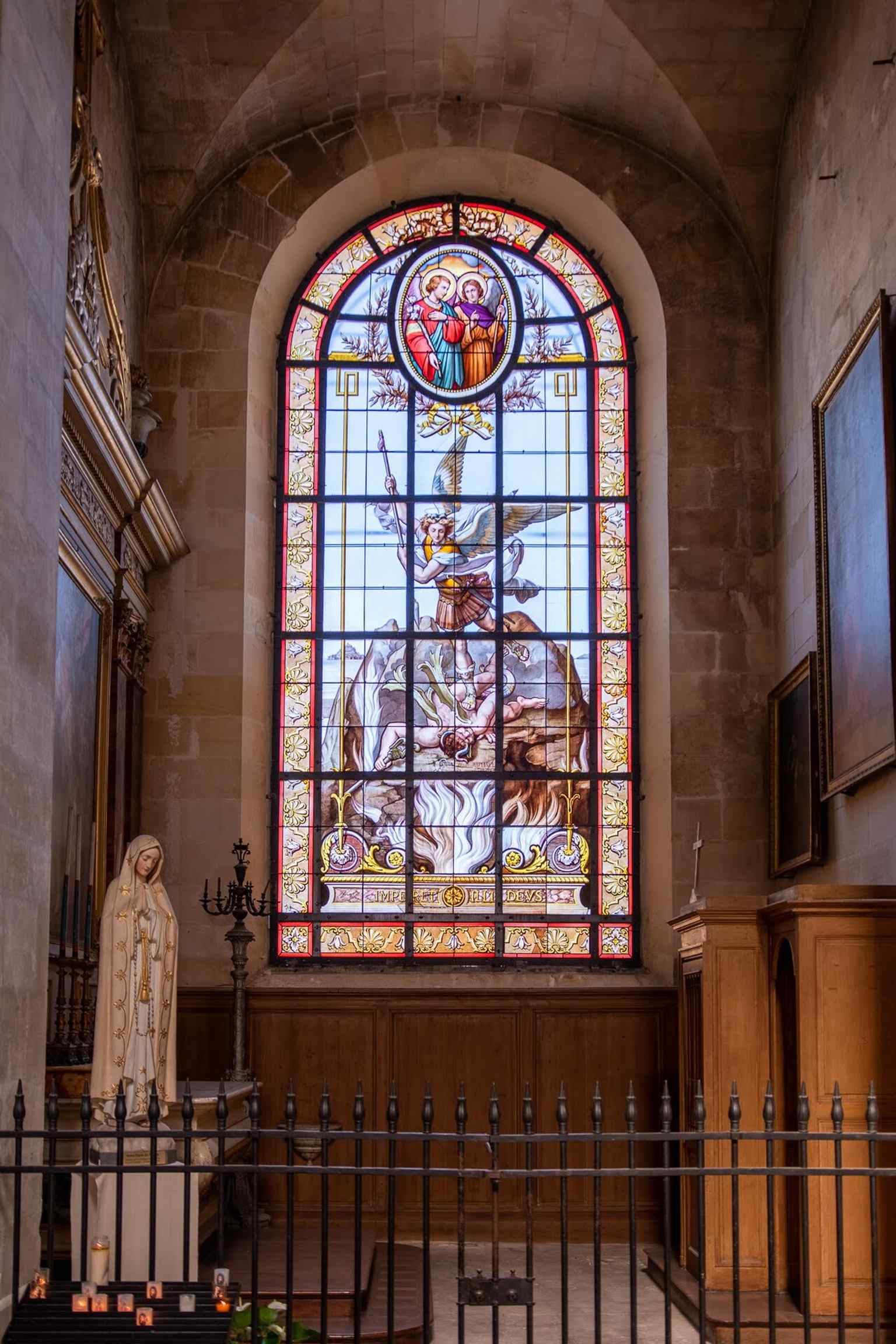
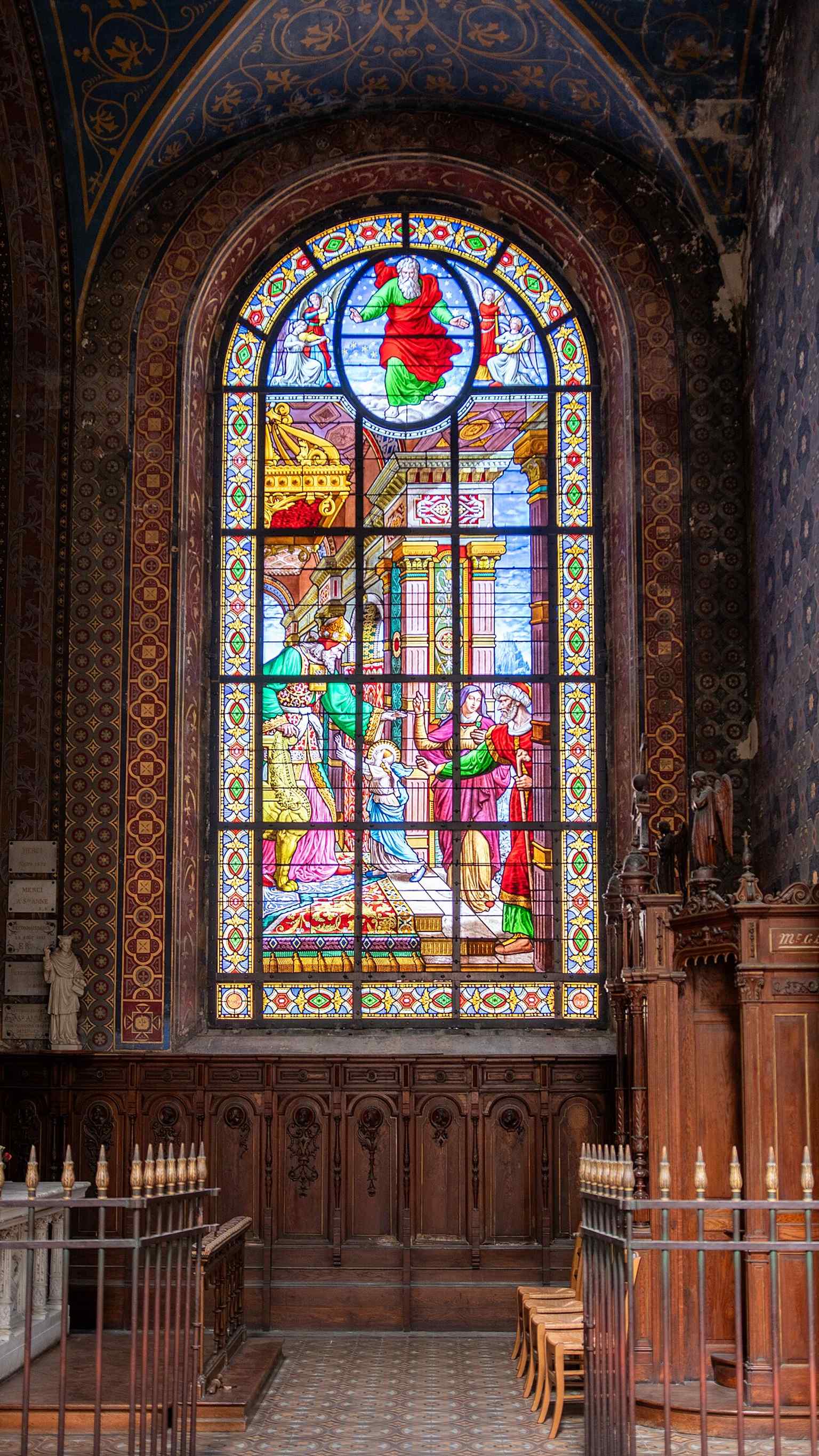
If you glance at your screen, the interior image shows that discipline clearly: a long central hall, called the nave, with restrained classical lines and very little fuss. Inside, later layers softened the austerity. William Bouguereau, a son of La Rochelle, painted the Virgin Chapel dome in the eighteen seventies. And some windows, like the ones in the app, remind you that the building kept changing long after the first victory had been declared.
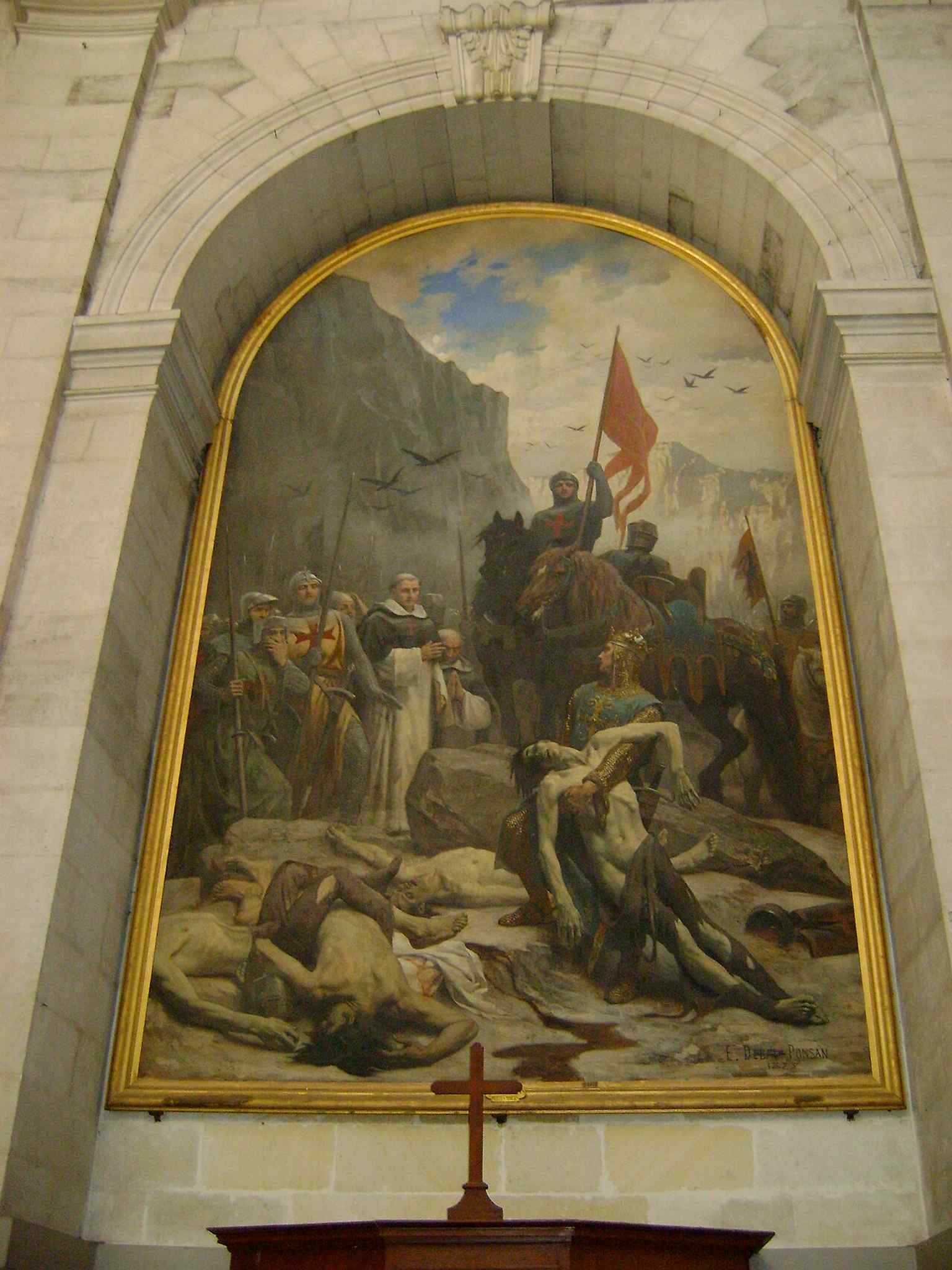
So this cathedral is not just a church. It is a Catholic answer to a Protestant city, a royal answer to municipal independence, and a new skin stretched over older sacred ground. La Rochelle rarely erases anything cleanly; it builds over arguments.
And once faith had been reorganized, administration followed close behind. In a short walk, the Hôtel de l’Intendance will show you power in a less heavenly, and often more efficient, form.






.jpg)
.jpg)