AudaTours logoAudaTours

Stop 3 of 17

Museum of Fine Arts Dijon

headphones 02:59
Museum of Fine Arts Dijon

To your right, you will see a sweeping structure of pale stone arranged around a vast U-shaped courtyard, marked by its stately classical columns and tall, elegant windows. Welcome to the Museum of Fine Arts of Dijon. You are looking at the former Palace of the Dukes of Burgundy, a seat of massive political power that the famous architect Jules Hardouin-Mansart later redesigned.

If you check your screen, you can see a great shot of the main entrance housed in this ancient palace.
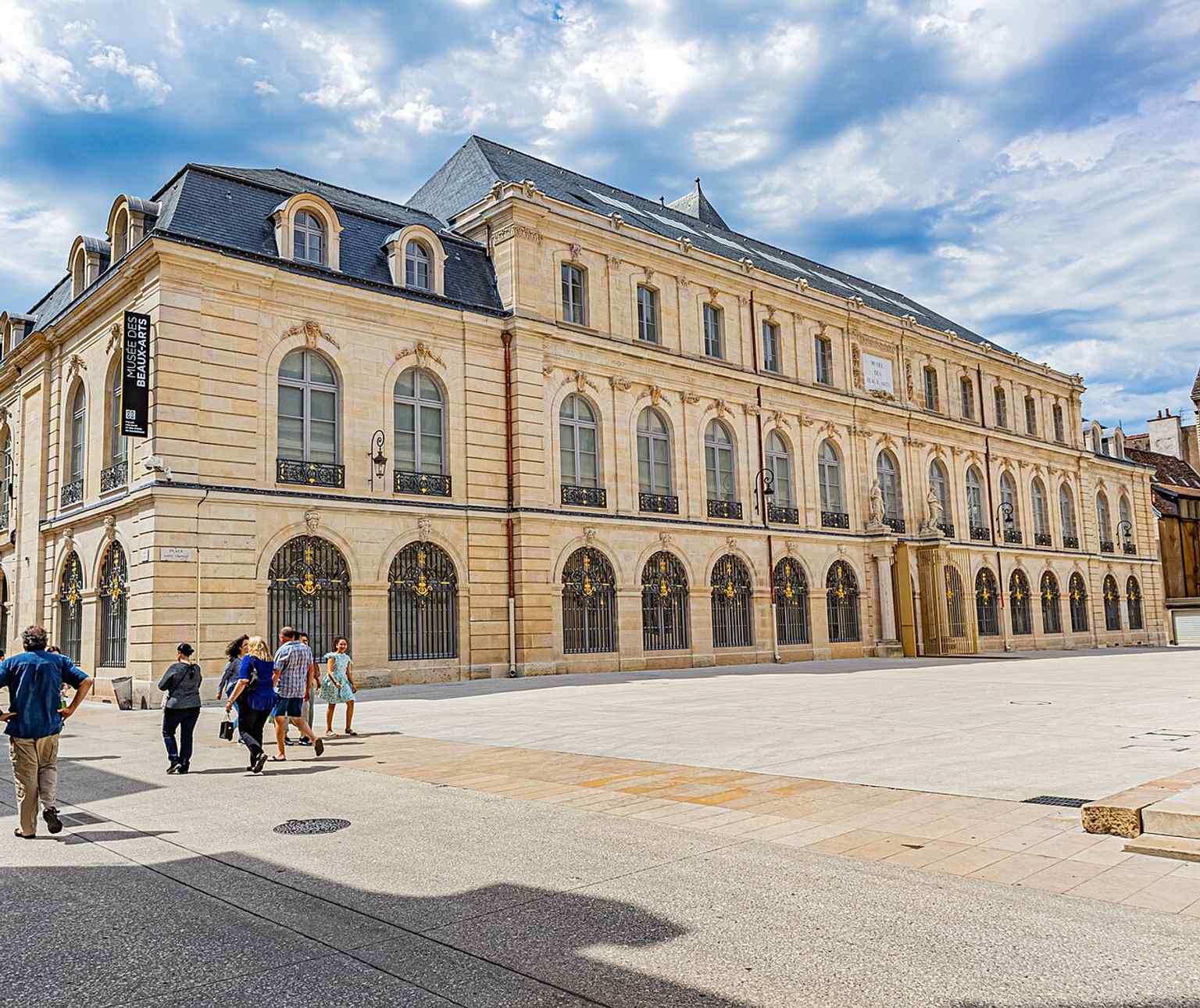
The main entrance of the Museum of Fine Arts of Dijon, housed in the ancient ducal palace, which was transformed into the Palace of the States of Burgundy by Jules Hardouin-Mansart.
The main entrance of the Museum of Fine Arts of Dijon, housed in the ancient ducal palace, which was transformed into the Palace of the States of Burgundy by Jules Hardouin-Mansart.Photo: Musées de Dijon, Wikimedia Commons, CC BY-SA 4.0. Cropped & resized.

This is one of the oldest and most important museums in all of France. But its origin story is surprisingly humble. A local artist named François Devosge officially founded it in seventeen eighty-seven. François wanted to create a free drawing school, open to everyone. To help his students learn, he needed masterpieces for them to copy, so he convinced the local government to establish a museum right here in the palace. He essentially created the world's most spectacular classroom.

Take a look at your app again. That is the Salle des Statues, or the Hall of Statues. François designed this original room specifically to display plaster and marble antiquities for his students.
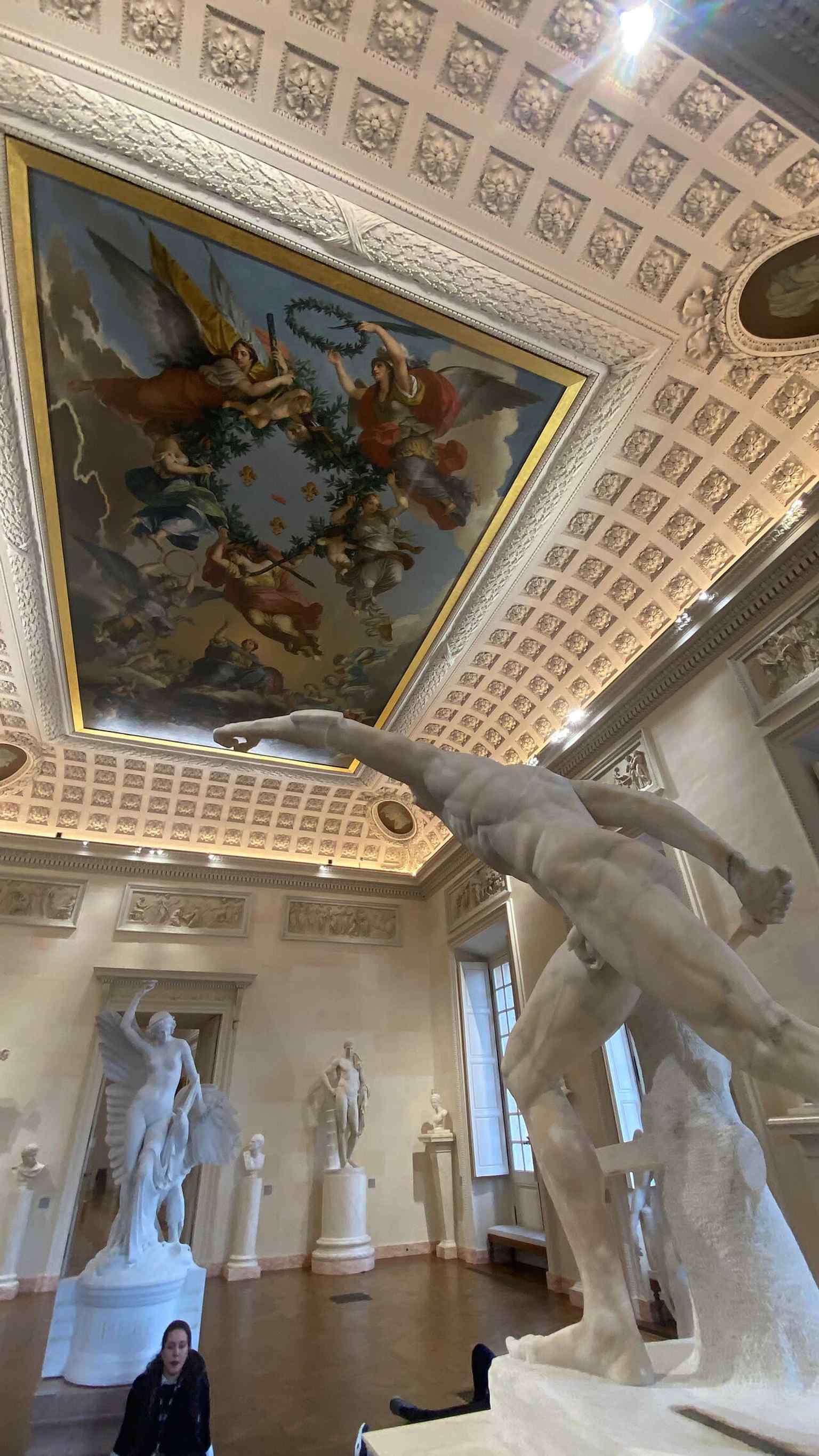
One of the museum's original rooms, the 'Salle des Statues,' initially designed to house sculptures, including plaster and marble copies of antiquities.
One of the museum's original rooms, the 'Salle des Statues,' initially designed to house sculptures, including plaster and marble copies of antiquities.Photo: Ismael zniber, Wikimedia Commons, CC BY 4.0. Cropped & resized.

The museum faced its darkest hour during the Second World War. A young curator named Pierre Quarré suddenly had to save the collection from destruction and looting. When the government issued the evacuation order in nineteen thirty-nine, Pierre closed the doors and sent the very first convoy of art rolling out that same day. He organized ten secret trips to hide over nine hundred of the museum's most important works in a rural castle outside the city.

But what about the things that were too big to move? The medieval tombs of the Dukes of Burgundy are massive, intricate structures of carved stone. Pierre could not simply put them on a truck. So, his team built heavy timber frames directly over the tombs and stacked them high with heavy sandbags. They entombed the monuments in the dark to protect them from bombings. Pierre even personally stood down foreign soldiers who marched in to confiscate the remaining bronze statues.

Today, after a massive seven-year renovation completed in two thousand and nineteen, the space is spectacular. Across fifty rooms, you will find everything from ancient Egyptian funerary masks to the finest works of the European Renaissance.

Just a quick note, the museum is open every day from nine thirty AM to six PM, except Tuesdays when it is closed. This incredible building survived centuries of conflict to preserve the beauty within it. Enjoy this space, and whenever you are ready, we can head to the next stop.
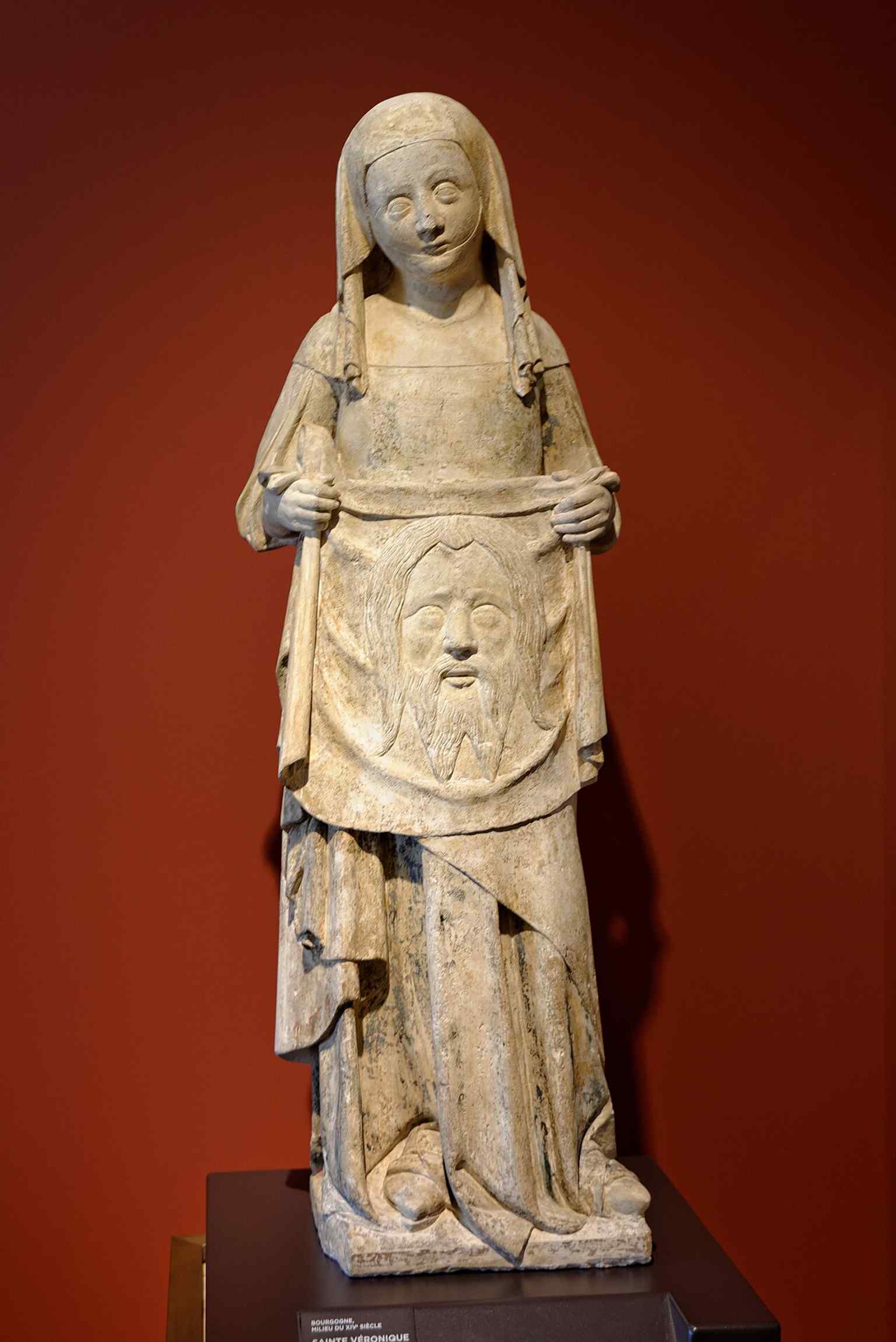
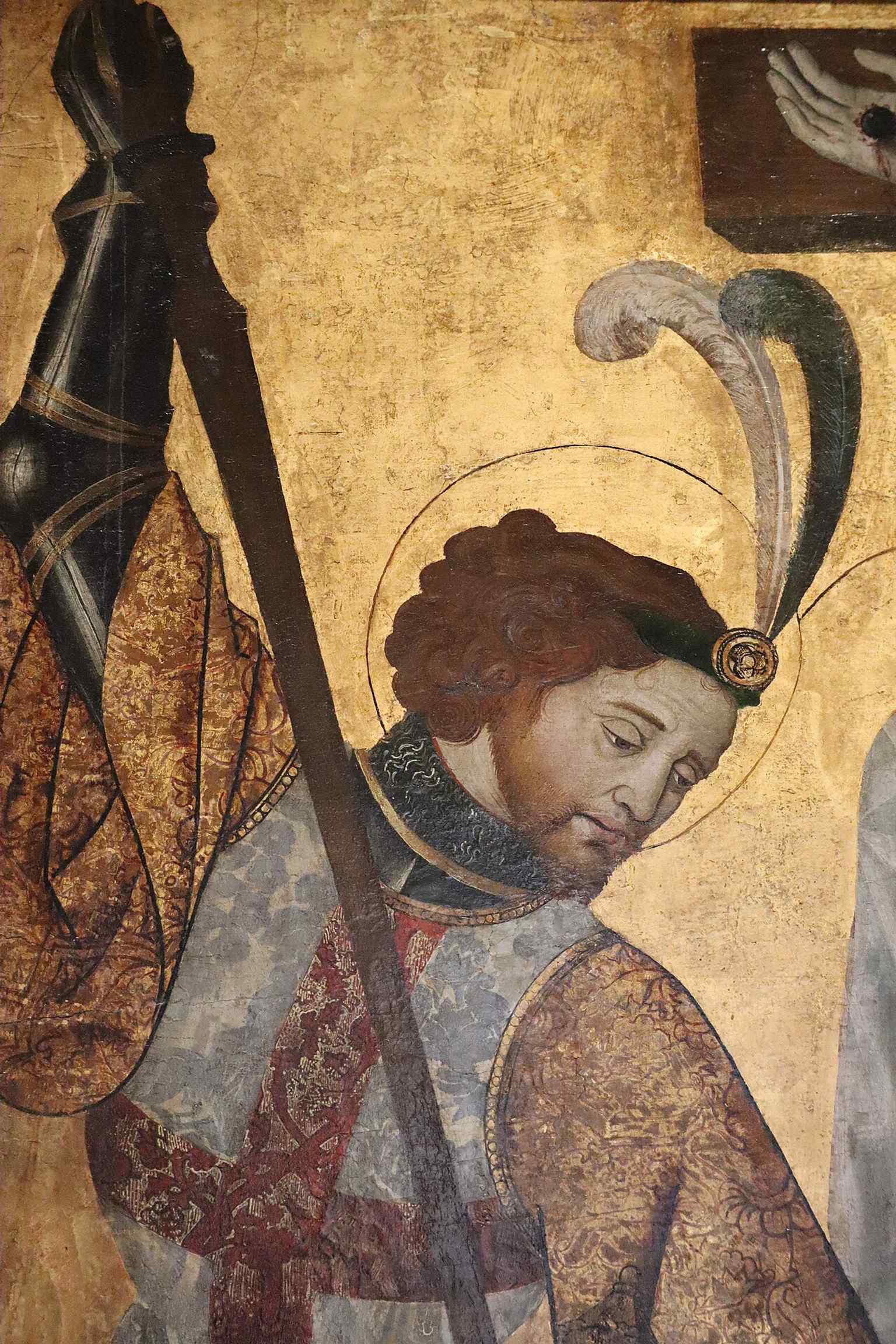
An anonymous Burgundian sculpture of Saint Veronica from the mid-14th century, exemplifying the refined medieval art collection of the museum.
An anonymous Burgundian sculpture of Saint Veronica from the mid-14th century, exemplifying the refined medieval art collection of the museum.Photo: François de Dijon, Wikimedia Commons, CC BY-SA 4.0. Cropped & resized.
A detail from the Retable of Saint George, one of the medieval altarpieces illustrating the rich and remarkable collection of Middle Ages art.
A detail from the Retable of Saint George, one of the medieval altarpieces illustrating the rich and remarkable collection of Middle Ages art.Photo: GO69, Wikimedia Commons, CC BY-SA 4.0. Cropped & resized.
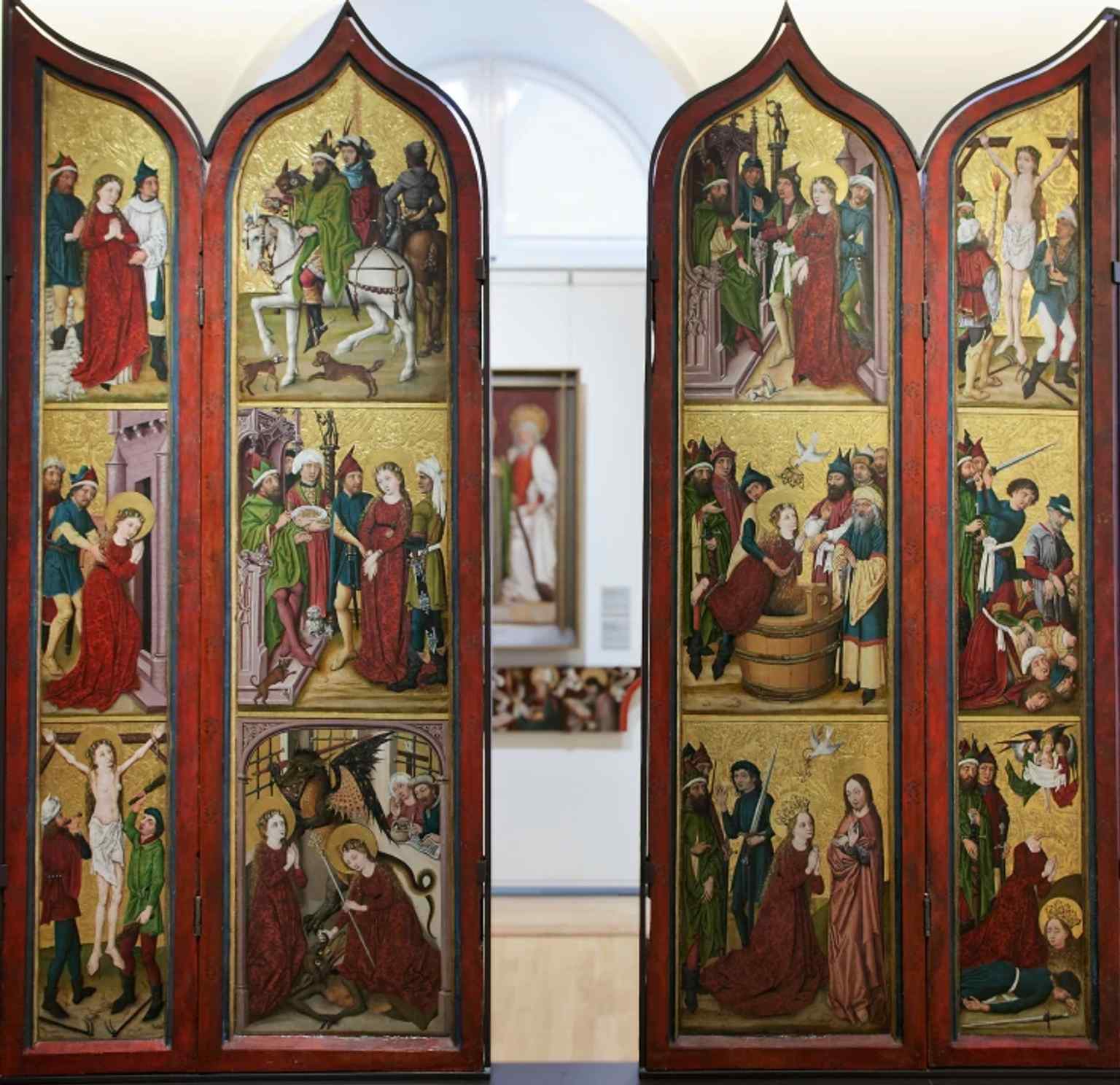
The Retable of Saint Margaret by the Master of the Coburg Rounds, representing the unique collection of Swiss and German paintings from the Middle Ages.
The Retable of Saint Margaret by the Master of the Coburg Rounds, representing the unique collection of Swiss and German paintings from the Middle Ages.Photo: Maître des Ronds de Cobourg, Wikimedia Commons, Public domain. Cropped & resized.
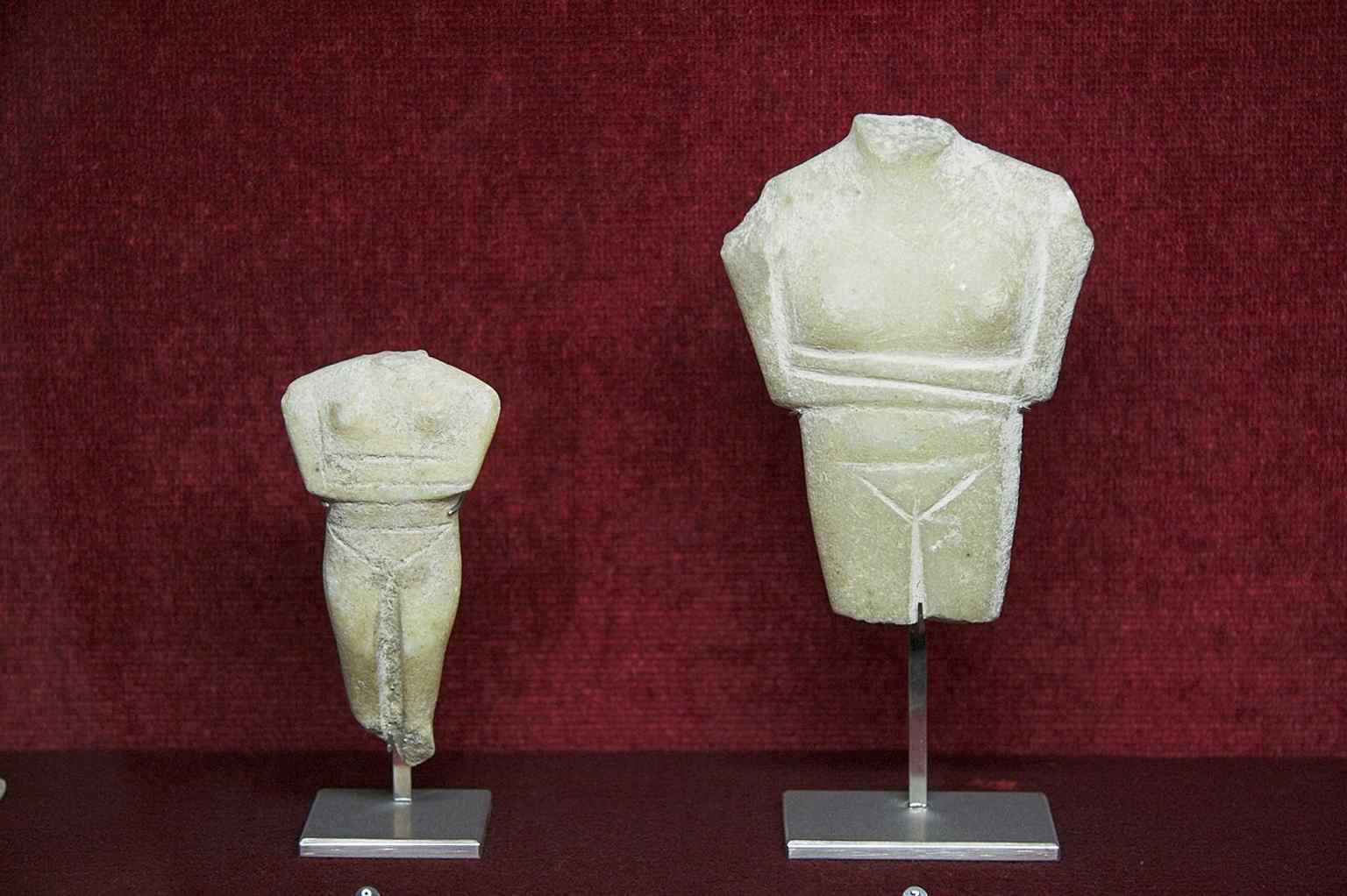
Ancient Cycladic figurines, part of the museum's extensive antiquities collection, which is particularly rich in pieces related to ancient Egypt.
Ancient Cycladic figurines, part of the museum's extensive antiquities collection, which is particularly rich in pieces related to ancient Egypt.Photo: Zde, Wikimedia Commons, CC BY-SA 4.0. Cropped & resized.
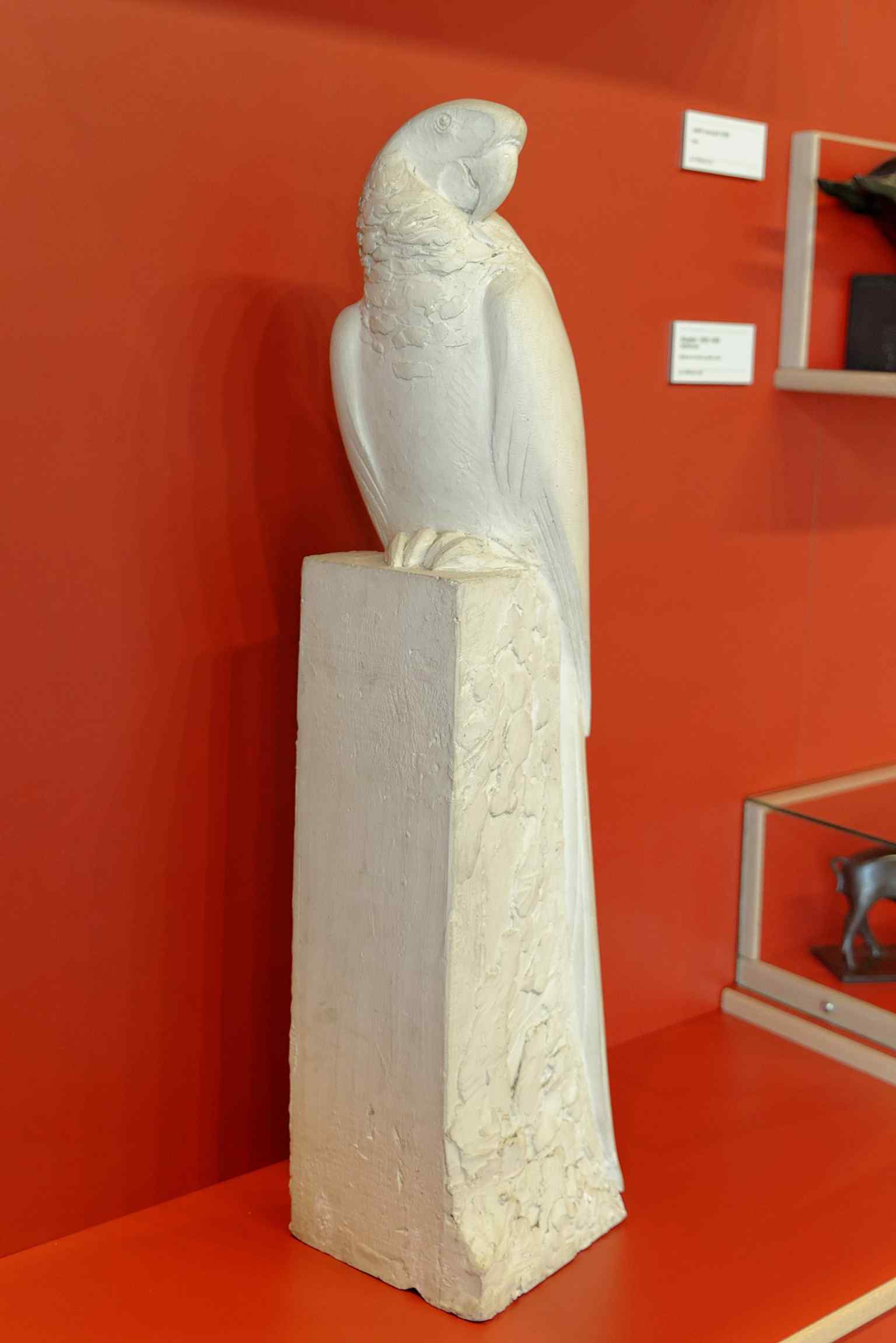
A plaster sculpture of an Ara by François Pompon, a significant Burgundian sculptor whose works represent 20th-century art.
A plaster sculpture of an Ara by François Pompon, a significant Burgundian sculptor whose works represent 20th-century art.Photo: François de Dijon, Wikimedia Commons, CC BY-SA 4.0. Cropped & resized.
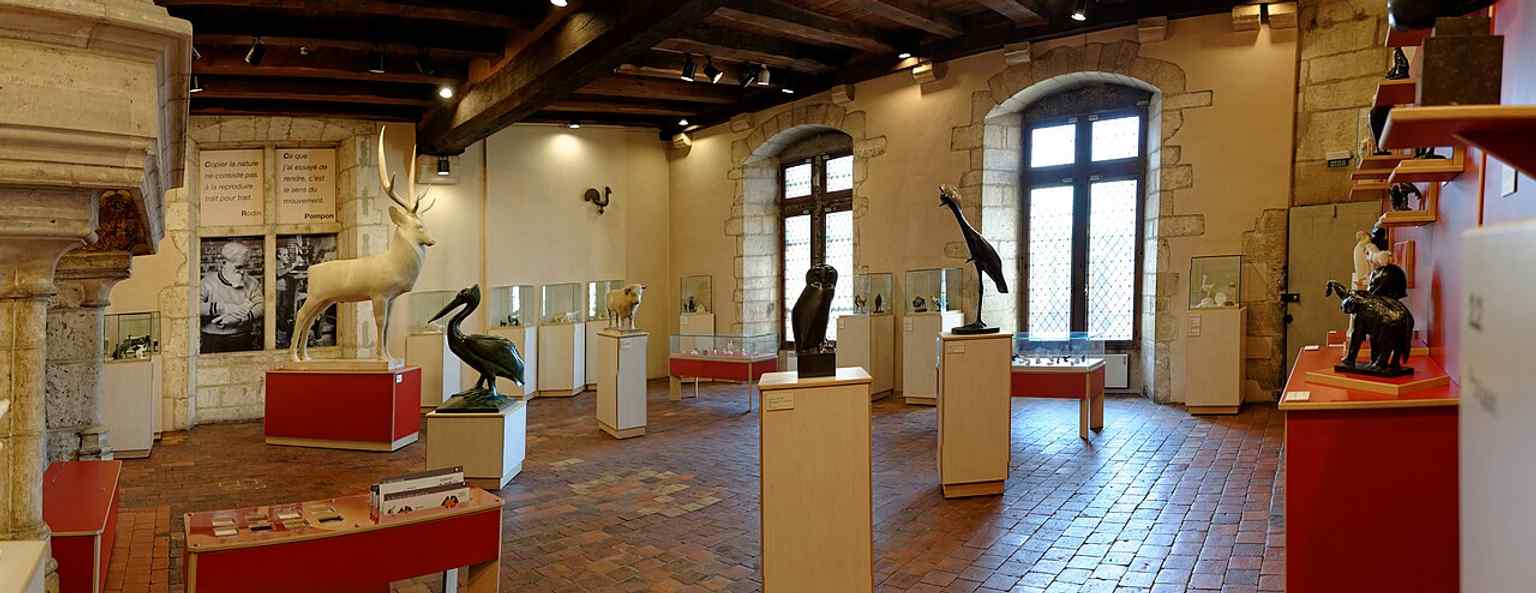
The Pompon Room, dedicated to showcasing the works of Burgundian sculptor François Pompon, whose art illustrates the continued vitality of sculpture in the early 20th century.
The Pompon Room, dedicated to showcasing the works of Burgundian sculptor François Pompon, whose art illustrates the continued vitality of sculpture in the early 20th century.Photo: François de Dijon, Wikimedia Commons, CC BY-SA 4.0. Cropped & resized.
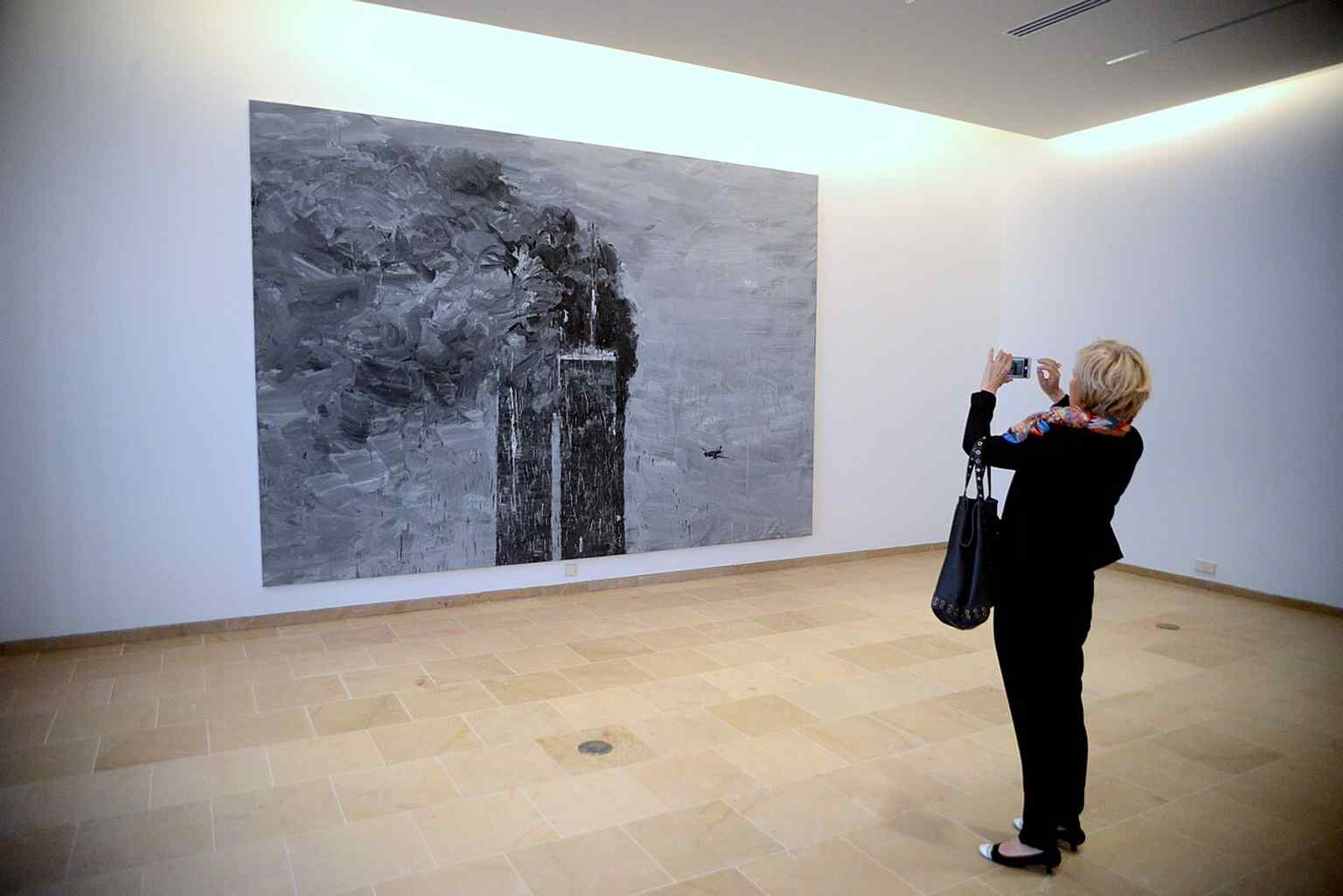
A painting by Yan Pei-Ming, one of the contemporary artists featured in the museum's 21st-century collection, reflecting its ongoing engagement with modern art.
A painting by Yan Pei-Ming, one of the contemporary artists featured in the museum's 21st-century collection, reflecting its ongoing engagement with modern art.Photo: Nicolas Richoffer, Wikimedia Commons, CC BY-SA 4.0. Cropped & resized.
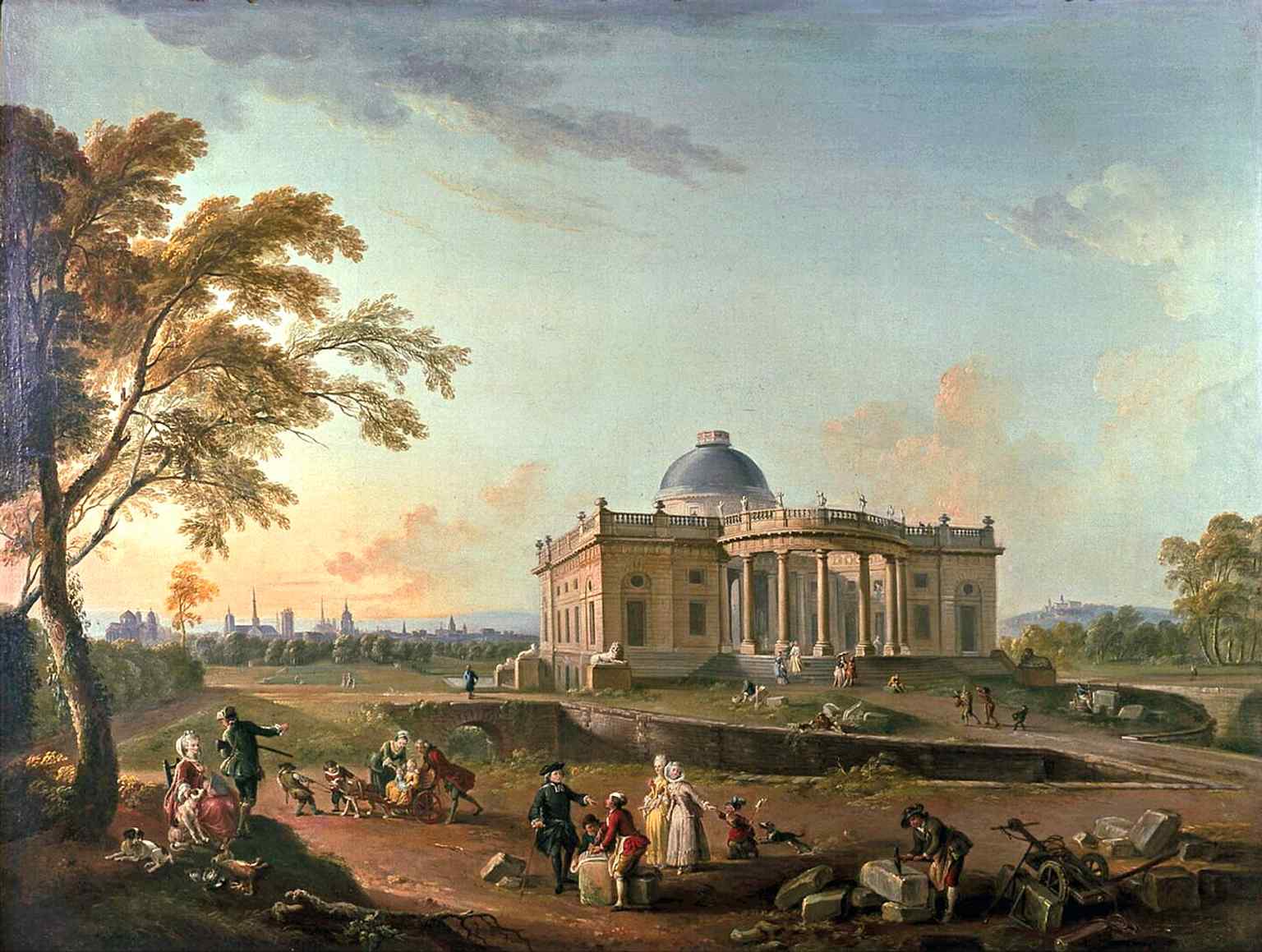
A view of the Château de Montmusard near Dijon by Jean-Baptiste Lallemand, an artist associated with the Dijon Drawing School, a unique provincial art institution of the 18th century.
A view of the Château de Montmusard near Dijon by Jean-Baptiste Lallemand, an artist associated with the Dijon Drawing School, a unique provincial art institution of the 18th century.Photo: Heleashard, Wikimedia Commons, CC0. Cropped & resized.
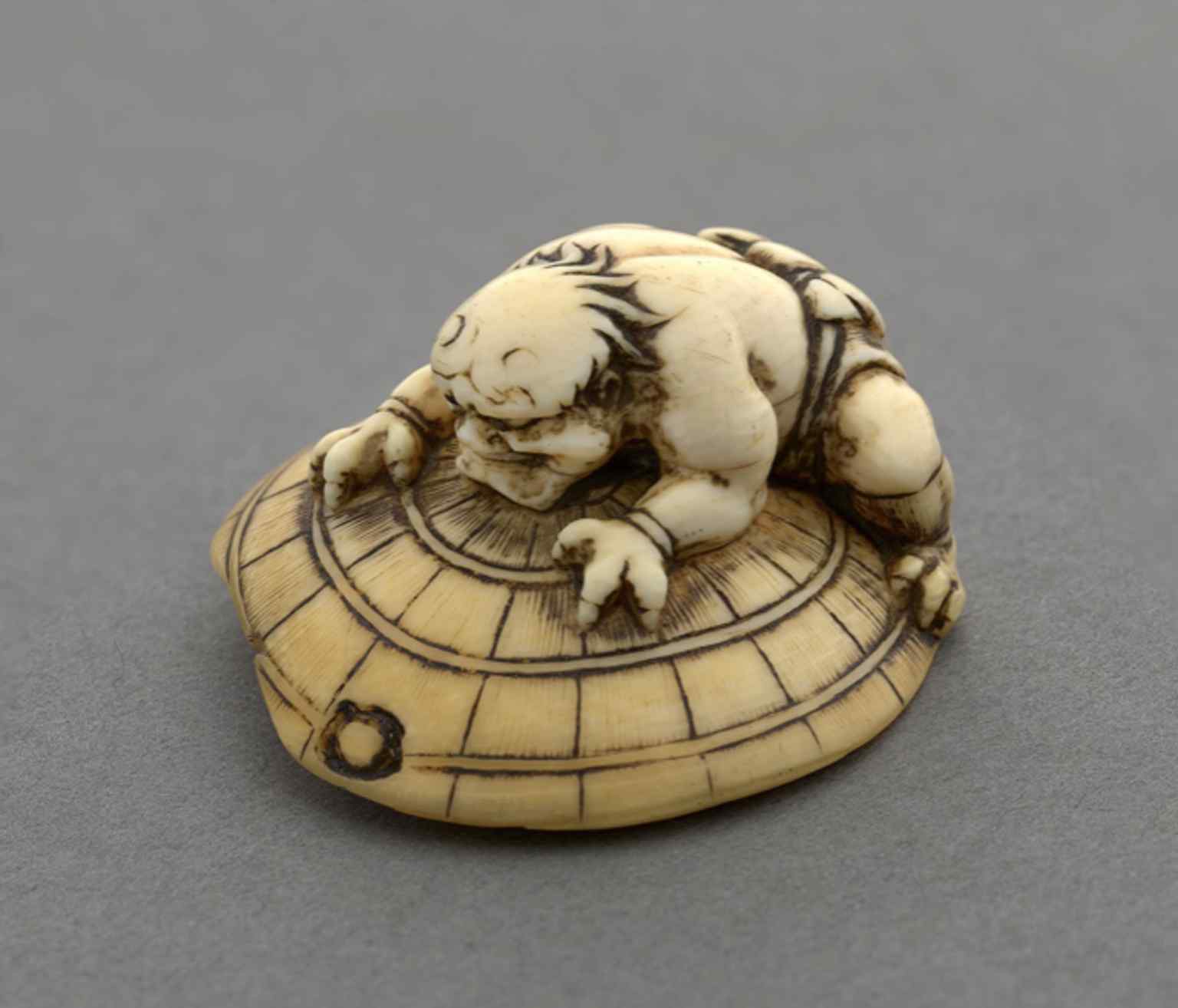
An intricately carved Japanese Netsuke from the Edo period, part of the extra-European collections which reveal a 'curiosity of the elsewhere' among Western collectors.
An intricately carved Japanese Netsuke from the Edo period, part of the extra-European collections which reveal a 'curiosity of the elsewhere' among Western collectors.Photo: AnonymousUnknown author, Wikimedia Commons, CC BY 4.0. Cropped & resized.
arrow_back Back to Dijon Highlights Audio Tour: Architectural and Cultural Treasures
Loved by travellers

Thousands of tours started.
Plenty of opinions.

4.8 across the App Store and Google Play. Here's a few we keep coming back to.

starstarstarstarstar
This was a solid way to get to know Brighton without feeling like a tourist. The narration had depth and context, but didn't overdo it.
Christoph
Christoph
Brighton Tour
starstarstarstarstar
Started this tour with a croissant in one hand and zero expectations. The app just vibes with you, no pressure, just you, your headphones, and some cool stories.
download Get the app

Pop your headphones in.
Step outside.

Free to download. Tours in every city. Start in 60 seconds — no account, no card.

Download on the App StoreGet it on Google Play
starstarstarstarstar_half
4.8
AudaTours app icon
headphones
~ 4 min until your first tour starts
public
1,000+ cities worldwide
all_inclusive
AudaTours
Unlimited

Every tour. Every city. One subscription.

3101 tours2271 cities138 countries50+ languages