
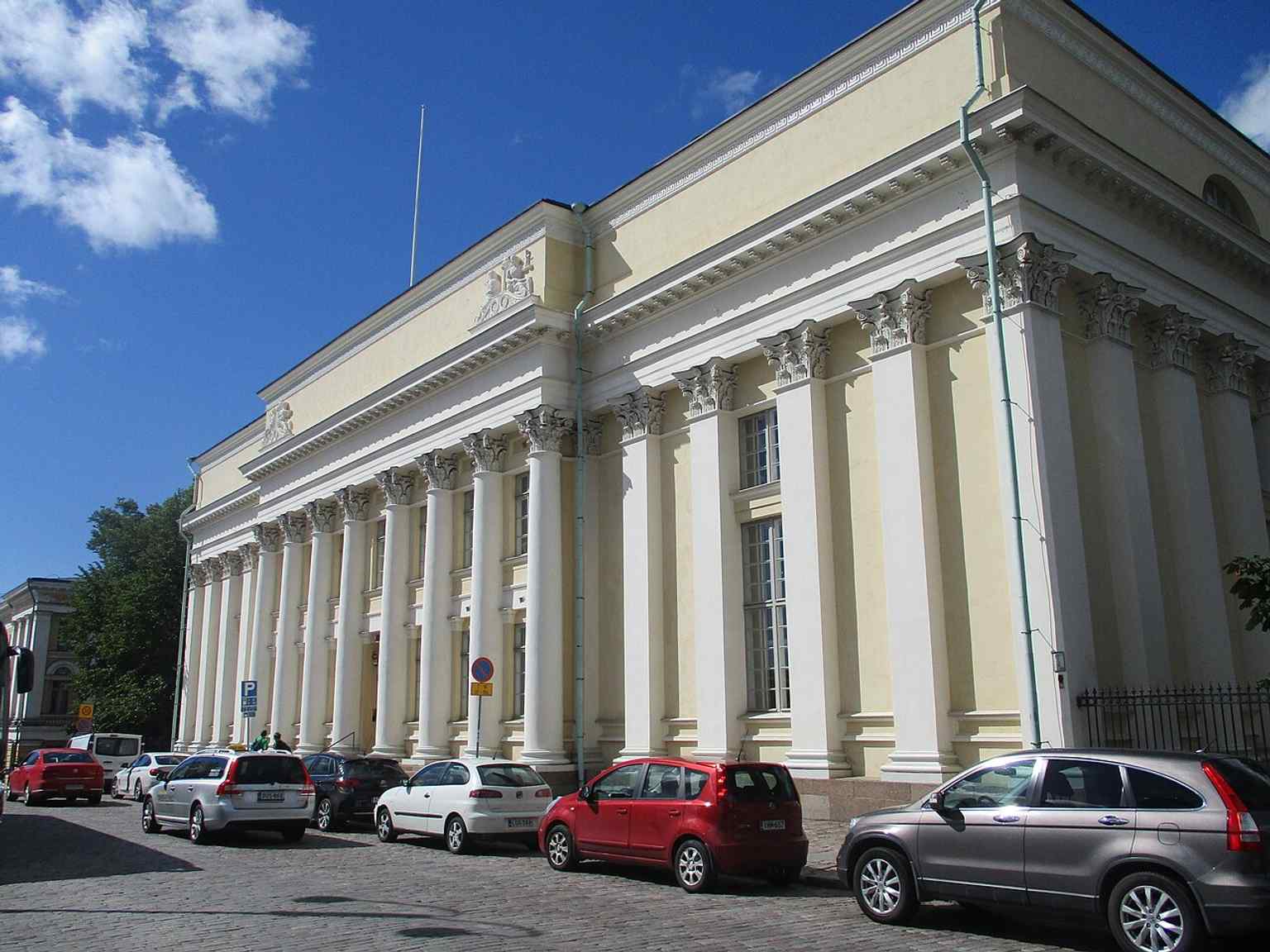
On your left, the National Library stands out with its pale yellow neoclassical façade, broad symmetrical form, and the green dome rising above the roofline.
It looks composed, even inevitable... but this building began as an answer to loss. Finland’s oldest and largest scientific library traces its roots back to Turku, where the academy library started in sixteen forty with about twenty books. By the early nineteenth century it held around thirty thousand volumes. Then the Great Fire of Turku, in eighteen twenty-seven, nearly erased it. Only about eight hundred books survived, and those survived for one absurdly practical reason: people had borrowed them.
That little escaped group still matters. It is the only direct link to the old Academy of Turku library. So the nation’s memory, at one crucial moment, depended on overdue books. Not every heroic rescue involves trumpets.
When the library moved to Helsinki, Fredrik Wilhelm Pipping took on the job of rebuilding the collection. His indispensable ally was Matti Pohto, a self-taught collector who traveled the country hunting down old Finnish books. Pohto’s work helped restore a printed past that fire had almost wiped out. That flips the usual picture of a grand national institution, doesn’t it? Behind the columns and dome, a lot of this story comes down to one determined librarian and one relentless book finder.
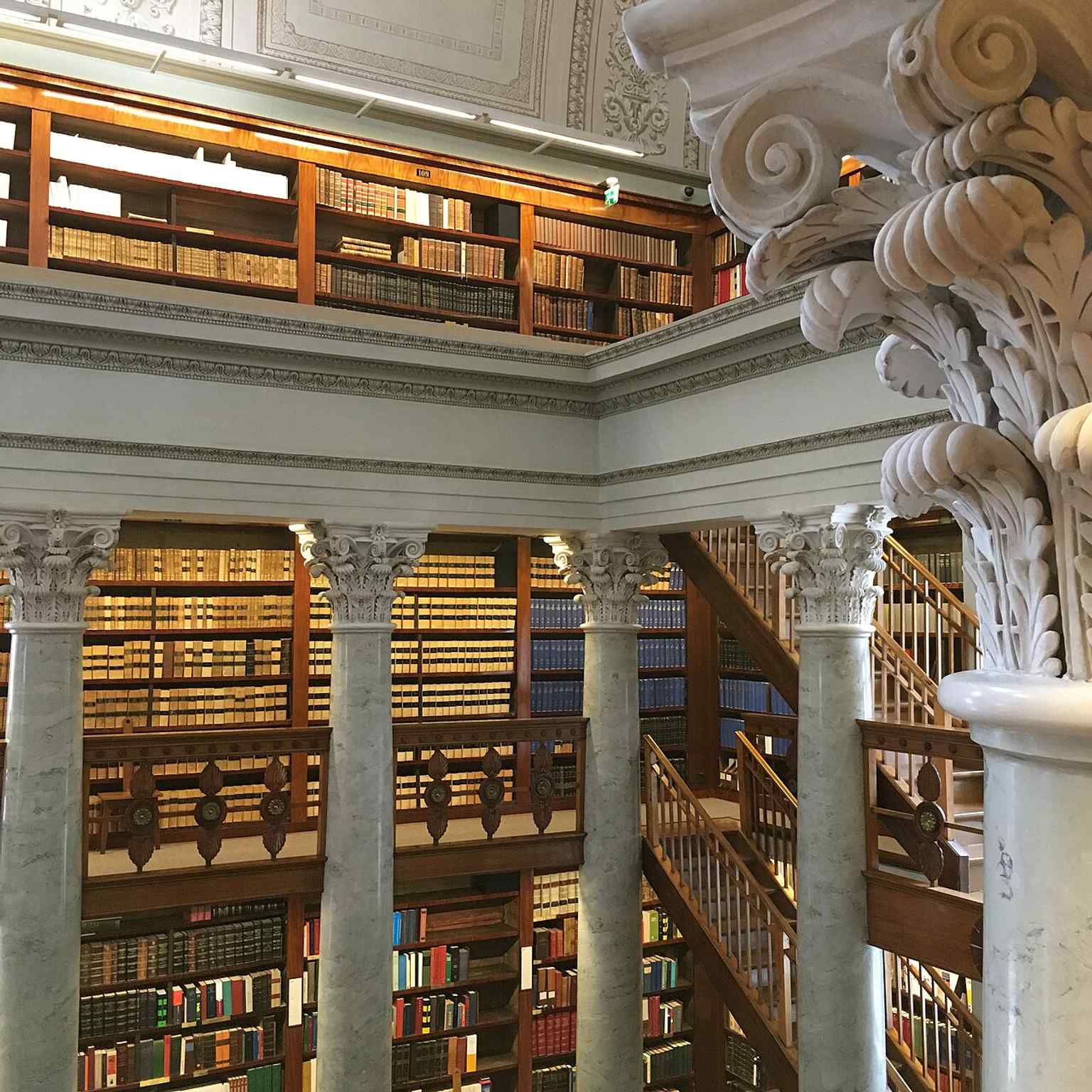
The building you see took shape under the same imperial vision that gave this district its calm order. Tsar Nicholas the First chose the most monumental design, but the real obsession was not grandeur. It was fire safety. The library stood on its own plot, surrounded by trees, and Engel designed the halls with brick vaults to resist flames. So this elegant landmark is also, in essence, a very sophisticated fireproof box.
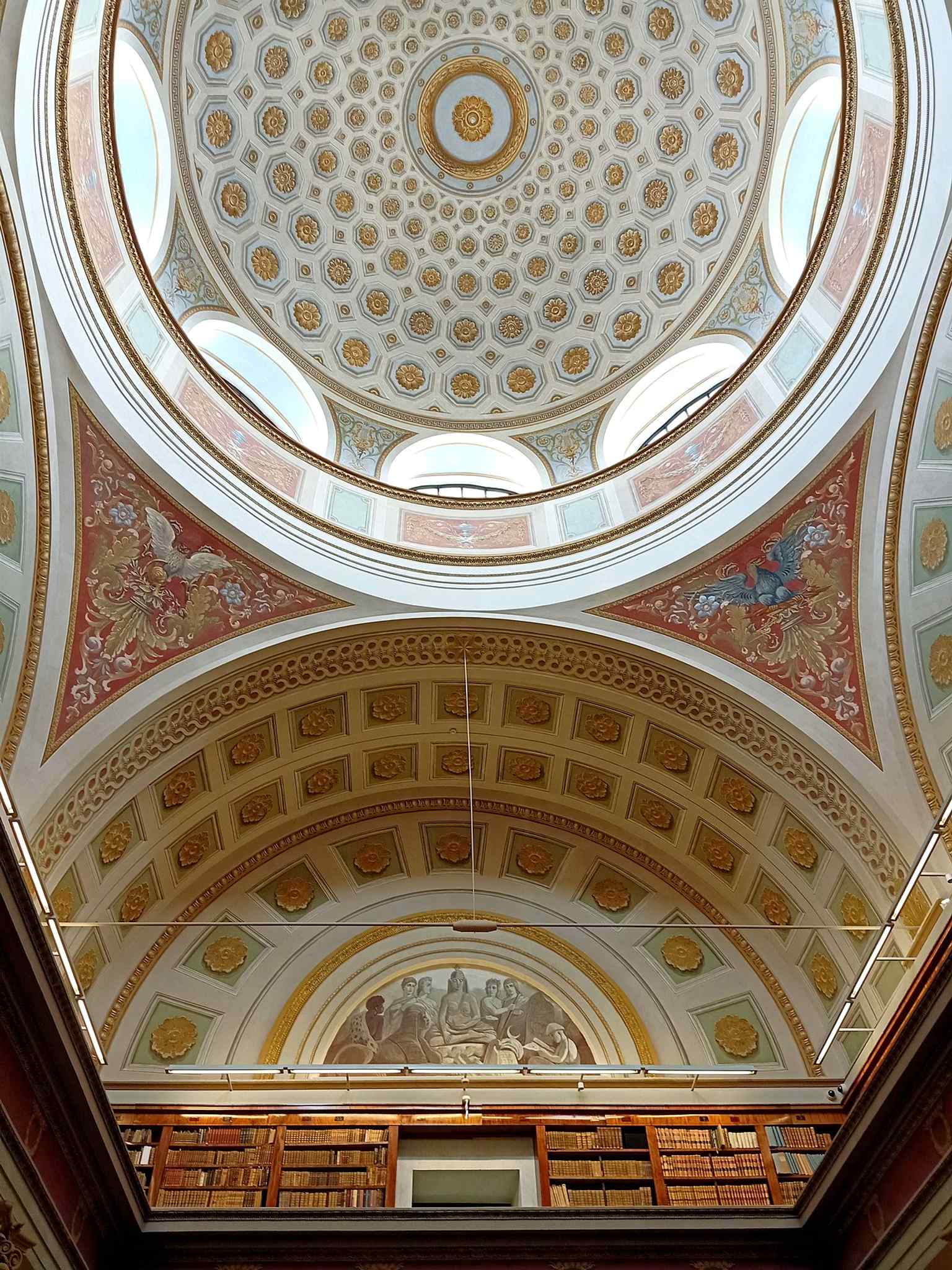
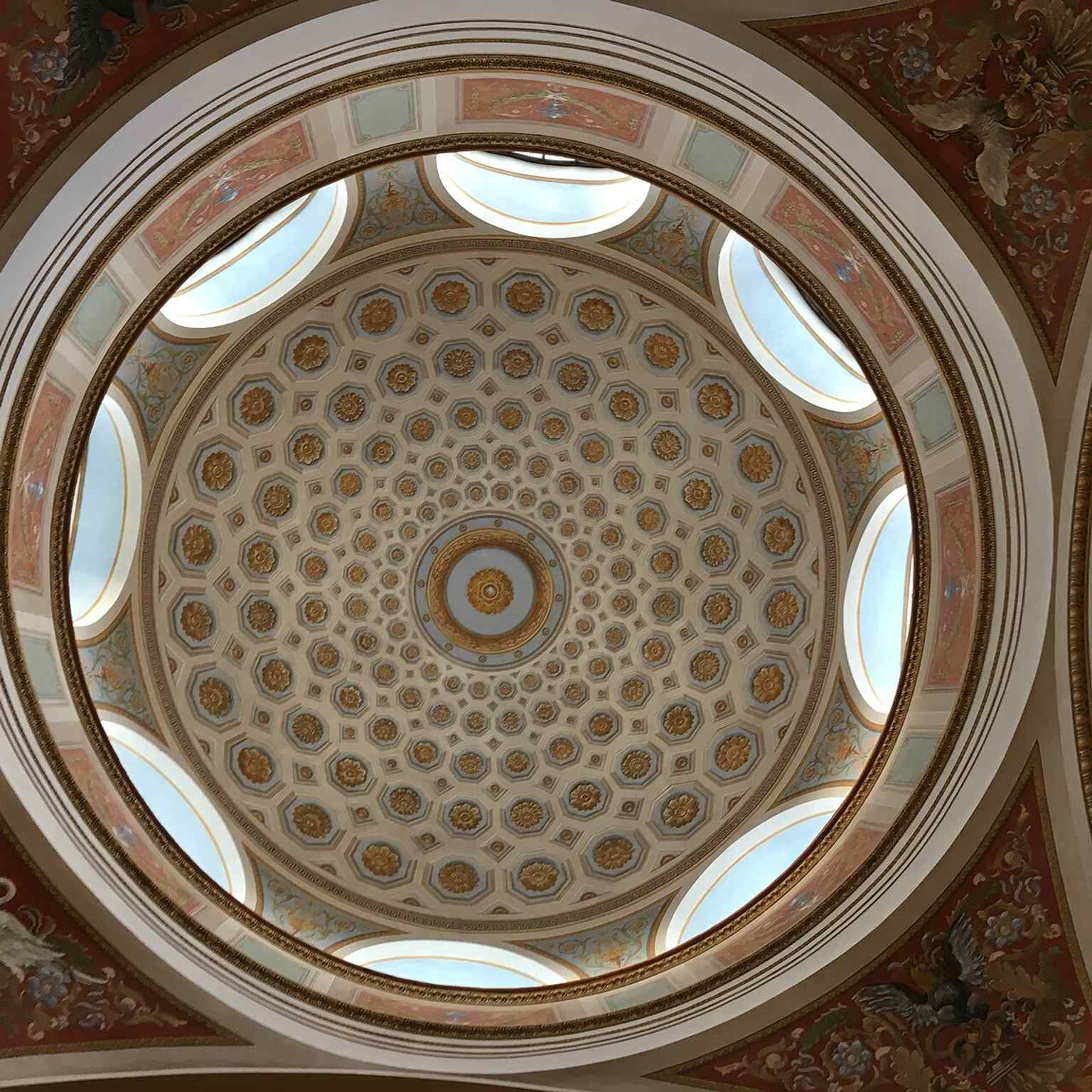
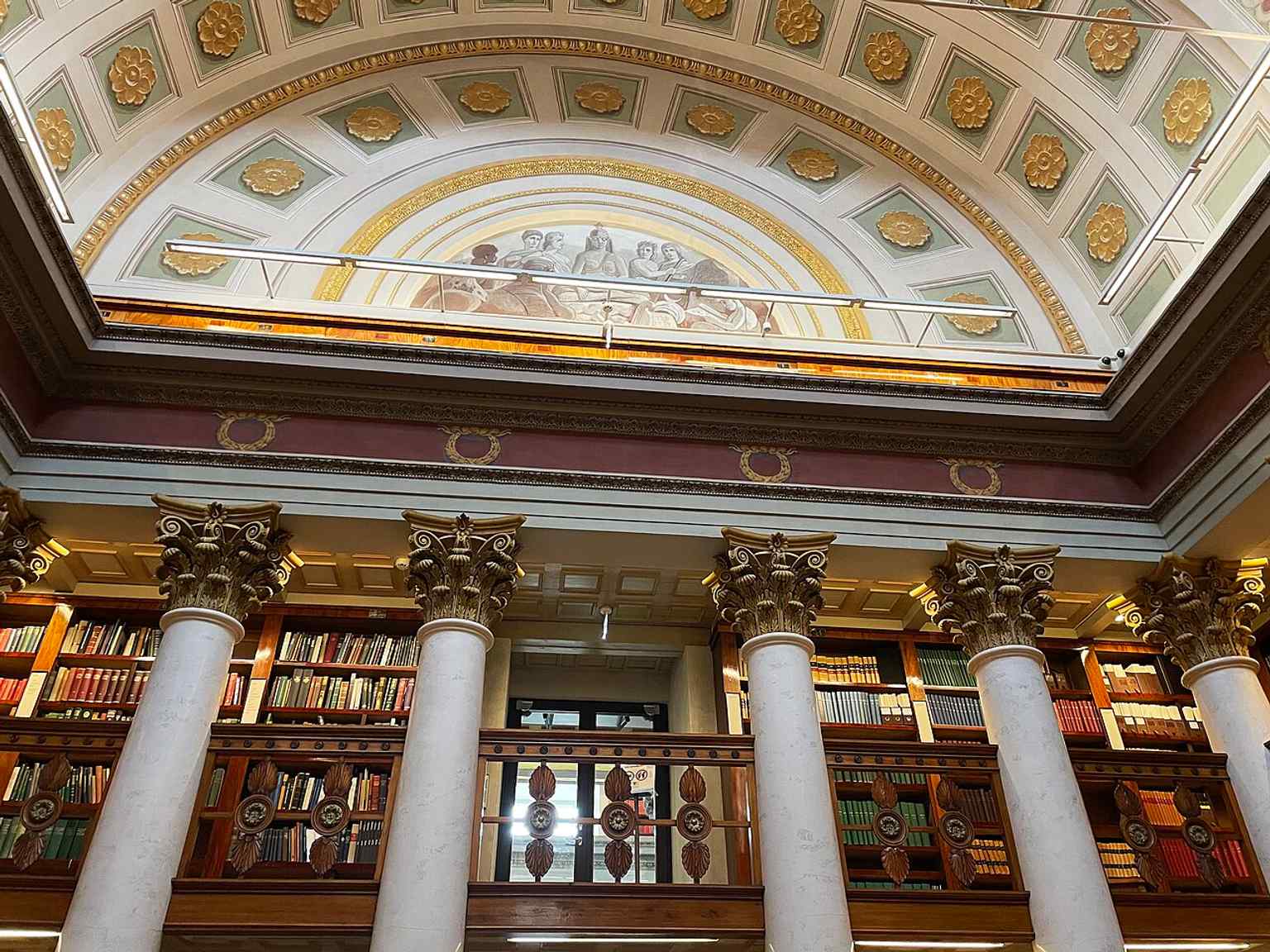
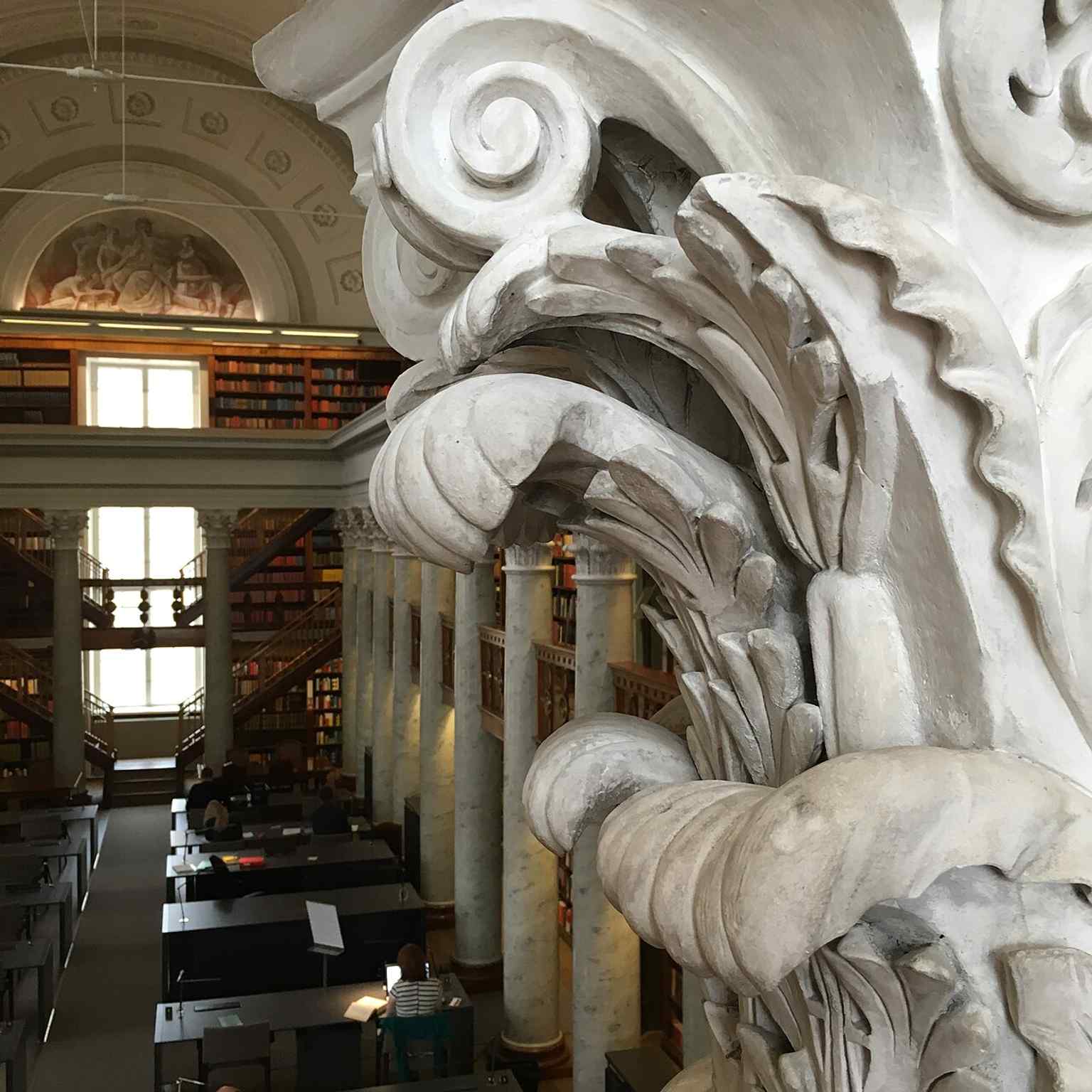
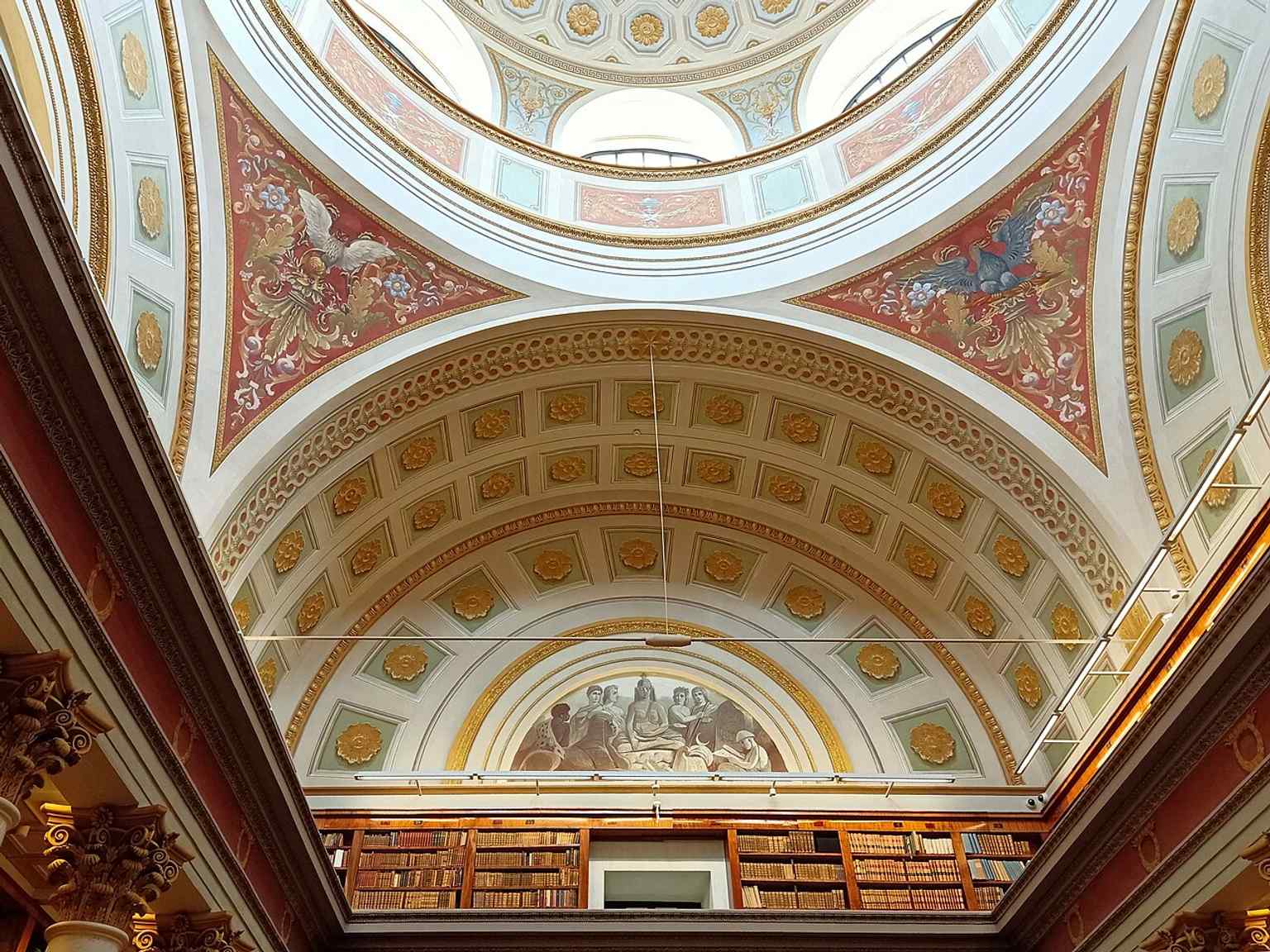
If you glance at the image on your screen, the interior dome shows how ceremonial the reading rooms became, almost like a civic chapel for scholarship. And the Rotunda, added in the early nineteen hundreds with a steel frame and reinforced concrete, reveals the other side of the story: storage, expansion, logistics.
Today, this place stores memory at a scale most people never notice. The library preserves nearly everything published in Finland, plus sound recordings, images, and selected online material under legal deposit law. By twenty twenty-one, it held around three million books and another three million publications, and it had digitized about two point three million pages in a single year. Its online service carried more than twenty-one million pages. But the real local detail is even stranger: since two thousand and six, the library has been harvesting Finnish websites into a web archive. Not just books on shelves, then, but vanished homepages, old news pages, pieces of the internet most of us assumed would simply evaporate.
So this is not only a library. It is the country’s deep storage system, where printed paper turns into searchable afterlife. Out here, beside the university and across from the cathedral approach, Helsinki lines up knowledge, belief, and public power in one remarkably tidy composition. In about two minutes, head toward Helsinki Cathedral, where that alignment becomes impossible to miss.
If you want to step inside later, the main building is generally open on weekdays from nine to six, and closed on Saturdays and Sundays.





.jpg)


.jpg)