
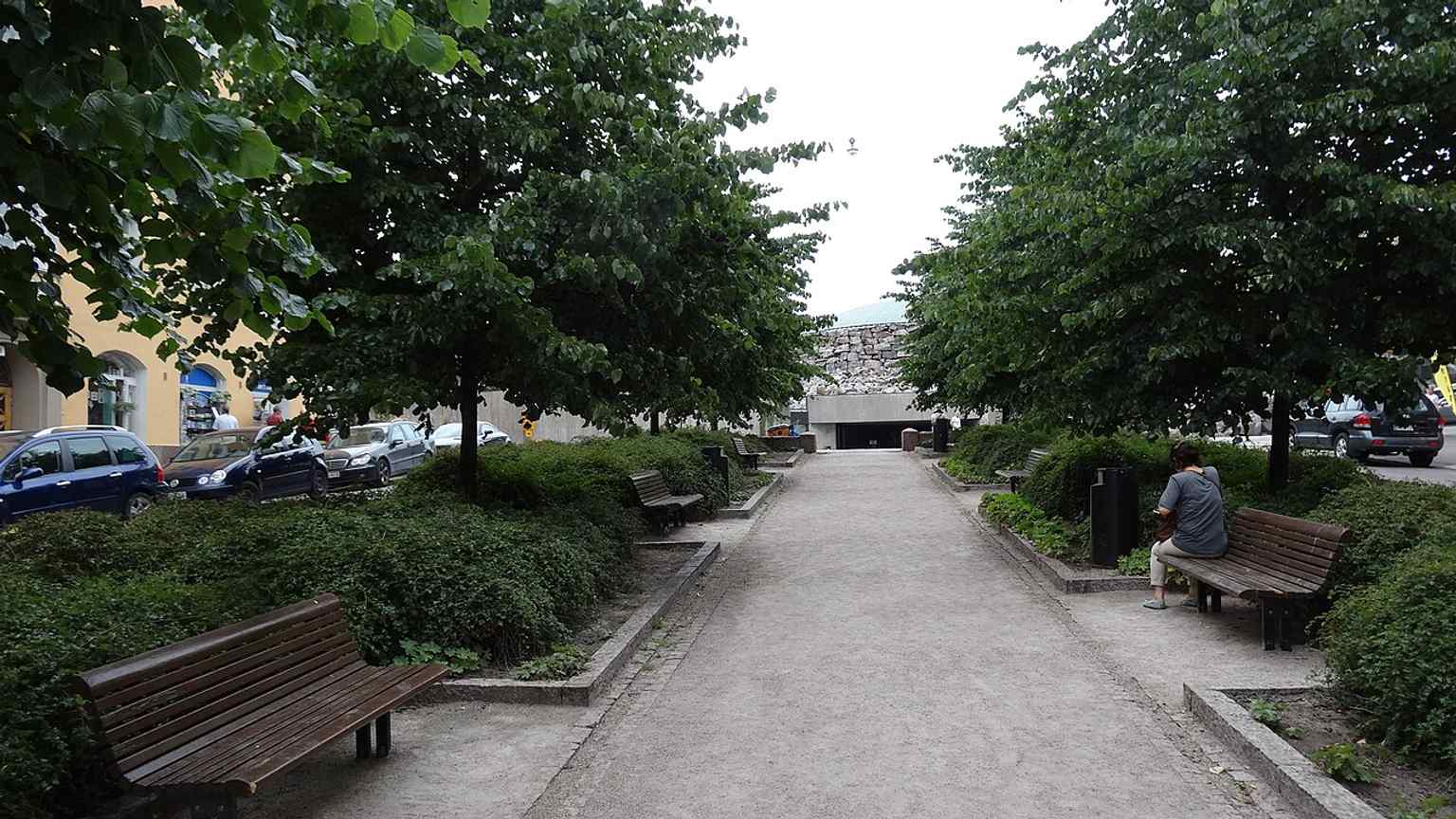
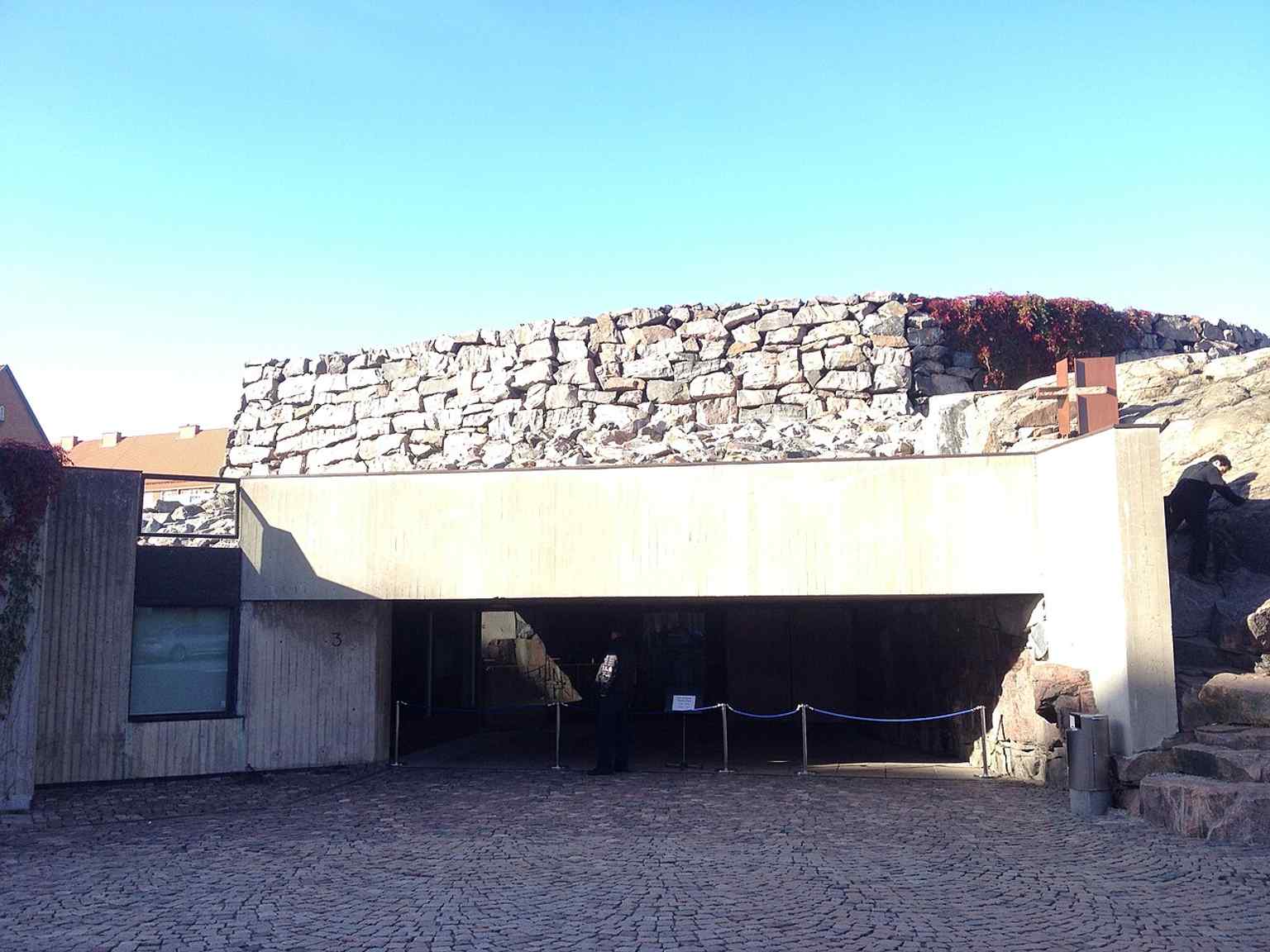
Look to your right for a low circle of rough granite and concrete cut into the bedrock, capped by a broad copper dome and marked by a narrow ring of glass near the roofline.
Helsinki often introduces itself in stone first. Here, raw rock is not scenery; it is the architecture, and light does not arrive in stained-glass drama but in a controlled glowing band. That pairing of hard granite and filtered light tells you something important about this city: it likes materials that feel honest, and it trusts atmosphere to do quiet work.
This church took a very long time to become itself. The city set aside this rocky plot back in nineteen oh six, and then argued over it for decades. Architects entered competition after competition in the nineteen thirties, mostly with more traditional long churches and towers. Nobody quite convinced anyone. Then excavation finally started in nineteen thirty-nine... and the Winter War stopped it after three days. That is a brutal way to pause a building.
By the late nineteen fifties, the old cathedral-like plan by J. S. Siren felt too expensive and out of date, so Helsinki tried again. In the third open competition, Timo and Tuomo Suomalainen won with a proposal called Kivikirkko, or Stone Church. Instead of placing a church on the rock, they turned the rock itself into the church. No bell tower waving for attention, no grand facade trying to dominate the neighborhood. Very unshowy for a landmark that became world famous.
Timo Suomalainen later said the idea drew strength from his childhood memories of bare island rock on Suursaari. That is the human thread here: one architect carrying a landscape in his head for years, then finally finding the place where memory, geology, and public purpose could agree.
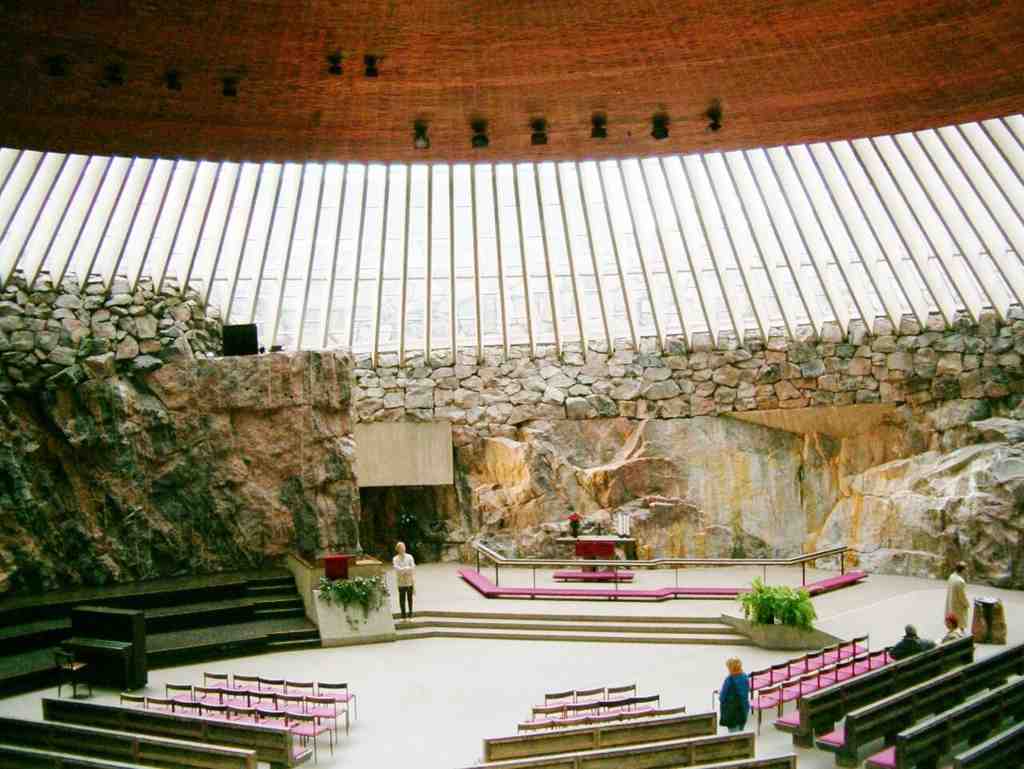
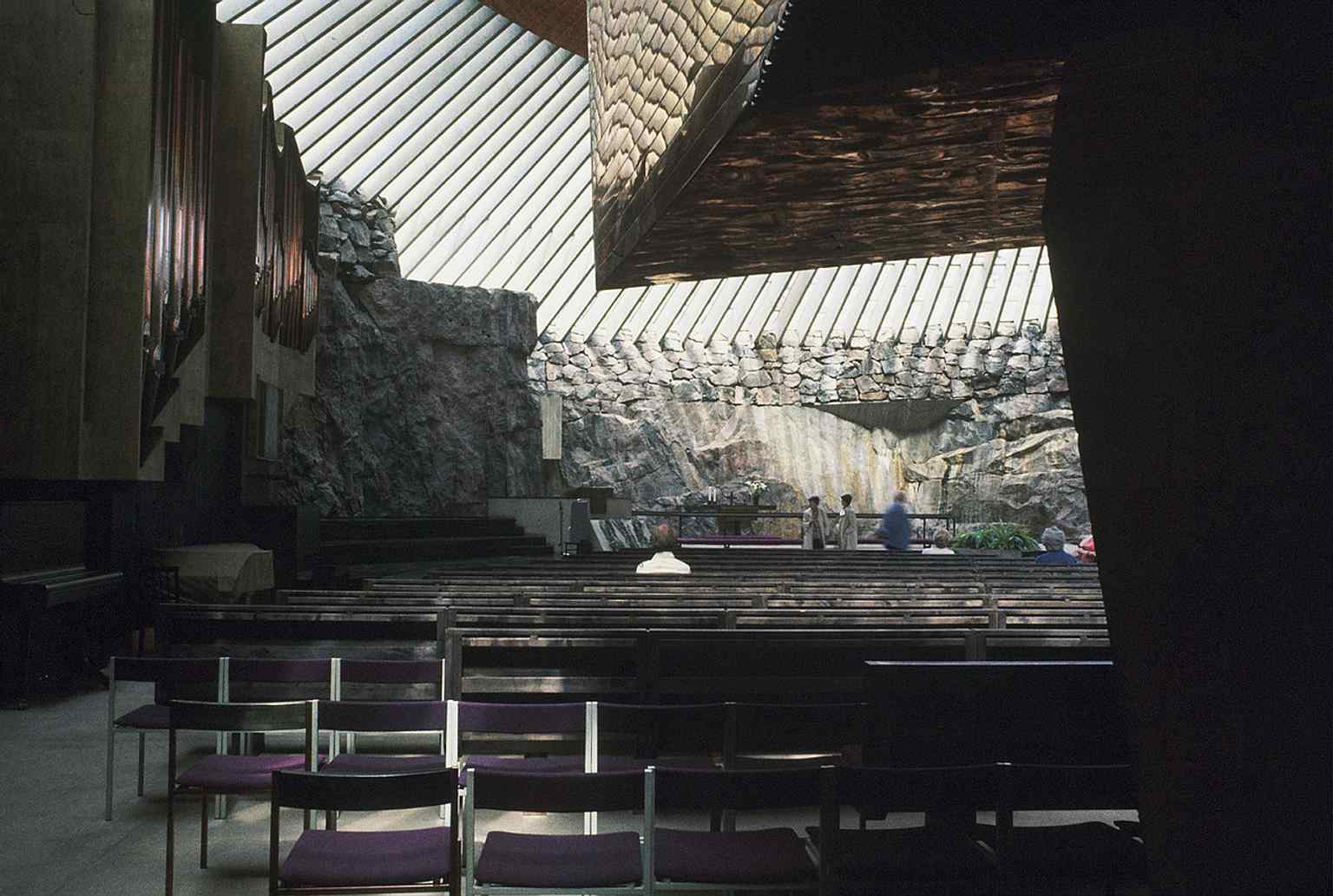
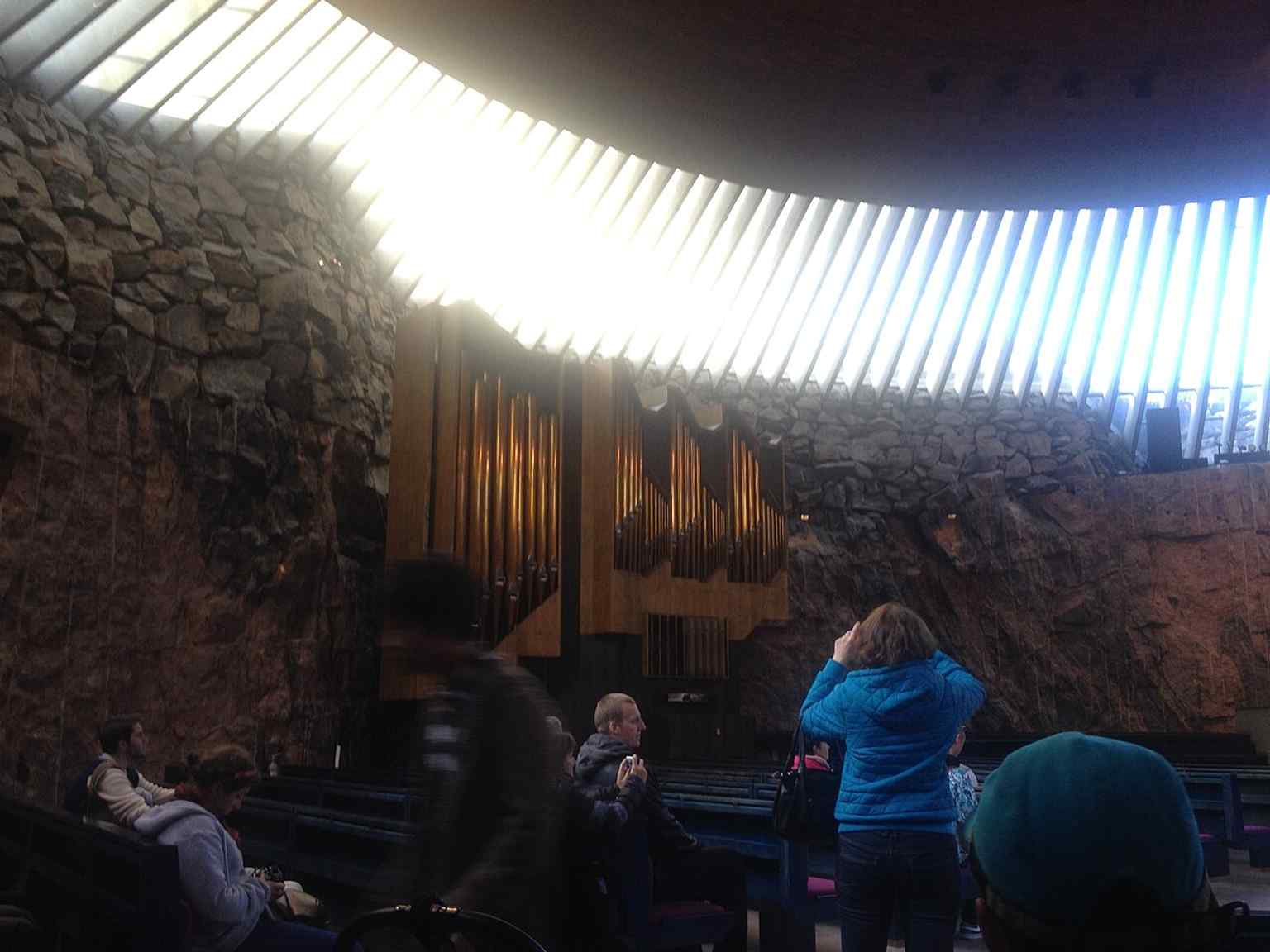
Take a moment and study what is visible from where you stand. Notice how little of the building rises above the rock, as if the hill decided to keep most of the church for itself. If you glance at the interior image on your screen, the effect becomes clear: the sanctuary feels less constructed than uncovered.
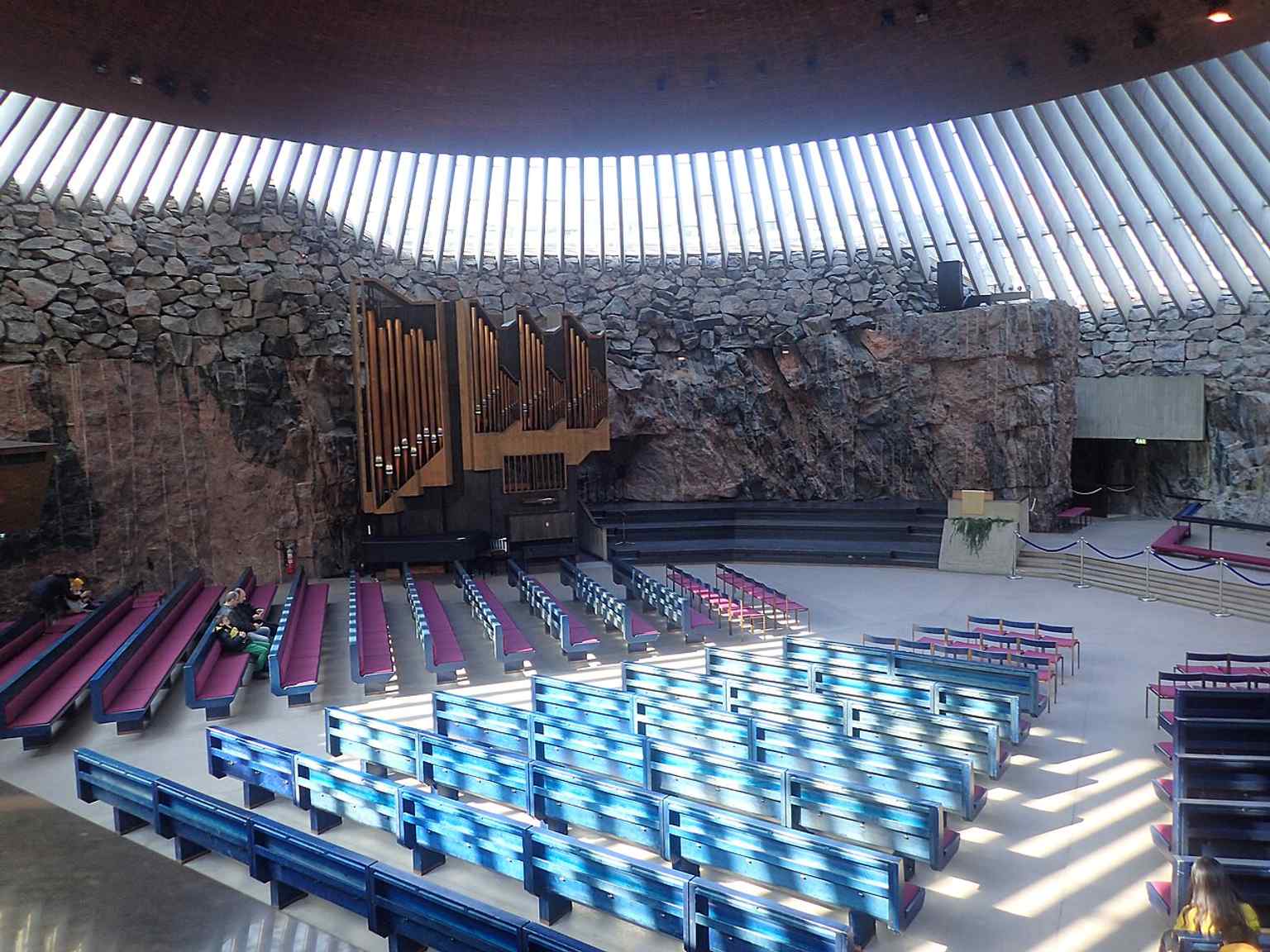
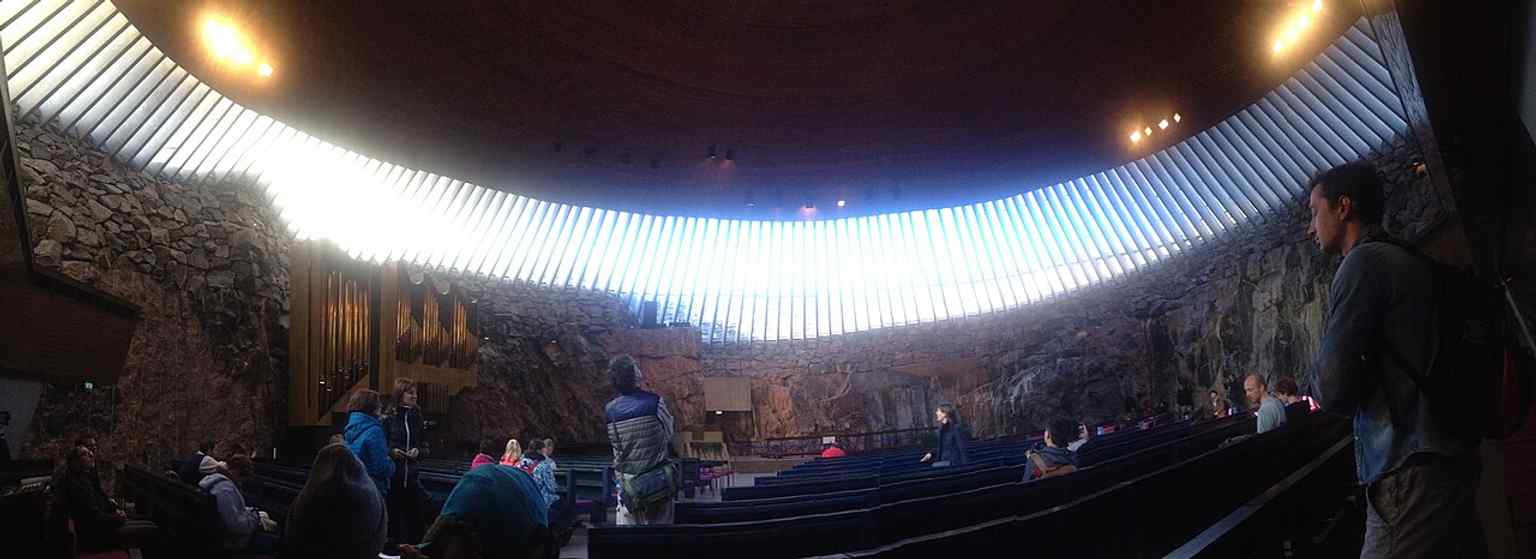
Inside, the hall opens in a free oval carved into the bedrock. Rough rock walls stay exposed, and above them a copper-clad dome seems to hover. A ring skylight runs between rock and roof, and at the altar that light grows strongest, so the most important point in the room receives the clearest illumination. On your screen, you can see the roof structure doing its quiet engineering magic: one hundred and eighty radial beams supporting that luminous circle.
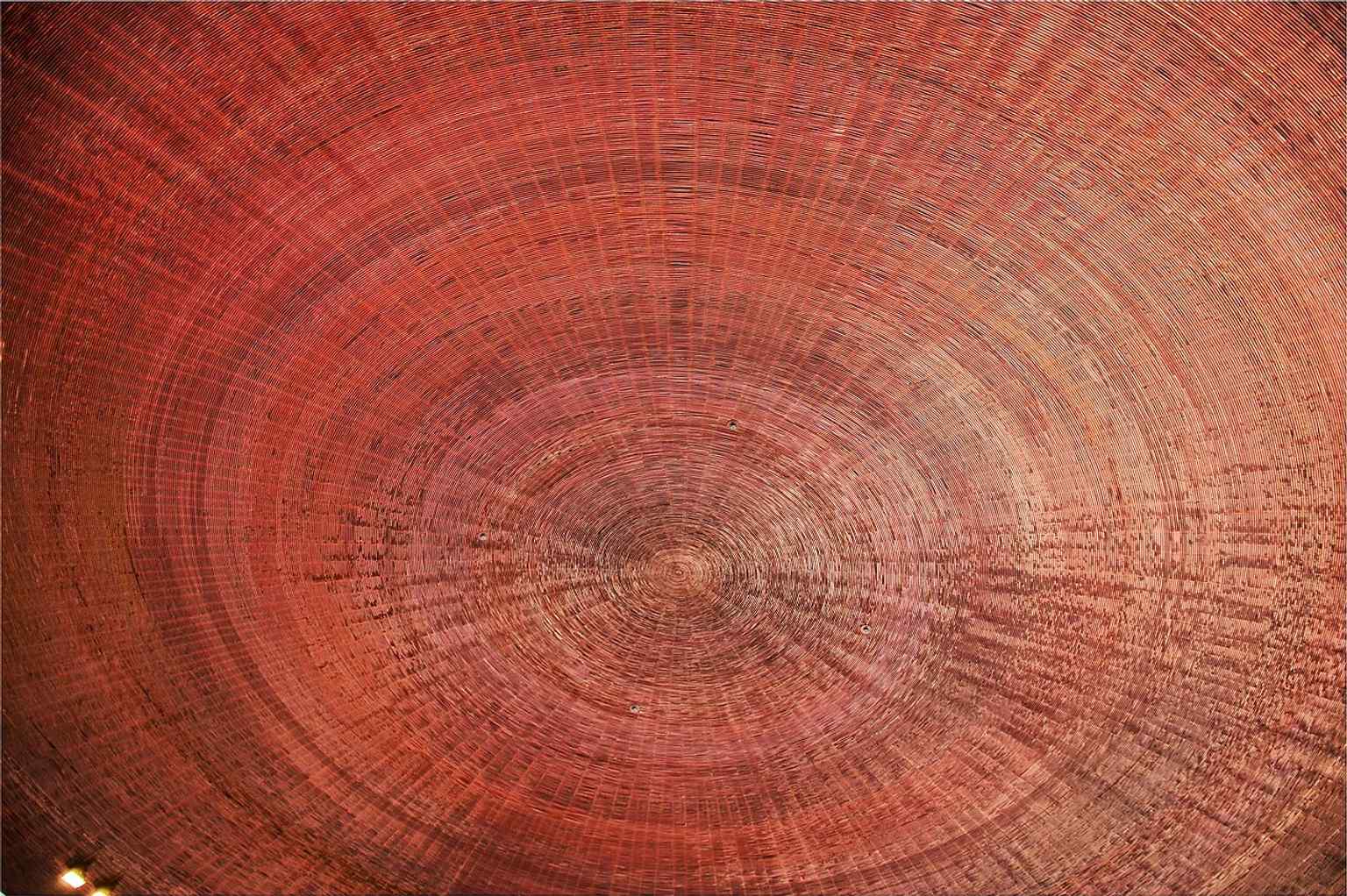
The miracle is not only visual. Acoustician Mauri Parjo pushed the design toward better sound, and the brothers answered with copper surfaces and living rock walls that scatter and warm the music. That is why this church became one of Helsinki’s favorite concert spaces as well as a parish church. In nineteen sixty-eight, even before completion, protesters painted “Biafra” on the site, arguing the money should go to famine relief instead. So yes, this place arrived through dispute, not reverence alone.
And then, in nineteen sixty-nine, the breakthrough held. The city got a sacred room that feels both ancient and completely modern... sheltered by stone, opened by light.
From here, we head back into state power at Parliament House, about a twelve-minute walk away. If you plan to come inside later, the church is generally open daily, with shorter hours on weekends.






.jpg)


