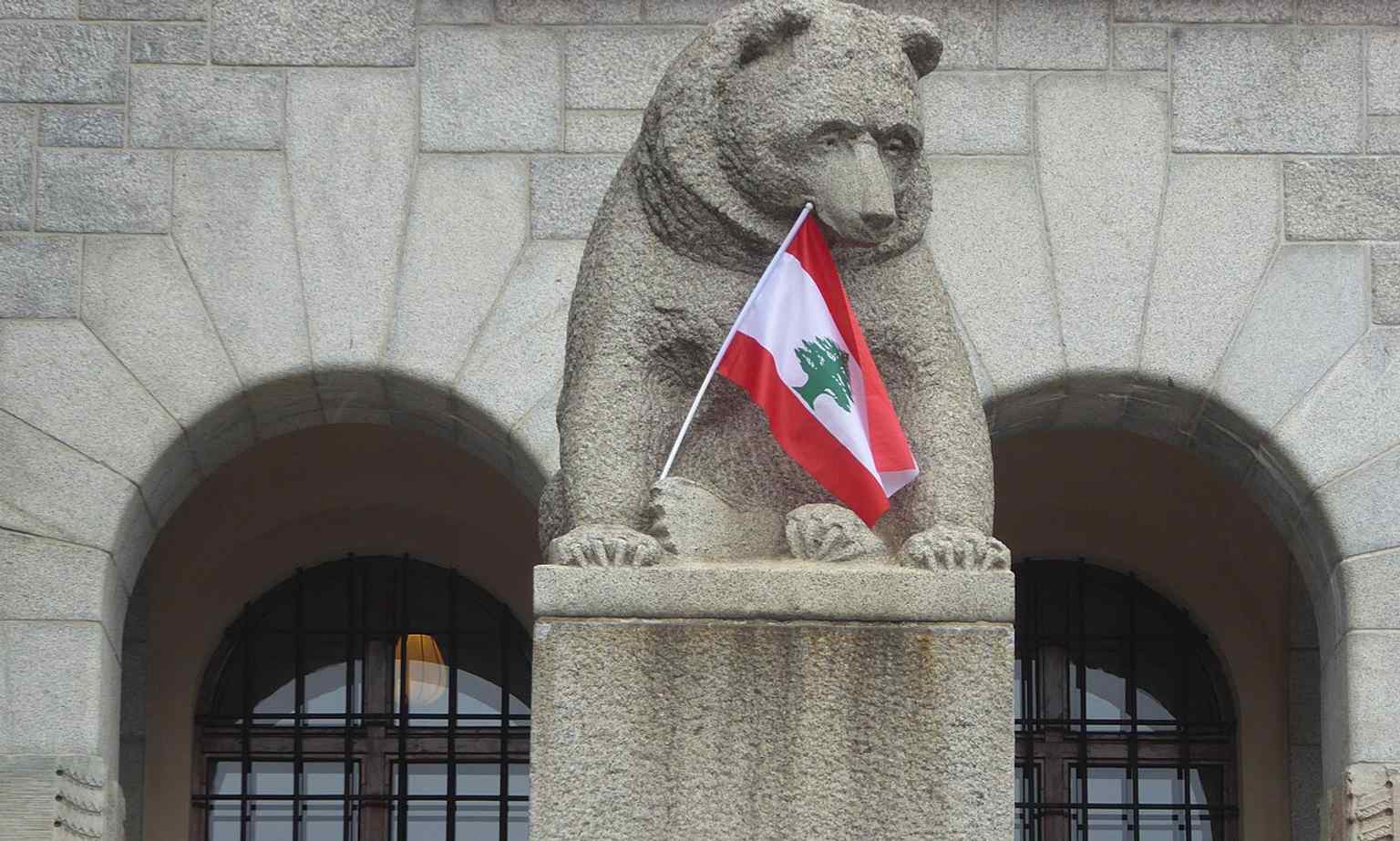
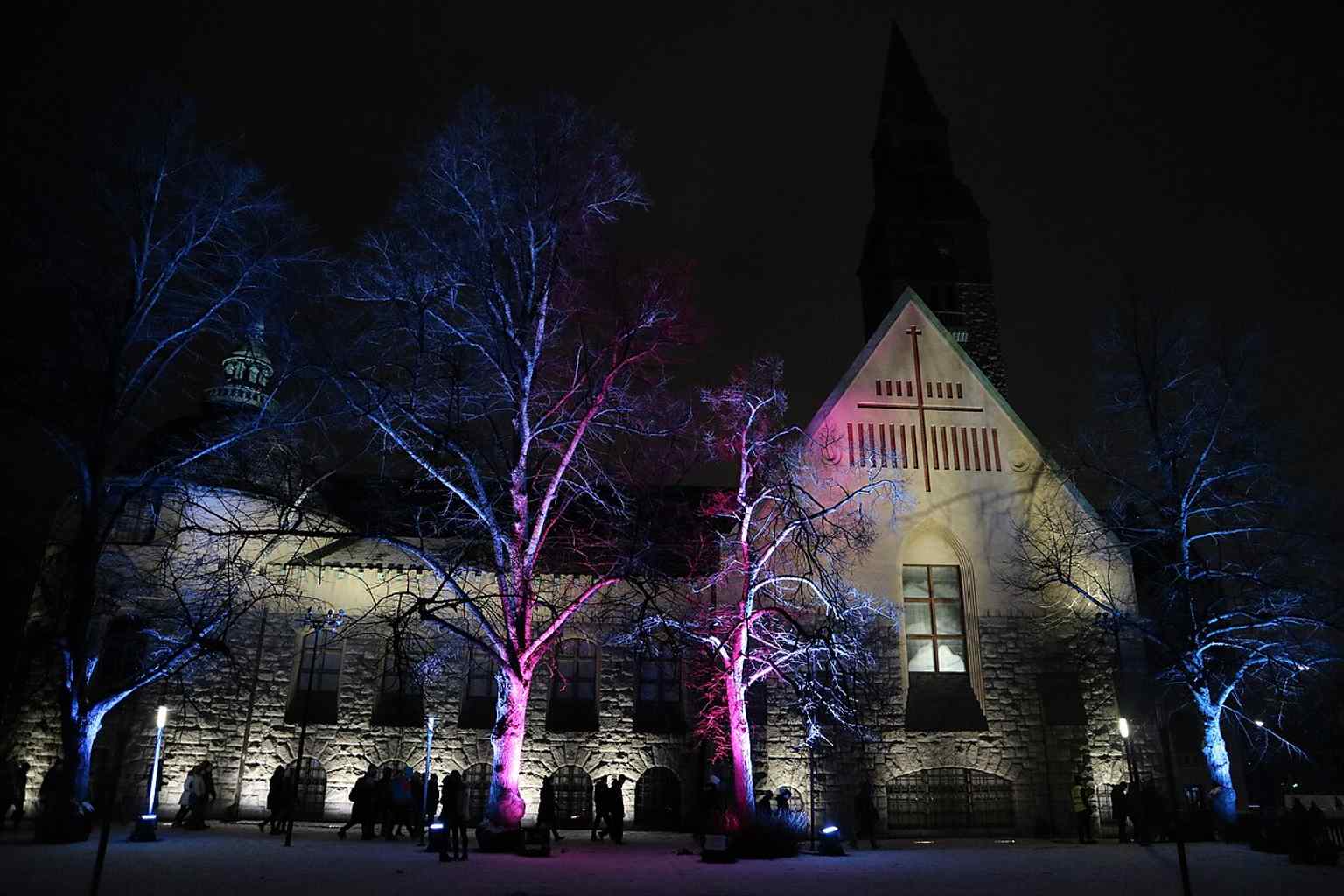
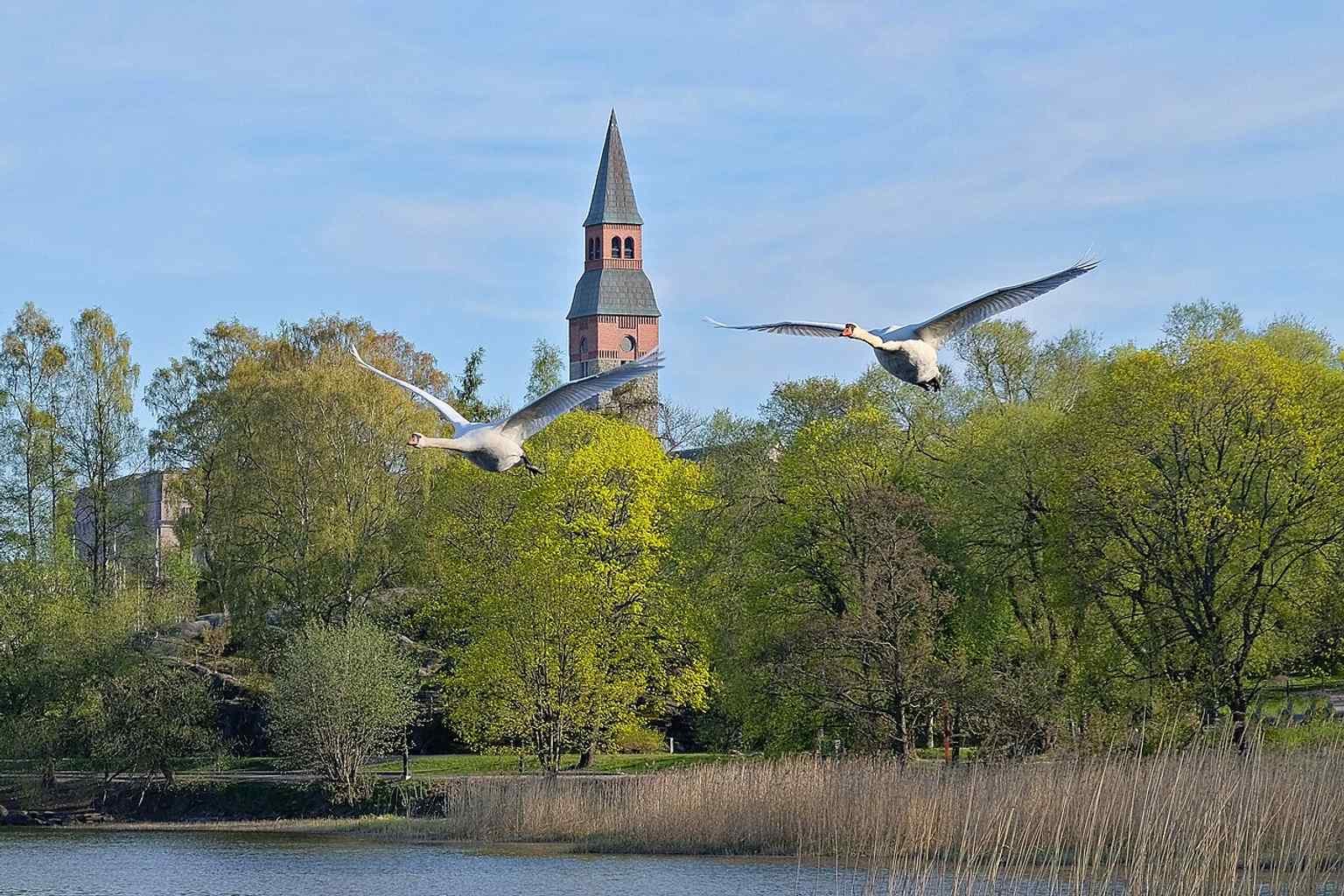
On your left is a heavy gray-granite building with a tall square tower, a steep roofline, and a stone bear by the main entrance.
This is the National Museum of Finland, and it looks exactly like the idea it was meant to serve: old, solid, and not especially interested in arguing. Nations, it turns out, need storage.
And not just storage... selection. Institutions like museums and archives do more than keep old things safe. They decide what a country chooses to remember, what it calls important, and what it places under glass as evidence of itself. This one grew out of that exact impulse. In the late eighteen eighties, collections scattered across Helsinki, at the university, in student groups, and in antiquarian circles, slowly came together. By eighteen ninety-three, the state had taken charge of them. So the museum did not spring into life on one glorious founding day; it emerged from years of gathering, sorting, and official wrangling.
The building took its own long road. Early plans pointed elsewhere, but when the final site was chosen here in Töölö, the area still felt almost rural, more villa district than city center. Then, in nineteen oh-one, a competition finally gave the job to three young architects: Herman Gesellius, Armas Lindgren, and Eliel Saarinen. They did not design a neutral container. They built a story in stone. Medieval Finnish churches and castles shaped the silhouette, while art nouveau, or Jugend style, softened the interior with more flowing decoration. They used gray granite from Uusikaupunki, including stone quarried from Lepäinen Island, to make the whole place feel as if it had always belonged to the bedrock.
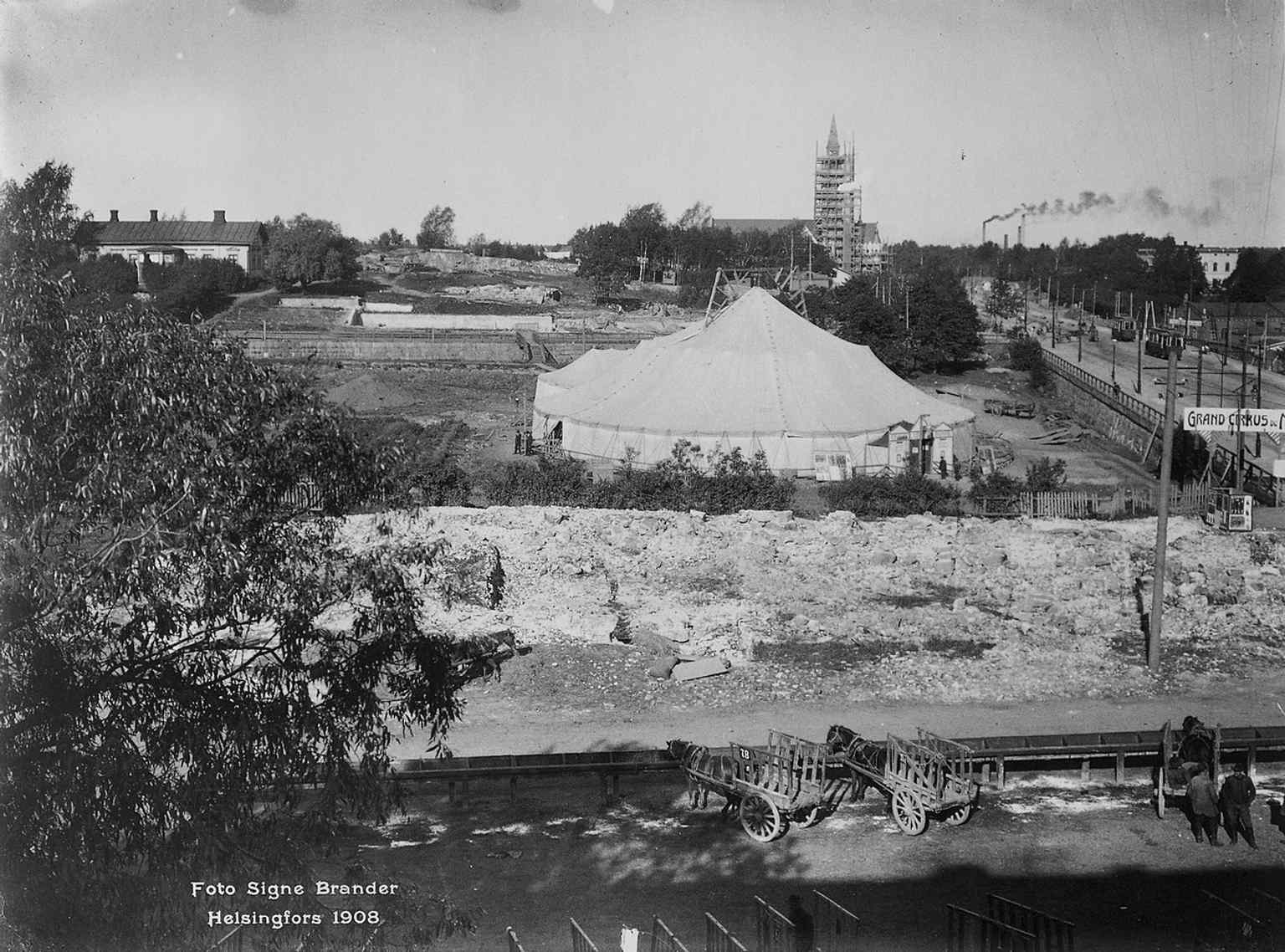
If you want, take a quick look at the before-and-after image in the app; it shows the museum wrapped in scaffolding in nineteen oh-eight and again during repair works more than a century later.
That second scaffolding was no small cosmetic fuss. In twenty seventeen, conservators found cracks in the tower’s soapstone cladding. They photographed, numbered, and removed every stone one by one, then returned each block to its exact original place after adding heating cables and ventilation. Even the tower gets cataloged here.
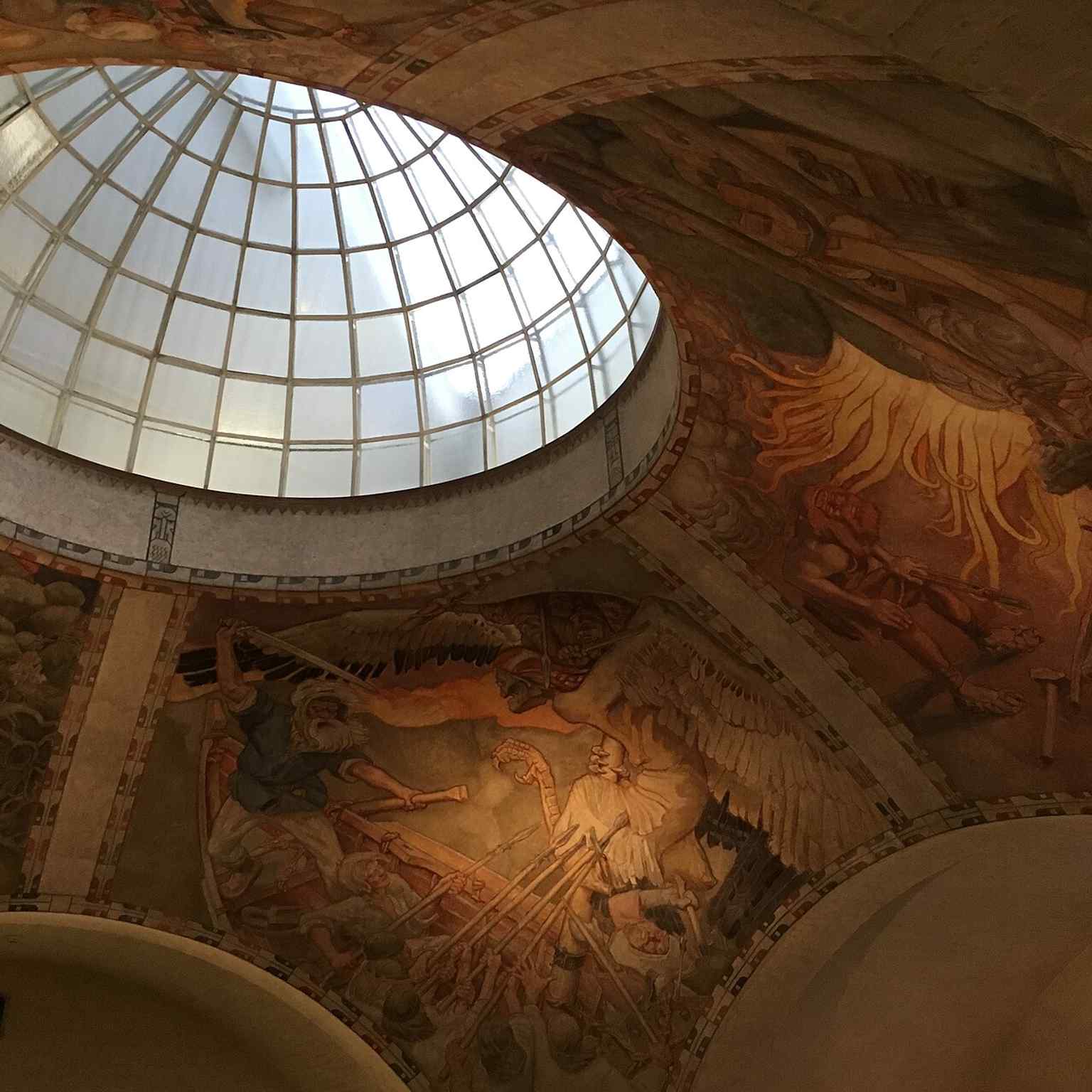
Inside, when the museum is open, the entrance hall ceiling offers one of its great flourishes: Kalevala frescoes that Akseli Gallen-Kallela painted in nineteen twenty-eight, reworking themes he had first used for Finland’s pavilion at the Paris World’s Fair in nineteen hundred. If you want a glimpse, have a look at the fresco image on your screen.
The museum holds around half a million objects and tells Finland’s history from the Stone Age to the present through material culture, meaning the actual things people used, wore, traded, buried, treasured, and left behind. A hammer axe, a spearhead, coins, costumes, thrones... not one grand symbol, but thousands of witnesses.
So here’s the question to carry with you: what tells a country more truth... one heroic monument, or countless ordinary objects that someone decided were worth saving?
That is the weight of this place: half a million pieces of a nation trying to remember itself whole. From here, Temppeliaukio Church is about a twelve-minute walk.