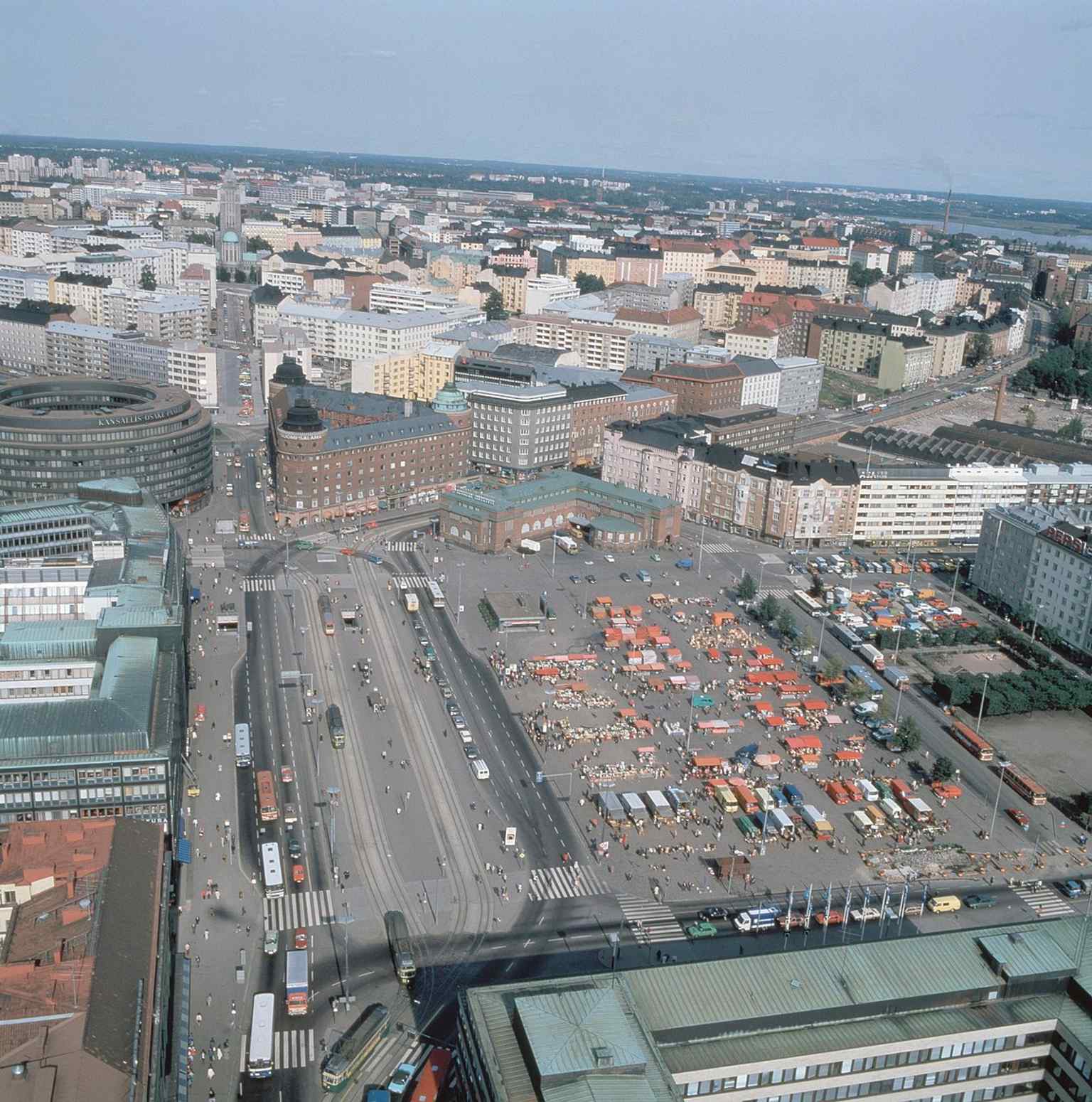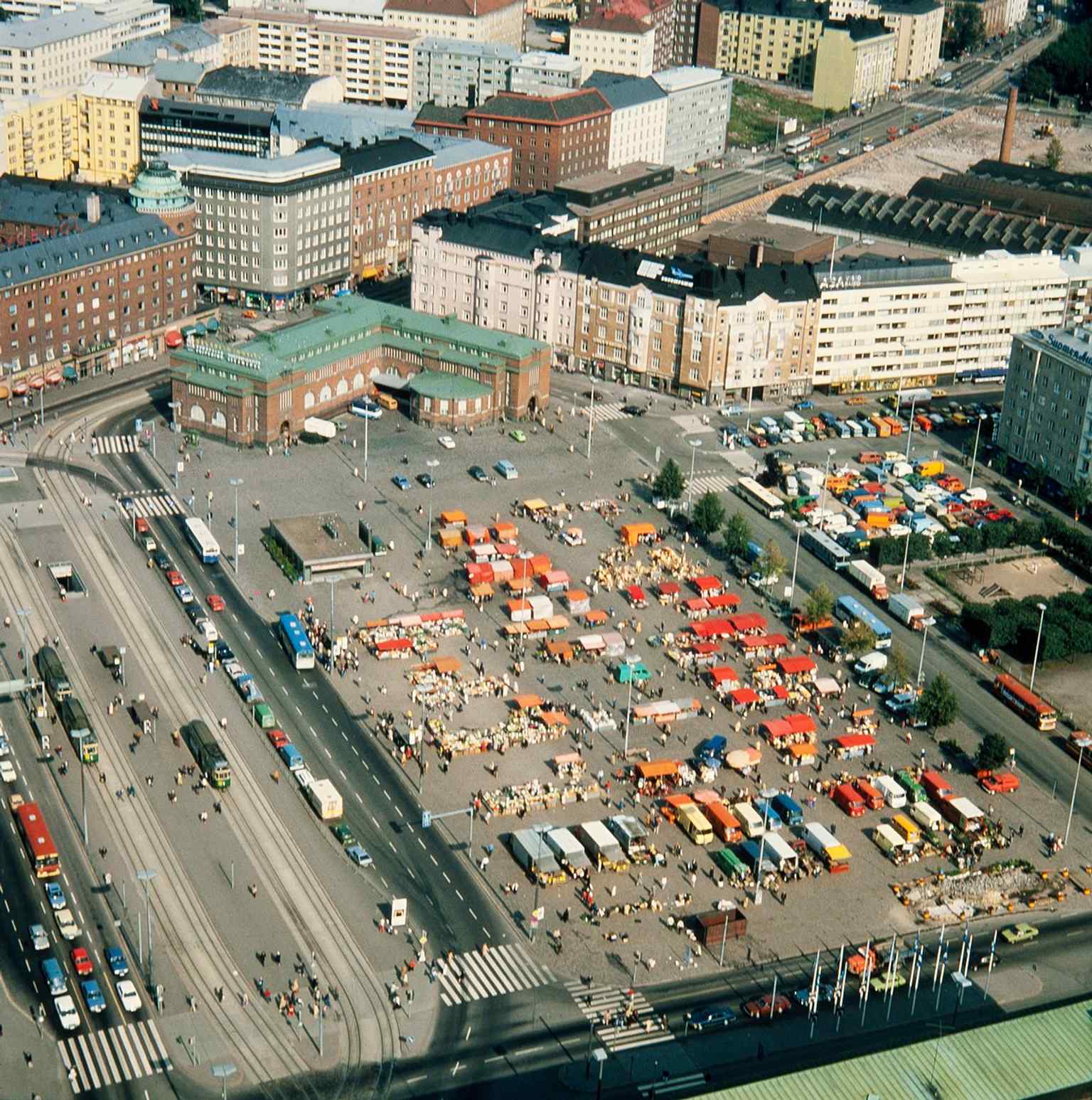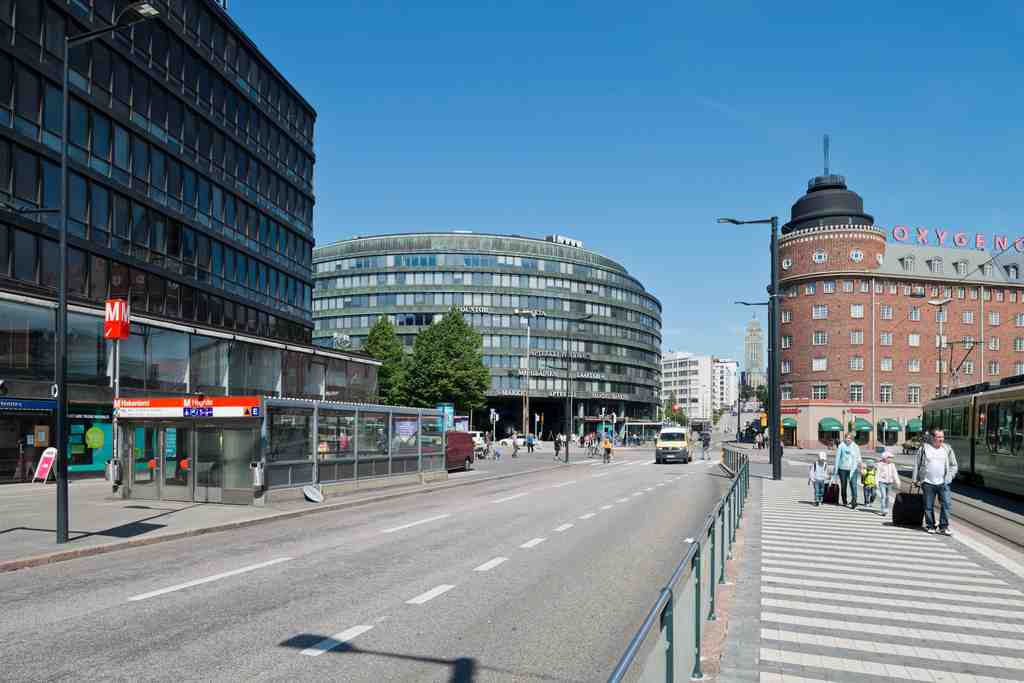
Look for the broad paved square framed by stone and brick blocks, with the long red-brick market hall and the round pale Ympyrätalo acting as Hakaniemi’s unmistakable markers.
Stand here and Hakaniemi slips through your fingers a little. It has a powerful identity, yet an elastic one: everyone in Helsinki seems to know where Hakaniemi begins, but the map never quite agrees. Officially, its borders are hard to pin down. Socially, though, it is perfectly real.
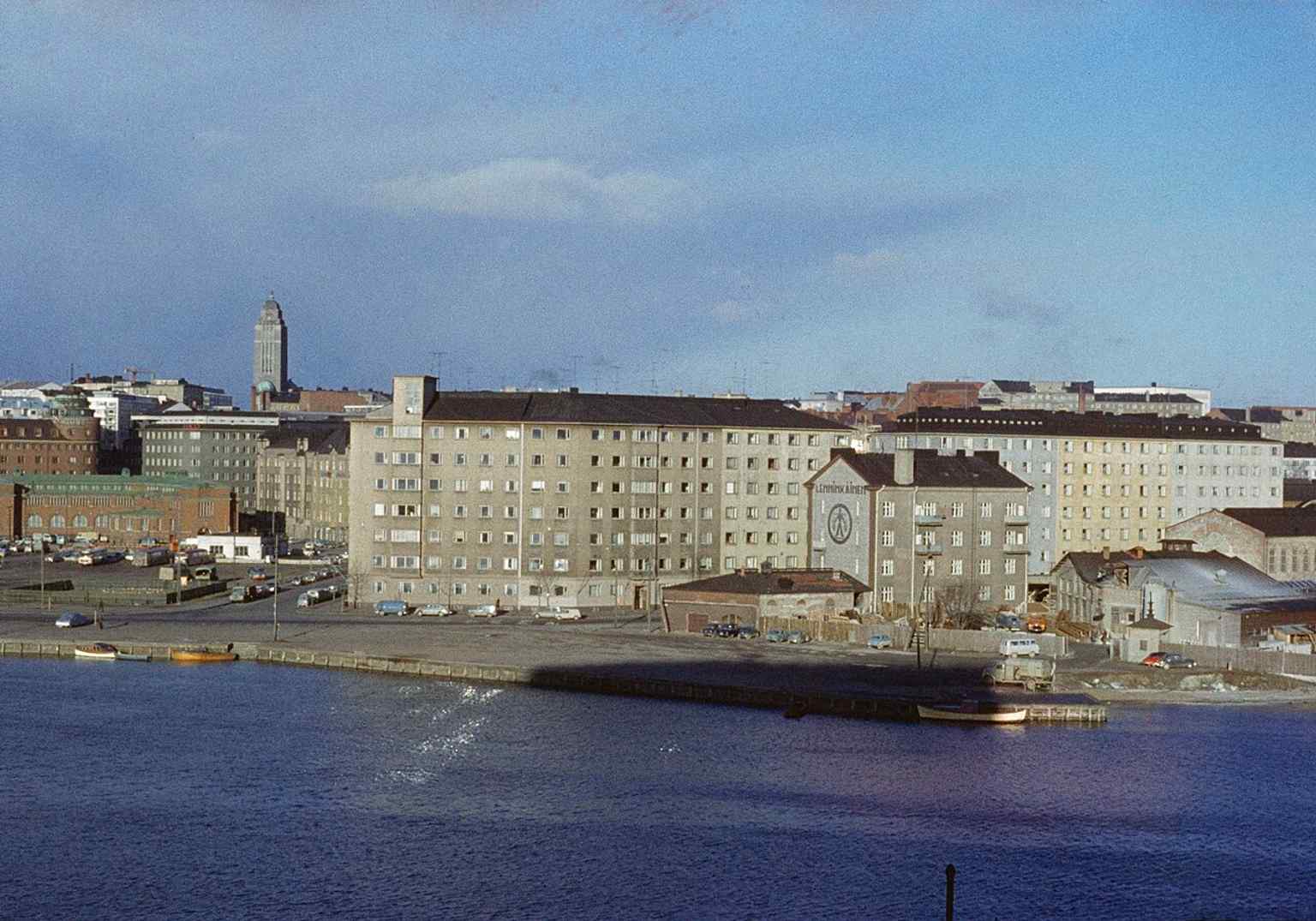
That is partly because the ground beneath you is already an argument with geography. Hakaniemi began as a true headland, a piece of land pushing into the sea. In the late eighteenth century, a grazing field called Generalshagen gave the place its Swedish name, Hagnäs; the Finnish form settled into Hakaniemi in the early twentieth century. Then the city changed the shoreline. A narrow sound once cut across what became the market area, separating Siltasaari from the mainland. From the late eighteen eighties, workers filled that water with dredged material from Sörnäinen. The first dam failed. A second held. After eleven years, the sea had become solid ground, and traders began selling here in the late eighteen nineties.
If you glance at the aerial image on your screen, you can see how the square sits like a hinge between old shorelines, bridges, and traffic routes.
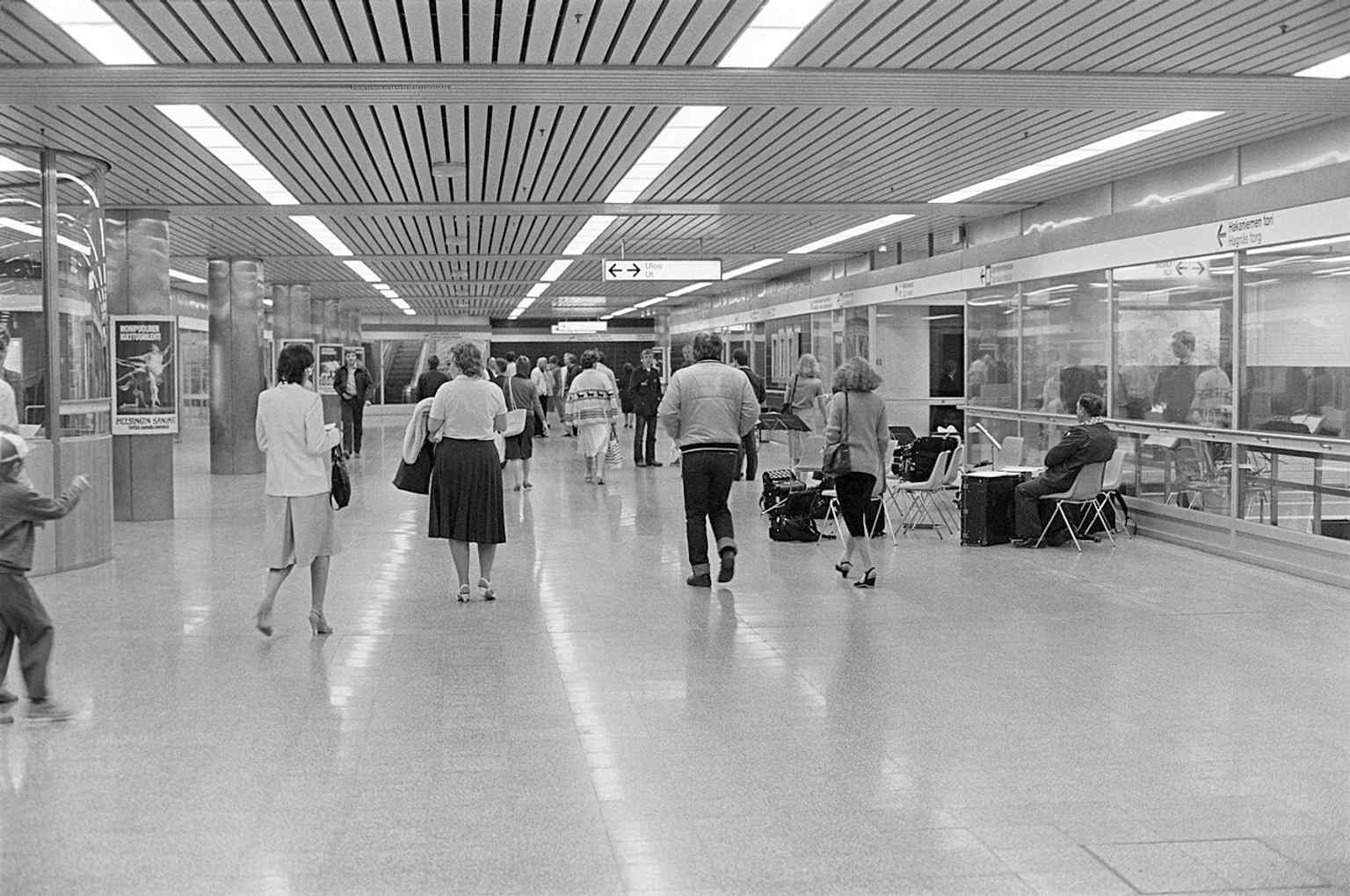
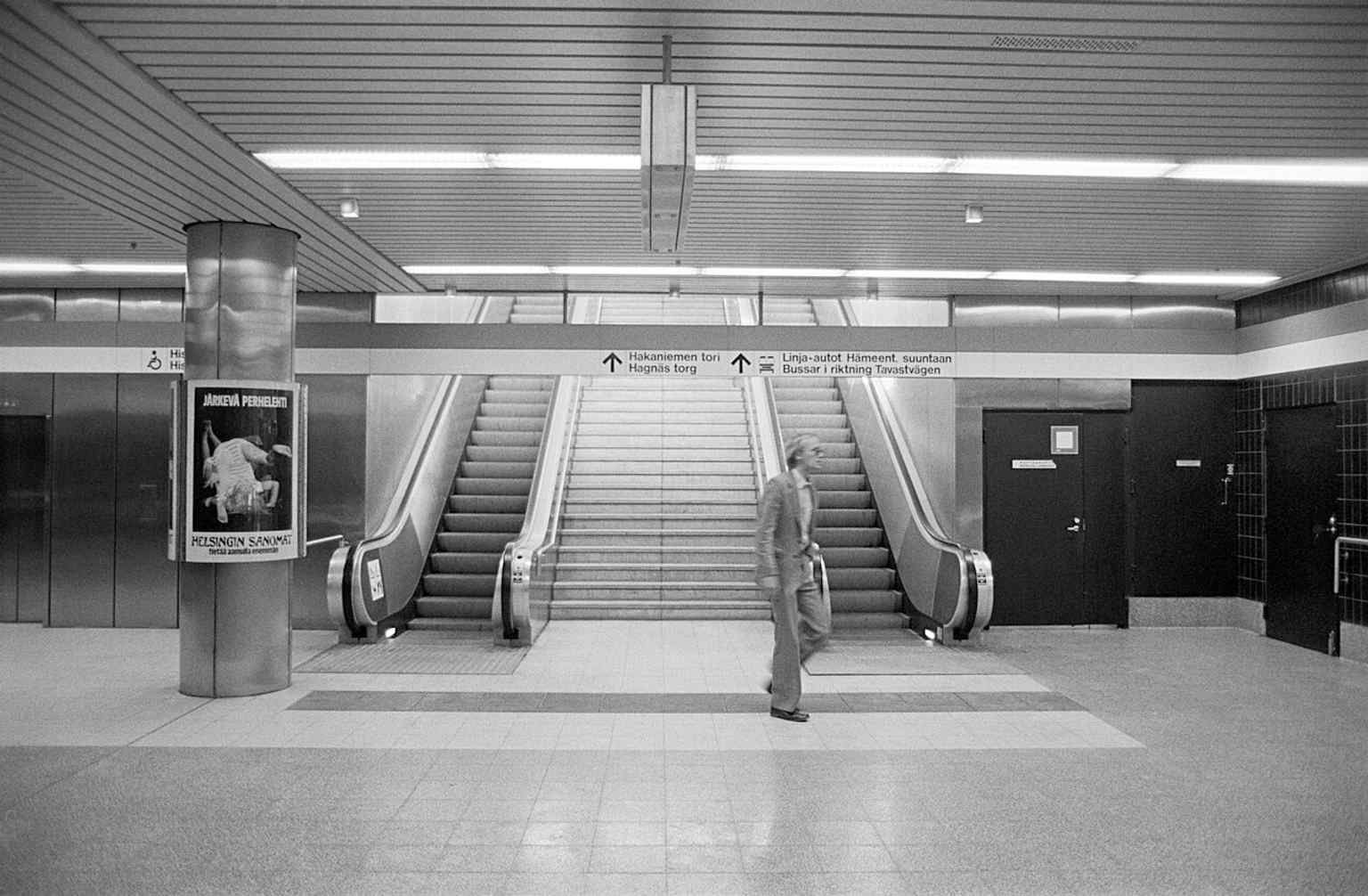
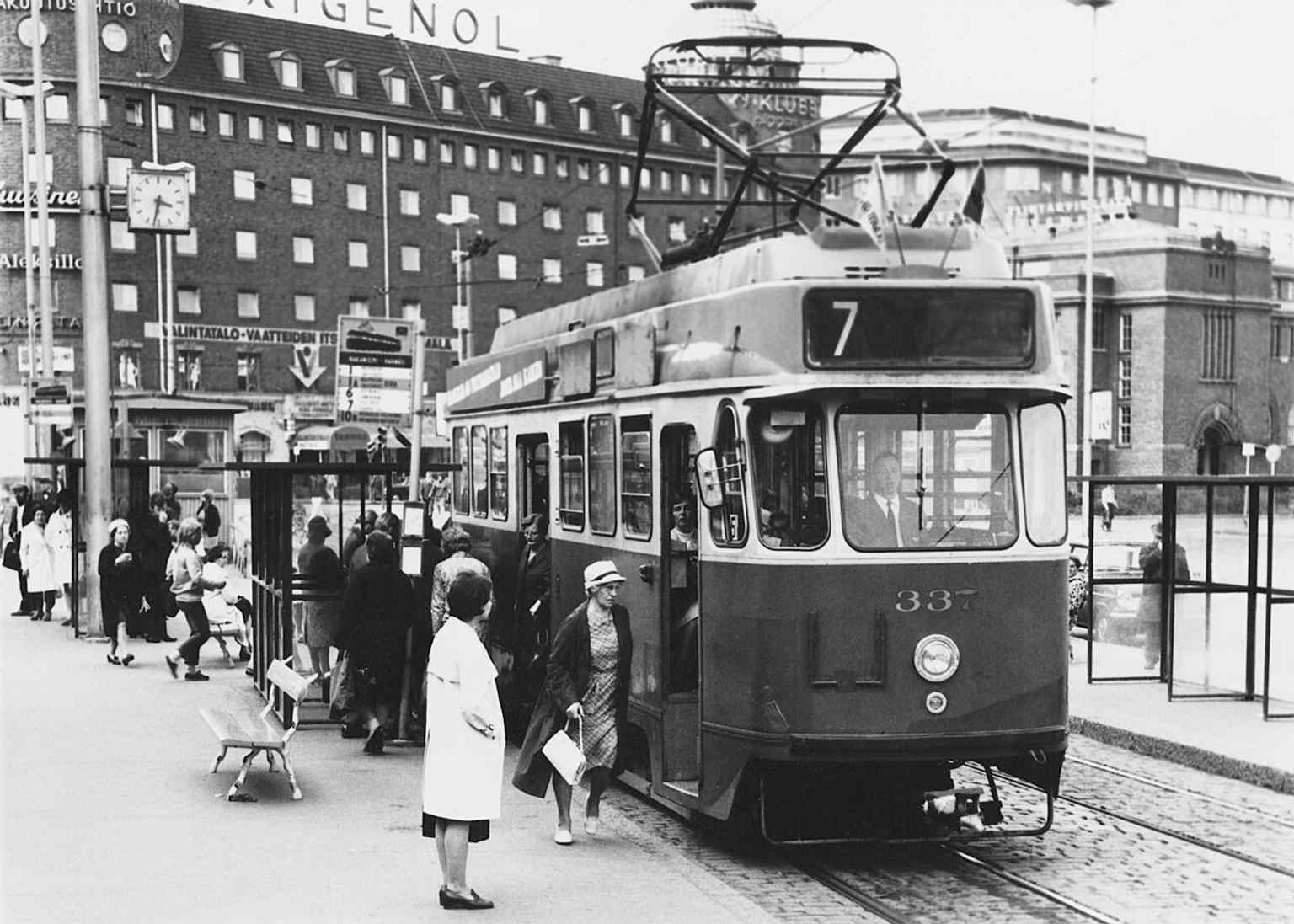
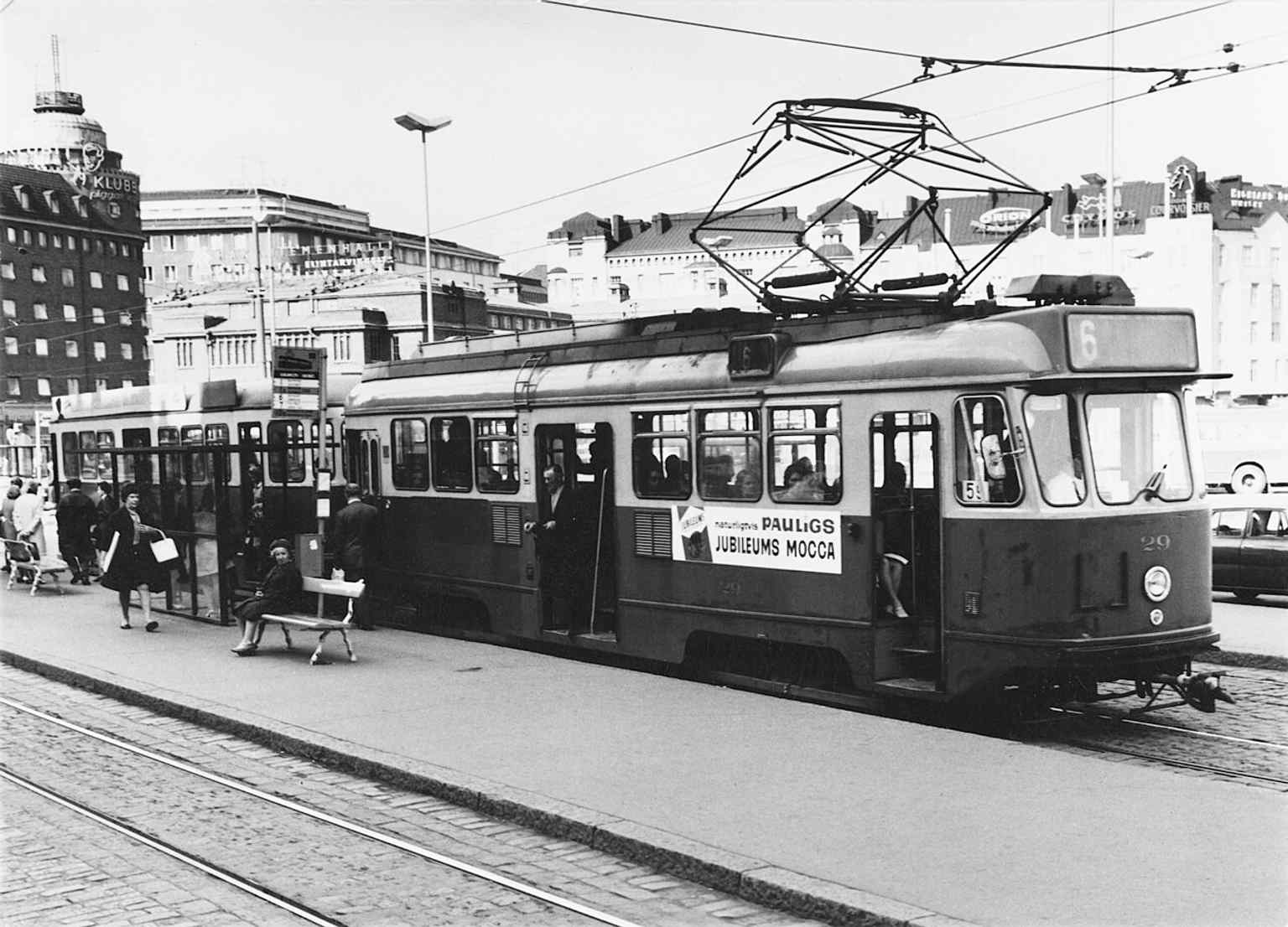
That hinge made Hakaniemi one of Helsinki’s great moving parts. By the nineteen twenties it had become a bus terminus. By the early nineteen thirties, as many as half of the city’s tram lines ran through here. The metro arrived in nineteen eighty-two. Buses, trams, regional routes from Vantaa, ferries from the waterfront nearby: this district learned to turn movement into identity.
But here is the twist. Hakaniemi did not become important simply because people passed through. It mattered because people gathered, argued, organised, and sometimes fought. The market square became a civic stage, and the district around it a stronghold of labour politics. The Finnish Trade Union Confederation, S-A-K, made its headquarters here; party offices and the Workers’ Hall gave the area a political charge that the bridges alone cannot explain.
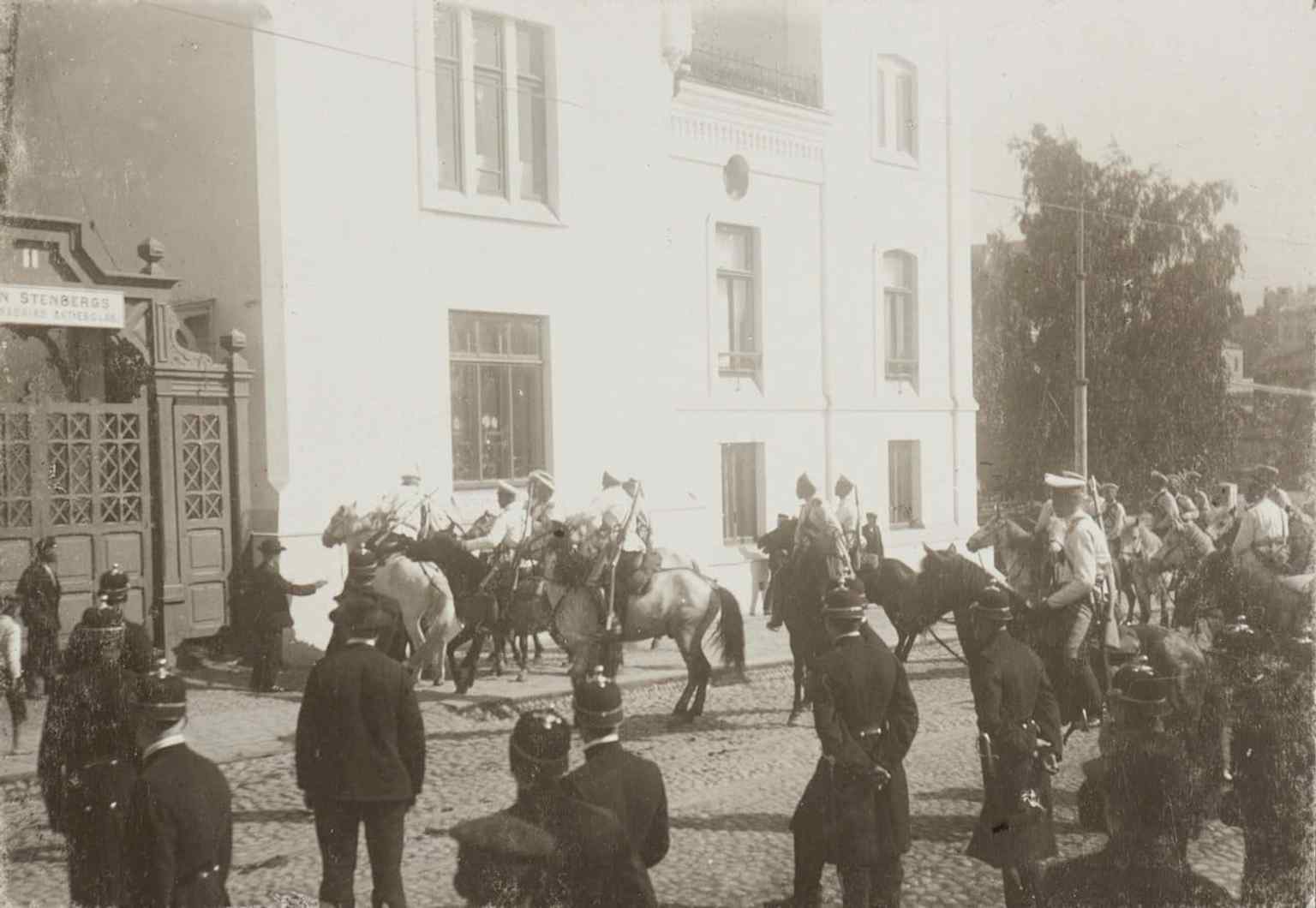
One man captures that shift brutally: Johan Kock. In nineteen oh six, during the Viapori mutiny, Kock called a general strike. Red Guards stopped a tram at Hakaniementori to block strikebreakers. The confrontation turned to gunfire. Seven members of the Civil Guard and two Red Guards died. Many people see that clash as Finland’s first bloody collision between the two camps that would later face each other in civil war. Then, in January nineteen eighteen, Eero Haapalainen ordered a red lantern raised in the tower of the Workers’ Hall nearby. That light signalled revolution in Helsinki.
Even public memory here refuses to stay calm. The World Peace statue on the waterfront, a Soviet gift, stood for decades as a provocation as much as a monument. In nineteen ninety-one, a student group calling itself the Feather Group tarred and feathered it; one of them was the future broadcaster and politician Mikael Jungner. Someone even tried to blow it up in twenty ten. It left the area in twenty twenty-two, but the argument around it still clings to Hakaniemi.
So Hakaniemi is not just a place-name. It is a habit of assembly, a transport knot, a labour memory, and sometimes a warning. Not all of its history is solidaristic or comforting. Some of it is morally dark. Keep that in mind as you walk on to Wendtin talo, where another layer of this district begins to show itself.