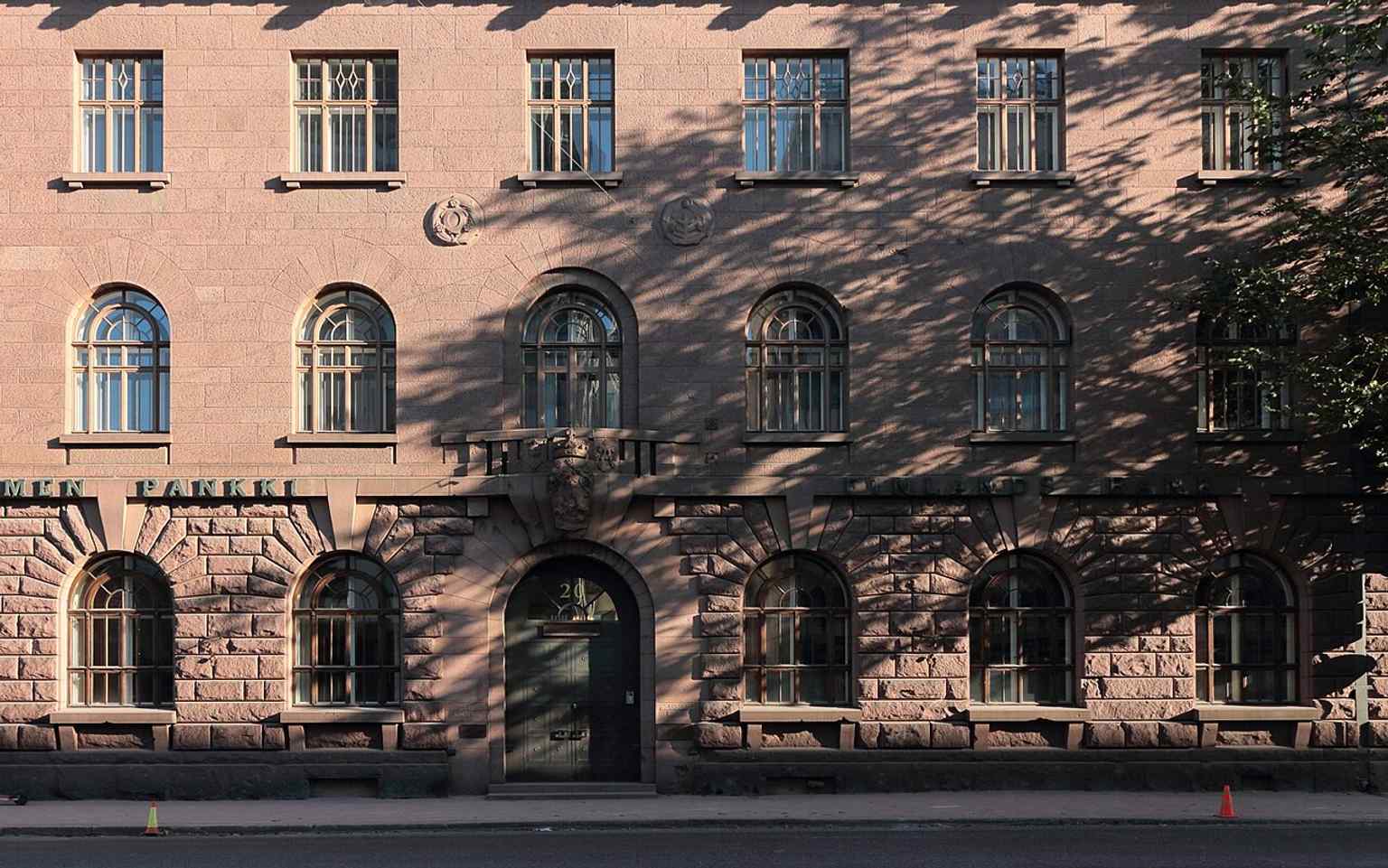
Directly ahead stands a heavy red-brick bank with round-arched windows, pale stone trim, and a fortress-like Romanesque facade.
Before coins and banknotes, the Finnish word for money was raha... and raha once came from the fur trade, where animal pelts stood in for value. I love that detail because it reminds us that value is never abstract for long. It begins in the hand, in trade, in trust, in whatever a community agrees will carry worth from one life to another.
Money can be a tool of sovereignty. It does not only buy bread or timber; it quietly tells people which capital they belong to, which laws shape contracts, and whose promises will be believed tomorrow. Long before Finland became politically independent, it began to win a measure of independence through currency.
After Russia took Finland from Sweden in eighteen oh nine, Tsar Alexander the First ordered a new institution in Turku: the Office of Exchange, Lending, and Deposits. It opened in eighteen twelve, issued ruble notes, and lent money to landowners and merchants. Unusually for such an old central bank, it always remained government-owned. When it moved to Helsinki in eighteen nineteen and took the name Bank of Finland in eighteen forty, the struggle underneath the paperwork was simple: would Finnish daily life keep orbiting Sweden, submit fully to Russian instability, or carve out its own financial rhythm? That long life is why the bank counts itself among the oldest surviving central banks in the world.
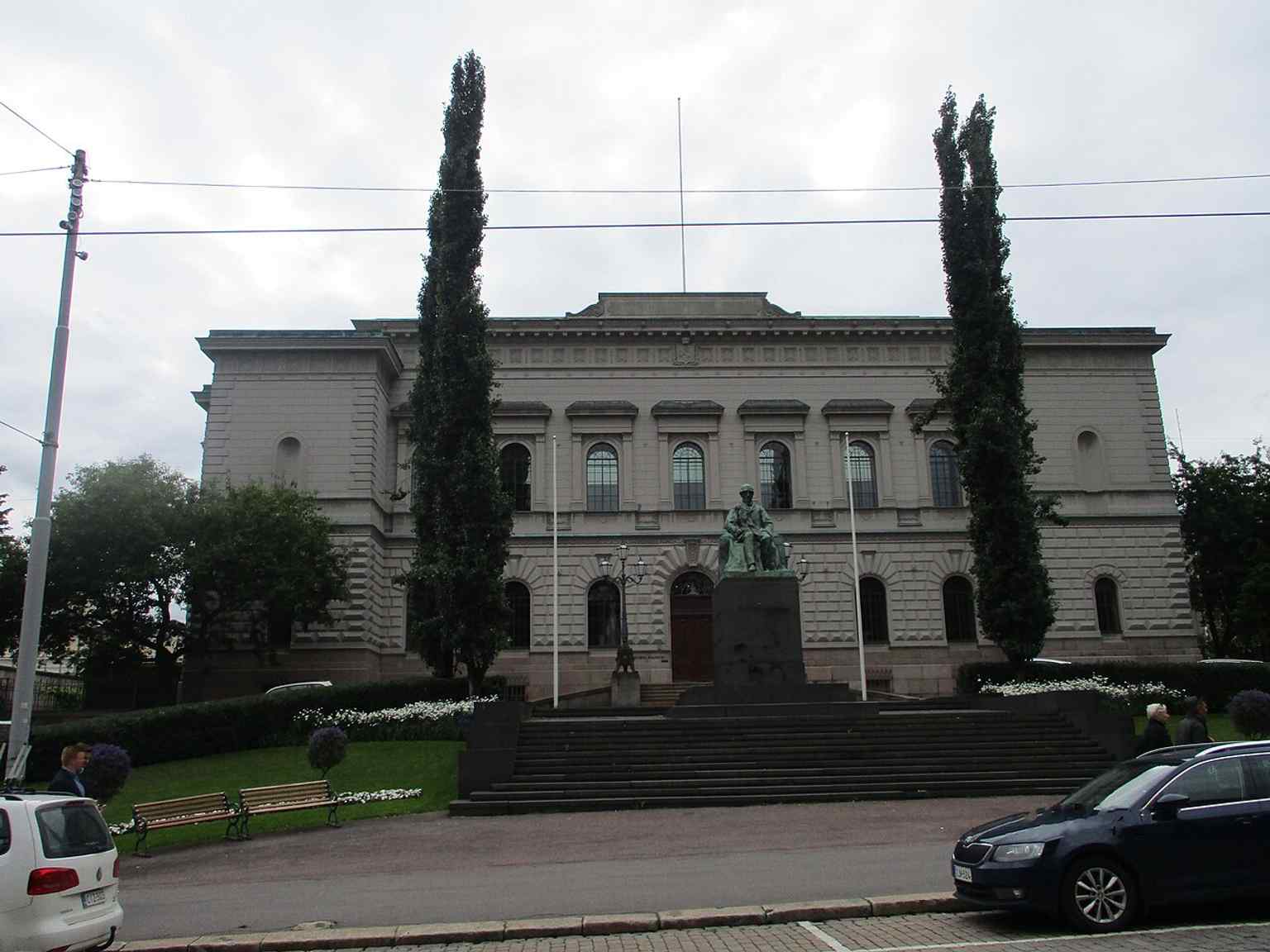
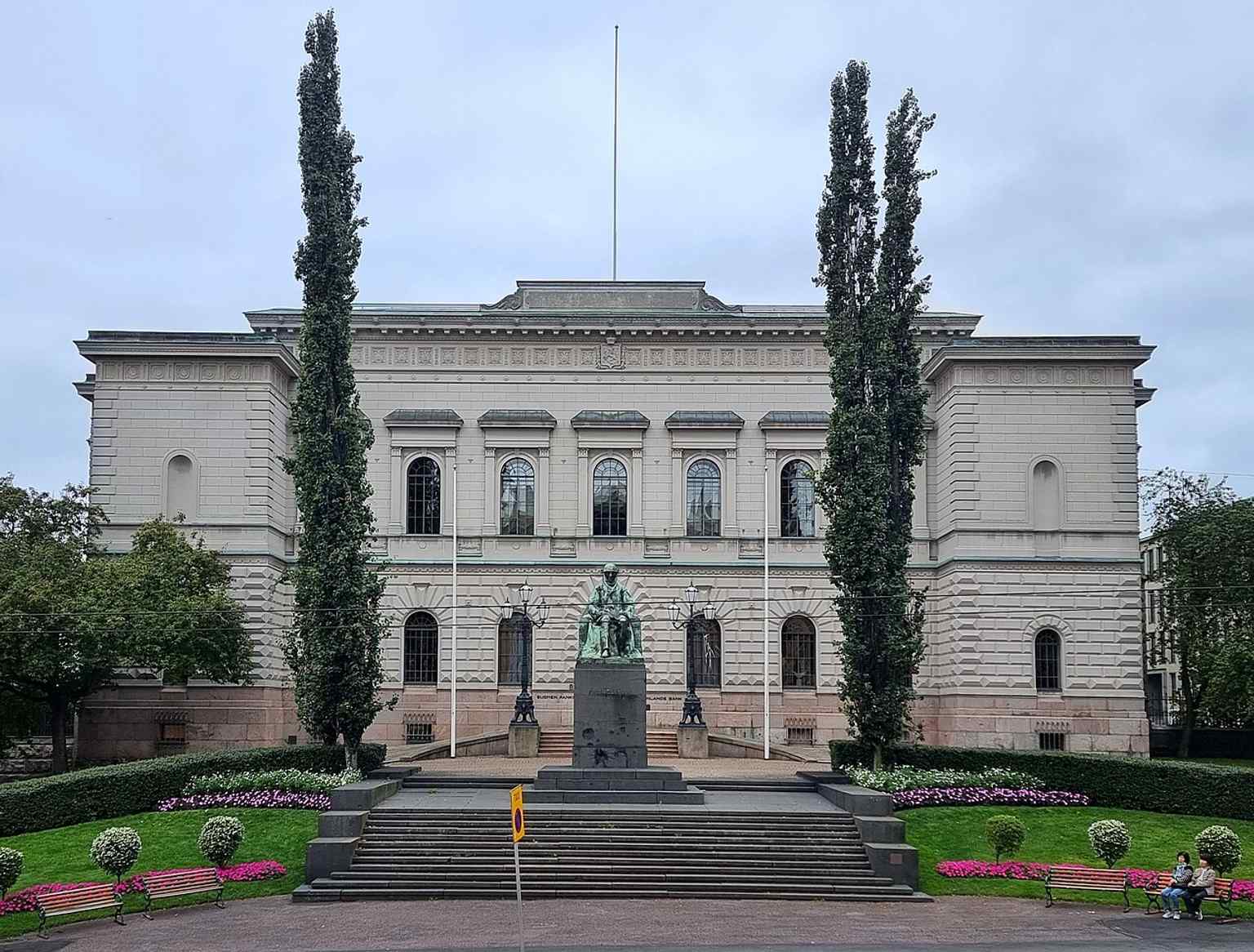
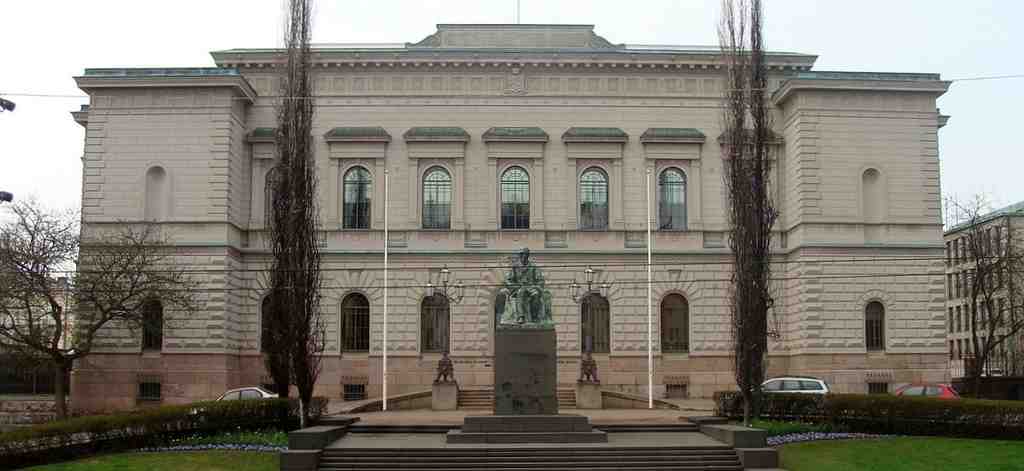
The answer came through a senator named Johan Vilhelm Snellman, whose statue stands in front of the entrance. In eighteen sixty-five, Snellman persuaded Alexander the Second to let Finland keep its own markka tied to silver, meaning the currency's value followed a fixed amount of silver even if the Russian ruble wobbled. That sounds technical... but it changed ordinary life. Wages, rents, debts, and savings could begin to answer to rules set here, not only in Saint Petersburg. That is how a country can start practicing self-rule before it fully possesses it.
The building in front of you made that claim visible. Finland held its first international architectural competition for this headquarters in eighteen seventy-six, and Ludwig Bohnstedt won. He gave the bank this stern Romanesque-Renaissance face, then packed the interior with iron bars and brick vaulting as fireproof protection for the nation's reserves in a city long vulnerable to fire. If you glance at your screen, you can see the old strong box brought here from Turku, a survivor from the bank's earliest decades.
This place also carries harder memories. During the civil war in nineteen eighteen, Red Guards occupied the head office and seized the printing presses, hoping control of banknotes would help secure control of the country. The staff refused to obey them, and the gold reserves had already been moved north to Kuopio. Later, Soviet bombing in nineteen forty-four scarred Snellman's monument; the shrapnel marks on the pedestal were left there on purpose. You can see that close detail in the app.
Today the Bank of Finland serves as Finland's central bank inside the Eurosystem, no longer issuing the markka, but still guarding the delicate bond between public trust and national choice.
From here, the next view gathers church, government, commerce, and finance into one carefully arranged scene: Senate Square. If you want to come back another time, the bank is generally open on weekdays from nine in the morning to four in the afternoon, and closed on weekends.