
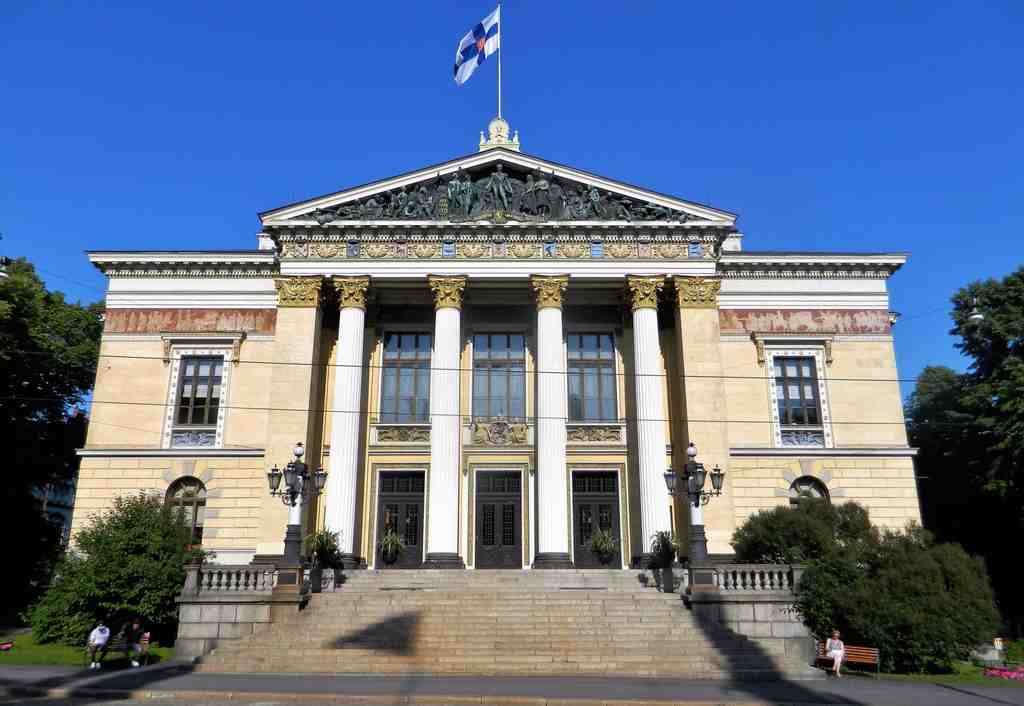
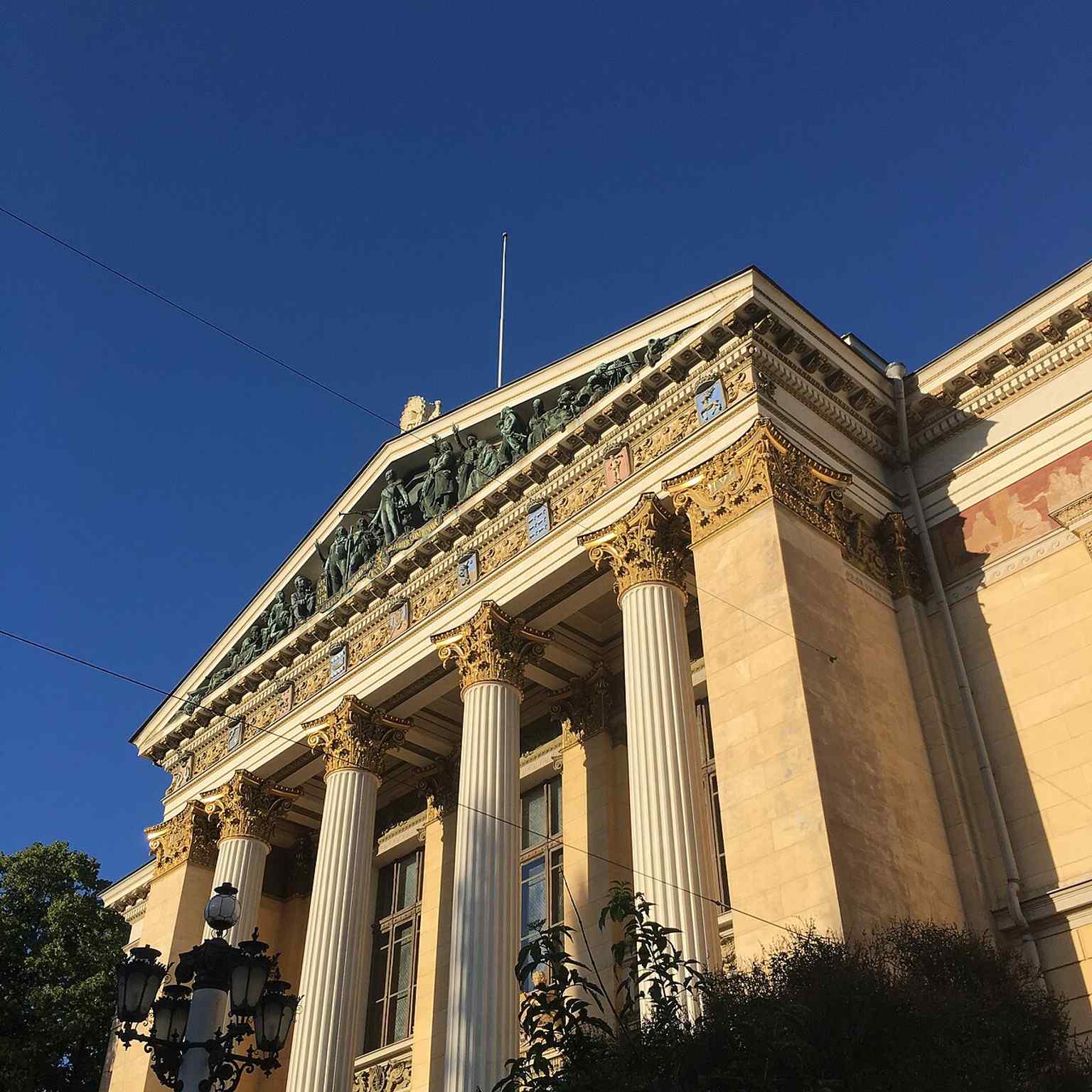
On your right stands a pale stone building with a temple-like front, tall columns, and a sculpted triangular pediment crowded with historic figures.
This house gave ceremony to power. It belonged to the old estate-based political order, a system that organized political voice by rank rather than equality: nobles, clergy, burghers, and peasants each had their own place, and many people had no place at all. Even reform, here, needed the right doorway, the right title, the right room.
The story took decades. As early as the eighteen sixties, people knew the estates needed a permanent home in the capital. The nobles solved it first with their own House of Nobility in eighteen sixty-two. The other three estates waited... and waited... until a competition in eighteen eighty-seven finally opened the way. A young architect, Gustaf Nyström, stepped forward. He had learned from the older generation, but this became his statement: a Neo-Renaissance building that borrows the posture of a Greek temple, as if politics itself should look ancient, orderly, unquestionable.
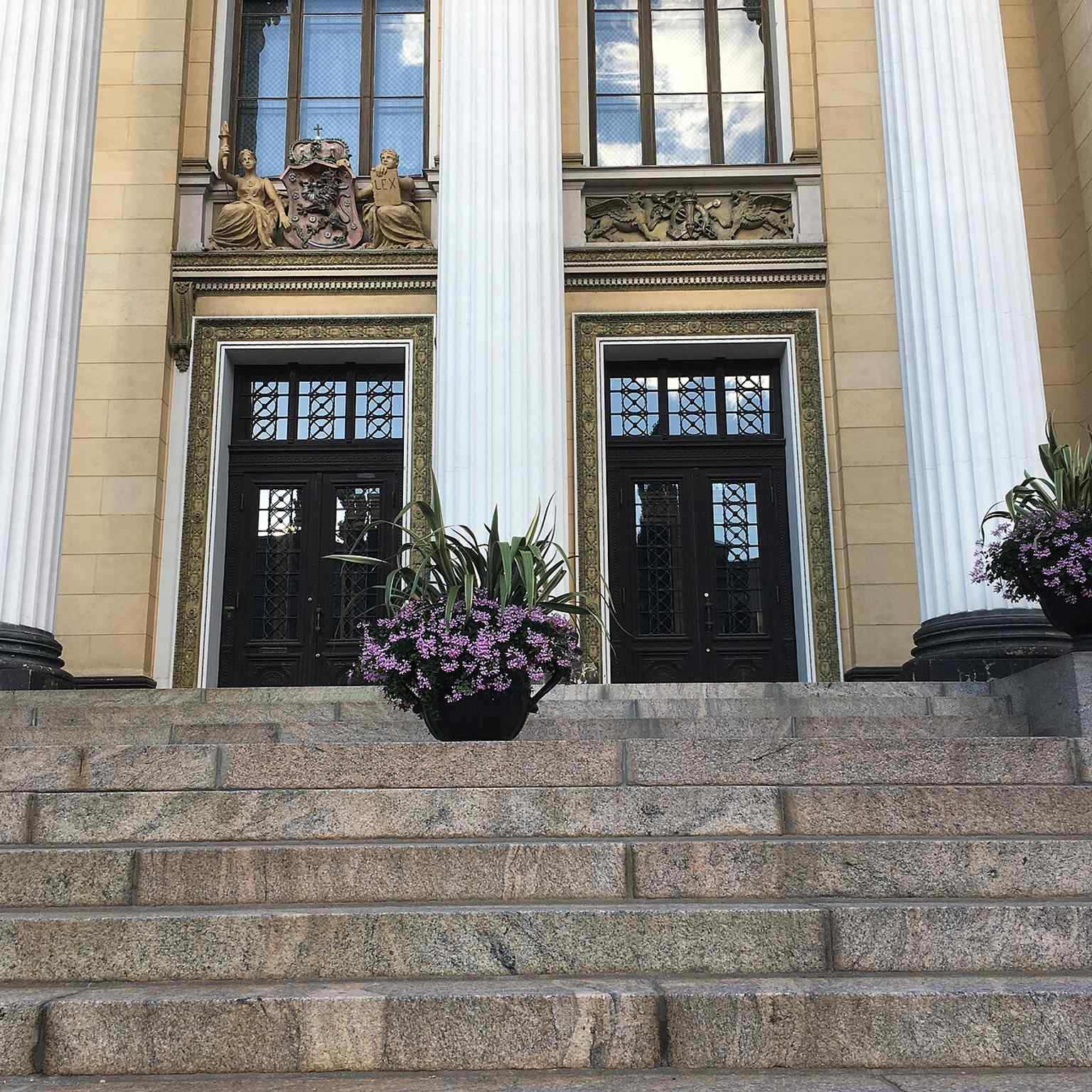
The House of the Estates opened in January of eighteen ninety-one. Each non-noble estate received its own chamber. If you glance at the image of the entrance stairs on your screen, you can feel how the building trained representatives to move with dignity before they ever spoke.
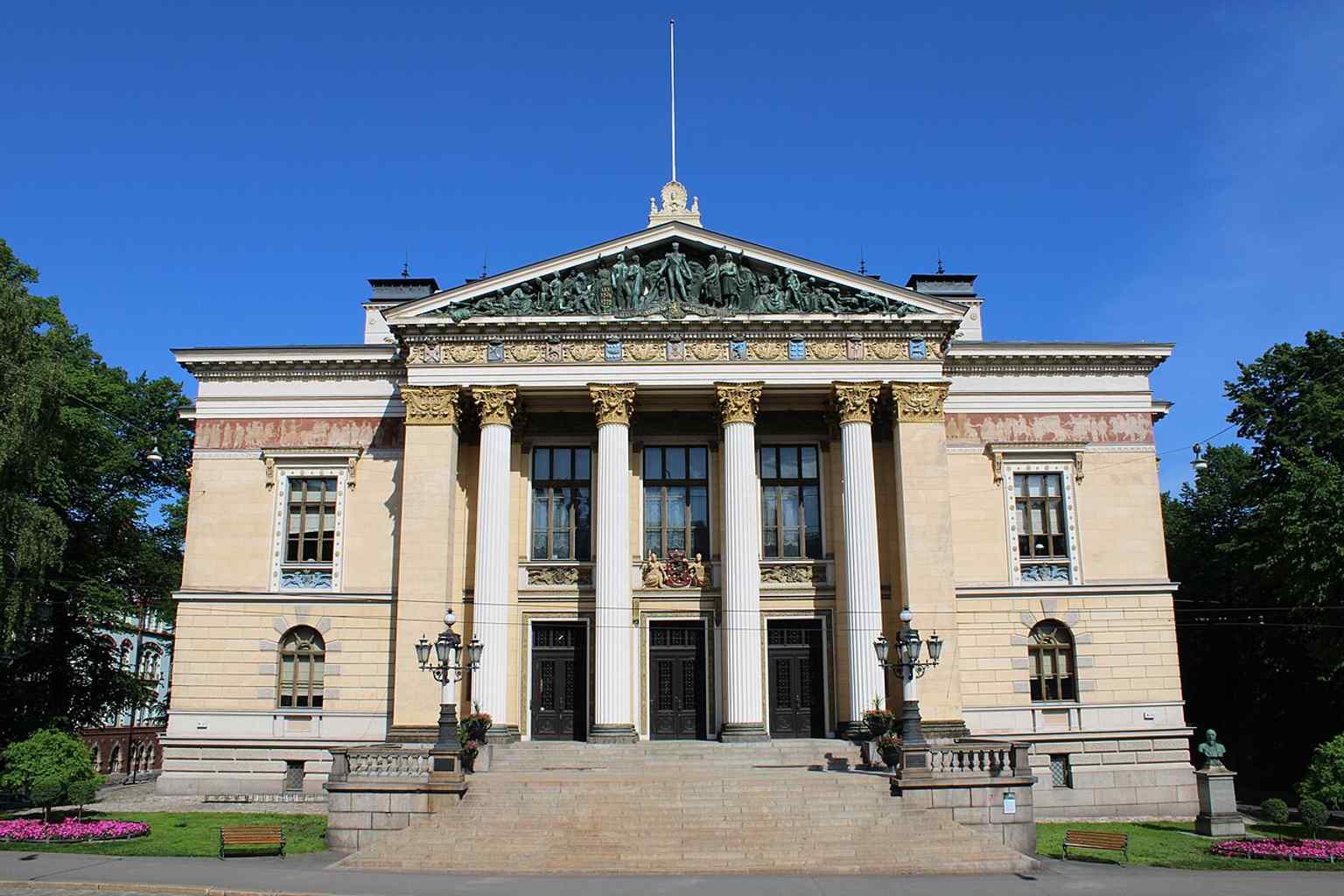
Look up at the pediment. Emil Wikström later filled it with Alexander the First and the Diet of Porvoo of eighteen oh-nine, an imperial scene about laws and rights. And around three sides of the building runs a painted frieze by Salomo Wuorio, a ceremonial procession in the style of ancient art. Nyström wanted sculpture there, but money settled for paint... which feels fitting in a house devoted to appearances.
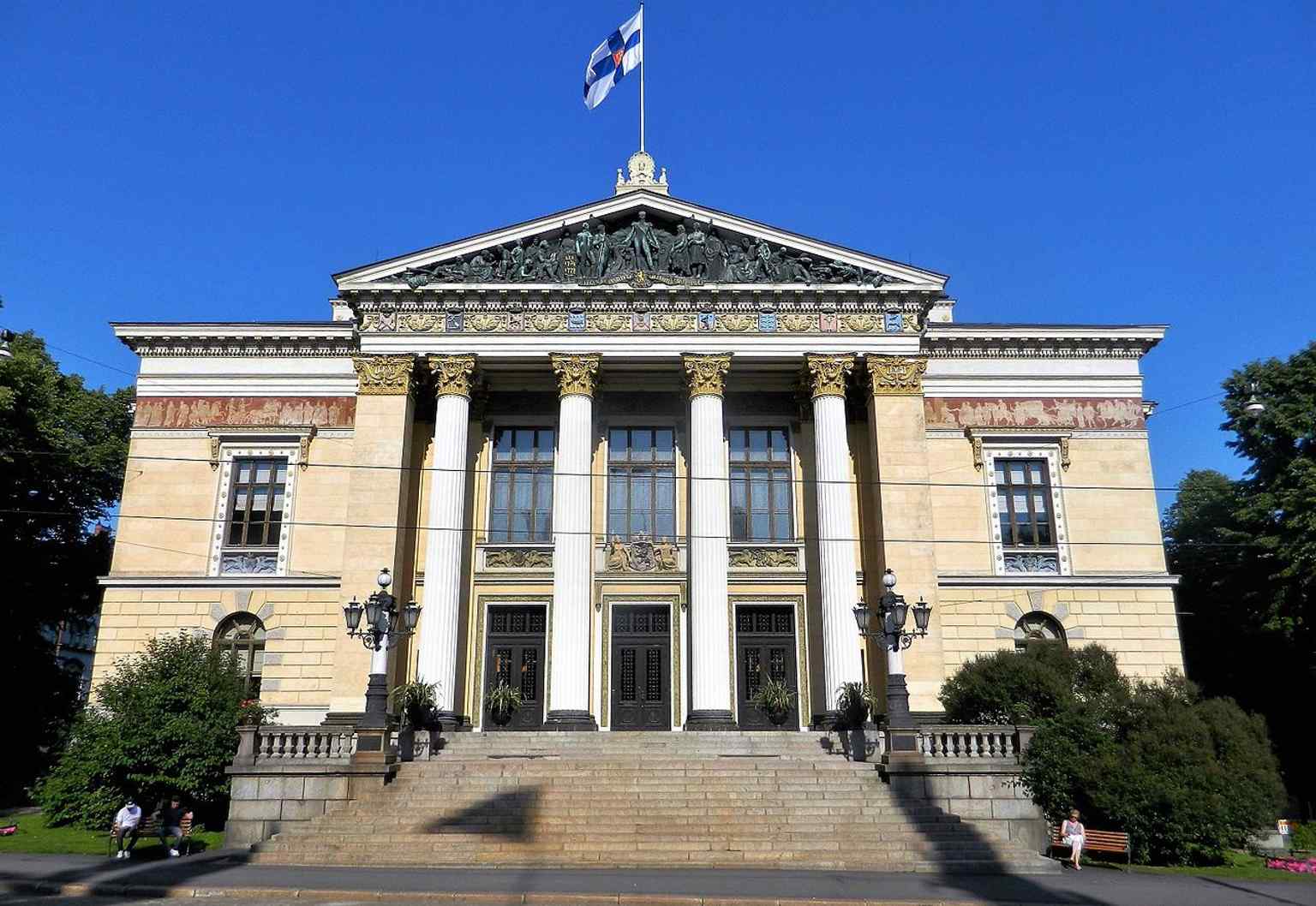
And yet, after all that waiting, this grand stage served the estate parliament for only a short time. The old order ended in nineteen oh-six. If you like, take a quick look at the before-and-after image; the jump from nineteen oh-seven to today makes that brief life feel strangely tender.
Later this building held scientific societies, and now governments often negotiate here after elections. But the balance of power is already shifting. From rank and ritual, we move next toward finance, administration, and harder contests... at the Bank of Finland.






%2C%20St%C3%A4nderhuset%20(Helsinki)%2C%20Maison%20des%20%C3%89tats%20(Helsinki)%2C%20House%20of%20the%20Estates%20(Helsinki)%2003.jpg)
