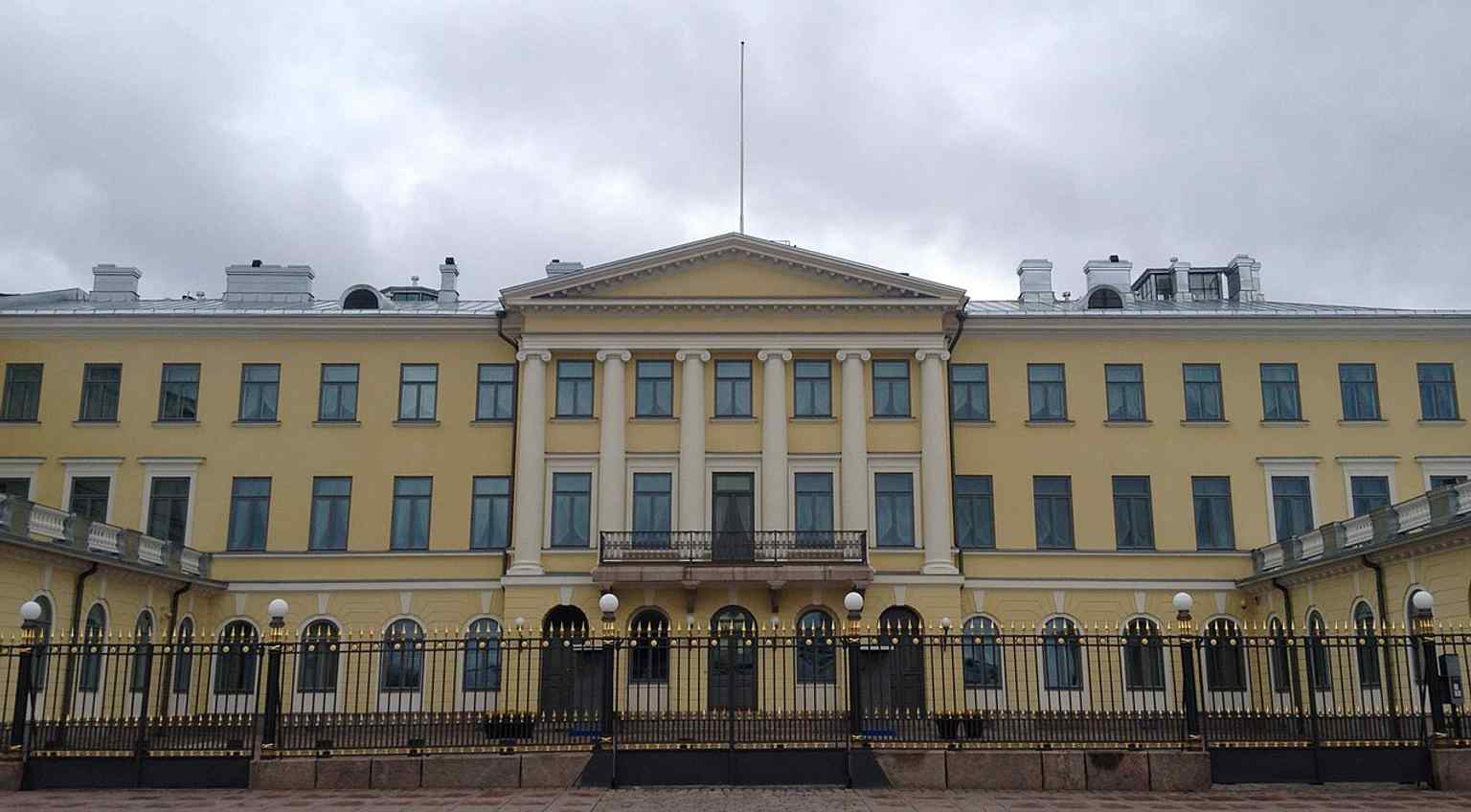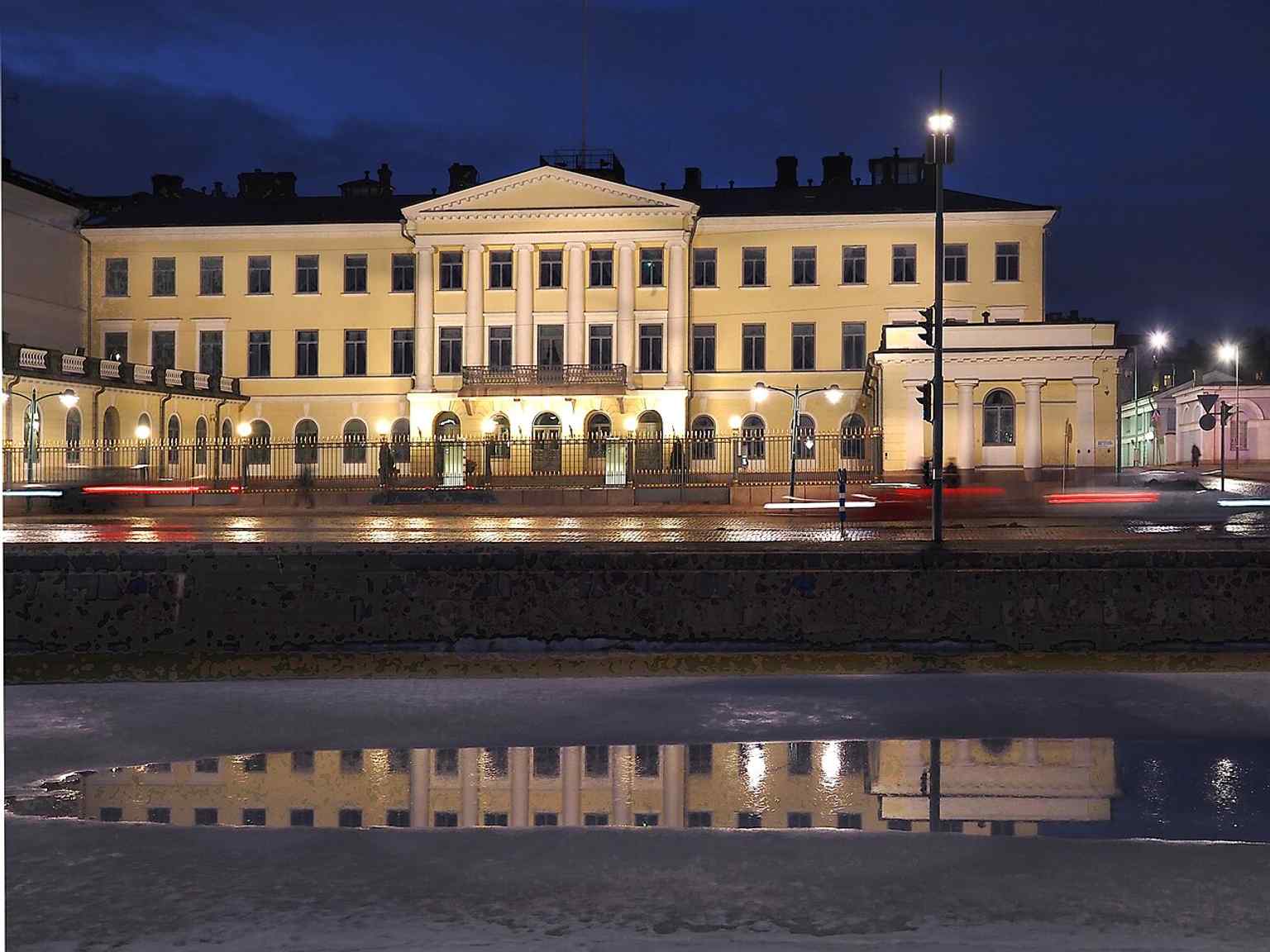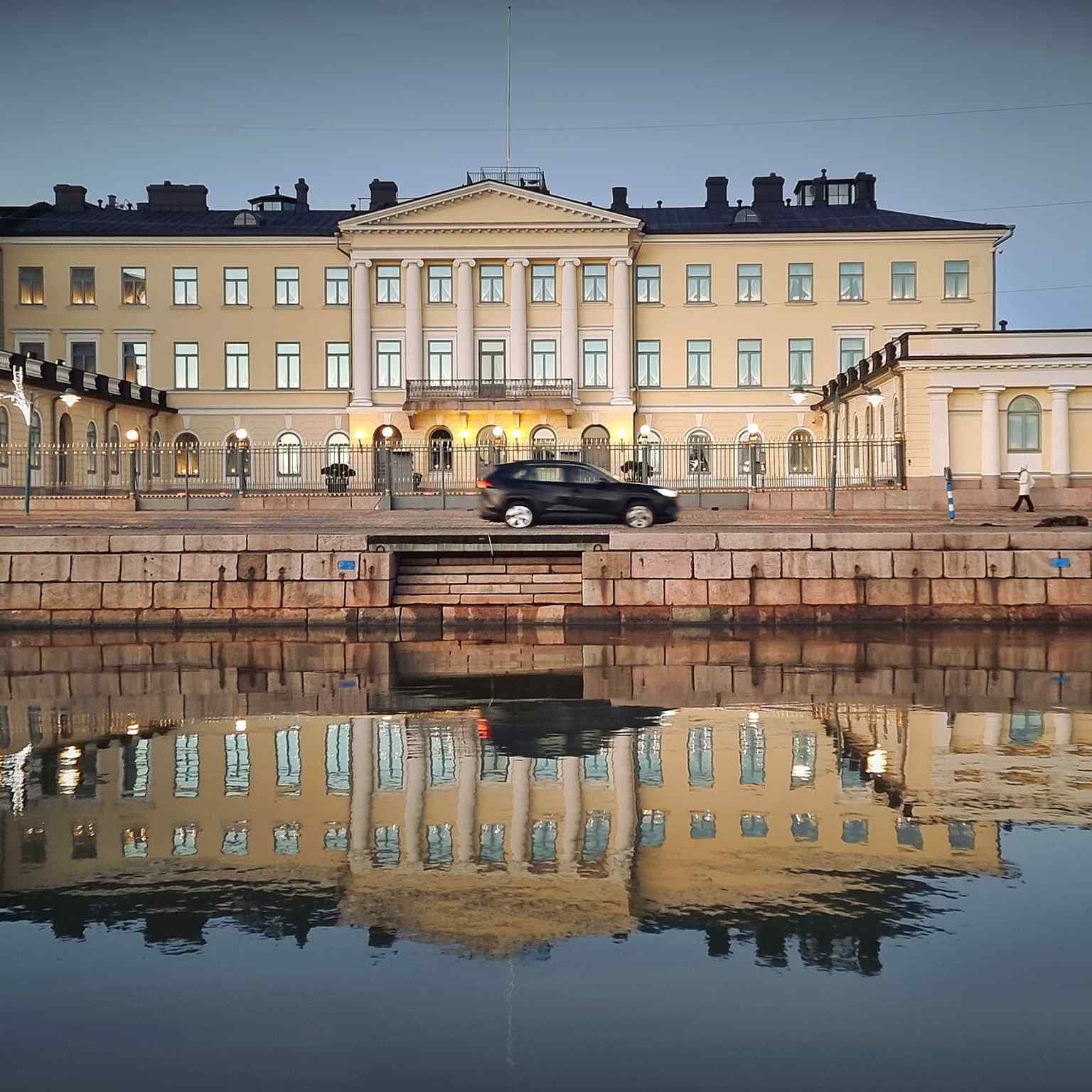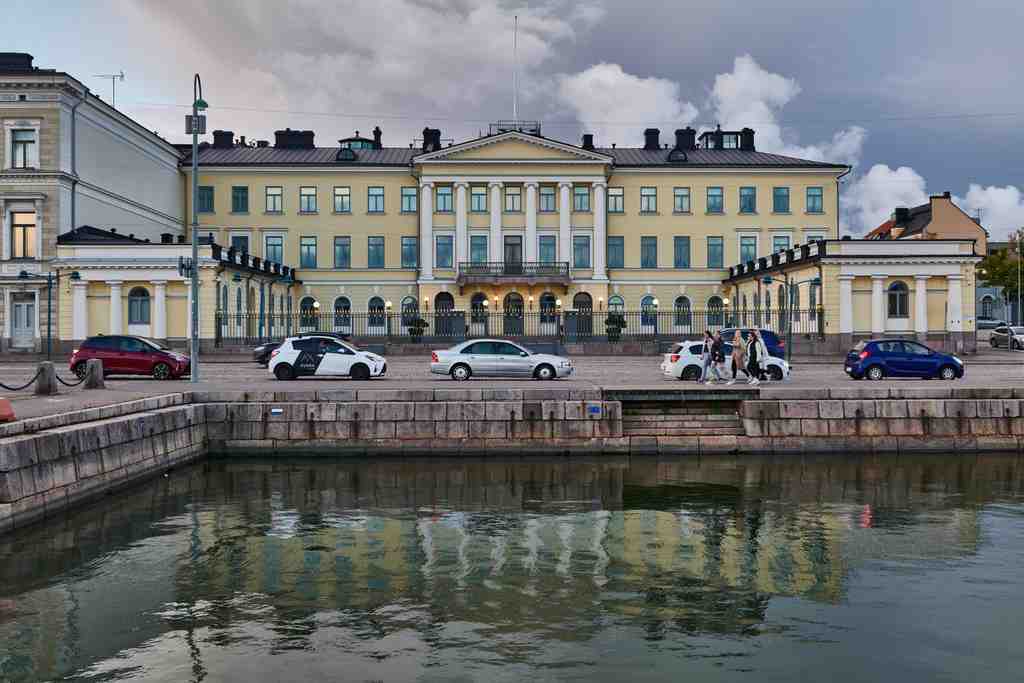
On your left, look for the pale stone, three-story empire façade with its long rows of tall windows and the columned central entrance raised above broad steps.
This is Helsinki at its most polished... and also one of its neatest reinventions. What looks like a palace began in the year eighteen fourteen as a merchant’s house for Johan Henrik Heidenstrauch, who was then the richest man in Helsinki. Architect Pehr Granstedt planned it for business on the first floor, family life on the second, and small rental apartments above. Even that design had layers: Giacomo Quarenghi revised Granstedt’s sketches before Granstedt finally signed the drawings in early eighteen seventeen.
So this building started by borrowing prestige. It dressed a merchant’s fortune in elegant empire style, the version of classic architecture that Helsinki learned partly from Saint Petersburg. If you glance at the image in your app, you can see how calm and controlled that façade still looks from the square.
But power has a habit of moving into houses other people built. The Heidenstrauch family lived here only seventeen years. In eighteen thirty-seven, the Finnish Senate bought the mansion for the Russian emperors’ residence in Finland. Carl Ludvig Engel wanted an entirely new palace somewhere grander, but the emperor refused and ordered this one taken over instead. That decision tells you a great deal about this city: ceremony often arrived by appropriation, not by fresh beginnings.
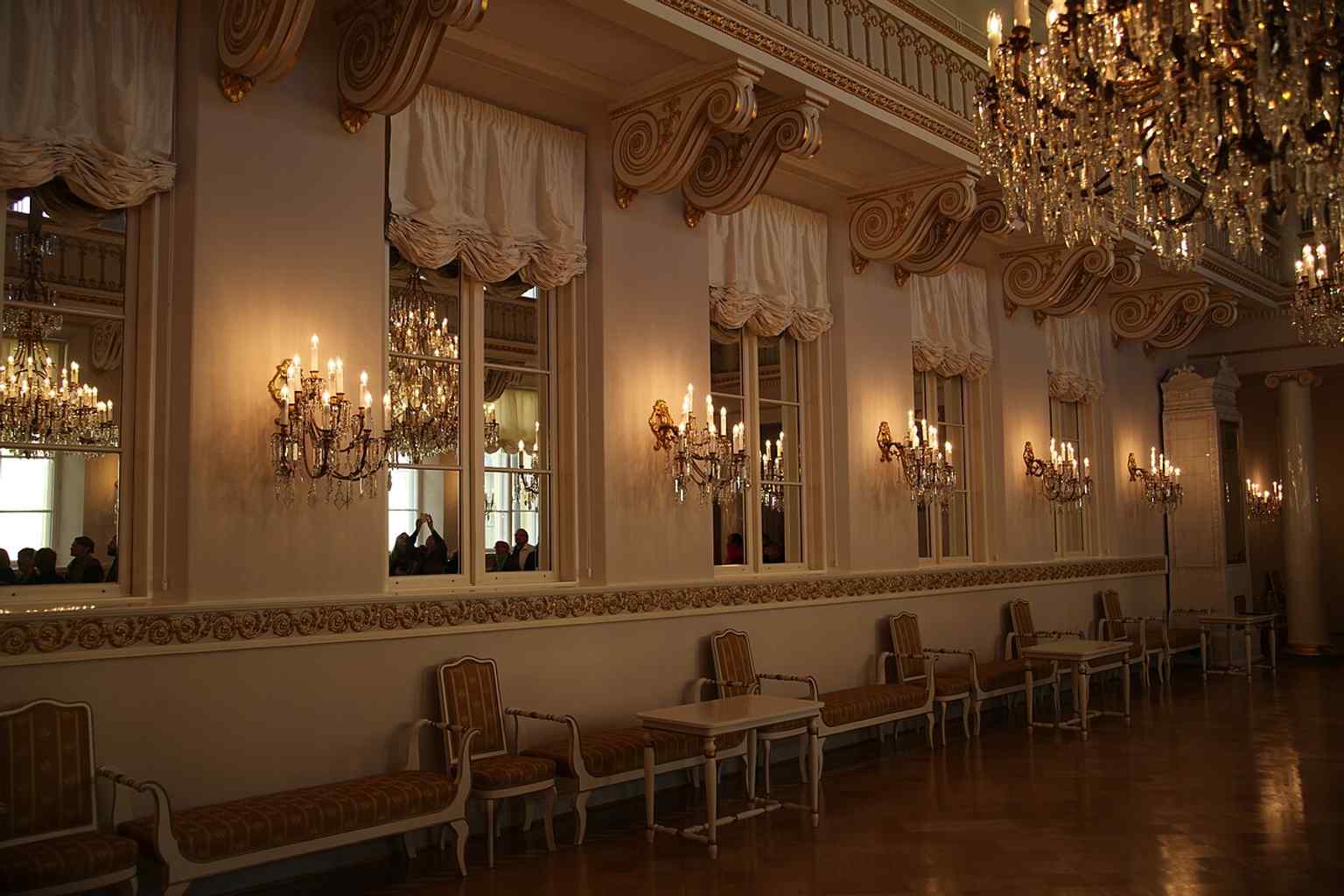
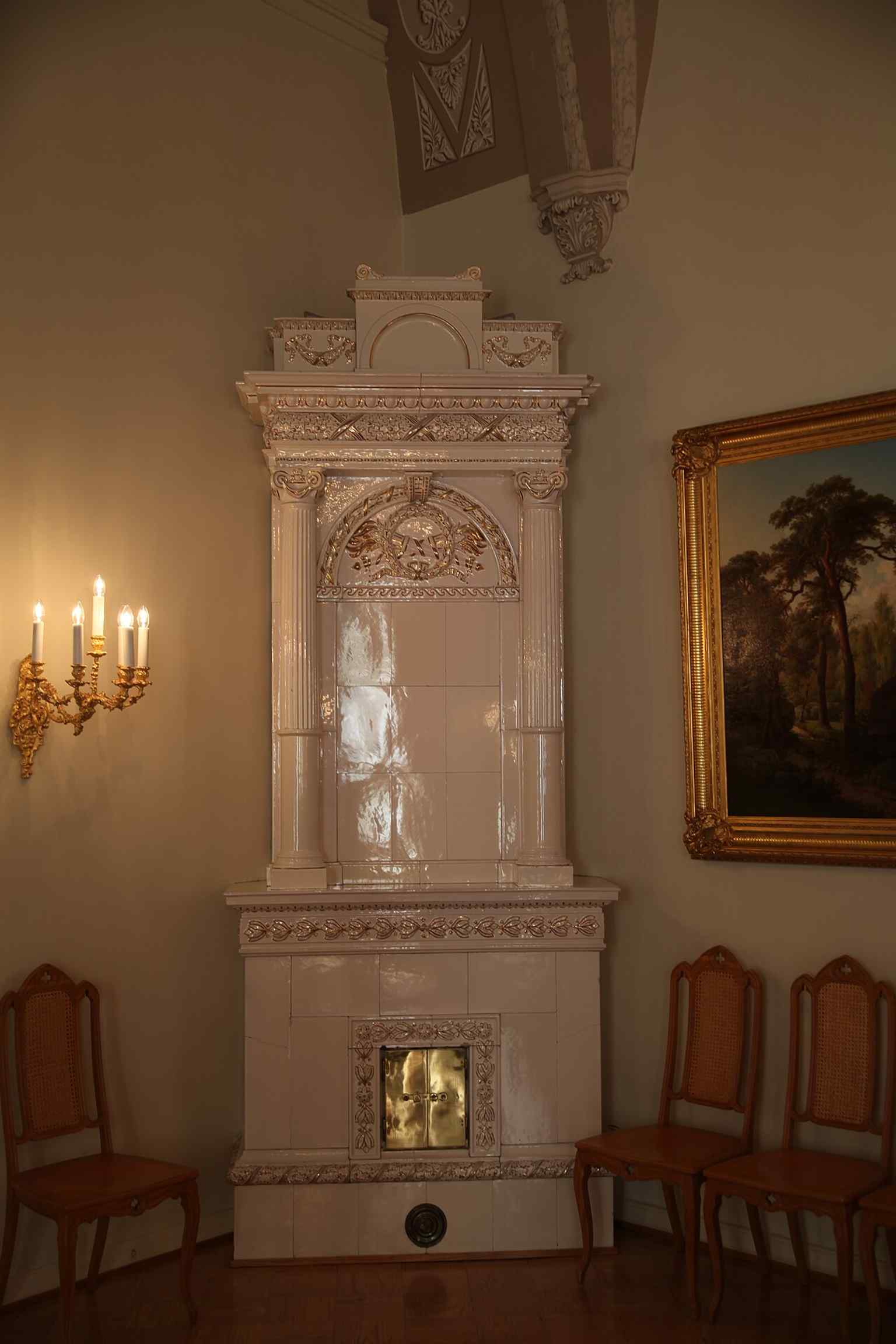
And here is the detail locals love to slip into the story. When officials turned the merchant house into an imperial residence, they did not stop at ballrooms and dining rooms. They inserted an Orthodox court chapel deep inside the ceremonial heart of the building, folded right into the machinery of display. Alongside it came a dance hall, a grand dining room, large kitchens, and rooms for the imperial entourage. By eighteen forty-three, trade had yielded to court ritual.
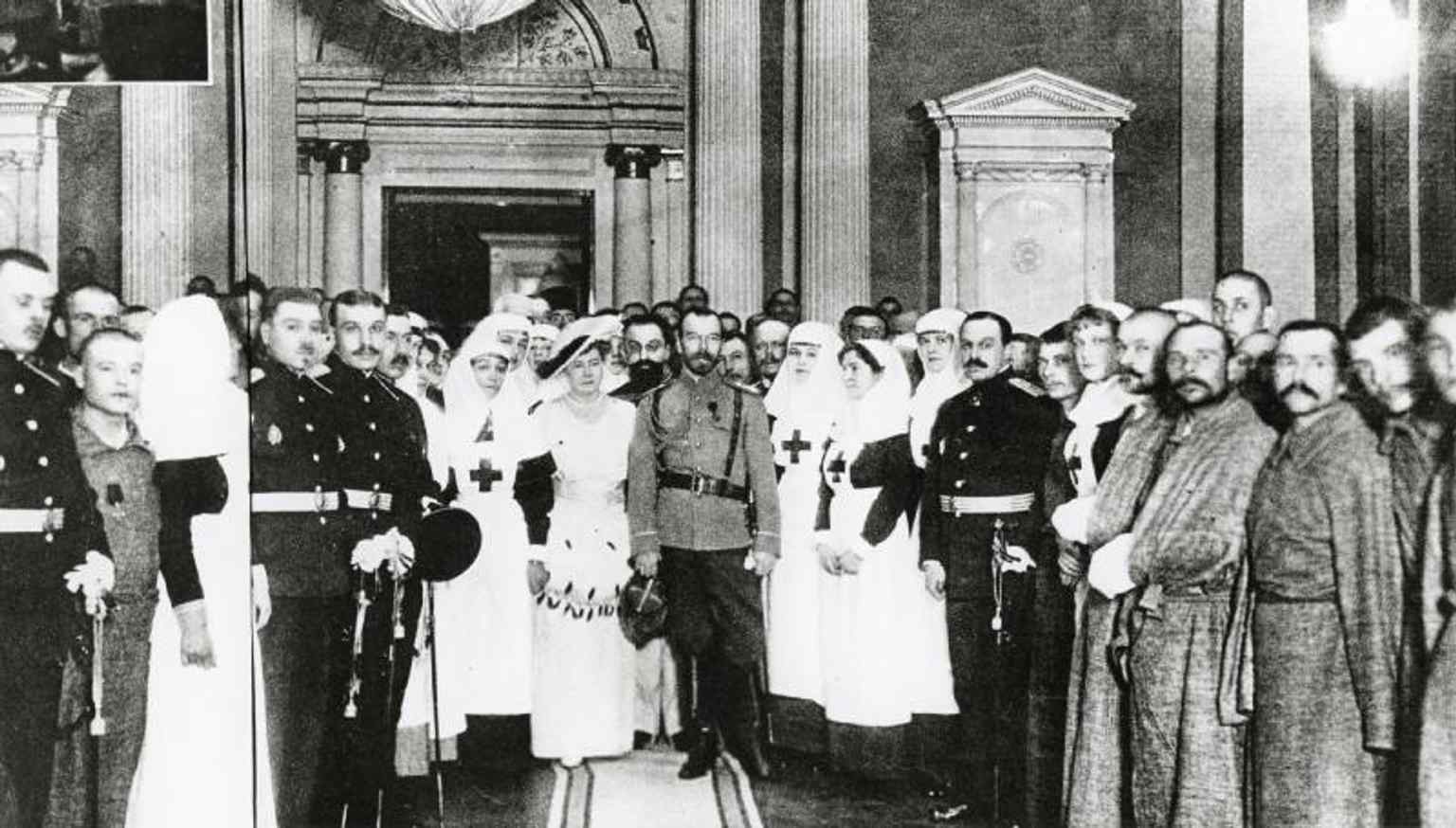
The building kept changing as authority changed. In the early nineteen hundreds, Johan Jacob Ahrenberg expanded it again with a new Mariankatu entrance, an atrium, and a larger State Hall for official ceremony. Then the polished surface cracked. During the First World War, this palace became a military hospital for two hundred wounded soldiers. During the Russian Revolution, it served as headquarters for Russian soldiers and workers. In the civil war of nineteen eighteen, German and then Finnish military staffs took over. Image eleven shows one of the strangest moments of all: Tsar Nicholas the Second visiting the hospital inside these rooms.
After independence, some people even imagined this place as a castle for a Finnish king. Finland chose a republic instead. Furniture ordered for a monarchy ended up sold to Stockmann, which feels almost perfectly Finnish in its practicality. From nineteen nineteen to nineteen twenty-one, the Foreign Ministry worked here. Then the state remade the building again as the Presidential Palace, removing the old court chapel and creating a library in its place.
Today the famous independence day reception still unfolds here, but no president lives in the palace now. The residence became a workplace, and from here we turn toward Government Palace, where power stops posing for the portrait and gets down to governing. The exterior is one of those city sights you can pass at any hour.