
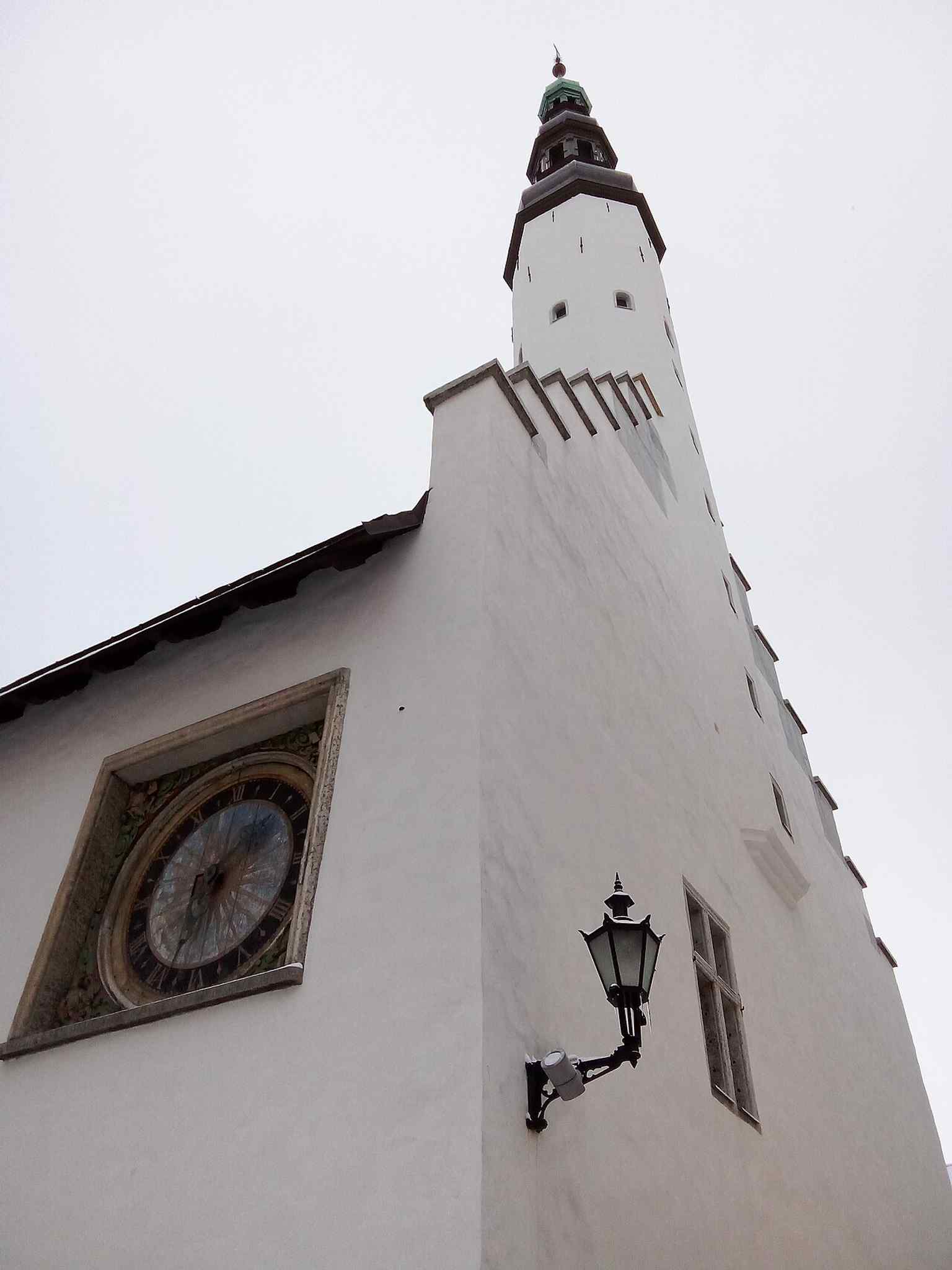
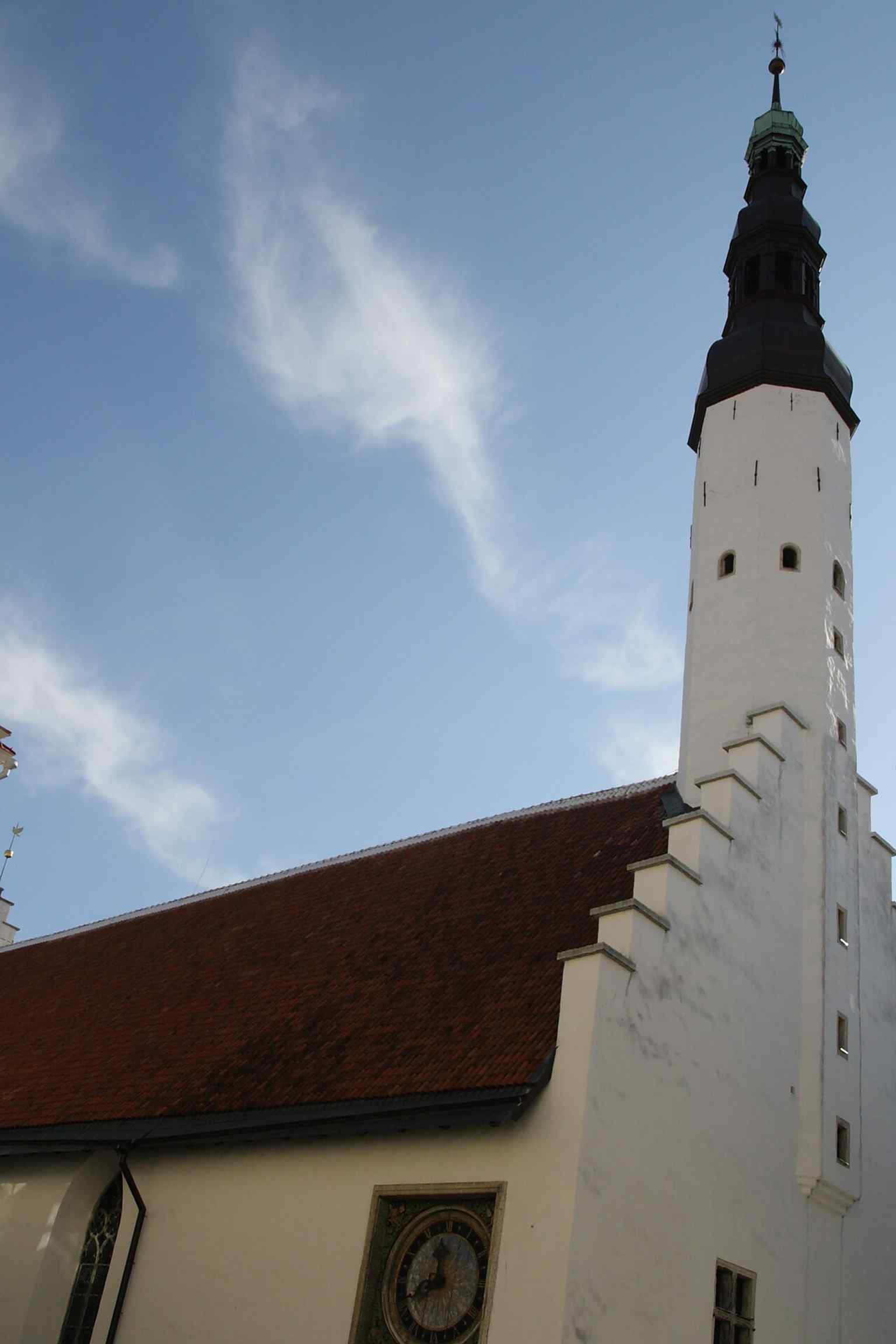
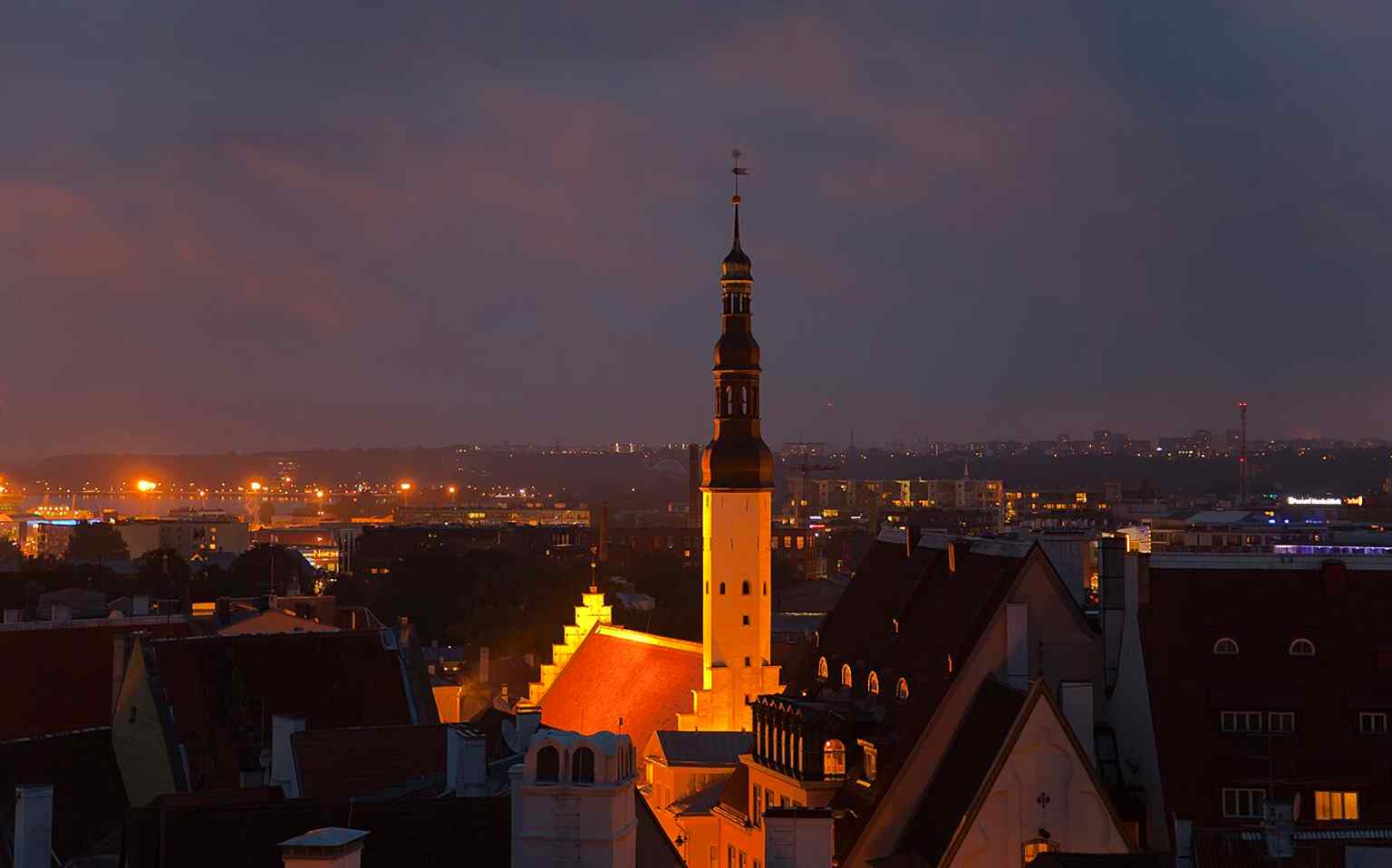
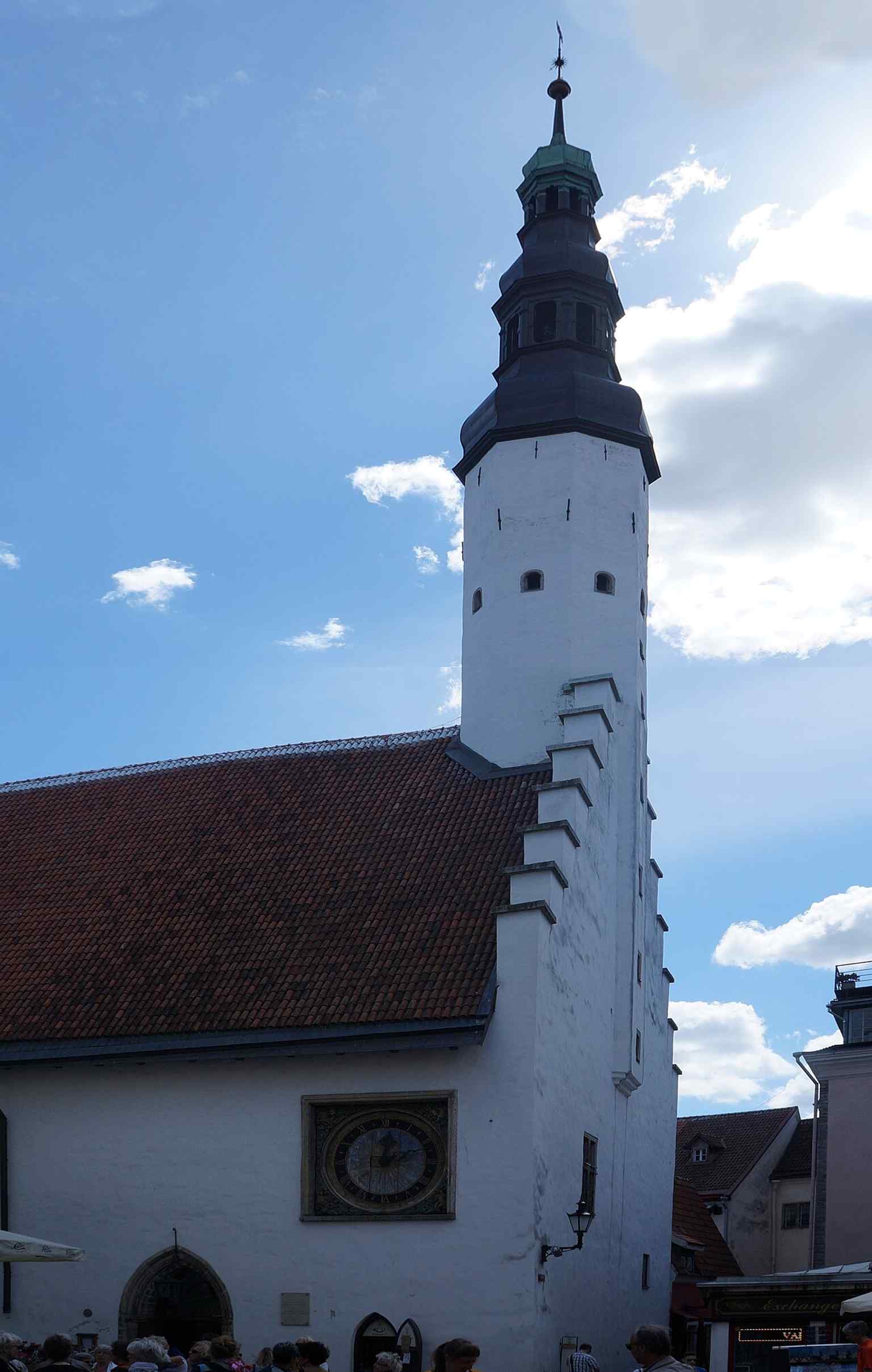
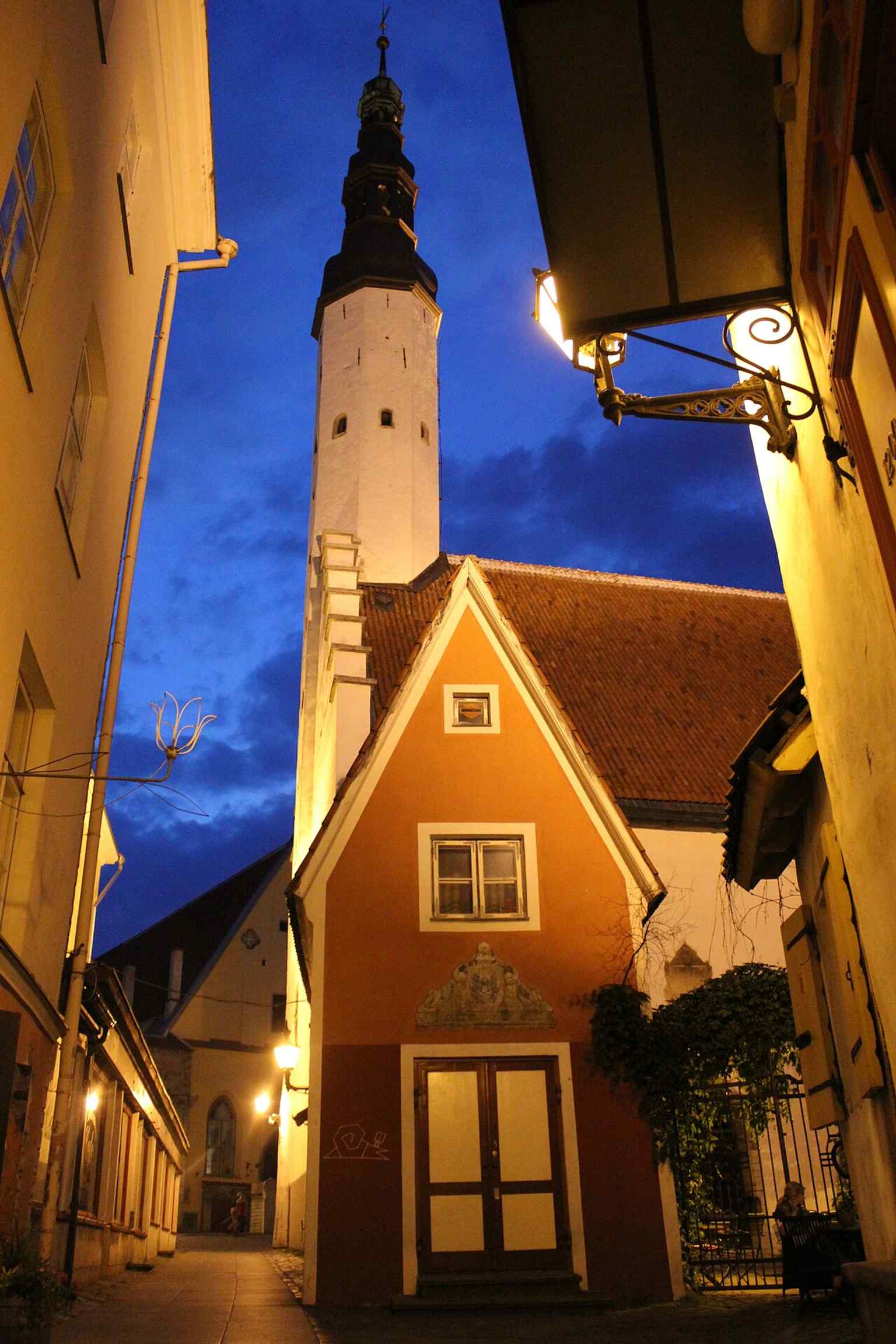
Look for the pale stone-and-plaster church with its steep tiled roof, slender octagonal tower, and carved clock set into the outer wall.
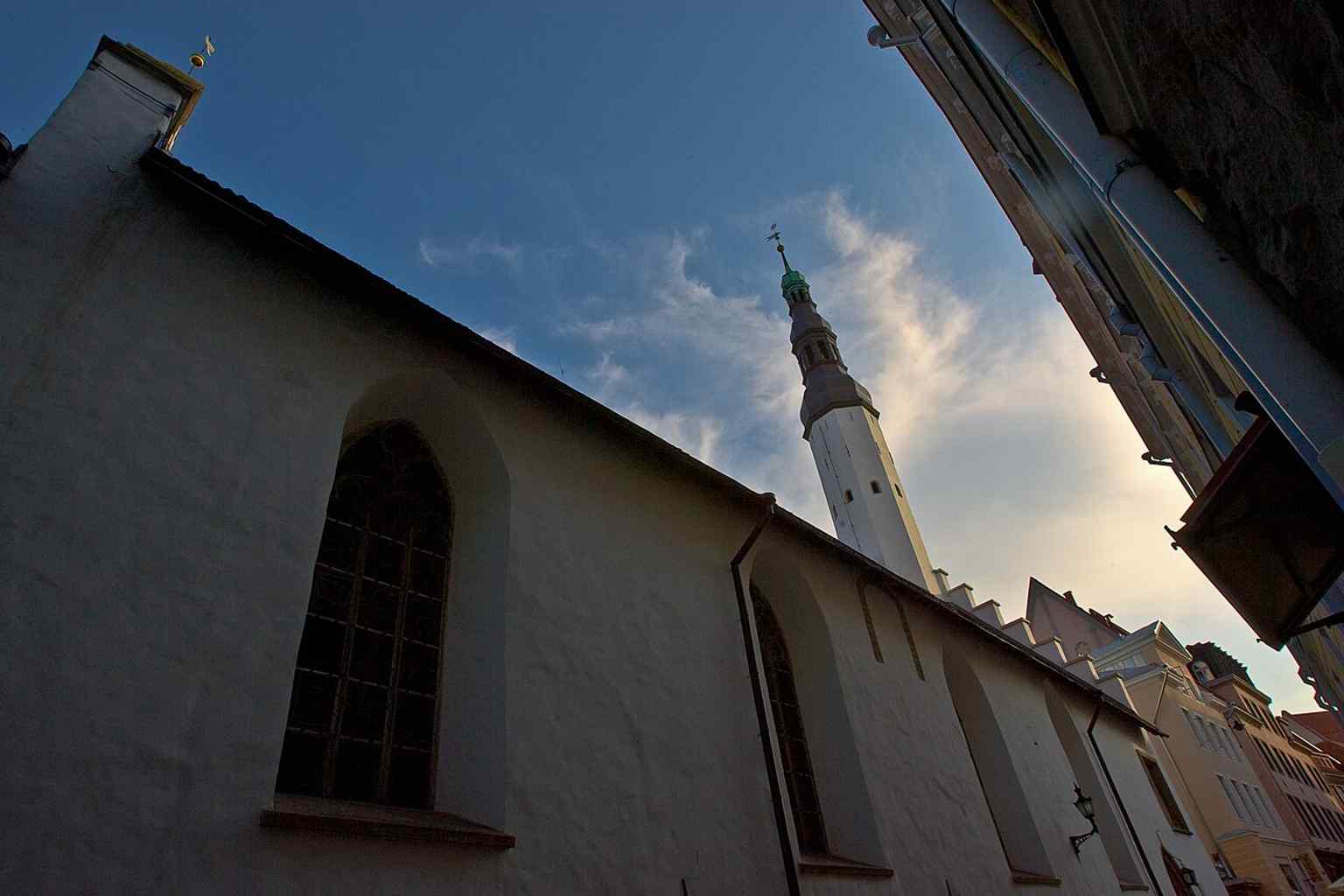
This is the Church of the Holy Spirit, and it keeps one of Tallinn’s gentlest revolutions. A church stood on this site by the early twelve hundreds, and the stone body before you settled into its present medieval form in the fourteenth century. It is one of the city’s best-preserved sacred buildings, and it still keeps much of its original medieval shape. On your screen, the exterior view shows how compact that medieval shape still feels. But the true turning point here was not stone. It was speech. By fifteen thirty-one, worship here already sounded in Estonian, and in fifteen thirty-five the first known printed Estonian church text, a catechism linked to Simon Wanradt and Johann Koell, emerged through this parish. Holy words had long arrived in Latin or German; here, they began to meet people in the language of home.
What shifts inside a city when prayer is no longer heard as someone else’s authority, but as a voice speaking directly to your own life? The guardians of memory here were pastors, printers, and families returning week after week.
One of them still speaks across the centuries. Georg Müller, pastor here from sixteen oh one to sixteen oh eight, left thirty-nine Estonian sermons. In one, he argued with his flock about singing: not whether they sang loudly, but whether they sang with sincere hearts. Because of that small dispute, he survives not as a monument, but as a living voice.
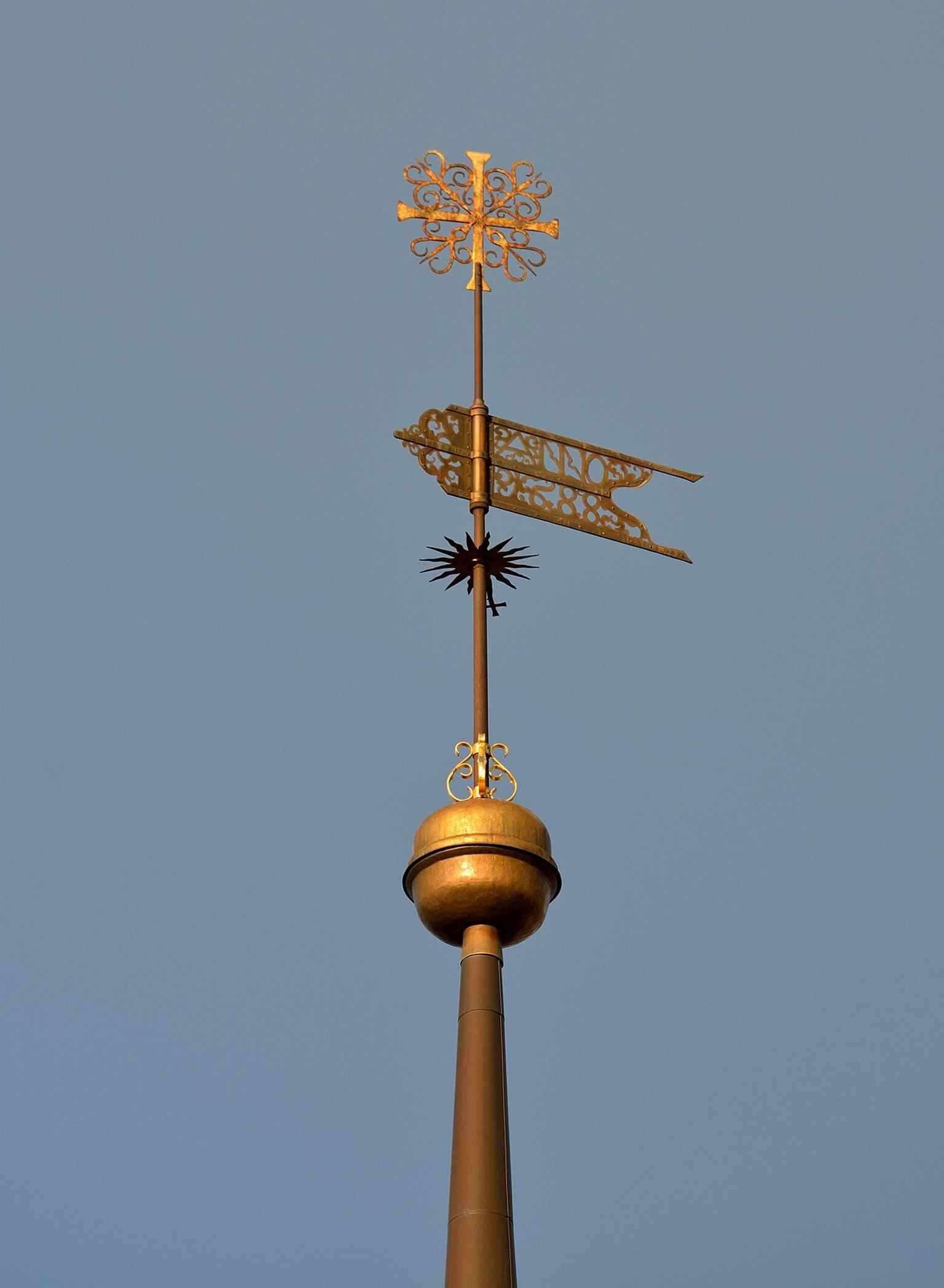
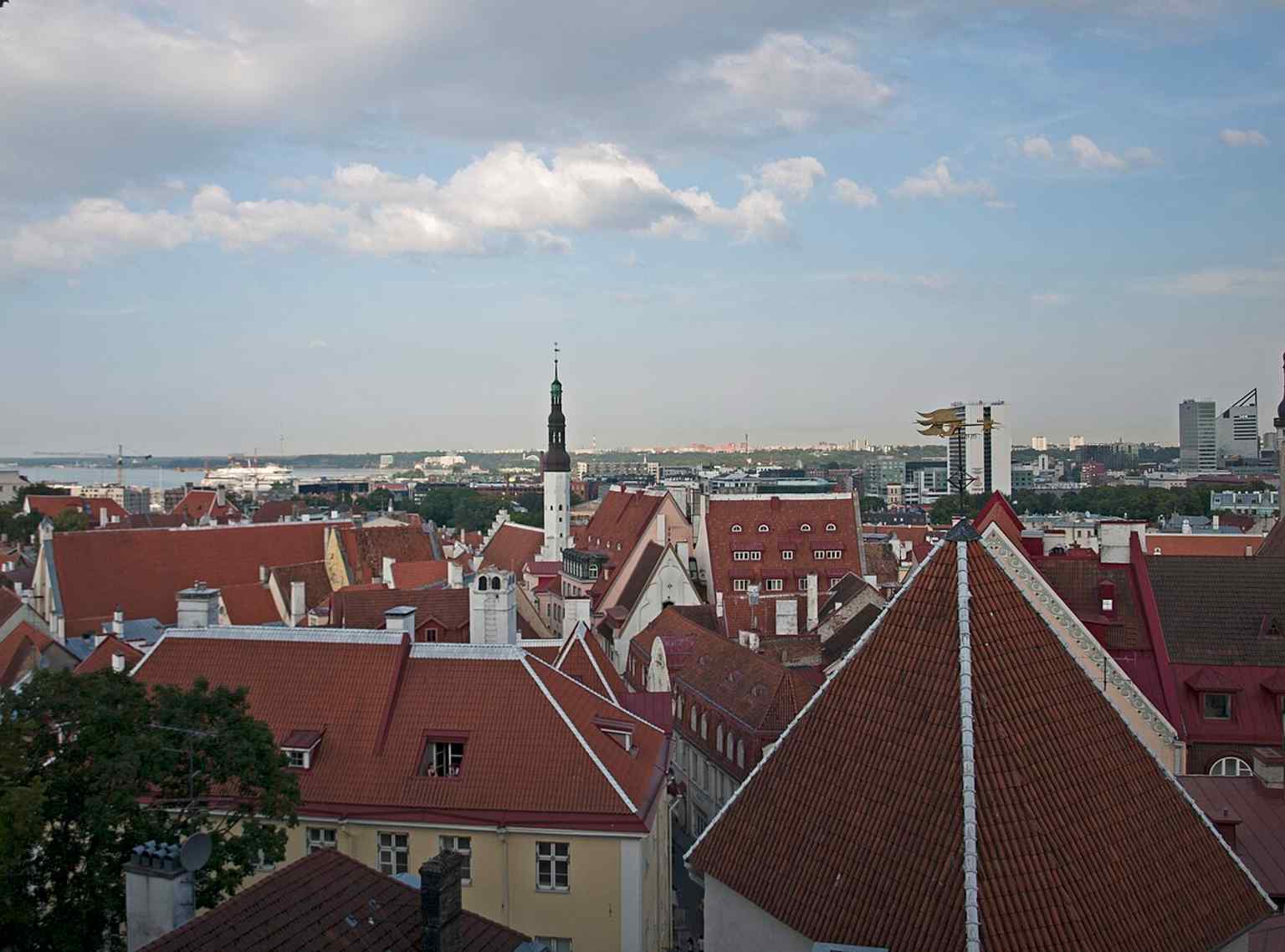
This church also knew how fragile a city can be. In sixteen eighty-four fire ran up the tower. The church escaped total ruin, and that same year Christian Ackermann made the baroque wall clock that still measures the street’s ordinary hours. Then, in two thousand and two, flames struck the spire again during repair work; the bell tower’s interior burned almost entirely, the tower came down that very day, and builders restored it in two thousand and three to the historic design. If you look at the spire detail on your phone, you are looking at survival made visible. The church nearly slipped away in another fashion during the nineteenth century. After the old parish moved, it almost emptied out, and some discussed handing it to the Russian Orthodox Church. Then, in eighteen seventy-seven, a new Estonian congregation began here with only two families, and the building breathed again.
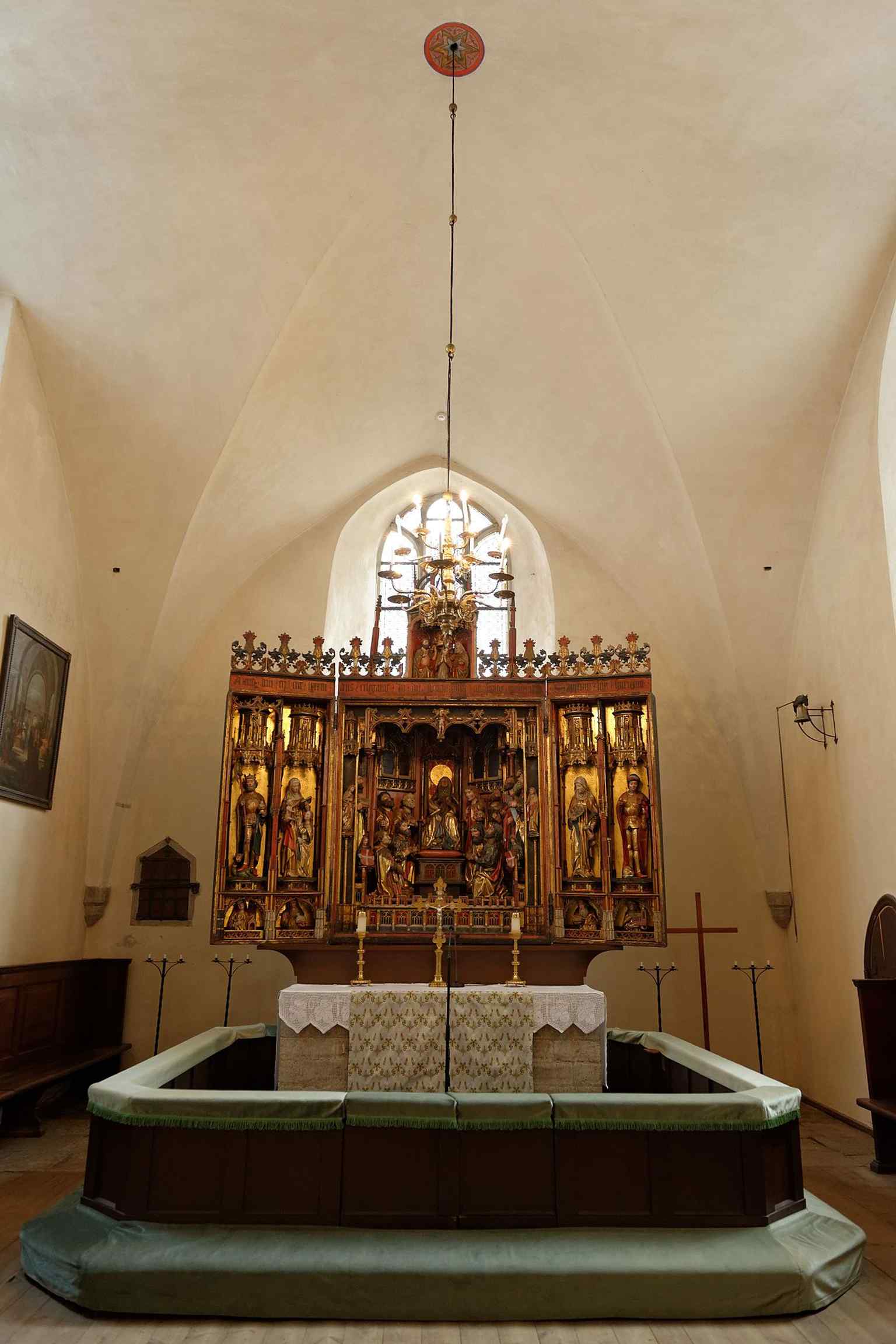
Some places endure because people keep speaking and praying within them. In a moment, we’ll meet a place that survived by staying useful in a more practical way: the Town Hall Pharmacy, about one minute from here. If you want to come back inside later, it generally opens from half past nine until six, with shorter Sunday hours from eleven until four.






.JPG)
