AudaTours logoAudaTours

Stop 3 of 15

Théâtre Capitole

headphones 03:41

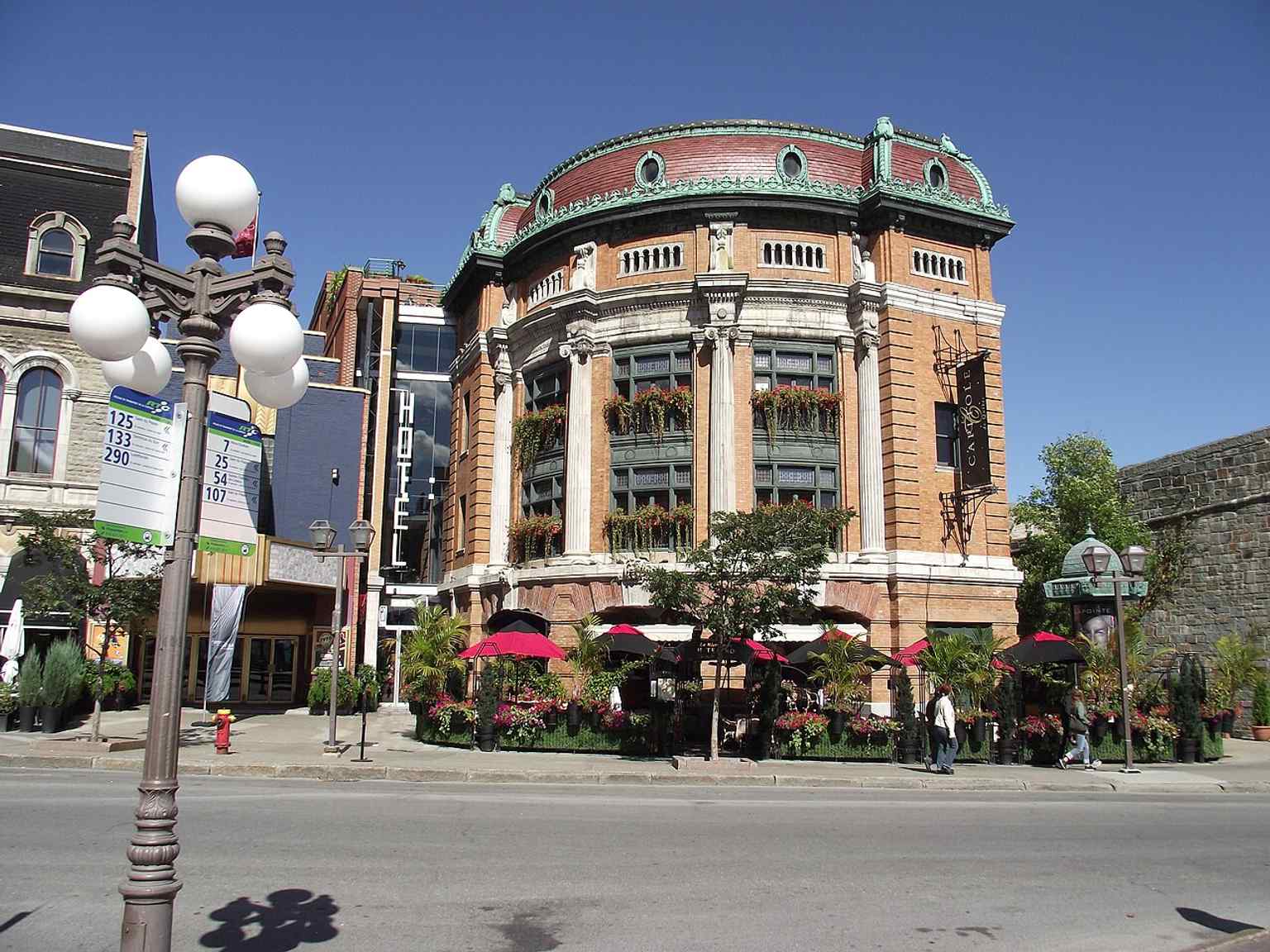
On your left, the Capitole shows itself with a pale stone curved façade, tall arched openings, and the bold CAPITOLE sign crowning the roofline.

Québec has long treated public life like a performance... not fake, exactly, but staged. Squares, gates, churches, and theatres all gave people places to be seen, persuaded, entertained, or impressed. This building matters because it helped turn that civic instinct into modern spectacle.

In nineteen oh two, Mayor Simon-Napoléon Parent and a group of businessmen pushed for a major entertainment hall here, even after Catholic clergy had spent years resisting professional theatre on moral grounds. So when the Auditorium opened in nineteen oh three, it was more than a business deal. It was Québec announcing that it wanted a place in the wider world of big-city culture.

If you glance at the image on your screen, you can see that Beaux-Arts front... classical symmetry with a bit of swagger... shaped by the American architect Walter S. Painter to fit this tight site beside the old Saint-Jean bastion ditch. The opening nights belonged to the Société symphonique de Québec, ancestor of today’s symphony orchestra, which tells you this place began with ambition, not just popcorn.
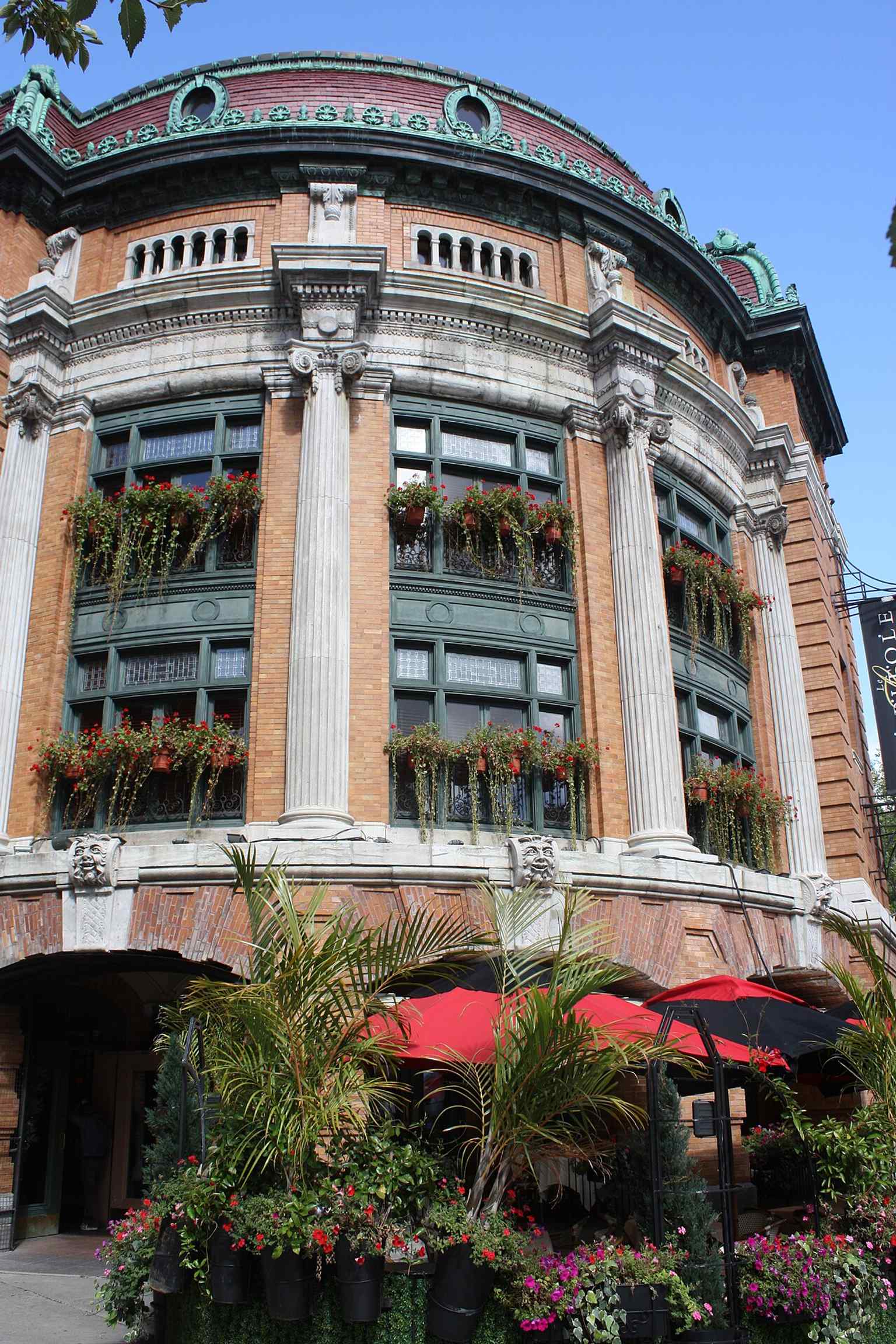
A front-side view of the theatre’s ornate Beaux-Arts façade, the landmark rebuilt from its 1903 auditorium origins.
A front-side view of the theatre’s ornate Beaux-Arts façade, the landmark rebuilt from its 1903 auditorium origins.Photo: Alexbruchez, Wikimedia Commons, CC BY-SA 3.0. Cropped & resized.

Then came vaudeville, a fast-moving variety show full of singers, dancers, comics, jugglers, acrobats, ventriloquists, and magicians. Sarah Bernhardt performed here in nineteen oh five on her farewell tour. Emma Albani followed in nineteen oh six, also saying goodbye to the stage. Not a bad early guest list.

In nineteen eighteen, the building got pulled into politics the hard way. During the conscription crisis, a crowd attacked the draft registrar’s offices inside, set a fire, and firefighters barely kept the damage limited. Repairs followed, and the owners added a screen for silent films, often accompanied by a Casavant organ. Because if you’re going to reinvent yourself, you might as well do it with musical backing.

A major remodel in nineteen twenty-seven, led by theatre specialist Thomas White Lamb, expanded the hall to about two thousand seats. In nineteen thirty, Famous Players renamed it the Capitol and folded it into a North American cinema chain. Yet it never became only a movie house. Radio station C-K-C-V moved into the third floor in nineteen thirty-five, and the stage kept welcoming artists, ballet, theatre, even Alfred Hitchcock, who presented the world premiere of I Confess here in nineteen fifty-three.

Then came decline: suburban cinemas, new media, and the Grand Théâtre pulled audiences away. The final screening in nineteen eighty-one was Les Plouffe. After that, the building sat stripped and vulnerable until heritage protection arrived, and then producer Jean Pilote bought the wreck in nineteen ninety and brought it back. The reopened Théâtre Capitole in nineteen ninety-two restored not just a hall, but a whole idea of Québec putting itself on display.

If you want a peek at the interior grandeur it recovered, check the app image with the performance space.
An interior view of the theatre spaces, evoking the grand performance hall that once hosted opera, vaudeville, and cinema.
An interior view of the theatre spaces, evoking the grand performance hall that once hosted opera, vaudeville, and cinema.Photo: Sylvainbrousseau, Wikimedia Commons, CC BY-SA 3.0. Cropped & resized.

Next, we leave the polished world of tickets and curtains for older stagecraft: the fortifications, where survival itself had to be performed in stone. The Capitole is generally open every day, roughly from late morning into the evening.
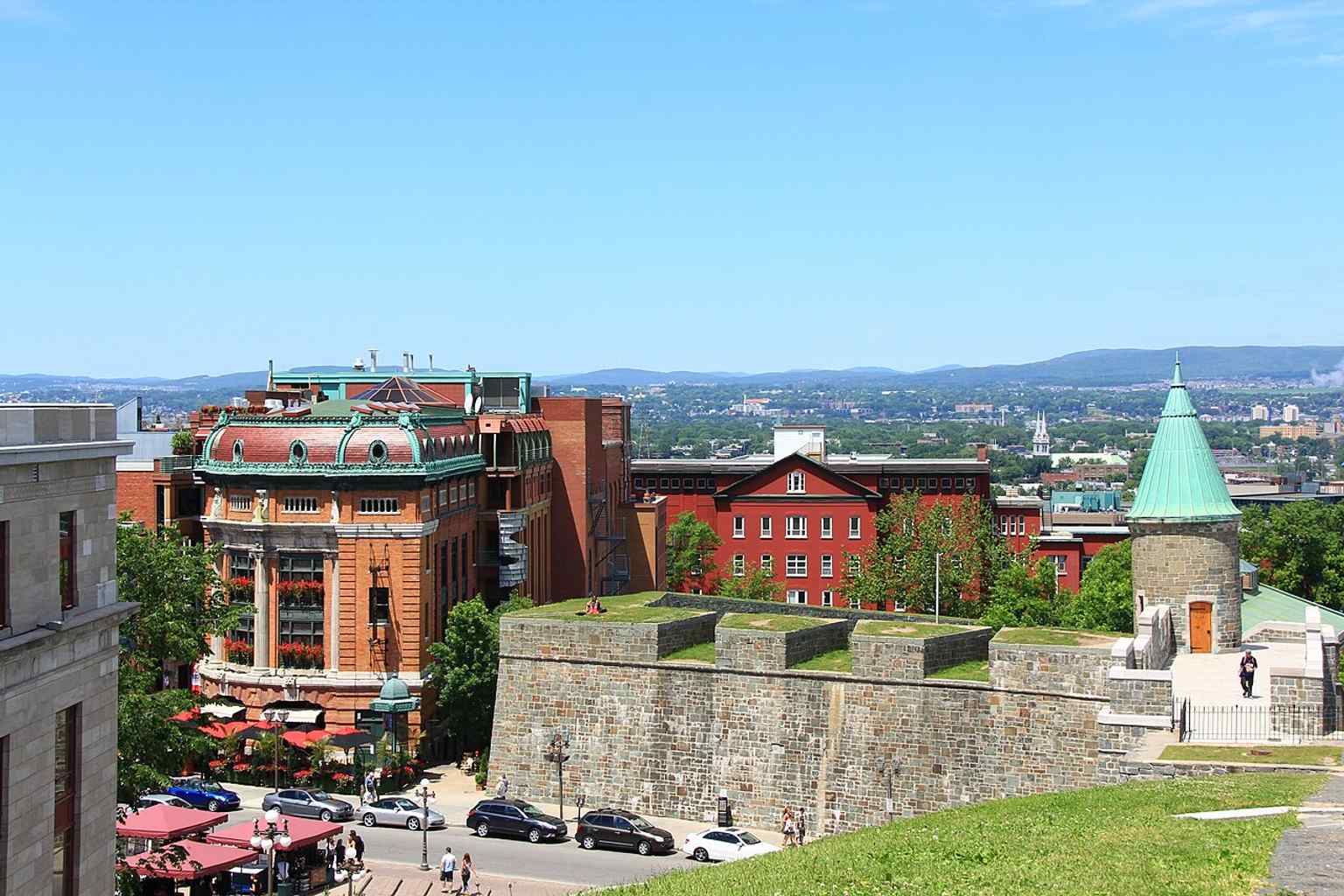
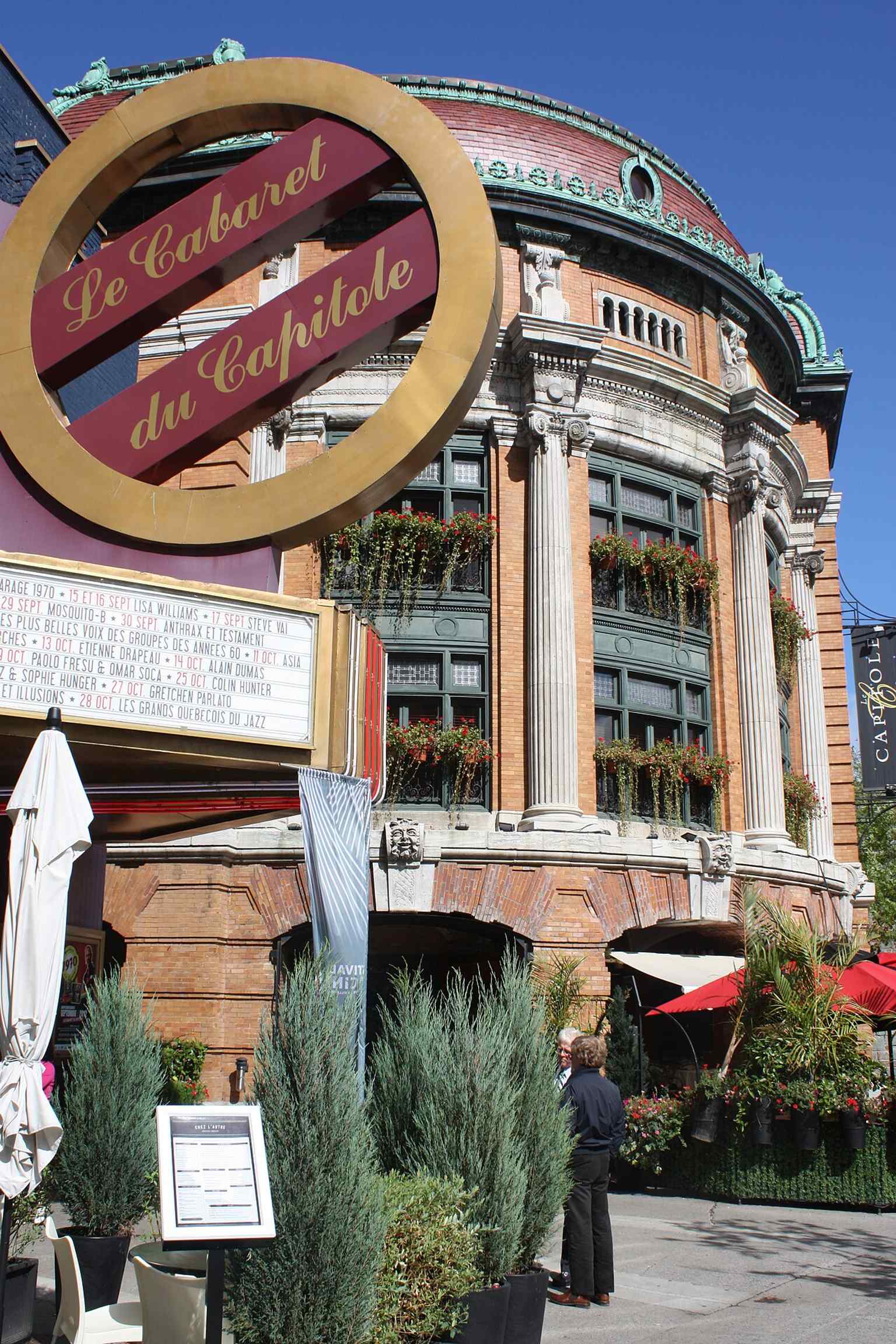
A broad view from the city ramparts, placing the Capitole in its fortified Old Quebec setting near Porte Saint-Jean.
A broad view from the city ramparts, placing the Capitole in its fortified Old Quebec setting near Porte Saint-Jean.Photo: JOFphoto, Wikimedia Commons, CC BY-SA 3.0. Cropped & resized.
Another clear exterior angle highlighting the building’s curved streetfront and restored historic character.
Another clear exterior angle highlighting the building’s curved streetfront and restored historic character.Photo: Alexbruchez, Wikimedia Commons, CC BY-SA 3.0. Cropped & resized.
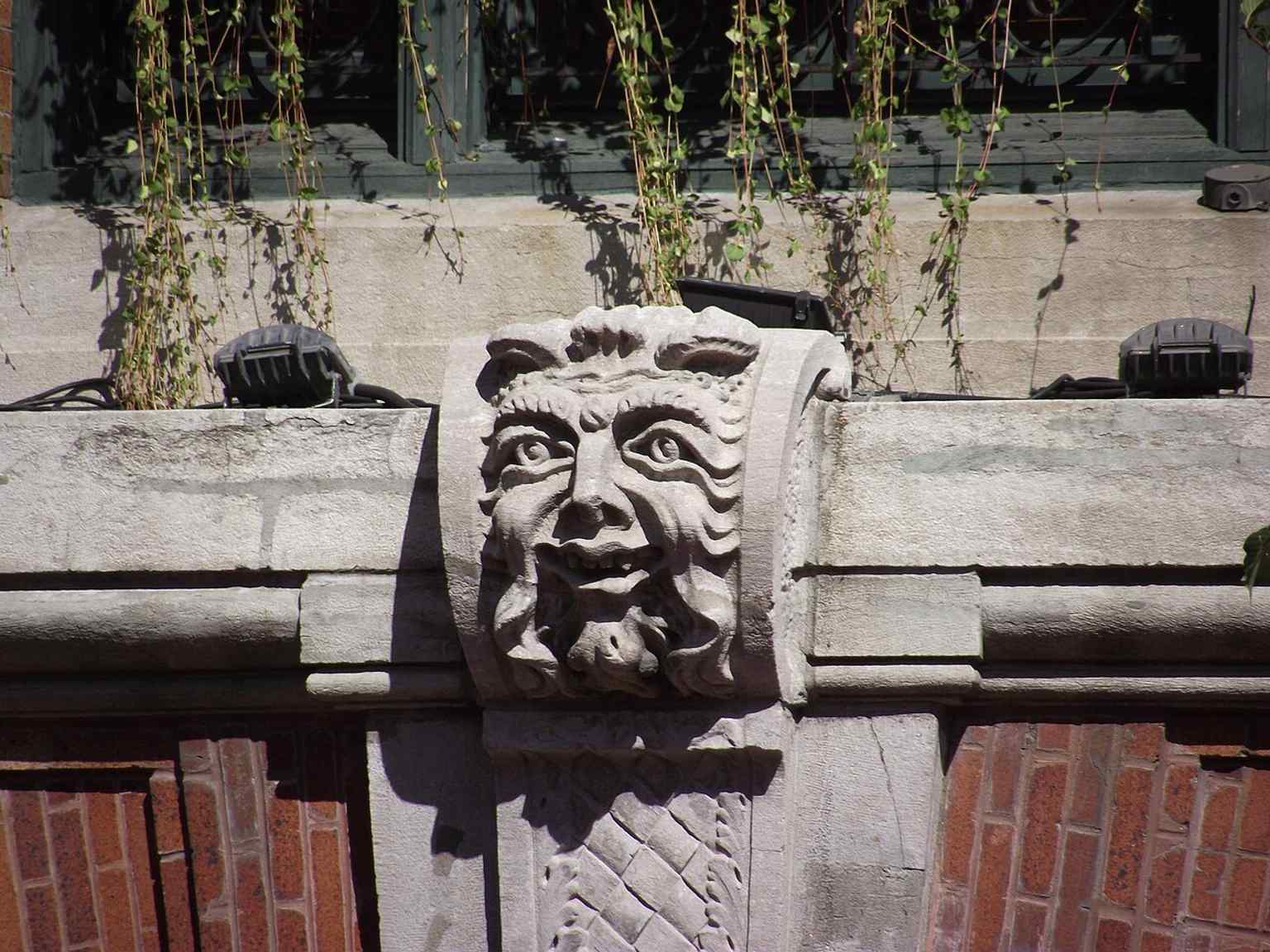
An architectural close-up that helps tell the story of the Capitole’s decorative stonework and heritage status.
An architectural close-up that helps tell the story of the Capitole’s decorative stonework and heritage status.Photo: Sylvainbrousseau, Wikimedia Commons, CC BY-SA 3.0. Cropped & resized.
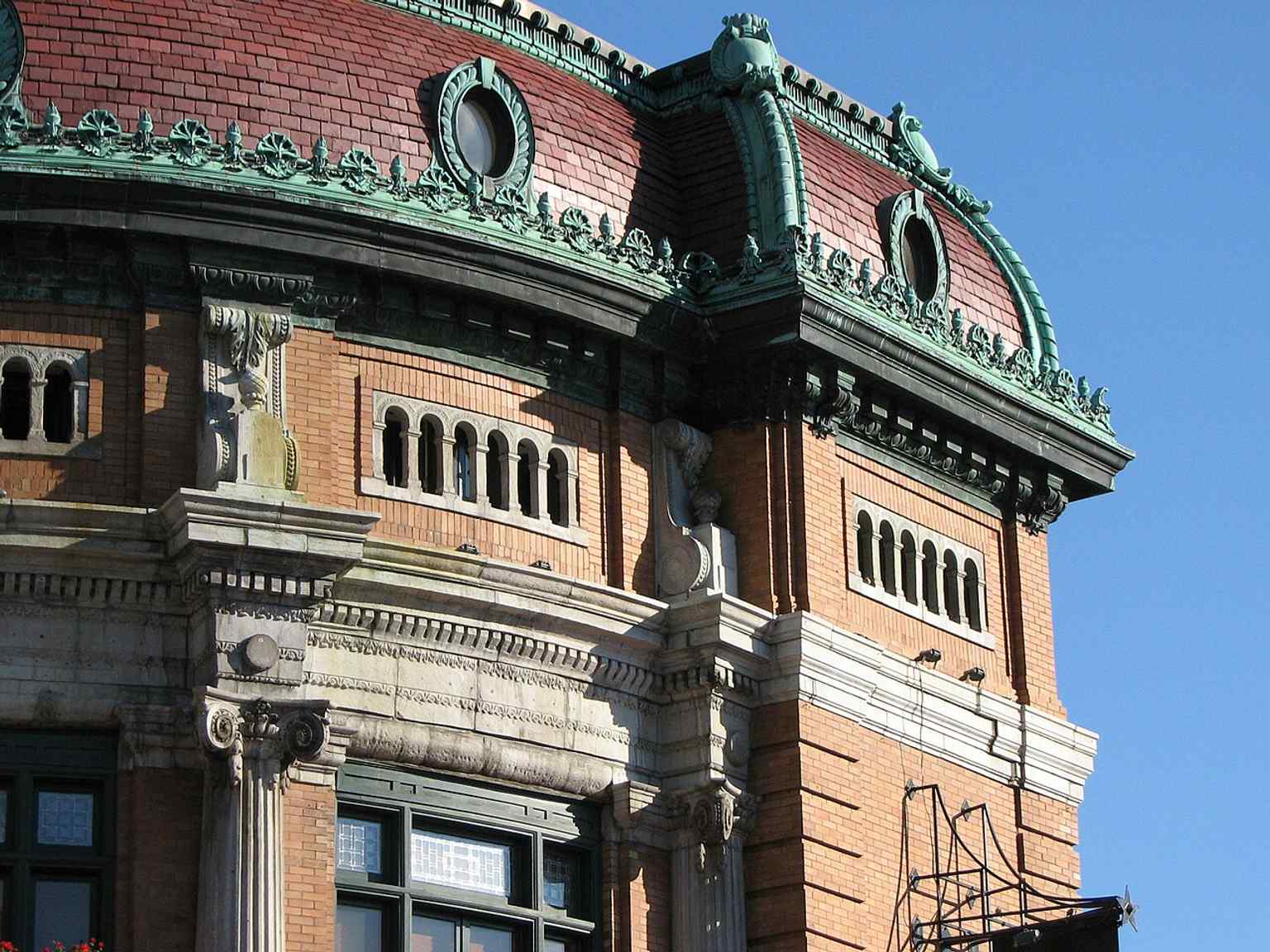
A detailed view of the façade ornamentation, useful for showing the theatre’s preserved early-20th-century design.
A detailed view of the façade ornamentation, useful for showing the theatre’s preserved early-20th-century design.Photo: Hélène Grenier, Wikimedia Commons, CC BY-SA 3.0. Cropped & resized.
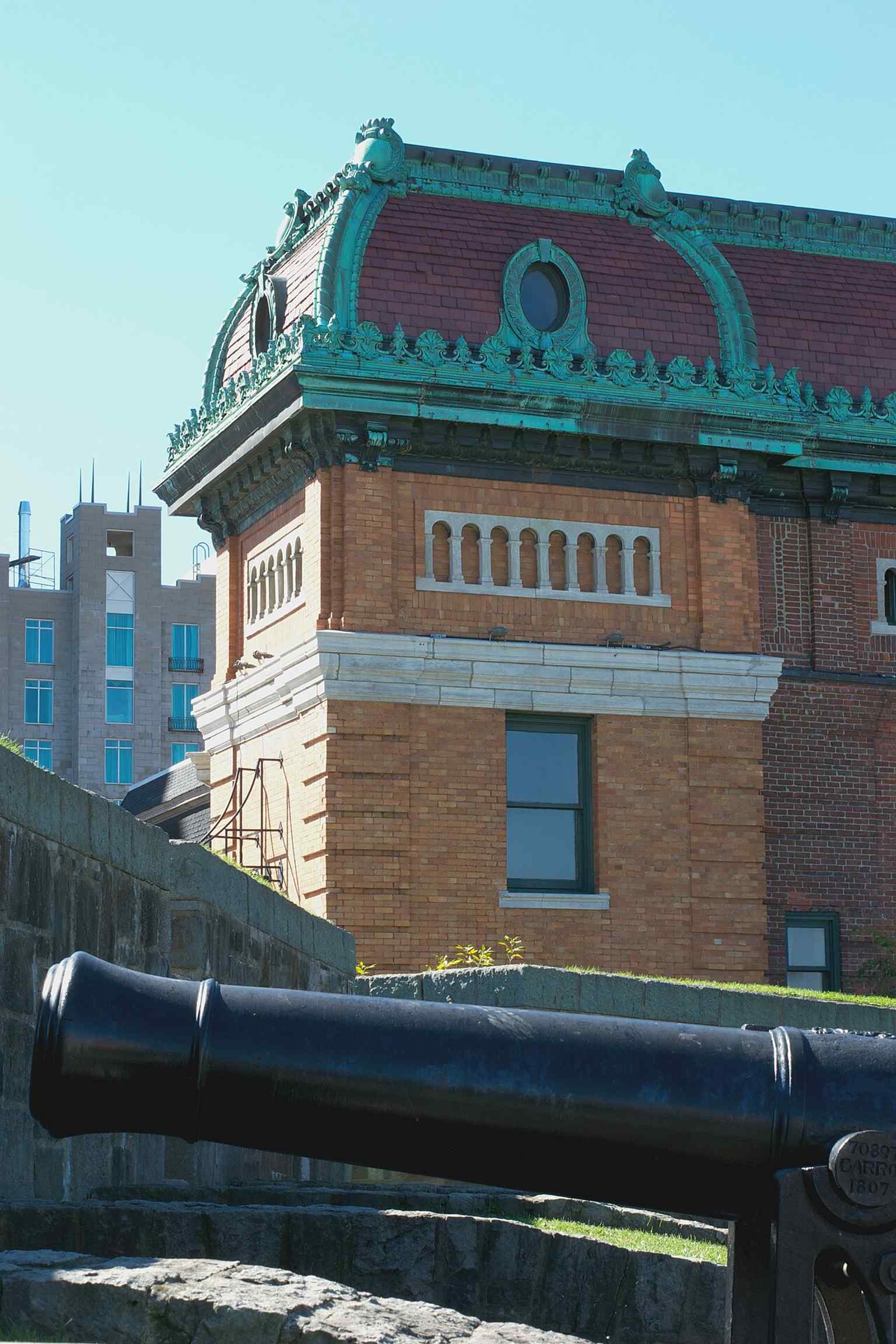
Cannons and the Capitole together — a striking reminder that the theatre sits within Quebec’s fortified old city landscape.
Cannons and the Capitole together — a striking reminder that the theatre sits within Quebec’s fortified old city landscape.Photo: Regmalo, Wikimedia Commons, CC BY-SA 3.0. Cropped & resized.
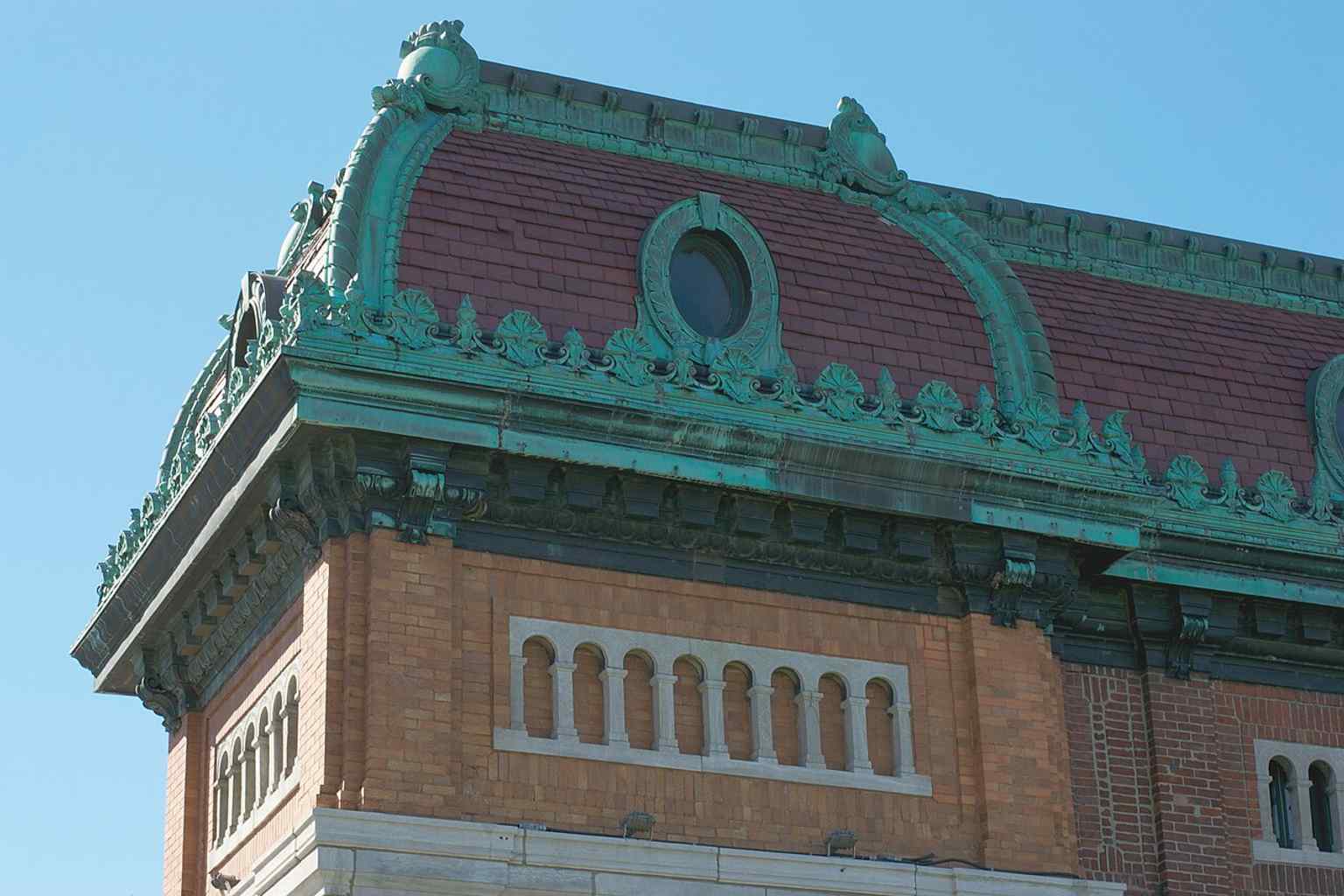
The roofline and upper structure, illustrating the building’s historic silhouette after major restorations and upgrades.
The roofline and upper structure, illustrating the building’s historic silhouette after major restorations and upgrades.Photo: Regmalo, Wikimedia Commons, CC BY-SA 3.0. Cropped & resized.
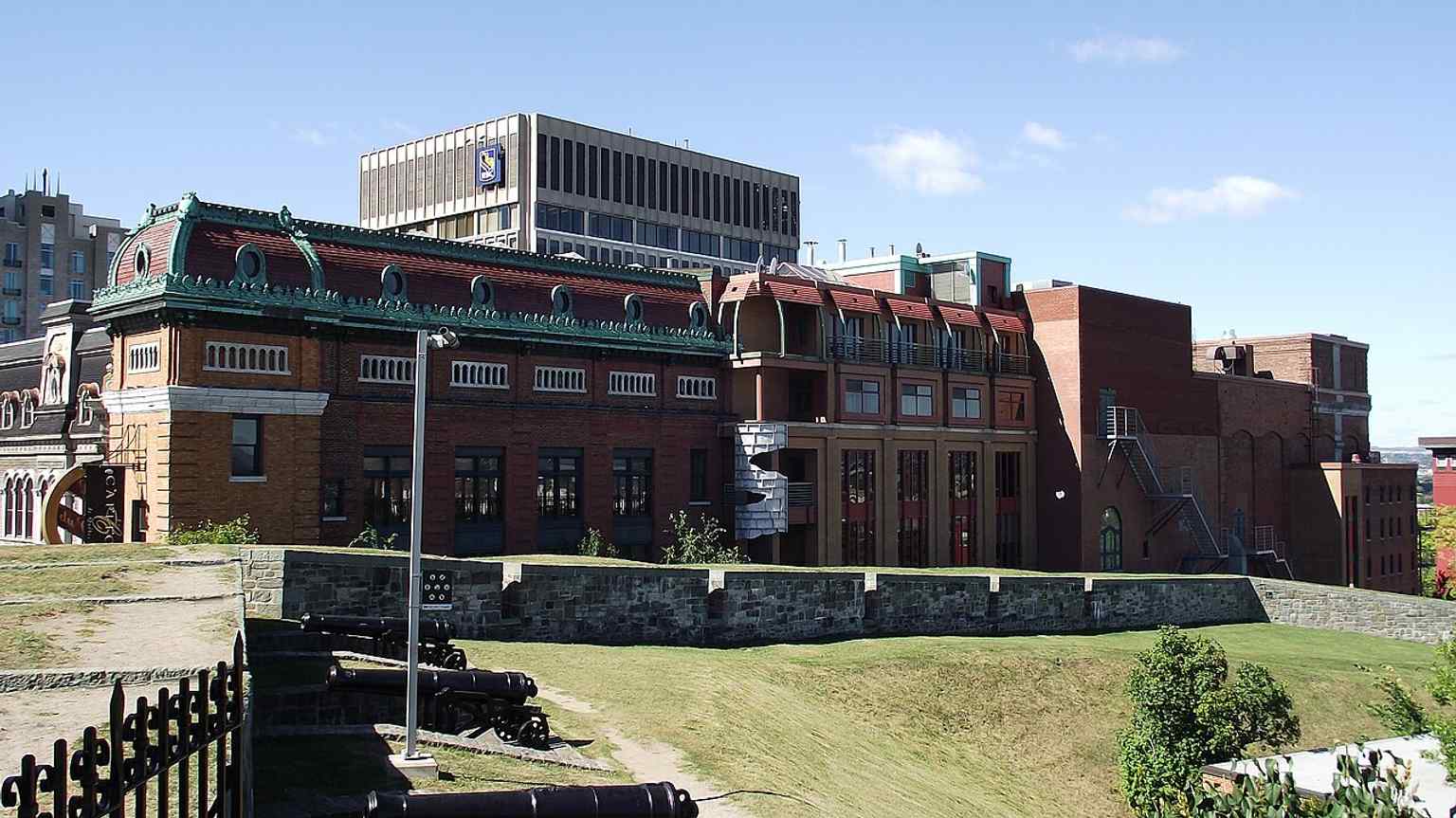
The rear of the building, helpful for understanding how the Capitole evolved through renovations and later restoration work.
The rear of the building, helpful for understanding how the Capitole evolved through renovations and later restoration work.Photo: Sylvainbrousseau, Wikimedia Commons, CC BY-SA 3.0. Cropped & resized.
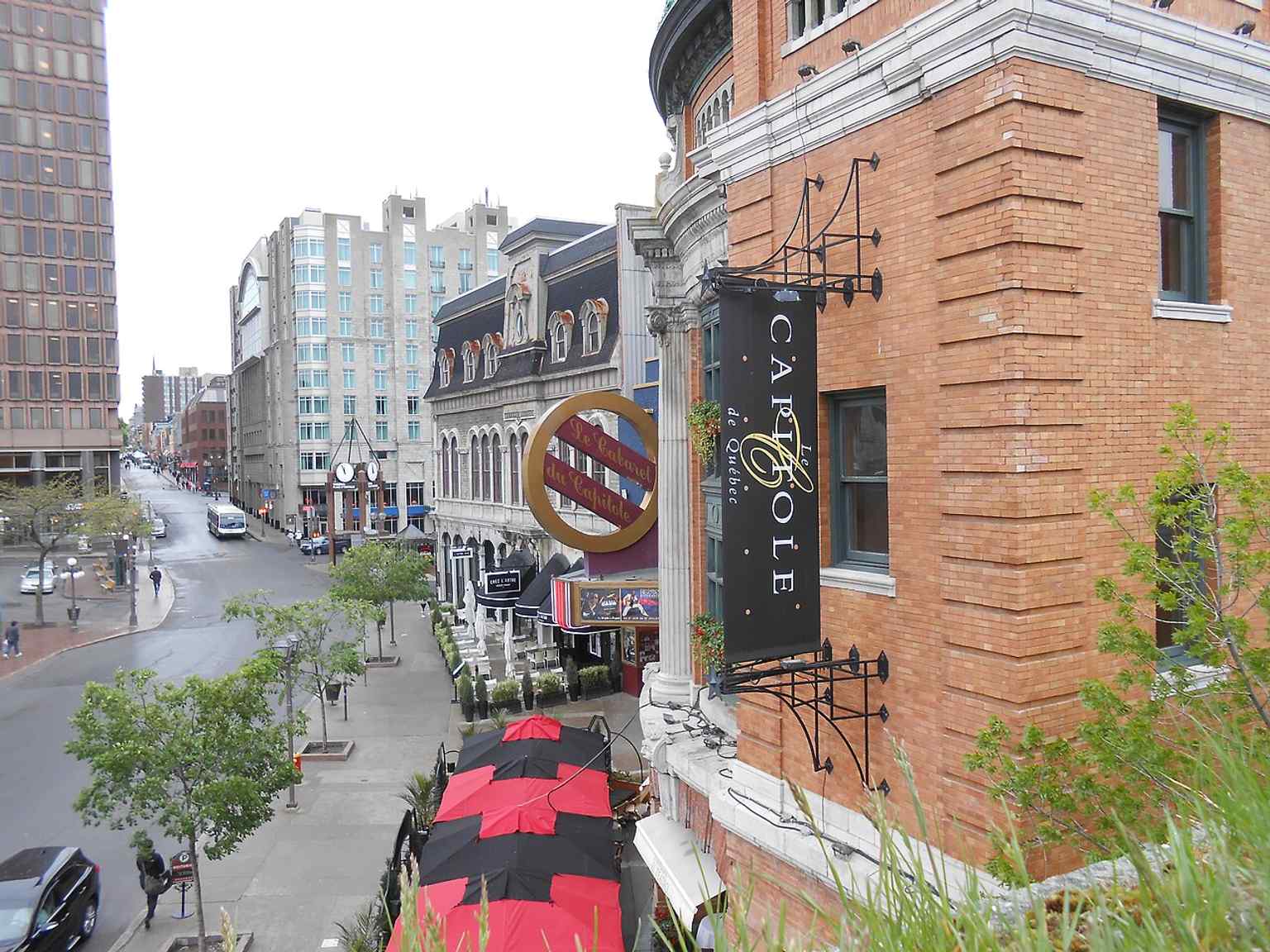
A later daylight view of the Capitole on Place D’Youville, showing the landmark still active at the heart of downtown Quebec.
A later daylight view of the Capitole on Place D’Youville, showing the landmark still active at the heart of downtown Quebec.Photo: Jeangagnon, Wikimedia Commons, CC BY-SA 3.0. Cropped & resized.
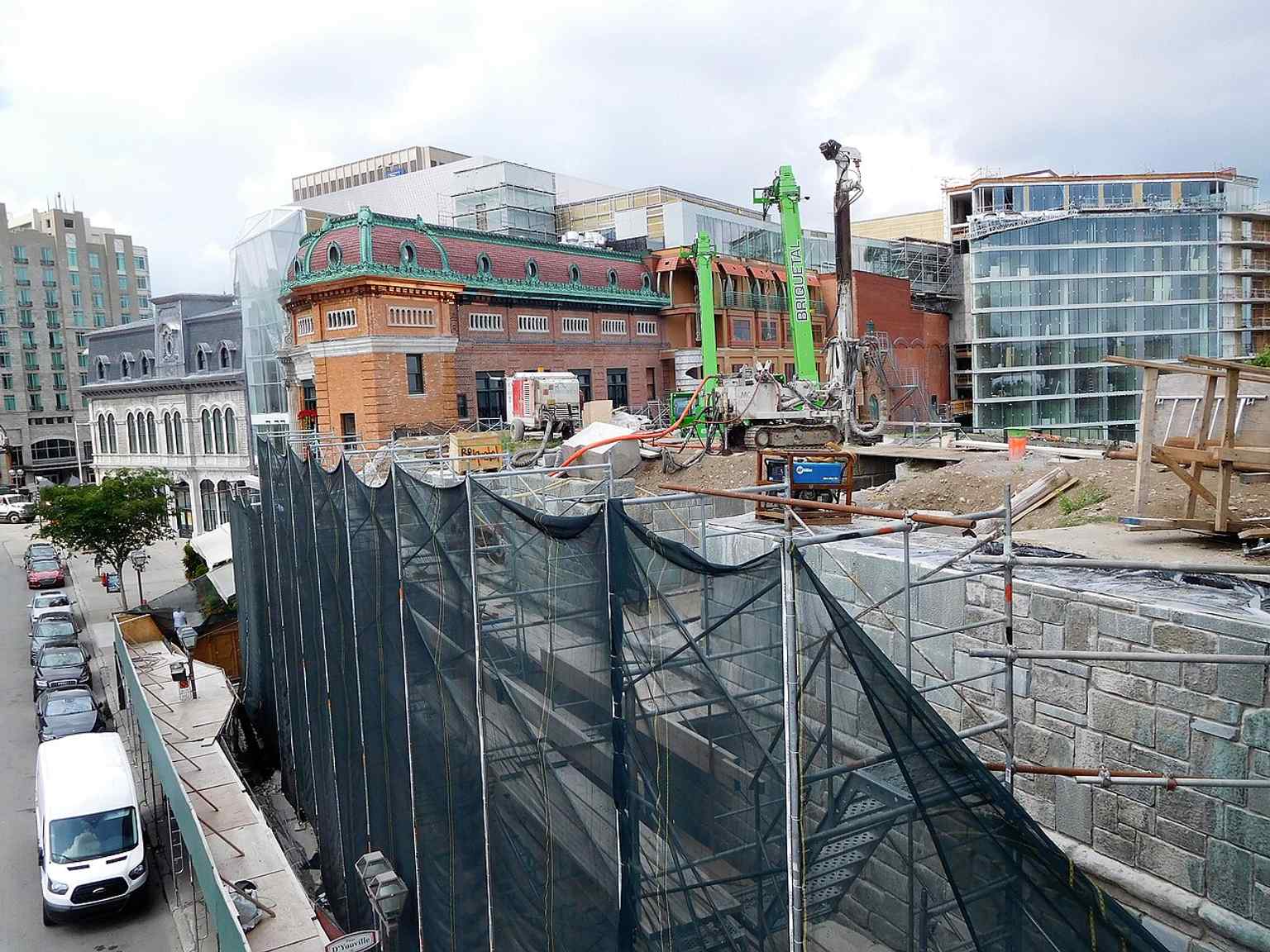
The Capitole seen from Porte Saint-Jean during construction work nearby, underscoring its setting beside the old fortifications.
The Capitole seen from Porte Saint-Jean during construction work nearby, underscoring its setting beside the old fortifications.Photo: Jeangagnon, Wikimedia Commons, CC BY-SA 4.0. Cropped & resized.
arrow_back Back to Quebec City Highlights Audio Tour: Historic Landmarks and Old World Charm
Loved by travellers

Thousands of tours started.
Plenty of opinions.

4.8 across the App Store and Google Play. Here's a few we keep coming back to.

starstarstarstarstar
This was a solid way to get to know Brighton without feeling like a tourist. The narration had depth and context, but didn't overdo it.
Christoph
Christoph
Brighton Tour
starstarstarstarstar
Started this tour with a croissant in one hand and zero expectations. The app just vibes with you, no pressure, just you, your headphones, and some cool stories.
download Get the app

Pop your headphones in.
Step outside.

Free to download. Tours in every city. Start in 60 seconds — no account, no card.

Download on the App StoreGet it on Google Play
starstarstarstarstar_half
4.8
AudaTours app icon
headphones
~ 4 min until your first tour starts
public
1,000+ cities worldwide
all_inclusive
AudaTours
Unlimited

Every tour. Every city. One subscription.

3101 tours2271 cities138 countries50+ languages