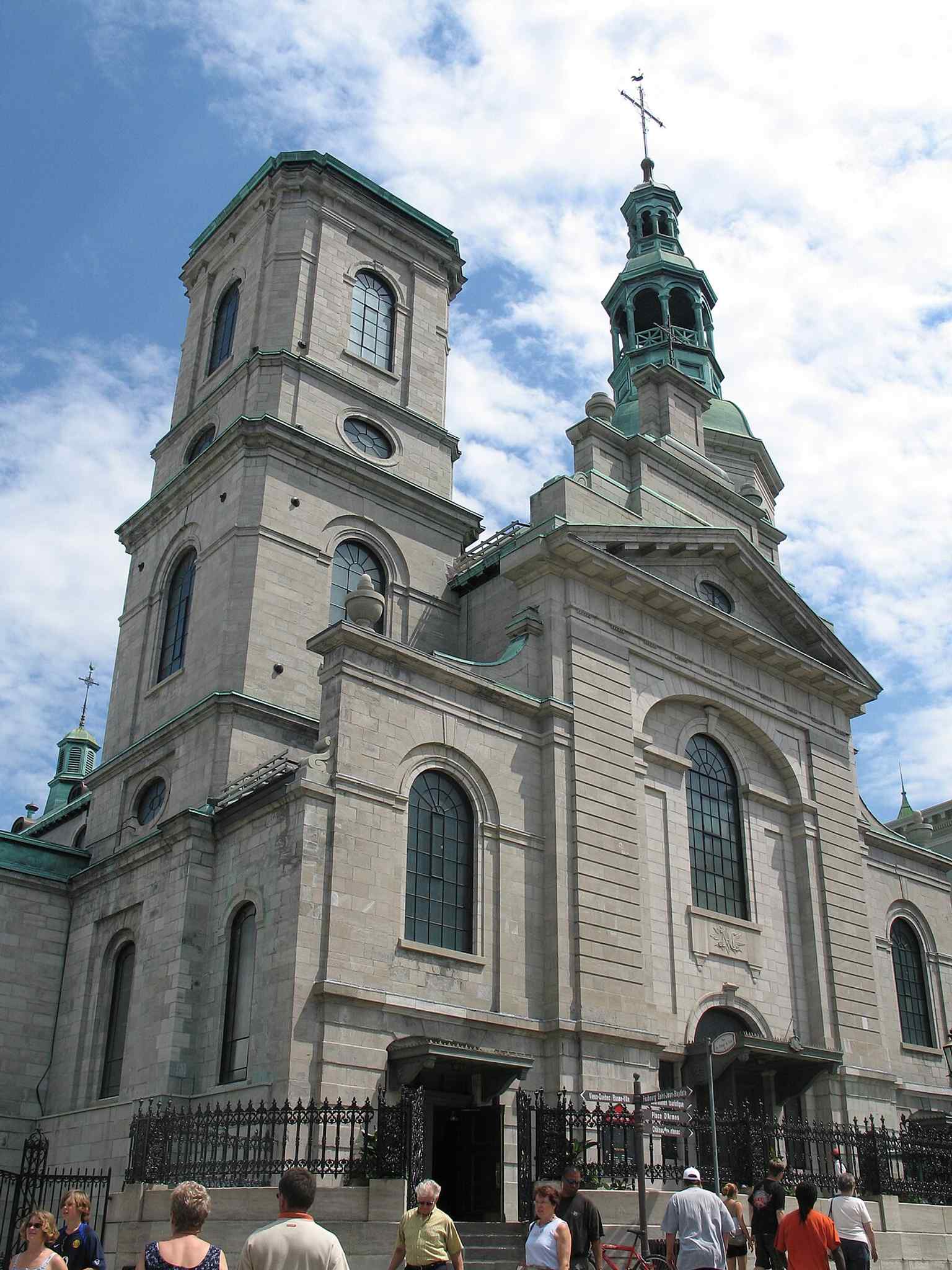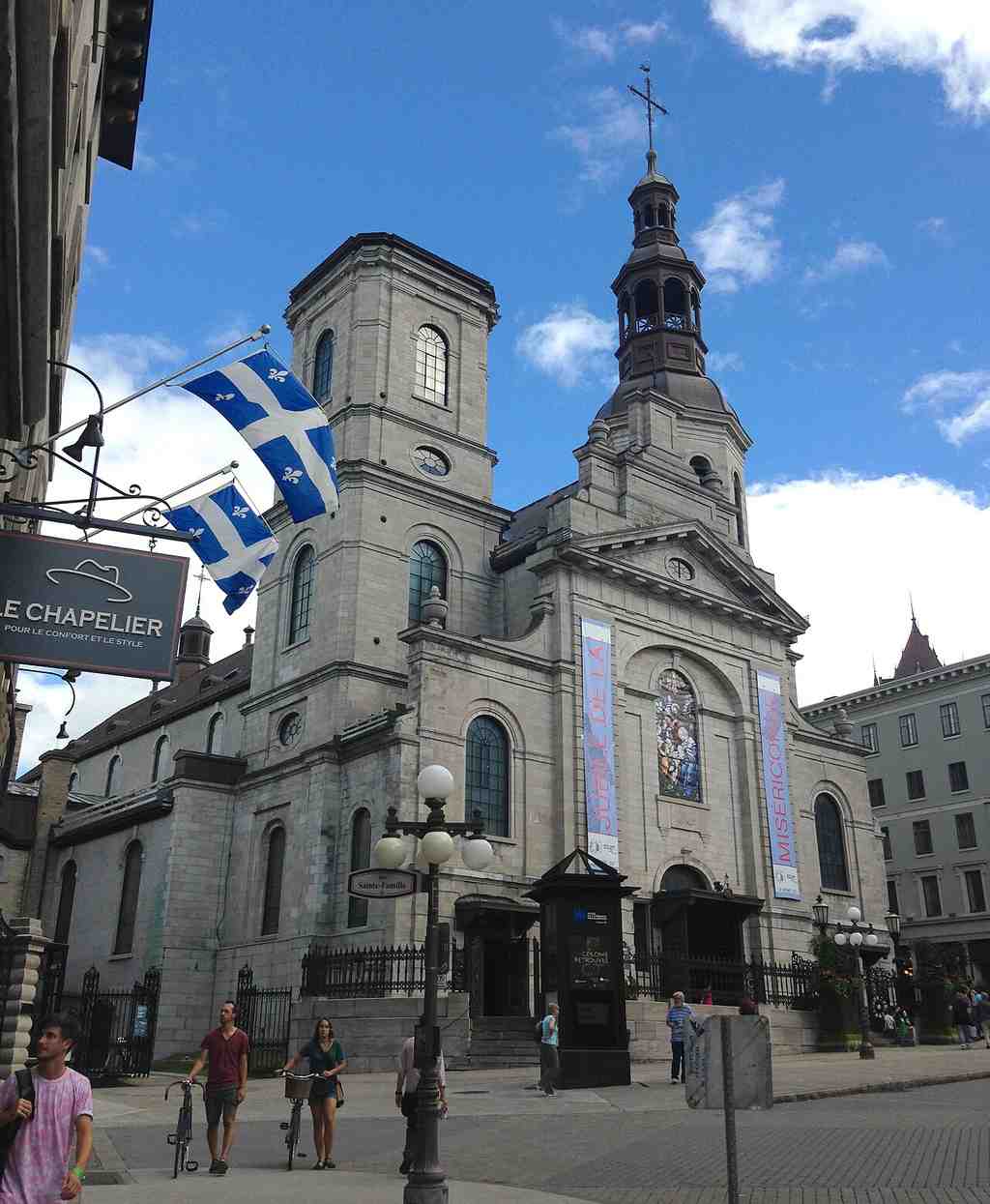
On your left, look for a broad pale-stone façade with a triangular classical pediment and one oddly blunt tower without a spire, the basilica’s most recognizable quirk.
This is not simply an old church. It is the primatial church of Canada, the senior ceremonial seat of the country’s Catholic Church, and the oldest diocesan seat in North America north of Mexico. It also serves the oldest parish on the continent north of Mexico, and in eighteen seventy-four Rome raised it to the rank of basilica minor, a special papal honor.
The surprise here is scale. François de Laval, the first bishop of Quebec, did not preside over a tidy local parish. His diocese stretched from Quebec toward the Great Lakes and down to the Mississippi. Louis the Fourteenth paid for the first major enlargement, so this small sanctuary in Upper Town became a religious command center for a vast part of New France. If Holy Trinity expressed British authority in stone, this place carried an older Catholic map... and a much larger one. Modest frontage, continental ambitions.
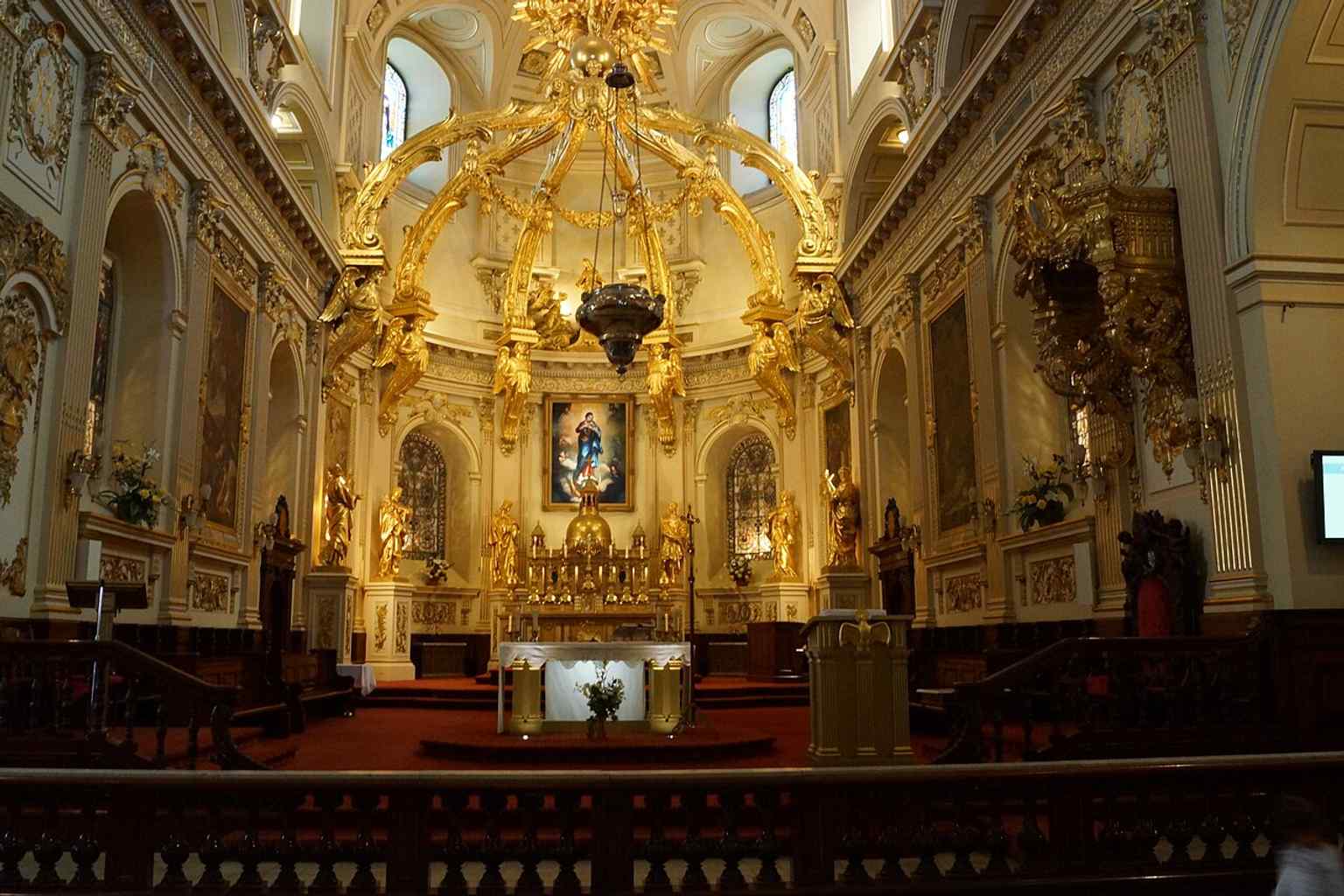
The first church on this site appeared in sixteen forty-seven as Notre-Dame-de-la-Paix, and the first Mass followed in sixteen fifty. After Quebec became a diocese in sixteen seventy-four, architects and bishops kept enlarging it. Then war intervened. British bombardment during the siege of seventeen fifty-nine ravaged the cathedral. After the Conquest, Jean Baillairgé, who had come from France as a teenager, rebuilt it almost exactly as before and added the southern bell tower. His son François, trained in Paris, returned to shape the interior decoration with him. Later, François’s son Thomas redesigned the façade in the eighteen forties in a neoclassical style, meaning it borrowed the balanced forms of ancient Greece and Rome. He planned two matching towers. The ground, rather sensibly, refused. Only the north tower went up, and even that lost its spire because the foundations could not take the weight.
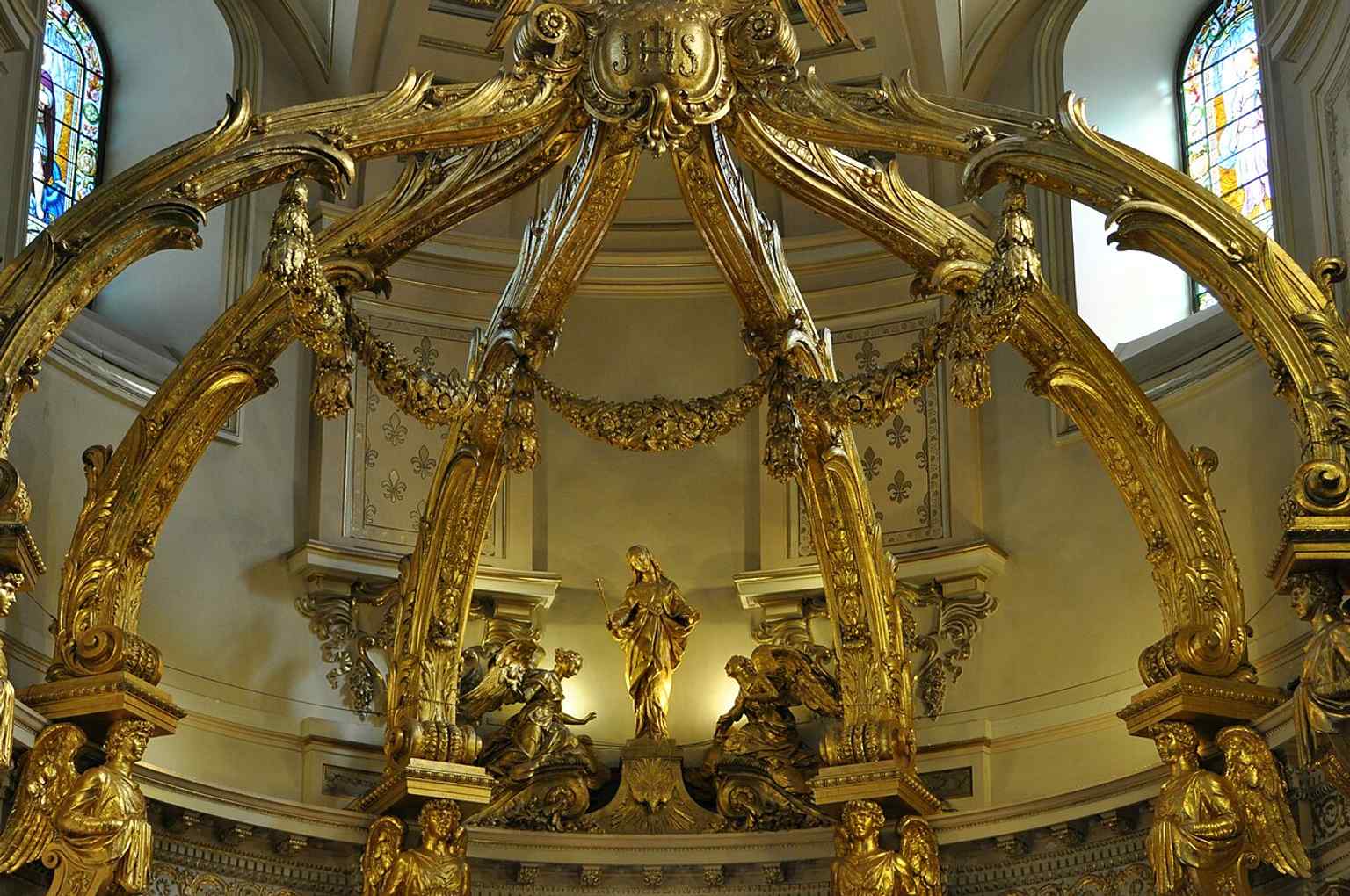
Then came another blow. In December of nineteen twenty-two, fire gutted the church and left only the masonry standing. Many artworks vanished; only the consecrated hosts were saved. The loss came to one million dollars then, roughly the value of about eighteen million dollars now. If you want, check the before-and-after image in the app to see the cathedral mid-reconstruction after that disaster. From nineteen twenty-three to nineteen thirty, Raoul Chênevert and Maxime Roisin used original plans and old photographs to rebuild it with remarkable fidelity. What stands before you is both restoration and re-creation, memory rebuilt on purpose.
That memory goes deep. The crypt holds more than nine hundred burials, including bishops of Quebec and four governors of New France, among them Frontenac. François de Laval rests here too, marked by a bronze recumbent figure added in the nineteen nineties. And somewhere near the earliest chapel, archaeologists still hope to find Champlain’s tomb. The building keeps a few secrets for itself.
It also remains a working church, not a frozen relic. Its Holy Door - a special pilgrimage entrance opened in the twenty tens - became the first in America and the first outside Europe, drawing hundreds of thousands of pilgrims.
From here, head toward Breakneck Stairs, where Upper Town’s grandeur gives way to the city’s steeper, more practical truth. If you want to go inside, the basilica generally opens Monday through Wednesday from nine in the morning to three in the afternoon and stays closed Thursday through Sunday.