AudaTours logoAudaTours

Stop 10 of 15

Graz Cathedral

Graz Cathedral
Graz Cathedral
Graz CathedralPhoto: Isiwal, Wikimedia Commons, CC BY-SA 4.0. Cropped & resized.

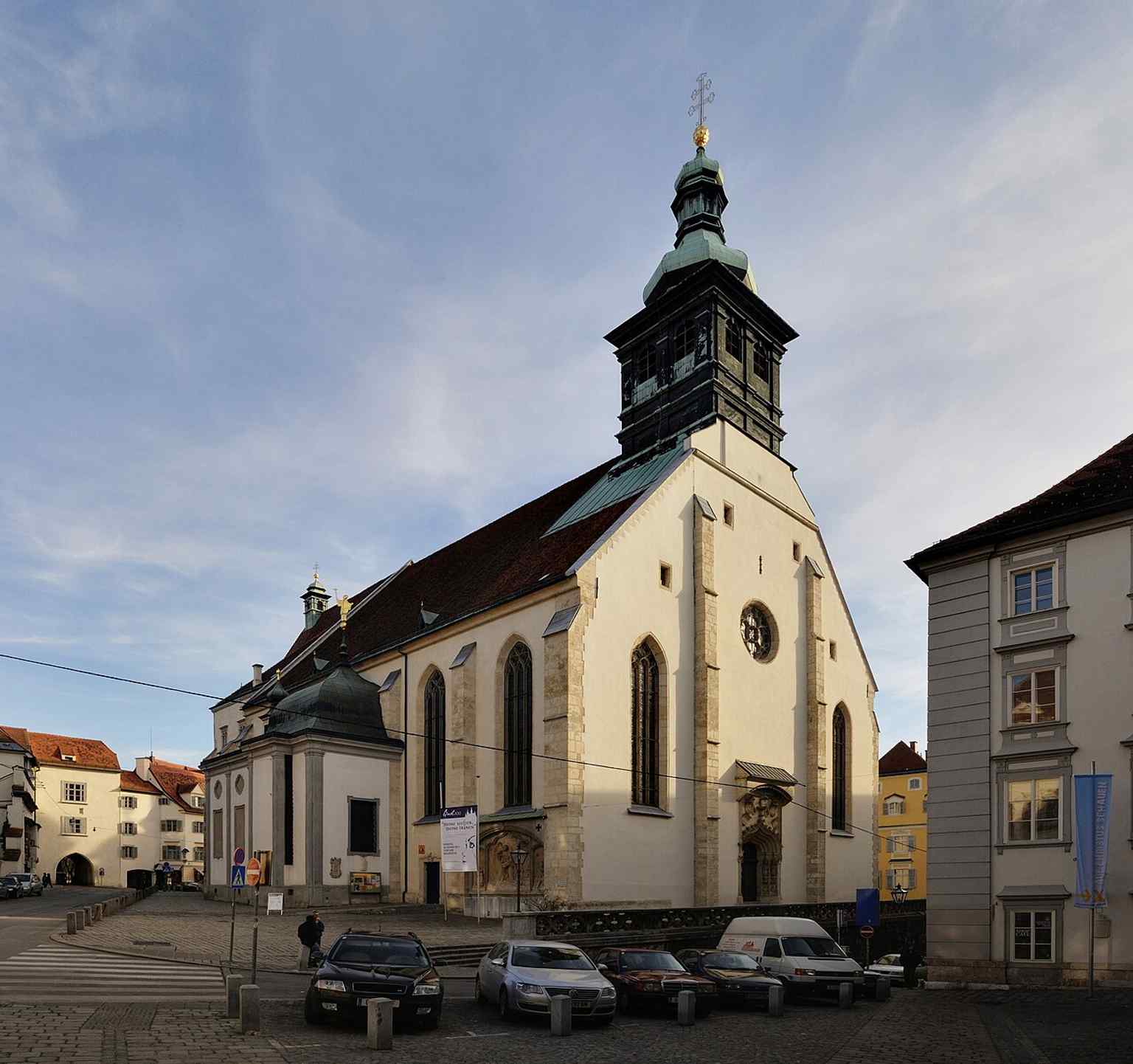
On your right, look for the pale stone cathedral with its broad, solid Gothic body, a narrower choir braced by buttresses, and a richly carved west portal marked with imperial symbols.

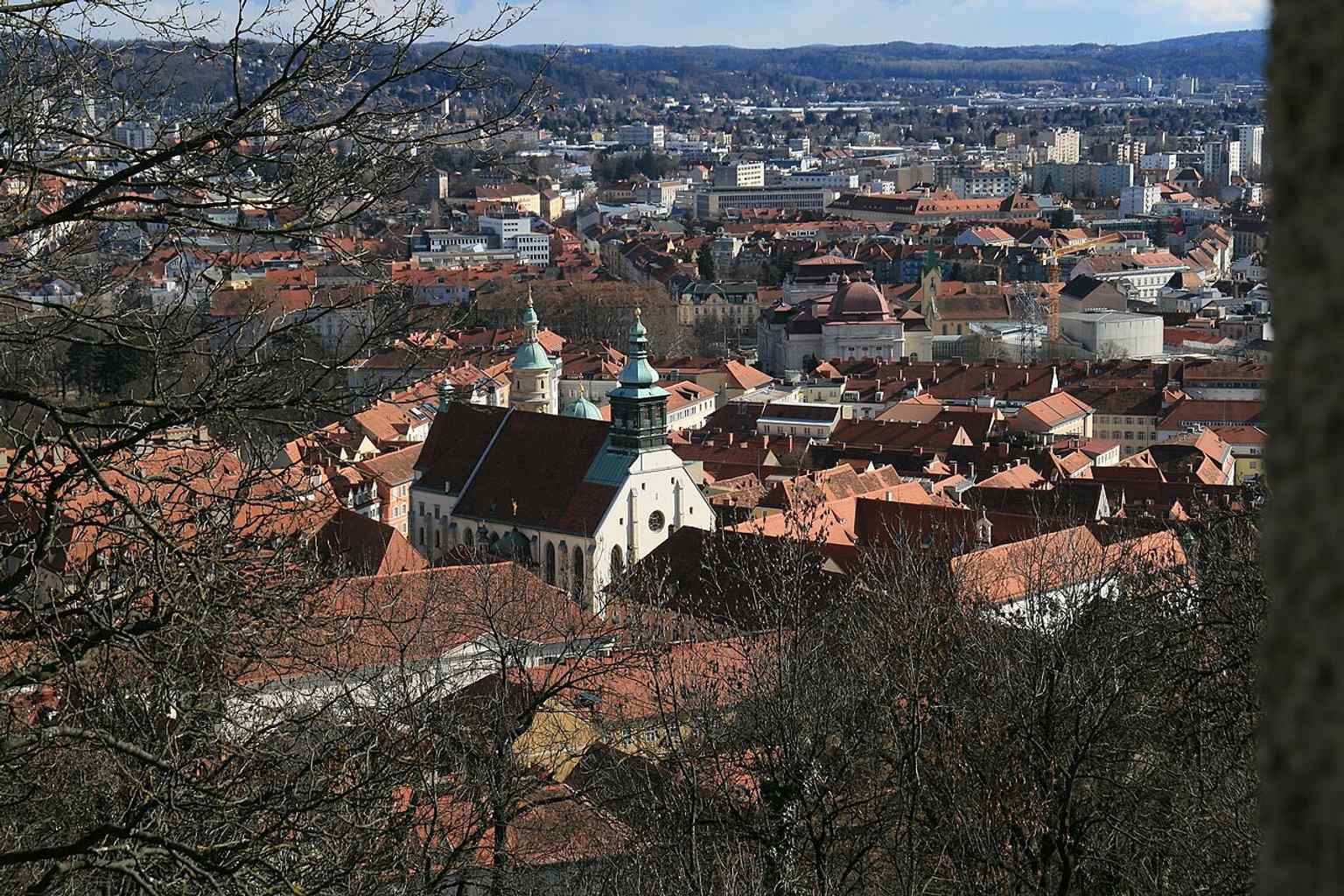
Graz Cathedral has a curious honesty about it. From out here, it looks stern, almost restrained, as if it prefers not to boast. And yet this is one of the most important artistic and historical buildings in Graz, and indeed in all of Styria. It stands on slightly raised ground, just beyond the line of the old medieval city, where planners once imagined it as a kind of church-fortress. That elevated setting still gives it a quiet authority.

The church is dedicated to Saint Aegidius, and a much older church stood here by at least the twelfth century. A document mentions it in the year eleven seventy-four, and Graz had a named parish priest by eleven eighty-one. But the building before you belongs to Emperor Frederick the Third. In fourteen thirty-eight, as he began work on the nearby castle, he also set this church in motion. His personal motto, A-E-I-O-U, appears here several times, carved or painted into the fabric of the place, along with dates that chart the work. The west portal carries fourteen fifty-six, and scholars generally take fourteen sixty-four as the year the cathedral reached completion.

Do have a look at that portal. It still speaks the language of Gothic craftsmanship: vertical, ceremonial, carefully layered. Above it, Frederick placed his A-E-I-O-U and a cluster of coats of arms, including the double-headed imperial eagle, Austria, Styria, and Portugal, a nod to his wife, Eleonore of Portugal. It is a small human touch in a very political façade.

What makes this cathedral especially fascinating is the contrast between outside and inside. The exterior is largely plain now, but it was once painted much more vividly. One of the few surviving traces is the famous plague fresco on the south wall, linked to the year fourteen eighty, when Graz suffered three calamities at once: plague, war, and locusts. The close-up view shows one of the surviving exterior frescoes more clearly than you can from here.
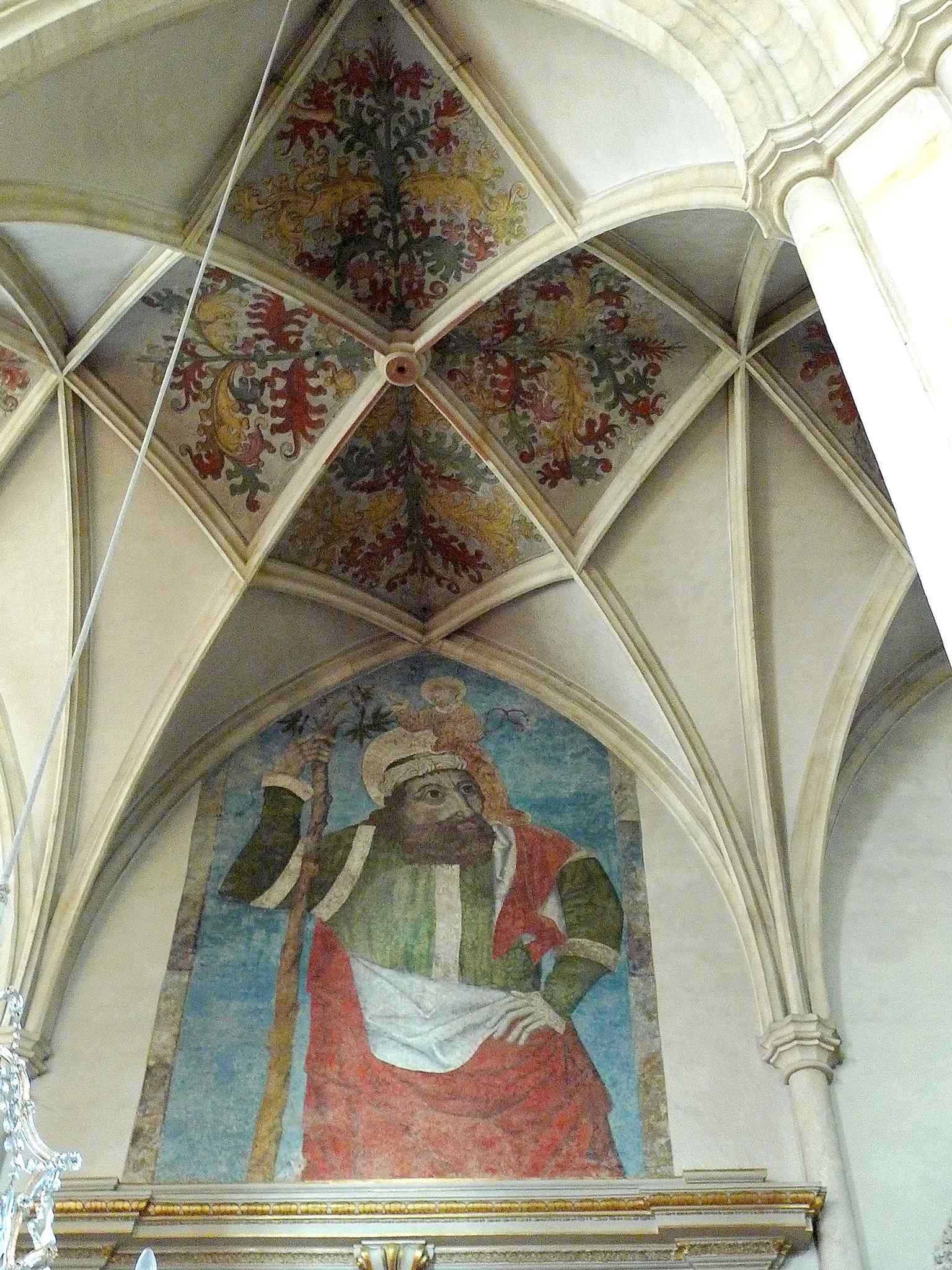
Saint Christopher fresco on the cathedral exterior, one of the few surviving traces of the building’s former painted façades.
Saint Christopher fresco on the cathedral exterior, one of the few surviving traces of the building’s former painted façades.Photo: E.mil.mil (talk), Wikimedia Commons, CC BY-SA 3.0 at. Cropped & resized.

The building did not remain frozen in Frederick’s age. The Jesuits took over in fifteen seventy-seven and reshaped the interior for the Catholic revival after the Reformation. They opened sightlines toward the high altar, added chapels, and filled the church with baroque drama. If you glance at the app, the high altar shows that change splendidly: Saint Aegidius stands at the centre, with the Coronation of Mary above, in a grand ensemble created in the seventeen thirties.
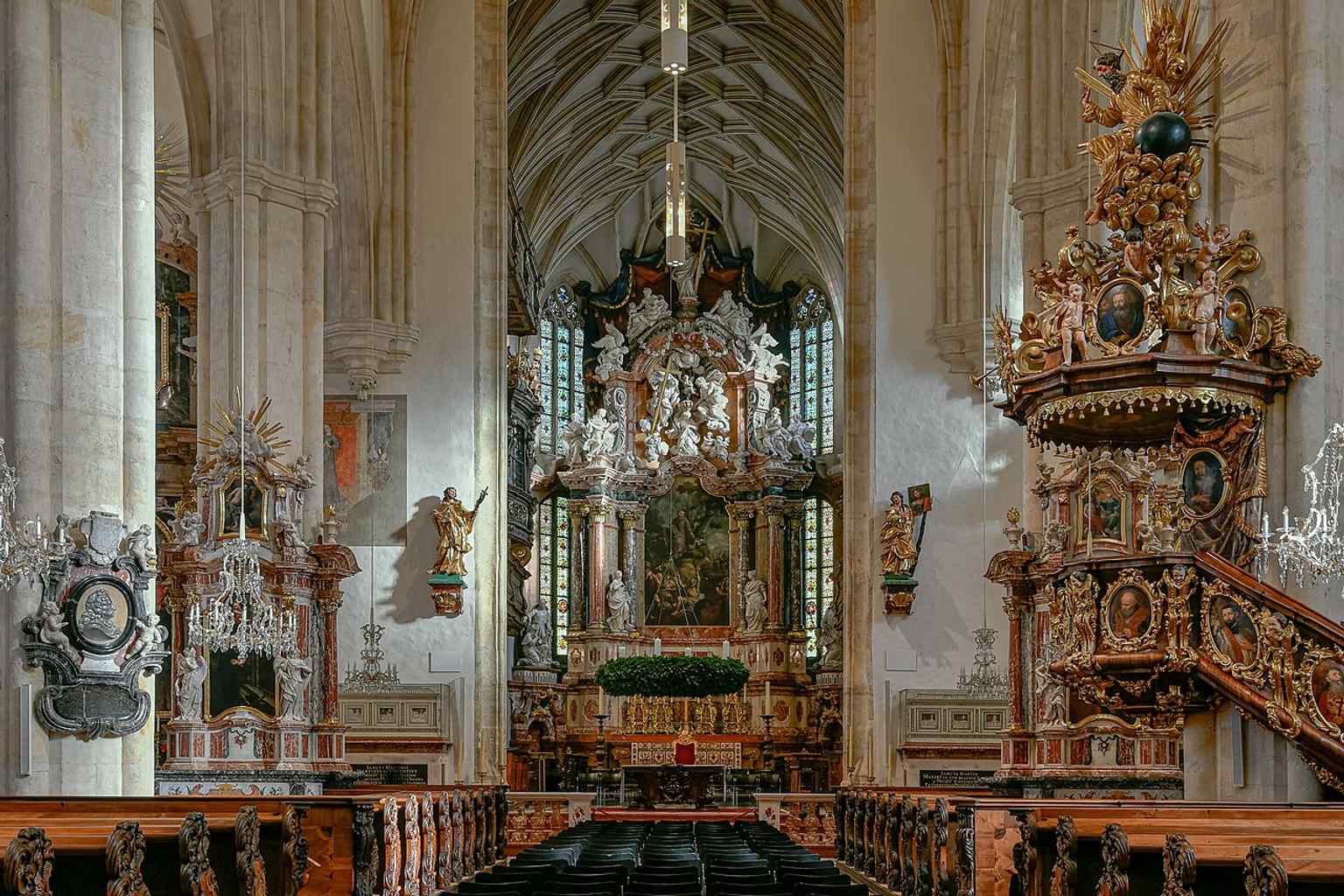
The baroque high altar, built in 1730–1733, with Saint Aegidius in the center and Mary’s coronation above.
The baroque high altar, built in 1730–1733, with Saint Aegidius in the center and Mary’s coronation above.Photo: Isiwal, Wikimedia Commons, CC BY-SA 4.0. Cropped & resized.

In seventeen eighty-six, when Graz became a bishop’s seat, this church rose to cathedral rank. More recently, a major restoration from twenty seventeen to twenty twenty-three renewed the building, completed the organ project, and refreshed the cathedral for another long chapter.

If you plan to step inside later, the cathedral generally opens from eight AM on most days, from eleven AM on Tuesdays, and closes in the early evening.

This cathedral is Graz at its most layered: imperial, Jesuit, episcopal, and quietly enduring. When you are ready, continue on toward the Schauspielhaus, where the city’s sacred gravity gives way to the drama of the stage.
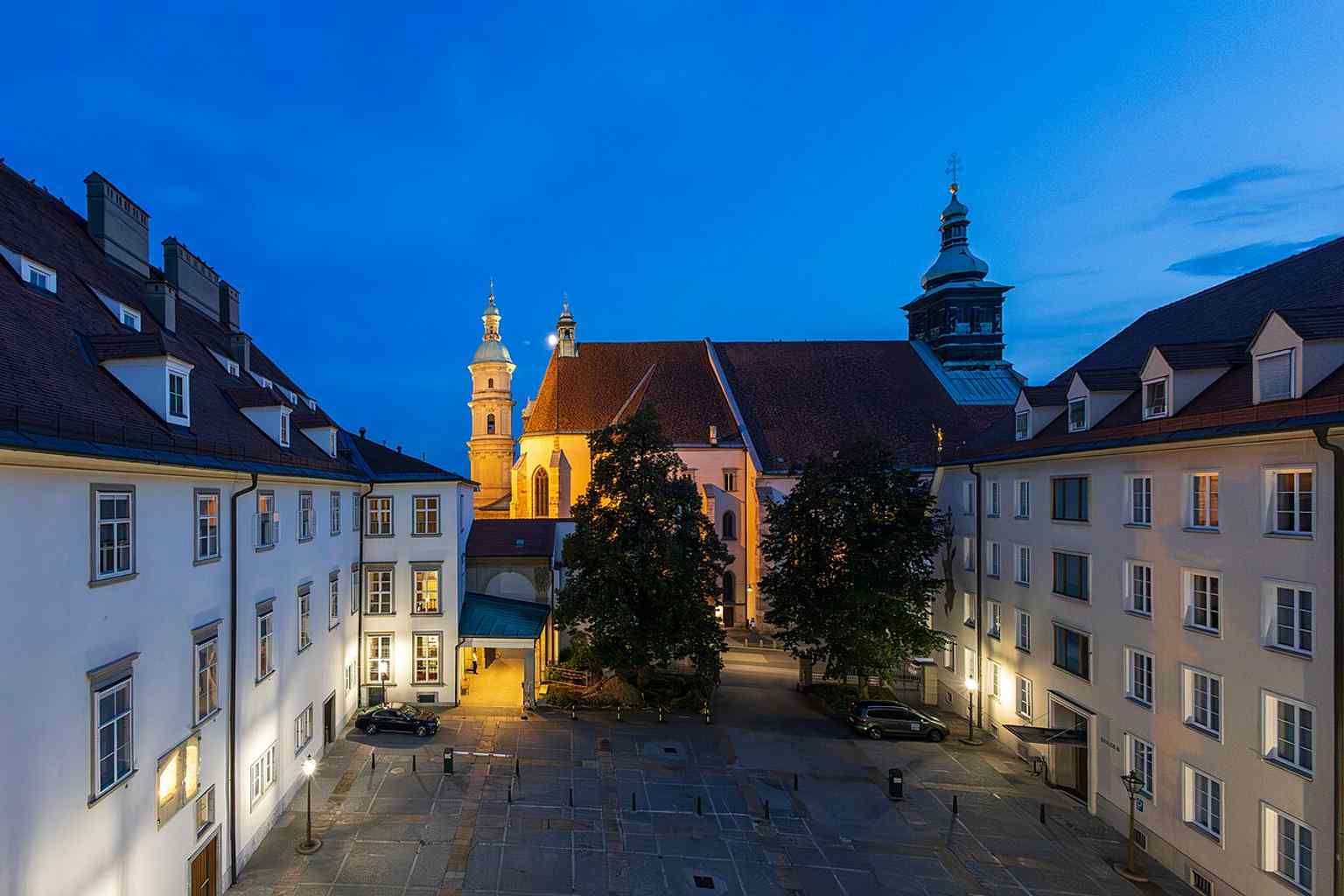
View from the Graz Castle toward the cathedral, showing how the Dom sits above the old city on elevated ground.
View from the Graz Castle toward the cathedral, showing how the Dom sits above the old city on elevated ground.Photo: Matthias Süßen, Wikimedia Commons, CC BY-SA 4.0. Cropped & resized.
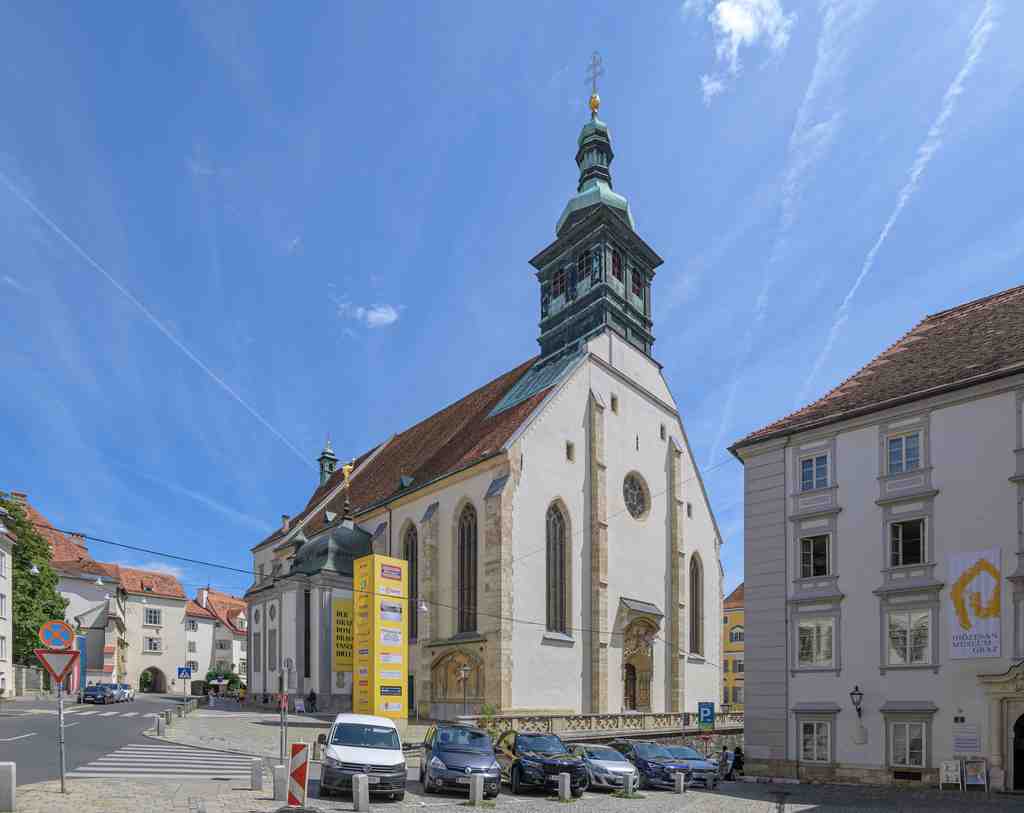
The cathedral’s broad, sober exterior in full view — a good introduction to the late Gothic church from 15th-century Graz.
The cathedral’s broad, sober exterior in full view — a good introduction to the late Gothic church from 15th-century Graz.Photo: Taxiarchos228, Wikimedia Commons, CC BY 3.0. Cropped & resized.
From Schloßberg, the cathedral appears beside St. Catherine’s Church and Ferdinand II’s mausoleum, part of Graz’s landmark ensemble.
From Schloßberg, the cathedral appears beside St. Catherine’s Church and Ferdinand II’s mausoleum, part of Graz’s landmark ensemble.Photo: Manfred Werner - Tsui, Wikimedia Commons, CC BY-SA 3.0. Cropped & resized.
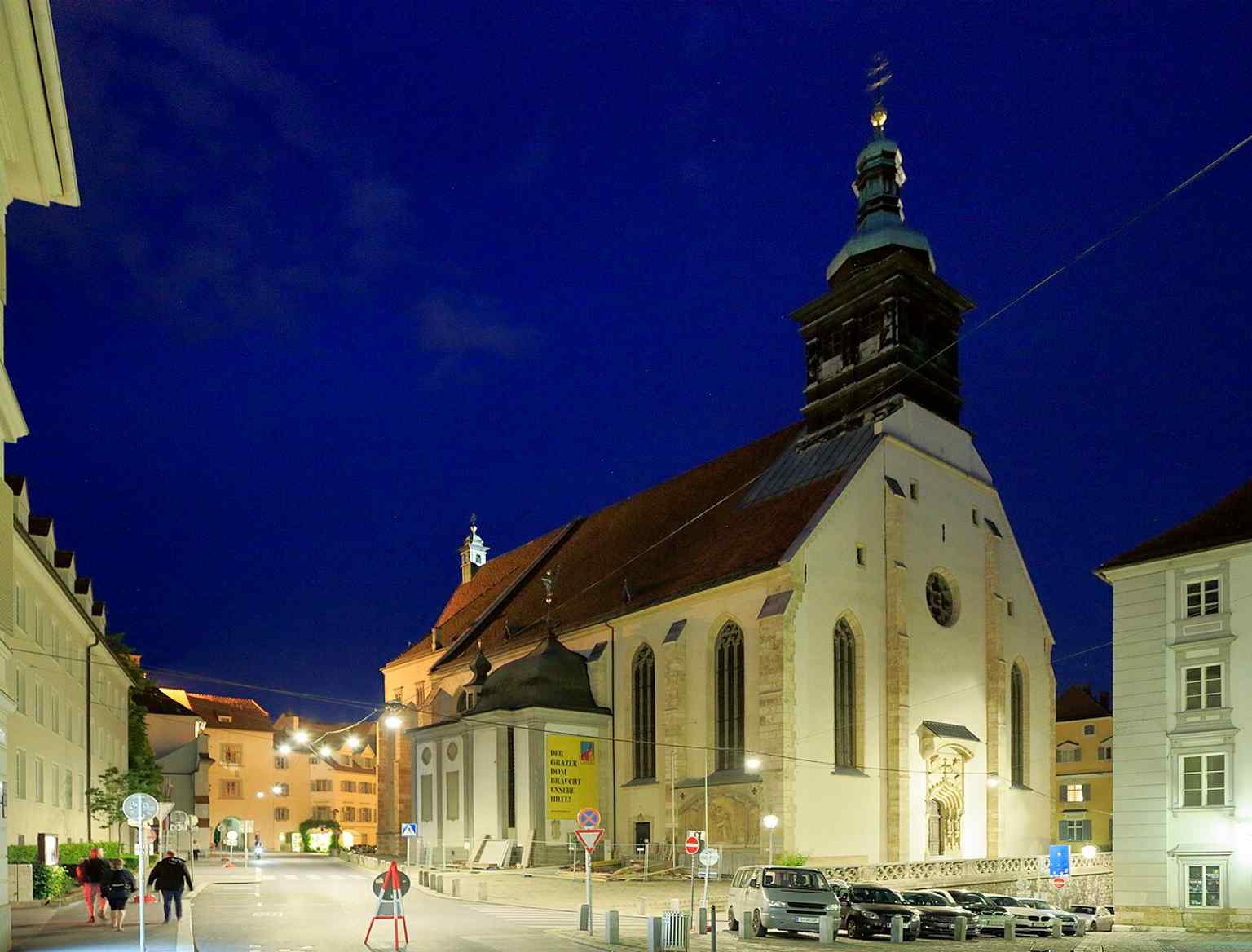
A dramatic street-level view from Hofgasse and Bürgergasse, where the cathedral rises from the historic center.
A dramatic street-level view from Hofgasse and Bürgergasse, where the cathedral rises from the historic center.Photo: Falk2, Wikimedia Commons, CC BY-SA 4.0. Cropped & resized.
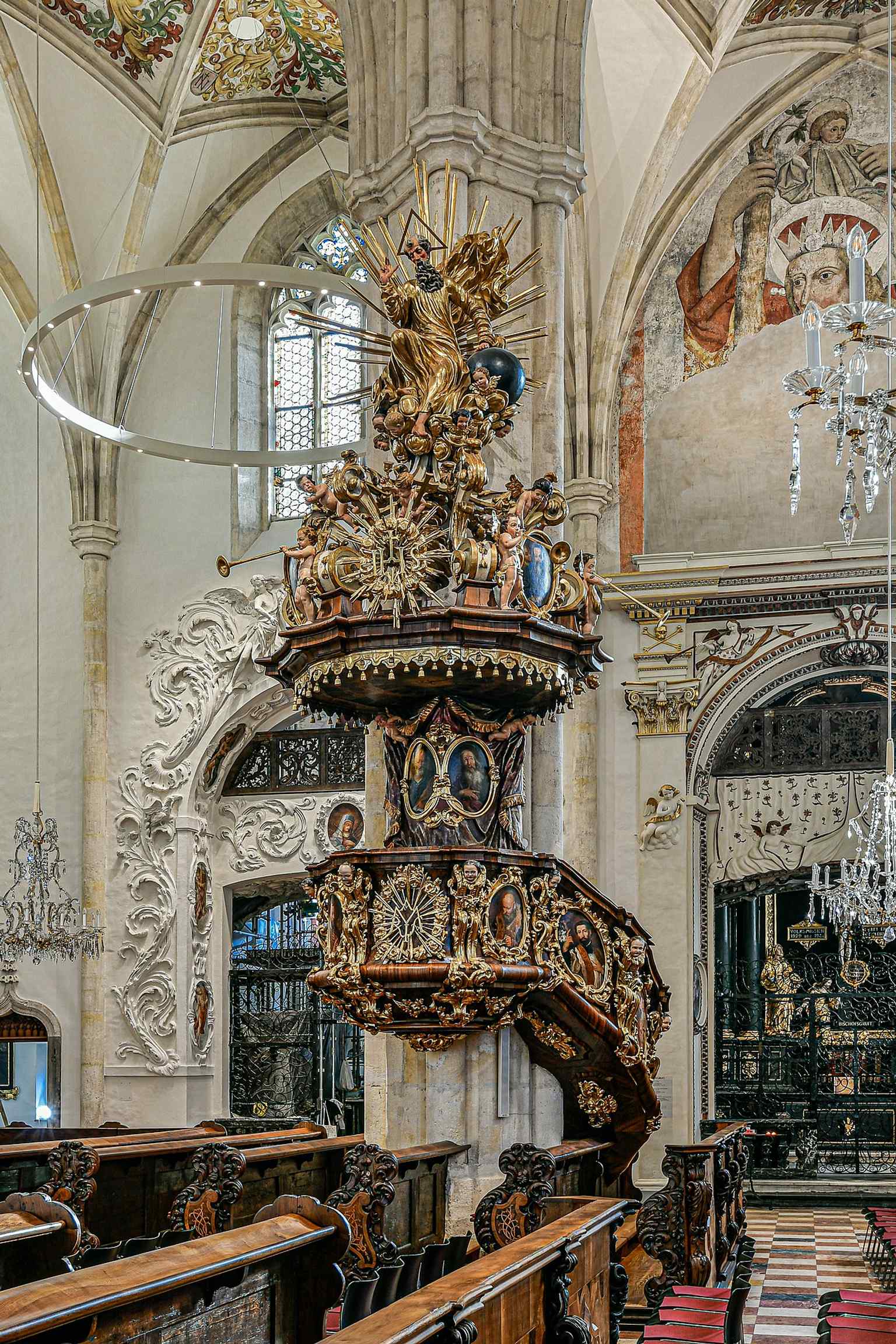
The ornate 1710 pulpit, a strong example of the Jesuit-era baroque interior that reshaped the cathedral.
The ornate 1710 pulpit, a strong example of the Jesuit-era baroque interior that reshaped the cathedral.Photo: Isiwal, Wikimedia Commons, CC BY-SA 4.0. Cropped & resized.
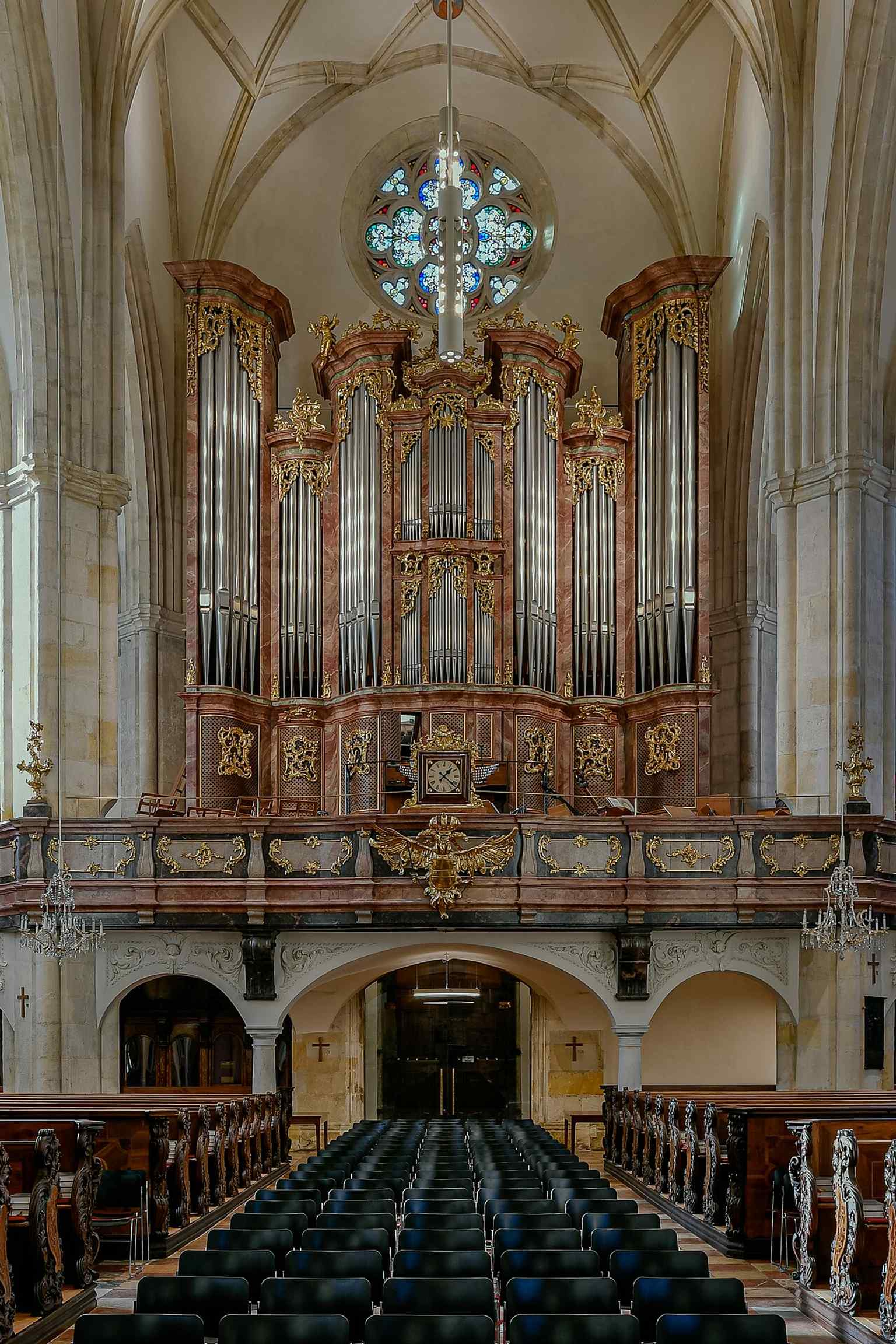
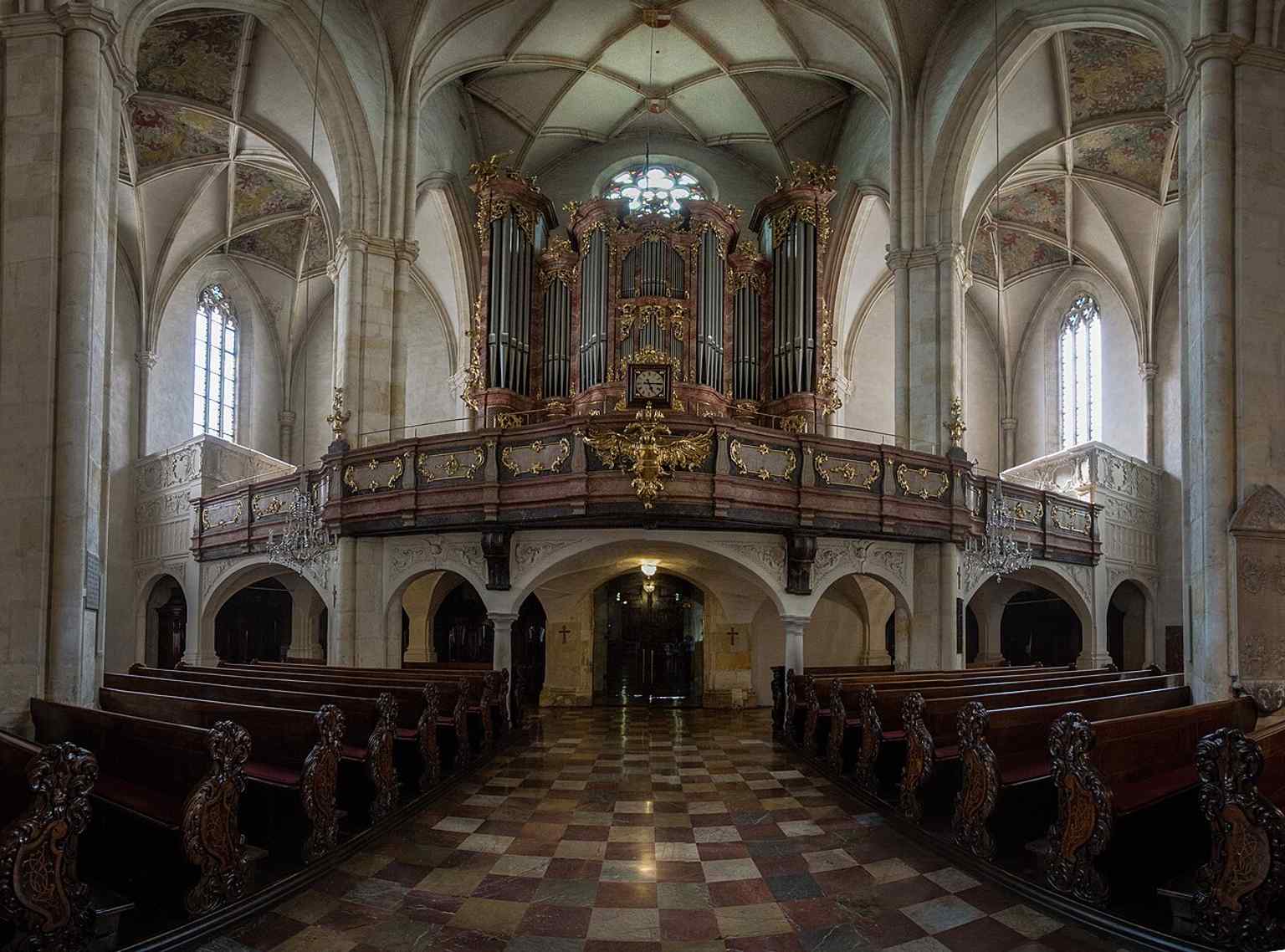
The west gallery and organ loft, where the 1687 baroque gallery now carries the rebuilt cathedral organ.
The west gallery and organ loft, where the 1687 baroque gallery now carries the rebuilt cathedral organ.Photo: Isiwal, Wikimedia Commons, CC BY-SA 4.0. Cropped & resized.
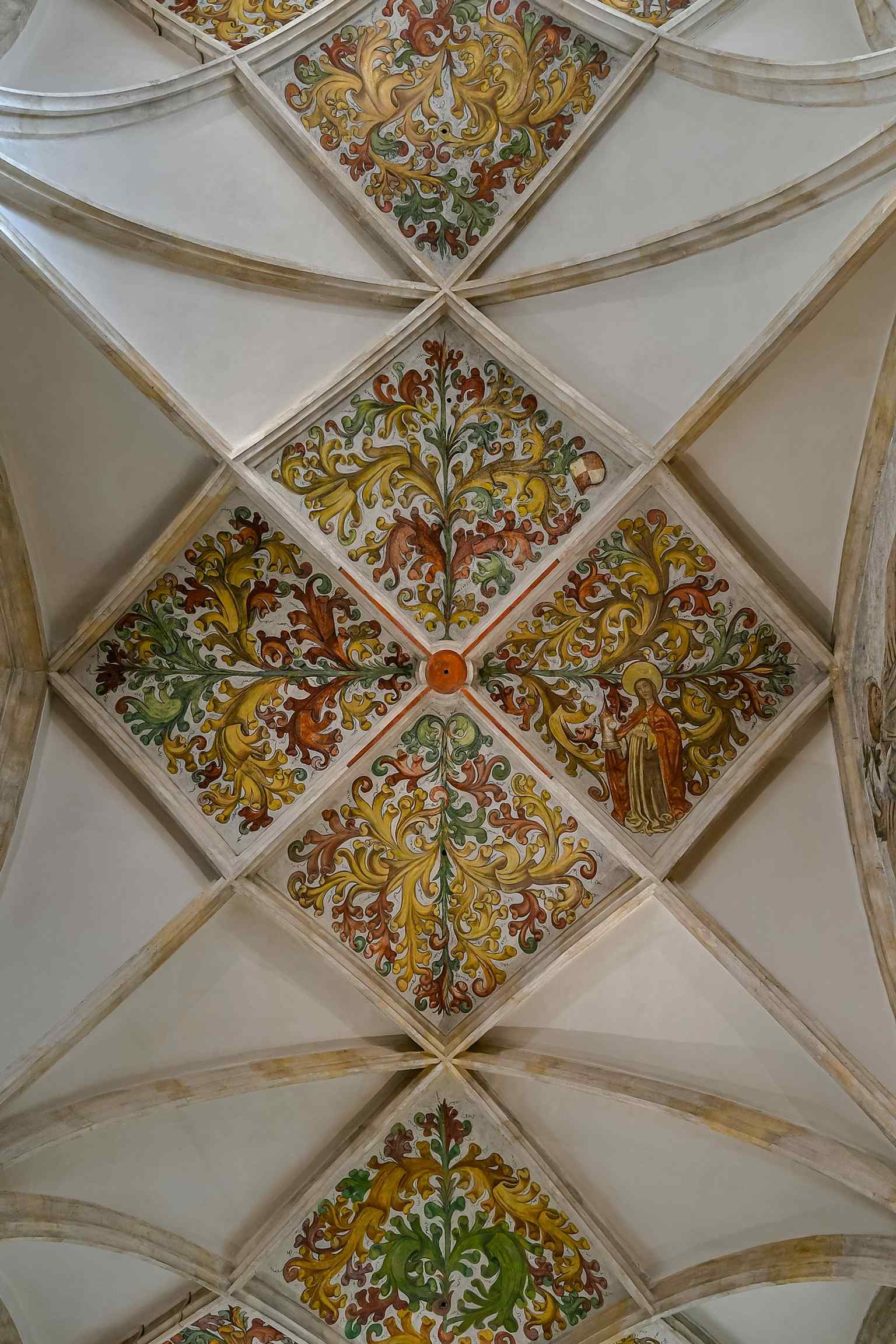
Late Gothic vault painting survives here: tendril and flower frescoes dated 1464 in the side aisle.
Late Gothic vault painting survives here: tendril and flower frescoes dated 1464 in the side aisle.Photo: Isiwal, Wikimedia Commons, CC BY-SA 4.0. Cropped & resized.
The cathedral organ in close-up, matching the major 2022–2023 rebuild that completed the recent renovation.
The cathedral organ in close-up, matching the major 2022–2023 rebuild that completed the recent renovation.Photo: Pedro J Pacheco, Wikimedia Commons, CC BY-SA 3.0 at. Cropped & resized.
arrow_back Back to Graz Audio Tour: Echoes of Empire and Art in Innere Stadt
Loved by travellers

Thousands of tours started.
Plenty of opinions.

4.8 across the App Store and Google Play. Here's a few we keep coming back to.

starstarstarstarstar
This was a solid way to get to know Brighton without feeling like a tourist. The narration had depth and context, but didn't overdo it.
Christoph
Christoph
Brighton Tour
starstarstarstarstar
Started this tour with a croissant in one hand and zero expectations. The app just vibes with you, no pressure, just you, your headphones, and some cool stories.
download Get the app

Pop your headphones in.
Step outside.

Free to download. Tours in every city. Start in 60 seconds — no account, no card.

Download on the App StoreGet it on Google Play
starstarstarstarstar_half
4.8
AudaTours app icon
headphones
~ 4 min until your first tour starts
public
1,000+ cities worldwide
all_inclusive
AudaTours
Unlimited

Every tour. Every city. One subscription.

3101 tours2271 cities138 countries50+ languages