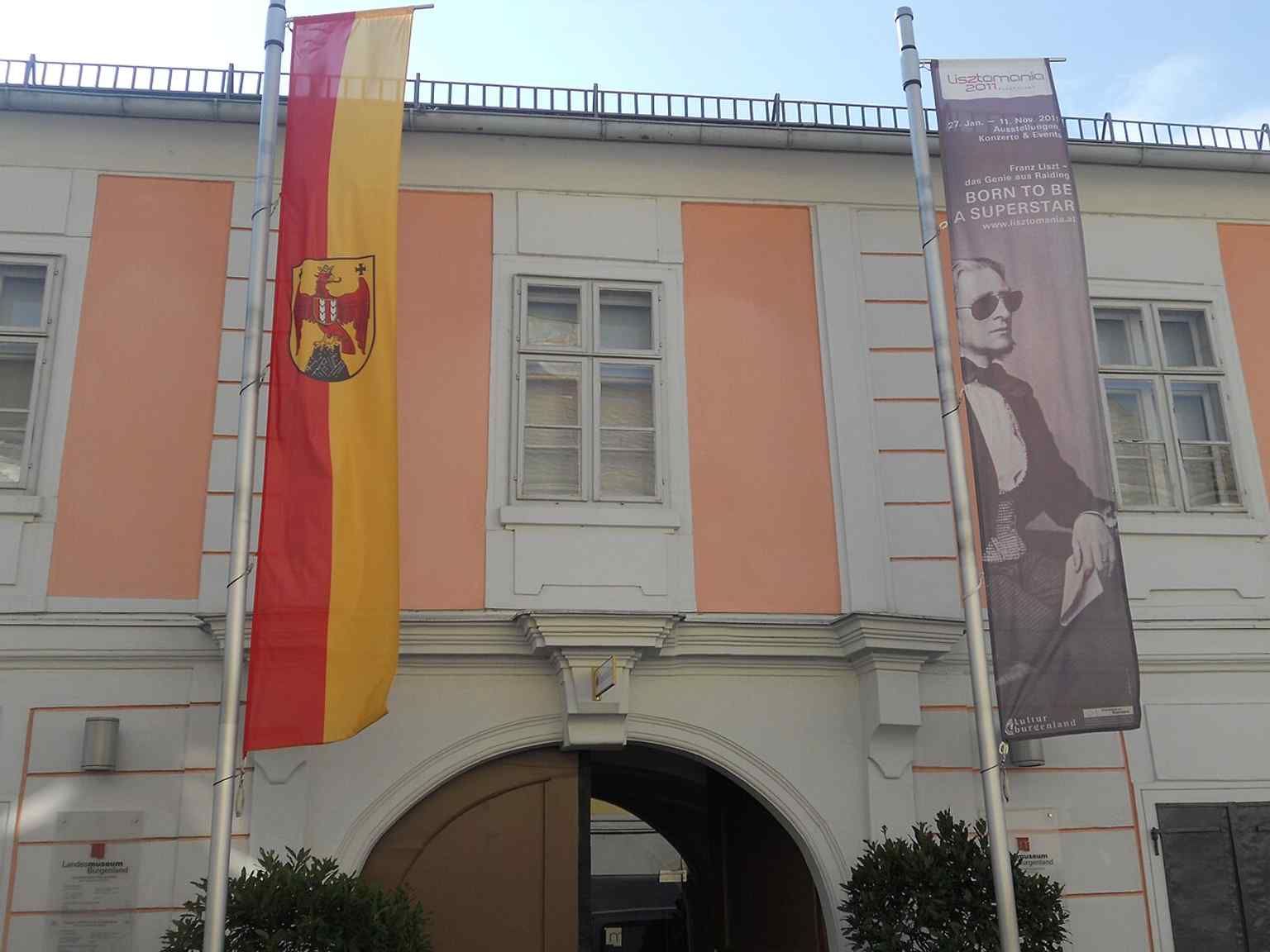
On your left, look for a pale historic facade with a broad rectangular front, rows of tall windows, and a simple arched entrance that marks the Burgenland State Museum.
This building holds more than objects... it holds an argument about who gets to tell a region what it is.
After Burgenland joined Austria in nineteen twenty-one as the country’s ninth federal state, people here needed more than new borders on a map. They needed a story. And that story found an unlikely builder in Sándor Wolf, an Eisenstadt wine merchant. His collecting life began, of all things, with a single Roman coin around nineteen hundred. One coin led to a private collection, then a public one, and by nineteen twenty-six he gave the former Leinnerhaus to the new museum. By nineteen thirty, he had gathered around six thousand objects: archaeology, art, decorative arts, and Judaica... the material evidence of many Burgenlands layered on top of one another.
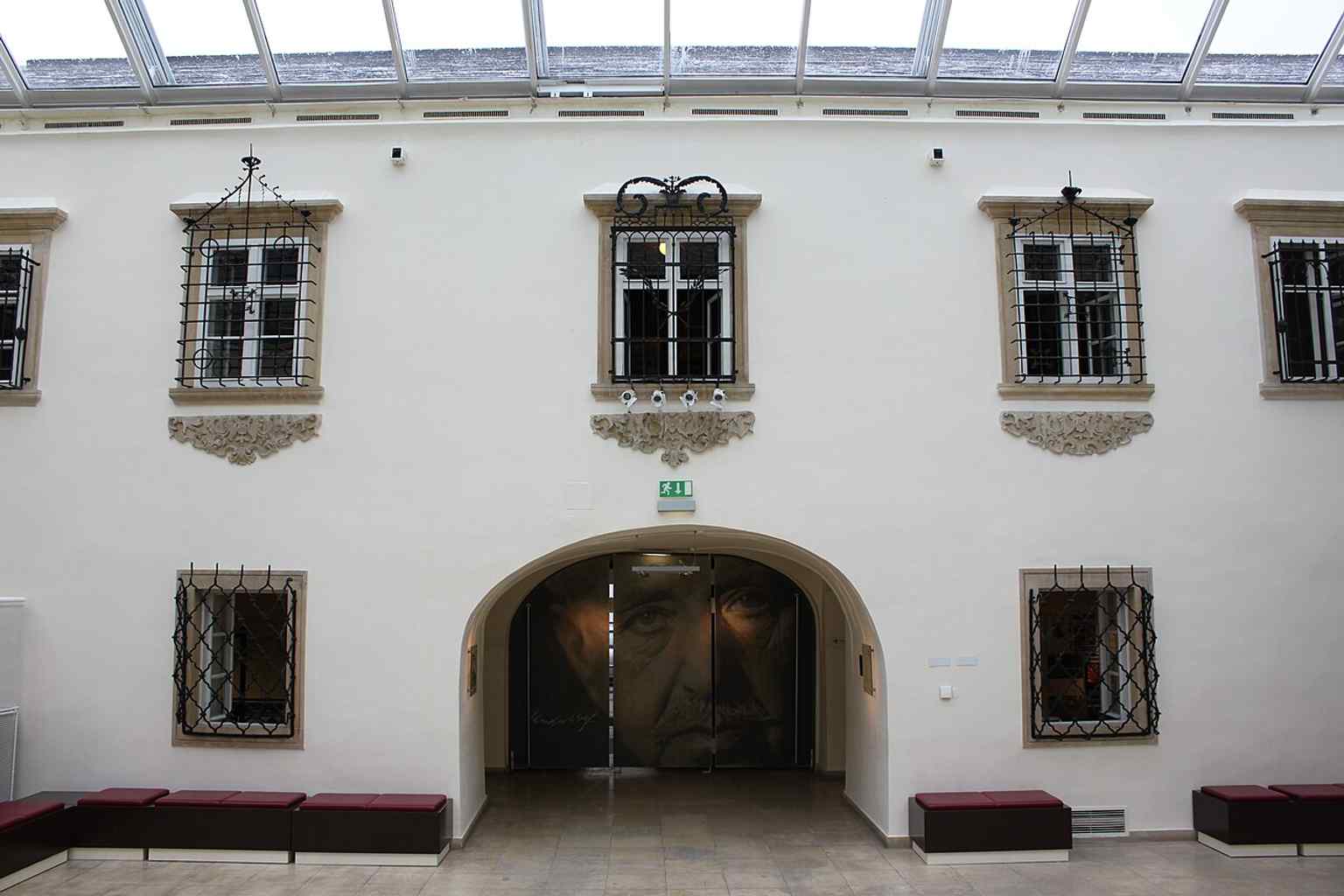
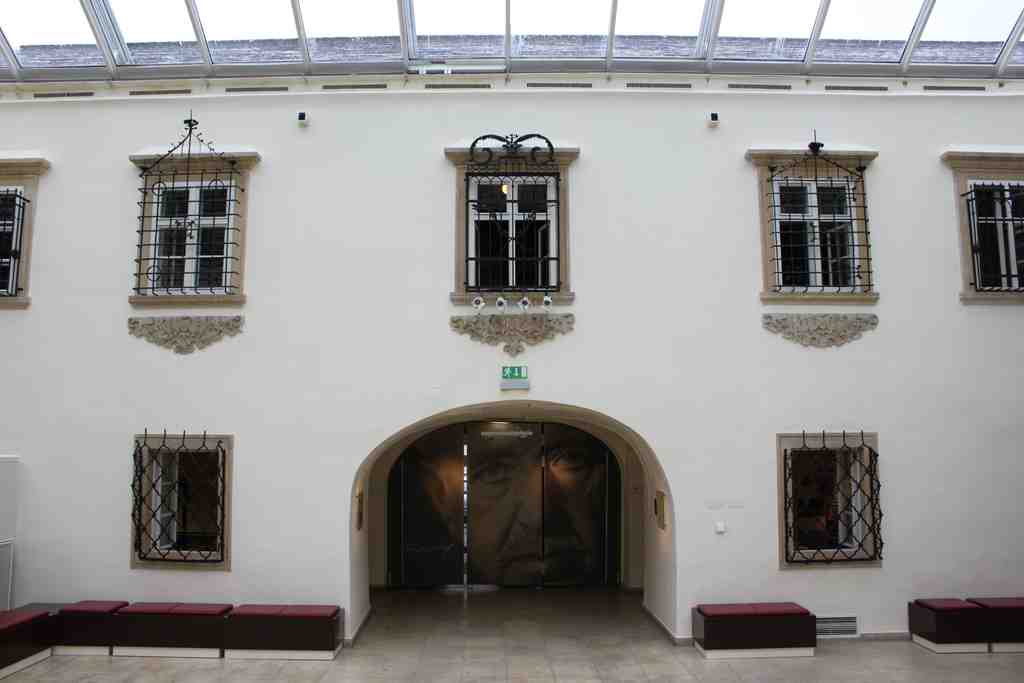
If you glance at your screen, the courtyard image shows the later solution architects found here: old inner spaces kept alive inside a modernized museum, not frozen like a relic under glass.
Then history turned vicious. In nineteen thirty-eight, after the Anschluss, the annexation of Austria into Nazi Germany, local National Socialist authorities confiscated Wolf’s property and collection. They forced him to flee to Palestine. He later wrote that he would not return, because, in effect, they had beaten the love of homeland out of him. That is a brutal sentence. He died in Haifa in nineteen forty-six.
And here is the twist: the museum did not simply lose his collection. When it moved in nineteen thirty-nine into the so-called Wolf houses, the expropriated private museum stayed together as the core of the state museum. So the institution that claimed to preserve Burgenland’s memory also carried the wound of how that memory had been stolen.
After the war, restitution dragged on. In nineteen fifty-eight, part of Wolf’s archaeological holdings came back through an auction purchase, and some Judaica returned through later acquisitions. In the nineteen sixties and seventies, architects Hans Puchhammer and Günther Wawrik expanded the museum, preserving historic facades and courtyards while adding a modern wing. The result, shown in the exterior view on your phone, is a building that quite literally patches old and new together.
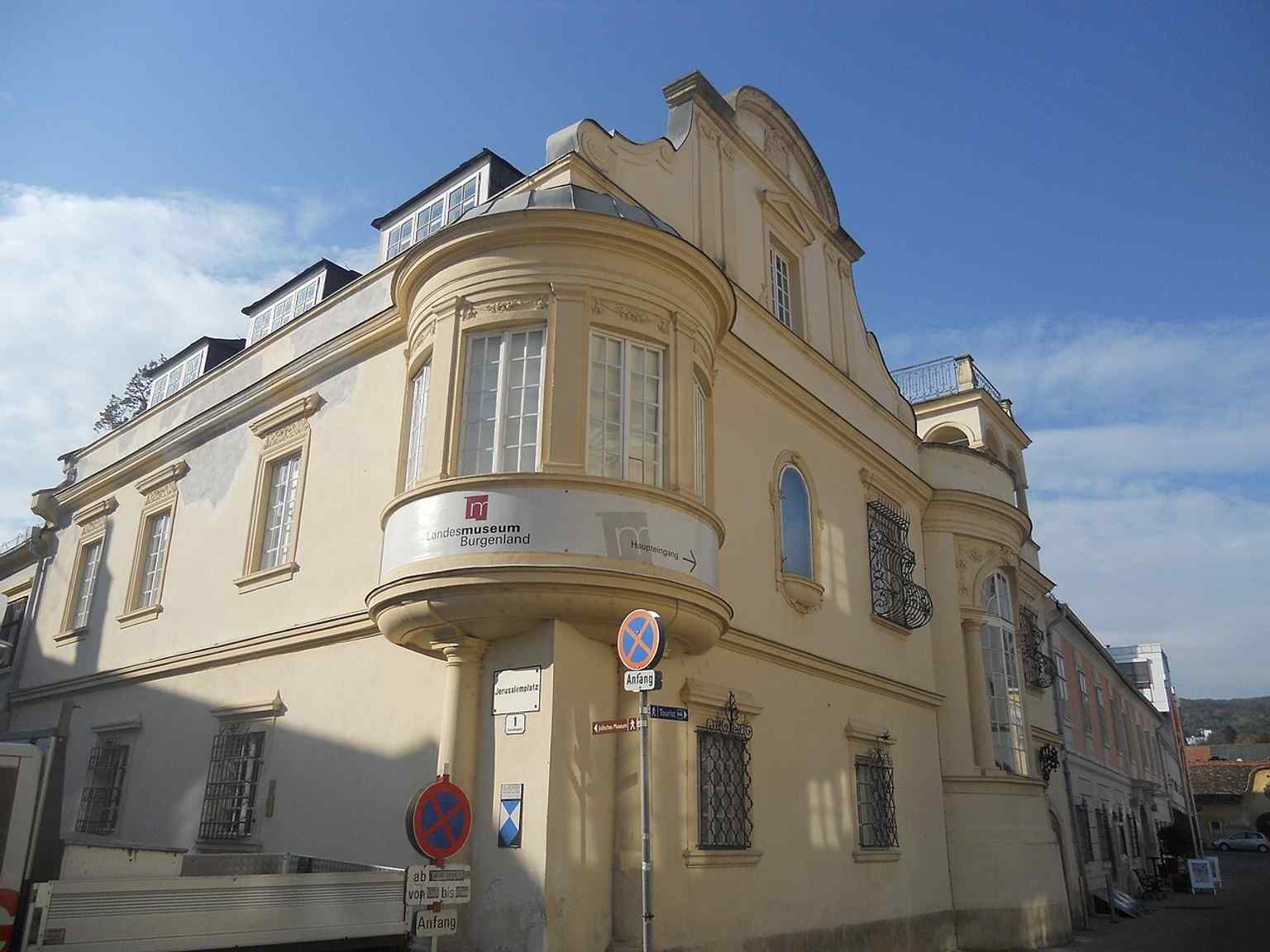
The museum is closed now for a major renovation, and the leadership says it wants to reopen as a place of encounter and public participation. Fair enough. But the harder question lingers: when a community hands its memory to a museum, a collector, or a state... who protects that memory when power turns on the people who built it?
Walk on to the Wertheimerhaus, about one minute away. Normally, the museum lists daily opening hours from nine in the morning to six in the evening, though it is currently closed for renovation.