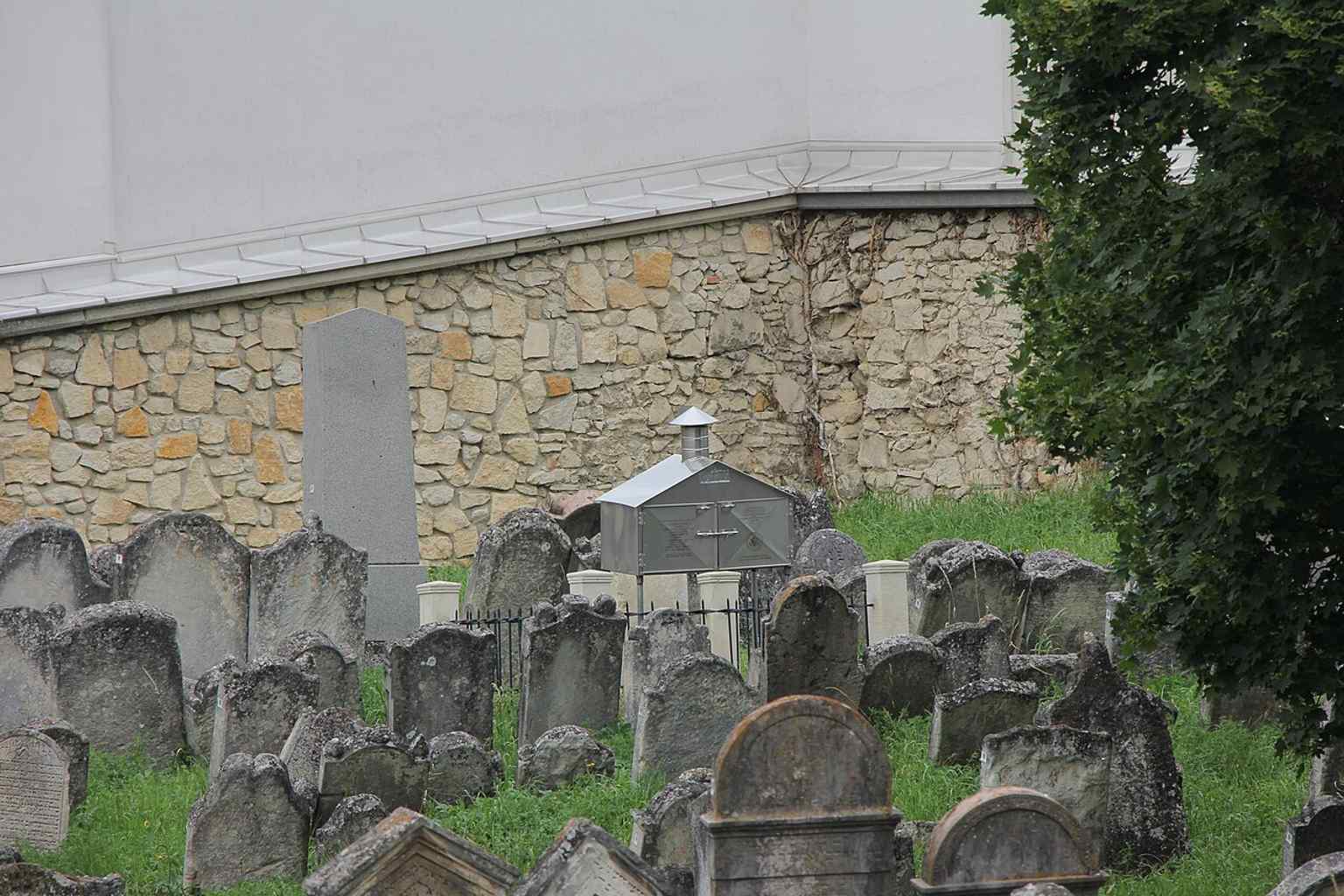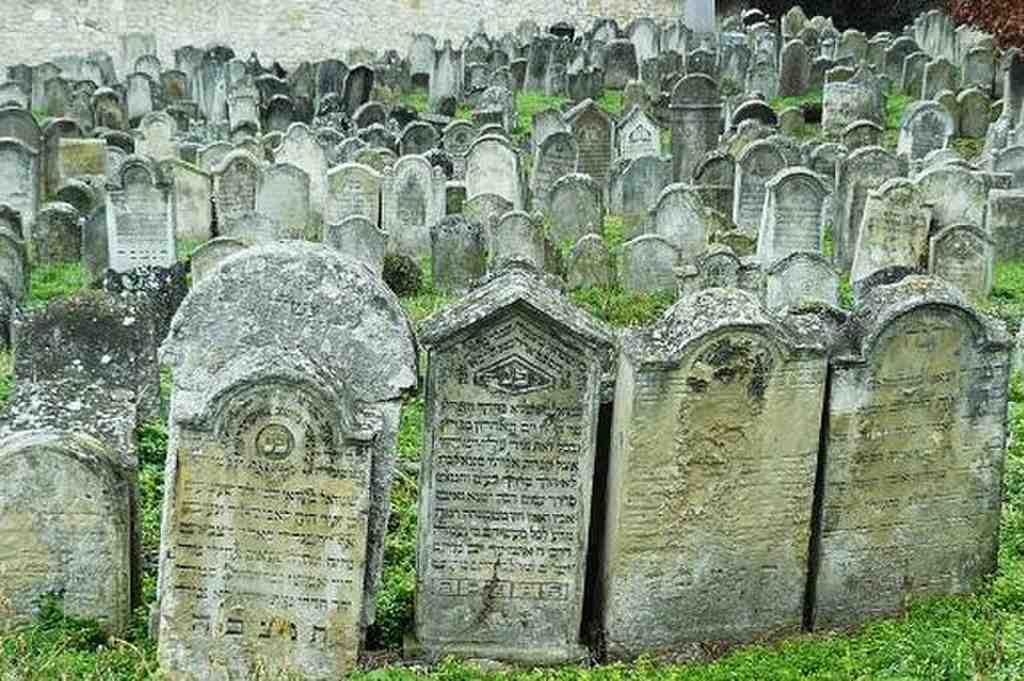
On your left, look for the enclosed rectangular burial ground with dense rows of upright stone slabs, their weathered surfaces marked by Hebrew inscriptions.
This cemetery asks for a quieter kind of attention. The oldest dated stone here reaches back to sixteen seventy-nine. By eighteen seventy-five, the ground was already full... which tells you something about how long Jewish life in Eisenstadt put down roots, endured, and kept returning to its own sacred places.
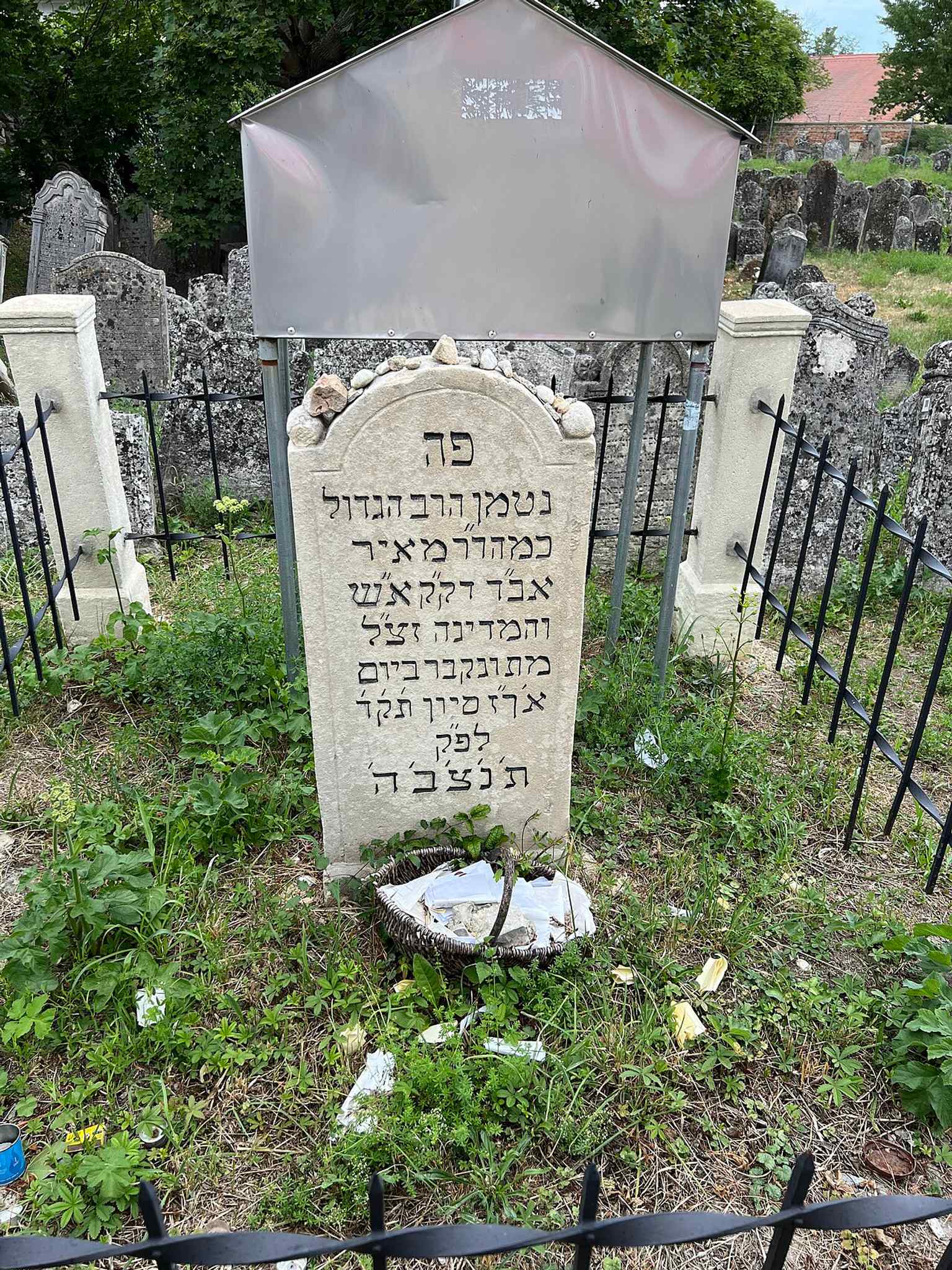
One grave, especially, keeps that thread alive: Rabbi Meir Eisenstadt, the eighteenth-century scholar whose arrival here owed much to Samson Wertheimer’s influence. Rabbi Meir built a Talmud school - a school for the close study of Jewish law and teaching - and students came from far beyond this town. He is not only remembered here; he is still visited. Jewish pilgrims continue to come to his grave, and his writings are still studied.
What does it mean when a grave is both evidence for historians and a destination for living devotion?
If you glance at your screen, the wider view shows how tightly the stones fill this space. And the close-up of a marker reveals why scholars worked so hard here. In nineteen twenty-two, Bernhard Wachstein published the inscriptions. Then, in twenty fifteen, the Austrian Jewish Museum documented one thousand eighty-two stones, linked them to one thousand one hundred five people, and put photos, plans, and transcriptions online... a project considered unique in Austria.
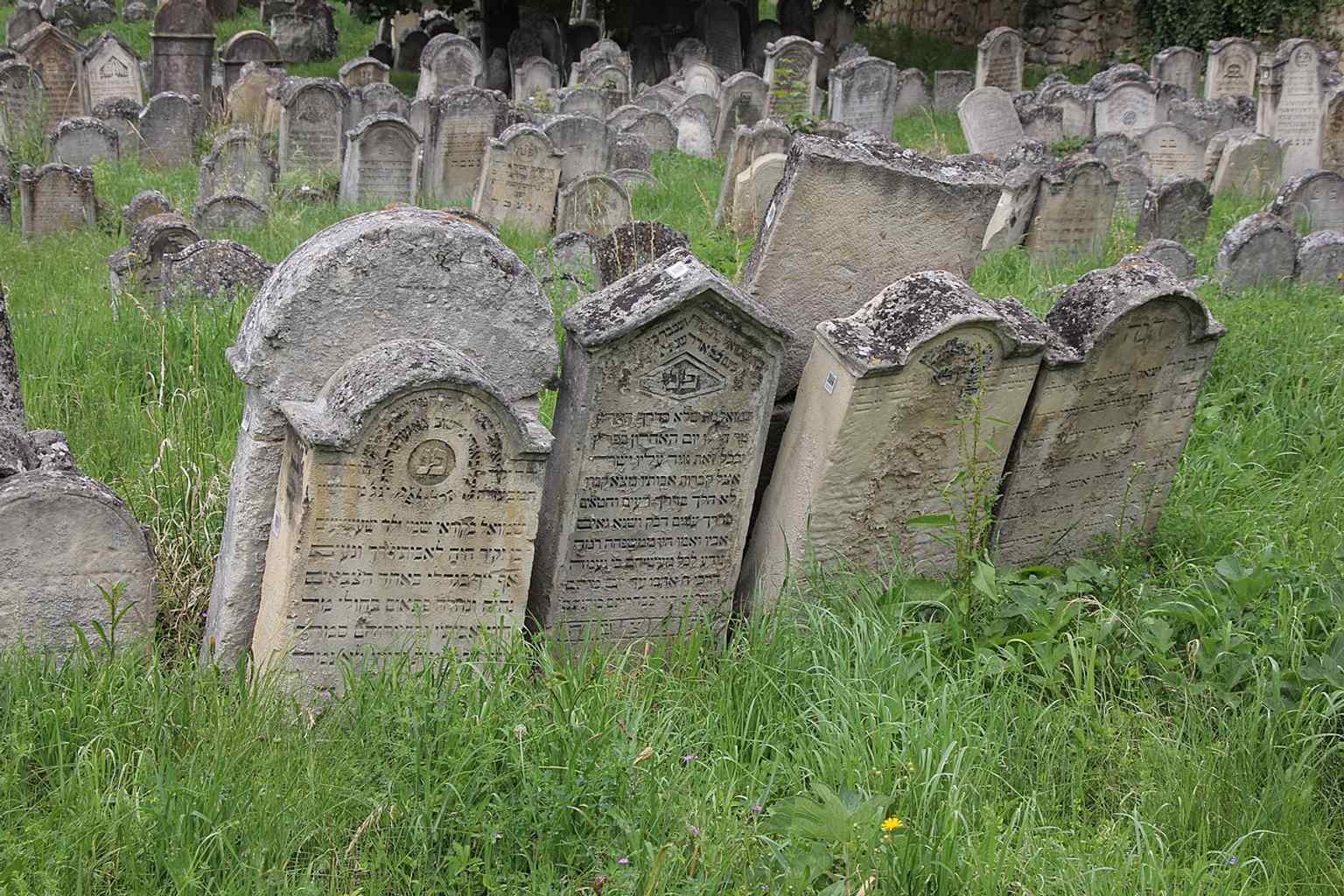
Rabbi Meir’s own grave received a major restoration in twenty eighteen, nearly three centuries after his death. The cemetery is protected and generally locked, even though it is officially listed as open around the clock; the key is kept by the Austrian Jewish Museum.
Some places survive not by spectacle, but by people choosing, again and again, to come back. When you’re ready, we’ll continue to the Hospital of the Brothers of Mercy, about three minutes away.