
汉诺威语音导览:皇家花园、隐藏遗迹与贵族故事
玻璃和黄金曾一度在汉诺威上空闪耀,国王们密谋,军队在海恩豪森宏伟喷泉下的隐秘阴影中行进。这座城市的心跳比大多数游客所能听到的更加响亮。 在这段自助语音旅程中,按照自己的节奏漫步,穿越宫殿、阅兵场和花园小径,追溯几个世纪的阴谋。揭开旅游指南中遗漏的故事,了解其光鲜表面下真实的汉诺威。 谁在海恩豪森城堡的镜厅中密谋反对王权?在城市叛乱期间,皇家乌兰骑兵团的英勇骑手们遭遇了怎样的命运?为什么每年黎明时分,大理石雕像旁都会留下一朵玫瑰? 沿着修剪整齐的花园和寂静的石头小径蜿蜒前行,深入了解在古老橡树下回荡的政治斗争、秘密叛乱和丑闻。当你聆听时,汉诺威将焕然一新,栩栩如生。 准备好揭开表面下的秘密了吗?您探索汉诺威被遗忘的阴谋的冒险现在开始。
导览预览
关于此导览
- schedule持续时间 40–60 mins按照自己的节奏
- straighten4.2 公里步行路线跟随引导路径
- location_on
- wifi_off离线工作一次下载,随处使用
- all_inclusive终身访问随时重播,永久有效
- location_on从 海恩豪森教堂 开始
此导览的景点
Look for a tall, dark stone church tower topped with a dramatic slate spire and clock, peeking above the green treetops along the street-its unmistakable silhouette marks the…阅读更多收起
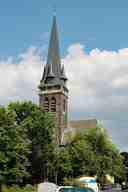
Look for a tall, dark stone church tower topped with a dramatic slate spire and clock, peeking above the green treetops along the street-its unmistakable silhouette marks the Herrenhausen Church. Welcome to Herrenhausen Church! If you’re wondering which direction to look, just gaze up at that striking, towering spire cutting into the sky-at 72 meters tall, I promise, it’s hard to miss. Now, imagine yourself here when this area was still a little quieter, and the grand Herrenhausen Gardens just a stone’s throw away. Let’s jump to the early 1900s. Picture a town buzzing with anticipation: the very first local church is being constructed not atop an ancient ruin, but from scratch on a fresh patch of land right near the gardens, thanks to plans from architect Rudolph Eberhard Hillebrand. Now, here’s a twist of fate-half the money for this beautiful sandstone church came from the deal when Herrenhausen was incorporated into Hanover. The other half? Good old-fashioned community spirit, gathering coins and paper marks from pocket and purse. By 1906, after three years of stone chipping and hammering, the church stood ready. On May 27th, it was consecrated-a big day around here! Take in those elegant Gothic revival details: the pointed arches above the entrance, the rose-topped gable, and that sturdy oak door. Above you, look for the stained glass windows originally commissioned from Rudolf and Otto Linnemann’s Frankfurt studio. It’s almost like the walls are dusted with colorful light-except, well, not all of those windows survived the Second World War. When WWII arrived, bombs thundered down on Hanover but-miraculously-this church was spared a direct hit. Still, one air mine exploded nearby and blew out the stained glass and even ripped off parts of the roof. Yet after the war, the community rallied once again. Over time, restorations brought back both beauty and function, right down to the art nouveau wall decorations, which had once been painted over in sensible gray and white during the 1960s (imagine a church in boring pajamas). Thankfully, by the 1990s, those cheerful Jugendstil patterns returned, along with the dazzling circular chandelier that hangs inside. Something unique about this church: its floor plan is based on a Greek cross, meaning the main aisle and the cross aisle are nearly the same length-symmetry fans, rejoice! The chancel is dominated by a glorious rose window: modern, colorful, with a dove gliding at its center, symbolizing the Holy Spirit. Now, don’t forget to glance at the organ-there’s a story there, too! The very first (and grand) organ was given by Ernst August, Duke of Cumberland himself, complete with his family crest on the front. It was majestic, with 35 registers. But the war didn’t spare this instrument. After several less-than-successful repairs, a new organ from the Hillebrand brothers was installed in 1967, incorporating some pipes from the original. Over time, it’s continued to grow-in 2019, after numerous tweaks and additions, this magnificent sound machine boasts 47 registers and an impressive, romantic voice. Who knows-if you’re lucky and the church doors are open, you might hear an unforgettable chord drifting on the air. Music is a big deal here. The Herrenhausen Kantorei choir is renowned for tackling musical masterpieces and puts on ambitious, even dramatic productions (Bach’s Passions set as stage plays, anyone?). The ringing of the bells-two deep-voiced steel and four sparkling bronze-also has stories to tell. The original bells were taken for war, melted down for weapons, but replacements arrived in 1922, steadfast and proud. Before you wander on, peek at that glass entrance door; it’s adorned with a wooden band inscribed in old-fashioned script with the Lord’s Prayer. And-if you’re looking for a cozy spot to reflect, don’t miss the simple prayer corner, added for Expo 2000, reminding every visitor that new stories keep being added to this church’s long tale. So whether you’re a fan of dramatic architecture, moving music, bittersweet resilience, or you just love a building with personality (and one heck of a pointy hat), Herrenhausen Church has something to offer. Just imagine all the weddings, choirs, laughter, and hope these stones have witnessed over the last century. And don’t worry-they’ll still be watching long after we’ve moved on to the next stop!
打开独立页面 →Straight ahead, you’ll spot a beautifully restored yellow mansion with a striking red tiled roof, large white windows, and a neat central entrance-just look beyond the iron gate…阅读更多收起
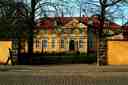
Straight ahead, you’ll spot a beautifully restored yellow mansion with a striking red tiled roof, large white windows, and a neat central entrance-just look beyond the iron gate and you can’t miss it shining through the trees. Now, as you stand in front of this grand building, let me take you on a journey that’s far fancier than the average Tuesday-and swoops through centuries of royal drama, art, and a dash of Hanoverian house-repair headaches. The Princely House Herrenhausen started its story in 1721, when King George I of Great Britain-who was also the Elector of Brunswick-Lüneburg (talk about a job title)-commissioned this palace as a lavish gift for his daughter, Louise von Delitz. She was, by the way, one of his three daughters with his rather well-connected mistress, Melusine Countess of Schulenburg. So, you could say this place was both a royal residence and a very extravagant “thinking of you” card. The house changed hands faster than a hot potato at a royal banquet. For decades, local noble families called these walls home, and by around 1770, the nine-bay house got spruced up with a grand central section and lower side wings-kind of like getting a snazzy new haircut on top of a classic suit. They say even the courtyard outside was pampered with symmetrical baroque gardens. Imagine the sound of 18th-century silk shoes gliding over the gravel... if you’re very quiet, you might almost-oh never mind, let’s not get carried away. Come 1836, the palace returned to royal hands for use as a guest house-only the poshest visitors need apply, of course. But just before the Kingdom of Hanover fizzled out, a star architect, Georg Heinrich Schuster, gave the house its current elegant look: that bright yellow stucco and the elegant wooden trim over the windows and doors. Don’t miss the ceiling inside the entrance hall with its painting from 1721-the goddess Juno wafting along on a cloud, peacock by her side, smiling down at cherubic little putti. Not that you can just waltz in these days, but believe me, that painting is a party for your eyeballs. Art lovers would have swooned at the priceless treasures inside: Baroque furniture, delicate porcelain, oil portraits of lords and ladies with their best “don’t-smile-for-the-portrait” faces, and even a carved children’s playroom set from the 1600s. Paintings traveled here from all over the family’s other palaces-Herrenhausen, Blankenburg, and Marienburg-each bringing tales of hunting, landscapes, and the ever-fashionable court lives. Top billing goes to the Heartberg Hunting Tapestry, a mammoth painting showing the four Heartberg brothers, who stared down from the wall as if to say, “Don’t touch my tankard!” Here’s a twist: while most nearby palaces were battered in World War II, the Princely House survived. It became a museum in 1955, welcoming crowds until 2011. Since then, it’s been more “home, sweet home” for modern royalty-Prince Ernst August and family-though their carpet-laying plans hit a snag because the 1980s renovations used toxic chemicals. Who knew royal life involved so much home improvement? So as you admire this golden gem, take a moment to picture centuries of aristocrats making plans, sharing secrets, or perhaps just arguing about who borrowed the best porcelain teacup. Welcome to the ever-evolving tale of the Princely House Herrenhausen.
打开独立页面 →To spot Hardenberg’s House, look for a stately yellow villa with tall windows and a distinctive blue door, right ahead of you, set back a little from the street with an elegant…阅读更多收起
To spot Hardenberg’s House, look for a stately yellow villa with tall windows and a distinctive blue door, right ahead of you, set back a little from the street with an elegant twin staircase leading up to the entrance. Welcome to Hardenberg’s House, where almost every stone seems to whisper with stories from centuries past! Imagine standing here in the mid-1700s, when this spot wasn’t yet graced by today’s grand villa but instead held the humbler home of a royal gardener. Then-sweep in the sound of chisels and hammers-between 1749 and 1751, the air filled with the rattle of construction as master architect Johann Paul Heumann transformed the site into an official residence fit for Friedrich Karl von Hardenberg, the man in charge of royal gardens and building projects. But Hardenberg wasn’t just seeking a fancy address; tucked inside were special winter rooms for plants too delicate for Hanover’s chilly winters-talk about living in a house where your neighbors are orange trees! Over time, this stately home became a kind of VIP guesthouse for a wild variety of history’s headliners. Fast-forward to 1803: the crack of marching boots echoes down the street as French troops invade Hanover. Their leader, General Mortier, glances around and spots the perfect headquarters-this very house! One can only imagine him trying to decide: which room would he claim for war meetings, and where to put his boots without upsetting the tulips? Soon after, another Frenchman moves in, a certain Jean Baptiste Jules Bernadotte. He must have liked the digs-a year here, and he went on to become King of Sweden and Norway! Clearly, good things happen to those who hang around Hardenberg’s House. Jump ahead half a century, past royal intrigue and big historical upsets-by 1866, after the Battle of Langensalza erased the Kingdom of Hanover, the proud Welf family needed a new home for their private museum. What better place than here, among the grand hallways and echoing staircases? But Hardenberg’s House wasn’t done changing hats. During the Nazi era, the city took it over and arranged for the registry office to move in, meaning people said “I do” within these grand rooms-a far cry from secret intrigues and generals’ plans! The gardens got trimmed a bit to widen the street outside, and they even changed the street name, perhaps just to confuse the mailman. After the war, it became a home for exiles from Hannover’s partner city, Glogau, and was lived in by various noted personalities-at one point the artist Kurt Lehmann called these walls home, hosting legendary guests such as Martin Buber and Alexander Calder. After a massive renovation at the dawn of the new millennium, Hardenberg’s House opened its doors for celebrations, conferences, and-now-curious wanderers like you. There’s even a library on garden art, so the plants finally got their revenge and took center stage. Step back, and imagine all the laughter, the urgent footsteps, the whispered conversations. And remember: if these yellow walls could talk, they’d probably ask for a cup of tea-and a bit of peace after centuries of excitement! Ready for the next adventure?
打开独立页面 →

再显示 10 个站点显示更少站点expand_moreexpand_less
Look for a long half-timbered building with yellow walls, dormer windows, and a grand roof right across the street, partly peeking out from behind the trees-it’s hard to miss with…阅读更多收起
Look for a long half-timbered building with yellow walls, dormer windows, and a grand roof right across the street, partly peeking out from behind the trees-it’s hard to miss with its old-world charm. Now, picture this: it’s the early 1700s and this very building is buzzing with pages of the royal court-young boys dressed in smart liveries, running errands, learning their noble manners, and likely sneaking the odd pastry or two when their teachers weren’t looking! The Pagenhaus was built for them, but also for their teachers and a handful of loyal servants. The man behind this sturdy, timber-framed home was none other than Louis Remy de la Fosse, a master architect who designed it with its unique mansard roof-one of the very first in Hanover at the time. On stormy nights in 1708, a shiny weather vane spun on top, keeping everyone guessing which way the wind would blow. Through the years, the ground floor saw many faces and heard many secrets-from a furniture storage room in the Orangerie to the private quarters of the royal gardener, Georg Ernst Tatter, who probably talked more to his flowers than his neighbors! By the 21st century, the Pagenhaus shed its historic dust, became sought-after apartments, and was lovingly restored to keep its stories alive. Just imagine, every creak of the timber beams holds a slice of Hanover’s courtly mischief and timeless elegance.
打开独立页面 →To spot Herrenhausen Castle, look straight ahead for an elegant, cream-colored, three-winged palace with a symmetrical facade, a central staircase climbing to a balcony, and…阅读更多收起
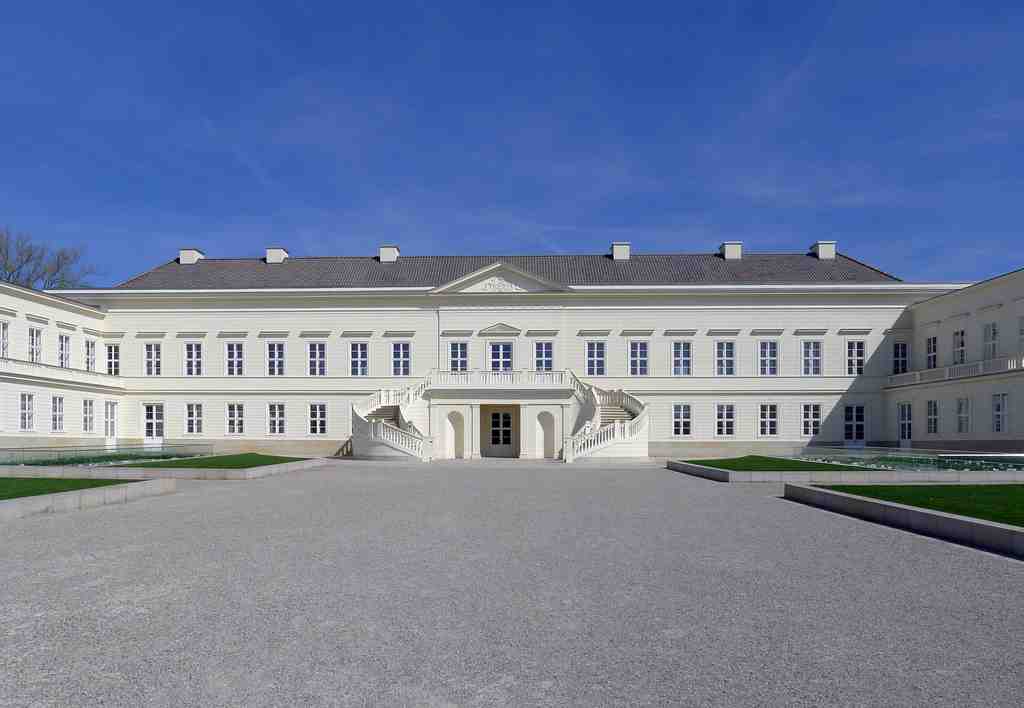
To spot Herrenhausen Castle, look straight ahead for an elegant, cream-colored, three-winged palace with a symmetrical facade, a central staircase climbing to a balcony, and neatly trimmed grounds in front. Alright, time to step into the shoes-er, perhaps the buckled shoes!-of royalty because you’re now standing in front of one of Hanover’s most storied addresses. Imagine yourself, hundreds of years ago, under the open sky, looking at what was once the dazzling residence for the great Electors and Kings of Hanover. Herrenhausen Castle first sprang up in the 1600s, carefully transformed from a simple farmhouse to a playful manor fit for grand garden parties and royal mischief. By 1670, its distinctive three-wing layout was already wowing visitors, its impressive main building guarded by an ornate arched gate and a courtyard you could reach through the central axis-back then, showing up in anything less than your finest stockings just wasn’t done. Not just a pretty facade, the castle’s wings once housed everything from the staff’s rooms to the stables and barns-because even kings need a good breakfast egg, right? In 1676, the whole place got an upgrade fit for summer, transformed into a luxurious palace by Marinus Cadart, who made sure the central hall became the beating heart of courtly life. If you had been invited to one of those lavish parties, you’d stand beneath Venetian-inspired architecture and look out over the “growing garden”-a real symbol of power (and one-upmanship over your noble neighbors). Herrenhausen Castle played host to history, quite literally, because in 1683, the future King George II of Britain was born right here. It must’ve been quite the place for highbrow hide-and-seek! Around 1700, plans swirled for even grander constructions-the architects were inspired by Italian villas and the grand visions of Andrea Palladio. Though some dreams lay just on paper, the castle was continuously polished and adapted. Want your castle to look up-to-date? Just add some stylish window decorations, sandstones, and iron gates to keep the fancy in, and the riffraff out. Now, here’s a fun twist: the wings were once filled not with royal pets, but with delicate plants overwintering in heated quarters. Yes, these were the first orangeries, and the flat roofs atop the wings made perfect terraces for a noble to gaze out over the gardens, planning the next majestic fountain or dazzling cascade. When the famous Great Garden was finished, the whole ensemble became even more breathtaking-just try to imagine the sound of water splashing from the fountains and the scent of blooming flowers on a summer’s day. As time went on, the castle saw a parade of kings-some residents, some absentee landlords, like George III, who never even bothered to visit. The castle got a makeover in the early 1800s by architect Georg Ludwig Friedrich Laves, who gave it this very look: elegant classical lines, posh balconies, and, at King George IV’s command, even luxurious bathrooms and English teapots. I bet those parties had top-shelf tea! Herrenhausen Castle enjoyed its role as a centerpiece for royal dinners, summer escapes, and grand balls until 1943, when, tragically, it was almost completely destroyed during a bombing raid in World War II. Imagine the flames crackling where music and laughter once rang out-it was a sad, silent moment in history. But Hanover never forgot its treasure. Many schemes were hatched for what to do with the ruins-a hotel, an art museum, even a platform called “Bella Vista.” Nothing quite stuck until the city and Volkswagen Foundation teamed up, and finally, from 2011 to 2013, this palace was painstakingly rebuilt. Now, the castle is home to a modern conference center and museum, keeping its centuries-old spirit alive, and looking just as grand as it did for those kings and queens-and now, for you. So take another look: you’re standing where history has been born, lost, and reborn. If that isn’t reason enough to hold your head high and imagine a crown, I don’t know what is!
打开独立页面 →Right ahead of you, you'll spot the ornate Herrenhausen Gardens by their swirling, sculpted hedges and bursts of colorful flowers, all framing an impressive water fountain that…阅读更多收起
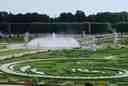
Right ahead of you, you'll spot the ornate Herrenhausen Gardens by their swirling, sculpted hedges and bursts of colorful flowers, all framing an impressive water fountain that dances in the heart of the grounds. Now pause for a moment and let your eyes wander-can you feel the grandeur of centuries past lingering in the air? Imagine swirling capes, powdered wigs, and the whispering excitement of a royal garden party. The Herrenhausen Gardens are not just any old park! These historic grounds are a living storybook, home to four distinct gardens: the stately Baroque-style Great Garden, the lush botanical haven of the Mountain Garden, the serene Georgengarten, and the expansive Welfengarten. You’re standing before the Great Garden-the very heart of it all, where beauty and history intertwine. It all began in 1638, when Duke George of Calenberg decided the local peas and carrots deserved fancier neighbors and ordered a kitchen garden with a few fancy buildings. Fast-forward to 1665, and his son Johann Friedrich gave the area the name Herrenhausen-much more regal, don’t you think? He didn’t stop there. Johann Friedrich’s gardener got the wonderful task of transforming simple beds into a true “Garden of Joy,” one not much smaller than what you see today. But the real makeover started when Ernst August and his clever wife, Sophie of the Palatinate-imagine her, scheming up grand plans with a twinkle in her eye-set out to rival the grandest courts in Europe. She brought her inspiration from growing up in the Netherlands and insisted the garden be decked out in the Dutch Baroque style, with perfectly clipped hedges, precisely aligned flowerbeds, and straight pathways so noble ladies could show off every angle of their powdered wigs. Between 1676 and 1680, things got splashy: the Grand Cascade and the dazzling Grotto were built. Even a maze appeared-the only place you could really get lost in royal Hanover without getting in trouble. Oh, and see that fountain at the center? In the early 1700s, it shot water higher than any other court in Europe-an impressive 35 meters at first! Today, it can reach up to eighty meters, making quite a splash on sunny afternoons. At its peak, by about 1710, the Great Garden sprawled across fifty hectares-the same area as Hanover’s entire Old Town back then. Under Sophie’s direction, it grew fourfold. But after her death, and as Hanover’s royals spent more time sipping tea in London than here, the garden faded into neglect. Time wasn’t always kind; wars came and rulers left. Yet remarkably, the garden’s design survived when others across Europe were plowed under or tamed into English landscapes. Jump ahead to the 20th century-Hannover’s citizens reclaim the garden. Additions like the octagonal maze, inspired by a 1674 blueprint, pop up, though historians can’t agree if a maze ever truly existed here. After WWII, despite destruction elsewhere, the Grotto and the Grand Cascade were untouched, standing like silent guardians over a landscape returning to splendor. Even in recent years, creativity thrives. Legendary artist Niki de Saint Phalle transformed the Grotto with glittering glass and mirrors, adding a modern touch to the old stones. The garden never lost its flair for drama-every summer, the air fills with music, fireworks, and laughter as international artists, pyrotechnicians, and theater troupes descend for festivals, concerts, and explosive competitions. So, whether you spot a professor musing beneath a lime tree or a couple picnicking next to a marble statue, remember-you’re walking where philosophers pondered, royals plotted, and generations dreamed under the Hanover sky. And don’t forget: if you ever get lost in the maze, just think of Sophie, and head for the sound of splashing water-you might just find yourself in the heart of one of Europe’s greatest gardens. Intrigued by the large garden, mountain garden or the georgengarten? Explore further by joining me in the chat section below.
打开独立页面 →To spot the Guelph Mausoleum, look through the grand iron gates straight ahead, and you’ll see a classical stone building with columns tucked beneath a crown of ancient oak trees…阅读更多收起
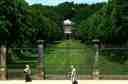
To spot the Guelph Mausoleum, look through the grand iron gates straight ahead, and you’ll see a classical stone building with columns tucked beneath a crown of ancient oak trees at the end of a perfectly straight green avenue. Now, let’s step back in time-imagine yourself surrounded by the hush of towering oaks, the sunlight dappling through branches that have stood here since the age of powdered wigs and royal carriages. It’s 1841, and the air is thick with the scent of earth and blooming spring. Suddenly, the peace is broken not by a ghost of a long-lost duke, but by urgent royal business-a queen has died. King Ernst August, with a heart both heavy and practical, orders up plans for a fitting final home for his beloved Friederike. Picture the king, perhaps with a dramatic sigh, hastily instructing his architect Herr Laves to whip up plans for a mausoleum-no time for procrastination here, royal schedules wait for no one! Laves doesn’t just draw one plan, he brings the king options, even sketching out a temple in the style of ancient Egypt. Yet, after a flurry of ideas, the final design lands in the style of ancient Greece-dignified Doric columns, sturdy and timeless, because nothing says “eternal rest” like borrowing from the ancient philosophers. King Ernst August picks a spot in the Berggarten, just at the end of a beautiful avenue, where the building can peek out as a secret viewpoint from the palace. Construction, of course, takes a marathon, not a sprint. The king keeps nudging everyone along, probably asking, “Is it finished yet?” like a child on a long carriage ride. By May 1842, the building begins, not in flashy granite like its Berlin cousin, but in the gentle embrace of sandstone, with a dome built in wood and saucily covered in white plaster to hurry things along. As the walls rise, another delight unfolds-King Ernst August wants his mausoleum shaded by mighty trees, and not just any saplings. “Bring me BIG trees!” he says, and so they did. Imagine the spectacle: sixty-year-old oaks, giant root balls bundled gently on giant wagons, drawn by sixteen horses clip-clopping along, bridges reinforced, and smaller trees cleared from the path. Locals gawked at the leafy parade-who needs a circus when you’ve got an oak-tree caravan? Under these leafy canopies, spring flowers boldly poke their heads out each year, celebrating new life right above this house of the dearly departed. But the story deepens inside. Christian Daniel Rauch, the superstar sculptor who had just finished working on the sarcophagus for a royal in Charlottenburg, is called in for this project. He spends three years crafting the queen’s final resting place-a labor of art and love. When King Ernst August himself passes on, the city mourns him with all the respect due a monarch famous for compromise and for surviving the revolutions of his time. His impressive sarcophagus is also the work of Rauch’s students, showing off Hannoveran pride in marble and skill. Over the years, the mausoleum becomes more than a resting place for a royal couple-it grows into the family archive! When bombers flatten the Leineschloss during World War II, the royal coffins are rescued and moved respectfully here. The mausoleum fills with generations: tiny princes and princesses who never saw adulthood, proud electors and kings of Britain and Hannover, and the only daughter of Kaiser Wilhelm II, Victoria Luise, whose story ends here in 1980, laid tenderly beside her husband. Today, you stand at the gates, perhaps hearing a faint whisper of hooves on cobblestones or the gentle rustle of old leaves. Visitors come to honor, reflect, and admire what’s been called the most beautiful mausoleum in Hanover. It’s history in stone and wood, shaded by monarchs of the forest, waiting quietly in the heart of the garden to share its secrets and silent stories with you. Curious about the specifications, the oak grove or the resting place of the family? Don't hesitate to reach out in the chat section for additional details.
打开独立页面 →In front of you is a long, yellow-painted building with a red-tiled roof and small white-framed windows, set off by a large pine tree standing to the right on a patchy,…阅读更多收起
In front of you is a long, yellow-painted building with a red-tiled roof and small white-framed windows, set off by a large pine tree standing to the right on a patchy, snow-dusted lawn-just keep your eyes straight ahead and you'll spot it easily! Now, take a deep breath and let your imagination travel back in time-because you’re standing at a place where the sweet scent of apples and the gentle rustle of mulberry leaves once filled the air: welcome to the historic Royal Fruit Tree Plantation. But this isn’t just any old orchard. If you listen closely, you might almost hear the whispers of silk worms munching on leaves-yes, silk worms!-because back in the 17th century, this spot was at the heart of a rather grand plan. The man behind it all? None other than the brilliant Gottfried Wilhelm Leibniz, the local genius who wasn’t content just thinking big-he planted big too. Leibniz’s dream was nothing less than turning sand into silk-literally! He thought, “Why not fill these sandy Hanoverian plains with thousands of mulberry trees, feed silk worms, and clothe Europe’s nobles in fine silk woven right here?” And off he went. By 1680, his vision started blossoming. Gardeners experimented, scientists poked at leaves, and soon, fluffy white silk was being spun right in Hannover. But silk wasn’t the only thing growing. This place became a wonderland of trees. By 1780, imagine rows upon rows of tiny saplings-40,000 of them-stretching their roots, eager to become grand fruit trees with apples, pears, plums, and more. Thousands of strong fruit trees would be grown and then-here’s the best part-sometimes given away for free to local farmers and citizens. Talk about a generous VIP fruit club. Yet, the fashion world is fickle-just as everyone was getting used to the idea of silken socks, the French Revolution hit and, poof! The silk craze vanished. Suddenly, apples and plums were in, and mulberries were out. Half of the plantation became a treasure trove of kitchen gardens and orchards, bursting with every kind of fruit you can imagine. At its peak in the mid-1800s, there were a jaw-dropping 700 types of apples, 500 varieties of pears, and cherries, peaches, and apricots galore. Fruit everywhere-honestly, if Snow White had wandered in, she’d have abandoned her dwarves! Each year, trees were sold and distributed across the kingdom-there were even protective walls built just to keep peach and apricot thieves at bay! Of course, history had its storms. During Napoleon’s occupation, the plantation nearly vanished-most of the trees had to be sold to rescue the local economy. But resilience is Hanover’s middle name. Once the kingdom was back on its feet, new trees were planted, new varieties introduced, and by the late 19th century, this was the region’s horticultural heart. If these walls could talk, they’d tell you about wax fruit models, eccentric botanists, and the laughter of gardeners as they dodged wayward geese and fruit lovers sneaking extra apples. So as you stand here, imagine the soft bloom of spring and a patchwork of trees heavy with their orchard treasures. The Royal Fruit Tree Plantation isn’t just a place-it’s a living memory of Hanover’s enduring love affair with nature, science, and, perhaps most importantly, a juicy apple.
打开独立页面 →To spot the Mohrmann House, just look for the large, red-brick corner building with a round tower topped by decorative arches and green-glazed stonework, right at the…阅读更多收起
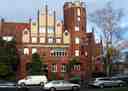
To spot the Mohrmann House, just look for the large, red-brick corner building with a round tower topped by decorative arches and green-glazed stonework, right at the intersection-it's hard to miss with its playful mix of elegance and eccentricity. Now, let’s stand here a moment as a cool breeze whispers past, and imagine yourself at the turn of the century, when Professor Karl Mohrmann designed this striking house for his own family. Picture the street outside hustling with horse-drawn carriages as Mohrmann, the local expert in medieval building design, supervised the rising walls and set new standards for the neighborhood with every extravagant detail-those brown and green glazed bricks, the playful Gothic-style windows, and, of course, a turret that’s just begging to be the scene of a fairy tale. Back in 1900, this spot was the edge of Hannover’s grand new “country house district”-a kind of “suburbia, but make it dramatic.” Mohrmann didn’t stop with this one home; by 1902, he’d attached another building next door and dotted the street with a handful of matching houses, trying to make sure no one on his block ever outdid his architectural flair. Inside, life was lively and full of quirks: his granddaughter Karin would one day run through these halls, her nanny living upstairs, while the turret hinted at hidden treasures. Mohrmann kept a mysterious, windowless room there for his Egyptian artifacts, which were so delicate, only “special” guests were allowed a peek. If you could look up during the 1920s, you might've seen the son, Bernward, enjoying his own slice of freedom-let’s just say the rooftop terrace got plenty of sunshine and privacy for those... unconventional sunbathing habits. Every home has a few secrets, right? But not everything stayed magical. During World War II, the building was almost completely destroyed. After a bombing, search parties combed through the wreckage for survivors, marking a somber black cross when they finished. The tower, once higher and grander, was rebuilt to a more modest height; plain plaster replaced ornate stone on the gable. Still, the story didn’t end. Decades later, the family rallied to restore their ancestral pride, working with skilled architects and treasure-hunting in the cellar for original decorations. By 2011, a third rooftop celebration filled the air with laughter-though, just to keep things dramatic, one more tragedy struck as a worker was lost in a crane accident. Today, through wars, rebuilds, and wild rooftop parties, the Mohrmann House stands tall, showing off its glamorous scars, quirks, and the big-hearted ambition of one very creative family. Don’t forget to snap a photo-this is the kind of house that loves the spotlight!
打开独立页面 →To spot the State Women's Clinic Hanover, look for a long, elegant building with red roof tiles and a mix of red and yellowish brickwork, topped by a small, decorative tower right…阅读更多收起
To spot the State Women's Clinic Hanover, look for a long, elegant building with red roof tiles and a mix of red and yellowish brickwork, topped by a small, decorative tower right in the middle-it's right ahead of you! As you stand in front of this grand old structure, imagine the early 1900s-a time when Hanover was bursting at the seams with new residents, bustling trams, and, believe it or not, a pressing need for more places to deliver babies! This impressive building, which looks like a castle for medicine, was born out of necessity. Designed by the clever city architect Carl Wolff, it opened its doors in 1903 and quickly became a beacon for women’s health-not exactly Hogwarts, but you can be sure there was plenty of magic happening inside. Picture red and yellow bricks carefully laid out, wide halls buzzing with nurses, and the gentle clatter of footsteps echoing down the long corridors. Before this spot, the original women's clinic was squeezed into different corners of the old city, even once called the “Accouchir-Hospital.” That’s French for “baby central,” but let’s stick to German history for now! Hanover grew so quickly that a new clinic was needed, and this one quickly was handling up to 1,000 births each year-imagine that many babies crying at once! By 1911, the clinic was taking care of not just mothers but also newborns with a special care station for babies-Hanover’s version of a VIP lounge. But by 1913, the place was nearly overflowing with patients. They raced to keep up with new demands and, by 1932, the place got a major face-lift, more modern equipment, and a shiny new focus on fighting cancer and tumors, expanding from its original mission. The story takes a dramatic turn during World War II. On a terrifying October night in 1943, bombs whistled down from above and huge parts of the clinic were destroyed. For a while, the staff and patients fled to Celle, but you can’t keep a good clinic down. By 1946, they were back at Herrenhäuser Kirchweg, patching things up brick by brick, and by 1965, the clinic had a new wing just for the nurses. This clinic was also a cradle of learning: from 1983, it became an academic hospital for the Medical School of Hanover, training new generations of doctors and midwives. By the 2000s, the clinic had high-tech delivery rooms and operating theaters, with four main wards, a special “birthing-operation” suite, and a recovery ward with ten beds for new moms to rest. But time marches on, and in 2015, the maternity ward finally closed-a bittersweet moment for many. The city dreamed up plans but couldn’t agree, and in the end, the building was sold off for a whopping 15.5 million euros to a Hamburg company. Their big idea? Luxury flats! Now, there are 153 apartments where babies once wailed, and the park in between the old buildings is private but still open to curious passersby-like you! So as you gaze at the mix of old bricks and new beginnings, know that you’re standing in a place of first cries, courageous healing, and now, a little bit of posh Hanover living. Not bad for a place that started out as an answer to “Where will all these babies go?”
打开独立页面 →



常见问题
如何开始导览?
购买后,下载 AudaTours 应用并输入您的兑换码。导览将准备好立即开始--只需点击播放并按照 GPS 引导的路线行驶即可。
导览期间我需要互联网吗?
不需要!开始前下载导览并完全离线享受。只有聊天功能需要互联网。我们建议在 WiFi 下下载以节省移动数据。
这是导游带领的团体游吗?
不是--这是自助语音导览。您按照自己的节奏独立探索,通过手机播放音频解说。没有导游,没有团体,没有时间表。
导览需要多长时间?
大多数导览需要 60-90 分钟才能完成,但您完全控制节奏。随时暂停、跳过站点或休息。
如果我今天无法完成导览怎么办?
没问题!导览具有终身访问权限。随时暂停和恢复--明天、下周或明年。您的进度已保存。
有哪些语言可用?
所有导览均提供 50 多种语言版本。在兑换代码时选择您的首选语言。注意:导览生成后无法更改语言。
购买后我在哪里访问导览?
从 App Store 或 Google Play 下载免费的 AudaTours 应用。输入您的兑换码(通过电子邮件发送),导览将出现在您的资料库中,准备下载并开始。
如果您不喜欢该导览,我们将退款。请联系我们 [email protected]
安全结账使用 


